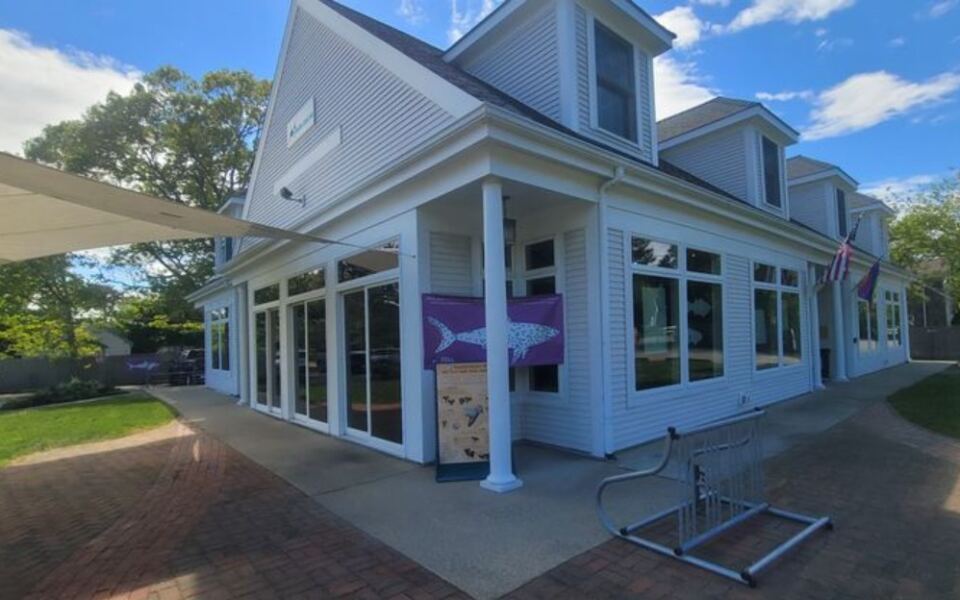
Curly, Chex, and Bruno sound like names from a neighborhood group chat. They are actually great white sharks swimming off the Massachusetts coast.
Scientists tag and track them, and this shark center shows visitors how that work happens. You can follow individual sharks, learn what the tags reveal, and see how much movement is happening offshore without ever noticing it from the beach.
Then things get more playful. There is a real shark cage you can step into for a photo, plus a model of Bruce, the mechanical shark from Jaws.
I think the names are what make the whole thing click for me. Once a shark stops being “a great white” and becomes Curly or Bruno, it suddenly feels less like a movie villain and more like an animal with its own route, habits, and story.
Meet The Locals Who Happen To Have Very Big Teeth
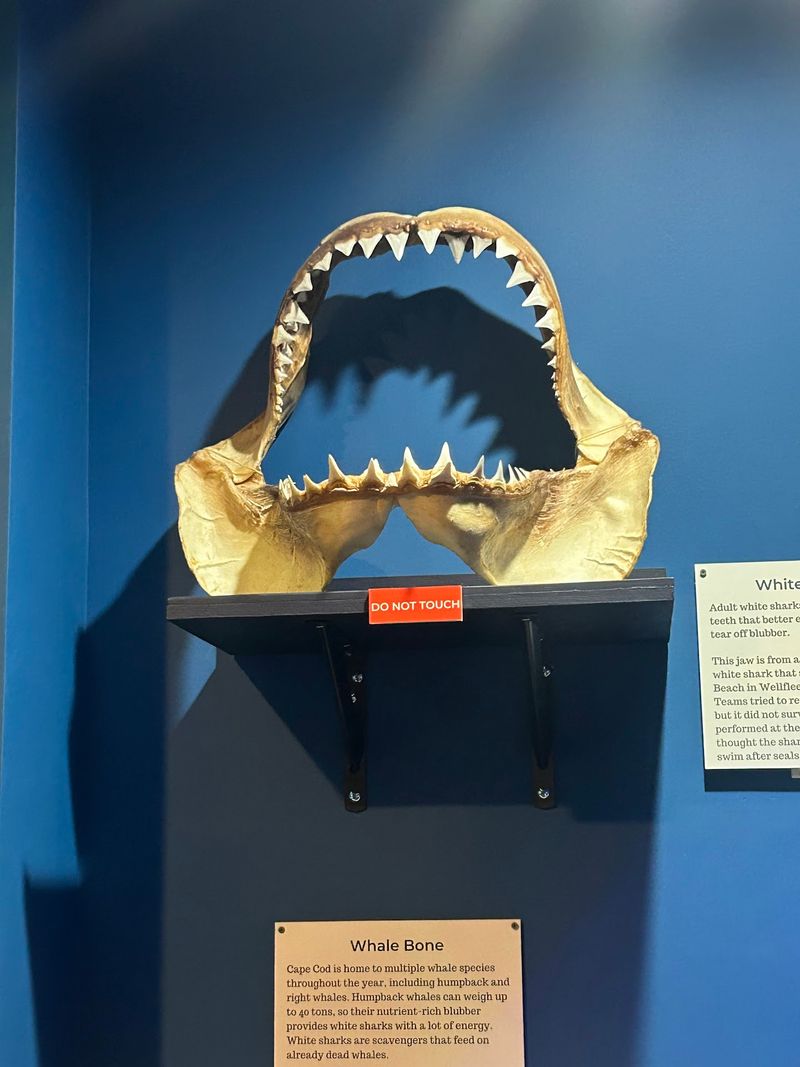
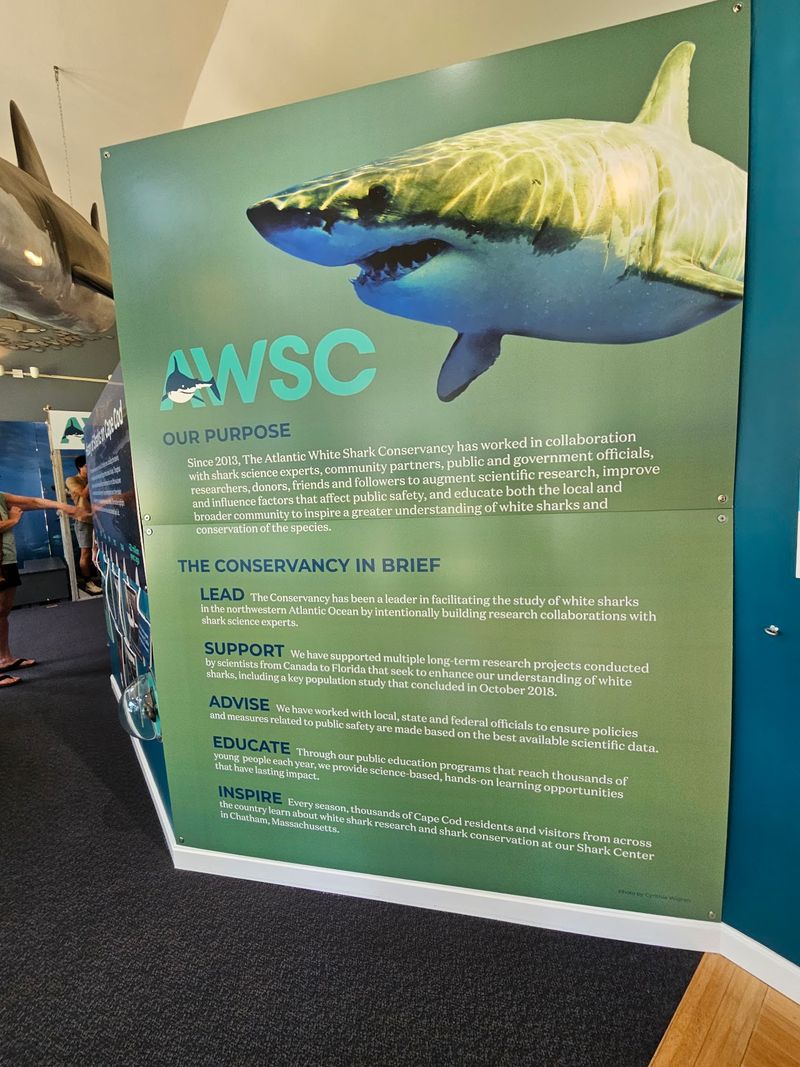
The Chatham Shark Center is run by the Atlantic White Shark Conservancy, a nonprofit devoted to great whites. Its motto is short and memorable: Respect the Locals.
Those locals are the white sharks that return to Cape Cod waters. The center explains who they are, where they travel, and why they matter.
The conservancy works on shark research, public safety, education, and conservation. Every exhibit connects back to those four goals in some way.
That mix makes the visit feel meaningful. You’re learning from people tied directly to real scientific work happening off the coast.
The center is compact, so it won’t eat your whole day. Plan for under an hour, which leaves plenty of time for beaches and ice cream.
It’s a smart stop on a cloudy or rainy afternoon. When the sun plays hide-and-seek, sharks make excellent backup entertainment.
Families with teens and adults tend to get the most from the detailed displays. Younger kids have hands-on options too, which we’ll get to soon.
Either way, you’ll leave knowing far more than when you arrived. And your view of the ocean might shift just a little.
Curly, Chex, And Bruno Have Stories Worth Hearing

Most aquarium animals stay put, but these sharks roam the Atlantic. The center shares stories about individual great whites, including Curly, Chex, and Bruno.
Giving sharks names changes how you see them. Suddenly a fierce predator feels more like a character with its own travel diary.
Researchers identify white sharks by markings, scars, and fin shapes. It works a bit like recognizing a friend by their freckles.
The exhibits also cover the history, evolution, and biology of white sharks. You’ll find information on other New England shark species as well.
Some of those species face real threats. Learning about them adds weight to the fun, without turning the visit gloomy.
A Shark ID touchscreen lets visitors explore this identification process. It’s a clever way to turn science into something you can tap and try.
Kids who love collecting facts will feel right at home here. Adults might be surprised how quickly they pick favorites.
By the end, Curly might feel like a celebrity you’d recognize. That’s the point, really.
Caring starts with knowing someone’s name.
Tags, Trackers, And A Little Detective Work
How do you keep tabs on a fish the size of a small car? The center answers that with detailed exhibits on shark tagging.
You’ll see the different types of tags researchers use. Each one collects different information about where sharks go and how they behave.
Displays explain how scientists attach tags and later gather the data. It’s part fieldwork and part puzzle-solving, with the ocean as the puzzle box.
Visitors can also see how tagged sharks get tracked. That turns abstract science into something you can actually follow on a screen.
This research helps answer big questions. When do sharks arrive, where do they hang out, and when do they leave?
The answers support beach safety on Cape Cod. Knowing shark habits helps people share the water more wisely.
The conservancy also connects to the Sharktivity app, which shares shark sightings and detections. It’s handy if you’re curious before heading to the beach.
Honestly, this section might be the most eye-opening. Great whites stop being mysterious shadows and start showing up as data points with routines.
Your Best Shark Selfie Happens Inside A Real Cage
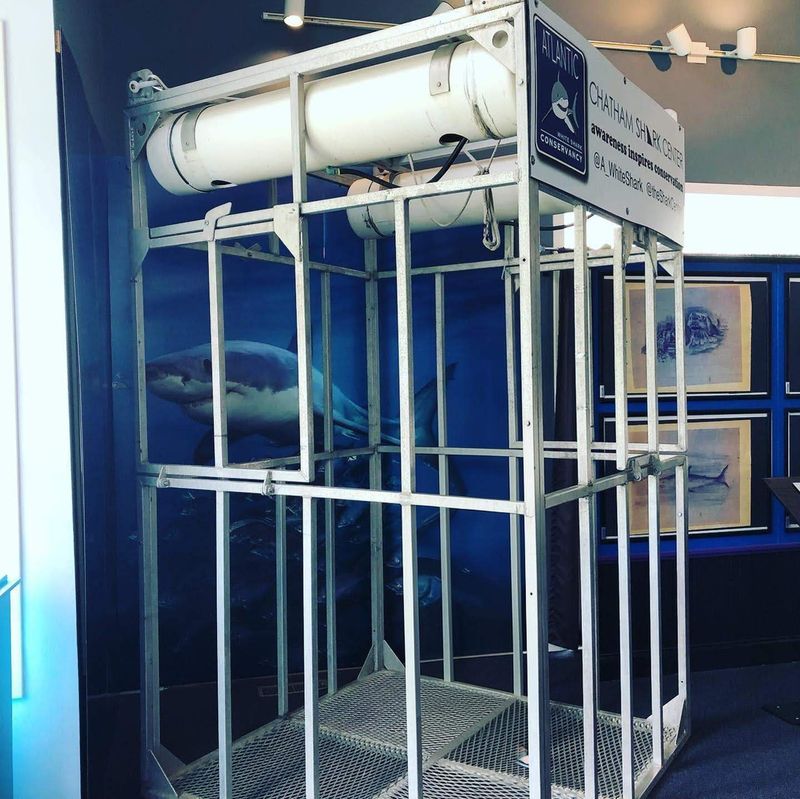
Here’s a photo op with serious bragging rights. The center has a real shark cage you can step inside.
No water, no sharks, and no nervous captain required. Just you, the bars, and your bravest face.
It’s a fun way to feel what divers experience during cage work. Well, minus the cold Atlantic and the toothy visitor.
Kids usually ham it up here, and adults often do too. Go ahead and pretend a great white is swimming by.
The cage also sparks good questions. Why do researchers use cages, and how close do sharks really get?
Staff and volunteers on the floor are known for sharing facts. Asking a quick question can turn a silly photo into a mini lesson.
Bring your phone charged and ready. This picture will likely end up on a fridge or holiday card.
One tip: snap a few shots from different angles. A low angle makes the cage look extra dramatic, and dramatic is the whole vibe.
Movie Buffs, Bruce Is Waiting For You
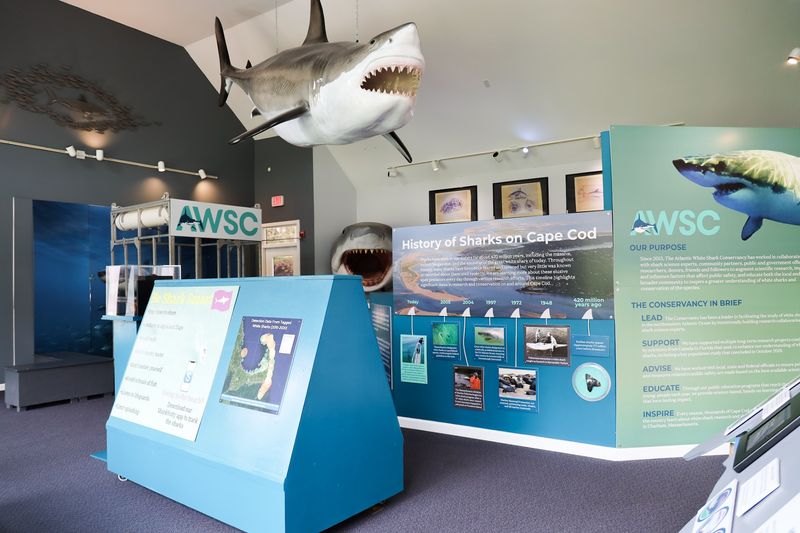
Jaws made sharks famous, and not always in a good way. The center leans into that history with a model of Bruce, the mechanical shark from the film.
Fans will also find original Jaws drawings on display. It’s a fun peek behind the scenes of a movie that shaped how people view great whites.
Jaws was filmed on Martha’s Vineyard in Massachusetts. So this movie history feels right at home in the same state.
The connection is clever. The film made people fear sharks, and the center helps people understand them instead.
Seeing Bruce near real science exhibits is a neat contrast. Hollywood drama meets actual shark facts, all under one roof.
If you’ve never seen the movie, you’ll still enjoy the display. If you have, you might hum that famous two-note theme.
Go ahead and hum it. Everyone else is probably thinking it anyway.
This corner makes a great talking point for families. Ask your crew which shark seems scarier now, the movie one or the real ones.
Little Hands Get Plenty To Do
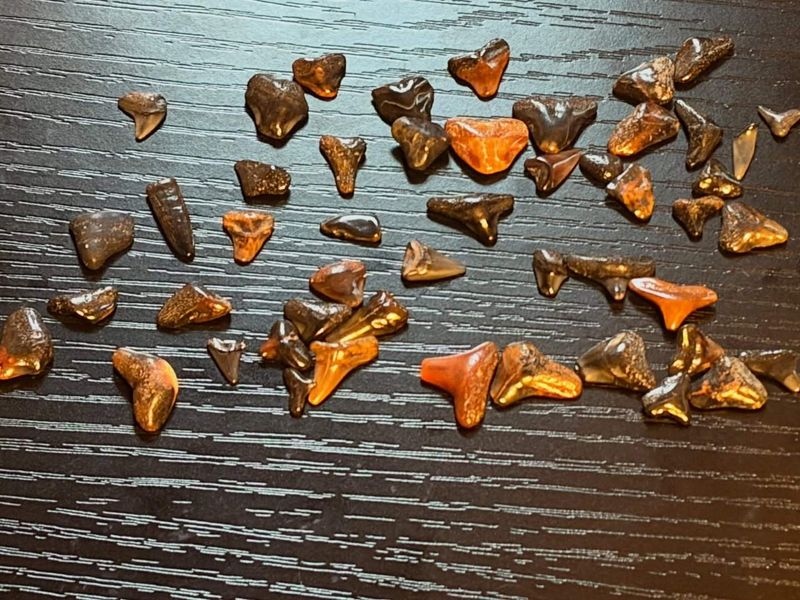
Shark teeth, buried treasure, and a giant puzzle. Younger visitors have real reasons to love the Chatham Shark Center.
In summer, a fossil pit lets kids dig for shark teeth. Staff have been known to turn a found tooth into a necklace, a souvenir that beats any plastic toy.
Outside on the lawn, a large shark puzzle waits for teamwork. It’s a sneaky way to get kids learning shark anatomy while they play.
The center has also added spinner boxes and other outdoor interactives. They help break up the reading-heavy displays for smaller kids.
That’s a useful tip for parents of young children. Mix inside time with outdoor play so nobody gets restless.
Older kids and teens usually enjoy the deeper science inside. Tagging and tracking stories land well with curious minds.
Bring sunscreen if you plan to linger on the lawn. Cape Cod sun can sneak up on you fast.
The best part? Kids leave with a new respect for sharks.
That lesson lasts longer than any necklace.
Plan Ahead, Because The Calendar Matters
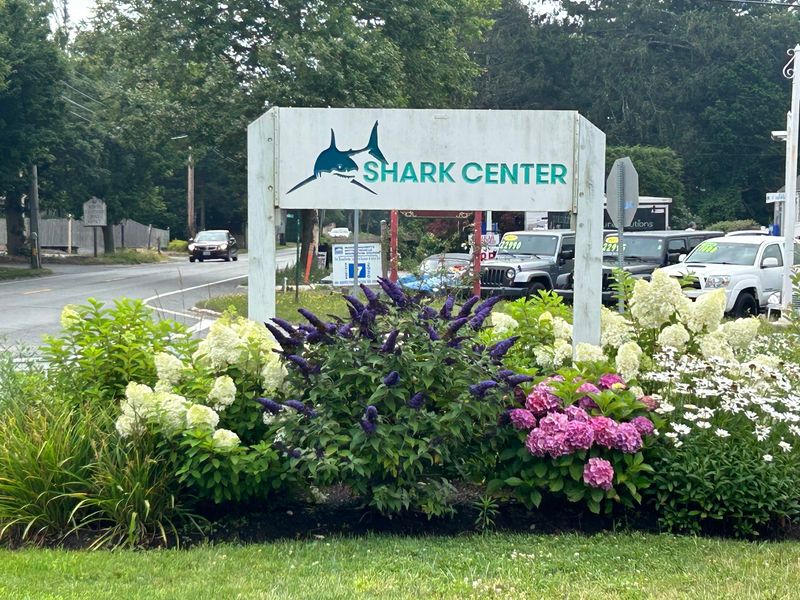
You’ll find the center at 235 Orleans Rd, North Chatham, MA 02650. It sits on Route 28, an easy stop while exploring the Cape.
Hours change with the season, so check before you go. Off-season schedules can be limited, sometimes just one day a week.
Summer is the busiest stretch on Cape Cod. Booking tickets online ahead of time is a smart move during peak months.
Admission is budget-friendly, and it supports research and education. That’s a nice bonus for a small ticket.
Rainy days can draw extra visitors. Everyone has the same backup plan when the beach gets soggy.
A visit doesn’t take long, so you can pair it with other Chatham plans. Downtown shops and nearby beaches are just a short drive away.
Chatham itself sits at the elbow of Cape Cod. It’s one of the best spots in Massachusetts to learn about seals and sharks.
Check the conservancy’s site for current hours and events. A quick look saves you from staring at a locked door.
Seals Steal The Show On The Water

Want to take the learning out onto the water? The Atlantic White Shark Conservancy offers boat trips in the Chatham area.
The Discovery Cruise explores Chatham Harbor with conservancy staff on board. They talk about local wildlife and the history of seals, sharks, and people.
This cruise stays in protected waters behind the barrier beach. Seeing a white shark is very unlikely, and the conservancy says so clearly.
Seals are the real stars here. Gray seals often lounge on harbor sandbars, looking extremely pleased with themselves.
Why do seals matter for a shark lesson? They’re a major food source for great whites, which helps explain why sharks visit Cape Cod.
The conservancy also runs research-focused shark expeditions. Those trips offer a closer look at how scientists work in the field.
Spots can fill quickly in summer, so book early. Dress in layers, since harbor breezes can feel chilly even in July.
Pair a cruise with the center for a full shark day. Learn on land, then see the ecosystem up close.
Shopping Here Actually Helps The Sharks

Shark shirts, hats, and fun gear fill the small gift shop at the Chatham Shark Center. And every purchase supports the conservancy’s mission.
That’s the kind of shopping you can feel good about. Your new hat helps fund research and education.
The merch makes a great souvenir from Cape Cod. It’s way more original than another generic beach towel.
Kids often love picking out shark gear for themselves. Let them choose, and they’ll wear their shark pride all summer.
The shop also works for gifts. Know someone obsessed with sharks?
You just solved their birthday present.
Beyond shopping, the conservancy offers memberships and ways to donate. Supporters help keep the research going year after year.
Great whites in the North Atlantic still have mysteries to solve. Ongoing support helps scientists find answers about these powerful animals.
So swing through the shop before heading out. You’ll leave with a souvenir, some new knowledge, and a fresh appreciation for the toothiest locals in Massachusetts.
Share this story