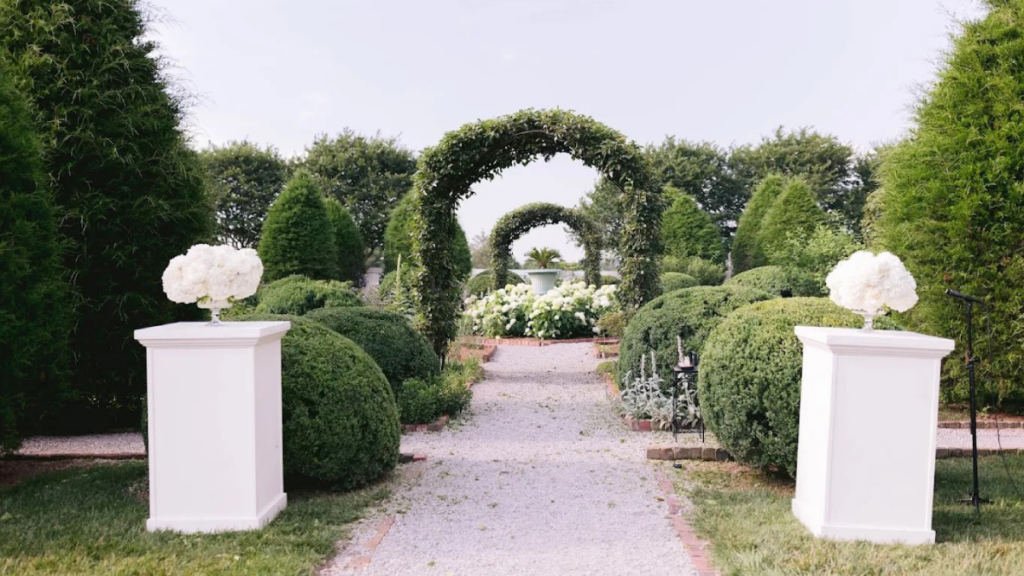
Tennessee hides some of the most beautiful garden spaces in the South, and many of them feel more like outdoor art galleries than typical parks. From historic estates with blooming rose gardens to sculpture-filled trails and tucked-away arboretums, these spots offer peaceful escapes where carefully planned landscapes meet natural beauty.
Whether you want to stroll through formal gardens, explore woodland trails, or snap photos among tropical birds and art installations, these 11 secret gardens across Tennessee will surprise you with how stunning nature can be when it’s shaped with intention and care.
1. Knoxville Botanical Garden and Arboretum — Knoxville
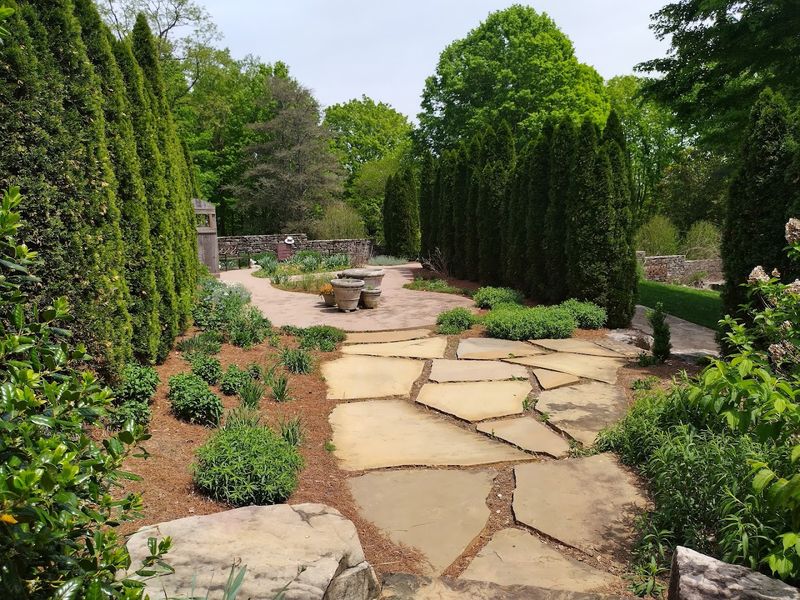
Tucked into 47 acres of East Tennessee hillside, this garden actually has a space called the Secret Garden, which makes it feel like stepping into a storybook. Stone walls dating back decades frame pathways that wind through display gardens filled with native plants, seasonal blooms, and carefully chosen perennials. The Butterfly Meadow alone is worth the visit, especially in late spring and summer when native species attract dozens of colorful butterflies.
Families love the outdoor classroom designed around a Secret Garden theme, where kids can explore plants, insects, and nature up close. The garden is free to visit, which makes it an easy stop whether you’re a local or passing through Knoxville. Volunteers maintain the grounds, so every corner feels cared for and intentional.
Walking the trails here feels less like visiting a formal garden and more like wandering through a living painting. You’ll find quiet benches tucked under trees, shaded paths that cool off even on hot days, and plenty of spots to pause and take in the scenery. The garden also hosts seasonal events, plant sales, and educational programs, so there’s always something new to discover.
2. Cheekwood Estate & Gardens — Nashville
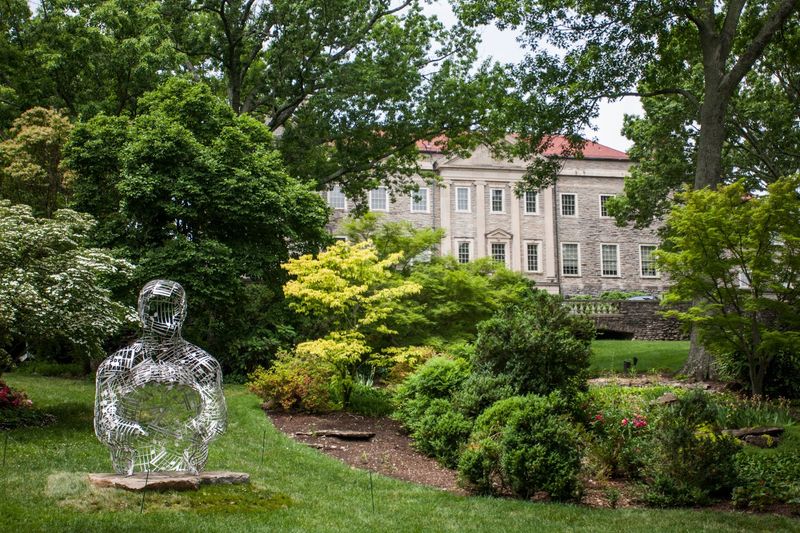
Cheekwood is where art, architecture, and horticulture collide in the best possible way. Spread across 55 acres, this historic estate features 13 distinct gardens, each with its own personality and seasonal color palette. From the geometric Color Garden to the quiet Woodland Sculpture Trail, every turn reveals something new and visually stunning.
The estate itself is a 1930s mansion that now serves as an art museum, but the real magic happens outdoors. Massive sculptures dot the landscape, turning the gardens into an open-air gallery where nature becomes the backdrop for large-scale contemporary art. In spring, tulips blanket the grounds, while summer brings vibrant perennials and fall showcases mums and changing leaves.
Walking the 1.5-mile woodland trail feels like escaping the city without ever leaving Nashville. Towering trees, native plants, and strategically placed art installations make the path feel intentional yet wild. The gardens also host seasonal events like the holiday lights display, which transforms the estate into a glowing wonderland.
Cheekwood isn’t exactly a secret, but its size and variety mean you can still find quiet corners even on busy days. Membership is worth it if you live nearby, but even a single visit will leave you inspired by how beautifully nature and art can blend. Wear layers, bring water, and plan to spend at least two hours exploring.
3. Dixon Gallery & Gardens — Memphis
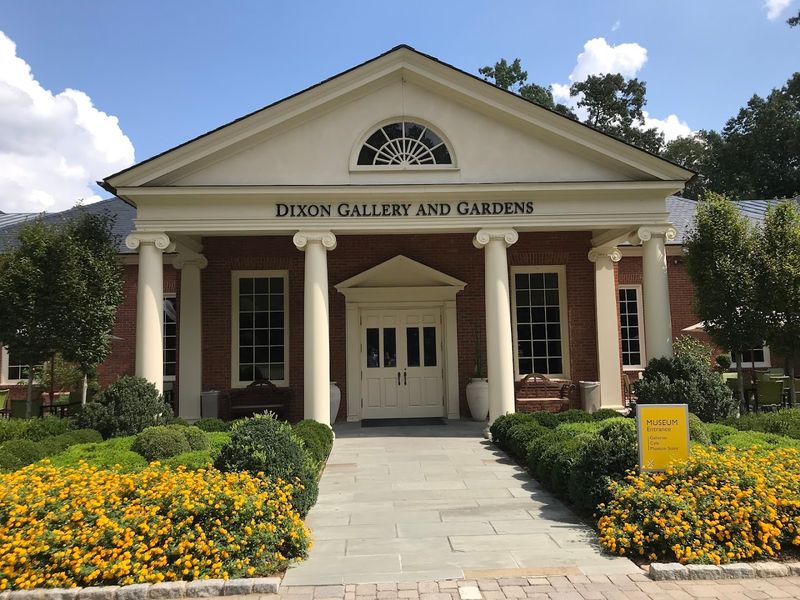
Dixon Gallery blends fine art and horticulture so seamlessly that you might forget whether you came for the paintings or the petals. Set on 17 acres in East Memphis, this estate features both an impressive art collection inside and meticulously designed gardens outside. The gardens shift with the seasons, but spring is when they truly shine, with thousands of tulips creating waves of color across the lawn.
The grounds include woodland areas, formal gardens, and open spaces perfect for picnics or quiet reflection. Walking paths guide you through different garden rooms, each designed to highlight specific plants or themes. The azaleas and dogwoods are especially stunning in early spring, while summer brings lush greenery and shade under mature trees.
What sets Dixon apart is its art-and-nature focus. Outdoor sculptures and rotating exhibitions mean the gardens feel like an extension of the museum itself. You can easily spend a morning exploring the galleries and an afternoon wandering the gardens, making it a full cultural experience.
Admission is affordable, and the estate often hosts garden tours, art classes, and seasonal events that draw locals and visitors alike. If you’re in Memphis and want a break from the usual tourist spots, Dixon offers a peaceful escape that feels both refined and welcoming. Bring a sketchbook or camera, and take your time soaking in the beauty.
4. Memphis Botanic Garden — Memphis
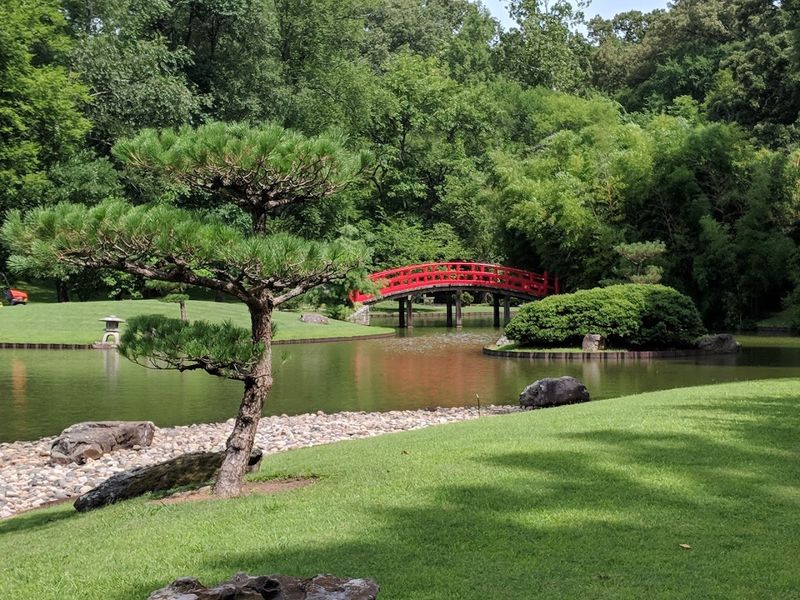
Covering 96 acres, Memphis Botanic Garden is one of the largest green spaces in the city, but it never feels crowded or overwhelming. Instead, it’s divided into 30 specialty gardens, each offering a different experience. The Japanese Garden is a standout, with a koi pond, stone lanterns, and carefully pruned trees that create a zen-like atmosphere.
Other highlights include the Sculpture Garden, where art installations sit among native plants, and the Herb Garden, which smells incredible in late spring and summer. There’s also a Children’s Garden designed to spark curiosity in young visitors, complete with interactive displays and hands-on learning opportunities.
The garden’s size means you can explore at your own pace without feeling rushed. Some sections feel wild and natural, while others are formal and manicured. The variety keeps things interesting, whether you’re a serious plant enthusiast or just looking for a pretty place to walk.
Membership perks include free admission year-round, which is a steal if you live nearby or visit Memphis often. The garden also hosts plant sales, workshops, and seasonal festivals that draw crowds but never detract from the peaceful vibe.
5. UT Gardens — Knoxville
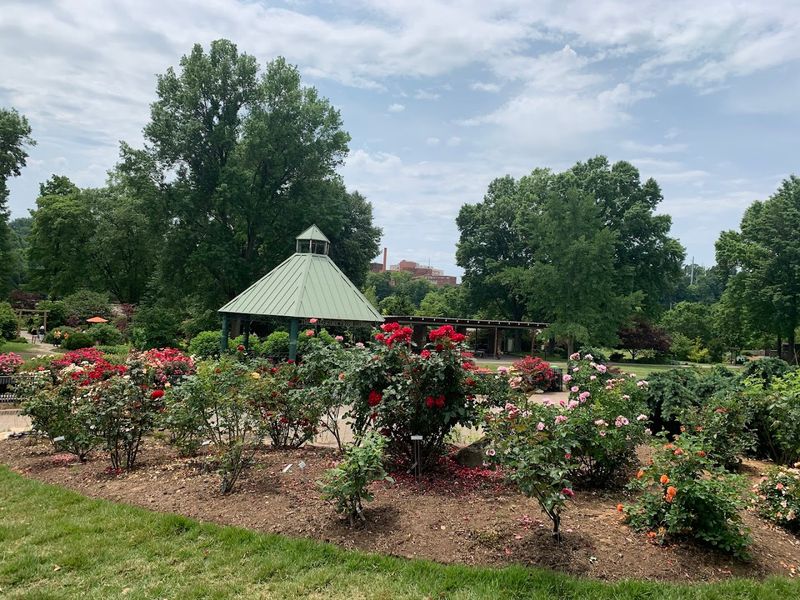
Located on the University of Tennessee campus, these gardens pack a lot of beauty into a walkable space that feels both educational and inspiring. The Beall Family Rose Garden is the star attraction, featuring 120 rose bushes and holding the title of the largest public rose garden in East Tennessee. Visiting in late spring or early summer means catching the roses at their peak, with colors ranging from deep reds to soft pinks and creamy whites.
Beyond the roses, the gardens include perennial beds, shade gardens, and themed plantings that change with the seasons. Outdoor sculptures add an artistic touch, making the space feel more like a curated gallery than a typical campus garden. Families appreciate the open layout and easy paths, which make it accessible for strollers and wheelchairs.
The gardens are free to visit and open year-round, which makes them a popular spot for locals looking for a quick nature fix. UT students often study on the lawns, and visitors can wander freely without feeling rushed or out of place. The gardens also serve as a living classroom for horticulture students, so you’ll notice the plantings are well-maintained and labeled.
If you’re in Knoxville and want a peaceful garden experience without driving far, UT Gardens delivers. Bring a blanket, pack a snack, and plan to spend at least an hour soaking in the colors and scents of this hidden gem.
6. UT Gardens — Jackson
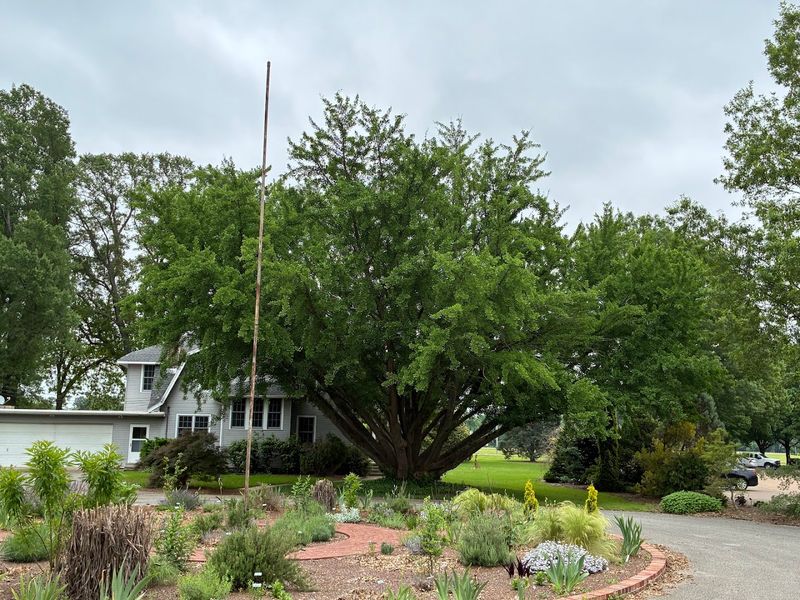
West Tennessee’s branch of the State Botanical Garden of Tennessee sits in Jackson and offers a bright, open space designed to cultivate appreciation for plants and horticulture. The gardens feel less formal than some of the larger estates on this list, which gives them a relaxed, approachable vibe. Seasonal displays bring pops of color throughout the year, with spring and fall being especially vibrant.
The layout is simple and easy to navigate, making it a great stop for families or anyone who wants a quick nature break without committing to hours of walking.
What makes UT Gardens Jackson special is its focus on education and community engagement. The staff and volunteers are passionate about sharing knowledge, so you’ll often find someone willing to answer questions or offer planting tips. The gardens also serve as a testing ground for new plant varieties, so you might spot something unique that hasn’t hit nurseries yet.
If you’re exploring West Tennessee and want a peaceful outdoor stop, UT Gardens Jackson delivers. It’s not as sprawling as some of the other gardens on this list, but it’s well-maintained and thoughtfully designed.
7. UT Gardens — Crossville
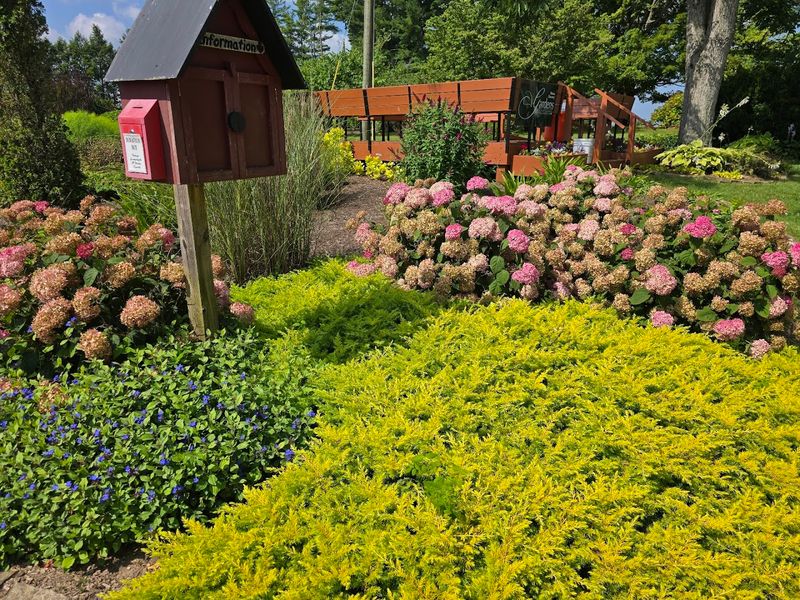
Perched on the Cumberland Plateau, UT Gardens in Crossville offers a different kind of garden experience shaped by the region’s unique climate and elevation. The gardens here focus on plants that thrive in cooler temperatures and higher altitudes, making it a great place to see species you won’t find in the warmer valleys below. The setting feels more natural and less formal, which adds to its charm.
Walking paths wind through beds of native plants, seasonal flowers, and educational displays that highlight the importance of choosing the right plants for your environment. The gardens also serve as a research and demonstration site for the University of Tennessee, so you’ll notice experimental plantings and trials happening alongside the public displays.
Crossville’s location makes this garden a convenient stop if you’re traveling between East and Middle Tennessee. It’s smaller than the Knoxville or Jackson branches, but the quality and care are just as evident. The staff and volunteers are knowledgeable and eager to share tips on gardening in the Cumberland Plateau region.
Visiting here feels like discovering a local secret, especially if you time your trip with the spring bloom or fall foliage. The gardens are free and open to the public, making them an easy addition to any road trip itinerary.
8. Carnton Garden — Franklin
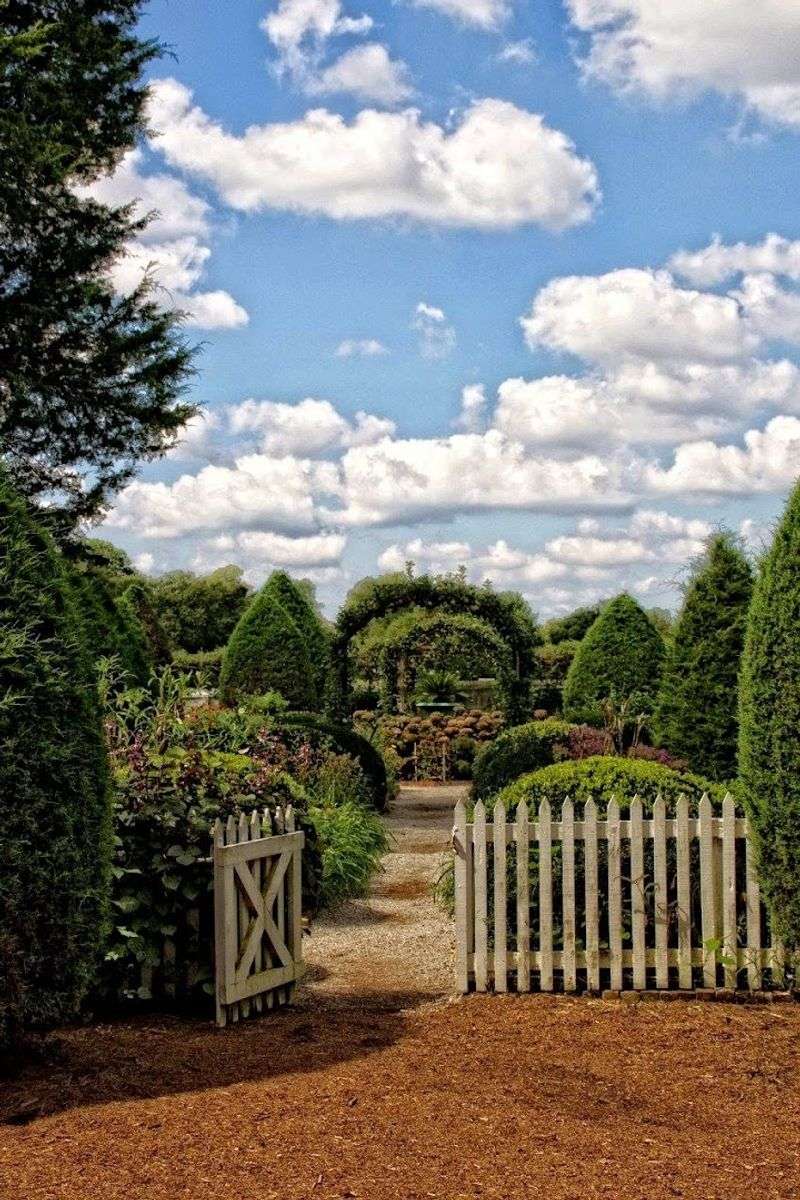
Step back in time at Carnton, where a meticulously restored one-acre garden follows a mid-19th-century layout that feels like a living history lesson. Roses, vegetable beds, and grape plantings reflect what a wealthy Tennessee family would have grown during the Civil War era. The garden is peaceful and surprisingly intimate, making it easy to imagine what life was like on this Franklin estate over 150 years ago.
Heritage roses are a highlight, with varieties chosen to match those that would have been available in the 1800s. The vegetable beds are planted seasonally, and the grape arbor adds a charming touch that ties the garden to the estate’s agricultural roots. Walking through the rows feels like stepping into a time capsule, where every plant choice has been researched and intentionally selected.
Carnton is best known as a Civil War historic site, but the garden deserves just as much attention. The restoration work has been ongoing for years, and the result is a garden that feels authentic and thoughtfully maintained. Volunteers and staff often work in the garden, and they’re happy to share details about the plants and the restoration process.
If you’re visiting Franklin and want a quieter, more reflective garden experience, Carnton delivers. The garden is included with admission to the house and grounds, so you can easily combine a tour of the historic home with a stroll through the garden.
9. Sculpture Fields at Montague Park — Chattanooga
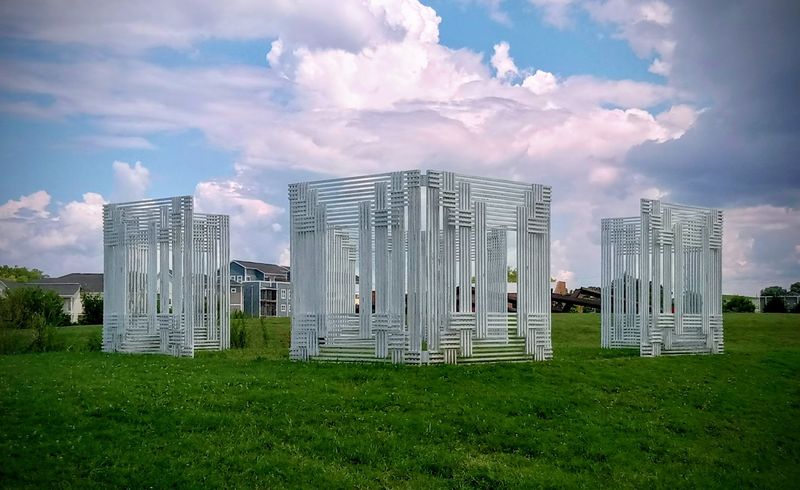
Sculpture Fields stretches the definition of a garden in the best way, turning 33 acres of open land into an outdoor art museum where nature and contemporary sculpture share the spotlight. More than 50 large-scale sculptures dot the landscape, ranging from abstract metal pieces to whimsical installations that invite interaction. Walking paths guide you through the fields, but there’s plenty of room to wander off-trail and explore at your own pace.
The setting is intentionally natural, with mowed paths cutting through wildflowers and grasses that change with the seasons. In spring, the fields burst with color, while summer brings lush greenery and fall showcases golden grasses and changing leaves. The sculptures feel at home in this landscape, as if they’ve always belonged here.
What makes Sculpture Fields unique is its free, always-open access. There are no gates, no admission fees, and no strict hours, which gives it a welcoming, community-focused vibe. Locals bring dogs, picnic blankets, and cameras, treating the space like a neighborhood park that happens to be filled with world-class art.
If you’re in Chattanooga and want something different from the usual tourist spots, Sculpture Fields is a must-visit. It’s perfect for families, art lovers, and anyone who appreciates the intersection of creativity and nature.
10. Reflection Riding Arboretum & Nature Center — Chattanooga
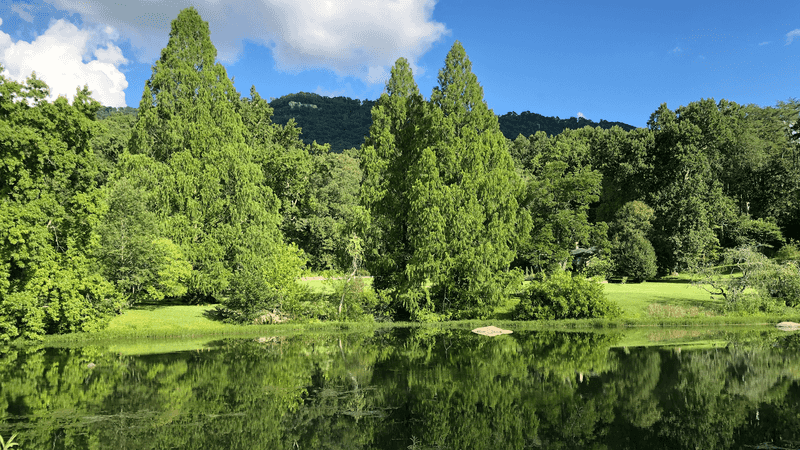
Reflection Riding feels more wild than manicured, and that’s exactly what makes it special. Spread across 300-plus acres at the base of Lookout Mountain, this arboretum and nature center offers a less formal garden experience where native plants, woodland trails, and natural beauty take center stage. The site includes an arboretum, a native plant nursery, and a nature center with educational exhibits and live animals.
Walking the trails here feels like exploring a forest rather than a traditional garden. Towering trees, ferns, wildflowers, and mossy rocks create a lush, shaded environment that stays cool even in summer. The arboretum section features labeled trees and shrubs, making it a great spot for plant enthusiasts who want to learn about native Tennessee species.
Reflection Riding also plays an important conservation role, with a focus on protecting native plants and educating visitors about sustainable landscaping. The nursery sells native plants, so you can take a piece of the garden home with you. Seasonal events, guided hikes, and educational programs draw families and nature lovers year-round.
Bring sturdy shoes, pack bug spray in warmer months, and plan to spend at least two hours exploring the trails and arboretum areas.
11. Parrot Mountain and Gardens — Pigeon Forge
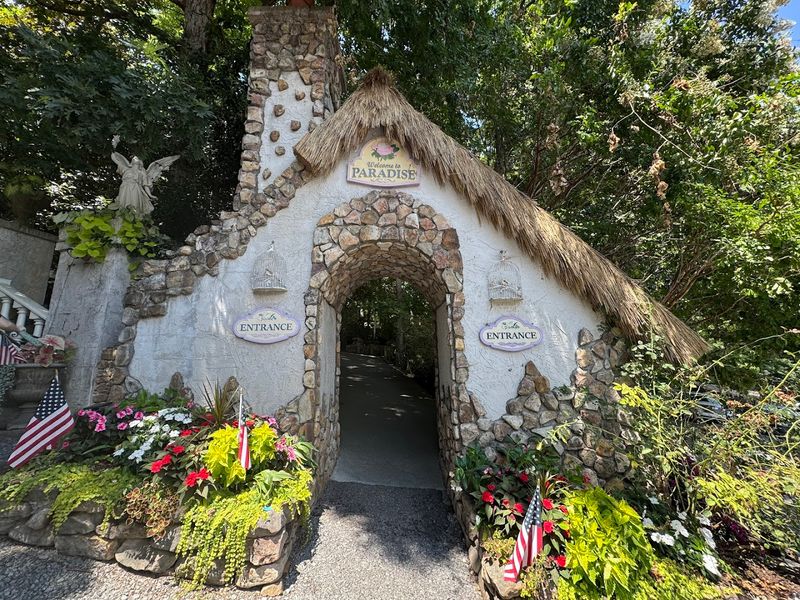
Parrot Mountain brings a whimsical, tropical twist to Tennessee’s garden scene, combining lush landscaping with hundreds of colorful parrots and exotic birds. Located near Pigeon Forge, this attraction feels more like a living jungle than a traditional garden, with flowering plants, water features, and vibrant birds creating a sensory experience unlike anything else on this list.
Visitors can interact with many of the birds, making it a hit with kids and families who want more than just a walking tour. Macaws, cockatoos, and parrots perch on branches and interact with guests, creating photo opportunities that are both fun and memorable. The garden areas are well-maintained, with tropical plants and flowers that complement the colorful birds.
The setting on the mountainside offers views of the Smokies, adding natural beauty to the already vibrant landscape. Pathways wind through different bird habitats, each designed to mimic the birds’ natural environments while keeping them safe and healthy. The staff is knowledgeable and passionate about the birds, often stopping to answer questions or share fun facts.
Parrot Mountain is perfect for families looking for something playful and different near the Smokies. It’s not a quiet, contemplative garden, but it’s full of color, life, and energy.