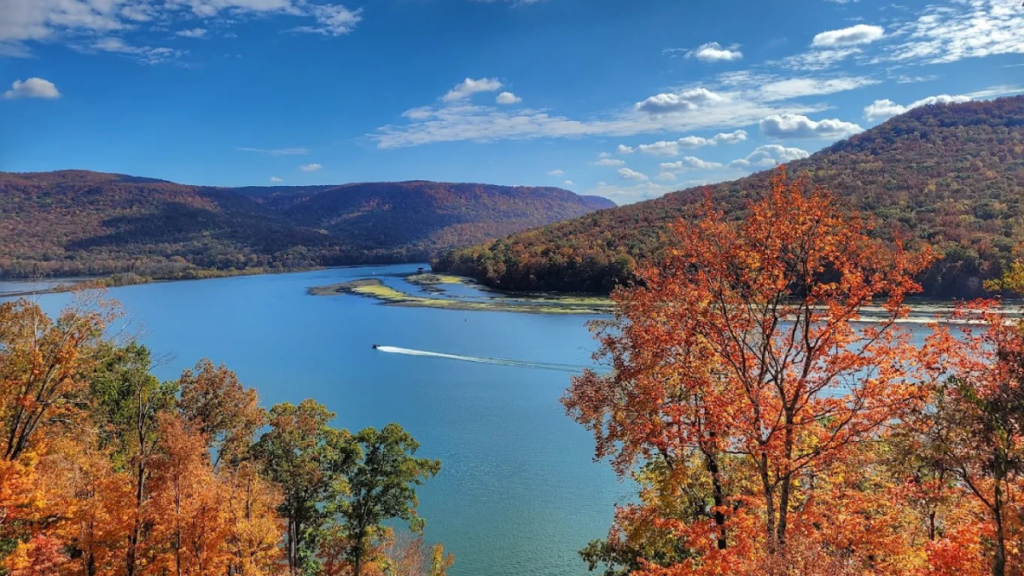
Tennessee’s waterways offer something special for paddlers who crave quiet moments surrounded by nature. From misty cypress swamps in the west to mountain-framed lakes in the east, the state’s rivers and reservoirs provide endless opportunities to escape the noise and reconnect with the outdoors.
Whether you’re a seasoned kayaker or just starting out, these paddling destinations promise calm water, stunning scenery, and the kind of peace that only comes from gliding across the surface with nothing but your paddle and the sounds of nature around you.
1. Harpeth River State Park — Kingston Springs
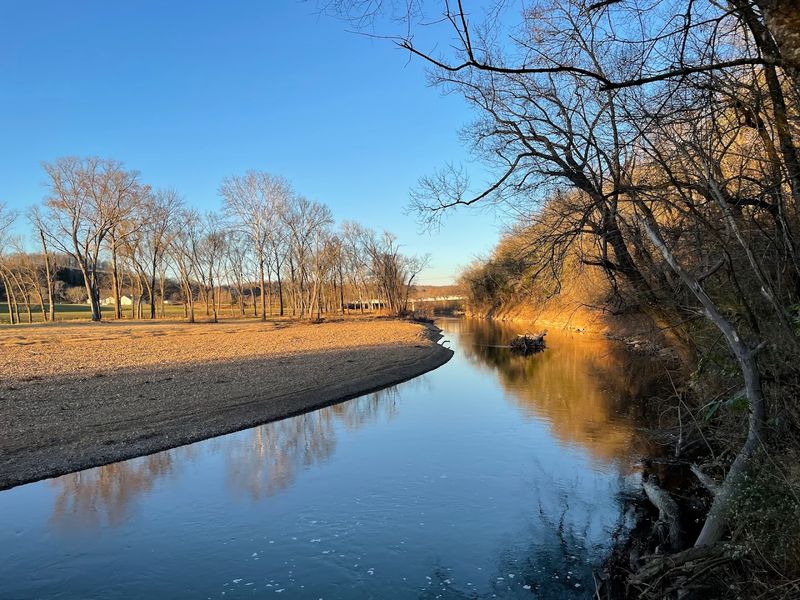
Middle Tennessee paddlers know the Harpeth River as one of the most accessible and beginner-friendly floats in the region. The river winds through rolling hills and limestone bluffs, creating a seven-mile loop that feels worlds away from nearby Nashville.
The water here moves gently, which means you can focus on the scenery instead of fighting currents or dodging obstacles. Towering sycamores lean over the banks, and you might spot herons fishing in the shallows or turtles sunning on fallen logs. The pace is unhurried, perfect for conversations with a paddle partner or just zoning out while the river does most of the work.
What makes this float special is how the river doubles back on itself in a wide meander, so you end up not far from where you started without needing a shuttle. That loop structure is rare and convenient, especially for solo paddlers or families who don’t want to coordinate two vehicles. The Harpeth also has enough variety to keep things interesting without ever feeling intimidating.
Pack a lunch and pull over at one of the gravel bars for a mid-float picnic. The combination of easy access, calm water, and natural beauty makes this a go-to spot for anyone looking to spend a peaceful day on the water without driving hours from home.
2. Reelfoot Lake — Tiptonville
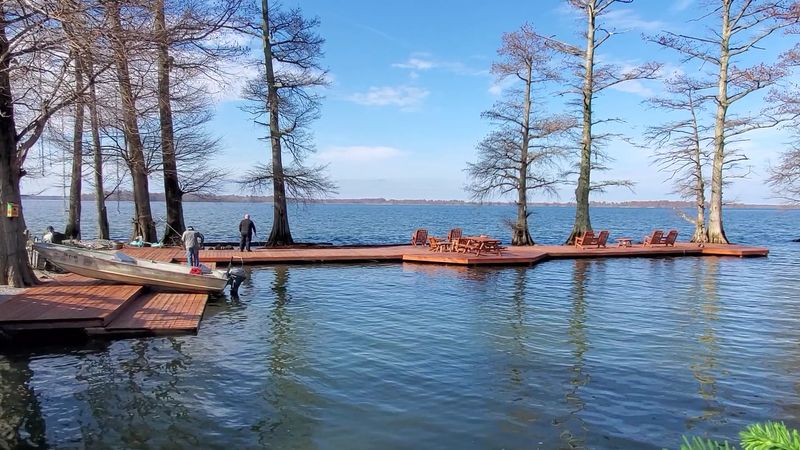
Reelfoot Lake sits in Tennessee’s northwest corner, and it feels more like Louisiana than the Volunteer State. Bald cypress trees rise straight out of the water, their knobby knees breaking the surface and creating a maze of natural channels. Spanish moss drapes from branches, and the air hums with birdcalls from herons, egrets, and ibis that treat this swampy wonderland as home.
The lake formed during the New Madrid earthquakes of 1811-1812, when the ground literally dropped and the Mississippi River flowed backward to fill the depression. That geologic drama left behind a shallow, sprawling lake that’s perfect for canoes and kayaks when the wind stays calm.
Paddling here requires a different mindset than typical lake outings. You’re not covering miles or chasing speed; you’re drifting slowly through flooded forest, watching for wildlife and soaking in the eerie beauty of a place that looks frozen in time. Morning fog often blankets the water, creating an otherworldly atmosphere that makes every paddle stroke feel like exploration.
Bring binoculars and a waterproof camera, because the wildlife viewing here is exceptional. Just respect the environment and stick to marked channels to protect the delicate cypress ecosystem that makes Reelfoot so special.
3. Lake Ocoee — Ocoee
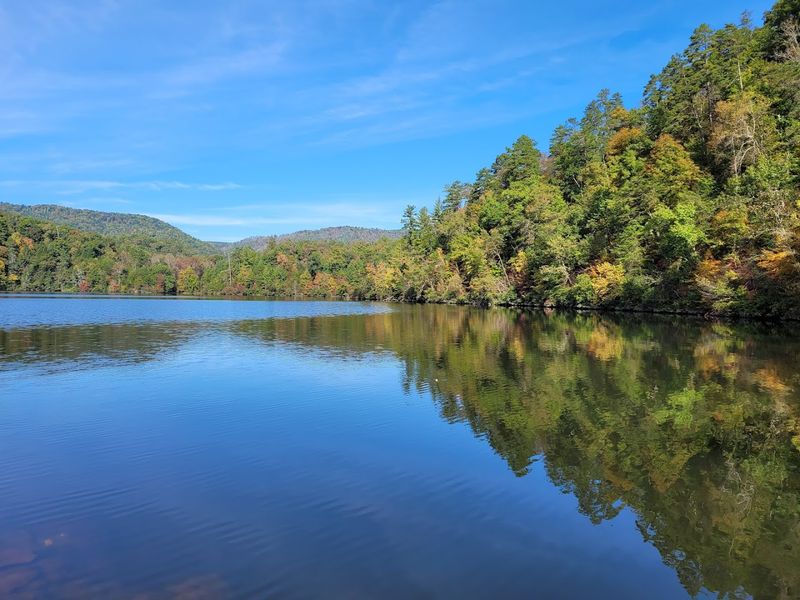
Most people know the Ocoee for its adrenaline-pumping whitewater, but Parksville Lake offers the opposite experience in the same stunning mountain setting. This 1,930-acre reservoir sits near the Cherokee National Forest, surrounded by ridges that glow with fall color and provide a dramatic backdrop for calm-water paddling. Tennessee Vacation highlights it as a place to kayak with mountain views, and that description barely scratches the surface.
The lake stretches out with plenty of room to explore without feeling crowded, even on busy weekends. You can paddle close to the shoreline where the water stays glassy, or venture out toward the middle for bigger views of the surrounding peaks. Either way, you’re trading the chaos of the whitewater section downstream for peaceful water that lets you set your own pace.
What’s nice about Parksville is how it balances accessibility with natural beauty. You’re not fighting for parking or dealing with massive crowds, but you’re also not sacrificing scenery or water quality. The lake stays relatively clean, and the mountain setting gives every paddle a sense of adventure without requiring technical skills or specialized gear.
This spot works well for paddlers who want to explore the Ocoee area but prefer serene water over rapids. Launch in the morning when the lake is calmest, and you’ll understand why some locals consider this the area’s best-kept secret for kayaking.
4. Center Hill Lake — Silver Point
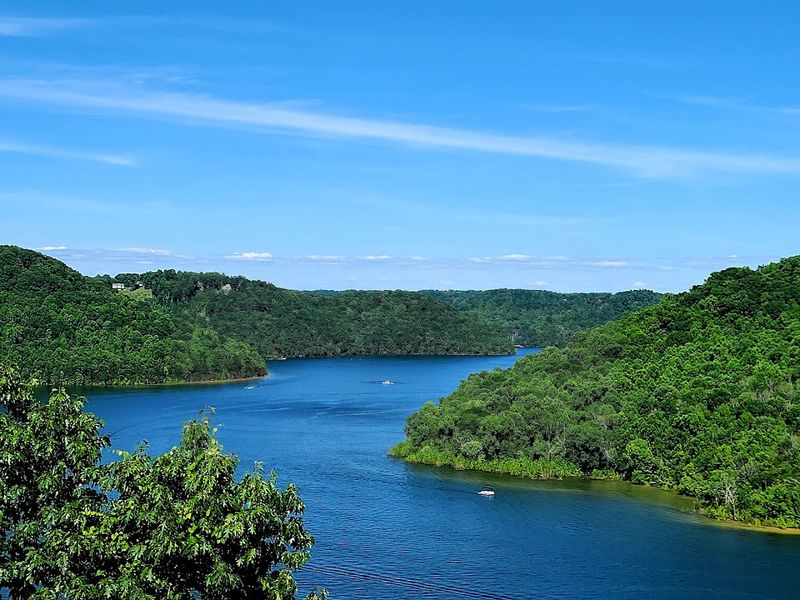
Center Hill Lake delivers classic Tennessee lake scenery with forested hills rolling down to the water and coves that seem to go on forever. Edgar Evins State Park anchors the lake’s recreational offerings, and Tennessee State Parks describes the area as offering kayaking, canoeing, scenic views, forested hills, and peaceful outdoor recreation. That’s not marketing fluff; it’s an accurate description of what makes this lake so appealing.
The lake covers over 18,000 acres when full, which means you can paddle for hours without retracing your route. Wooded shorelines provide plenty of shade on hot summer days, and the water stays relatively calm in the coves and inlets where most paddlers spend their time. You’ll see bass boats and pontoons, but there’s enough space that everyone can spread out and enjoy their own slice of the lake.
One of the best aspects of Center Hill is how the Caney Fork River feeds into it, creating areas where river and lake meet and providing different paddling experiences within the same outing. You can explore the more open lake sections for big-sky views, then duck into narrower river-fed areas for a more intimate feel. The variety keeps things interesting without requiring you to drive to multiple locations.
5. Bledsoe Creek State Park — Gallatin
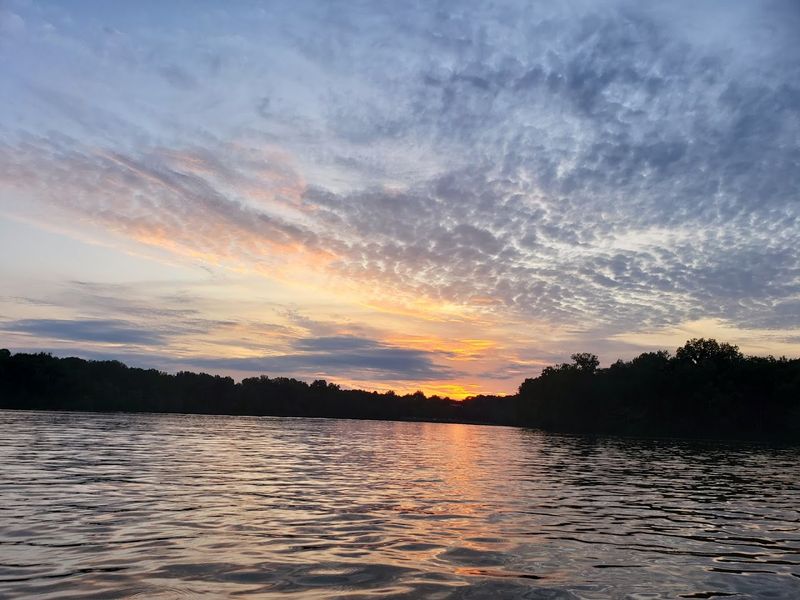
Bledsoe Creek sits just outside Gallatin, offering a low-key paddling experience that feels far more remote than it actually is.
The creek connects to Old Hickory Lake, giving you options for both narrow creek paddling and more open lake exploration. Most paddlers stick to the creek itself, where the water stays calm and the scenery feels more intimate than the big lake. Tree-lined banks provide shade and habitat for wildlife, and you’ll often see turtles, fish, and birds going about their business without much concern for passing kayaks.
What makes Bledsoe Creek special is how it balances convenience with natural beauty. You’re close enough to Nashville and surrounding towns to make this a quick after-work paddle, but once you’re on the water, you could be miles from civilization. The park maintains good access points and facilities without overdeveloping the area, so it retains that peaceful, natural feel that paddlers seek.
The clear-kayak tours are worth trying if you want to see the underwater world from a new perspective. Otherwise, bring your own boat and spend a few hours exploring at your own pace, enjoying one of Middle Tennessee’s most underrated paddling destinations.
6. Tennessee River Blueway — Whitwell
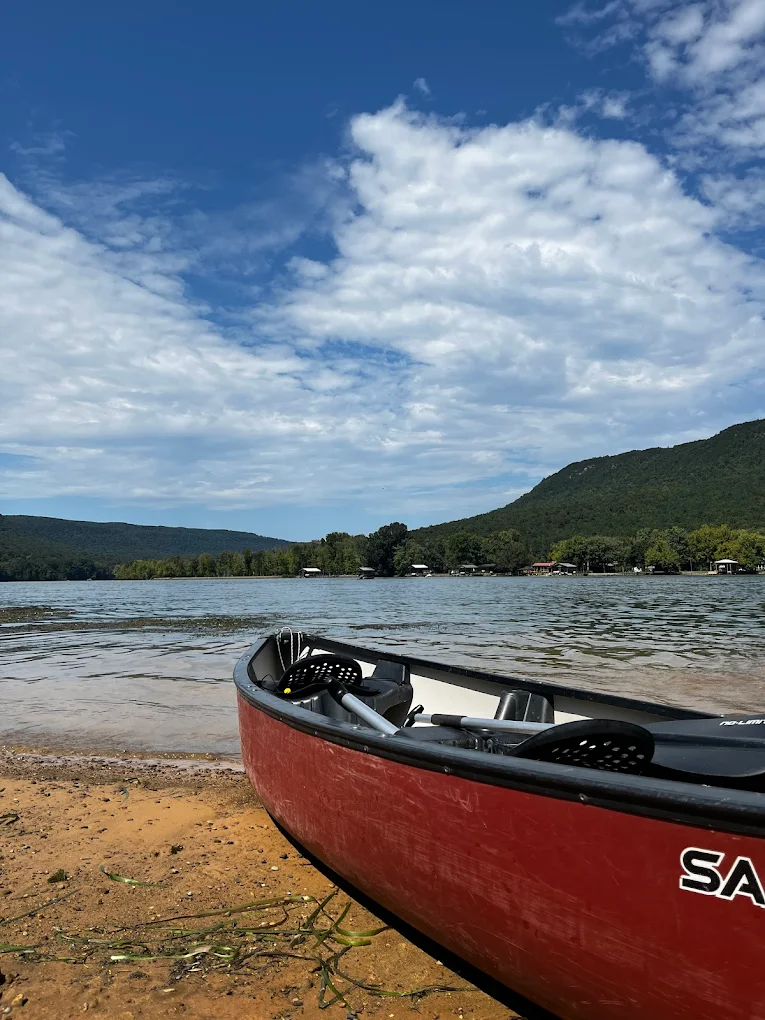
The Tennessee River Gorge earns its nickname as the Grand Canyon of Tennessee, and paddling through it ranks among the state’s most visually stunning outdoor experiences. Twenty-seven miles of river scenery carved through the Cumberland Mountains create a landscape that feels more like the American West than the Southeast. Steep canyon walls rise hundreds of feet on both sides, covered in forest and punctuated by rock outcroppings that catch the light at different times of day.
This section of the Tennessee River Blueway is best for paddlers who want peaceful stretches with dramatic views, though you need to plan around boat traffic and water conditions. The river here is wide and relatively calm, but it’s still a major waterway with commercial and recreational traffic. Check conditions before you go, and be prepared for a longer paddle than some of the other spots on this list.
What makes the gorge special is the sense of scale. You’re paddling through a landscape carved over millions of years, surrounded by walls that dwarf your kayak and remind you how small we are in geological time. Eagles nest on the cliffs, and the play of light and shadow on the canyon walls changes constantly as the sun moves across the sky.
This isn’t a quick afternoon float; it’s a commitment that requires planning, shuttle logistics, and respect for the river’s power.
7. French Broad River — East Tennessee
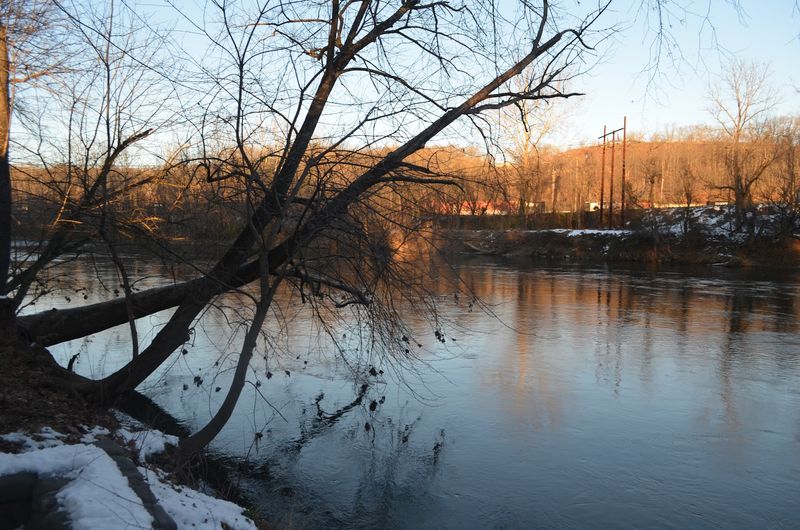
The French Broad River flows through East Tennessee with a personality that shifts from peaceful to playful depending on where you put in. Sections near Asheville and into Tennessee offer calm water perfect for beginners and families, while other stretches include gentle rapids that add excitement without requiring advanced skills. The river has been flowing for millions of years, making it one of the oldest rivers in the world and giving it a timeless quality that’s hard to describe but easy to feel when you’re on the water.
Tree-covered banks and mountain views define most of the paddling experience here. You’ll pass farmland, forests, and small towns, with wildlife sightings common along the quieter sections. Herons stalk the shallows, kingfishers dive for fish, and if you’re lucky, you might spot river otters playing in the current.
The water quality has improved dramatically over recent decades, making the French Broad a success story in river conservation.
Multiple access points along the river make it easy to customize your trip length and difficulty level. Some paddlers knock out a quick two-hour float, while others plan full-day adventures that include stops for lunch on gravel bars or swimming in deeper pools.
Bring a dry bag for snacks and a camera, because you’ll want to capture the views and refuel during your paddle. The French Broad offers a quintessential East Tennessee river experience that combines history, natural beauty, and accessible paddling for all skill levels.
8. Duck River — Columbia
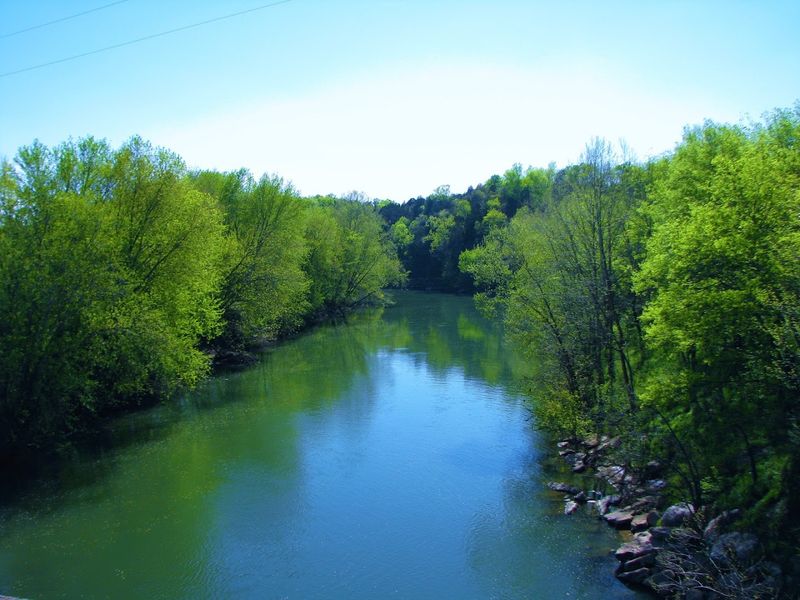
The Duck River holds the title as Tennessee’s longest river contained entirely within state borders, and it’s also one of the most biologically diverse waterways in North America. More than 50 species of freshwater mussels live in the Duck, along with dozens of fish species found nowhere else. That biodiversity speaks to the river’s health and makes every paddle feel like you’re experiencing something truly special.
Paddling conditions vary by season and location, but many sections near Columbia offer gentle current and clear water that’s perfect for kayaking and canoeing. The river winds through farmland and forest, with limestone bluffs occasionally rising from the banks to add visual interest. You’ll see cattle grazing in pastures, wildflowers blooming along the shore, and hawks circling overhead looking for their next meal.
What sets the Duck River apart is that sense of biological richness. Even if you can’t see all the mussels and rare fish species, knowing they’re there adds depth to the experience. You’re not just paddling for recreation; you’re moving through an ecosystem that scientists consider globally significant.
That context transforms a simple float into something more meaningful.
Access points are scattered along the river, with some requiring a bit of local knowledge to find. The Duck River rewards paddlers who take time to explore it, offering peaceful water and ecological significance that’s hard to match anywhere else in Tennessee.
9. Barren Fork River — McMinnville
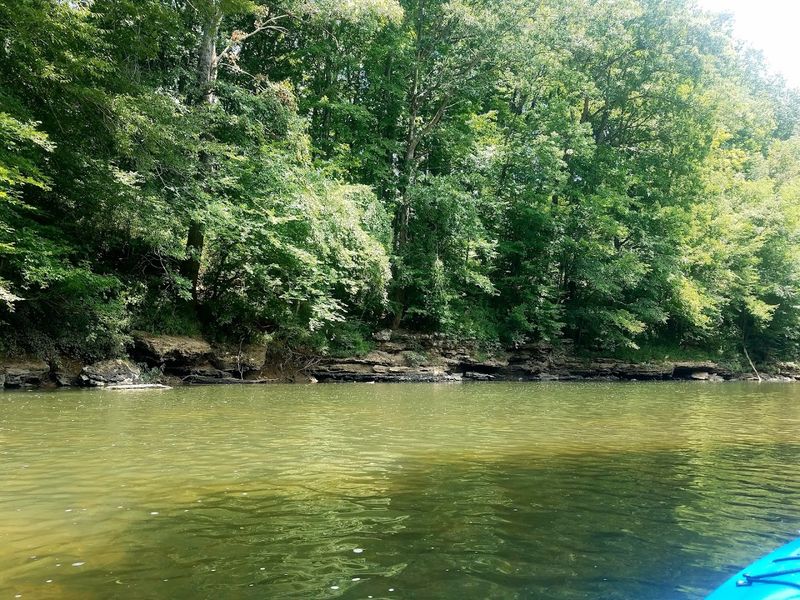
Barren Fork River flows through Warren County with water so clear you can see the rocky bottom from your kayak. The river earned its name from early settlers who found the surrounding hills relatively treeless compared to other areas, but today the banks are well-vegetated and beautiful. This is a smaller, more intimate paddling experience than the big lakes and reservoirs, perfect for paddlers who prefer moving water and natural scenery over wide-open spaces.
The river’s clarity comes from its spring-fed nature and relatively undeveloped watershed. You’re paddling through an area that hasn’t been heavily impacted by development, which means better water quality and more wildlife sightings. Smallmouth bass thrive here, and anglers often wade the shallows while kayakers float past.
The combination of fishing and paddling opportunities makes this a versatile destination for outdoor enthusiasts.
Current varies by season, with spring bringing higher water levels and faster flow, while summer and fall offer gentler conditions ideal for beginners. Some sections include small rapids that are fun without being intimidating, adding just enough excitement to keep things interesting. The river also features swimming holes and gravel bars where you can pull over for a break or a picnic lunch.
Local outfitters can set you up with rentals and shuttle service if you don’t have your own gear. The Barren Fork isn’t as famous as some Tennessee rivers, which means fewer crowds and a more peaceful experience. It’s the kind of place locals love to keep to themselves, but once you paddle it, you’ll understand why they’re so protective of this beautiful little river.
10. Watauga Lake — Butler
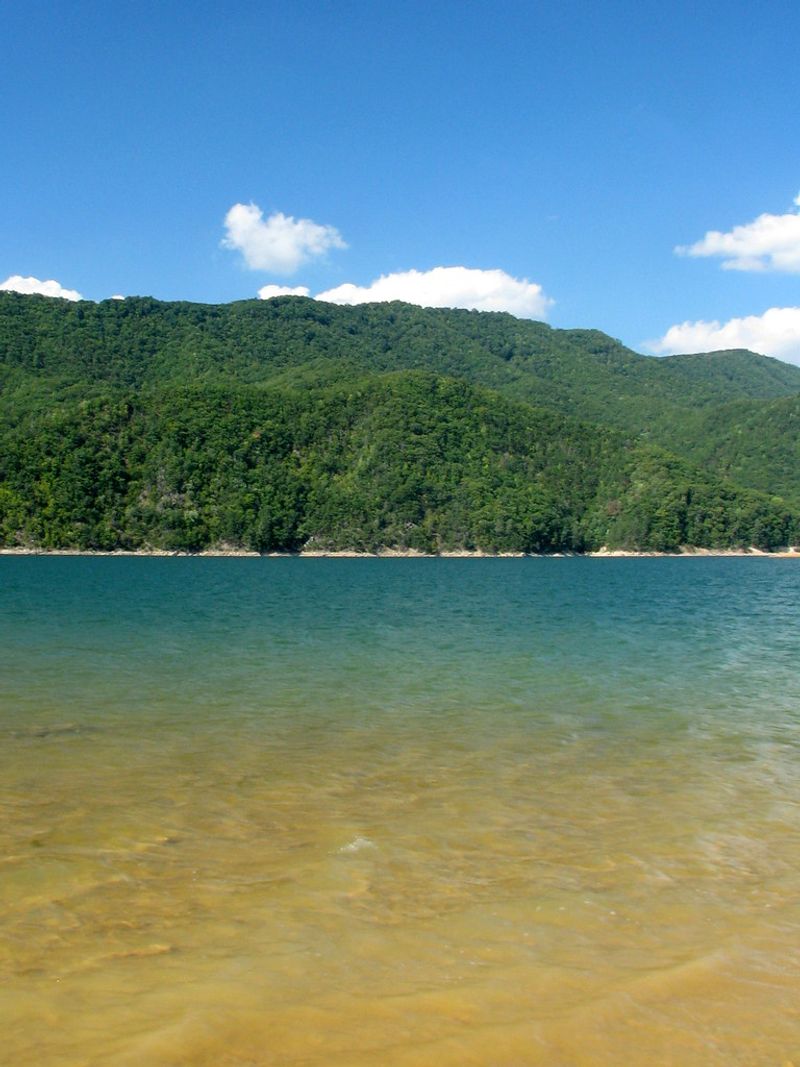
Watauga Lake sits high in the Appalachian Mountains of Northeast Tennessee, offering some of the most dramatic scenery you’ll find anywhere in the state. The lake fills a valley surrounded by peaks that rise over 4,000 feet, creating a landscape that looks more like the Rockies than the Southeast. Clear blue water, mountain views, and relatively light development make this one of Tennessee’s premier paddling destinations for those willing to make the drive.
The lake covers about 6,430 acres when full, with miles of shoreline to explore and coves that offer protection from wind and boat traffic. Water quality here is exceptional, thanks to the high elevation and limited development in the watershed. You can see down several feet into the water on calm days, and the temperature stays refreshingly cool even in summer.
That combination of clarity and coolness makes swimming stops almost mandatory during warm-weather paddles.
Multiple access points around the lake provide options for different types of trips. Some paddlers stick close to shore, exploring coves and inlets where the water stays calm and wildlife sightings are common. Others venture out toward the middle of the lake for bigger mountain views and a sense of solitude that’s hard to find in more developed areas.
Either approach works, depending on your skill level and what kind of experience you’re seeking.
Pack layers even in summer, because mountain weather can change quickly at this elevation. Watauga Lake rewards paddlers with stunning scenery and pristine water that showcase East Tennessee’s mountain beauty at its finest.