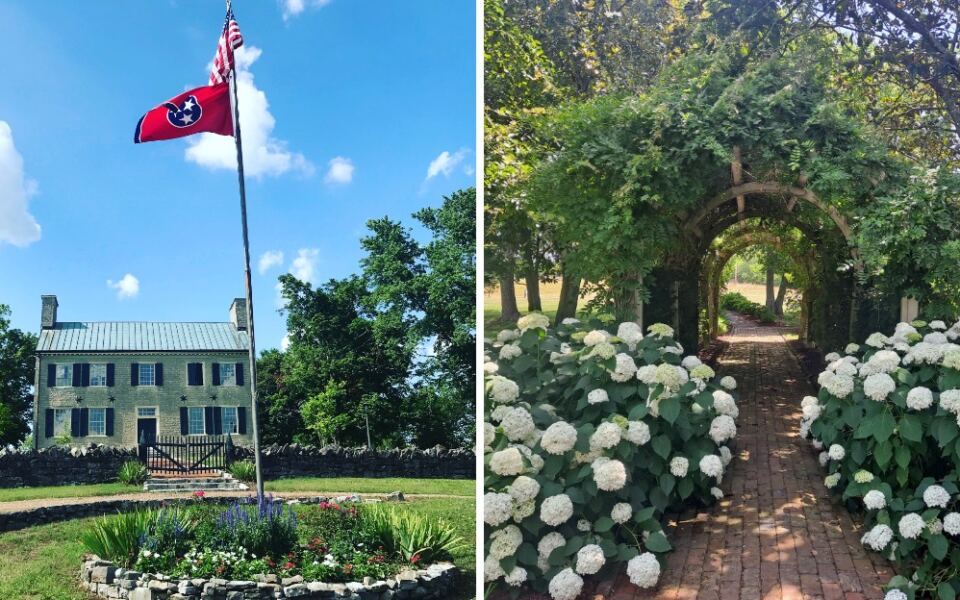
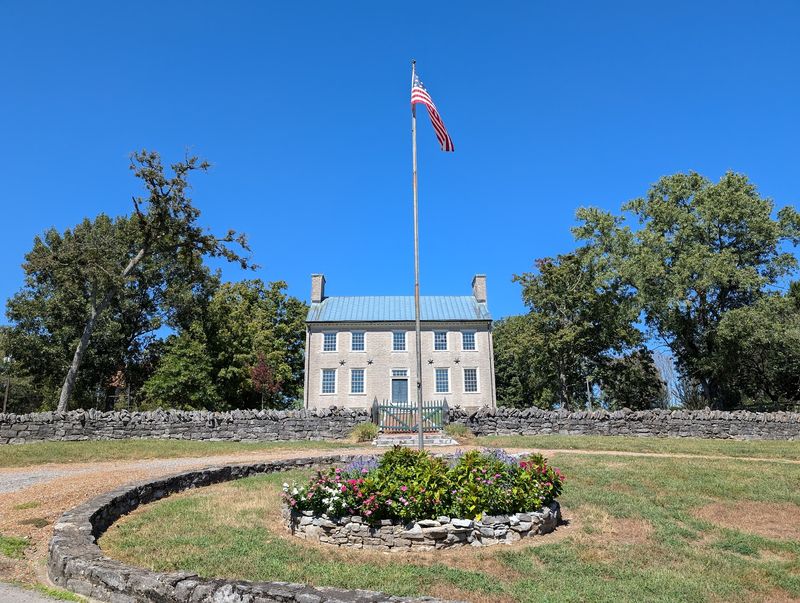
Seven decorative stars on a stone house front are secretly holding the whole building together. Each one caps a big iron rod that runs across the house. I love when old homes hide clever engineering in plain sight.
This limestone mansion took about four years to build, starting in 1798. Back then, this corner of Tennessee was still rough frontier country. I can’t imagine hauling heavy stone up a bluff with no modern machines.
Inside, rooms hold furniture and heirlooms tied to the family who built it. Outside, a garden and quiet grounds invite you to slow down. It’s a short drive from Nashville, yet it feels much farther from city noise.
So what makes a two-century-old house feel this alive? The answer starts with the people who called it home.
A Frontier General Built His Dream House On A Bluff
General James Winchester didn’t do anything halfway. He served in the American Revolution, then helped settle Middle Tennessee when it was still wild country.
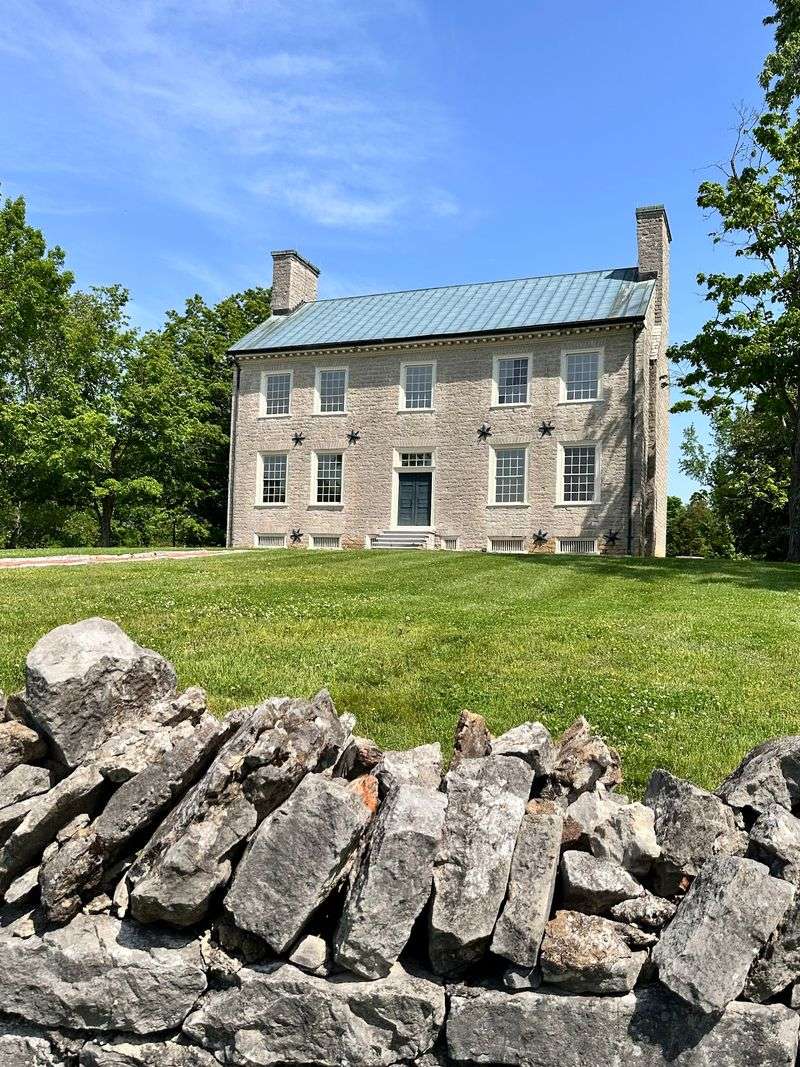
His home, now called Cragfont State Historic Site, sits high on a rocky bluff. The name fits, since crag means a steep rock and font hints at a spring. Construction began in 1798 and wrapped up around 1802.
That timing makes Cragfont one of the earliest grand homes in the region. It was built with limestone, which was a bold choice on the frontier. Most settlers lived in log cabins at the time, so this house stood out.
Winchester also played a part in founding Memphis. He was a busy man with big plans and a big family. His house reflects that ambition in every carved detail.
Today, the site is managed with the Tennessee Historical Commission. Guides share stories about the family and the times they lived through. You get history told as a story, not a boring list of dates.
The best part might be the view. Standing on that hill, you can see why Winchester picked this spot. Some real estate choices age better than others, and this one aged beautifully.
Those Seven Stars Are Doing Serious Work
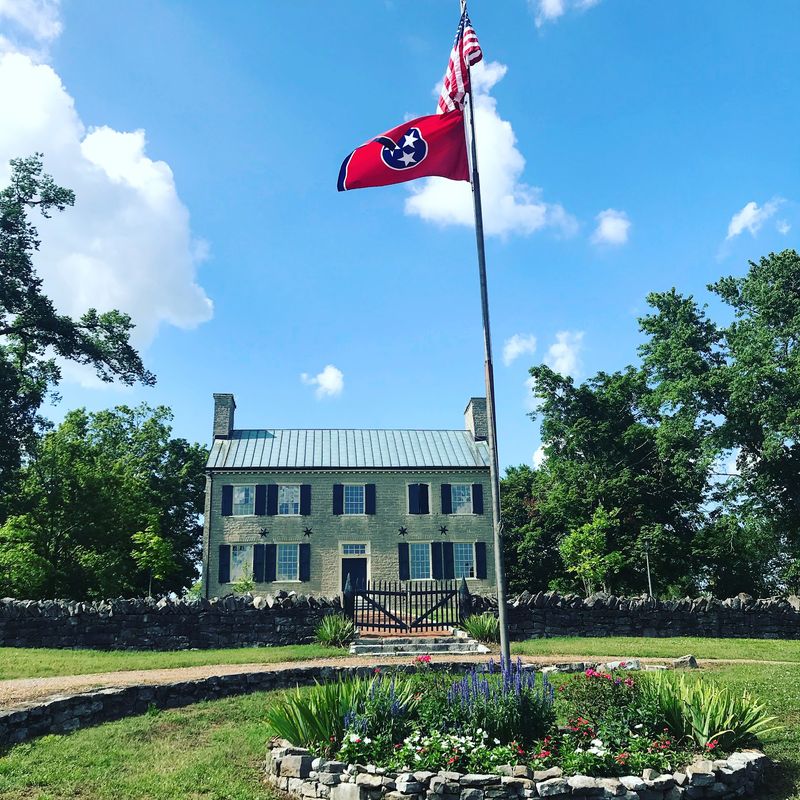
Plenty of houses have pretty decorations. At Cragfont, the decorations have a day job.
Look at the front of the house and you’ll spot seven stars. Each star hides a large bolt attached to an iron rod. Those rods stretch across the width of the house to help hold the walls steady.
Builders used tie rods like these to keep heavy stone walls from shifting. The stars cover the ends and make the system look stylish. It’s engineering wearing its Sunday best.
Kids usually love this detail because it feels like a secret code. Point out the stars before the tour and ask them to count. Then let the guide explain what’s behind them.
Architecture fans will want extra time out front. The stonework, symmetry, and Federal style show what wealthy frontier families wanted in a home. It was a statement that they planned to stay.
Bring a camera with good zoom if you can. The stars sit high on the wall, and a close shot shows their shape well. You’ll leave knowing something most drivers on Highway 25 never notice.
Family Heirlooms Fill The Rooms Instead Of Random Antiques
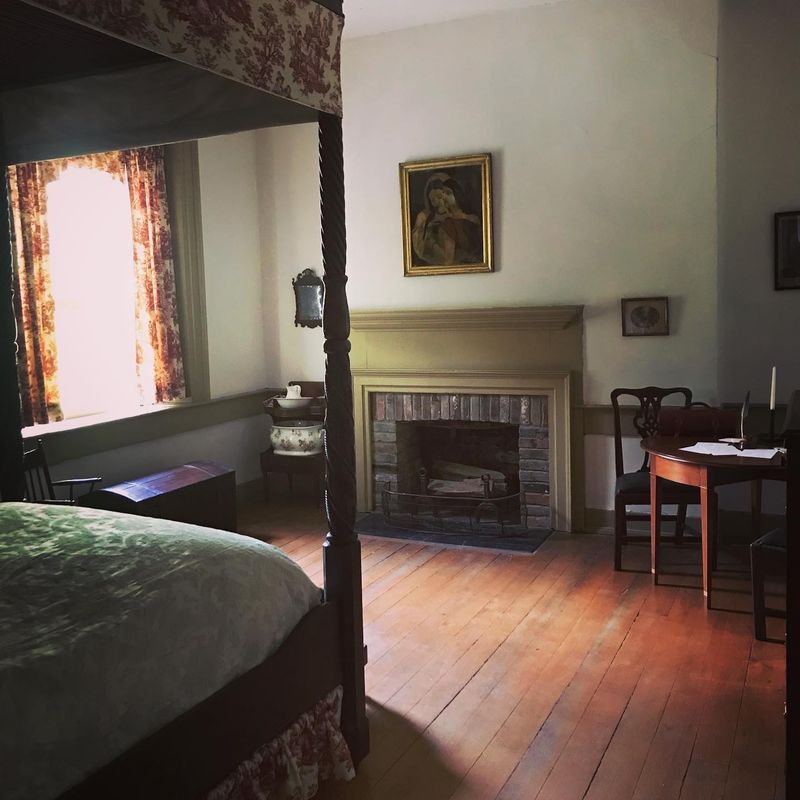
Many historic homes are furnished with pieces that simply match the era. Cragfont goes a step further with items connected to the Winchester family.
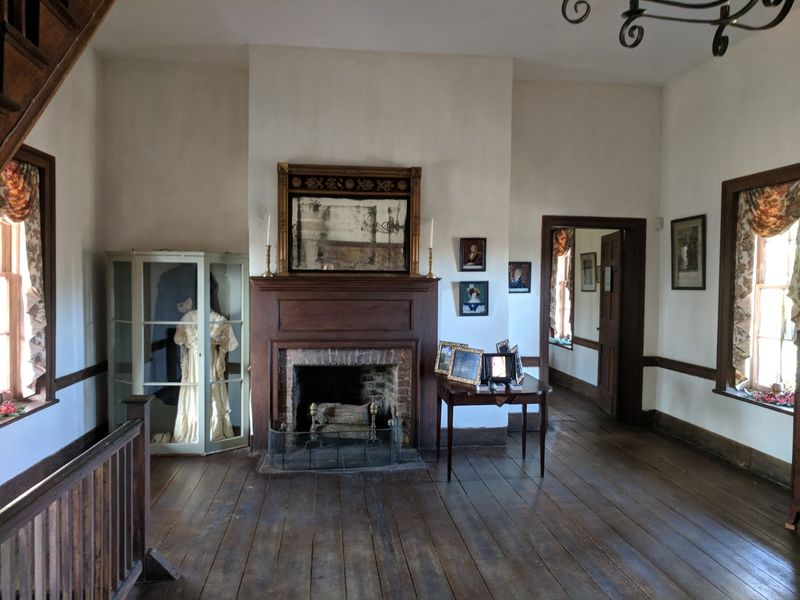
That changes how the rooms feel. Furniture and heirlooms tied to the people who lived here make each space more personal. You’re not just seeing old stuff.
You’re seeing their stuff.
Guided tours lead you through the house room by room. You’ll learn how the Winchester family lived, entertained guests, and relied on enslaved workers whose lives were also part of Cragfont’s history. Small details often spark the best questions, so don’t be shy.
The house isn’t climate controlled like a modern home. Dress for the weather, because inside often feels a lot like outside. Light layers in spring and fall are a smart move.
Photos can’t quite capture the scale of the rooms. Ceilings, wide doorways, and solid walls give a sense of how sturdy this home was meant to be. It feels built for generations.
Take a moment in each room before moving on. Picture the daily routines without screens or electric lights. Suddenly your own messy kitchen feels pretty luxurious.
Guided Tours Run On A Simple Schedule Worth Planning Around
Timing matters here more than you might expect. House tours happen at set times, so a little planning goes a long way.
From April 9 through November 15, the site is open Thursday through Sunday from 9:30 AM to 4:30 PM. It’s closed Monday through Wednesday during that season. Tours are offered at 10 AM, 12 PM, and 2 PM, with winter availability requiring advance confirmation.
Show up a few minutes early to buy tickets at the visitors center. It sits behind the house next to the parking area. That way you won’t be jogging up the hill as the tour starts.
Missing the tour times means you may only see the grounds. Those are lovely, but the house is the main event. Don’t drive out on a Tuesday expecting doors to open.
Guides at the site are known for deep knowledge of the family and area. They handle questions from kids and history buffs alike. Ask about the stars, the stairs, or the family story.
A morning tour leaves plenty of day for exploring nearby. An afternoon tour pairs nicely with lunch beforehand. Either way, the schedule keeps things relaxed instead of rushed.
The Garden Might Steal The Spotlight From The House
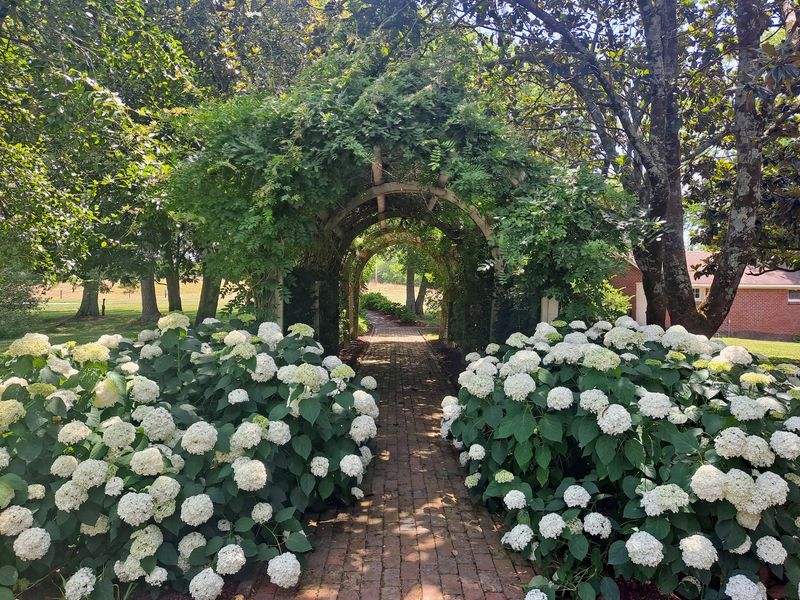
Flowers have a sneaky way of upstaging stone walls. At Cragfont, the garden behind the house is a big reason to linger.
The grounds include a garden laid out to reflect the home’s early years. Paths, beds, and seasonal plants give you a peaceful loop after the tour. It’s a great spot to stretch your legs.
Spring and early summer bring the most color. Fall offers cooler air and softer light for photos. Summer can get very hot in Tennessee, so go early on steamy days.
There’s also a pond on the property. It adds a calm, quiet feel to the whole landscape. Kids may want to wander, so keep an eye on little ones near the water.
Gardens like this remind you that families grew much of what they needed. Herbs and plants weren’t just decoration. They were part of daily life, cooking, and even medicine.
Bring water, sunscreen, and comfy shoes. The ground can be uneven in spots on the hilltop. Then slow down and enjoy a view that has charmed people for over two centuries.
A Quiet Family Cemetery Adds A Thoughtful Moment
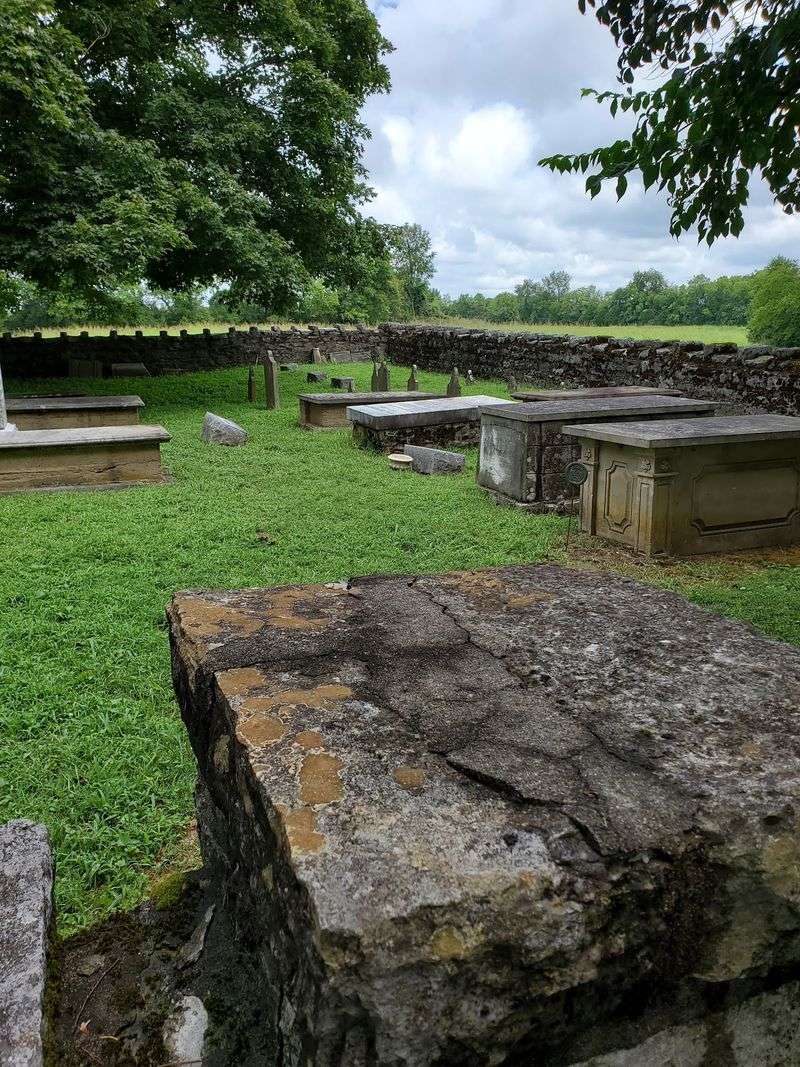
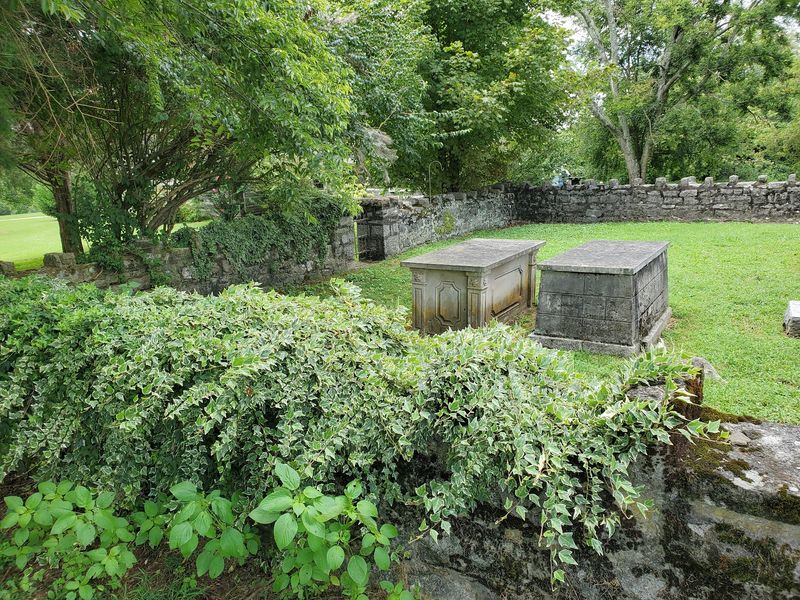
Old stone markers tell stories in just a few words. The Winchester family cemetery on the grounds is a peaceful stop worth including.
James Winchester and family members rest here near the home they built. Seeing the names connects the tour to real people. The house suddenly feels less like a museum and more like a family story.
Guides often share details about who is buried there. You’ll hear how the family grew and changed over the years. It’s history on a very personal scale.
Treat the area with care and respect. Stay on paths and avoid touching fragile stones. Old markers can crack or wear down easily.
For students, this is a great place to practice reading old dates and names. Some lettering is faded, so it becomes a fun puzzle. Bring a notebook if your kids enjoy history projects.
The setting is calm and shaded in places. It’s a nice moment to pause before heading back to the car. Sometimes the quietest part of a trip is the part you remember most.
Spooky Stories Come With The Territory
A house this old was bound to collect a few legends. Cragfont has its own ghost stories, and they’re part of its local charm.
The home has hosted Haunts at the Font, a lantern-lit event featuring ghost stories and chilling tales from Cragfont’s past. That event visits several old sites in the area. Cragfont fits right in with its age and atmosphere.
You don’t need to believe in ghosts to enjoy the tales. They’re often tied to real family history and local lore. Think of them as storytelling with a little extra shiver.
Fall is the natural season for this kind of fun. Check the site’s event calendar for special programs before you go. Events can change from year to year.
Younger kids may enjoy the stories more in daylight. A sunny tour keeps things fun instead of frightening. Older kids and teens might beg for the evening version.
Either way, the spooky side gives the house extra personality. It’s a reminder that history isn’t always neat and tidy. Sometimes it creaks a little, too.
Pair It With Wynnewood For A Double Dose Of History
One historic stop is good. Two in the same small community is even better.
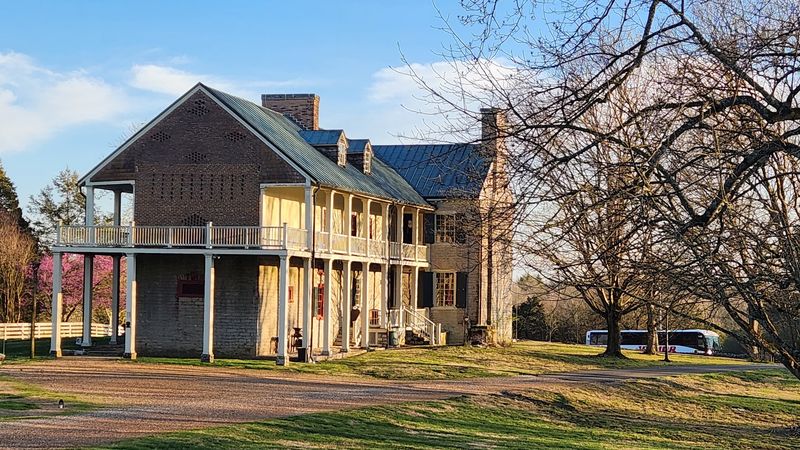
Wynnewood State Historic Site sits nearby in Castalian Springs. It’s a large log structure that once served as a stagecoach inn and mineral springs resort. The contrast with Cragfont’s stone mansion is fun to see.
Both sites are part of Historic Castalian Springs. A combo ticket is offered for visitors who want to see both. It’s the easy way to make a full history day.
Plan your times so tours don’t overlap. Start with one in the morning, grab lunch, then visit the other. Kids handle the day better with a break in between.
Comparing the two buildings makes great conversation. One shows a wealthy family’s stone home, the other a busy log inn. Together they paint a fuller picture of early Tennessee life.
The drive between them is short and pretty. Rolling fields and old roads keep things scenic. You’ll feel like you traveled back in time without leaving the county.
Getting There Is An Easy Escape From Nashville
Nashville traffic can test anyone’s patience. Luckily, Cragfont makes a great reason to head northeast for a calmer afternoon.
You’ll find Cragfont State Historic Site at 200 Cragfont Rd, Castalian Springs, TN 37031. It sits off Highway 25, near Gallatin in Sumner County. The house perches on a hilltop, so watch for it as you arrive.
That highway follows part of the old Avery Trace. Early settlers used this route to travel west into Tennessee. You’re literally driving a road with frontier roots.
Parking sits behind the house near the visitors center. It’s simple and stress-free compared to city lots. Follow the signs and you’ll be fine.
The grounds have also hosted weddings, which says a lot about the scenery. Even a quick stop feels like a breather. It’s easy to see why people come back again.
Pack snacks, water, and a sense of curiosity. Leave time to wander after your tour. A two-hundred-year-old house deserves more than a quick drive-by, don’t you think?
Share this story