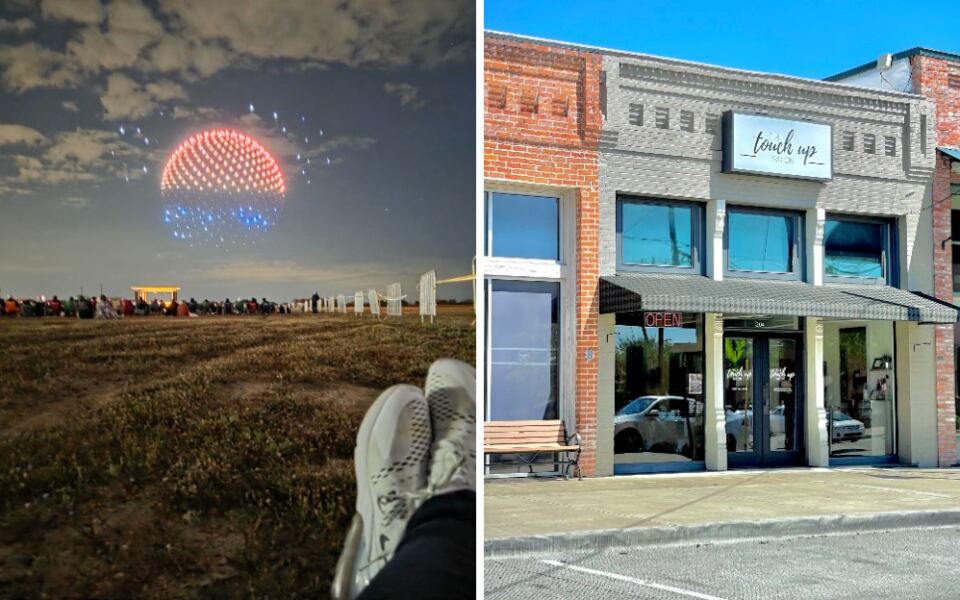
One Texas town was once known as the Antique Capital of Texas. Today, new neighborhoods are popping up faster than antique shops, giving this historic place a whole new identity.
Another town began as a quiet railroad stop surrounded by farmland. Now, streets lined with modern homes have replaced open fields, and new schools, stores, and businesses are changing the landscape.
It’s surprising how quickly these once-small communities have grown. Places that used to have little more than a handful of shops and quiet streets are now welcoming thousands of new residents.
So what’s bringing everyone here? Better access to major cities, growing job opportunities, and the promise of more space have all helped fuel the boom. Yet each town still has something that connects it to its past, making these nine Texas communities worth a closer look.
Celina
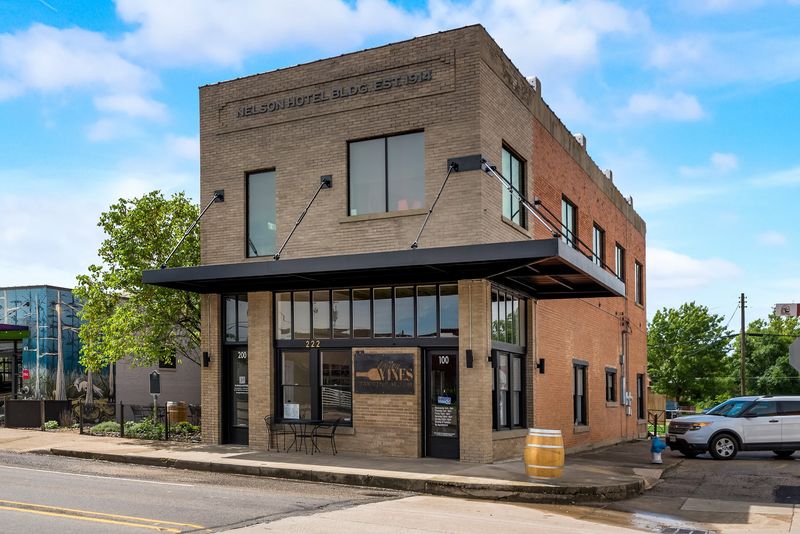
Blink, and Celina doubles in size again. That joke lands a little too close to the truth for this Collin County town.
For most of its history, Celina was a quiet farming community north of Dallas. Folks knew it for open fields, small-town Fridays, and a classic downtown square.
Then the Dallas suburbs kept marching north. Celina landed right in the path, and it quickly became one of the fastest-growing towns in the country.
Here’s what makes it fun to watch. The historic square still anchors the town, even as huge new neighborhoods spread across former farmland.
You can stroll that square and feel the old Celina. Then you drive ten minutes and see fresh streets, new schools, and rows of homes that didn’t exist a few years ago.
Why are so many people choosing it? Location helps a lot, with the Dallas North Tollway pushing north and big job centers in Frisco and Plano nearby.
Space matters too. Many families want newer homes and a little breathing room without giving up city access.
If you’re thinking about a move, do some homework first. Fast growth means roads and services are always catching up, so check commute times at rush hour.
It also pays to look at school zones carefully. In a booming town, attendance lines can shift as new campuses open.
The city runs an official website with updates on projects and events. Bookmark it, because things change quickly here.
Celina is a great example of a small Texas town learning to grow up fast. The real trick will be keeping that hometown square feeling while the map keeps filling in.
Honestly, that balancing act is worth watching. Come for the square, stay for the surprise of how much is new.
Fulshear
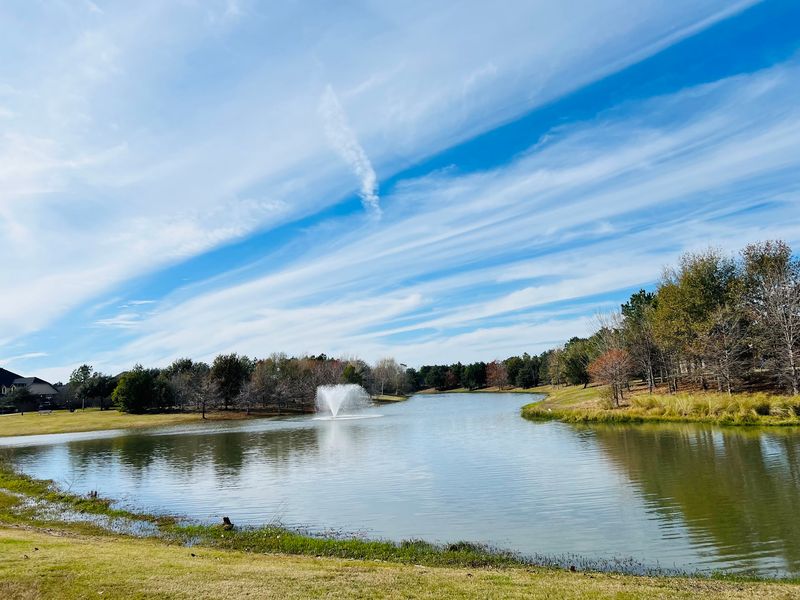
Few towns can trace their name back to Texas pioneer days. Fulshear can, and it honors Churchill Fulshear, one of Stephen F. Austin’s original colonists.
For generations, the place stayed small. It grew up as a rail stop in Fort Bend County, surrounded by farms and ranch land west of Houston.
Fast forward to the last decade. Fulshear’s population jumped several times over, turning a tiny dot on the map into a residential boomtown.
So what lit the fuse? Houston kept spreading west, and big master-planned communities found plenty of open land here.
The result feels like two towns sharing one name. You still see pastures and old farm roots, but new subdivisions now line the roads nearby.
That mix is part of the appeal. People get newer homes while still feeling a little farther from the big-city rush.
Thinking about visiting or moving? Plan around Houston traffic, because commutes into the city can stretch out at peak times.
Also look closely at which neighborhood fits your style. Some communities feel very suburban, while other pockets keep a more country mood.
One fun way to understand Fulshear is to learn its history. A town tied to Texas’s earliest settlers is now writing a brand-new chapter.
It’s a reminder that Texas growth often lands in places with deep roots. Nobody planned for this tiny rail stop to become a hot spot.
Yet here it is, drawing families from across the state and beyond. The fields are shrinking, but the story is getting bigger.
If you like seeing history and change sit side by side, Fulshear makes a fascinating drive. Just keep your eyes open, because the next new street may appear before your next visit.
Kyle
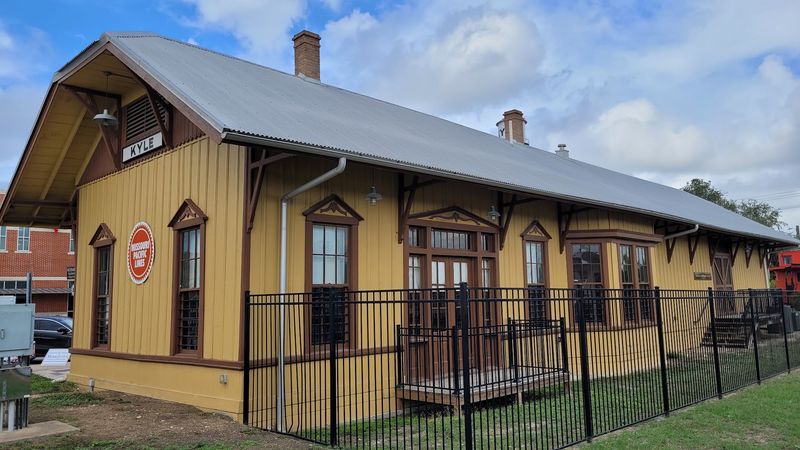
Trains built Kyle, and highways supercharged it. The town started along the railroad, with a main street that served nearby farms and ranches.
For a long time, Kyle was simply a quiet stop between Austin and San Antonio. You might have driven past it on I-35 without a second thought.
Those days are gone. Kyle grew from a small rural outpost into a major population center along that busy corridor.
Location explains a lot. Living here puts you within reach of both big cities, which is a sweet deal for many workers.
Housing prices in Austin also pushed people south. Kyle became a place where families could find more space and still reach jobs up the highway.
Here’s the charming part. The old main street character still shows up near the historic downtown and the railroad.
That gives Kyle a hometown heart, even with all the new rooftops. It’s like a small town wearing a much bigger jacket.
Planning a move? Expect I-35 traffic to be part of your life, so test your commute before signing anything.
You’ll also want to explore different parts of town. Newer areas and older neighborhoods can feel very different.
Kyle’s growth shows how one highway can reshape a whole region in Texas. Towns along I-35 keep filling in, and Kyle got a head start.
Is it still small? Not really, but it hasn’t lost its roots either.
For anyone curious about how Central Texas is changing, Kyle is a great place to look. The railroad town is still there, just surrounded by a lot more neighbors.
Spend an afternoon downtown and then drive the newer edges. You’ll see the whole growth story in one easy loop.
Prosper
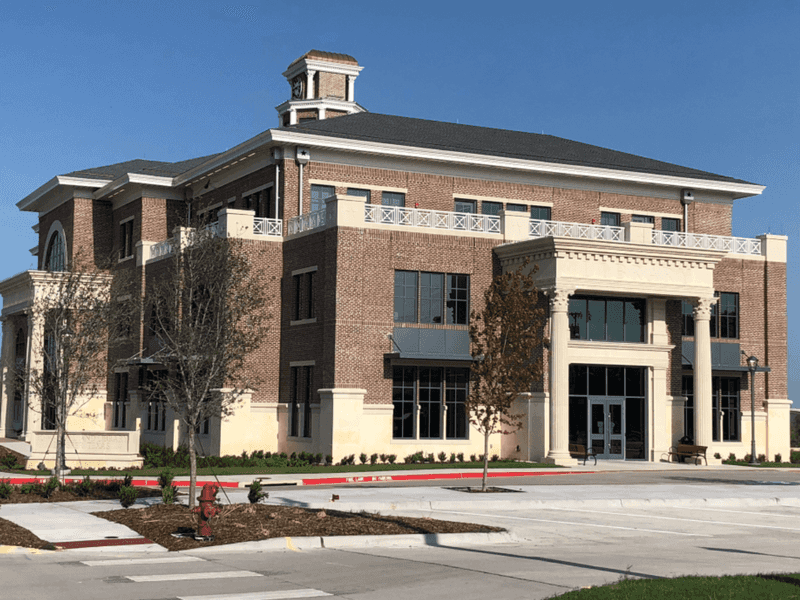
With a name like Prosper, maybe the boom was written in the stars. The town even seems to be living up to its own label.
Not long ago, Prosper was an agricultural community in North Texas. Fields and farm life set the pace, not traffic lights.
Today it ranks as one of the region’s explosive growth hubs. New neighborhoods, schools, and shopping keep popping up across former farmland.
Why here? Prosper sits close to fast-growing Frisco and McKinney, so it caught the wave as the suburbs pushed north.
Still, the town works hard to keep its small-town identity. Community events help neighbors connect, even as thousands of new faces arrive.
That’s a smart move. Growth can make a place feel anonymous, but shared traditions give people a reason to meet.
If you’re considering Prosper, check out the town’s official website. It shares updates on events, projects, and local services.
Pay attention to road projects, too. In a fast-growing town, construction zones can change your daily drive.
Another tip: visit at different times of day. A quiet Sunday morning can feel very different from a weekday rush.
Prosper shows how quickly a farm town in Texas can transform. A generation ago, few people outside the area knew its name.
Now it pops up in conversations about where families want to live. That’s quite a glow-up for a place once surrounded mostly by crops.
The name fits better every year. Whether the town can keep its friendly feel while it grows is the question everyone’s watching.
For now, Prosper is a fun case study in North Texas change. Drive through, catch an event, and see how a farming town builds a new future.
Manor
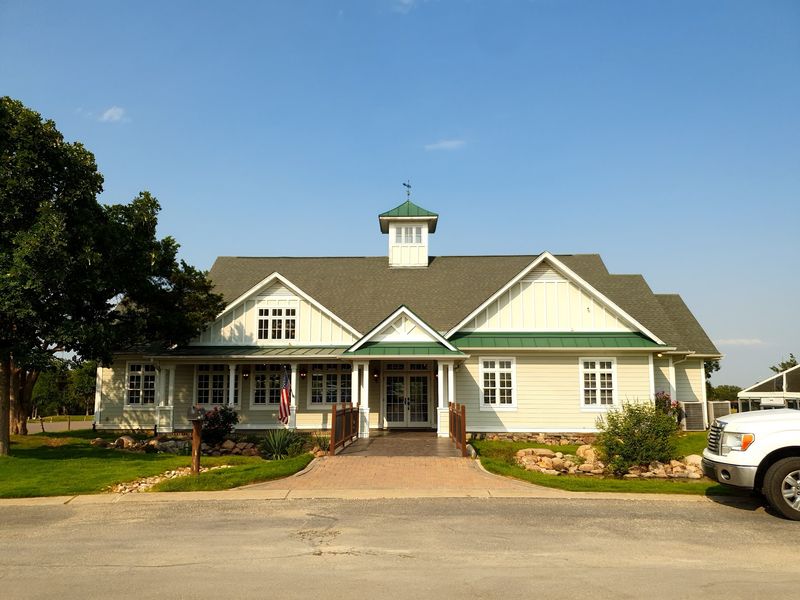
East of Austin, a longtime farming town suddenly found itself in the spotlight. Manor didn’t chase the boom, but the boom definitely found Manor.
For many years, Manor was a small farming community with historic downtown blocks. Life moved at a steady, country pace.
Then Austin’s tech growth started stretching east. New jobs and new residents meant Manor’s open land looked very attractive.
Residential development surged, and the population climbed quickly. Neighborhoods began rising where farm fields once stretched out.
The neat part is that the old downtown still stands. Those historic blocks remind you that Manor had a story long before the rush.
Want to understand the town? Start downtown, then drive out to the newer subdivisions to see how far things have spread.
Manor also offers something many buyers want. It sits close to Austin while often feeling a little less crowded than the city itself.
Before you commit, check your commute carefully. Roads into Austin can get busy, and growth adds more cars every year.
It’s also smart to follow local news. Booming towns often have new projects, road work, and school changes on the way.
Manor proves you don’t have to be famous to become a hot spot. Sometimes you just need to be in the right place when a region expands.
In Manor’s case, that place was the eastern edge of a fast-growing city. Few people expected a quiet farm town to change this fast.
Now it’s one of the most interesting places to watch near Austin. The mix of old blocks and brand-new streets tells the whole tale.
Take a slow drive through and notice the contrast. You’ll see a small town stretching to fit its new size.
Liberty Hill
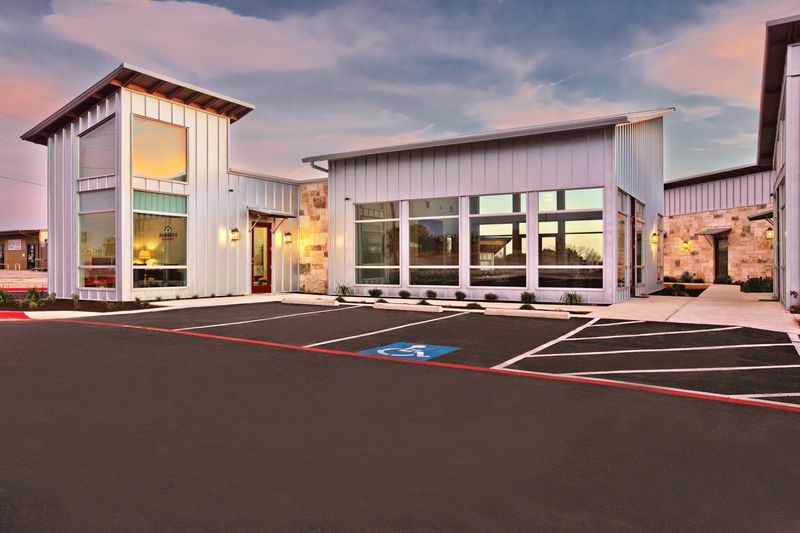
Ranch gates and cul-de-sacs now share the same zip code in Liberty Hill. That combo would have sounded wild not long ago.
This Williamson County town has a real Hill Country feel. Rolling land, ranch roots, and a historic downtown strip along State Highway 29 give it plenty of character.
Recently, though, the picture has changed fast. New subdivisions and quick commercial growth have replaced chunks of former ranch land.
Why the sudden rush? Liberty Hill sits northwest of Austin, and buyers have been hunting for space beyond the crowded core.
The Hill Country setting is a big draw too. People like the scenery and the slower rural mood, even if growth is changing it.
If you visit, spend time along the old downtown stretch on Highway 29. It shows the town’s original personality better than any new shopping center.
Then take a drive past the newer neighborhoods. You’ll notice how quickly open land has turned into streets and rooftops.
Thinking of moving here? Check how far you’ll drive for work, school, and errands, since growth can spread services out.
Also watch for road work on Highway 29. As traffic increases, improvements often follow, and that can mean detours.
Liberty Hill is a good reminder that Texas growth doesn’t only happen in flat suburbs. It’s reaching into the Hill Country as well.
That brings tough questions about keeping rural charm alive. Many small towns face the same challenge as newcomers arrive.
For now, Liberty Hill still feels like a place with its own identity. Its name alone sounds like a postcard.
Go see it while you can still spot the ranch land between the rooftops. The scenery is part of the reason people keep coming.
Fate
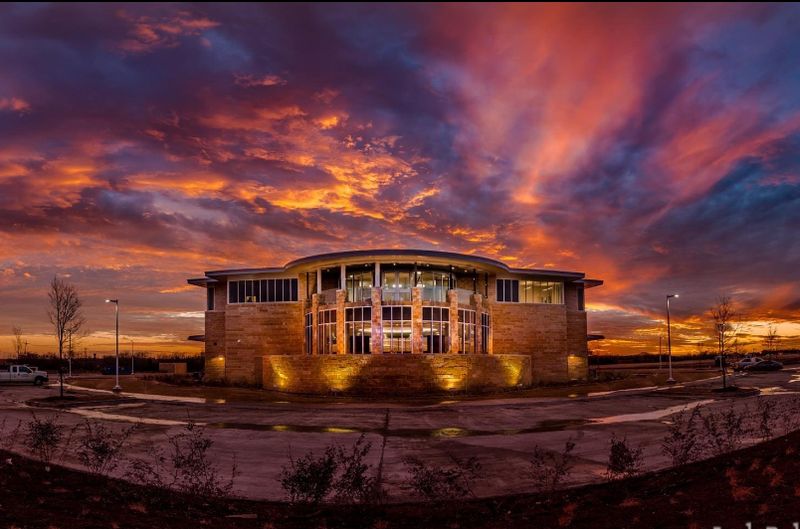
Some towns have destiny built right into the name. Fate, Texas, spent decades staying small, then suddenly started growing like it meant it.
The town sits in Rockwall County, which is the smallest county in Texas by area. That makes Fate’s big growth story even funnier.
For a long time, Fate was a quiet settlement with a traditional downtown core. Population numbers barely moved for years.
Then the Dallas area kept spreading east. Fate began showing up on lists of the fastest-growing towns in Texas by percentage gain.
That means its numbers jumped a lot compared to where they started. When you begin small, a few big neighborhoods can change everything.
The small downtown core still tells you where Fate came from. New homes around it show where the town is heading.
Why do people pick Fate? It offers access to the Dallas area while feeling a bit removed from the busiest suburbs.
If you’re curious, check the city’s official website for local news and events. It’s a handy way to keep up with projects in a changing town.
Commute planning matters here too. Interstate 30 traffic toward Dallas can get heavy during busy hours.
Fate shows how a tiny place can become a growth headline almost overnight. It’s the kind of change locals of the past never pictured.
Plus, you have to admit the name makes great small talk. Telling friends you moved to Fate sounds like the start of a movie.
The town’s challenge is the same as many on this list. It needs to grow smart while keeping the friendly feel people came for.
Swing through and see a tiny county’s surprise star. Fate might be small on the map, but its growth is anything but.
Forney
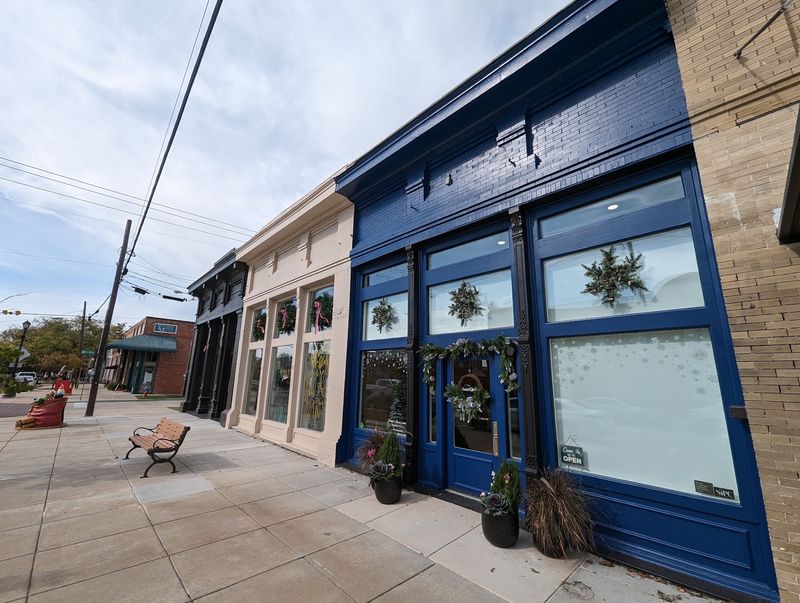
A town known for antiques is suddenly full of brand-new everything. Forney has long been known for its antique shops and was once proclaimed the Antique Capital of Texas, making its rapid growth an interesting contrast.
The preserved historic town center gives Forney real charm. Old storefronts and a classic layout remind you of its small-town past.
Meanwhile, the edges of town tell a different story. Rapid housing growth and new businesses have transformed this spot on the eastern side of the Dallas area.
Why Forney? It sits along the path of growth heading east from Dallas, where land was more open.
Families found newer homes and room to spread out. Businesses followed, bringing more shopping and services.
If you love history, start in the town center. The antique heritage is a big part of Forney’s identity.
Then cruise out to the newer areas. Seeing old and new side by side is the best way to understand what’s happening here.
Moving here? Look closely at commute routes toward Dallas, because traffic grows right along with the population.
Also explore different neighborhoods before choosing one. Each area can have its own feel and travel times.
The city’s official website is a good place to track updates. Growth brings new projects, and it helps to stay informed.
Forney proves a town can hold onto a nickname from the past while racing toward the future. That mix makes it a fun place to visit.
Plenty of Texas towns are growing, but few carry a title this charming. The Antique Capital is now one of the region’s newest-feeling places.
Take a slow afternoon to wander the old center. You’ll leave with a better sense of how far Forney has come.
Princeton
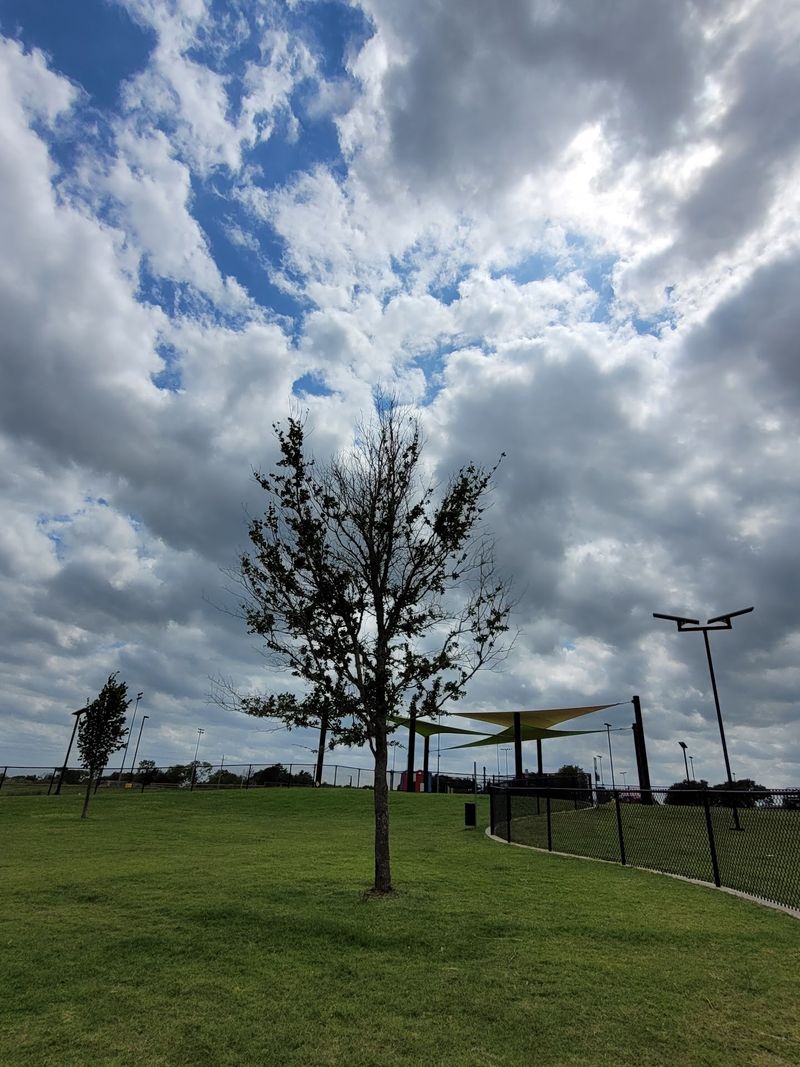
Ivy League vibes not included. This Princeton is a Texas town near Lake Lavon, and its growth has been nothing short of dramatic.
For years, Princeton served as an agricultural center in Collin County. Farm life shaped the community and its small-town roots.
Recently, massive subdivisions have spread across the area. Population numbers have climbed fast, surprising plenty of folks who remember the quieter days.
What’s driving the change? North Texas growth keeps pushing outward, and Princeton offers open land with access to the wider Dallas area.
Lake Lavon adds another perk. Being near the water gives the area extra appeal for people who enjoy the outdoors.
Even with all the new rooftops, Princeton still holds onto its small-community roots. That mix of farm history and fresh neighborhoods gives it a unique feel.
If you’re thinking about living here, plan your commute with care. Roads in fast-growing towns often take time to catch up.
It also helps to keep an eye on local news. New schools, roads, and services may be on the way as the town grows.
Visiting? Drive around and notice how quickly farmland has turned into neighborhoods.
Princeton is a great example of how Texas towns can change in just a few years. A place once known for crops is now known for growth.
The name might make people think of a famous college. In North Texas, it now brings to mind moving trucks and new streets.
That’s quite a twist for a former farm town. Few people saw it coming, but here we are.
Head out toward the lake and see the change for yourself. Princeton is earning a whole new reputation, one neighborhood at a time.
Share this story