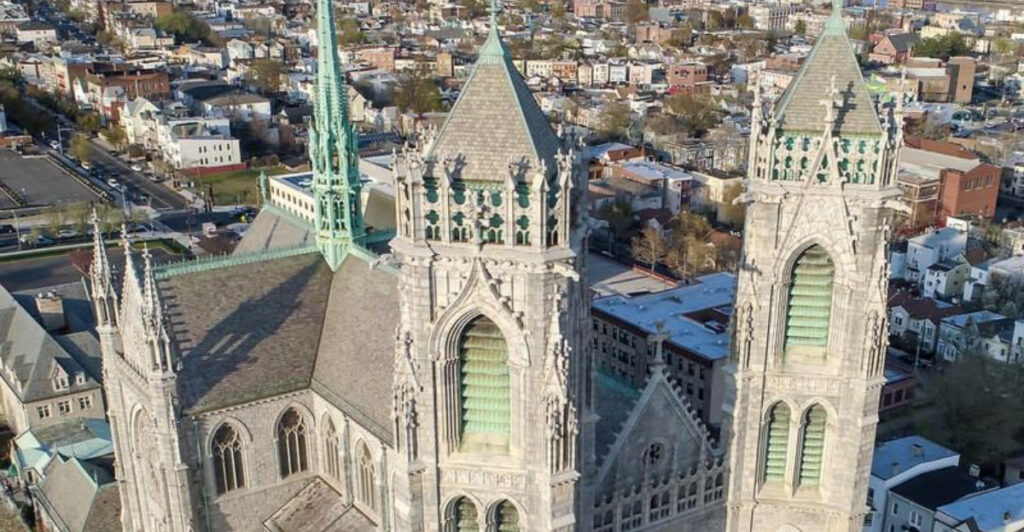
A slate roof over a lakeside plaza in Sussex County. A Portuguese bakery window fogged from fresh custard tarts in Newark.
A Victorian porch in Cape May painted so cheerfully it looks like someone let a box of saltwater taffy design the neighborhood. New Jersey is not exactly shy about its personalities, but some of its best day trips feel like they slipped in from another continent.
Not in a theme-park way, either. The charm comes from real history, immigrant neighborhoods, old architecture, river towns, stone barns, university courtyards, and Main Streets where you can still wander without much of a plan.
Some places lean Alpine, some Irish, some English, some Portuguese, some French in name and mood. Together, they prove you do not need a passport to find old-world texture in the Garden State.
You just need a full tank, comfortable shoes, and maybe room for dessert.
1. Cape May
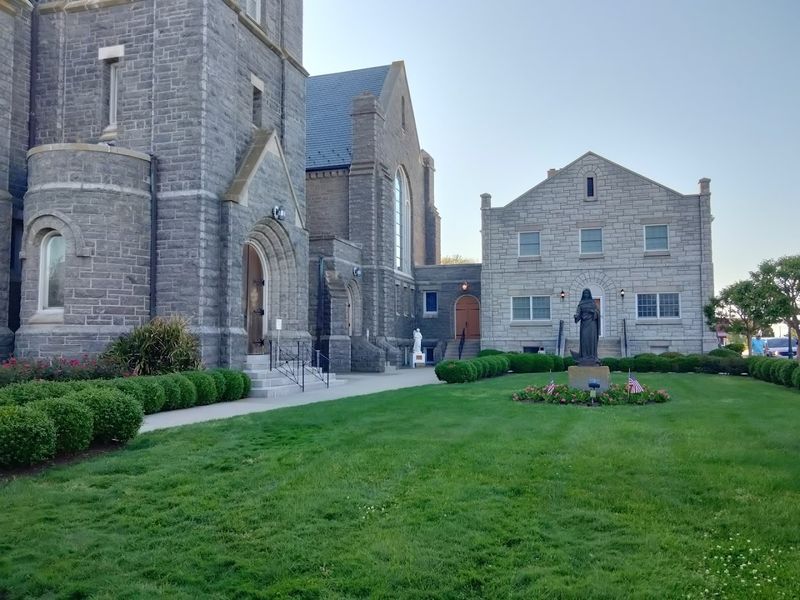
Start with the porches. Cape May’s best European trick is not pretending to be one specific place; it borrows the grand seaside confidence of old resort towns and wraps it in gingerbread trim, pointed rooflines, stained glass, and colors that somehow behave better together than they should.
The city’s historic district is known for its concentration of Victorian buildings, and that matters because the town is not just “cute.” It is architecturally serious while still being wildly pleasant to stroll. The move here is to walk before you do anything else.
Wander along streets like Columbia Avenue, Hughes Street, and Gurney Street, then swing toward the Washington Street Mall for shops, coffee, and a break from pretending you are not taking photos of every porch bracket. For the overseas feeling, Cape May gives you a little British seaside holiday, a little painted Victorian resort, and a little “I should have packed linen” energy.
Food-wise, keep it coastal. Order seafood, stop for ice cream, or make time for afternoon tea if you want to lean into the old-world mood.
Parking can get tight in peak summer, so arrive early or consider visiting in spring or fall, when the architecture gets more room to show off and the whole town feels less hurried.
2. Sparta / Lake Mohawk
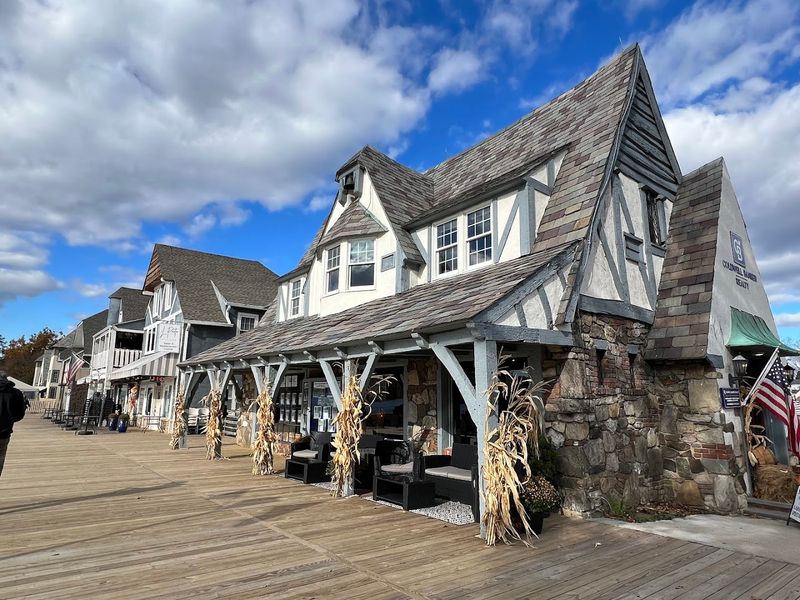
Those timbered facades around White Deer Plaza are doing a lot of work, and frankly, they deserve the attention. Lake Mohawk in Sparta was developed in the 1920s as a private resort-style community, and its town center leaned into an Alpine-inspired look with steep roofs, decorative shutters, stonework, and a lakefront boardwalk that feels more Swiss village than North Jersey errand stop.
This is the kind of place where the best activity is not complicated. Walk the boardwalk, look out over the lake, poke into the small shops, and get a meal or drink at Krogh’s if you want the classic local stop.
The setting does half the work: mountains in the background, water in front of you, and a compact plaza that makes the whole visit feel pleasantly contained. It is also a good choice for people who want Europe-inspired scenery without committing to a full weekend.
You can pair it with a broader Sussex County drive, especially in fall when the hills look dramatic and the lake feels even more cinematic. Just remember that Lake Mohawk itself is private, so the public-facing experience is mostly the plaza, boardwalk area, restaurants, and views.
Luckily, that is exactly where the Alpine charm is concentrated.
3. Long Valley
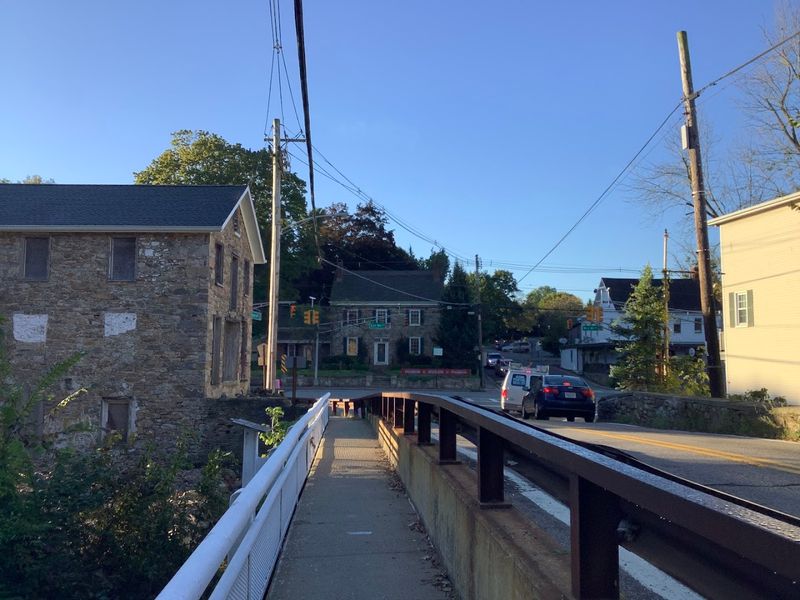
Before it became Long Valley, this Morris County village was known as German Valley, and that older identity still gives the area its quiet, old-world backbone. The name was changed during World War I, but the surrounding historic district and farm roads still carry the sense of an early settlement shaped by barns, churches, stonework, and rural crossroads rather than strip-mall sprawl.
The appeal here is not a big “look at me” downtown. Long Valley is slower and more pastoral, the sort of place where you drive through rolling hills, notice an old building, then suddenly understand why people get protective of rural New Jersey.
Restaurant Village is a natural anchor, especially if you want a meal in a setting that nods to the area’s agricultural past. Long Valley Pub & Brewery, housed in a historic stone barn, is the obvious stop when you want something hearty and local with a German-Valley backstory.
Come in autumn if you can. The landscape does its best work then, and the European influence feels less like a label and more like a mood: a farm valley, old roads, crisp air, and a pint at the end of the drive.
It is understated, which is exactly the point.
4. Frenchtown
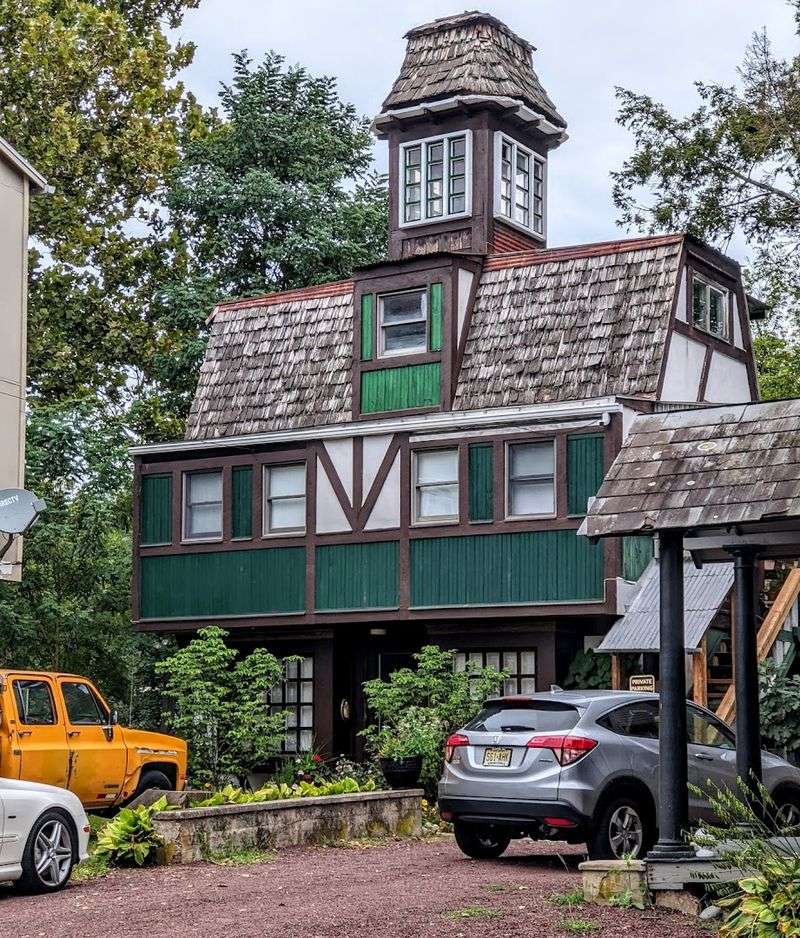
A town named Frenchtown has a certain obligation to be charming, and this Hunterdon County river town takes that job seriously without making a big fuss about it.
Set along the Delaware River, it has the ingredients of a small European market town: walkable streets, indie shops, old buildings, river views, and just enough artistic personality to make a casual afternoon turn into “maybe we should stay for dinner.” The best Frenchtown plan is loose.
Start near Bridge Street, browse whatever catches your eye, then drift toward the river. If the weather cooperates, build in time for the Delaware & Raritan Canal towpath or a riverside walk, because the setting is half the charm.
This is not a place to rush from attraction to attraction. It is a town for buying a coffee, disappearing into a shop, finding a piece of vintage glassware you did not need, and calling that a successful itinerary.
Food options range from casual cafés to date-night dinners, and weekends can bring crowds from both New Jersey and Pennsylvania. Arrive earlier in the day if you want easier parking and first pick of the shops.
The vibe is French in name, river-town bohemian in practice, and very easy to like.
5. Ho-Ho-Kus
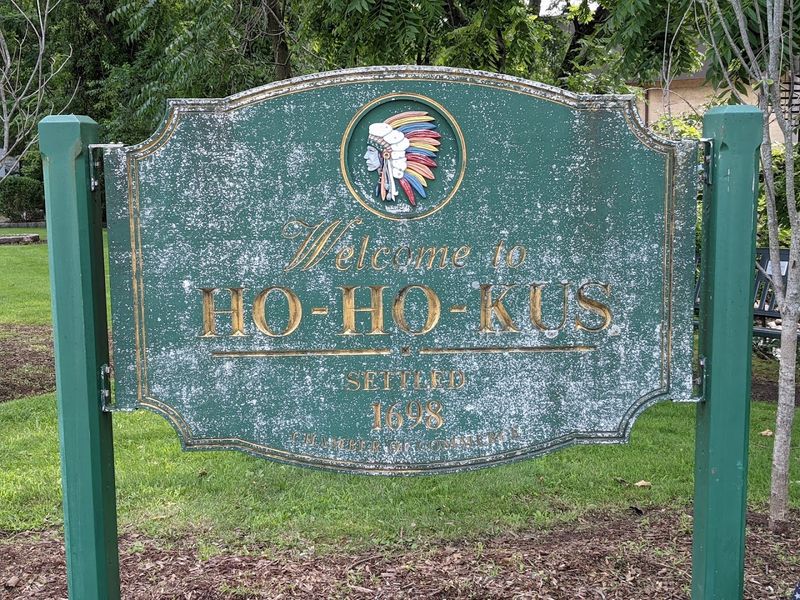
A Tudor Gothic mansion in Bergen County sounds like something that should come with a moody English garden and a governess with secrets.
Ho-Ho-Kus has exactly the right centerpiece for that fantasy: The Hermitage, a National Historic Landmark whose mid-19th-century Tudor Gothic remodeling gave the borough one of North Jersey’s most distinctive old-world landmarks.
The Hermitage is the reason Ho-Ho-Kus belongs on this list. Its steep gables, historic rooms, and layered past pull the town away from the usual commuter-suburb script.
The area’s early settlement history also includes Dutch families, and the borough’s own local history traces Ho-Ho-Kus back to a small settlement once called Hoppertown. Plan your visit around the house, not just the downtown.
Check tour availability before you go, because historic-house hours can be more limited than a typical attraction. Afterward, Ho-Ho-Kus makes a polished little Bergen County stop, with nearby restaurants and shops if you want to turn the visit into lunch.
This is not the loudest or most obvious Europe-inspired destination in New Jersey, but that is part of its appeal. It feels like finding a pocket of English Gothic drama tucked behind everyday suburbia, which is a very New Jersey kind of surprise.
6. Historic Smithville
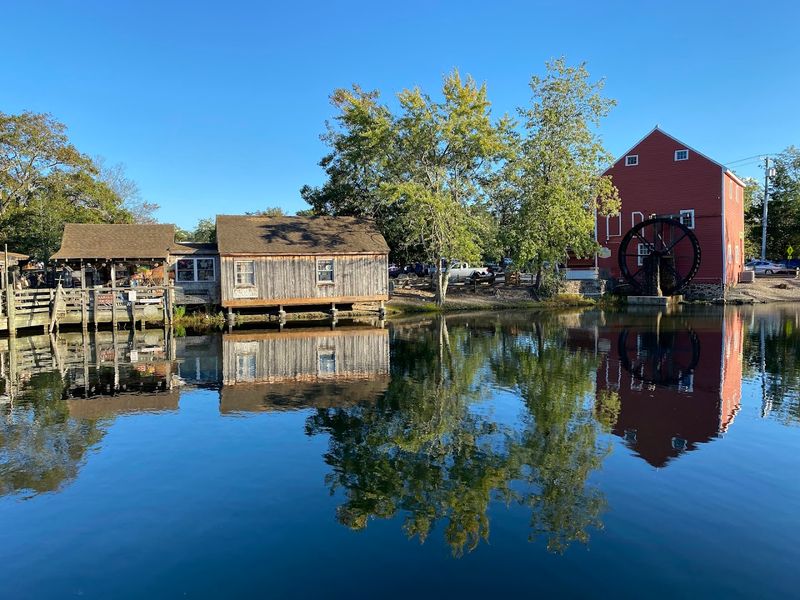
The ducks usually announce Historic Smithville before anything else. One minute you are near the shore traffic orbit of Atlantic County; the next, you are walking past footbridges, little shops, old-fashioned signs, a carousel, and a village layout that feels borrowed from a storybook market square.
Historic Smithville is not a municipality in the usual sense, but as a destination village, it absolutely earns its place here. The European influence is more whimsical than historic immigrant enclave.
Think English-style village day trip with South Jersey practicality: browse the shops, grab something sweet, take a loop around the water, and let kids ride the carousel if they are part of the crew. It is especially good around the holidays, when the lights and village setting lean fully into cozy old-world theatrics.
Parking is generally more forgiving than in dense downtowns, which helps make Smithville a strong choice for families or mixed-age groups. Go on a weekday if you want a quieter stroll, or embrace the weekend bustle when the village feels more festive.
Either way, it scratches the “tiny village overseas” itch without requiring complicated planning.
7. Newark’s Ironbound District
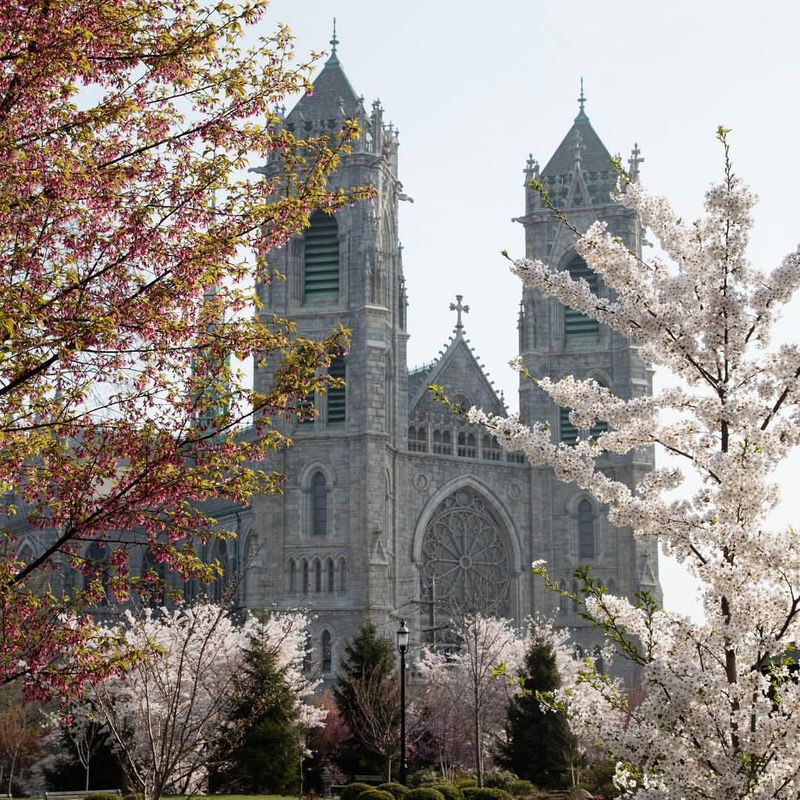
Follow the smell of garlic, grilled seafood, espresso, and warm pastry, and you will understand the Ironbound faster than any history lesson can explain it. Newark’s Ironbound District is one of New Jersey’s clearest European-influenced neighborhoods, especially through its Portuguese, Spanish, and Brazilian restaurants, bakeries, bars, and markets.
This is the place to order boldly. Get Portuguese seafood, garlic shrimp, grilled meats, paella, or a custard tart with coffee if you are just passing through.
Ferry Street is the natural starting point, but the best move is to treat it like a food crawl rather than a single-meal stop. Have lunch, walk a few blocks, buy something sweet for later, then admit it was never going to make it home untouched.
The Ironbound does not feel like a polished tourist village, and that is exactly why it works. It is busy, real, and generous, with storefronts, soccer chatter, bakery counters, and restaurant dining rooms that make the neighborhood feel lived-in rather than staged.
Trains are a practical advantage, too: Newark Penn Station is close enough that you can skip parking stress if you are coming by rail. Come hungry, walk between stops, and do not make the rookie mistake of filling up before dessert.
8. Waterloo Village / Stanhope
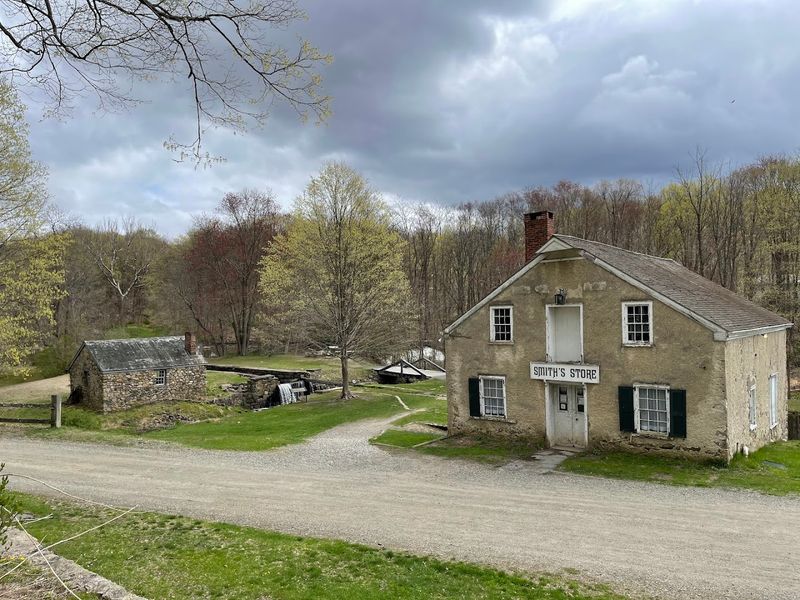
The road into Waterloo Village already feels like a small time slip, with trees, river bends, and old structures appearing where modern New Jersey suddenly gets quiet.
Located near Stanhope in Allamuchy Mountain State Park, Waterloo Village is a preserved 19th-century canal village tied to the Morris Canal, with historic homes, industrial buildings, and cultural sites that show how people lived and worked when water routes powered local commerce.
What makes it feel European is the preserved-village rhythm: stone, wood, water, paths, and buildings arranged around work, trade, and community rather than cars. It is not Alpine or Mediterranean; it is more like stepping into an old canal settlement where the scale is human and the setting does the storytelling.
Visitors may find historic homes, a blacksmith shop, mills, canal-era structures, and a recreated Lenape village, depending on access and programming. This is a better pick for history lovers than shoppers.
Bring comfortable shoes, check current hours or event schedules before heading out, and pair it with a walk in the surrounding park if the weather is good. Waterloo is at its best when you let it be a little quiet.
The charm is not curated perfection; it is the sense of a whole village holding onto another century.
9. Fairfield
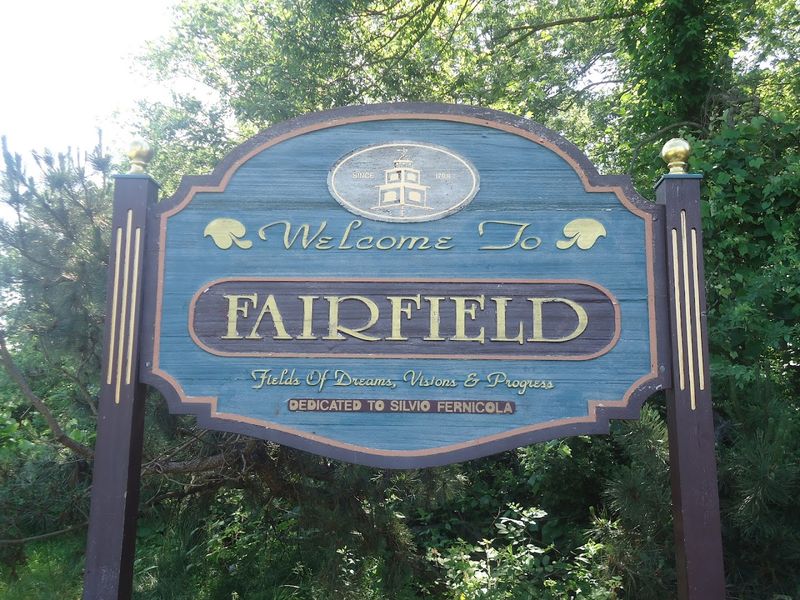
Fairfield’s Europe-inspired personality is not about cobblestone lanes or postcard architecture. It is about Italian food culture hiding in plain sight across a North Jersey suburb that knows exactly how to feed people.
The town and its surrounding area have a strong lineup of Italian restaurants, from white-tablecloth dinners to neighborhood spots where the right order is probably something saucy, cheesy, and impossible to finish alone. To make Fairfield feel like a “trip,” treat it less like a sightseeing stop and more like a dining destination.
Go for pasta, seafood, veal, chicken scarpariello, calamari, espresso, or whatever special the server says with enough confidence to end the debate.
Lumi’s is one of the better-known names in town if you want a polished, classic Italian dinner, but part of the fun is that Fairfield gives you options depending on whether you want date night, family dinner, or a big-table meal with friends.
This entry is for readers who understand that European influence in New Jersey often shows up most convincingly on the plate. Fairfield may not look like Tuscany, but dinner can still make a strong argument.
Come hungry, order more than one course, and leave room for dessert even if everyone pretends they are too full.
10. Spring Lake
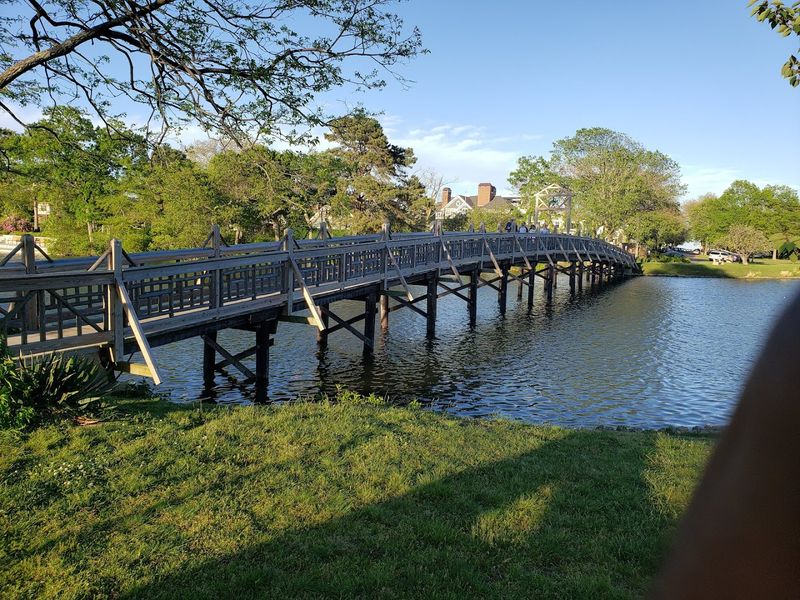
There is a particular kind of Shore town elegance in Spring Lake: wide porches, manicured lawns, a long boardwalk without boardwalk chaos, and a beach scene that keeps its voice down. Its “Irish Riviera” nickname comes from the area’s Irish roots and long association with Irish-American summer life, and the town still wears that identity in a refined, seaside way.
The European feeling here is Irish by heritage but also broadly old-resort in style. Visit St. Catharine Church if you want the architectural centerpiece; its grand presence gives the town an almost coastal-parish feel.
Then walk around the lake, head to the beach, or take the boardwalk for ocean views without the arcade-and-fried-food overload found in busier Shore towns. Spring Lake is best for a softer day trip: breakfast, a walk, beach time, maybe a quiet dinner nearby.
It is not the place for wild nightlife, and that is a compliment. Summer weekends get expensive and crowded, so shoulder season is lovely if you care more about scenery than swimming.
Of all the towns on this list, Spring Lake may be the most graceful. It feels less like a quick escape and more like someone taught the Jersey Shore table manners.
11. Princeton
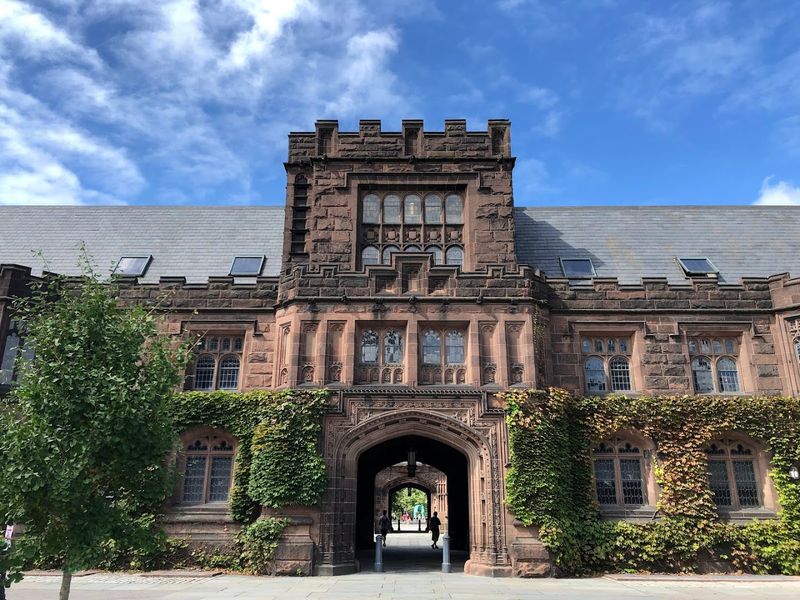
The archways do most of the persuading. Princeton’s campus has that old university-town drama people associate with Oxford or Cambridge: Collegiate Gothic buildings, stone courtyards, carved details, and paths that make even a casual visitor feel slightly more scholarly than they were in the parking lot.
The town’s Europe-inspired appeal is not quaintness; it is intellect with ivy on it. Do not rush straight to Nassau Street, tempting as that is.
First, walk through the campus. Look for Nassau Hall, the University Chapel, Blair Arch, and the older stone buildings that give the place its English academic mood.
Then cross back into town for bookstores, cafés, restaurants, and people-watching that ranges from students with laptops to visitors pretending they casually understand Latin inscriptions. Princeton works in every season, but fall gives it the full movie-set treatment.
Parking can be annoying during busy periods, so garages are often easier than circling for street spots. For food, you can keep it casual with pizza, coffee, or ice cream, or turn the trip into a proper dinner downtown.
The best Princeton visit is part campus stroll, part small-city afternoon, and part reminder that New Jersey can do old-world elegance without losing its edge.
12. Lambertville
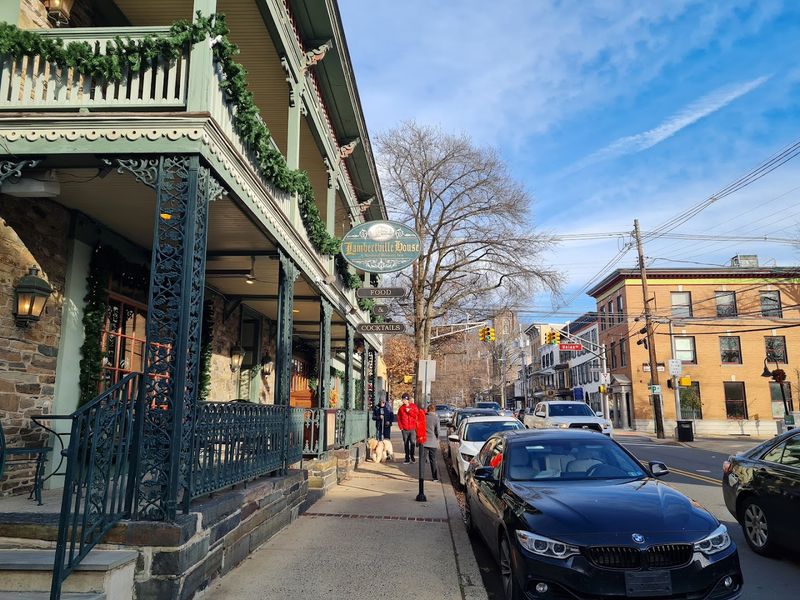
Antique shops are Lambertville’s love language. This Delaware River town is lined with federal townhouses, Victorian homes, galleries, restaurants, and vintage shops, giving it the feel of a small European river city that has had several centuries to collect beautiful oddities.
The best Lambertville day starts on foot. Browse antiques, stop into galleries, walk the canal towpath, and save time for the bridge to New Hope if you want to turn one river town into two.
The restored 19th-century train depot that now houses Lambertville Station adds another layer of old-world character, especially if you want a waterside meal or a more polished stop. Lambertville is stylish but not stiff, historic but not sleepy.
It is great for couples, friend trips, solo browsing, and anyone who enjoys the dangerous sentence, “Let’s just look in one more shop.” Weekends are busy, and parking rewards patience, so arrive early if you want a calmer start. By afternoon, when the river catches the light and the storefronts glow, it really does feel far from home.
The town does not need to cosplay as Europe; it has the river, the buildings, the shops, and the pace to make the comparison feel earned.