
A green sea turtle named Myrtle has been swimming through the same giant tank since 1970. At this point, she is practically part of the building.
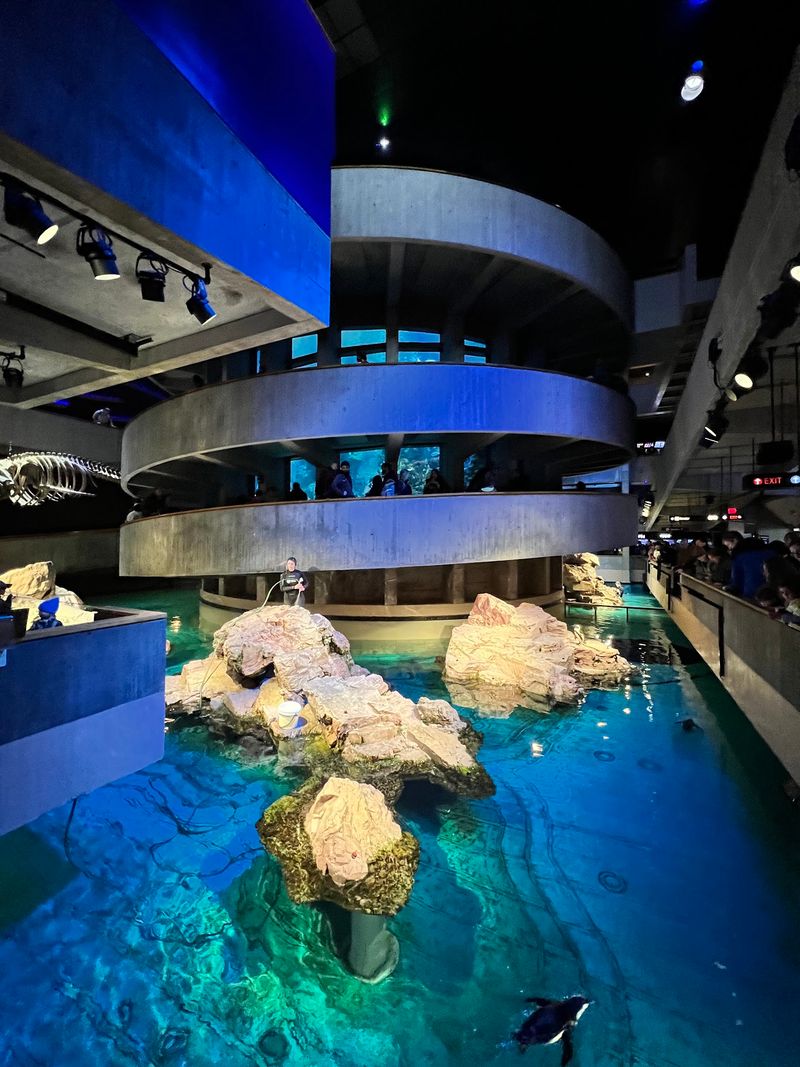
Her home is a four-story ocean tank holding about 200,000 gallons of salt water, with a spiral walkway wrapping around it from bottom to top. Sharks, rays, and schools of tropical fish drift past at every level, so the view keeps changing as you climb.
That setup makes the aquarium feel less like a series of exhibits and more like one long journey through an underwater world. Every few steps, something new catches your eye and gives you another reason to stop.
Penguins, seals, and a ray touch tank add even more to explore, all right along the Massachusetts waterfront. The hardest part may be deciding what deserves your attention first.
The Giant Ocean Tank Steals The Show From Every Angle

Two hundred thousand gallons of salt water sit in the middle of the New England Aquarium. That’s the Giant Ocean Tank, and it rises four stories high.
The tank recreates a Caribbean coral reef. Hundreds of animals live inside, including sea turtles, sharks, rays, eels, and bright tropical fish.
A walkway spirals around the outside like a lazy staircase. You climb slowly and see the reef change from the sandy floor to the sunny top.
Each level gives you a different view. Near the bottom, you might spot rays gliding along the sand.
Higher up, schools of fish flash silver as they turn together.
The tank got a major renovation that finished in 2013. Workers added a more detailed coral reef design and new viewing windows.
My advice is simple. Take your time on the ramp and pause at different heights.
The animals move all day, so the scene keeps shifting.
Many visitors head straight up first and work their way down. That trick can help you enjoy quieter windows.
Either way, this tank is the reason the building feels so unforgettable.
Say Hello To Myrtle, The Turtle With Serious Seniority
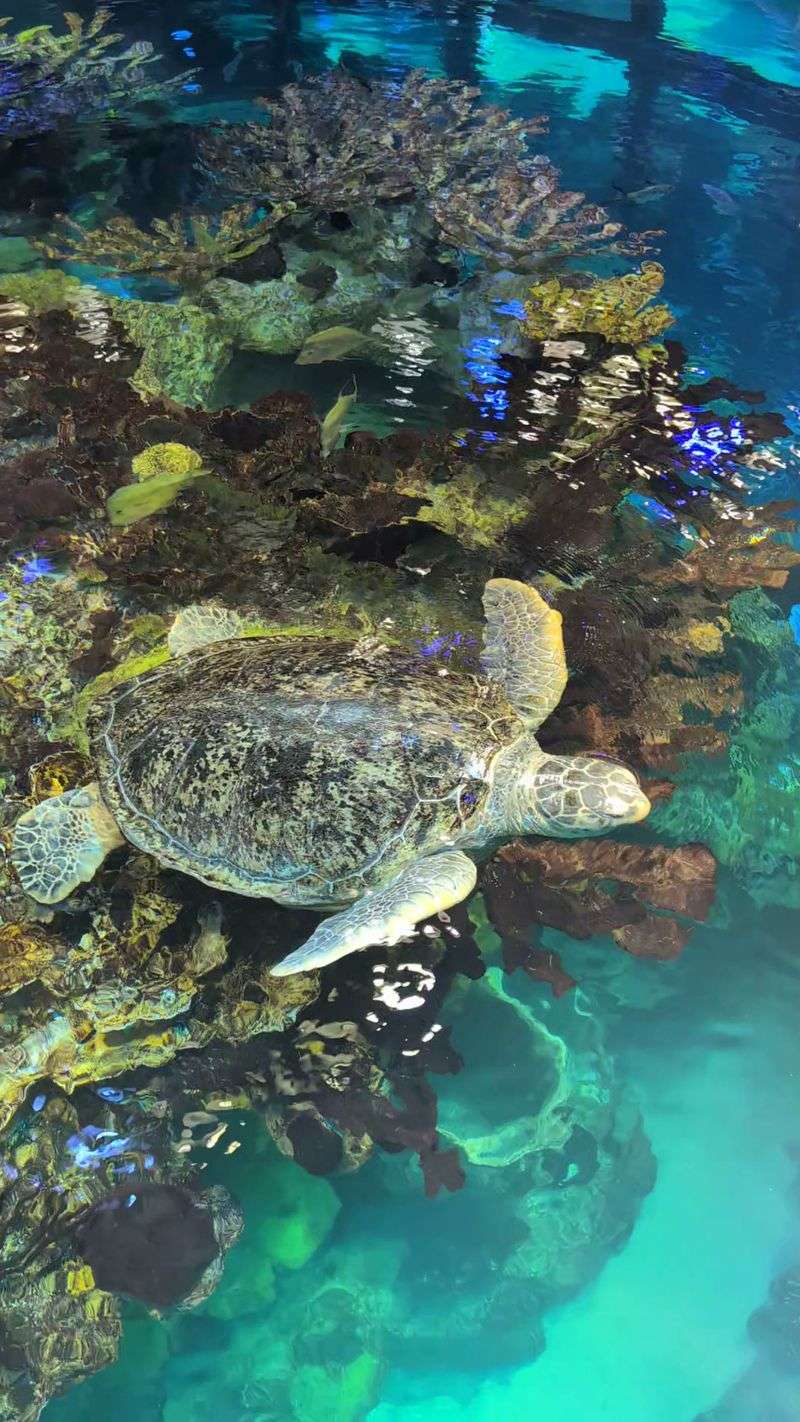
Some celebrities have publicists. Myrtle has a four-story tank and decades of loyal fans.
She’s a green sea turtle who has lived at the aquarium since 1970. That makes her one of the longest-running residents in all of Boston.
Myrtle weighs over 500 pounds, so she’s hard to miss. She often cruises near the glass, giving people a close look at her shell and flippers.
Green sea turtles eat plants in the wild. At the aquarium, Myrtle snacks on foods like lettuce, Brussels sprouts, and squid.
Staff even hand her treats to keep her from stealing food meant for the fish.
She isn’t the only turtle in the tank. Other sea turtles share the reef, so keep your eyes moving.
Kids love trying to find her as they climb the ramp. It works like a living game of hide-and-seek.
Here’s a fun idea. Watch how slowly and calmly she moves through the water.
It’s oddly relaxing after a busy morning in the city.
Honestly, a turtle with more than fifty years on the job deserves a little applause.
You Will Hear The Penguins Before You See Them
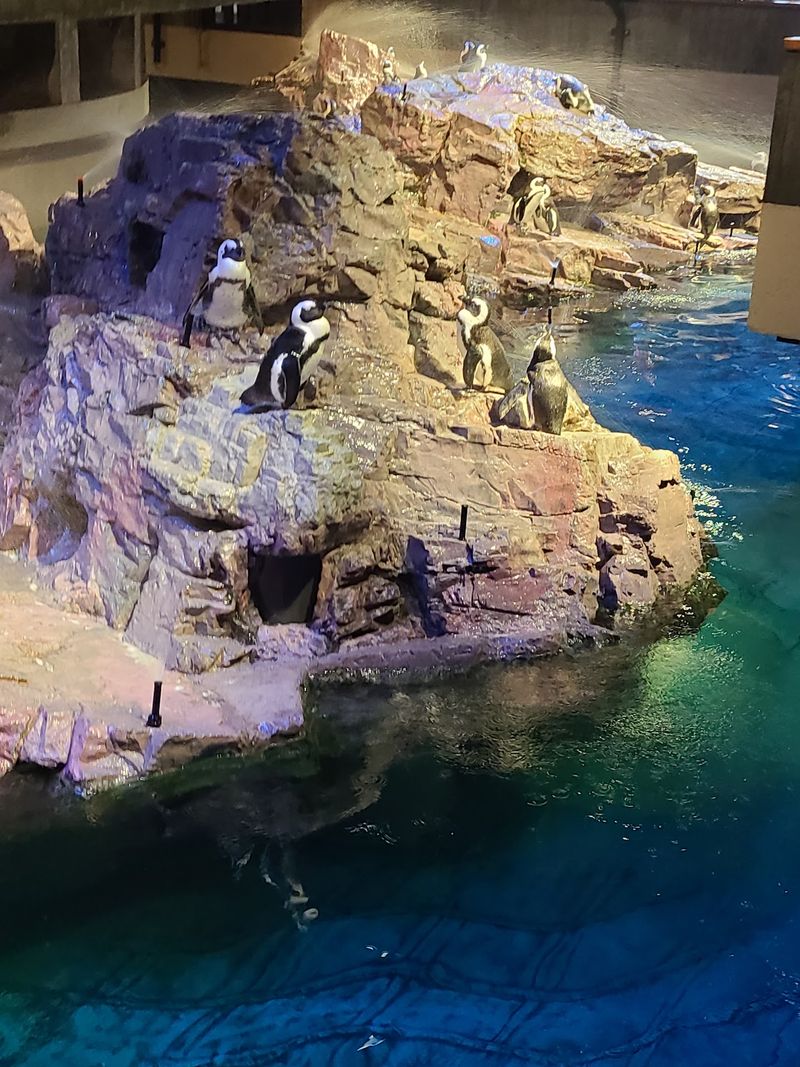
Loud, busy, and totally charming. That’s the best way to describe the penguin colony at the New England Aquarium.
The penguin exhibit sits at the base of the Giant Ocean Tank. It’s an open-top habitat, so you get a clear view of the birds on their rocks and in the water.
Several kinds of penguins live here. You’ll find African penguins, plus southern rockhopper penguins with their wild yellow eyebrows.
Together, African and southern rockhopper penguins make up the aquarium’s lively colony.
Each bird wears colored bands on its flippers. Staff use them to tell the penguins apart, since many look nearly identical.
The colony is one of the most popular spots in the building. That means it can get crowded around the railing.
Try to stop by more than once during your visit. Penguins can nap one minute and splash around the next.
You might catch a totally different mood on your second pass.
Watch the rockhoppers closely. They really do hop from rock to rock, and it never gets old.
Fair warning, you may leave with a new favorite bird.
Go Ahead And Reach In, The Rays Expect It
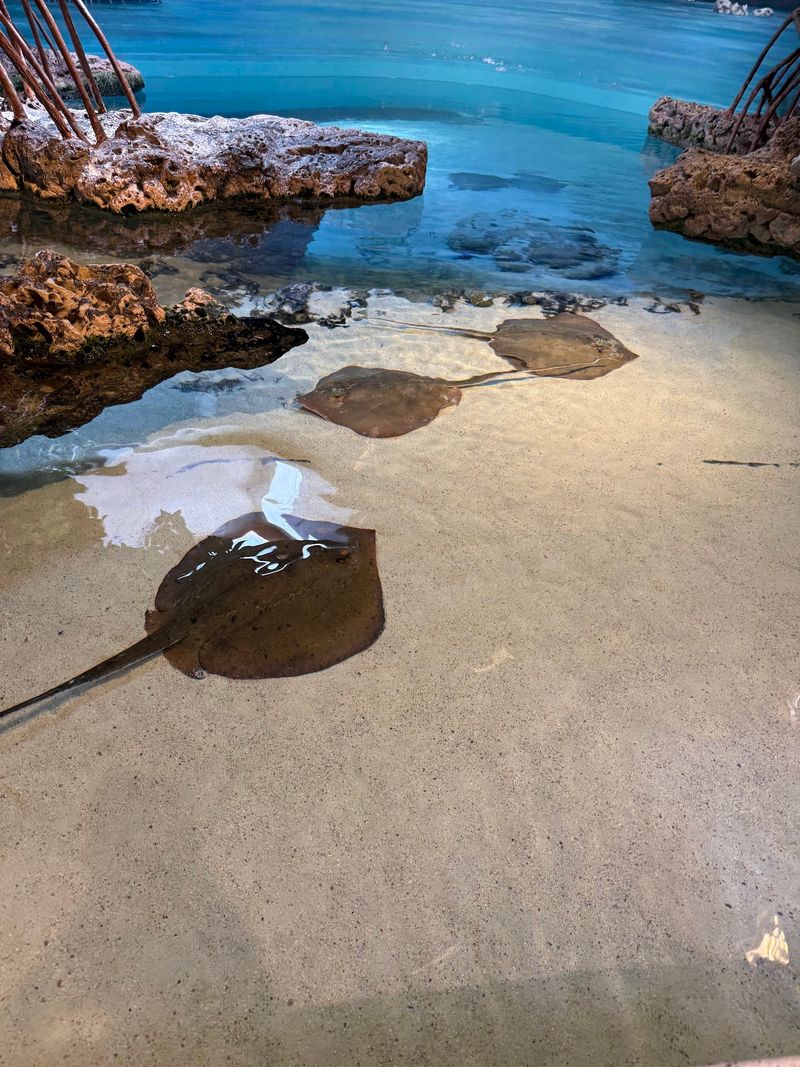
Most aquariums keep you behind glass. Here, you can actually touch a ray.
The Trust Family Foundation Shark and Ray Touch Tank is one of the biggest touch tanks on the East Coast. It holds cownose rays, Atlantic rays, and small sharks like epaulette sharks.
The tank is shallow, so the animals swim right near the surface. You slip two fingers into the water and wait for one to glide by.
Staff members stand nearby to explain the rules. Keep your hand flat, palm down, and gently stroke a ray’s back without grabbing or chasing it.
Rays feel smooth and a little slippery. It’s a surprise the first time, even for adults.
The touch tank is near the main entrance, and it can fill up fast. Visiting earlier in the day may give you more room at the edge.
There’s also a smaller tide pool area inside. It shows creatures from the New England coast, like sea stars and crabs.
Wash your hands afterward, of course. The rays won’t mind, but your snack later will thank you.
Seals And Sea Lions Bring Big Personality To The Party
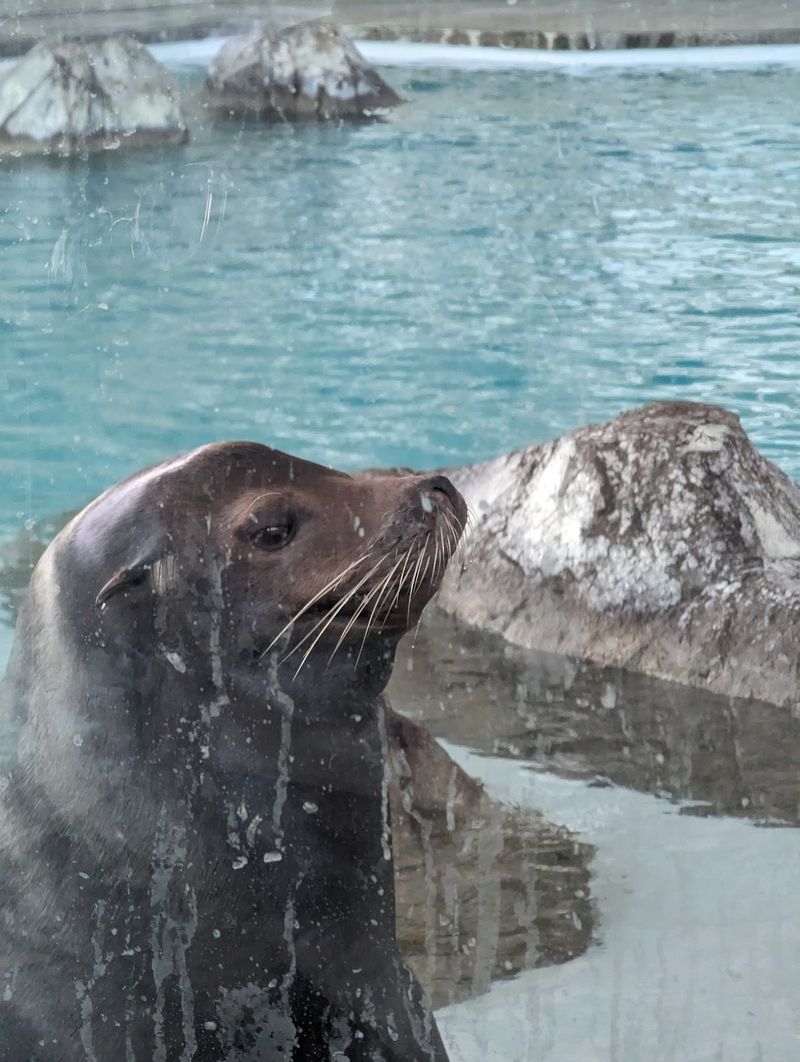
Whiskers, flippers, and plenty of attitude. The marine mammals here know how to hold a crowd.
The New England Aquarium’s Marine Mammal Center sits right by the harbor and is home to California sea lions. Harbor seals have a separate outdoor exhibit near the front plaza.
Big windows let you watch them swim underwater. Their sleek bodies twist and turn faster than you’d guess.
Trainers hold training sessions throughout the day. These help keep the animals healthy and active, and they’re fun to watch.
Here’s a nice bonus. The outdoor harbor seal exhibit near the front plaza is normally free to view, although the seals are temporarily off exhibit while their habitat is improved.
You can see the seals without buying a ticket.
That makes it a great quick stop if you’re walking along the Boston waterfront. It’s also a smart way to tease kids before you go inside.
Check the daily schedule when you arrive. Training times can change, and you won’t want to miss one.
Watching a seal float on its back looks like the most relaxed job in Massachusetts. Somebody has to do it.
Smaller Exhibits Hide Some Truly Strange Creatures
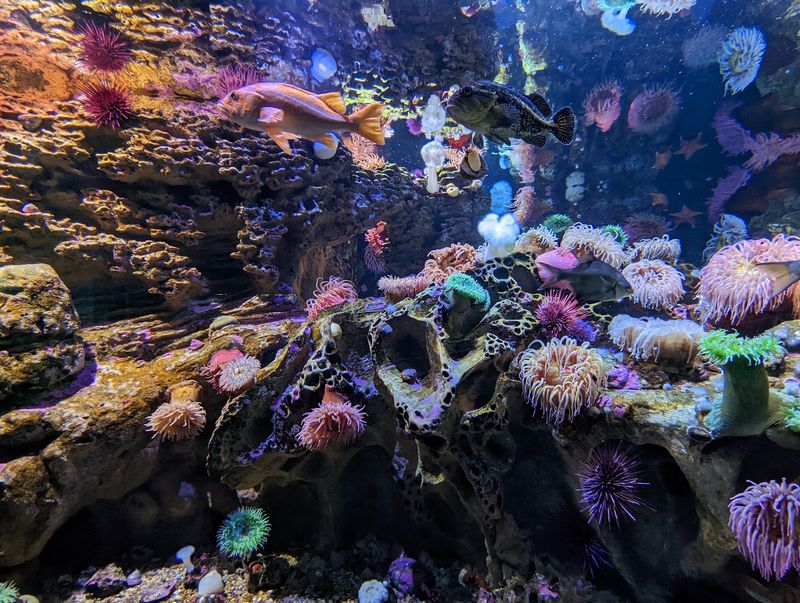
Don’t rush past the side galleries. Some of the weirdest animals in the building live in the smaller tanks.
The aquarium has a giant Pacific octopus that draws a steady crowd. These smart animals can change color and squeeze through tiny spaces.
Jellyfish float in glowing tanks that look almost like art. Their slow pulsing motion is weirdly calming.
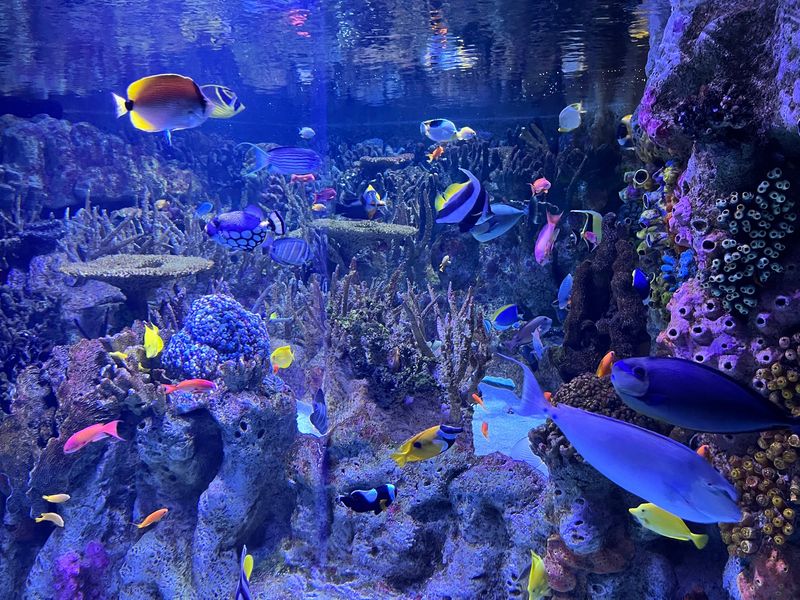
You’ll also find seahorses, eels, and colorful reef fish in other galleries. There’s even an Amazon rainforest exhibit with an anaconda.
Lighting stays low in many areas to help the animals. It also makes the bright tanks pop like windows into another world.
Many exhibits include signs that explain how each animal lives. Some even have tactile models you can feel with your hands.
Here’s a tip for families. Let kids pick one animal to search for on every floor.
It turns the visit into a fun mission.
The octopus might hide in a corner, so stay patient. When it finally moves, everyone nearby suddenly gets very quiet.
Grab A Seat For The Big Screen Ocean Adventure
Sometimes the ocean looks even bigger on a giant screen. The aquarium has its own theater for that.
The Simons Theatre sits right next to the main building. It shows nature and science films on a massive screen.
Movies focus on topics like oceans, wildlife, and the natural world. Showtimes change, so check the schedule before you arrive.
Theater tickets are separate from general aquarium admission. You can often bundle them together, which makes planning easier.
A film works well as a break. After climbing the spiral ramp, sitting down in a cool theater feels pretty great.
It’s also a smart backup on a rainy Boston afternoon. The whole family can rest their feet while still learning something.
Younger kids may enjoy shorter animal films the most. Older kids and adults might like documentaries with stunning underwater footage.
My suggestion is to book your movie time first. Then plan your aquarium visit around it, so you’re not racing to make the show.
Popcorn optional. Wide eyes guaranteed.
Your Ticket Helps Animals Far Beyond Boston
Every visit supports work that happens far outside the glass. Conservation is a big part of what the New England Aquarium does.
The aquarium opened in 1969 as a nonprofit. Today, it runs research and rescue programs that help ocean animals in Massachusetts and beyond.
Its Anderson Cabot Center for Ocean Life studies whales, sharks, and other sea creatures. Scientists there have long studied endangered North Atlantic right whales.
The rescue team also helps sea turtles each fall and winter. Many turtles get cold-stunned on Cape Cod beaches when the water turns chilly.
Those turtles go to the aquarium’s sea turtle hospital in Quincy. After care, many return to warmer ocean waters.
Exhibits share easy ways you can help the ocean too. Simple steps like cutting down on plastic make a real difference.
I believe that makes the trip feel even more meaningful. You’re not just watching animals, you’re helping protect their wild cousins.
Keep an eye out for signs explaining these projects. They’re short, clear, and surprisingly inspiring.
Plan Smart And The Waterfront Does The Rest
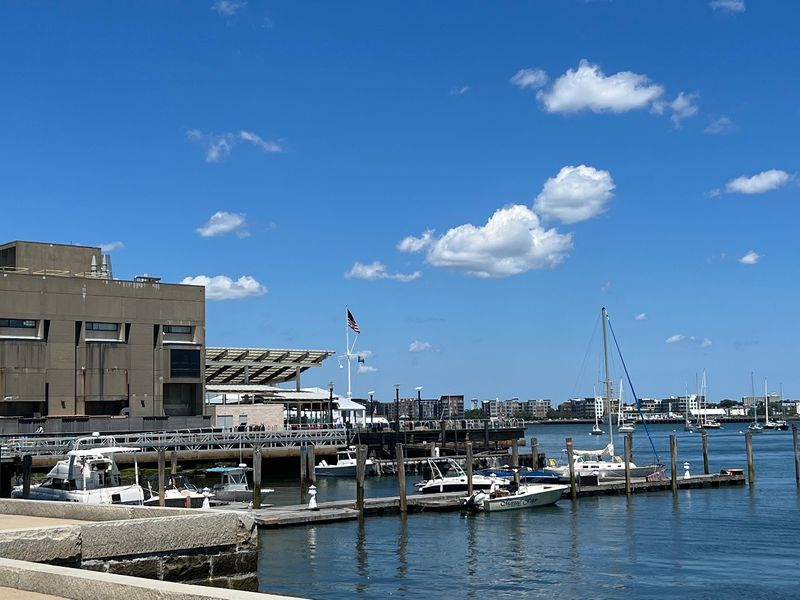
Getting here is easy, which is great news in a busy city. The New England Aquarium sits at 1 Central Wharf, Boston, MA 02110.
The Aquarium stop on the MBTA Blue Line is just steps away. Taking the train saves you the hassle of finding parking downtown.
The aquarium usually opens at 9 a.m. It closes at 5 p.m. on weekdays and 6 p.m. on weekends.
Tickets use timed entry, and popular slots can sell out. Booking online ahead of time is a smart move, especially on weekends and holidays.
Massachusetts families can look for library passes and discount programs. Many local libraries offer reduced or free admission on certain dates.
Weekday mornings tend to feel calmer. Afternoons on weekends usually get much busier.
After your visit, walk to Faneuil Hall and Quincy Market nearby. The harbor walk outside also offers great views of the water.
Boston Harbor whale watch trips leave from the same wharf in season. Seeing a whale after a penguin?
That’s one serious ocean day.
Share this story