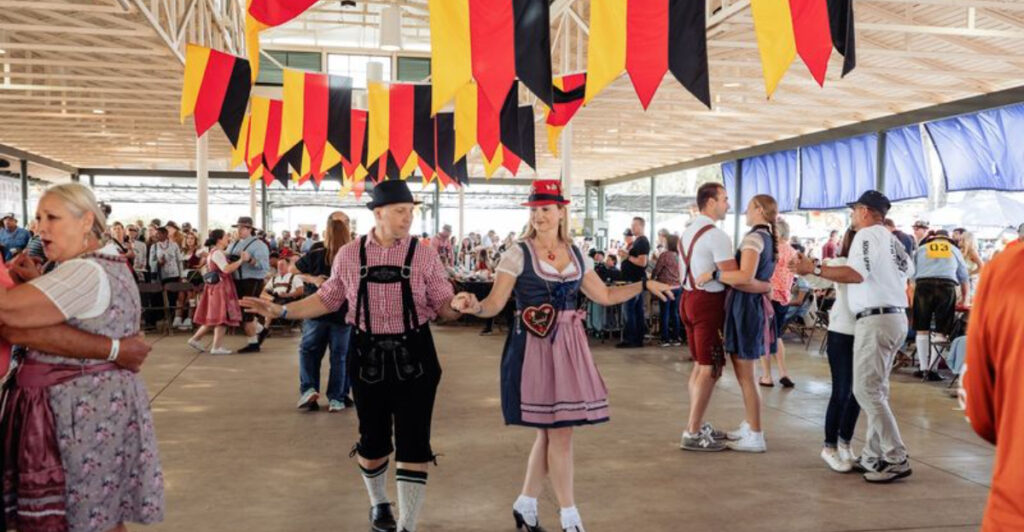
Texas is bigger than most countries, and it turns out it feels like a lot of them too. From ghost towns that could pass for rural Mexico to lake shores straight out of Louisiana, the Lone Star State packs an impressive variety of landscapes and cultures into one place. You can wander through German villages, stroll Caribbean-style waterfronts, and watch sunsets over terrain that looks like the Australian Outback—all without leaving state lines.
Pack your bags (but leave your passport at home) and get ready to explore corners of Texas that’ll make you feel like you’ve crossed an ocean.
1. Luckenbach (Feels like Old Rural Germany)
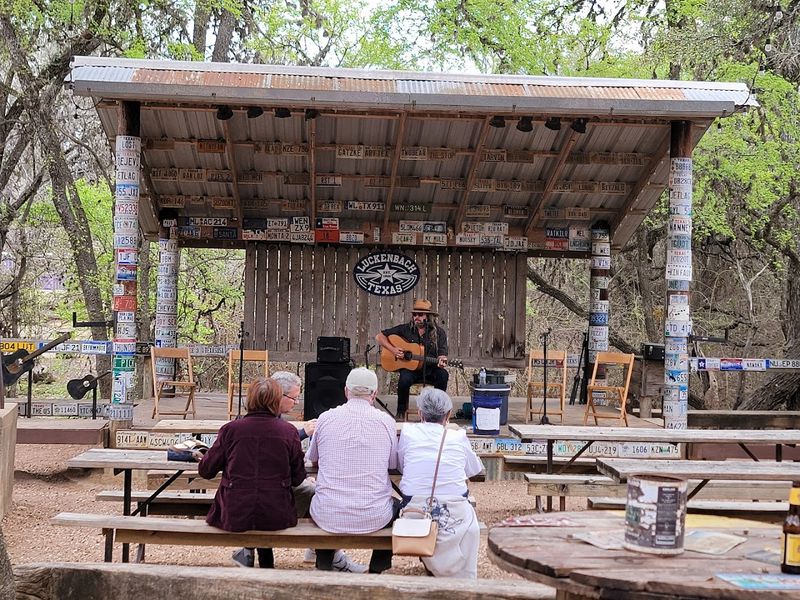
Everybody’s somebody in Luckenbach, and everybody also feels like they just stepped into a time capsule headed straight for rural Germany. This tiny Hill Country hamlet consists of little more than a dance hall, a general store, and a whole lot of character. The wooden buildings, the laid-back vibe, and the sense that nothing much has changed in decades all combine to create an atmosphere that feels worlds away from modern Texas.
Walking around Luckenbach is like visiting a German countryside village where time moves slower. The old post office still stands, and the general store sells everything from cold drinks to quirky souvenirs. Live music drifts through the air most days, drawing folks to gather under the oak trees and share stories.
It’s the kind of place where strangers become friends over a beer and a song.
The town gained fame thanks to a Waylon Jennings song, but its German roots run deep. Settlers from Germany established the community in the mid-1800s, and their influence still shapes the culture today. You won’t find flashy attractions or tourist traps here—just authentic Texas Hill Country hospitality with a distinctly European flavor.
Visit on a weekend afternoon when musicians set up outside the dance hall. Bring a lawn chair or blanket and settle in for an impromptu concert. The relaxed pace and old-world charm make it easy to forget you’re still in Texas.
Luckenbach proves you don’t need a transatlantic flight to experience the simple pleasures of a German village—you just need to know where to look in the Hill Country.
2. Terlingua Ghost Town (Feels like Remote Mexico)
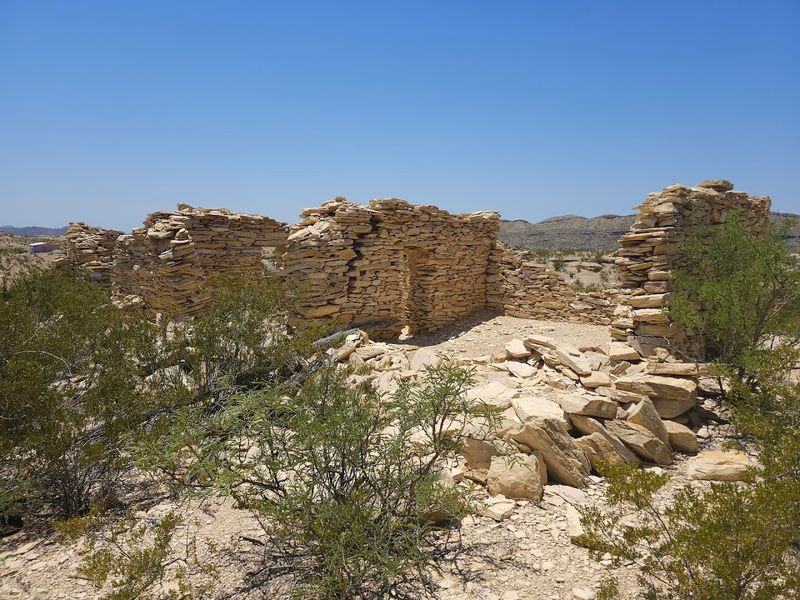
Out where the desert stretches endlessly and the nearest city feels like another planet, Terlingua sits quietly crumbling into the West Texas sand. This former mining town looks and feels like it belongs across the Rio Grande. Adobe ruins, weathered wood structures, and mountains that glow red at sunset create a scene straight out of rural Mexico.
The isolation only adds to the authenticity—getting here requires commitment, and that’s part of the charm.
Terlingua thrived as a quicksilver mining hub in the early 1900s before the industry collapsed and residents scattered. What remains is a haunting collection of buildings that nature is slowly reclaiming. Walls made of local stone and mud brick blend into the landscape, while empty doorways frame views of distant peaks.
Walking through the ruins feels like exploring a forgotten Mexican village frozen in time.
The ghost town sits near Big Bend National Park, making it a popular stop for adventurers passing through. A handful of modern businesses operate nearby, including restaurants and lodging, but the historic ruins themselves remain untouched. Photographers love the dramatic light that bathes the area during golden hour, casting long shadows across the desert floor.
Terlingua comes alive once a year during the famous chili cook-off, when thousands descend on this tiny spot. The rest of the year, though, it maintains its quiet, otherworldly atmosphere. Wander among the old buildings and imagine what life was like when miners worked these hills.
The remoteness, the architecture, and the landscape all conspire to transport you south of the border without ever crossing it.
3. Galveston’s East End Historic District (Feels like a Caribbean Port Town)
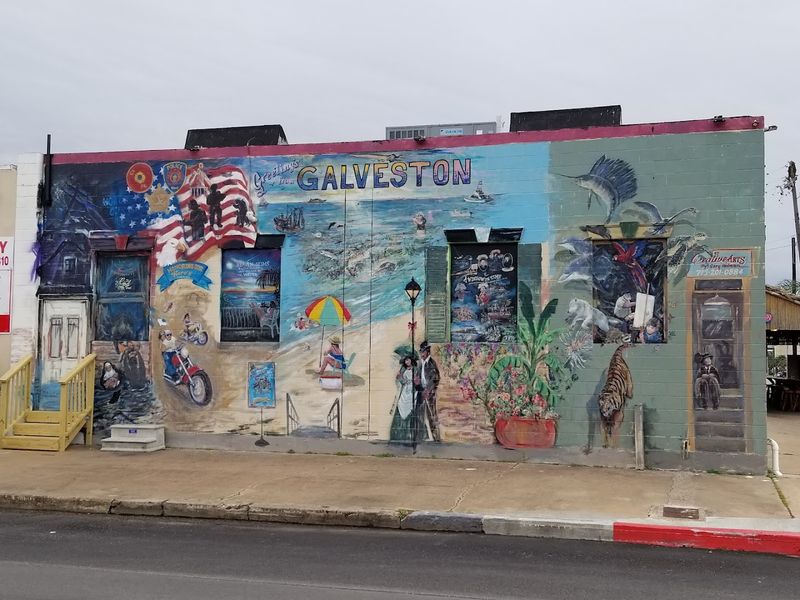
Galveston’s East End Historic District looks like someone plucked a Caribbean port town and dropped it on the Texas coast. Brightly painted Victorian homes stand beneath swaying palm trees, while tropical breezes carry the scent of salt water through tree-lined streets. The neighborhood radiates an island vibe that feels distinctly un-Texan, with architecture and atmosphere that could easily belong to a colonial town in the West Indies.
Built during Galveston’s golden age as a major port city, these homes showcase elaborate woodwork, wraparound porches, and pastel colors that pop against blue skies. Many date back to the late 1800s, survivors of the devastating 1900 hurricane that reshaped the island. Today, they’re lovingly restored and protected, creating one of the most photographed neighborhoods in Texas.
Stroll down the brick sidewalks and you’ll pass homes in shades of yellow, pink, and turquoise. Lush gardens spill over wrought-iron fences, and ceiling fans spin lazily on front porches where residents sip sweet tea. The proximity to the Gulf adds to the tropical feeling—you’re never far from water views or the sound of waves.
Street names like Sealy, Winnie, and Postoffice hint at the area’s rich history as a thriving commercial center.
Grab a bike and explore at your own pace, stopping to admire architectural details and peek down shaded side streets. Several local tour companies offer walking tours that dive into the district’s fascinating past. The combination of historic charm, coastal location, and vibrant colors creates an atmosphere that feels more Port-au-Prince than Port of Houston.
Galveston’s East End proves you don’t need a cruise ship to experience Caribbean-style living.
4. Caddo Lake (Feels like a Louisiana Bayou)
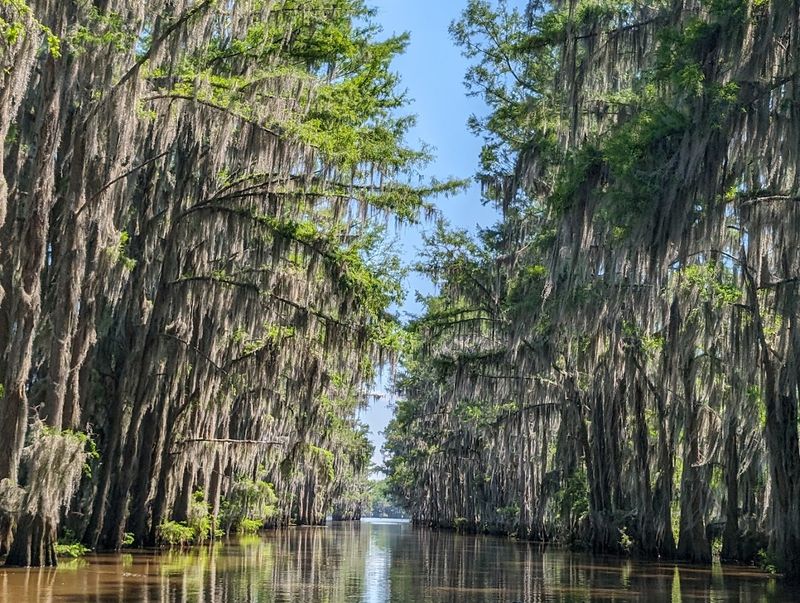
Cypress trees draped in Spanish moss rise from dark water, their knobby knees breaking the surface like ancient sentinels. Narrow channels wind through dense forest where alligators sun themselves and herons hunt for fish. Welcome to Caddo Lake, Texas’s answer to the Louisiana bayou.
This 25,400-acre wetland ecosystem straddles the Texas-Louisiana border, and it’s nearly impossible to tell which side you’re on—both feel equally swampy and mysterious.
Paddling through Caddo Lake is like entering another world. The water reflects the forest canopy above, creating mirror images that disorient and enchant. Cypress trees, some hundreds of years old, dominate the landscape with their distinctive flared trunks and exposed roots.
Spanish moss hangs in gray curtains, swaying gently in the breeze and adding to the eerie, timeless atmosphere.
Wildlife thrives here in ways you wouldn’t expect from Texas. Besides alligators, you might spot beavers, river otters, and over 200 bird species. The lake’s maze-like layout makes it easy to get lost among the channels and sloughs, so many visitors hire guides or stick to marked trails.
Fishing is excellent, with largemouth bass and crappie drawing anglers from across the region.
Rent a kayak or canoe and explore at dawn when mist rises off the water and the forest comes alive with birdsong. The stillness and beauty can be almost overwhelming, especially if you venture into the more remote areas where civilization feels miles away. Caddo Lake challenges every preconception about what Texas looks like.
It’s proof that the state contains multitudes, including pockets that feel lifted straight from the Deep South’s most atmospheric swamps.
5. The King Ranch (Feels like Argentine Pampas)
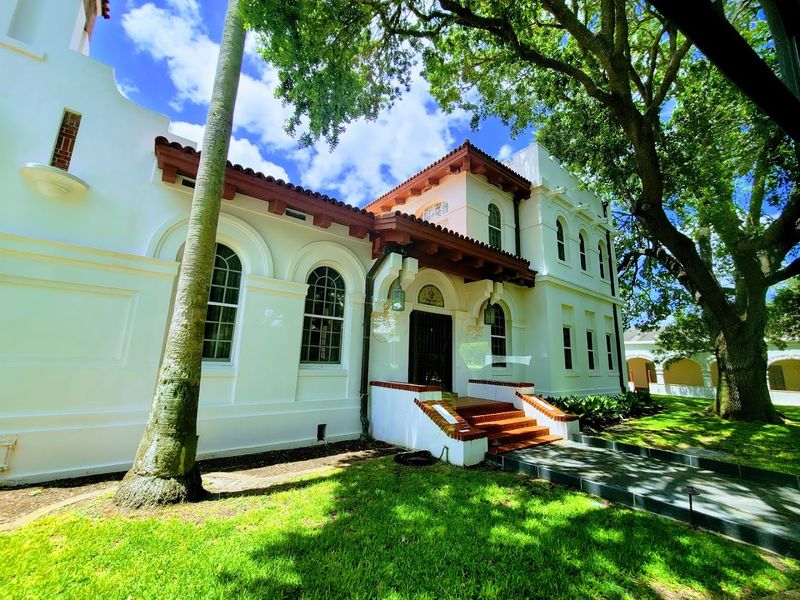
Stretching across 825,000 acres of South Texas, the King Ranch is larger than the state of Rhode Island. Stand anywhere on this massive property and you’ll see nothing but rolling grasslands reaching toward the horizon, punctuated by scattered mesquite trees and grazing cattle. The sheer scale and openness evoke the Argentine Pampas, those legendary South American plains where gauchos once roamed.
Here in Texas, the vaquero tradition runs just as deep, and the landscape feels equally limitless.
Founded in 1853 by Captain Richard King, the ranch pioneered American ranching practices and developed the Santa Gertrudis breed of cattle. Today it remains a working ranch, though portions are open for tours that showcase both the operation’s history and its ongoing importance to Texas agriculture. The visitor center offers exhibits on ranch life, wildlife conservation, and the legacy of generations who’ve worked this land.
Driving through the ranch, you begin to understand why early settlers compared it to the Pampas. The terrain rolls gently, covered in native grasses that wave in the constant wind. Cattle dot the landscape like punctuation marks on an endless page.
The sky dominates everything, stretching so wide and blue it almost hurts to look at. Few fences interrupt the view, creating an illusion of infinite space.
Book a ranch tour to really appreciate the scale and beauty of this place. Knowledgeable guides share stories about the ranch’s colorful history, from its founding to its role in developing modern ranching techniques. You’ll see wildlife, learn about land management, and gain appreciation for the challenges of operating such a vast property.
The King Ranch offers a glimpse into a way of life that feels both distinctly Texan and remarkably similar to the cattle culture of Argentina’s interior.
6. Wimberley (Feels like an Italian Hill Town)
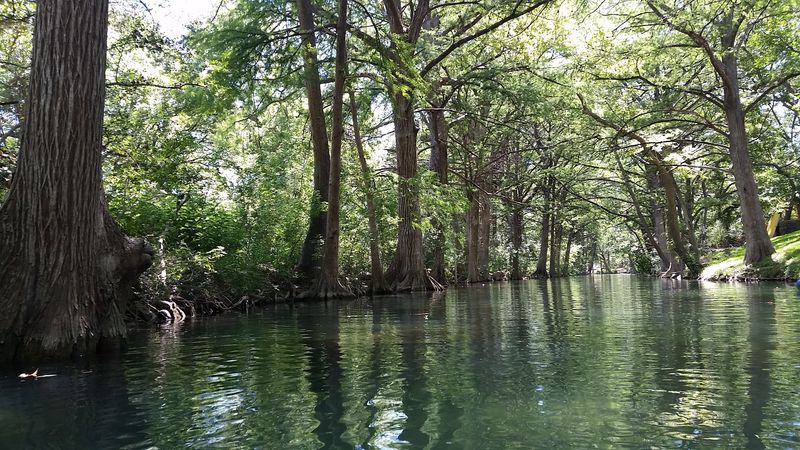
Nestled among the rolling hills west of Austin, Wimberley exudes the kind of charm usually reserved for Tuscan villages. Stone buildings cluster around a picturesque town square, while Cypress Creek meanders through the center like a liquid ribbon. Artists and craftspeople have made this place their home, filling galleries and shops with handmade goods that rival anything you’d find in an Italian hill town.
The landscape, all green hills and rocky outcrops, completes the Mediterranean illusion.
Wimberley built its reputation as an arts community, and that creative spirit permeates everything. The First Saturday Market draws crowds from across Central Texas, with vendors selling everything from pottery to paintings to homemade soap. Local restaurants emphasize farm-to-table dining, using ingredients sourced from nearby farms and ranches.
The whole town moves at a slower pace that encourages lingering over meals and browsing through shops without hurry.
Blue Hole Regional Park offers swimming in spring-fed waters surrounded by limestone cliffs and cypress trees. It’s the perfect spot to cool off after exploring town, though arrive early on summer weekends—this local treasure fills up fast. Nearby Jacob’s Well, a natural spring and swimming hole, draws adventurous types willing to brave the cold water for a chance to explore one of Texas’s most beautiful natural features.
Spend a weekend wandering Wimberley’s shops and galleries, stopping for wine and cheese at one of several tasting rooms. The combination of natural beauty, artistic culture, and laid-back atmosphere creates an experience that feels worlds away from typical Texas towns. You might not find actual Italian villas here, but the spirit of a European hill town lives on in Wimberley’s winding streets and welcoming community.
7. El Paso’s Segundo Barrio (Feels like Mexico)
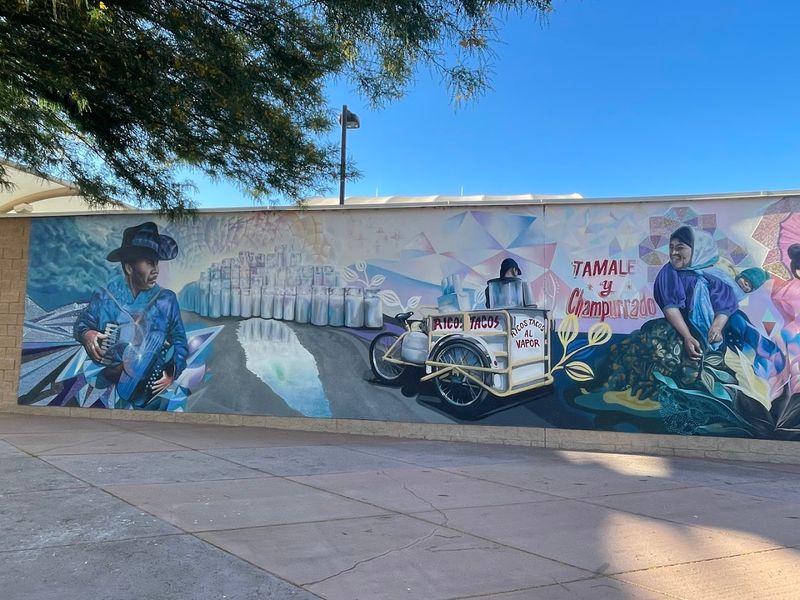
Walk through Segundo Barrio and you might forget which side of the border you’re on. This historic El Paso neighborhood sits just blocks from the Rio Grande, and its character is thoroughly shaped by Mexican culture. Colorful buildings line narrow streets where Spanish dominates conversations and the smell of fresh tortillas drifts from small shops.
Murals depicting Mexican history and cultural icons cover walls, while street vendors sell everything from fresh fruit to handmade crafts.
Segundo Barrio, or the Second Ward, has served as a gateway for Mexican immigrants since the early 1900s. Many residents maintain strong ties to family across the border, creating a truly binational community. The architecture reflects this heritage, with buildings that could easily stand in Juárez or Chihuahua.
Small tiendas, panaderías, and restaurants pack the streets, offering authentic Mexican goods and foods you won’t find in chain stores.
Despite facing economic challenges and gentrification pressures, Segundo Barrio remains a vibrant cultural hub. Community organizations work to preserve its unique character while addressing residents’ needs. Artists have embraced the neighborhood, creating stunning murals that tell stories of immigration, struggle, and hope.
These works of art have put Segundo Barrio on the map as a destination for cultural tourists.
Visit during the day when shops are open and street life is at its peak. Stop for tacos at a family-run restaurant where recipes have passed down through generations. Browse the small stores selling everything from piñatas to religious items to quinceañera dresses.
The neighborhood offers an authentic glimpse into border culture that feels more like Mexico than mainstream America. Segundo Barrio proves that cultural boundaries don’t always follow political ones, and that Texas contains multitudes within its diverse communities.
8. Enchanted Rock at Sunset (Feels like the Australian Outback)
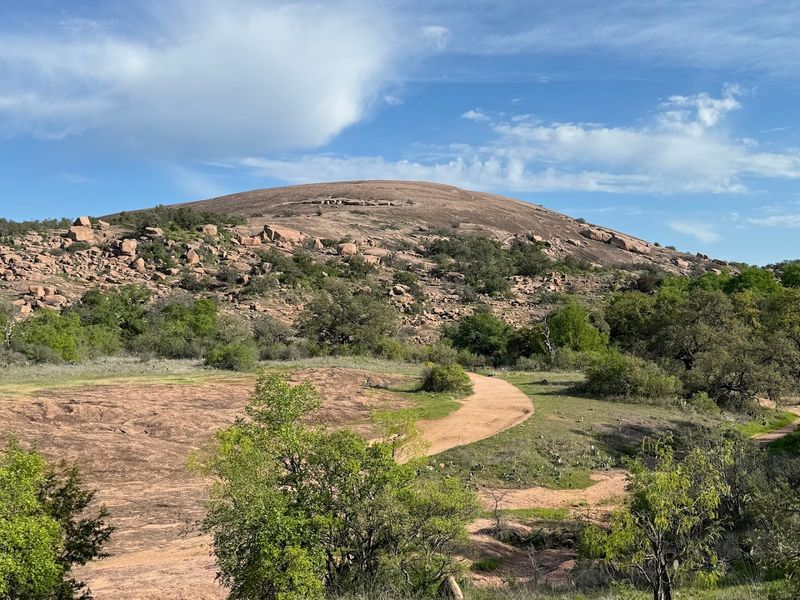
Rising 425 feet above the surrounding Hill Country, Enchanted Rock is a massive pink granite dome that glows like fire when the setting sun hits it just right. The landscape around this geological wonder feels surprisingly Australian—sparse vegetation, rocky terrain, and wide-open spaces that stretch to distant horizons. Stand on top at sunset and you could easily imagine yourself in the Outback, surrounded by ancient stone and endless sky.
The rock itself is one of the largest granite formations in the United States, part of a batholith formed over a billion years ago. Native Americans considered it sacred, and local legends speak of ghost fires and strange noises emanating from the rock at night. Today it’s a state natural area that attracts hikers, rock climbers, and anyone seeking spectacular views of the Texas Hill Country.
Climbing to the summit takes about an hour, depending on your pace and how often you stop to catch your breath or snap photos. The trail is steep and exposed, winding up the smooth granite face where you’ll need to watch your footing. Once on top, though, the effort pays off with 360-degree views that seem to stretch forever.
The landscape below looks rugged and wild, all rocky hills and scrubby vegetation.
Time your visit for late afternoon and plan to stay through sunset. The rock’s pink granite takes on increasingly dramatic hues as the sun drops toward the horizon, glowing orange and red before fading to purple. The play of light and shadow across the surrounding landscape enhances the Outback feeling, especially when the air is clear and visibility stretches for miles.
Enchanted Rock offers proof that Texas contains landscapes as dramatic and otherworldly as anywhere on Earth.
9. Port Aransas (Feels like a Laid-Back Mexican Beach Town)
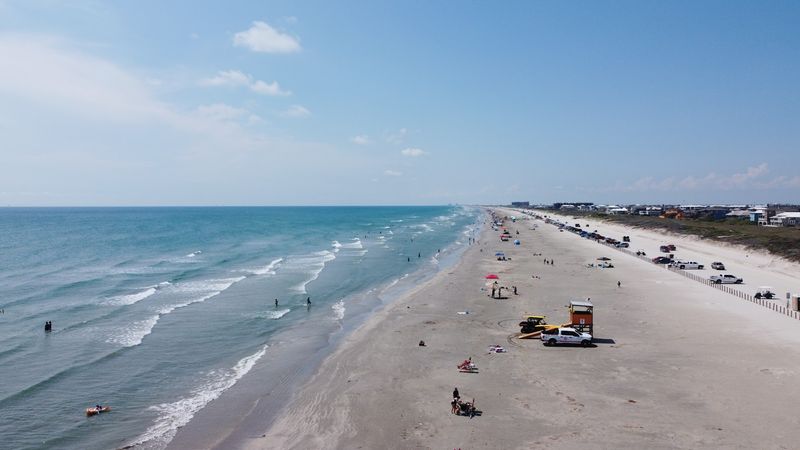
Port Aransas has perfected the art of not taking itself too seriously. This barrier island town on the Texas coast radiates the same easygoing vibe you’d find in a small Mexican beach village. Fishing boats bob in the harbor, pelicans perch on weathered pilings, and nobody seems to be in much of a hurry.
Flip-flops count as formal wear here, and the biggest decision most days is whether to hit the beach before or after lunch.
The town’s layout encourages wandering. Small shops and restaurants line the main streets, many decorated with colorful paint and nautical themes. Fresh seafood dominates menus, with shrimp and fish caught locally that same morning.
Beach access is easy and plentiful, with multiple spots to park and walk right onto the sand. The water isn’t quite Caribbean-blue, but it’s warm and inviting, perfect for swimming or floating away an afternoon.
Fishing is religion in Port Aransas, with charter boats heading out daily to hunt for red snapper, kingfish, and whatever else is biting. The town pier offers free fishing for those who prefer to stay close to shore. Dolphin-watching tours are popular, and spotting these playful creatures never gets old no matter how many times you’ve seen them.
Rent a golf cart to cruise around town like a local—they’re everywhere and perfectly suited to Port A’s laid-back pace. Stop at one of the beach bars for a cold drink and watch the sunset paint the sky in shades of orange and pink. The combination of coastal beauty, casual atmosphere, and emphasis on simple pleasures creates an experience that feels more Playa del Carmen than Port of Houston.
Port Aransas proves that paradise doesn’t require a passport, just a willingness to slow down and embrace island time.
10. Fredericksburg During Oktoberfest (Feels like Bavaria)
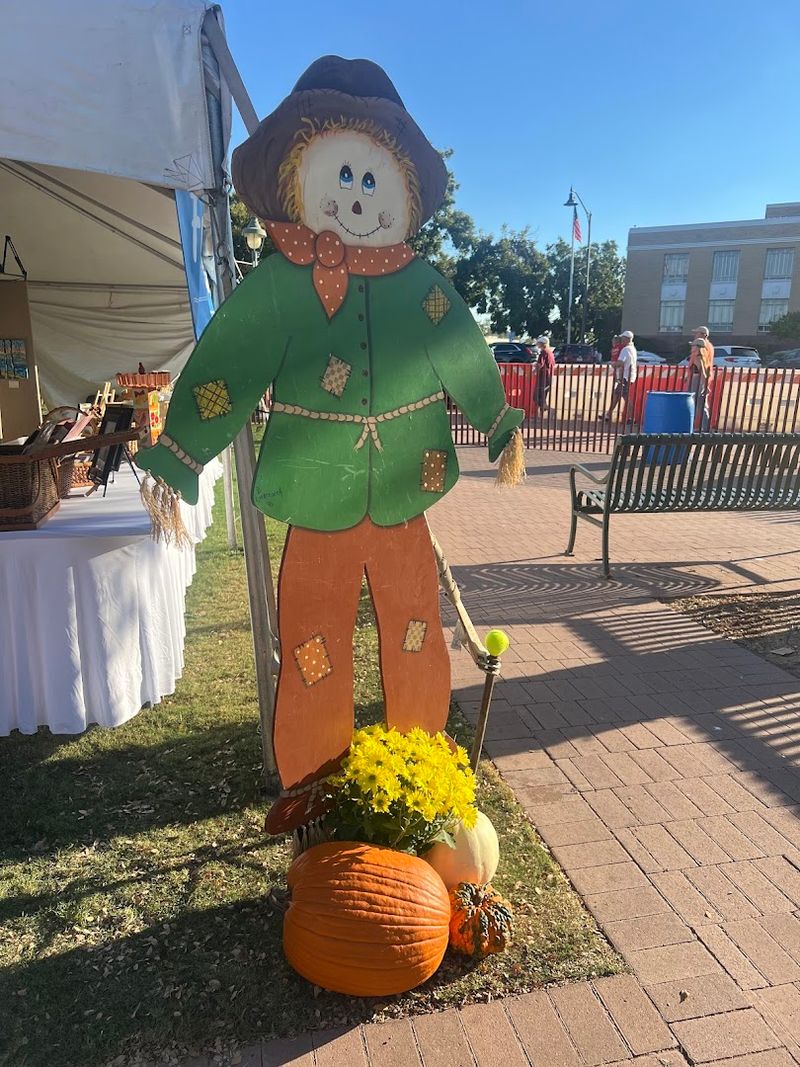
Come October, Fredericksburg transforms into a slice of Bavaria dropped into the Texas Hill Country. German flags flutter from storefronts, oompah bands fill the air with polka music, and the smell of bratwurst and sauerkraut wafts through downtown streets. Locals dust off their lederhosen and dirndls, beer flows freely, and for a few glorious weeks, this town of 11,000 becomes the most authentically German place in America.
Fredericksburg’s German roots run deep—the town was founded in 1846 by German immigrants who named it after Prince Frederick of Prussia. Their descendants have carefully preserved the culture, language, and traditions of their ancestors. Many buildings downtown still feature German architectural details, with stone construction and steep roofs that wouldn’t look out of place in Munich.
During Oktoberfest, this heritage takes center stage.
The festival itself rivals celebrations in Germany, with multiple venues hosting events throughout the month. Marktplatz, the town’s main gathering space, becomes party central with live music, dance performances, and endless food vendors. Local breweries and wineries offer special releases, while restaurants create special menus featuring traditional German dishes.
The whole town embraces the celebration, making it feel less like a tourist event and more like a genuine cultural festival.
Book accommodations early—Oktoberfest draws visitors from across Texas and beyond. Spend your days exploring the town’s many German-themed shops, museums, and galleries. Take a break from the festival to visit nearby wineries or drive the scenic Willow City Loop.
In the evenings, join the crowds at Marktplatz for music and dancing. Fredericksburg during Oktoberfest offers an experience so authentically Bavarian you’ll swear you’ve been transported across the Atlantic. It’s proof that Texas’s German heritage is alive, well, and worth celebrating.