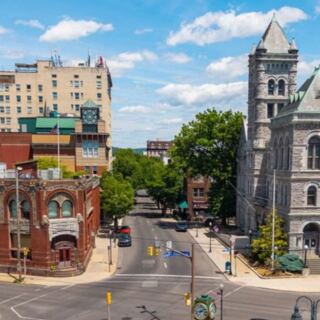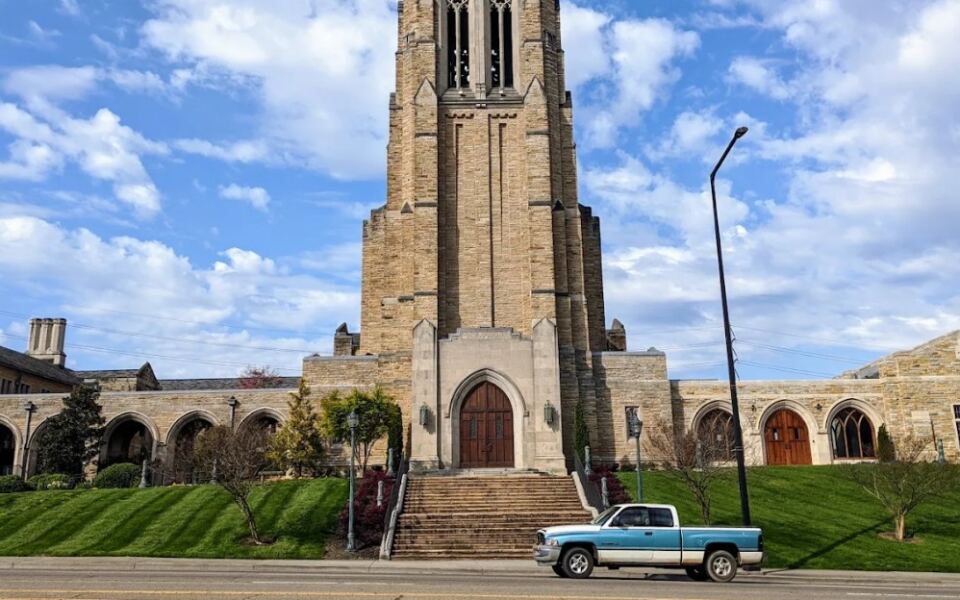
A city that once hosted a World’s Fair now has people competing for starter homes like concert tickets. Home prices here have climbed sharply over the past decade, and rent has followed right along. That’s a big shift for a place long known as an affordable mountain-adjacent college town.
The Tennessee River still curls past downtown, and the Smoky Mountains still sit on the horizon. Those views are a huge part of why newcomers keep arriving. Remote workers, retirees, and young families have all noticed.
I like how this city mixes old brick streets with a booming food and outdoor scene. I also believe growth always sends a bill to someone. Usually, it’s the people who were here first.
So who is winning, who is struggling, and what does the boom really look like up close?
The Secret Got Out, and Everyone Packed a Moving Truck
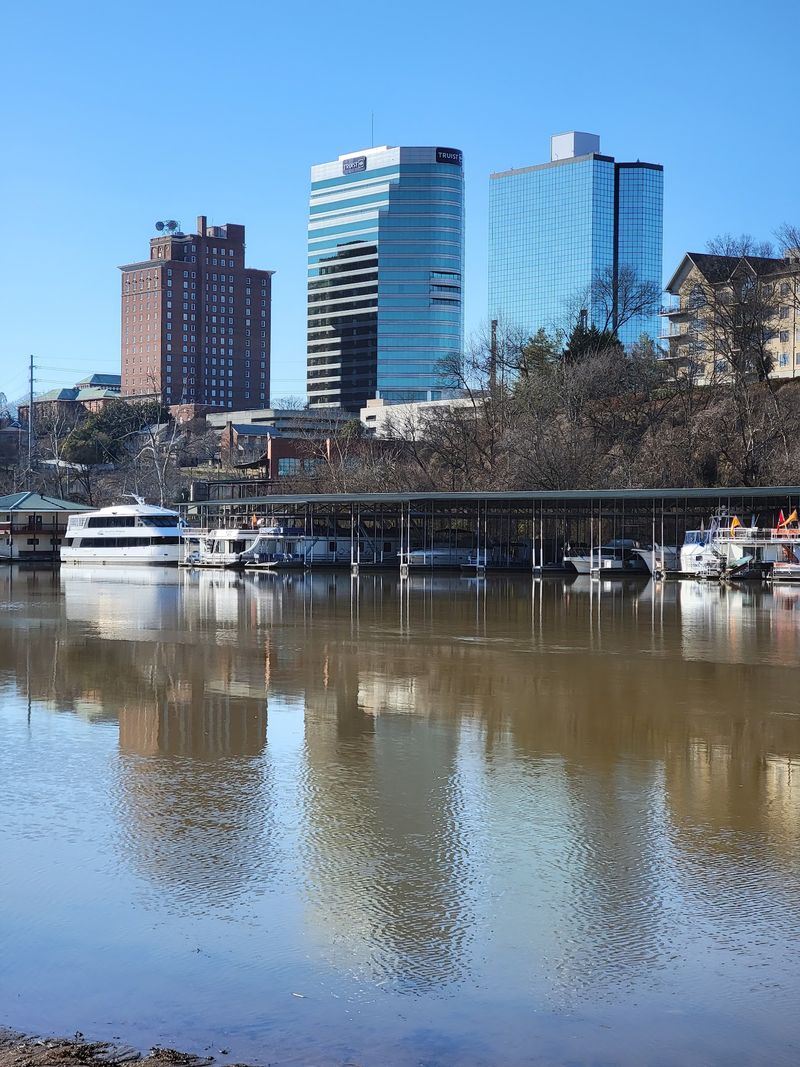
Knoxville, Tennessee used to be the kind of place people passed through on the way to the Smokies. Now plenty of those drivers are pulling off the interstate and staying for good. The Knoxville metro area has been one of the faster-growing regions in the state in recent years.
So what’s the big draw? Tennessee has no state income tax on wages, which catches the eye of anyone paying high taxes elsewhere.
Remote work changed the game too. Once people could work from anywhere, many picked a spot with mountains, lakes, and a lower cost of living. Knoxville checked a lot of boxes at once.
The University of Tennessee adds a steady stream of students, faculty, and staff every year. Oak Ridge National Laboratory, a short drive west, pulls in scientists and engineers from across the country. Those jobs bring paychecks that can outbid longtime residents on housing.
Then there’s the location. The city sits within roughly an hour of Great Smoky Mountains National Park. Few mid-sized cities can claim that kind of backyard.
Growth like this feels exciting at first. New faces bring new businesses, new ideas, and new energy to old neighborhoods.
But a city only has so many homes, roads, and classroom seats. When demand jumps faster than supply, prices rise and patience thins. Knoxville is learning that lesson in real time.
If you’re thinking about moving here, do your homework first. Visit in different seasons, compare neighborhoods, and look closely at commute times. A dream town still has traffic on Kingston Pike.
And if you already live here, your frustration makes sense. Change this quickly can make a familiar hometown feel a little like someone else’s address.
Starter Homes Now Come With a Bidding War Attached
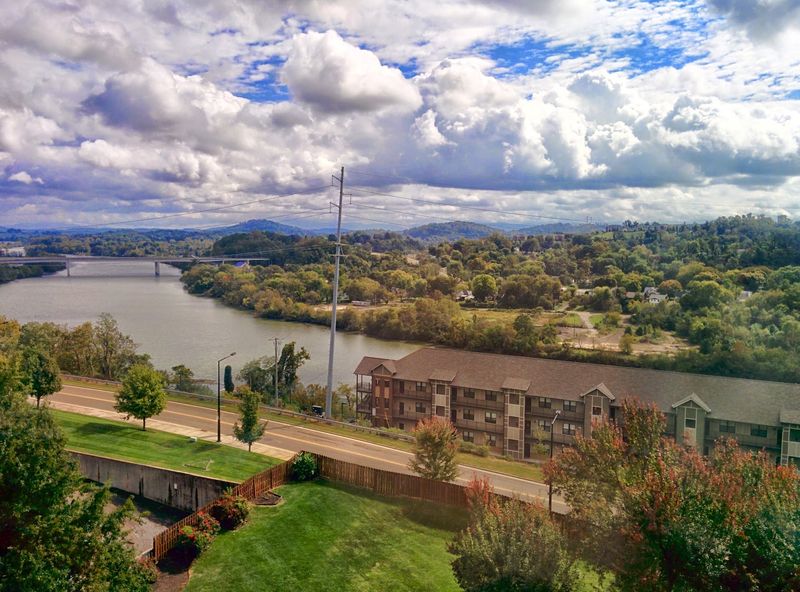
A modest three-bedroom house in Knoxville once felt within reach for teachers, nurses, and young couples. That picture has changed a lot. Median home prices in the area have climbed dramatically since the late 2010s.
Low inventory is a big reason. When few homes hit the market, buyers compete hard for the ones that do.
During the hottest stretch of the boom, many homes sold quickly and sometimes above asking price. Cash buyers and investors made things even tougher. A first-time buyer with a modest loan approval often couldn’t keep up.
Higher mortgage rates have cooled some of that frenzy. Still, prices haven’t dropped back to old levels. Many buyers now face high prices and higher monthly payments at the same time.
That squeeze hits local workers hardest. Wages in East Tennessee generally haven’t grown as fast as home values. The math simply stopped working for a lot of families.
So what can a buyer do? First, look into first-time buyer help through the Tennessee Housing Development Agency. Its programs can help with down payments for qualified buyers.
Second, widen the search map. Nearby communities may offer more space for the money, though commute time is the trade-off. Gas and hours in the car add up fast.
Third, get pre-approved before you fall in love with any listing. Sellers take prepared buyers more seriously. That simple step can save heartbreak later.
Patience matters here too. Rushing into a house you can barely afford brings its own kind of stress. A slightly smaller place with breathing room in the budget often beats a stretched dream home.
Rent Checks Keep Getting Heavier Every Year
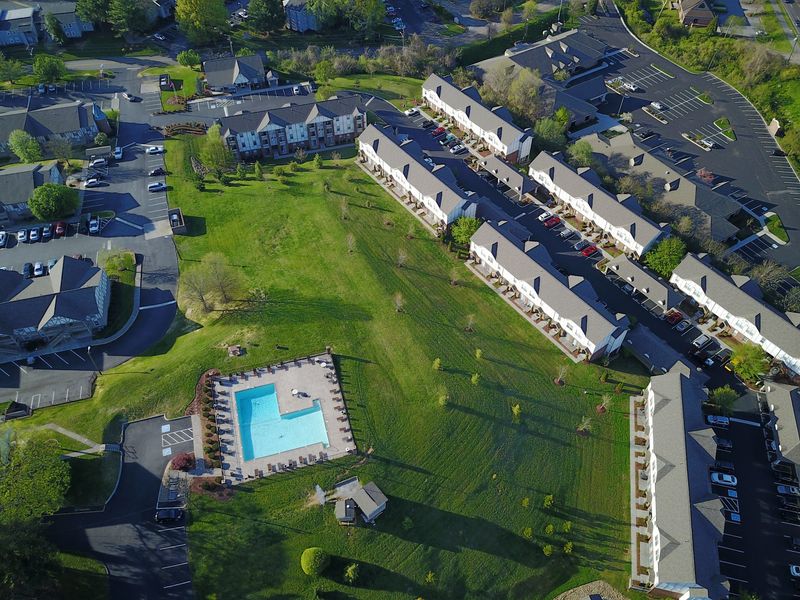
Renters may feel the boom even more sharply than buyers. Rent in Knoxville rose quickly over the past several years, especially after 2020. For people on fixed or modest incomes, each lease renewal can feel like opening a surprise bill.
Students add pressure near the University of Tennessee campus. Neighborhoods close to UT often see strong demand, and that ripples outward into nearby areas.
Cranes are a common sight now. New apartment complexes have gone up around downtown, the Old City, and along the riverfront. More units help, but many new buildings aim at the higher end of the market.
That leaves a gap for working families. Housing experts often call for more missing-middle housing, which includes housing types such as duplexes, triplexes, and townhouses that fall between single-family homes and large apartment buildings.
The City of Knoxville has tried to respond. It created an Affordable Housing Fund to support new and preserved affordable units. Local leaders have also updated zoning rules to allow more types of housing.
Progress like that takes time, though. A new building can take years to plan, approve, and finish. Meanwhile, rent is due on the first of every month.
If you rent here, a few habits can help. Start your search early, ideally two months before your lease ends. Good deals disappear fast.
Ask landlords about renewal terms before signing. Some offer multi-year leases that lock in a rate. That small question could protect your budget.
Know your rights too. Tennessee has a landlord-tenant law covering deposits, repairs, and notice periods. Reading it once makes you a much more confident renter.
Your Commute Might Need a Podcast Playlist Now

Interstates 40 and 75 meet in Knoxville, and that crossroads is both a blessing and a headache. Trucks, tourists, and commuters all share the same pavement. Add thousands of new residents, and the roads start to feel crowded.
The stretch of I-40 and I-75 west of downtown is especially busy. Tennessee Department of Transportation crews have worked on several major interchange projects in the area. Construction helps in the long run, but cones and lane shifts can test anyone’s mood.
Kingston Pike is another familiar slowdown. It’s packed with shops and restaurants, which is great for errands and not so great at five o’clock.
Summer and fall add a twist. Visitors heading to the Smokies often travel through the region. On Tennessee Vols home football weekends, traffic around campus gets very heavy.
Public transit exists, but it has limits. Knoxville Area Transit runs bus routes across the city. For many suburban residents, though, driving remains the main option.
Smart planning helps a lot. Check traffic apps before heading out, and leave a little earlier than you think you need. Ten extra minutes beats ten extra stress points.
Consider where you live versus where you work. A slightly pricier home closer to your job might save money on gas and time. Your evenings are worth something too.
Biking is growing as an option in some areas. The Knoxville greenway system links many parks and neighborhoods with paved paths. For short trips, a bike ride can beat sitting at a red light.
And yes, a good podcast queue is basically a survival tool now.
Old Neighborhoods Are Wearing Brand-New Price Tags
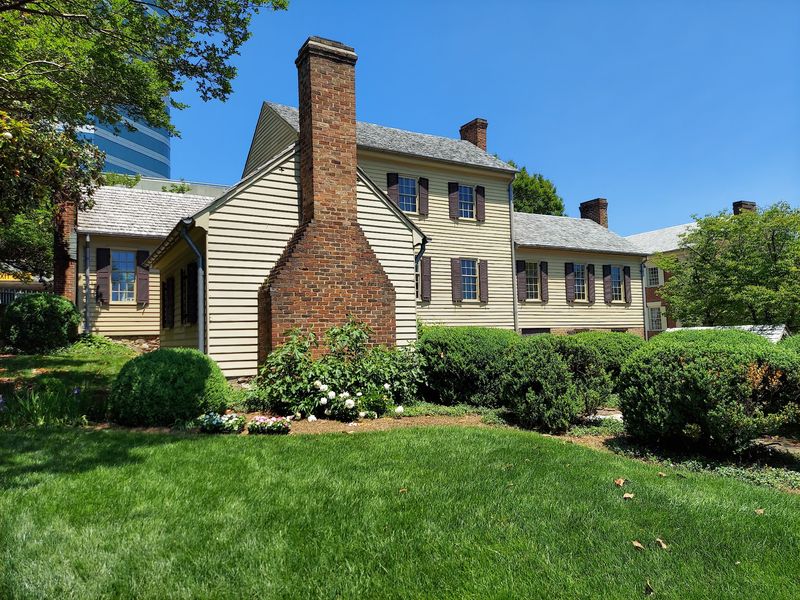
Walk through some older Knoxville neighborhoods, and you’ll spot freshly renovated homes beside houses that have stood unchanged for decades. That contrast tells a big story. Areas once overlooked are now in high demand.
Neighborhoods close to downtown have seen big jumps in interest. People love the short drive, the older homes, and the character of tree-lined streets. Investors noticed too.
This process is often called gentrification. It can bring repairs, new businesses, and cleaner lots. It can also push out the families who gave those neighborhoods their identity.
Rising home values sound like good news for owners. Yet higher values can mean higher property tax bills over time. For older residents on fixed incomes, that change can feel scary.
East Knoxville carries an important history here. Generations ago, urban renewal projects cleared parts of Black neighborhoods in the city. Many residents remember how that loss reshaped their community.
Because of that past, today’s changes feel personal to many families. Growth that ignores history can repeat old hurts.
There are ways to help. Tennessee offers property tax relief programs for qualifying older adults, disabled residents, and disabled veterans. Knox County residents can apply through the county trustee’s office.
Newcomers can make a difference too. Shop at long-standing local businesses, not only the trendy new ones. Show up at neighborhood meetings and listen before offering opinions.
Learning a neighborhood’s story matters as well. Places like the Beck Cultural Exchange Center preserve Black history in Knoxville and East Tennessee. Visiting is a respectful first step toward understanding the people behind the porch lights.
Downtown Has Never Looked Livelier
Market Square is proof that the boom isn’t all bad news. Its 19th-century brick buildings now hold shops, restaurants, and patios full of energy. On a nice evening, downtown Knoxville feels wonderfully alive.
It wasn’t always this way. Decades ago, parts of downtown felt quiet after business hours. Revitalization efforts have turned it into a real gathering place.
Gay Street is a big part of that comeback. The historic Tennessee Theatre and the Bijou Theatre host concerts, films, and shows. Both buildings are treasured local landmarks.
The Market Square Farmers’ Market brings in local growers during its season. You can find fresh produce, baked goods, and handmade items. Supporting those vendors keeps money in the region.
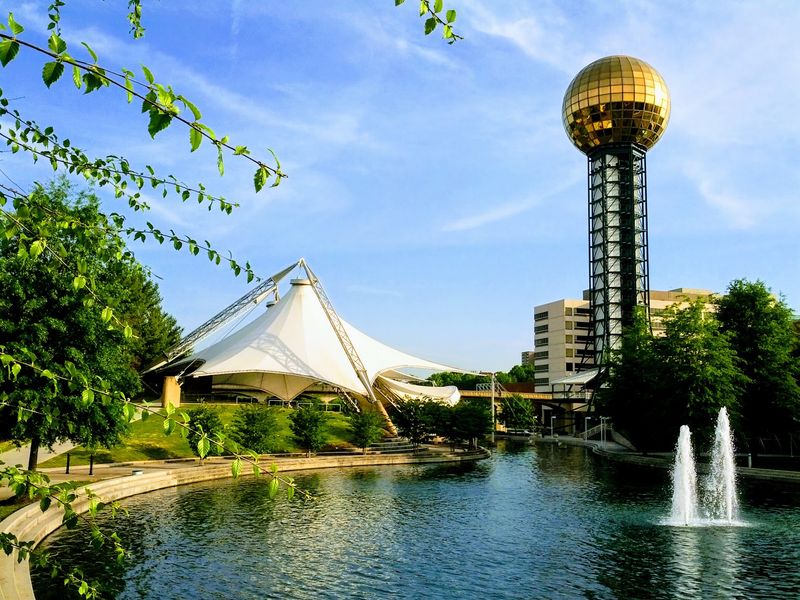
Then there’s the Sunsphere. That gold-glass globe was built for the 1982 World’s Fair and still crowns World’s Fair Park. Yes, it really does look like a giant shiny tennis ball tower.
The Old City district adds more historic charm, with brick warehouses turned into restaurants and venues. South of the river, Ijams Nature Center and Urban Wilderness trails offer outdoor fun close to town.
Here’s the catch. A busier downtown also means higher downtown rents for small businesses and residents. Some longtime shops struggle to stay as costs rise.
So enjoy the scene with a little intention. Pick locally owned spots when you can. Tip generously, because service workers here face the same rising rents as everyone else.
Free events help everyone share the fun. Many downtown festivals and holiday celebrations welcome families without a ticket. A lively city feels best when locals can still afford to show up.
Paychecks Are Trying Hard to Catch Up
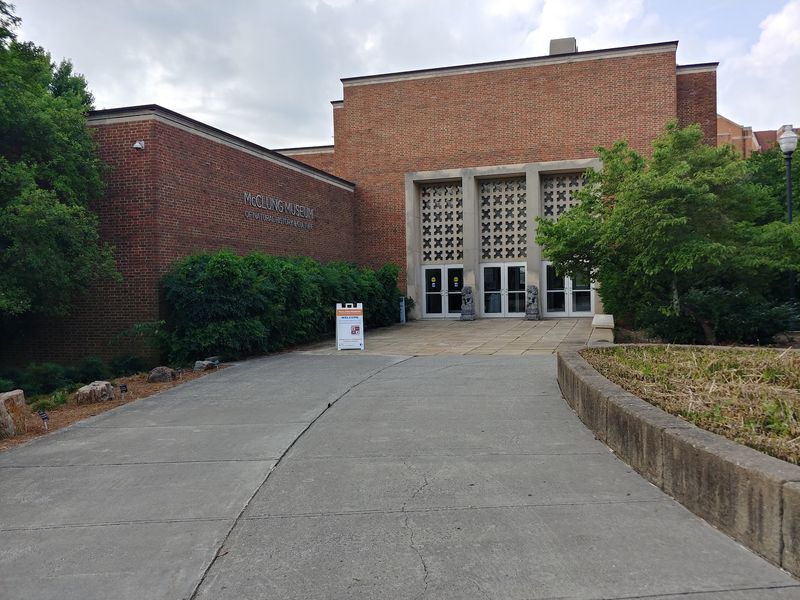
Higher costs would be easier to handle if wages rose at the same speed. In many Knoxville households, they haven’t. That gap is where the real pain shows up.
Plenty of local jobs are in service, retail, health care, and education. These roles keep the city running every single day. Yet many of them pay less than similar jobs in bigger metro areas.
Housing experts often say rent should stay around thirty percent of income. Many renters in the area spend more than that. When housing eats the budget, savings and emergencies take the hit.
Groceries, insurance, and utilities have climbed nationally too. Knoxville families feel that pressure on top of local housing costs. It’s a double squeeze.
On the bright side, the job market is active. Oak Ridge National Laboratory, the University of Tennessee, and major health systems hire in large numbers. Skilled trades are in steady demand as construction continues.
Training can open doors. Pellissippi State Community College offers programs in fields like health care, technology, and advanced manufacturing. Tennessee Promise and Tennessee Reconnect can help eligible students attend community college without tuition costs.
That’s a pretty big deal. A free path to new skills can change a family’s future.
Small budget habits help too. Track spending for one month to spot leaks. Compare utility plans and ask about payment assistance through local programs.
Local nonprofits can step in during tough stretches. Knox Area Community Action Committee, often called CAC, offers various support services. Asking for help isn’t failure.
It’s smart planning in an expensive season.
Nature Lovers Are Sharing More Trail Space Than Ever
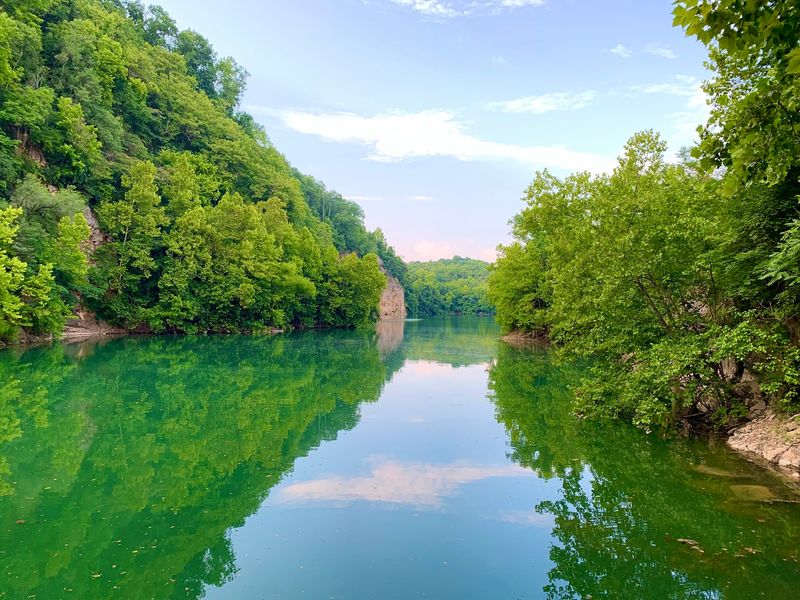
Few cities can brag about a quarry swimming area, mountain bike trails, and river paddling minutes from downtown. Knoxville can. Its Urban Wilderness covers roughly 1,500 acres of outdoor space in South Knoxville.
Ijams Nature Center is a star of that network. Mead’s Quarry offers a scenic lake with cliffs and paddling options. Nearby, Navitat runs adventure courses for climbing and zipline fans.
Not far away, Baker Creek Preserve offers bike trails for different skill levels. House Mountain, just outside town, gives hikers big views of the region.
And of course, Great Smoky Mountains National Park sits roughly an hour away. It’s the most visited national park in the country. That popularity brings crowded parking lots on busy weekends.
The park now requires a parking tag for vehicles staying longer than fifteen minutes. Visitors should check current rules before heading out. Nobody wants a ticket stuck to a windshield after a great hike.
Growth means more people chasing the same sunrise spots. Popular trails and parking areas can fill up early, especially in October. Fall leaf season is gorgeous and very busy.
A little planning goes a long way. Arrive early, visit on weekdays, or try lesser-known trails. Spreading out protects both your mood and the land.
Leave No Trace habits matter more as crowds grow. Pack out trash, stay on marked paths, and keep pets leashed. Small choices keep these places beautiful.
Volunteer days are another great option. Groups regularly organize cleanups and trail work. Giving back a few hours keeps Knoxville’s wild side healthy for newcomers and longtime locals alike.
Growing Pains Don’t Have to Become Lasting Scars
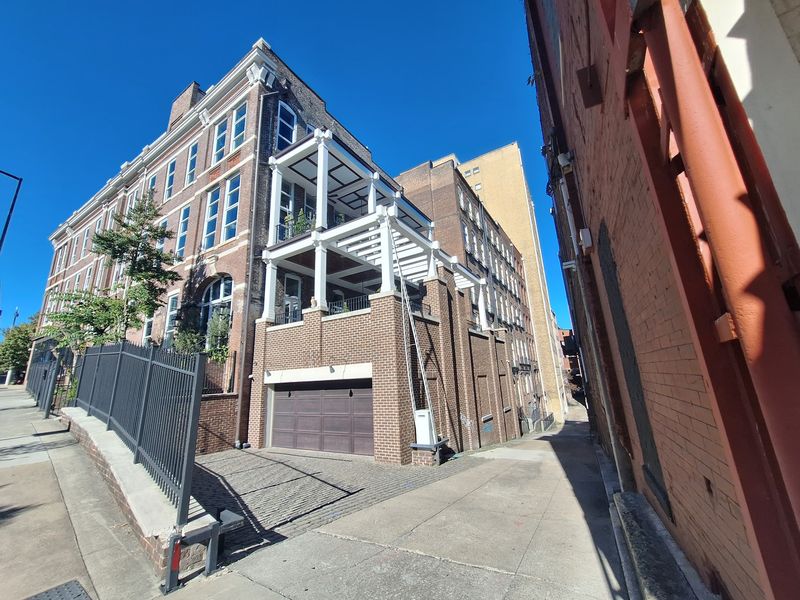
Every booming city reaches a crossroads, and Knoxville is standing right at one. The choices made now will shape life here for decades. That makes this moment pretty important.
City leaders have taken some meaningful steps. Knox County adopted a comprehensive land use and transportation plan in April 2024 to guide future growth and development. The city has also updated zoning to allow accessory dwelling units, often called backyard cottages or granny flats.
Those small homes can help a lot. A family might house an aging parent or earn rental income. They also add housing without changing a neighborhood’s feel too much.
Knoxville’s Community Development Corporation manages public housing and redevelopment projects. Mixed-income developments aim to bring residents of different backgrounds together. Results take time, but the effort counts.
Residents have power here too. City Council meetings are open to the public. Speaking up about housing, roads, and parks helps leaders understand real needs.
Voting in local elections might matter most of all. City and county races often have low turnout. A handful of votes can shape who makes big housing decisions.
Newcomers can join the solution instead of feeling like the problem. Get to know your neighbors, learn local history, and support community groups. Belonging is something you build, not something you buy with a mortgage.
Longtime residents carry valuable knowledge. They know what made Knoxville special before the moving trucks arrived. Their voices deserve a front-row seat in planning.
Knoxville still has the river, the mountains, the music, and the friendly porch culture. Protecting the people who made it lovable might be the best growth plan of all.
Share this story