Walk into one New Jersey museum and you are standing in a stone jail cell where prisoners once scratched messages into the walls. Walk into another and you are inside a World War II aircraft hangar, a zinc mine, a steel mill gatehouse, or a lighthouse tower with the Atlantic flashing below.
That is the fun of museum-hopping here: the buildings are not just containers for history. They are the history.
New Jersey has always been a state of makers, shippers, inventors, sailors, miners, soldiers, and stubborn preservationists, and some of its best museums still carry the dents, beams, bricks, staircases, and machinery of their former lives. These places are not polished in the boring way.
They creak, echo, glow, climb, clang, and occasionally feel a little haunted. Here are 15 unusual New Jersey museums where the setting is half the reason to go.
1. Burlington County Prison Museum, Mount Holly
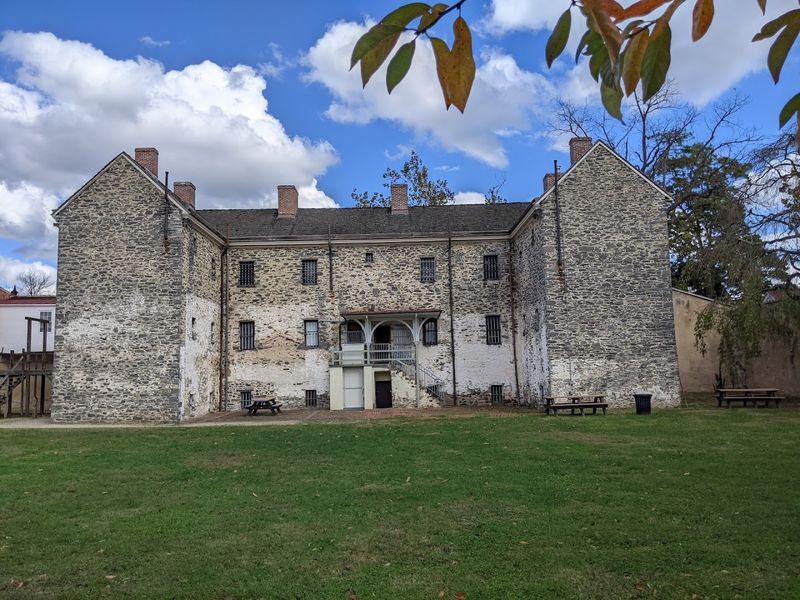
The chill hits first. Not movie-haunted-house chill, but thick-stone-wall chill, the kind that reminds you this was not built for comfort.
The Burlington County Prison Museum is one of New Jersey’s most memorable historic sites because it still feels startlingly close to its original purpose.
Completed in 1811 and designed by Robert Mills, the architect later associated with the Washington Monument, the building served as a jail for more than 150 years before becoming a museum.
Today, visitors move through narrow corridors, old cells, ironwork, and spaces that make local history feel less like a date on a plaque and more like something you can almost hear underfoot.
It is especially worth including because the building itself tells such a layered story: early American architecture, criminal justice, county life, and preservation all packed into one compact downtown stop.
Mount Holly makes the visit easy, too. You can pair the museum with a walk through the historic district, grab coffee nearby, and still feel like you uncovered one of South Jersey’s stranger little time capsules.
Check current hours before going, since it is not always open every day, and give yourself time to linger over the details rather than rushing through like it is just another old building.
2. Paterson Museum, Paterson
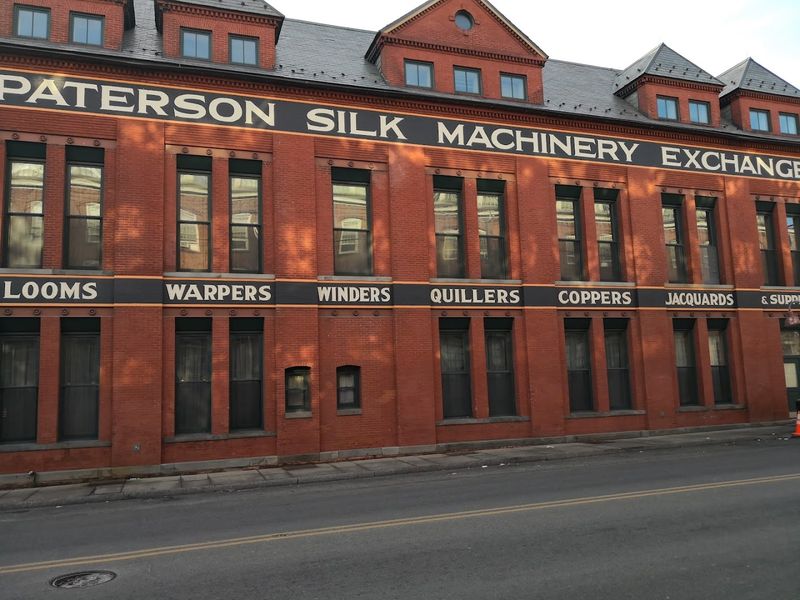
A locomotive shop is exactly the right place to tell Paterson’s story. The Paterson Museum sits in the restored Thomas Rogers Locomotive and Machine Shop, right in the Great Falls historic district, where the city’s industrial muscle once shaped everything from silk to engines.
This is not a museum that needs to work hard to prove why the building matters. You are standing in the kind of place that made Paterson famous: brick, labor, machinery, ambition, and noise, now quiet enough for you to study it.
The museum is known for collections tied to the city’s manufacturing past, including locomotives, textile history, and Paterson’s role as “Silk City.” It is a particularly good stop for anyone who likes museums with a strong sense of place rather than generic display cases that could be anywhere.
The Great Falls nearby add a dramatic bonus; you can see the natural force that helped power the city’s rise, then step inside the museum to understand what people built around it.
The vibe is old-school, local, and proudly specific. This is where New Jersey’s industrial story feels big, gritty, and wonderfully unpolished in the best possible way.
3. Hoboken Historical Museum, Hoboken
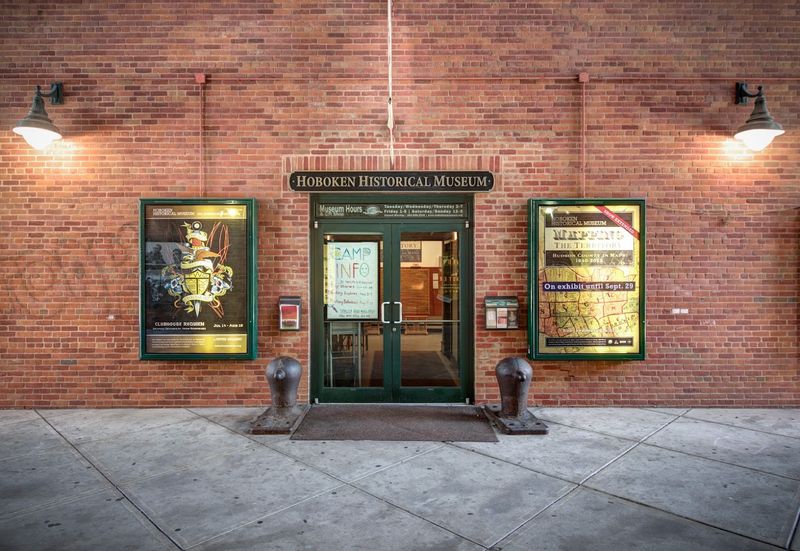
There is something very Hoboken about finding a small, thoughtful museum inside a former Bethlehem Steel machine shop on the waterfront. The Hoboken Historical Museum does not try to flatten the city into one tidy story, because Hoboken was never just one thing.
It was a working waterfront, a ferry town, an immigrant city, a music town, a factory town, a birthplace of big personalities, and now a place where modern condos stand within shouting distance of old industrial bones. The museum’s setting helps connect all of that.
The former machine shop is one of the older surviving waterfront buildings, and it gives the exhibitions a grounded, lived-in quality that suits Hoboken perfectly. Expect rotating displays, local artifacts, photographs, talks, and programming that lean into neighborhood memory rather than blockbuster spectacle.
It is the kind of museum you visit when you want texture: shipyards, streetscapes, families, bars, factories, Sinatra lore, and the constant push-pull between old Hoboken and new Hoboken. It is also easy to fold into a day along the waterfront.
Go for the museum, stay for the skyline walk, and let the old steel-shop setting remind you that this polished riverfront was once a place of sparks, tools, and work boots.
4. Roebling Museum, Roebling
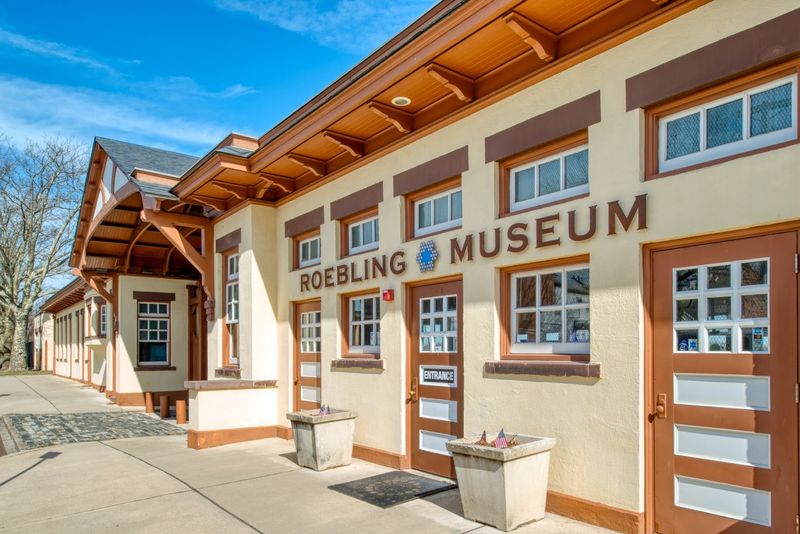
The Roebling Museum begins with a gatehouse, which is perfect, because this entire place feels like an entry point into a company town.
The building once stood at the threshold of a massive steel and wire rope operation, where workers passed through on their way to help produce materials that connected cities, powered industry, and shaped modern infrastructure.
The museum is not just about machines, though the industrial story is strong enough on its own. What makes it especially interesting is the human side: immigrant labor, planned-community life, factory routines, and the way one company could shape an entire town’s identity.
Roebling is a small place with a big industrial shadow, and the museum treats that history with the seriousness it deserves without making it feel dry. You get the sense of a world organized around shifts, whistles, skills, and shared hardship.
The setting helps enormously. A former mill gatehouse has a different authority than a plain gallery space; it was part of the daily rhythm of the workers whose stories are now being told.
This is a smart pick for readers who like industrial history, bridge history, labor stories, or museums that reveal how much of New Jersey was built by people whose names rarely make the headline.
5. Red Mill Museum Village, Clinton
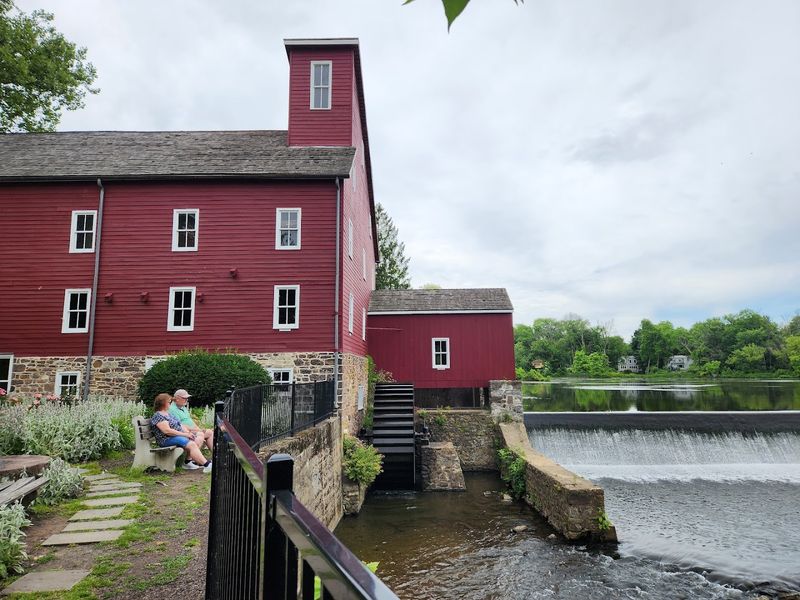
The red building beside the river is one of those New Jersey images people recognize even before they know what they are looking at. But the Red Mill Museum Village is more than a photogenic stop in Clinton.
The site centers on a 19th-century mill and spreads across a larger historic village with a quarry, schoolhouse, log cabin, blacksmith shop, and other structures that give the place a layered, working-history feel.
The mill itself had a complicated life, used over time for different industries and materials, which makes it more interesting than a simple “old grist mill” label.
This is a great museum for people who like to wander. You are not just moving from case to case; you are walking through a riverside site where work, waterpower, stone, tools, and small-town life all overlap.
The Clinton location is a major part of the charm, especially because the bridge-and-mill view is one of the prettiest museum approaches in the state.
It is family-friendly without feeling childish, historic without feeling dusty, and scenic enough that even the person in your group who “doesn’t really do museums” will probably start taking pictures before you reach the entrance.
6. The Historic Village at Allaire, Wall Township/Farmingdale
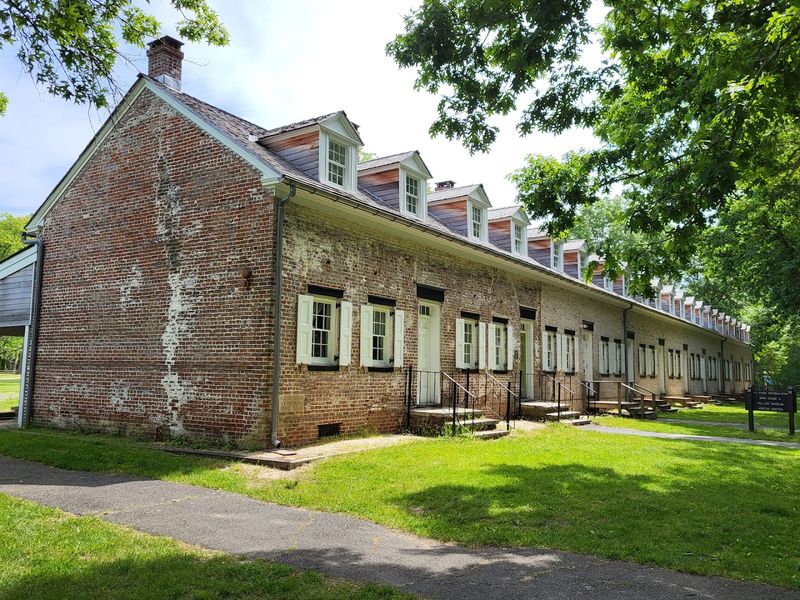
At Allaire, history comes with the smell of wood smoke, the ring of tools, and the sense that the village might wake back up if enough people walked through at once. The Historic Village at Allaire is a living history museum set within Allaire State Park, centered on the former Howell Iron Works community.
That matters because this was not just a factory site; it was a self-contained industrial village where hundreds of people lived and worked around iron production in the early 19th century. The result is a museum that feels less like a single attraction and more like a preserved world.
Original and reconstructed buildings, costumed interpretation, craft demonstrations, seasonal events, and hands-on programs help visitors understand how industry shaped daily life, not just how products were made. It is especially good for families, but adults who love early American industry will find plenty to chew on.
The park setting makes it easy to turn the visit into a half-day outing, especially if you pair the village with a walk or a ride on the nearby historic railroad when operating. Allaire belongs on this list because the unusual “museum building” is really an entire iron-making community hiding inside the pines.
7. Thomas Edison National Historical Park, West Orange
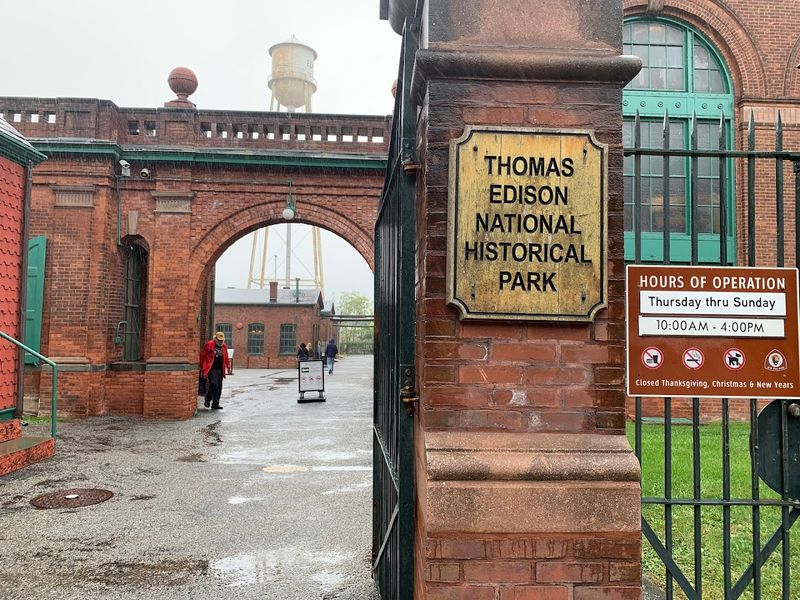
The brick laboratory buildings in West Orange look almost modest from the outside, which is funny considering how much modern life was tinkered into shape inside them.
Thomas Edison National Historical Park preserves Edison’s laboratory complex and home, giving visitors a look at the workshops, library, machinery, and experimental spaces where invention was treated like a full-time industrial process.
This is not a museum in a former factory so much as a factory of ideas, and that distinction makes it one of New Jersey’s most fascinating stops.
The preserved lab spaces have a wonderful cluttered intensity: belts, pulleys, phonographs, chemical equipment, workbenches, and the sense that somebody just stepped away from a problem and might be back after lunch.
It is especially rewarding if you are interested in sound recording, motion pictures, electricity, or the less glamorous mechanics of innovation. The site also does a good job reminding visitors that invention was collaborative and physical, not just a cartoon lightbulb over one famous head.
Plan ahead because access to certain areas can vary, and give yourself more time than you think. This is a place where the small details, from drawers to machinery, are the real show.
8. Naval Air Station Wildwood Aviation Museum, Cape May
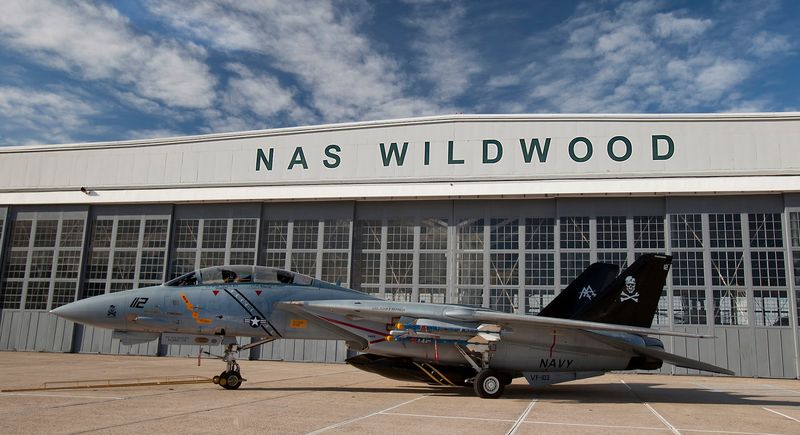
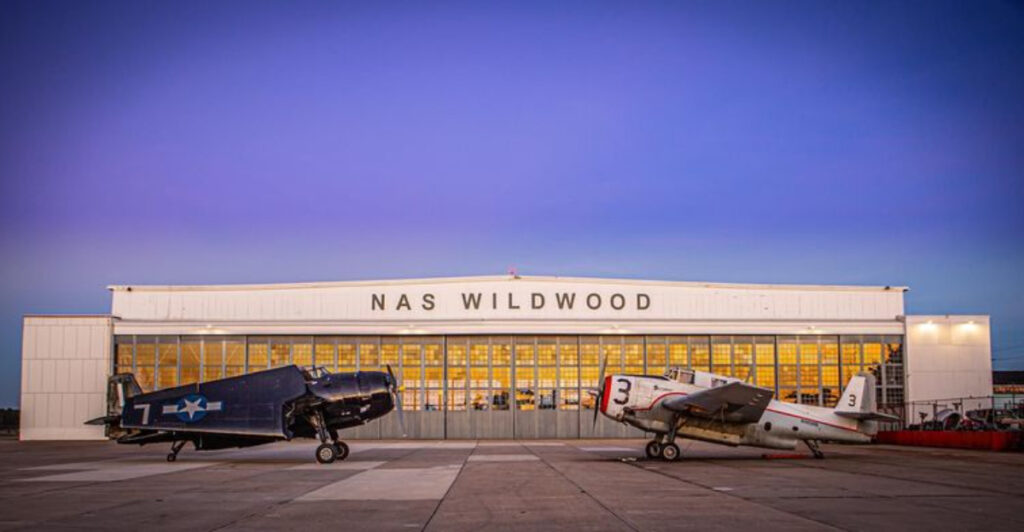
Before you even get to the planes, the hangar does the talking. Naval Air Station Wildwood Aviation Museum is housed in historic Hangar No. 1, an enormous all-wood World War II structure at Cape May Airport.
Built by the U.S. Navy in 1942 and used as part of a training base for dive bomber squadrons, the hangar is not just a shell around the exhibits; it is one of the museum’s biggest artifacts.
That gives the whole place a different energy from a standard aviation gallery. Aircraft, engines, military vehicles, uniforms, photographs, and hands-on displays sit beneath timber framing that has its own wartime story.
The museum works well for aviation buffs, kids who want something more interactive, and Shore visitors looking for a break from beach-and-boardwalk routines.
It also has that slightly unexpected Cape May County feel: one minute you are thinking about seafood and salt air, the next you are standing under a massive wartime roof imagining young pilots preparing for the Pacific.
The scale is part of the fun. You can wander, look up, climb into select displays when allowed, and appreciate how much history is packed into a building that still feels ready for engines to roar.
9. Absecon Lighthouse, Atlantic City
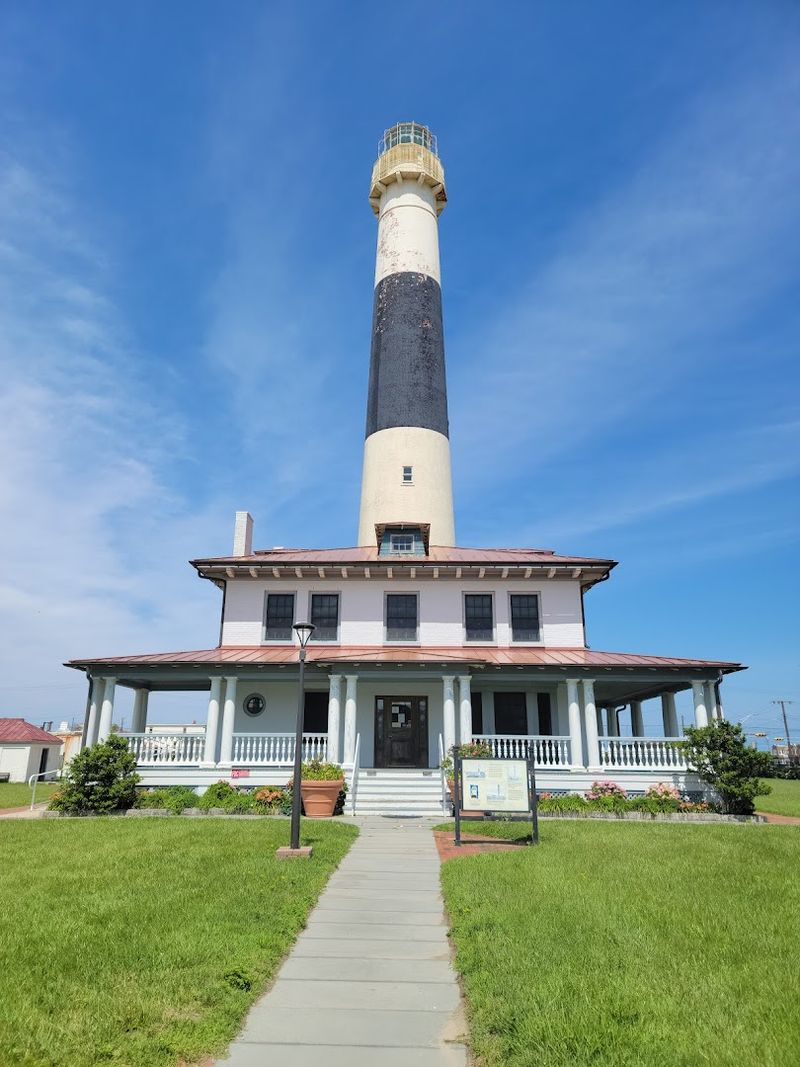
Atlantic City’s casinos may flash louder, but Absecon Lighthouse has the better staircase. New Jersey’s tallest lighthouse rises at Pacific and Rhode Island avenues, where visitors can climb 228 steps for a view that turns the city into a mix of ocean, skyline, inlet, and old maritime imagination.
First lit in 1857, the lighthouse is also known for its first-order Fresnel lens, which gives the visit a beautiful bit of optical drama. This is a museum experience with a built-in workout, and that is part of its charm.
The keeper’s cottage, exhibits, grounds, and tower all help explain the role this light played before Atlantic City became shorthand for casinos and boardwalk spectacle. It is a great pick for anyone who wants a shore stop with more texture than another souvenir shop.
The climb is not impossible, but it is real enough that comfortable shoes are a good idea, and the last tower climb usually happens before closing.
What makes Absecon especially fun is the contrast: you are in one of New Jersey’s most famous entertainment towns, but the best view may come from a 19th-century lighthouse that has been quietly watching the coast longer than any neon sign.
10. Hereford Inlet Lighthouse, North Wildwood
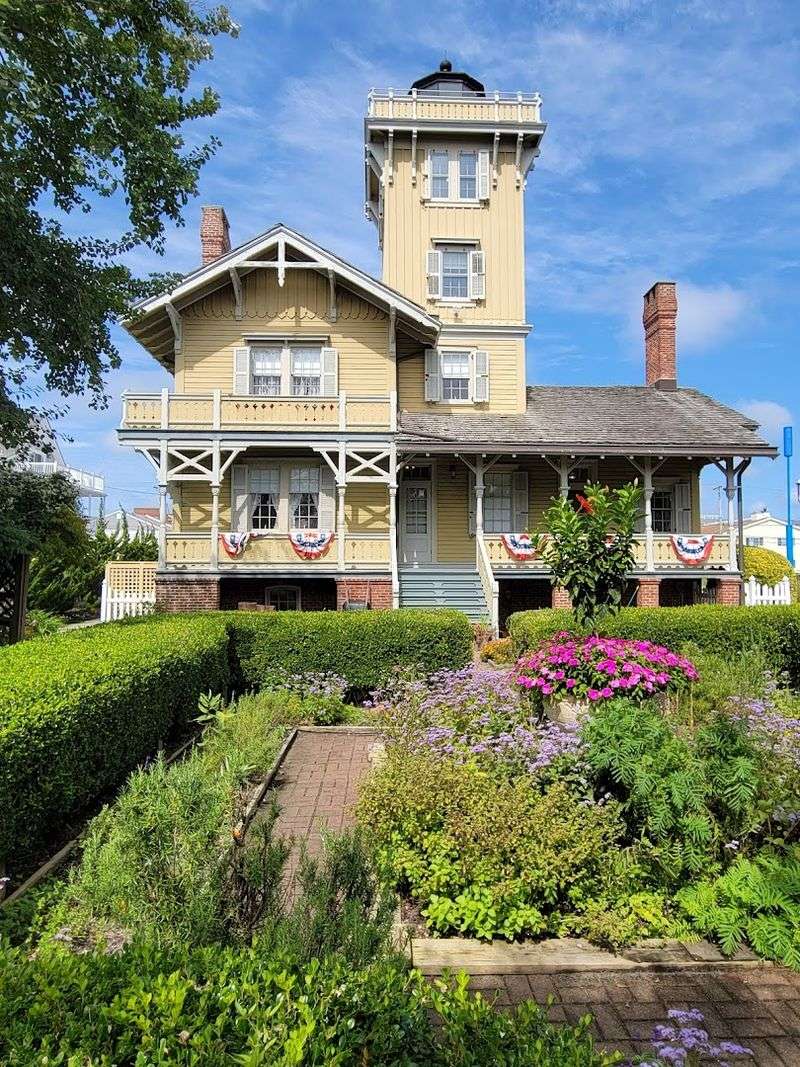
Hereford Inlet Lighthouse has a gentler personality than some of New Jersey’s taller, sterner towers. Set in North Wildwood near the seawall, it feels part lighthouse, part Victorian seaside house, part garden escape.
That combination is exactly why it stands out. Built in the 19th century, the lighthouse now operates as a museum where visitors can learn about the building, its keepers, local maritime history, and the inlet that made a navigational aid necessary in the first place.
The grounds are a major part of the visit. The gardens soften the whole experience, giving you a place to stroll before or after stepping inside, and the ocean air does a lot of unpaid atmosphere work.
This is an especially nice stop for people who like history in a smaller, quieter package. It does not require a full-day commitment, and it pairs easily with a Wildwood or North Wildwood beach day.
The building’s domestic look also makes the history feel personal; you are not just thinking about ships offshore, but about the keepers who lived with the weather, the light, and the responsibility of keeping mariners oriented. It is charming, practical, and very easy to love.
11. Twin Lights Historic Site, Highlands
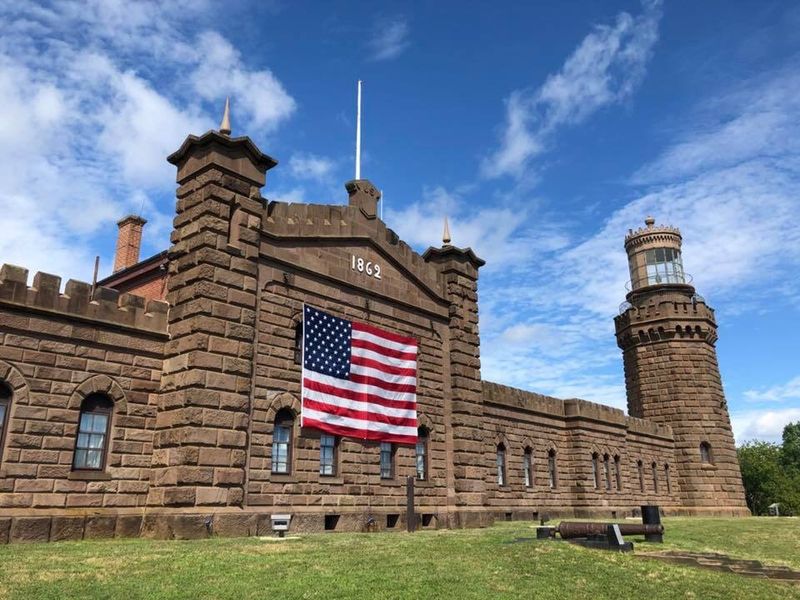
The view from Twin Lights feels like New Jersey showing off. Perched above the Navesink Highlands, the site looks out toward Sandy Hook, the Atlantic, and the busy waterways that made this location so important.
But Twin Lights is more than a scenic overlook with a lighthouse attached. The historic light station is tied to major developments in lighthouse technology, including the early use of the Fresnel lens in the United States, and today it includes museum exhibits that connect maritime history, commerce, navigation, and coastal defense.
The twin-tower design gives the place an instantly distinctive silhouette, and the museum setting makes it a strong choice for readers who want history with a payoff view. It is also one of those sites where the geography explains the story.
Stand there for a minute and you understand why a powerful navigational signal belonged on that hill. The visit can be quick if you are passing through Highlands, but it rewards extra time, especially if you like reading exhibits and then stepping outside to match the history to the landscape.
Twin Lights has the rare advantage of being both intellectually interesting and visually generous, which is not a bad deal for one stop.
12. Hunterdon Art Museum, Clinton
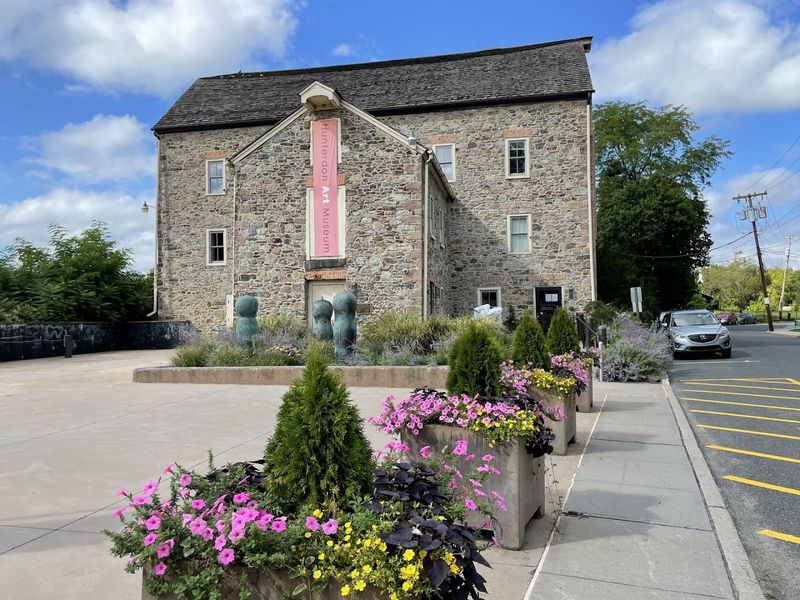
The Hunterdon Art Museum has one of the best “wait, this is an art museum?” settings in the state. It is housed in a stone mill on the South Branch of the Raritan River in Clinton, right near the kind of postcard scenery that makes people slow down even when they are running late.
The building, once the Dunham-Parry Mill, served as a grist mill for more than a century before local residents helped turn it into a center for art. That past gives the museum a pleasing tension: old stone walls, contemporary exhibitions, craft, design, and a riverside setting that keeps the whole place from feeling too formal.
It is a strong pick for readers who like smaller museums where the building and the art seem to be in conversation. You might come for a ceramics show, a textile exhibition, a contemporary installation, or a class, but you will remember the way the historic mill frames the experience.
It also pairs beautifully with the Red Mill Museum Village nearby, making Clinton one of the easiest towns in New Jersey for a two-museum afternoon. The practical move is to leave time for a walk through town afterward, because the setting is part of the pleasure.
13. InfoAge Science & History Museums, Wall Township
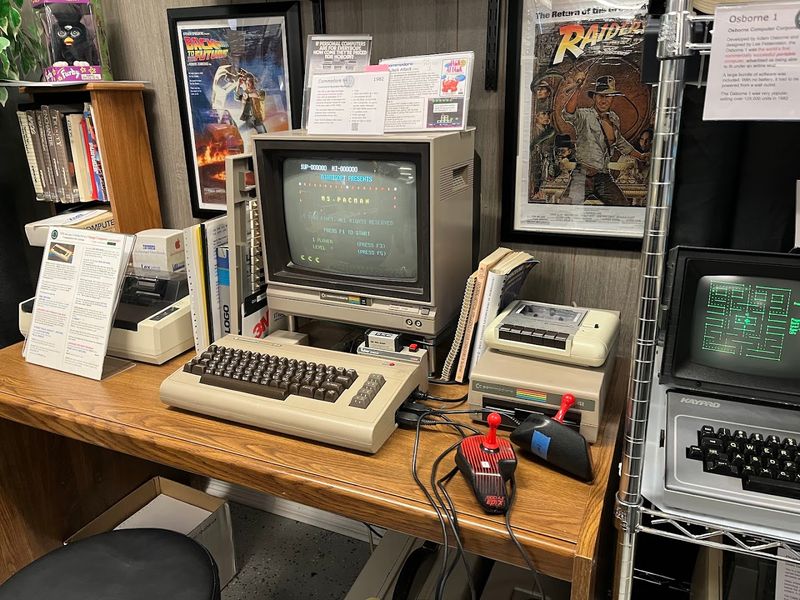
InfoAge feels like a secret campus for people who like radios, rockets, computers, military history, and rooms full of machines that look like they might still have a little electricity in their bones.
The museum complex occupies historic Camp Evans, a former Signal Corps site in Wall Township, and spreads across multiple renovated buildings with more than 20 museums and exhibit areas.
That makes it one of the most unusual entries on this list because it is not focused on one tidy subject. Instead, it is a sprawling, volunteer-powered celebration of communications, electronics, science, military research, and New Jersey’s role in the technologies that shaped the modern world.
You can find exhibits on radio, computers, shipwrecks, military vehicles, space, and other specialized collections, depending on what is open during your visit. The vibe is wonderfully hands-on and brainy, with the kind of passionate docents who can turn a piece of equipment into a 10-minute story before you realize you are hooked.
It is best for curious visitors who like depth and don’t mind a slightly rambling campus feel. Plan around public tour hours, and do not rush.
InfoAge rewards the person who says, “What’s in that building?” and then actually goes to find out.
14. Sterling Hill Mining Museum, Ogdensburg
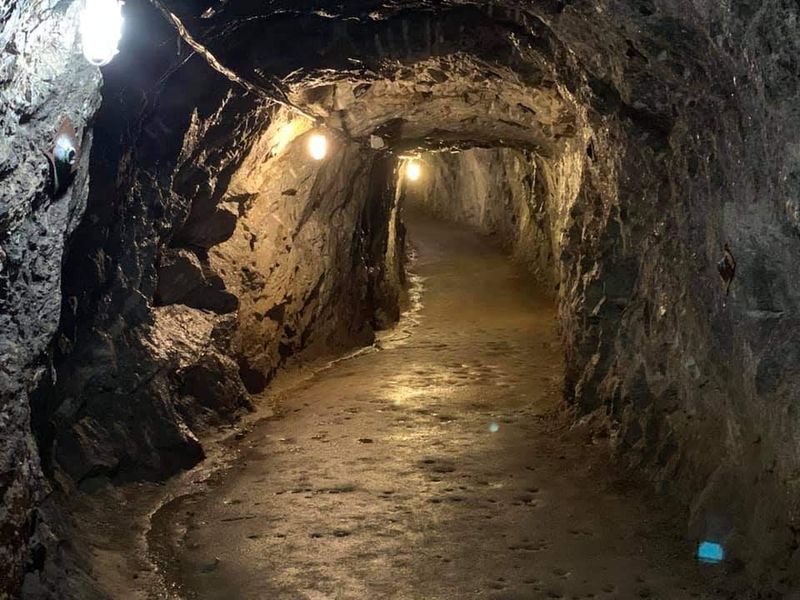
The best moment at Sterling Hill Mining Museum happens underground, when the lights change and the rock starts to glow. This former zinc mine in Ogdensburg is now one of New Jersey’s most distinctive museums, and it earns its place on this list by being both a geology lesson and a full-body experience.
Visitors can take an underground mine tour, learn about zinc mining, see mining equipment, and explore mineral displays tied to one of the world’s famously rich zinc ore deposits. The fluorescent mineral displays are the showstopper, especially for kids, science lovers, and adults who forgot rocks could be this theatrical.
But the site is not just pretty minerals under ultraviolet light. It also tells a labor story, a regional industry story, and a North Jersey story that feels far removed from beaches, diners, and turnpikes.
Wear comfortable shoes and bring a layer, because underground spaces do not care what the weather is doing outside. Sterling Hill is ideal for readers who want a museum that feels like an outing rather than a quiet hour indoors.
It is weird, educational, rugged, and memorable, which is exactly what a former mine museum should be.
15. Battleship New Jersey Museum & Memorial, Camden
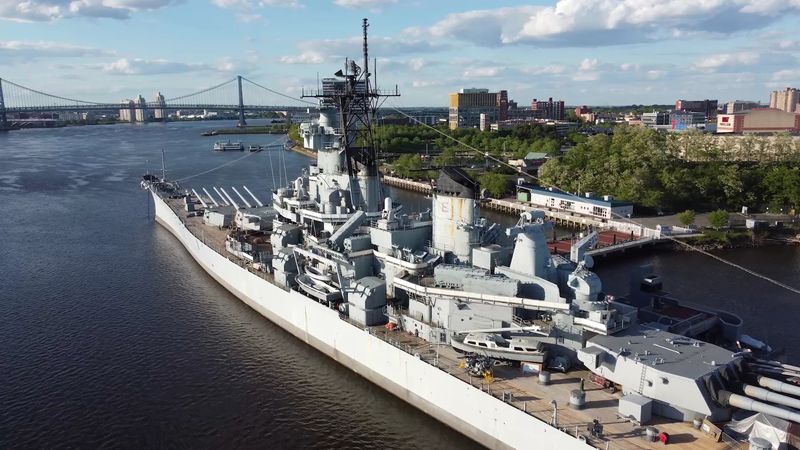
The Battleship New Jersey does not ask you to imagine scale. It surrounds you with it.
Moored on the Camden Waterfront, this massive warship museum lets visitors move through decks, passageways, gun turrets, crew spaces, and command areas aboard one of the most decorated battleships in U.S. Navy history.
The unusual setting is obvious: the museum is the ship. That makes every ladder, hatch, bunk, and stretch of steel part of the story.
It is a strong choice for military history fans, families, engineering-minded visitors, and anyone who likes museums where “look, but don’t touch” gives way to a more physical sense of exploration. The ship’s history spans multiple eras of American naval service, and recent preservation work has kept attention on the challenge of maintaining a floating landmark of this size.
The Camden location also makes it easy to combine with other waterfront stops or a Philadelphia-area trip. Give yourself enough time, because distances aboard the ship feel different from distances in a normal museum.
You may arrive thinking you will simply tour a battleship, but the lasting impression is more specific: steel corridors, river wind, tight sleeping quarters, giant guns, and the daily life of sailors packed into a machine built for war.