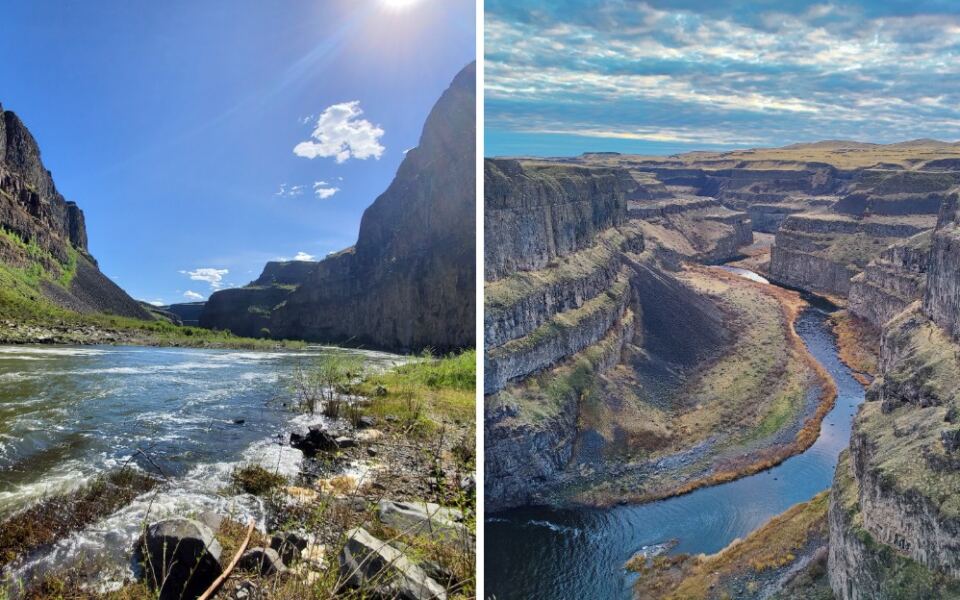
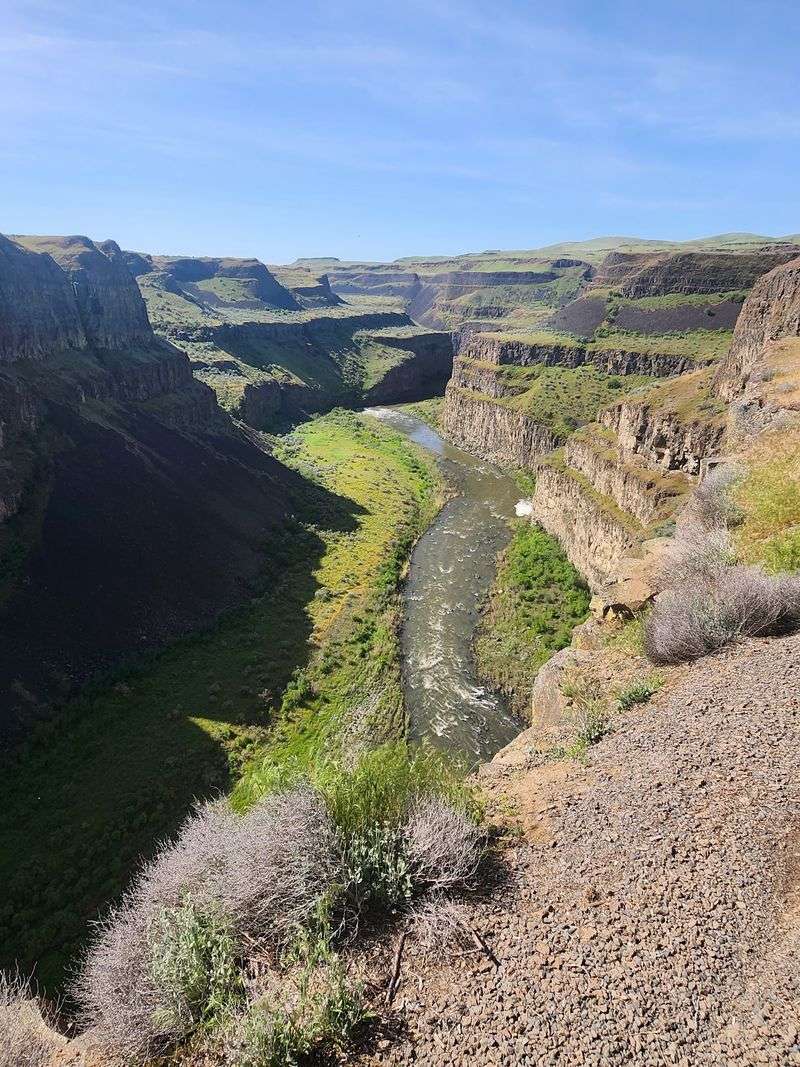
Wheat fields give little warning that a 198-foot waterfall is nearby. Then the land opens into a basalt canyon, and a drive through rolling farmland becomes something worth pulling over for.
The river drops from the cliff and continues through the gorge below. It’s an arresting sight in such dry country, and one that carries the distinction of being an official state waterfall.
I’d want time to take in the whole setting. The height catches your attention first, but the canyon gives you a much bigger story to consider.
Ice Age floods helped shape this landscape, leaving evidence in the rock around the falls. Knowing that changes what you’re looking at.
The waterfall is still moving, while the cliffs hold traces of water that once worked on an almost unimaginable scale.
A 198-Foot Waterfall Shows Up Where You Least Expect It
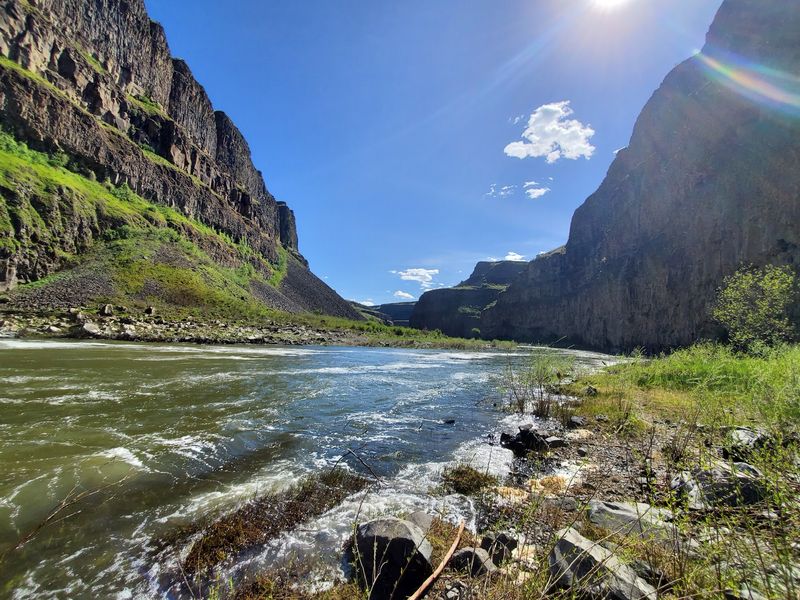
Most waterfalls come with tall forests and misty ferns. Palouse Falls State Park Heritage Site hands you dry grass, open sky, and a river that suddenly leaps off a cliff.
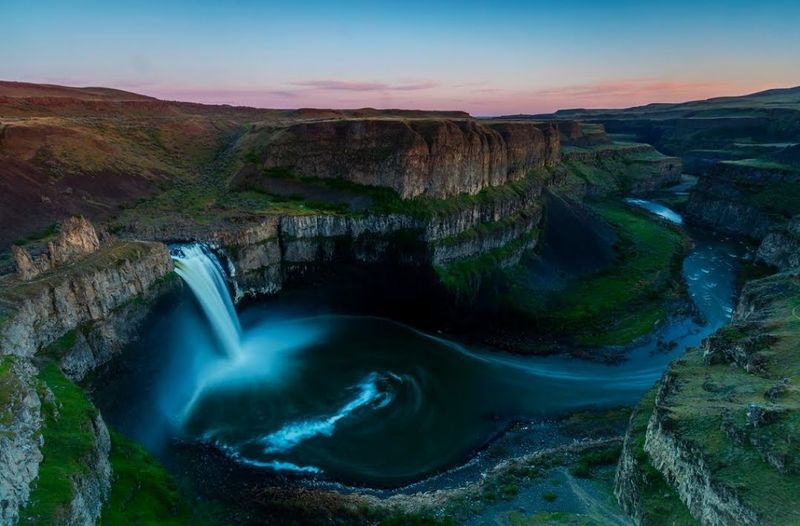
The Palouse River drops 198 feet into a round, deep plunge pool. Dark basalt walls wrap around it like the sides of a giant bowl.
That setting is what makes the falls hit so hard. The land around it looks calm and flat, so the canyon feels like a secret the ground was keeping.
Spring is usually the strongest time to see the water. Snowmelt pushes more flow down the river, and the falls turn loud and wide.
By late summer, the flow often slims down, though the canyon still looks dramatic.
Washington picked this waterfall as its official state waterfall in 2014. A group of elementary students pushed for that honor, which is a pretty great civics lesson.
Bring a jacket, even on sunny days. The area sits wide open, so wind can whip across the overlook without much warning.
A hat with a strap might save you from chasing it toward the edge.
Ice Age Floods Built This Canyon In A Hurry
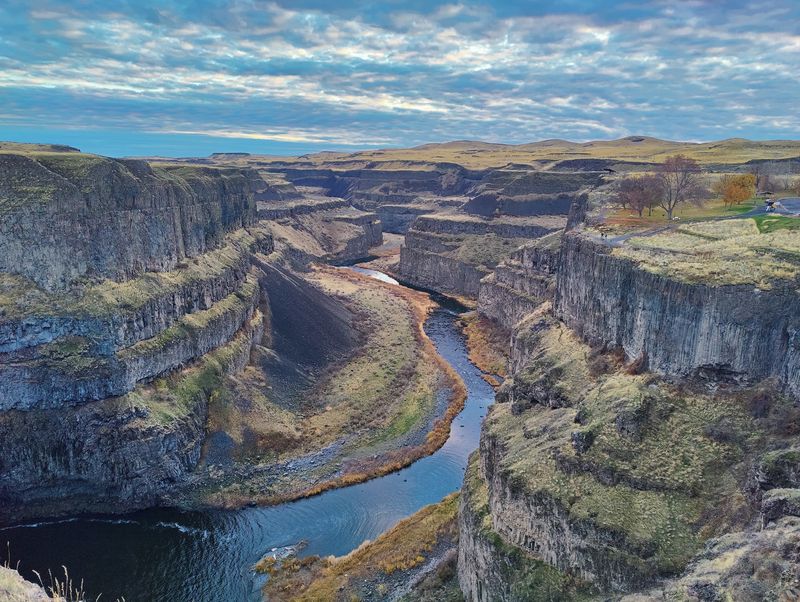
Floods did all this carving, and not the gentle kind. Near the end of the last Ice Age, giant floods from Glacial Lake Missoula roared across eastern Washington again and again.
Those waters ripped through the land and scraped it down to bare rock. Geologists call the result the Channeled Scablands, and the Palouse Canyon sits right inside that story.
Here’s the twist. The Palouse River used to follow a different path toward the Snake River.
The floods sliced a new route, and the river took the shortcut over the cliff.
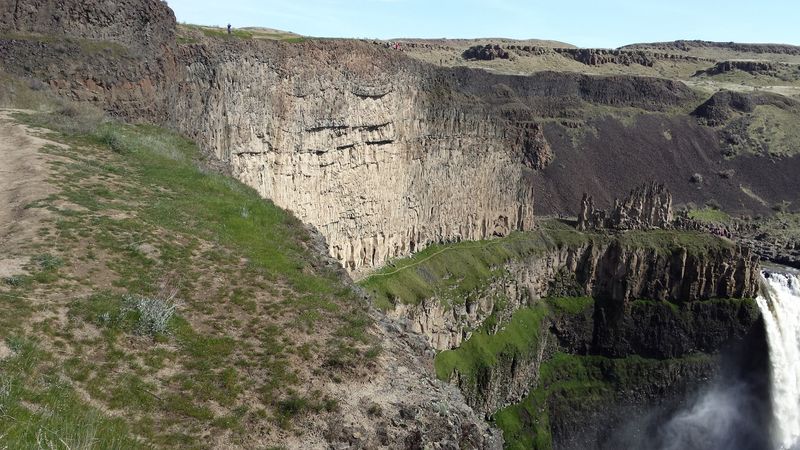
That’s why the canyon looks so raw and jagged. Layers of basalt from ancient lava flows stack up in the walls like a giant cake cut open.
Interpretive signs at the park explain the science in plain language. Kids who roll their eyes at geology class might change their minds here, because the evidence is right in front of them.
Give yourself time to read a few panels before heading to the overlook. The view means more once you know how fast and wild its creation was.
Suddenly every rock looks like a clue.
The Best Views Barely Ask You To Break A Sweat
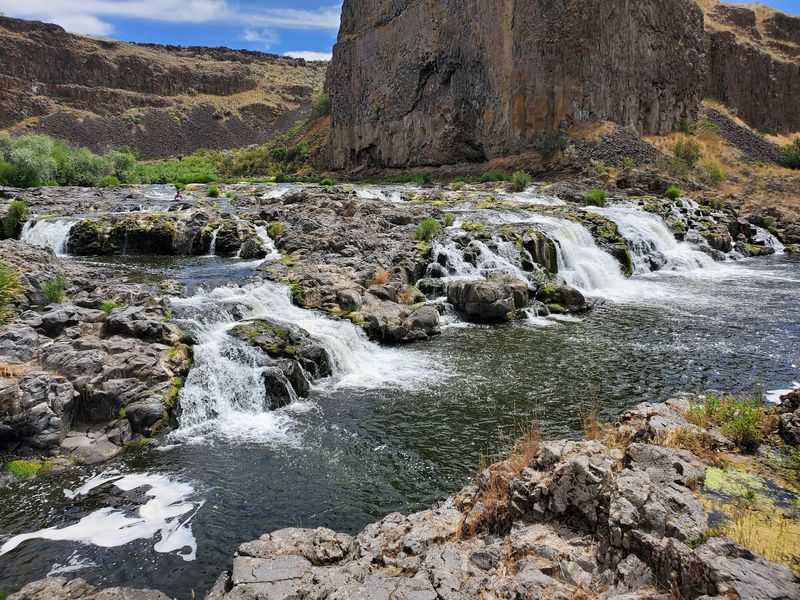
Good news for anyone who hates steep climbs. The main overlook at this park is ADA-accessible, so the big view comes without a tough hike.
A short path leads from the parking area to fenced viewpoints along the canyon rim. You can follow it to several angles of the falls, each one framing the canyon a little differently.
That makes the park a smart stop for grandparents, little kids, and anyone using a wheelchair or stroller. Everybody gets the payoff together.
Plan on about an hour if you like to stroll, snap photos, and read signs. Rushers can see the falls faster, but that feels like skipping dessert.
All trails into the canyon and to the base of the falls are permanently closed. Stay on designated paths and enjoy the falls from the established viewpoints.
Stick to marked areas and keep a close hand on young kids.
Dogs are welcome on a leash, which is nice for family trips. Just keep your pup close to the rim.
Rattlesnakes live in this dry country too, so watch where everyone steps.
Pack A Lunch Because The Picnic Tables Have Front-Row Seats
Sandwiches taste better with a waterfall nearby. That’s not science, but it’s hard to argue once you sit down at one of these tables.
Palouse Falls State Park Heritage Site has a small day-use area with picnic tables, some shade, and grills. A few benches look right toward the canyon, so lunch comes with scenery.
Bring your food with you, since the park has no store or snack stand. The nearest towns are small and spread out, so stock up before the final stretch.
Water matters here too. Summer days in eastern Washington can get hot and dry, and the open landscape offers little relief.
Pack more than you think you need.
Restrooms are vault toilets, so plan around that. Hand sanitizer in the glove box is a small move that pays off big.
Wind can be a sneaky lunch thief. Paper plates and napkins love to escape across the grass.
Heavier containers and a bag for trash will keep your picnic tidy and the park clean for the next crew.
Getting There Is Half The Adventure, So Plan It Right
Cell service may fade, and the fields may stretch forever. Don’t panic, because that lonely drive is part of the charm.
The park sits at Palouse Falls Rd, LaCrosse, WA 99143, in the rolling farm country of southeastern Washington. It’s a fair drive from bigger cities, so it works best as a planned detour or day trip.
The final couple of miles run on gravel. Most regular cars handle it fine at slow speeds, but expect some bumps and a dusty car afterward.
Follow the official park signs from the highway. Some map apps suggest rough back roads that aren’t the best route, so trust the signs over your phone.
Download your directions before you lose signal. A paper map in the car is an old-school trick that still works.
Fill your gas tank in a larger town before heading out. Services get thin in this part of the state.
A little planning keeps the trip relaxed and lets you enjoy those wide wheat views instead of worrying about the fuel gauge.
Your Parking Plan Needs A Discover Pass
Paperwork before waterfalls? Yes, but only a tiny bit, and it helps keep the park running.
Vehicles parked at Palouse Falls State Park Heritage Site need a Discover Pass. That’s the standard parking permit for Washington state parks and many other state recreation lands.
You can buy a one-day pass or an annual pass. An annual pass makes sense if you plan to explore more parks around the state this year.
The park has a pay station on site for day passes. Still, buying ahead online or from a retailer can save hassle if the machine acts fussy.
Washington State Parks also offers several free days each year. On those dates, you don’t need a pass to visit.
Check the official schedule when planning, since dates change yearly.
Park hours generally run from early morning until evening during the main season. Times can shift with the seasons, so double-check before an early sunrise run.
Nothing stings like arriving at dawn to a closed gate. Hang your pass where rangers can see it clearly, and you’re good to go.
Sunrise Turns This Canyon Into A Photographer’s Playground
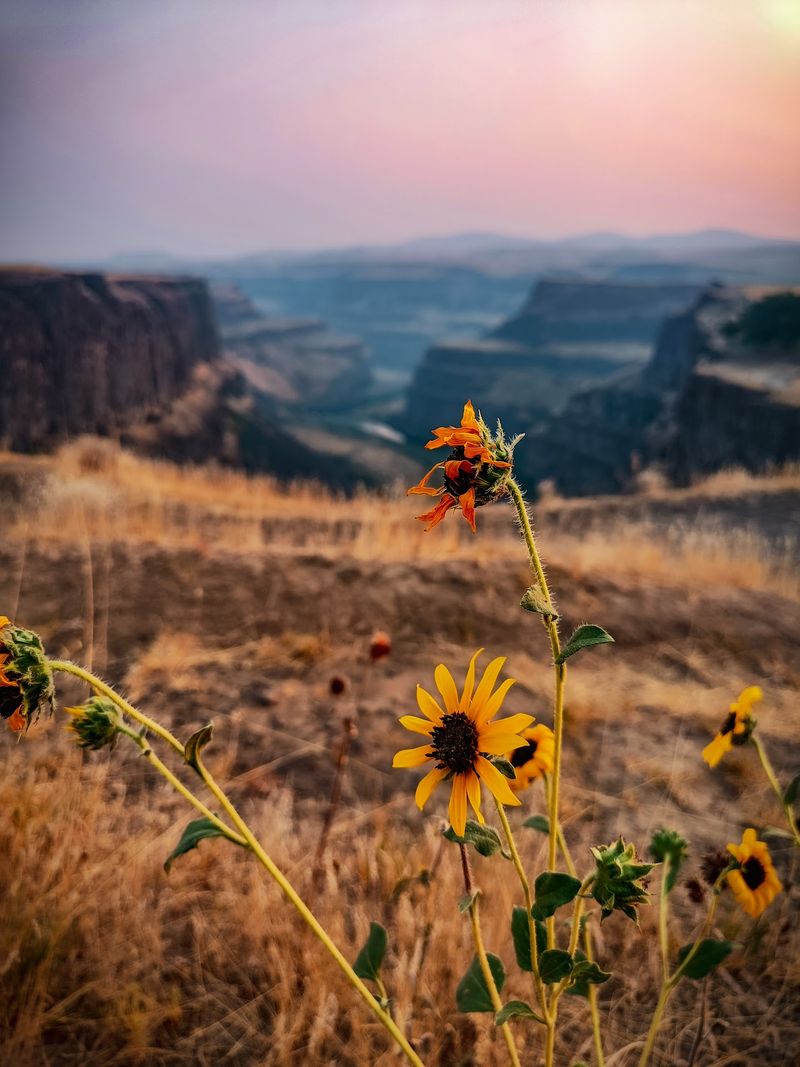
Set your alarm early. The light here does wonderful things when the sun first touches the canyon walls.
Palouse Falls ranks among the most photographed spots in Washington, and the reasons are easy to see. Curved basalt cliffs, a tall white ribbon of water, and a round pool make an almost perfect frame.
Morning and evening light bring out warm colors in the rock. Midday sun can feel harsh, but cloudy days soften shadows nicely.
A wide-angle lens helps capture the whole bowl. Phone cameras with a wide setting work great too, so nobody needs fancy gear to bring home a stunner.
Plan your photography around the park’s opening hours. The grounds close at dusk, so after-dark visits aren’t an option.
Keep safety in the picture, literally. Stay behind fences and off cliff edges for any shot.
No photo is worth a risky step. A tripod and patience will reward you more than leaning out over the drop ever could.
Fall Asleep To The Sound Of A Waterfall
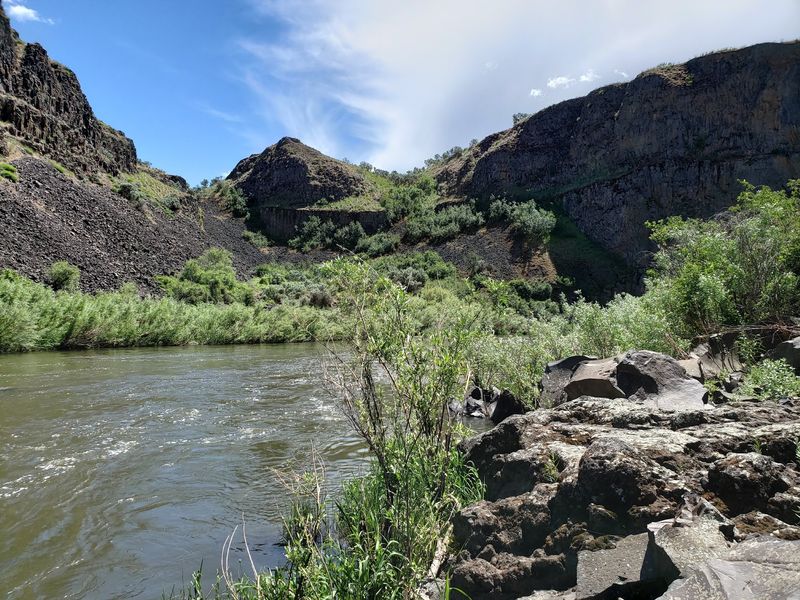
Some campgrounds offer lake views. This one offers a waterfall soundtrack, which feels like a serious upgrade.
Palouse Falls State Park Heritage Site has a small campground with a limited number of primitive sites. It’s built for simple camping, so think tents and basic setups rather than big hookups.
Because the sites are few, planning ahead really matters. Check the Washington State Parks reservation system for current availability and booking rules.
Staying overnight gives you the park at its quietest. You get evening light, starry skies, and an early shot at sunrise without a long predawn drive.
Pack for real weather. Nights can cool down fast, and wind can rattle tents in this open country.
Stakes and a solid rain fly earn their keep here.
Bring all your own supplies, including water and food. Help keep the park clean by packing out trash and leaving no trace.
Wildlife and the next campers will thank you. Then settle into your sleeping bag and let the river handle the bedtime music.
Watch For Marmots, Hawks, And Swallows Along The Rim
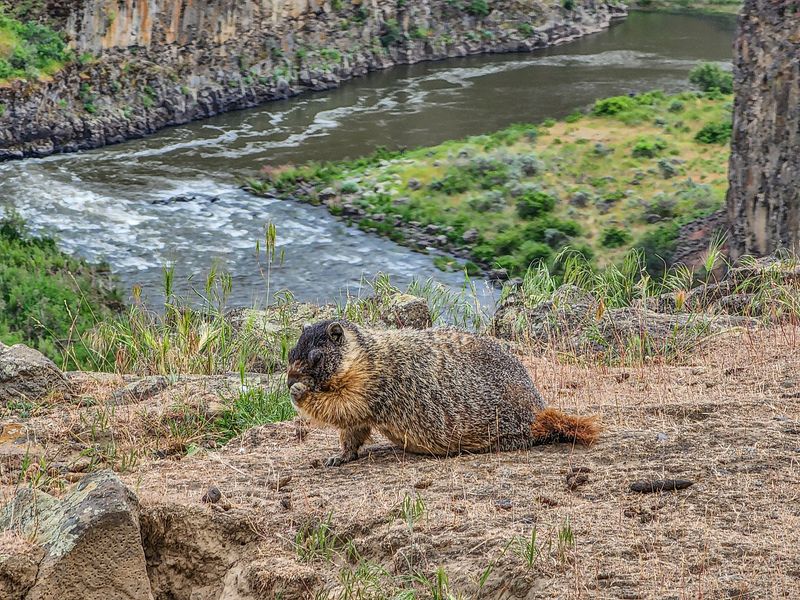
Furry locals often steal the show. Yellow-bellied marmots live among the rocks here, and they’re easy to spot sunning themselves.
These chubby rodents look like they’ve never missed a meal. Watch them from a distance, and please don’t feed them, since human food harms wild animals.
Birds bring plenty of action too. Swallows dart along the cliffs, while hawks and other raptors ride the warm air rising from the canyon.
Binoculars make a fun addition to your bag. A close look at a soaring hawk feels almost as thrilling as the falls themselves.
Spring often brings green grass and wildflowers to the canyon area. The basalt walls sometimes show touches of moss, which adds color to the dark rock.
Late summer turns things golden and dry.
Rattlesnakes share this habitat, so stay on paths and watch your step. Keep pets leashed and close.
Respect for wildlife keeps everyone safe. With a little patience, this corner of Washington proves that big views and small creatures make a pretty great team.
Share this story