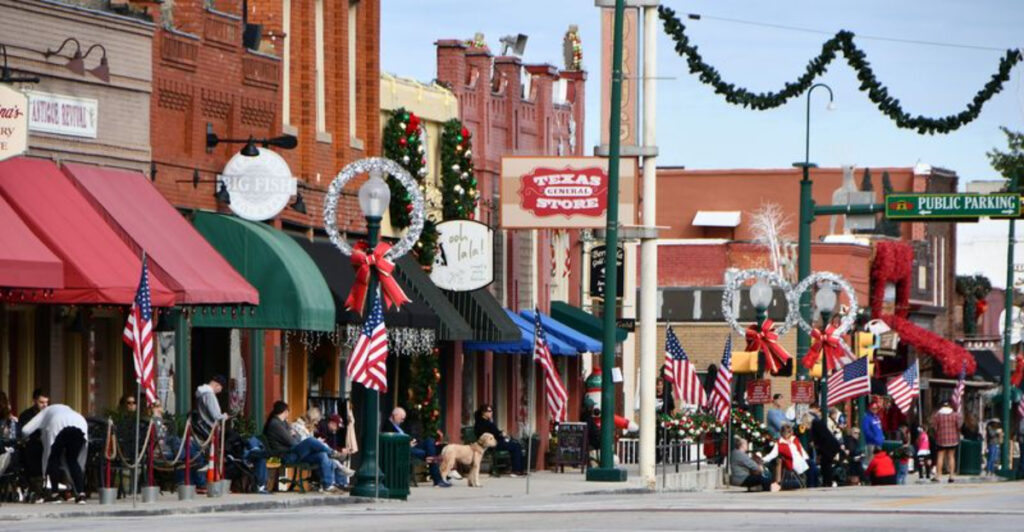
Texas has some of the most charming tourist towns you’ll ever visit, places where weekends feel magical and every corner offers something new to explore. But here’s the thing: loving a place for a quick getaway doesn’t always mean you’d want to call it home. Some Texas cities are absolutely perfect for short visits, yet they come with realities that make permanent residency a lot less appealing than a weekend escape.
From limited job markets to seasonal crowds that transform peaceful streets into parking nightmares, these destinations shine brightest when you’re just passing through.
1. Rockport
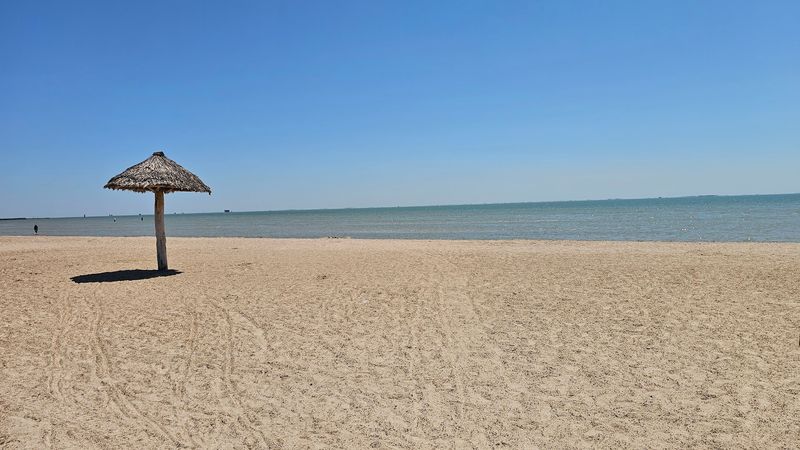
Along the Texas coast, this seaside town feels like a postcard come to life, with art galleries lining the streets and pelicans gliding over the harbor. Visitors fall hard for the slow pace, the fresh seafood, and the way sunsets paint the bay in colors you didn’t know existed. Spending a long weekend here feels like stepping into a simpler time, where the biggest decision is whether to go fishing or browse another gallery.
But living here full-time tells a different story. The job market is incredibly tight unless you’re in tourism, fishing, or retail. Professional opportunities are scarce, and many residents commute to Corpus Christi for work, which adds an hour or more to their daily routine.
The cost of living has also climbed as more vacation homes pop up, making housing surprisingly expensive for a small coastal town.
Hurricane season brings real anxiety to year-round residents. After Hurricane Harvey devastated the area in 2017, many homes were destroyed or severely damaged. The rebuilding process took years, and the constant threat of another major storm hangs over the community.
Insurance costs have skyrocketed, and finding affordable coverage can be nearly impossible for some properties.
The summer tourist influx transforms the quiet town into something unrecognizable. Traffic clogs the main roads, restaurants have hour-long waits, and the beaches get packed shoulder to shoulder. What feels charming and quaint during a February visit becomes overwhelming when you’re trying to run errands in July.
The population swells dramatically, straining infrastructure designed for a much smaller community.
Medical facilities are limited, with the nearest major hospital requiring a drive to Corpus Christi. For families with kids, the school options are limited, and teens often complain about the lack of activities beyond beach-related fun. Rockport is absolutely wonderful for visiting, but the reality of daily life here requires sacrifices many people aren’t prepared to make.
2. Bandera
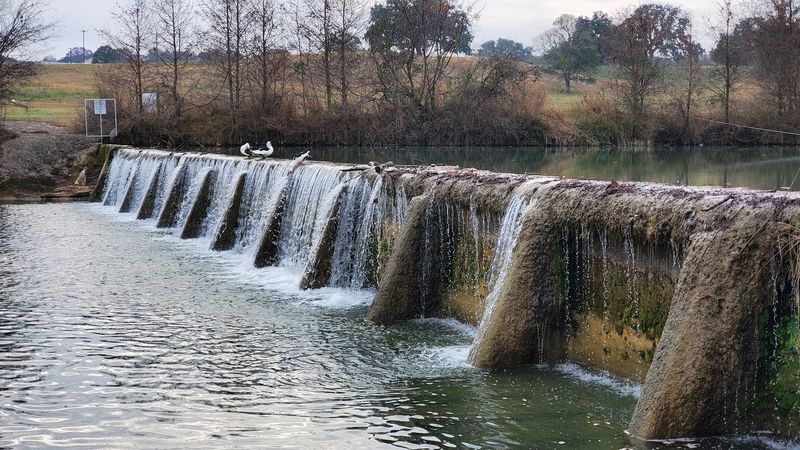
Known as the Cowboy Capital of the World, this town embraces its Western roots with unmistakable pride. Dude ranches surround the town, honky-tonks fill with two-steppers every weekend, and rodeos happen with impressive regularity. For a weekend escape, this place delivers authentic Texas charm without the theme park feeling you get in more commercialized spots.
The Hill Country setting adds natural beauty that makes every Instagram photo look effortless.
The problem with small-town charm is that it comes with small-town limitations. Bandera’s population hovers around 850 people, which means everyone knows everyone’s business. Privacy becomes a luxury you left behind in the city.
The local economy runs almost entirely on tourism and ranching, so career options are extremely narrow. If you work remotely, the internet infrastructure might shock you with its inconsistency.
Shopping for anything beyond absolute basics requires a drive to San Antonio or Kerrville. Need new tires, a specific medication, or clothes that aren’t western wear? You’re looking at 45 minutes minimum each way.
Medical care is similarly limited, with only small clinics available locally. Emergencies mean a long ambulance ride or helicopter transport to larger facilities.
The school system serves a tiny student population, which has both advantages and drawbacks. Class sizes are small, but so are extracurricular options and advanced course offerings. Teens often feel isolated, especially if they’re not into ranching, rodeo, or hunting.
Social options revolve around the same few venues, and the lack of diversity in activities becomes apparent quickly.
Summer heat is brutal, and many historic buildings lack modern air conditioning. Water restrictions during dry spells are common, affecting everything from lawn care to daily showers. The tourist crowds during peak season disrupt the peaceful atmosphere locals treasure.
Bandera is magical for a weekend of cowboy culture, but daily reality involves compromises that not everyone wants to make long-term.
3. Galveston
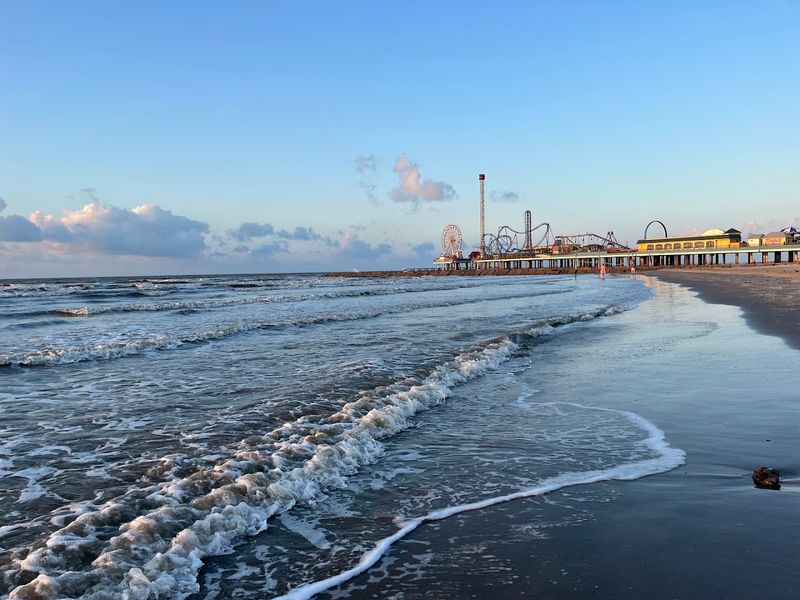
Galveston feels like a completely different world from mainland Texas. Victorian mansions line streets shaded by ancient oak trees, the Strand district buzzes with shops and restaurants, and the beach stretches for miles along the Gulf. Cruise ships dock regularly, Mardi Gras brings wild celebrations, and the island vibe makes visitors feel like they’ve taken a real vacation without leaving the state.
Weekend trips here are practically a Houston tradition.
Year-round island living reveals challenges that weekend visitors never see. Hurricane anxiety is constant and justified given the island’s history. The 1900 storm remains the deadliest natural disaster in U.S. history, and more recent hurricanes like Ike in 2008 caused billions in damage.
Every tropical system in the Gulf brings evacuation debates and genuine fear. Insurance costs reflect this risk, often running thousands per month for flood and wind coverage.
The beach water isn’t the crystal-clear blue you see in travel brochures. It’s brown or murky green most of the time, thanks to sediment from the Mississippi River and ship channel activity. Seaweed piles up on the shore, and tar balls occasionally wash up from offshore oil operations.
Locals get used to it, but it’s not the postcard beach experience people imagine when moving to an island.
Traffic becomes a nightmare during tourist season and any time there’s an event. The island has limited access points, so congestion on the causeway can trap you for hours. Running simple errands during spring break or summer weekends requires strategic planning and patience.
The population swells from 50,000 residents to several hundred thousand visitors, overwhelming restaurants, stores, and infrastructure.
Job opportunities lean heavily toward tourism and service industries, with wages often lower than mainland positions. The cost of living is higher than you’d expect, especially for housing, while salaries don’t match. Humidity ruins everything from clothes to furniture, and the salt air corrodes cars and buildings relentlessly.
Galveston is perfect for getaways, but living here full-time means accepting compromises most people don’t anticipate.
4. Jefferson
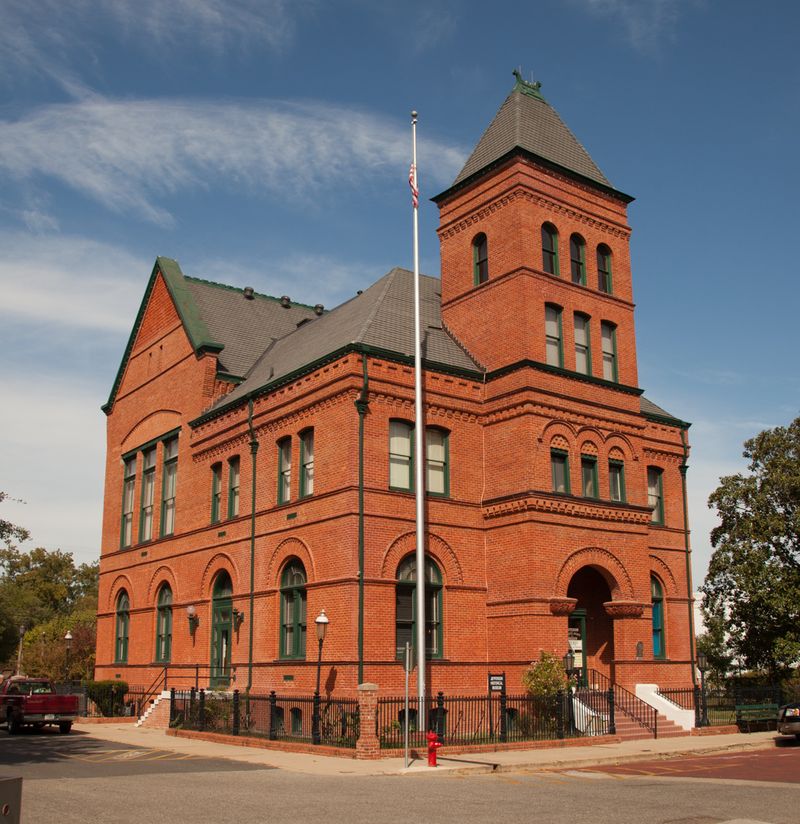
Step into Jefferson and you’ve traveled back to the 1800s. This tiny East Texas town preserves its steamboat-era architecture like a living museum. Antique shops fill historic buildings, bed-and-breakfasts operate in restored Victorian homes, and ghost tours capitalize on the town’s supposedly haunted reputation.
For history buffs and antique hunters, a weekend here feels like discovering a hidden treasure that modern times forgot.
Population barely breaks 2,000, which means employment options are almost nonexistent outside tourism. Most jobs involve running or working at antique stores, restaurants, or B&Bs. Professional careers simply don’t exist here, and remote work depends on internet service that can be frustratingly unreliable.
Young people leave for college and rarely return because there’s nothing to come back to career-wise.
The pace of life moves at a crawl that charms visitors but can feel stifling for residents. Entertainment options are minimal, and after you’ve visited every antique shop and historic site, there’s not much else to do. The nearest movie theater, shopping mall, or chain restaurants are 30-45 minutes away in Marshall or Longview.
Cultural events beyond heritage festivals are rare.
Schools serve a small student body with limited resources and extracurricular offerings. Sports programs exist but can’t compete with larger districts. Advanced placement courses and specialized programs that prepare students for competitive colleges are scarce.
Parents often worry about their children’s educational opportunities compared to what larger districts offer.
Healthcare requires traveling to nearby cities for anything beyond basic primary care. Specialists, advanced diagnostic equipment, and emergency services all mean leaving town. For older residents or those with chronic conditions, this creates real challenges.
The isolation that makes Jefferson charming for visitors becomes problematic when you need reliable access to modern services.
The historic preservation rules that keep Jefferson picturesque also restrict what homeowners can do with their properties. Renovations require approval, and maintaining old houses gets expensive. The small-town social dynamics mean gossip travels fast and privacy is limited.
Jefferson is wonderful for stepping back in time briefly, but modern life requires amenities this town simply doesn’t provide.
5. Port Aransas
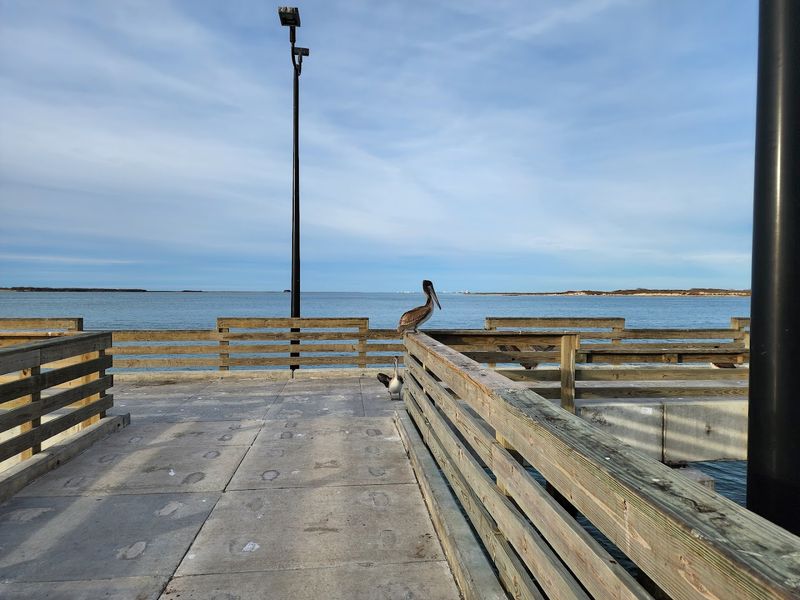
Few places capture the easygoing beach lifestyle quite like this Gulf Coast town. Golf carts zip around carrying people in flip-flops and swimsuits, fishing is a way of life, and the whole island operates on beach time. Spring breakers pack the shores, families return year after year for reunions, and the fishing tournaments draw serious anglers from across the state.
A long weekend here recharges your batteries like nothing else.
Hurricane Harvey absolutely devastated Port Aransas in 2017, and the recovery continues years later. Some businesses never reopened, and the storm’s psychological impact lingers for residents who lived through it. Every hurricane season brings back traumatic memories and genuine fear.
Mandatory evacuations disrupt life regularly, and the question isn’t if another major storm will hit, but when. Living with that constant threat wears on people.
The cost of living has skyrocketed as investors bought up damaged properties and turned them into vacation rentals. Long-term housing for workers and families has become scarce and expensive. Many service industry employees commute from Corpus Christi because they can’t afford to live where they work.
The community feel has eroded as vacation rentals replace year-round residents.
Employment revolves almost entirely around tourism, which means seasonal work and income fluctuations. Winter months see businesses cut hours or close entirely, leaving workers scrambling. Benefits and stable full-time positions are rare.
The job market offers little beyond service industry work, fishing industry positions, or starting your own tourism-related business.
Island fever is real when you’re living on a barrier island accessible only by ferry or one causeway. Traffic backups on the ferry during peak times can mean waits of several hours. Getting to Corpus Christi for shopping, medical appointments, or entertainment requires planning around traffic and ferry schedules.
What feels adventurous during vacation becomes tedious when it’s your daily commute.
Schools are small with limited programs, and families often worry about educational quality. The salt air destroys everything from cars to appliances, requiring constant maintenance and replacement. Freshwater is limited, and conservation measures during droughts affect daily life.
Port Aransas is paradise for a beach weekend, but the realities of island living challenge even the most dedicated beach lovers.
6. Granbury
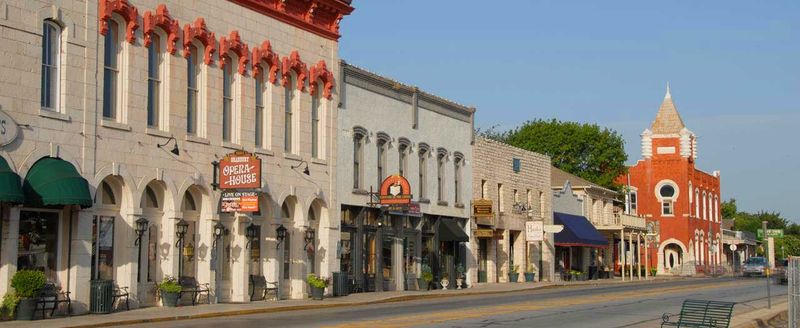
Granbury’s town square looks like it belongs in a movie about perfect small-town America. The historic courthouse anchors a plaza surrounded by shops, restaurants, and the oldest continuously operating theater in Texas. Lake Granbury provides water recreation, wineries dot the surrounding countryside, and the whole area radiates Hill Country charm.
Weekenders from Dallas and Fort Worth flock here to escape city stress and pretend they’ve traveled much farther than 90 minutes.
The problem is that half of Dallas-Fort Worth had the same retirement plan. Granbury has exploded with retirees and commuters, transforming it from a quiet lakeside town into a congested suburb. Traffic on Highway 377 has become a daily nightmare, with constant construction struggling to keep up with growth.
The charming downtown gets overwhelmed on weekends, and finding parking requires circling blocks repeatedly.
Housing prices have surged as demand outpaced supply. What used to be an affordable alternative to DFW has become expensive, with lakefront properties commanding premium prices. Property taxes have climbed steadily as the area develops, and long-time residents complain about being priced out of the community they’ve called home for decades.
The rapid growth has strained infrastructure and changed the town’s character.
For working-age adults, the job market is limited unless you commute to Fort Worth. Most local employment centers on retail, restaurants, healthcare, or education. Professional positions are scarce, and many residents face 60-90 minute commutes each way.
The trade-off between small-town living and career opportunities becomes exhausting over time.
Schools have grown crowded with the population boom, and class sizes have increased. The district struggles to build facilities fast enough to accommodate growth. What attracted families seeking smaller schools has evolved into a rapidly expanding district with growing pains.
Extracurricular programs and resources haven’t scaled at the same rate as enrollment.
The lake brings recreational opportunities but also problems like algae blooms and water quality concerns during hot, dry summers. Summer weekends see the lake packed with boats, jet skis, and crowds that destroy the peaceful atmosphere. Granbury offers a wonderful escape from urban life, but living here full-time means dealing with the consequences of everyone else having the same idea.
7. South Padre Island
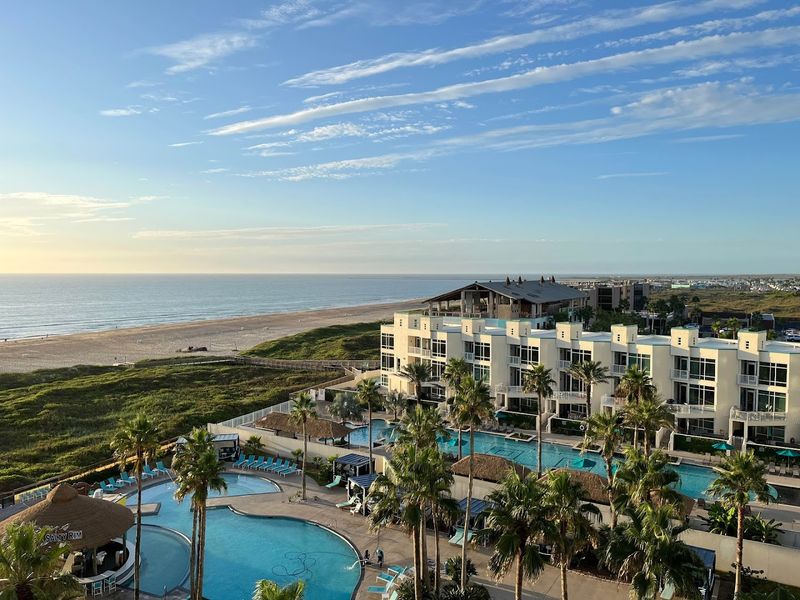
Along the southern coast, this destination stands out as Texas’s ultimate beach getaway. The sand is white, the water shifts between emerald and turquoise, and the party atmosphere during spring break is legendary. Families love the calmer stretches of beach, fishing enthusiasts chase trophy catches, and the island offers enough activities to fill any vacation itinerary.
When Texans dream of beach life, this island usually stars in those fantasies.
Reality check: this is one of the most expensive places to live in Texas. The limited land on a barrier island means housing costs rival major cities, but without the job market to support those prices. Rent for a modest apartment can easily exceed what you’d pay in Houston or San Antonio.
Buying property requires substantial wealth, and property taxes reflect the premium location.
The economy runs on tourism, which creates a feast-or-famine cycle. Summer and spring break bring crowds and work, but winter sees businesses close and employment dry up. Most jobs pay service industry wages while living costs remain high year-round.
Unless you own a successful business or work remotely with a strong income, making ends meet is genuinely difficult.
Hurricane risk looms constantly over this low-lying barrier island. Evacuation orders come regularly, and the island’s vulnerability to storm surge makes major hurricanes existential threats. Insurance costs reflect this risk, often running hundreds per month just for wind and flood coverage.
Some properties can’t get insurance at any price. Living with this constant threat requires a special kind of acceptance many people can’t maintain.
Spring break transforms the island into something unrecognizable for weeks. The population explodes, rowdy college students pack the beaches and bars, and the noise and chaos are inescapable. For residents, it’s a period to endure rather than enjoy.
Even outside spring break, summer weekends bring crowds that overwhelm the island’s infrastructure and make simple errands frustrating.
Getting off the island requires driving across the causeway, and any shopping beyond basics means heading to Brownsville or even Harlingen. Medical care is limited, with serious conditions requiring transport to the mainland. Schools serve a small population with limited programs.
The isolation that makes South Padre feel like a vacation paradise becomes restrictive when it’s your permanent address. It’s perfect for escaping reality, but living reality here is much harder.
8. New Braunfels
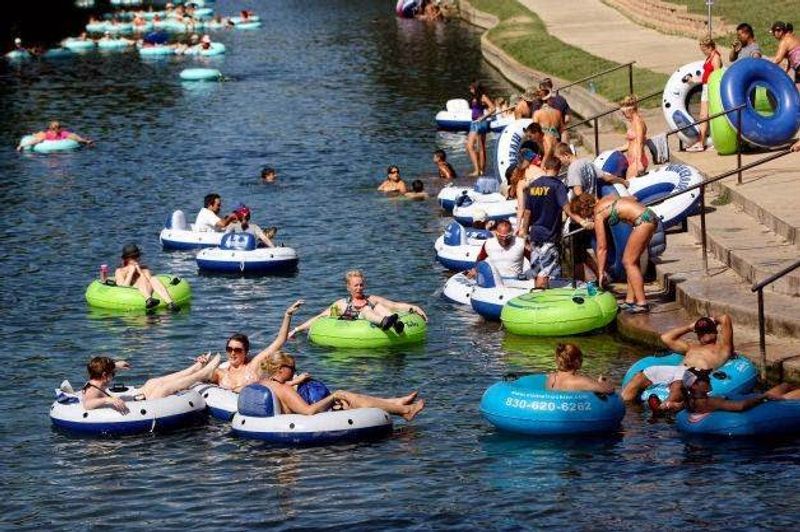
New Braunfels has become the summer playground for all of Central Texas. The Comal and Guadalupe Rivers provide endless tubing, Schlitterbahn water park draws massive crowds, and the German heritage adds unique character to the Hill Country setting. Gruene Historic District offers live music and shopping, while the whole area radiates fun, relaxed vibes.
San Antonio and Austin residents escape here regularly, making it one of the most popular weekend destinations in the state.
That popularity has completely transformed New Braunfels from a charming small town into a congested, overdeveloped area struggling with growing pains. Traffic on I-35 through town is notoriously terrible, often grinding to a standstill during peak times. Local roads can’t handle the volume of residents plus tourists, creating daily frustration for anyone trying to get anywhere.
What used to take 10 minutes now requires 30, and it’s only getting worse.
Housing prices have exploded as Austin and San Antonio sprawl has reached New Braunfels. The affordability that once attracted people has evaporated, with home prices and rents climbing to levels that strain middle-class budgets. Property taxes have increased substantially, and the cost of living no longer reflects a small town but rather an expensive suburb.
Summer weekends bring absolute chaos to the rivers and downtown areas. Tube chutes see hours-long waits, parking becomes impossible, and the crowds destroy any sense of peaceful small-town life. Locals avoid the river areas entirely during peak season, which means surrendering the main attraction of living here.
The tourist influx strains water resources, creates traffic nightmares, and leaves trash and noise in its wake.
The rapid growth has strained schools, with new campuses constantly under construction trying to keep pace with enrollment. Class sizes have grown, and the district faces challenges maintaining quality while expanding quickly. Infrastructure projects create constant construction zones, and the town’s character has shifted from quaint German village to sprawling suburb.
Water restrictions during droughts affect the rivers that define New Braunfels, sometimes limiting tubing and recreational activities. The aquifer that feeds the springs faces pressure from overdevelopment and increased demand. New Braunfels is fantastic for river fun and weekend escapes, but living here full-time means dealing with overcrowding, traffic, rising costs, and a community losing its small-town identity.
9. Grapevine

Known as the Christmas Capital of Texas, this city truly comes alive during the holidays with an impressive transformation. Historic Main Street fills with lights, parades, and festive events that draw visitors from across the region. Add in Grapevine Mills mall, the convention center, numerous hotels, and proximity to DFW Airport, and you’ve got a tourism powerhouse.
Wine tasting rooms, Lake Grapevine, and family-friendly attractions make it a popular staycation destination for North Texans.
Living here means accepting that you’re essentially in a tourist district. Traffic is relentless year-round, not just during holidays. Highway 114 and 121 create daily commute nightmares, and local streets stay busy with visitors navigating to attractions.
The airport’s flight paths mean constant airplane noise, with jets roaring overhead every few minutes. The sound becomes background noise eventually, but it never truly goes away.
The cost of living reflects Grapevine’s desirable location and strong tourism economy. Housing prices are high, whether renting or buying, and property taxes follow DFW’s expensive trend. Everything from groceries to services costs more than surrounding areas, partly because the city caters to tourists willing to pay premium prices.
Your dollar doesn’t stretch as far here as in nearby suburbs.
Hotel developments and short-term rentals have changed neighborhood dynamics. Some residential areas feel more like hotel districts, with constant turnover of temporary residents and associated noise. The community feel that small-town marketing suggests doesn’t always match reality when you’re surrounded by vacation properties and tourist-focused businesses.
Schools are part of Grapevine-Colleyville ISD, which is well-regarded but has faced controversies and rapid growth challenges. Competition for resources and attention is fierce in this affluent district. The pressure on students reflects the area’s high-achieving, competitive culture, which isn’t the right fit for every family.
Main Street and tourist areas get old quickly when you live here. What seems charming during visits becomes the backdrop you ignore while dealing with crowds blocking sidewalks and parking lots. Restaurants and shops cater to tourists, often with tourist-level prices and service.
Finding authentic local spots requires venturing away from the attractions. Grapevine excels at creating memorable visits, but daily life here means navigating the tourism infrastructure that makes those visits possible, which loses its appeal when it’s your everyday reality.