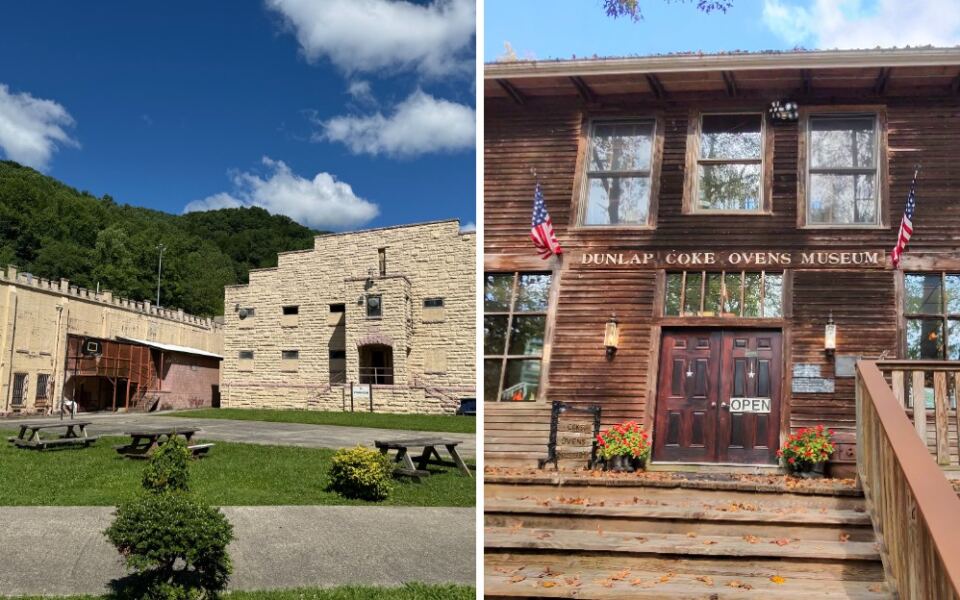
A prison in the Tennessee hills once held its toughest inmates in a punishment cell nicknamed “the hole.” Today, you can walk right up to it on a weekend tour.
That old prison is only one stop on this list. Another site hides stone walls on a hilltop with a skyline view, and the story of who built them is heavy.
I love places like these because they don’t hand you easy answers. They make you stand still, read the signs, and think about what really happened there.
Some of these ruins are crumbling. Some are covered in moss. Each one tells a chapter of history that textbooks often rush past.
Ready to see which six made the list?
1. Historic Brushy Mountain State Penitentiary
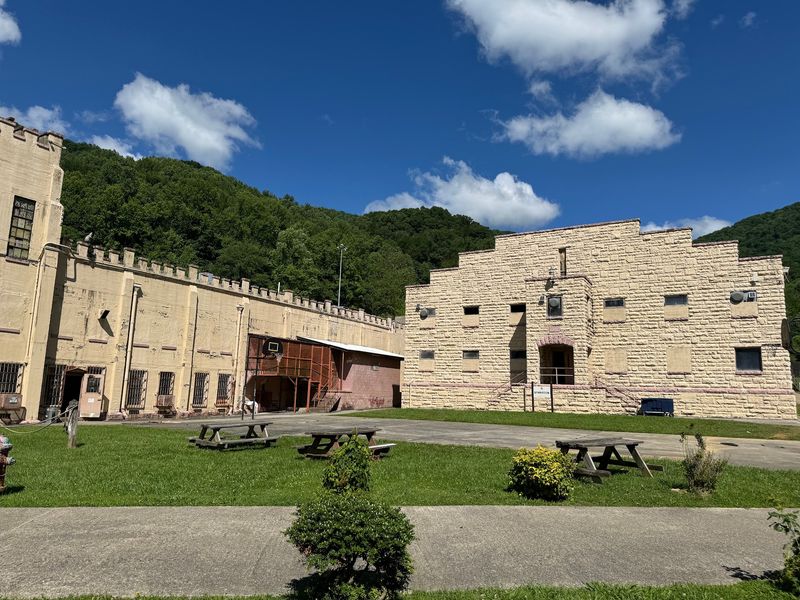
Most prisons want you out as fast as possible, but this one now opens its gates for curious visitors. The catch is that visiting days change with the season, so checking the schedule before your trip is a smart move.
Historic Brushy Mountain State Penitentiary sits in the small town of Petros, surrounded by the rugged hills of East Tennessee. The stone building looks like a fortress, and its history is just as heavy as its walls.
This place served as a maximum-security prison for many years. Today, it’s a self-guided tour that lets you wander through the halls at your own pace.
One of the most talked-about stops is “the hole.” That was the punishment cell where inmates were sent when they broke the rules. Standing near it is enough to make your shoulders tense up a little.
You’ll also find a museum packed with stories about the people who lived and worked here. Plan on spending around an hour and a half reading and exploring if you like to soak up details.
Ghost hunters, take note. The tours lean into the paranormal side, and many areas of the prison are known for spooky reputations.
Don’t worry about getting hungry halfway through your visit. There’s a barbecue restaurant right on site, so you can refuel after a long walk through cell blocks.
A gift shop rounds out the stop. It’s a good spot to grab a souvenir that says you survived a trip to the big house.
Timing matters here because the prison opens daily in summer, Thursday through Sunday in spring and fall, and weekends only in November. In November, weekend tours start at 10:30 AM, with the last entry at 4 PM and the prison closing at 5:30 PM.
Saturday evenings tend to be the busiest stretch. If you’d rather explore with fewer people around, Sunday morning is usually calmer.
Wear comfortable shoes and bring your sense of adventure. You’ll leave with a better idea of what life behind these walls was really like, and maybe a chill or two.
Address: 9182 TN-116, Petros, TN 37845
2. Fort Negley Visitors Center
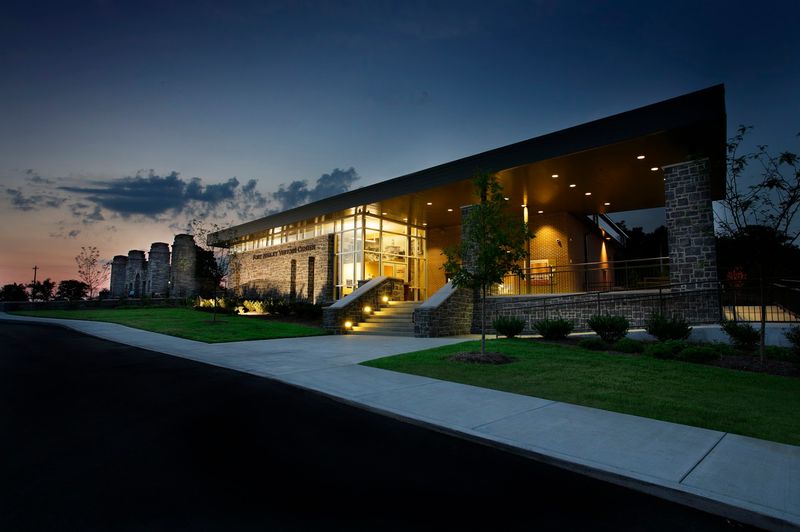
Nashville’s best skyline view doesn’t come from a rooftop. It comes from the stone walls of a Civil War fort on a hill just south of downtown.
Fort Negley Visitors Center sits at the edge of a park that preserves the ruins of this wartime fortification. The view is stunning, but the backstory is what keeps you thinking long after you leave.
The fort was built during the Union occupation of Nashville. Much of the labor came from Black workers who were forced into service under brutal conditions.
That history makes this more than a pretty lookout point. It’s a place to remember the people whose hard work shaped the city, often without their choice.
Start inside the visitor center if you can. The small museum offers an informative film and exhibits that explain how the fort came to be.
Once you’re filled in, head outside to the walking trail. The open walking trail stretches about half a mile around the fort, though access to the historic structure itself is currently restricted during construction.
Interpretive signs pop up along the path. They help you picture how soldiers and workers used the space during the war.
Then comes the payoff. The park offers sweeping views of Nashville, though access to the fort at the top is temporarily closed during construction.
Families will find this an easy outing, since the site works well for kids. The trail isn’t long, and there’s plenty to look at along the way.
Check the schedule before you go, because the visitor center keeps limited hours. It’s open Tuesday through Friday from noon to 4 PM, plus Saturday from 9 AM to 4 PM.
Bring a camera and a little patience for the reading. You’ll walk away with great photos and a deeper understanding of how Tennessee’s capital city grew.
Address: 1100 Fort Negley Blvd, Nashville, TN 37203
3. Fort Pillow State Historic Park
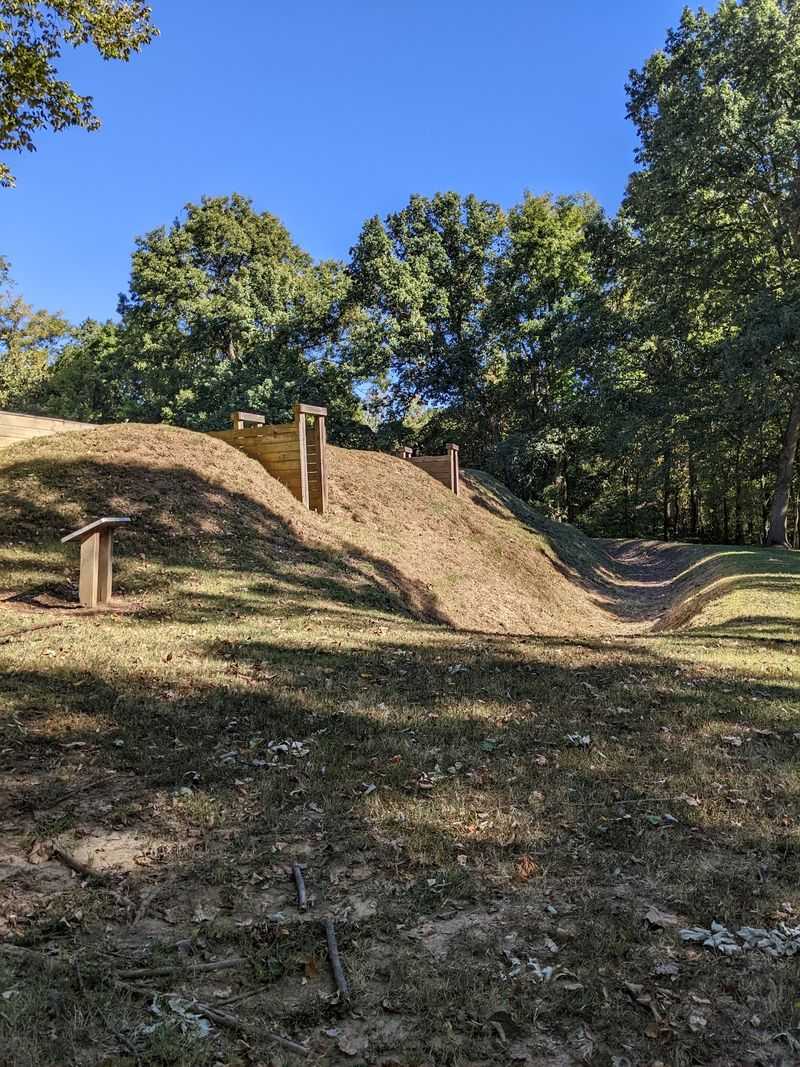
Quiet trails and birdsong make it easy to forget that one of the Civil War’s most troubling events happened here. Then you reach the earthworks, and the weight of the place settles over you.
Fort Pillow State Historic Park rests on the bluffs near the Mississippi River in West Tennessee. It’s a scenic spot with a story that history buffs shouldn’t skip.
In 1864, the fort became the site of the notorious Fort Pillow Massacre. Confederate forces attacked the Union garrison and killed numerous soldiers, particularly Black troops, including men who had surrendered. The massacre remains one of the Civil War’s darkest chapters.
The park handles that history with care. Its museum holds Civil War artifacts and displays that explain what happened and why it still matters.
A visitor center offers a movie about Fort Pillow too. It’s a smart first stop, especially if you want context before hitting the trails.
Out on the grounds, you can explore preserved earthwork fortifications and a restored fort. Walking among them helps the history feel real instead of distant.
Trails wind through the park, and a map helps you plan your route. Some hikes are easy enough for younger kids to handle.
Got a four-legged friend? Dogs are allowed, so your pup can tag along on the walking paths.
Need a break? Picnic tables and barbecue grills make it simple to stay for lunch. There’s also a playground with slides and swings, plus a basketball court for anyone with energy to burn.
Camping is available as well, if one day isn’t enough. The park generally opens at 8 AM, closing at 5 PM in winter and 7 PM in summer, while the museum keeps shorter hours.
Come for the nature, stay for the lessons. Few places in the state mix peaceful scenery and serious history quite like this one.
Address: 3122 Park Rd, Henning, TN 38041
4. Coke Oven Museum
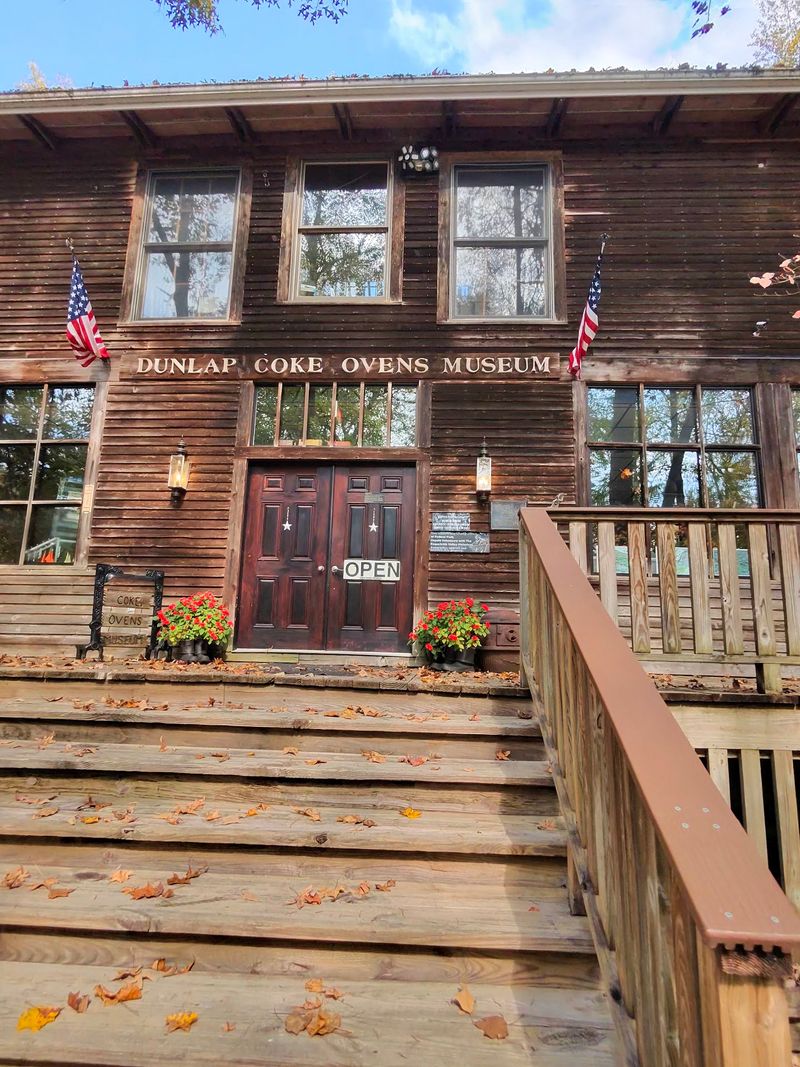
Moss-covered stone arches might look like something from a fairy tale. In Dunlap, though, they’re the leftovers of a tough industrial past.
The Coke Oven Museum sits in the Sequatchie Valley and tells the story of the region’s coal mining and coke production. Coke, in this case, is a fuel made by baking coal, not a soda.
These ovens were busy during the early 20th century, with the first ones built in 1902 and the complex operating until 1927. The work was hard and dirty, and the industry was marked by harsh labor strikes.
Tennessee’s mining history has an even darker chapter, too. Before these ovens were built, the state’s convict-lease system forced prisoners to work in mines elsewhere, fueling bitter labor conflicts.
Inside the museum, you’ll find a wealth of information about the ovens and the coal mines. It’s a great place to learn how ordinary people powered a booming industry.
Step outside, and the ruins take center stage. Rows of oven remnants line the grounds, many softened by green moss.
The walking trails are easy, so you don’t need to be a hiker to enjoy them. Kids can handle the paths and usually love spotting the old stone openings.
Friendly volunteers keep the museum running on weekends. They also lead tours of the ovens and grounds, which makes the history easier to picture.
Every so often, the site hosts live music. It’s a fun twist that brings fresh energy to such an old place.
On-site parking makes the visit simple, though restrooms are generally available only when the museum is open or a pavilion has been reserved. There’s no restaurant, so pack snacks if you plan to linger.
Since the museum relies on volunteers, call ahead before you drive out. A little planning means you won’t miss the chance to wander among these mossy giants and the stories they still hold.
Address: 350 Mountain View Rd, Dunlap, TN 37327
5. Fort Donelson National Battlefield – Dover, TN
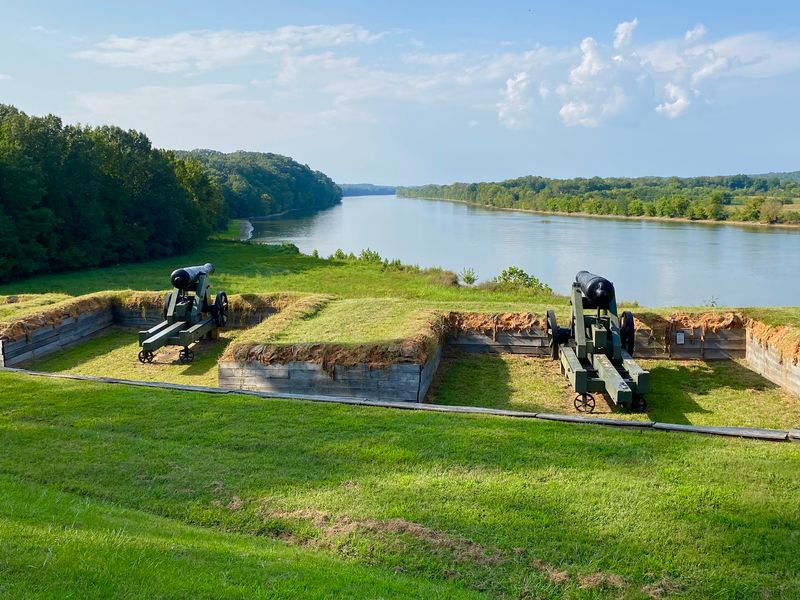
Cannons once thundered across the Cumberland River here, and the fighting changed the course of the Civil War. Today, the wooded hills are quiet, but the old fortifications still tell a powerful story.
Fort Donelson National Battlefield sits near Dover in Stewart County. In February 1862, Union and Confederate forces fought a fierce battle that ended with a major Union victory.
The fighting was brutal. Confederate artillery fired on Union gunboats from the river bluffs, while soldiers battled through freezing conditions on land.
Then came the moment that made history. On February 16, Confederate General Simon Bolivar Buckner surrendered to Union General Ulysses S. Grant, who had demanded unconditional surrender.
You can still explore the preserved earthworks and river batteries. Standing near those old defenses while looking toward the Cumberland River gives you a different perspective on the battle.
The historic Dover Hotel, also called the Surrender House, adds another stop. This is where Grant and Buckner met to work out the surrender details.
There’s also a national cemetery where soldiers from several American wars are buried. It’s a quiet place that deserves a respectful visit.
Start at the visitor center for information before exploring the grounds. The battlefield opens daily at 8 AM, but closing times change with the seasons, ranging from 4:30 PM in winter to 8 PM in summer.
Bring comfortable shoes and give yourself time to read the historical markers. Some places deserve more than a quick photograph.
This is certainly one of them.
Address: 120 Fort Donelson Park Rd, Dover, TN 37058
6. Fort Granger – Franklin, TN
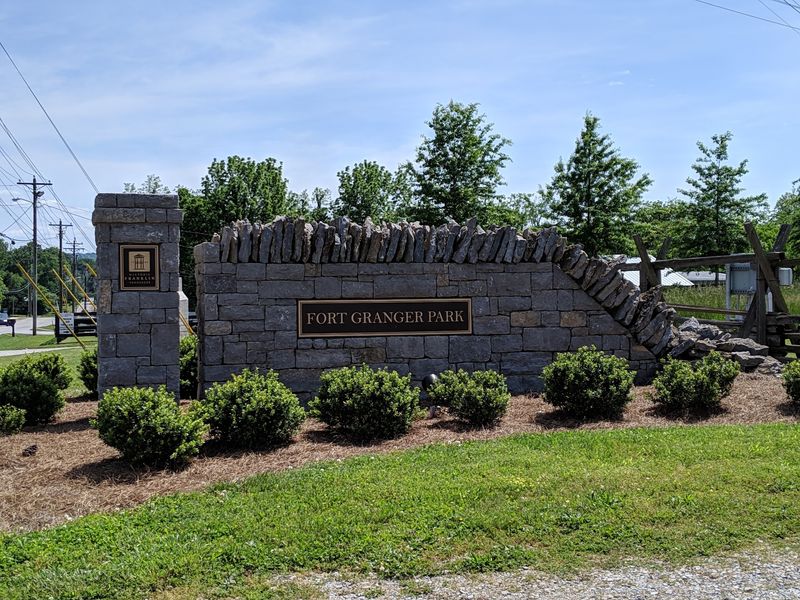
At first glance, the grassy trenches on this Franklin hillside might not look like much. Then you realize they once protected Union soldiers during one of Tennessee’s bloodiest Civil War battles.
Fort Granger sits above the Harpeth River, just a short distance from downtown Franklin. The remaining earthworks are reminders of a military fort built by Union troops in 1863.
Unlike the stone forts you might picture, this one was built largely from earth. Soldiers dug trenches and raised defensive walls to protect the position overlooking the town.
Its most important chapter came on November 30, 1864, during the Battle of Franklin. Union General John Schofield used the fort as a command post while artillery fired toward advancing Confederate troops.
That history gives the quiet hillside a different feeling today. You’re walking across ground that once witnessed an intense struggle.
The best way to experience the site is on foot. A trail leads uphill from Pinkerton Park, where you’ll find a pleasant place to begin your visit.
Along the way, the old trenches and raised earthworks become easier to recognize. Interpretive signs help explain what you’re seeing.
The overlook is another reward. From the hillside, you get sweeping views of Franklin and the surrounding landscape.
The park is open daily from dawn to dusk, making it an easy addition to a day exploring Franklin’s Civil War history.
Wear comfortable shoes and stick to the marked paths. These surviving earthworks have lasted more than 160 years, and they’re worth protecting.
Sometimes the most powerful ruins aren’t crumbling buildings. They’re the quiet marks left behind in the earth.
Address: 105 Fort Granger Dr, Franklin, TN 37064
Share this story