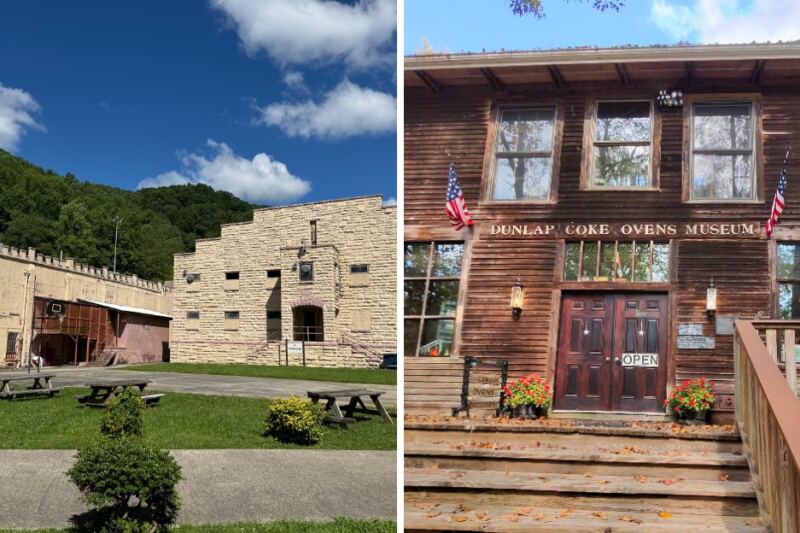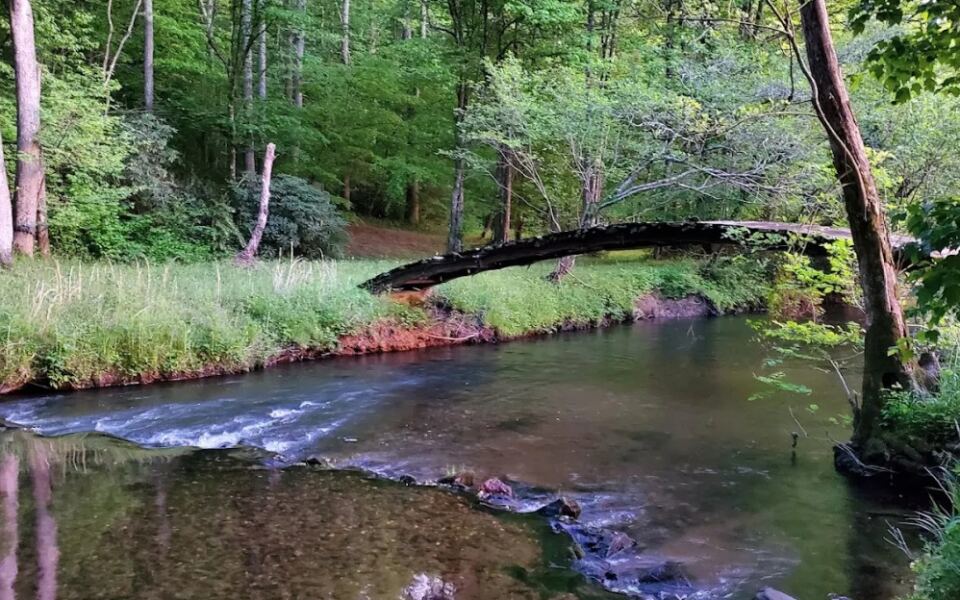
What if your next Tennessee adventure came with a chance to discover real gold? Hidden among the misty mountains, winding creeks, and peaceful forests of the Volunteer State lies a glittering secret that most travelers never think to look for. Long before the California Gold Rush made headlines, determined prospectors were already searching Tennessee’s streams for precious golden treasures.
And here’s the exciting part: you can still follow in their footsteps today!
Imagine standing knee-deep in a crystal-clear mountain creek, gently swirling a pan of gravel, when suddenly a tiny golden flake catches the sunlight. That little sparkle could turn an ordinary afternoon into a memory you’ll never forget.
From the historic goldfields of Coker Creek to the secluded waterways of Cherokee National Forest, Tennessee offers some surprisingly rewarding places to try your luck. Whether you’re a first-time treasure hunter, a curious history lover, or a family searching for an unforgettable outdoor experience, there’s a gold-panning adventure waiting for you.
You don’t need expensive equipment or years of experience to get started. Just bring a little patience, a sense of adventure, and an eye for sparkle.
Ready to strike gold? Here are five of Tennessee’s best places to start digging into history!
1. Coker Creek Gold Camp
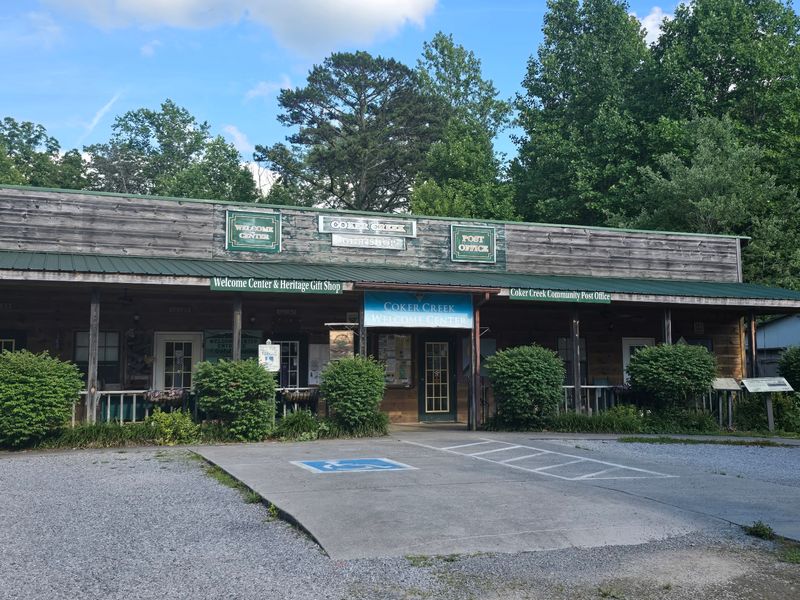
Picture a sleepy mountain community where people once traded in gold dust instead of dollars. That is Coker Creek, and it sits at the heart of Tennessee’s old gold-mining district. A gold camp here is a friendly place to learn the ropes.
Local tourism folks point beginners toward the camp for recreational panning. That tells you something. It is set up for regular people who just want to try something new on a weekend.
You will not need to know anything fancy before you arrive.
Here is the smart move: call the operator before you drive out. Hours and availability can change with the season, the weather, or the creek level. A quick phone call saves you a long drive and a lot of grumbling in the car.
Once you get there, spend a few minutes watching how the water moves. Gold is heavy, so it sinks and settles where the current slows down. Look for spots behind big rocks, along the inside bends of the creek, and in small gaps in the bedrock.
Those are the places a tiny flake likes to hide.
Panning itself is simple, but it takes a little rhythm. Scoop some gravel and water into your pan, then shake it gently side to side. Let the lighter stuff wash over the edge while the heavy material stays behind.
Go slowly. Rushing is how beginners wash their finds right back into the creek.
Bring a small bottle or vial for your flakes. Even a few specks feel like a big win when they glint at the bottom of the pan. Pack a change of socks too, because cold creek water finds its way into everything.
Wear boots with good grip, bring a hat, and carry snacks and water. Kids and first timers usually do best with a patient pace and a sense of humor. Expect mostly tiny flecks, not nuggets, and enjoy the quiet creek sounds while you work.
The hunt is half the fun, and the stories you bring home are worth their weight in gold.
2. Lyons Creek in Cherokee National Forest
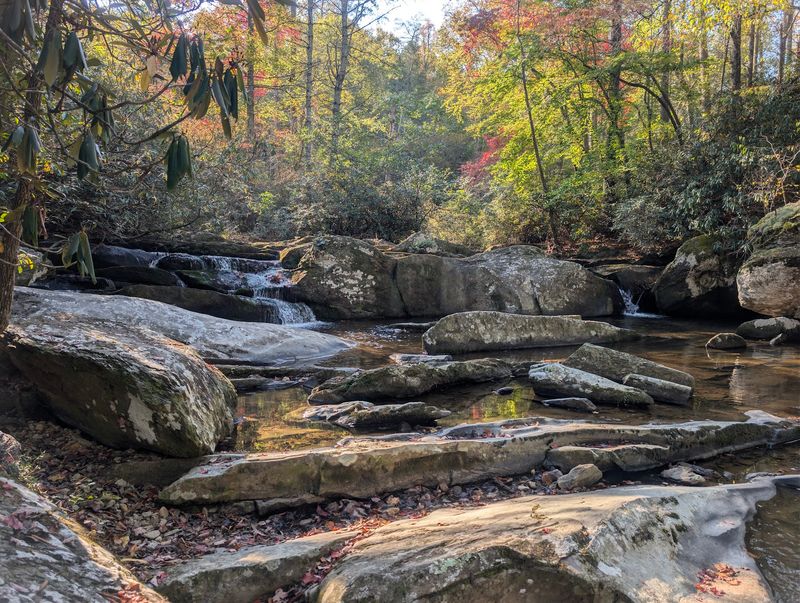
Some creeks come with official permission, and Lyons Creek is one of them. The U.S. Forest Service has named it as a stream for Class 1 recreational hand panning.
That means you can work the water with a pan and a clear conscience.
Public land is a big draw for prospectors who hate guessing about the rules. Instead of wondering whether you are welcome, you can read the posted guidance and get started. It is a calm, wooded setting with plenty of elbow room.
Hand panning means just that: your pan, your hands, and maybe a small scoop. Heavy machines, dredges, and digging into banks do not fit the spirit of this kind of recreation. Check with the forest office for the latest guidance before you go, since rules and closures can shift.
Now for the fun part. Walk the creek a little before you settle on a spot. Notice where the water slows, where gravel piles up, and where cracks in the rock trap small stones.
Those quiet pockets are your best bets.
Fill your pan about halfway and dunk it under the surface. Break up any clumps with your fingers and pick out the big rocks. Then tilt and swirl until only dark sand remains.
A few golden specks might wink back at you.
Bring a small snap-top bottle, a pair of tweezers, and a little magnifier if you have one. Gold flakes can be so tiny that you will want a closer look. Pack out all your trash, and leave the creek looking better than you found it.
Dress in layers because the forest stays cool and shady, even on warm days. Slippery rocks are common, so take your time crossing the water. A walking stick helps more than you might guess.
3. Wildcat Creek in Cherokee National Forest
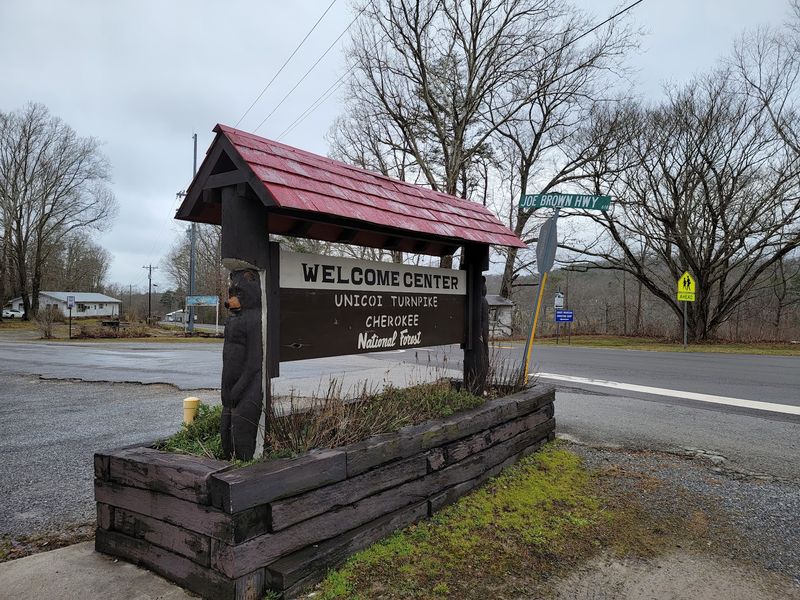
If a crowded attraction is not your style, Wildcat Creek might be your kind of place. It is another stream the Forest Service has designated for Class 1 hand panning. There are no gift shops or ticket booths here, just water, stones, and trees.
That wild feel is the whole point. You get a natural creek setting where the only soundtrack is trickling water and the odd bird. It suits people who like to wander, think, and poke around at their own speed.
Because it is a natural spot, you will want to be a little more self-reliant. Bring your own pan, a small scoop, a vial, and plenty of drinking water. Cell service can be spotty in the hills, so tell someone where you are headed.
Before you go, check with the forest service for current rules and any posted notices. Boundaries and conditions can change, and it is your job to stay within them. Following the guidelines helps keep these creeks open for everyone.
When you reach the water, start by reading the creek like a map. Gold tends to drop out where the flow loses energy, so scan for gravel bars and the downstream sides of big boulders. Test a few pans in different places rather than staying in one spot for hours.
Try this trick: scoop the material from a crack or crevice in the bedrock, where heavy bits get trapped. Pan it carefully and see what you find. Patience pays off, and so does a steady, gentle shake.
Do not expect to get rich. Plenty of visitors leave with a few tiny flakes and a big grin. The reward is the quiet afternoon, the cool water on your hands, and the thrill of a tiny sparkle that nobody else noticed.
Wear waterproof boots and keep a towel in the car.
4. Hammer’s Hideaway Campground in Tellico Plains
Forget hauling a pile of gear; sometimes the easiest path is a campground that hands you the basics. Hammer’s Hideaway Campground in Tellico Plains advertises day-use gold panning, along with equipment kits you can buy. That makes it a handy stop for families and curious first timers.
Because it is private, the rules come from the owners. Their published guidelines prohibit dredging and digging holes in creek banks. That keeps the water clean and the banks in good shape, which is a fair deal for everyone who visits.
Before you load the car, confirm current prices and availability directly with the campground. Day-use options and kit offerings can change, and you do not want to arrive to a surprise. A short call or message clears things up fast.
If you grab a kit, take a minute to read through whatever comes with it. Most beginners rush straight to the water and miss simple tips that make panning easier. Learn how to hold the pan, how to tilt it, and how to let the water do the heavy lifting.
Kids tend to love this kind of outing because it feels like a real treasure hunt. Give them their own pan and a small jar for anything shiny. Turn it into a friendly contest to see who spots the first flake.
The campground setting adds extra comfort. You may find picnic spots, shade, and places to take a breather between pans. Pack sunscreen, bug spray, and a cooler with snacks, because gold hunting builds a surprising appetite.
Tellico Plains is also close to scenic drives and mountain views, so you can stretch the day beyond the creek. Start with a morning of panning, then explore nearby. It is an easygoing way to blend a little adventure with a lot of relaxation.
5. Coker Creek GPAA Prospecting Property
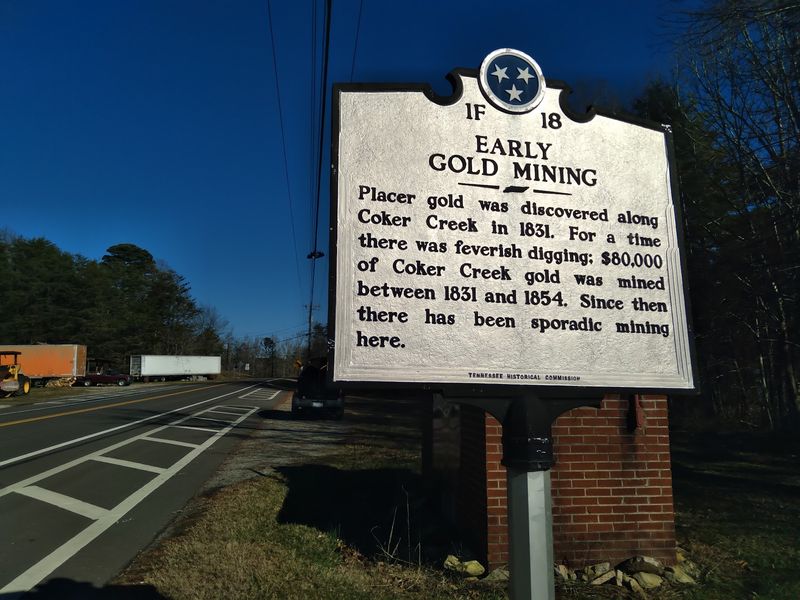
Serious hobbyists often find their people through clubs, and the Gold Prospectors Association of America is one of the best known. Its Coker Creek property in Monroe County offers a more organized way to chase gold. It feels less like a drop-in attraction and more like joining a team.
Access is the key detail. It depends on membership, guest privileges, and whatever the current property rules say. Do not just show up and wade in; reach out first and learn how to get permission.
Once you know the rules, verify the designated boundaries before you pan. Property lines matter, and wandering past them can cause real trouble. Ask for a map or a clear description, and look for markers on the ground.
One perk of an organized site is the community. Fellow prospectors love to talk shop, share small tips, and show you their favorite techniques. A five-minute chat can teach you more than an hour of trial and error.
Bring your own gear, or ask what is allowed. Pans, classifiers, and small scoops are common choices, though the property rules decide what is okay. Stick to the guidelines and you will fit right in.
Treat the creek with care. Fill in any small disturbances, carry out your trash, and respect other members working nearby. Good manners keep a place like this open for years.
History buffs will enjoy the setting, too. This area was once buzzing with miners in the 1800s, and the hills still hold that old story. As you work your pan, you are repeating a ritual that locals have followed for generations.
Plan ahead, pack water and lunch, and wear sturdy boots. Stay curious and keep a notebook of what works. A great day here is one part science, one part luck, and one part good company.
Share this story