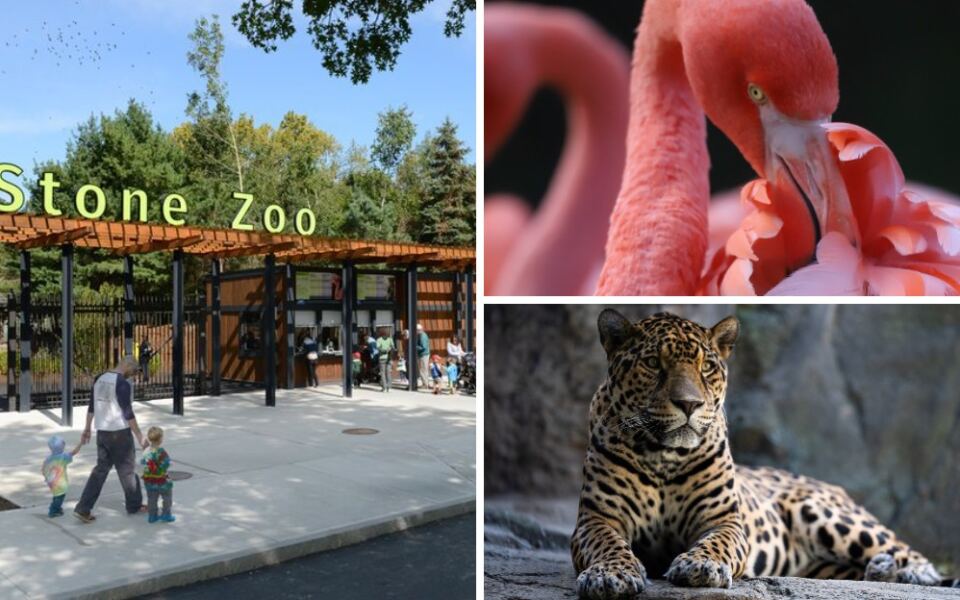
Snow leopards, jaguars, and reindeer all live at one compact zoo just north of Boston. That combination alone made me wonder how they all ended up in the same place.
The zoo covers only about 26 acres, so there is not much empty space between one stop and the next. You can move from big cats to bears, wolves, and a Canada lynx without turning the visit into an all-day hike.
What I like is how unpredictable the animal lineup feels. Flamingos and sloths share the grounds with species that look much more at home in a New England winter, which makes every turn feel a little different.
For families, that smaller size sounds like a real advantage. You can see a surprising amount of wildlife without wearing everyone out, and still have enough energy left to argue over which animal was the favorite on the ride home.
A Snow Leopard Might Be Napping Closer Than You Think

Few big cats look as dreamy as a snow leopard with its thick, smoky coat. Stone Zoo keeps these mountain cats from Central Asia, and they rank among its most talked-about residents.
Snow leopards love high perches and quiet corners. That means spotting one can feel like a fun game of hide-and-seek.
Patience pays off here. Scan the rocks and ledges slowly, since that spotted fur blends in really well.
Snow leopards come from cold, rocky mountains far from New England. Their long, fluffy tails help with balance and even work like a scarf on chilly nights.
The zoo runs animal chats and keeper talks during the day. Those talks are a great chance to learn how keepers care for cats built for snowy peaks.
Check the daily schedule when you arrive. Plan your route so you reach the big cat area at a good time.
Bring a camera with a decent zoom. Even a sleepy snow leopard makes an amazing photo.
Kids especially enjoy guessing where the cat is hiding. Turning the search into a contest keeps everyone looking a little longer.
Jaguars And Cougars Bring Serious Cat Energy
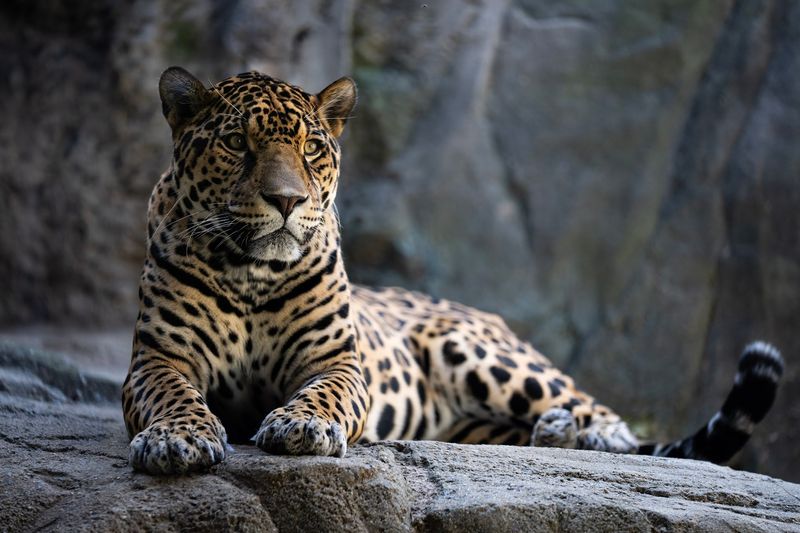
Spots, muscle, and a stare that could stop traffic. The jaguar at Stone Zoo shows why this cat rules the forests of the Americas.
Jaguars have one of the strongest bites of any big cat. They also swim well, which surprises plenty of people who think all cats avoid water.
Nearby, the cougar offers a totally different look. Its plain tan coat helps it disappear in mountains, deserts, and forests across the Western Hemisphere.
Comparing the two cats side by side is a fun mini science lesson. One is stocky and spotted, while the other is sleek and built for long leaps.
Cougars go by many names, including mountain lion, puma, and panther. Ask your kids how many names they can remember by the end of the day.
Big cats often rest during warm hours. Morning or later afternoon visits may give you a better shot at seeing them move.
Give each exhibit a few extra minutes before moving on. A sleepy cat can stand up and stretch the moment you turn away, which is classic cat behavior.
Pink Flamingos Steal The Show Without Even Trying
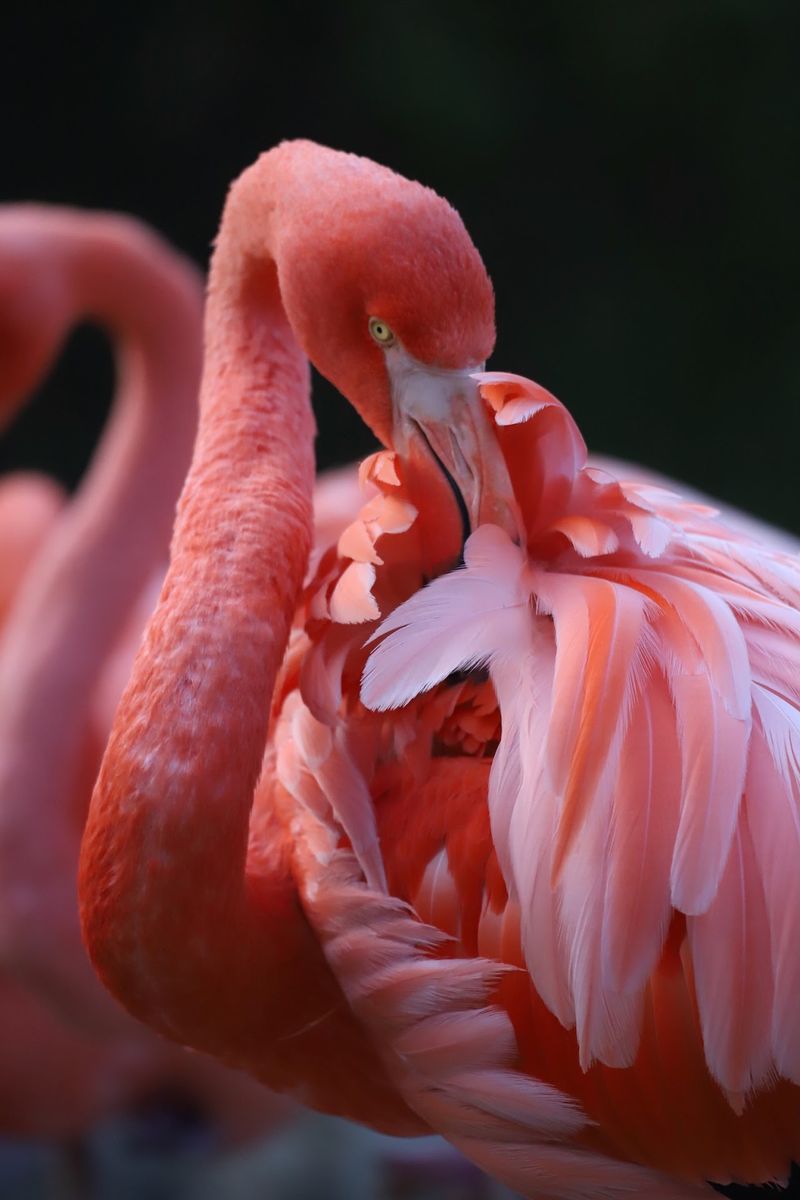
Bright pink and balanced on one leg, flamingos might be the easiest animals at Stone Zoo to love. They’re also among the most mentioned favorites at the zoo.
That famous pink color comes from food. Flamingos eat items with natural pigments, and those pigments tint their feathers over time.
Chicks actually hatch with gray or white fluff. The pink shows up later as they grow.
Watch how a flamingo eats. It dips its head upside down and filters food from the water with its curved beak.
Nobody knows for sure why flamingos stand on one leg so often. Scientists think it may help them save energy or stay warm.
A flock this colorful makes a perfect photo stop. Little kids usually try the one-leg pose too, with mixed results.
Make this an early stop on your route. It’s a cheerful warm-up before you head toward the bigger predators.
Listen closely while you’re there. Flamingos honk and chatter, and the noise is half the fun.
Wolves, Bears, And Lynx Keep It Close To Home
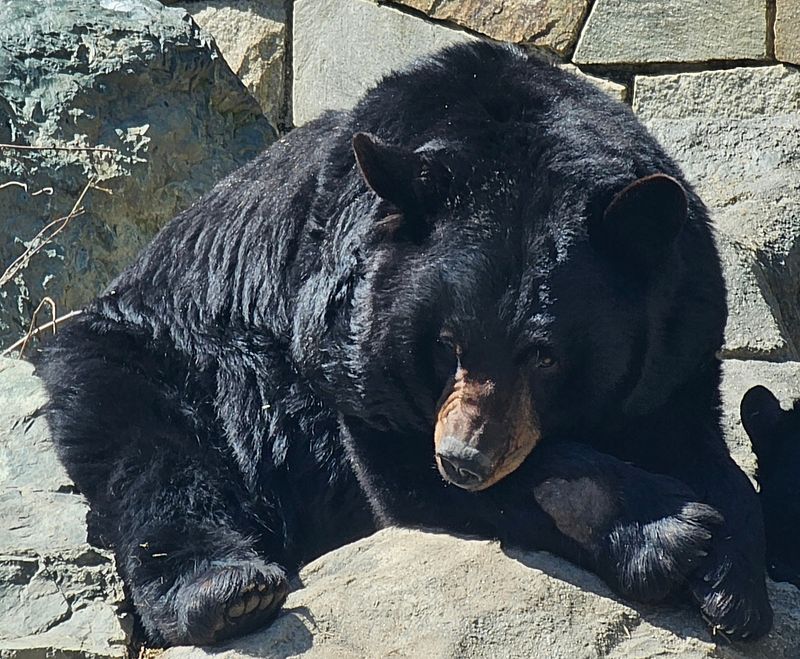
Not every star here traveled across oceans. Some of the coolest animals at Stone Zoo come from the forests of North America.
The wolf habitat sits on a hillside with room to roam. Spotting a wolf up there feels a little like a real wilderness moment.
Black bears are another highlight. They’re the most common bear in North America, and they live in parts of Massachusetts too.
That local link makes the bear exhibit extra interesting for kids. It turns a zoo visit into a lesson about wildlife in their own backyard.
Don’t skip the Canada lynx. Its huge, furry paws work like snowshoes, helping it chase prey across deep snow.
Those tufted ears are hard to miss. Kids often call the lynx the cat with built-in antennae.
The Arctic fox rounds out the cold-weather crew. Its coat can change color with the seasons, which is a neat trick.
Bring binoculars for the hillside areas. Wolves and other animals may rest far up the slope, and a closer look makes all the difference.
Sloths, Toucans, And Tropical Surprises Await
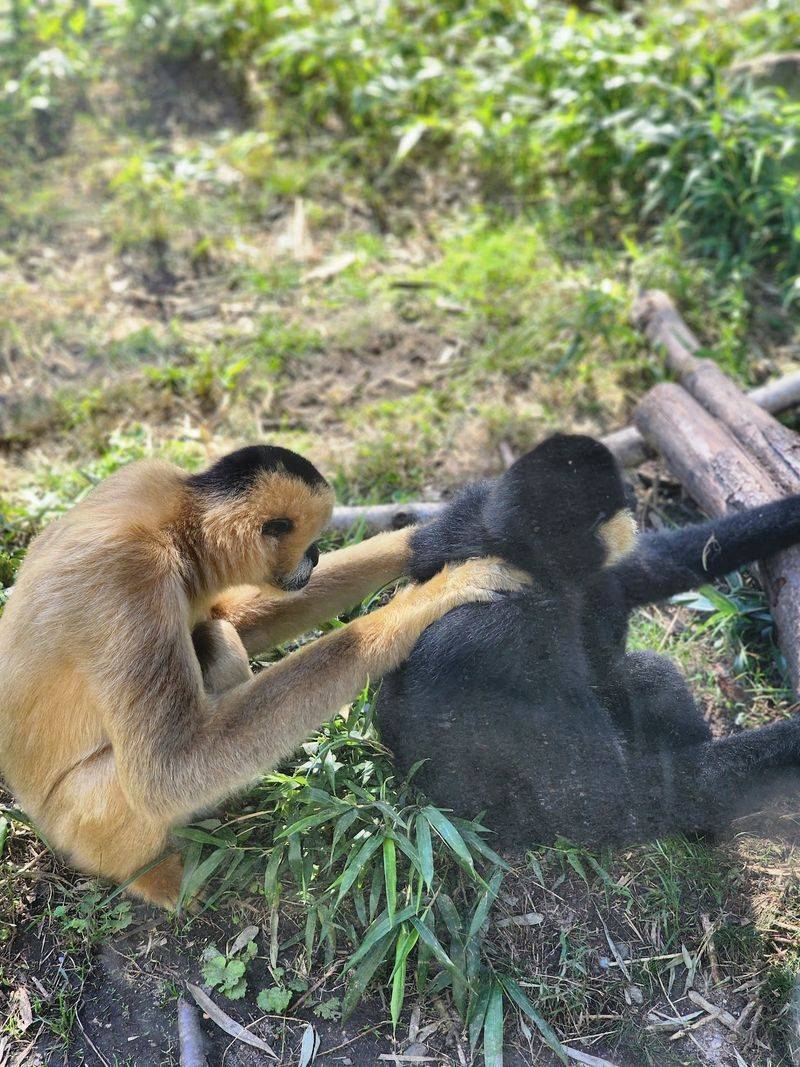
Moving slow is basically a full-time job for a sloth. Stone Zoo brings that relaxed lifestyle to New England along with other animals from warm, tropical places.
Sloths spend most of their lives hanging upside down. They even sleep that way, which sounds tiring but works great for them.
Toucans add a splash of color nearby. Their giant beaks look heavy, but they’re actually light and full of air pockets.
The zoo also features monkeys, tortoises, and colorful frogs. Each one gives kids a new reason to press their noses close to the glass.
Frogs can be tricky to find. Look carefully at leaves and branches, since many blend right into their surroundings.
Stone Zoo has offered special up-close sloth experiences for an added fee. These limited programs can sell out, so check availability before your trip.
Tropical exhibits are a nice break on chilly days. Warm-weather animals remind everyone that the world is much bigger than Massachusetts.
Take your time in these areas. Slow animals reward slow looking.
Reindeer And Barnyard Friends Make Little Kids Grin
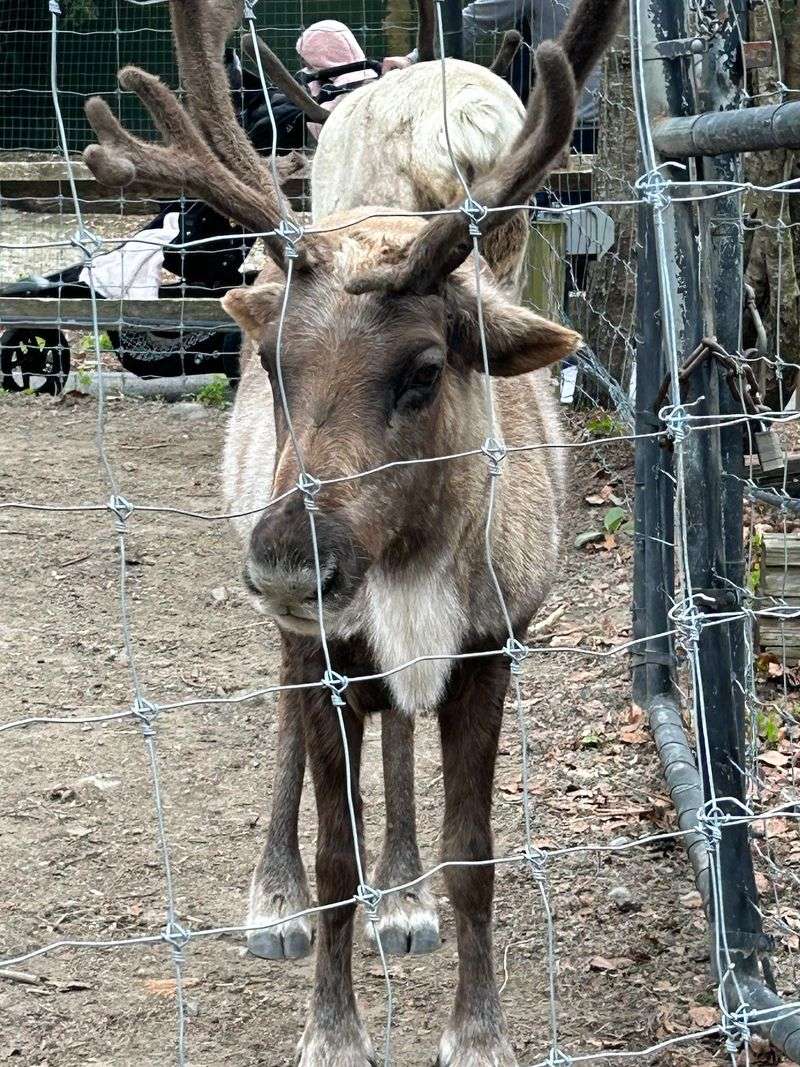
Reindeer in Massachusetts? Yes, and they’re a big hit at Stone Zoo, especially when the holidays roll around.
Both male and female reindeer grow antlers. That makes them unique among deer, and it’s a great trivia fact for the car ride.
Reindeer come from cold northern regions. Their wide hooves help them walk on snow and dig for food under it.
The zoo also has a barnyard area with farm animals. This is the friendly, hands-on zone that younger kids tend to love most.
Little ones get a chance to meet goats and other farm favorites. Follow posted rules and staff directions for safe, happy visits.
Pack hand wipes or plan a stop at the washroom afterward. Clean hands make snack time much less questionable.
This area works well as a calm break between larger exhibits. Toddlers can enjoy animals at their own pace without much walking.
Grandparents tend to like it too. Sometimes the simplest animal moments become the ones kids talk about all week.
Rescued Birds Have Second-Chance Stories Worth Hearing
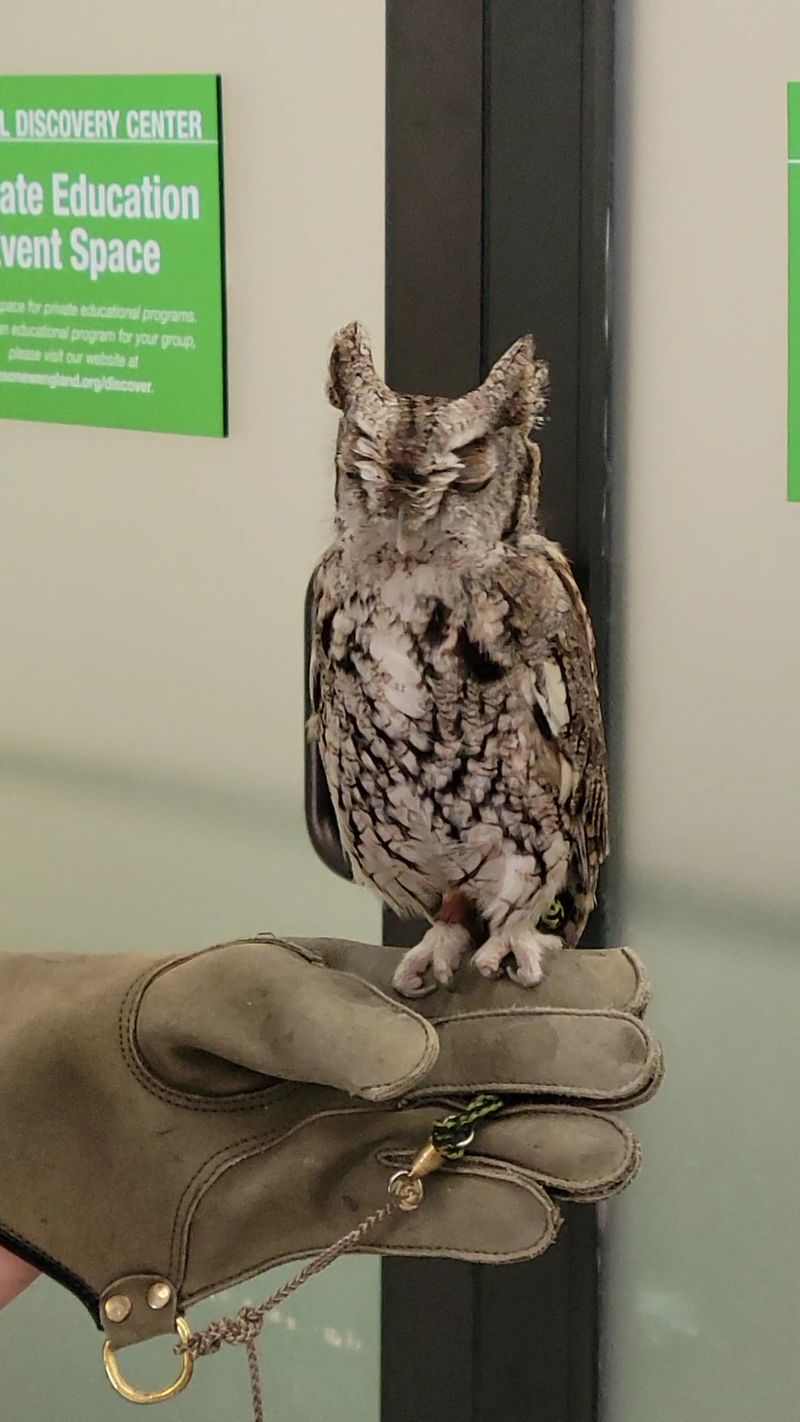
Some residents arrived with a backstory. Stone Zoo cares for birds that wildlife officials have ruled unable to survive in the wild.
One example is Grace, a bald eagle who can no longer fly or hunt on her own. Her habitat includes many perches so she can hop between them.
The zoo’s peregrine falcon has a story too. Rescuers tried releasing her, but she had bonded with people and kept approaching them.
That meant life in the wild wasn’t safe for her. So the zoo gave her a permanent home instead.
Stone Zoo is run by Zoo New England, which also operates Franklin Park Zoo in Boston. The organization is accredited by the Association of Zoos and Aquariums.
Stories like these help kids see how zoos support wildlife care. It’s a meaningful conversation starter for families.
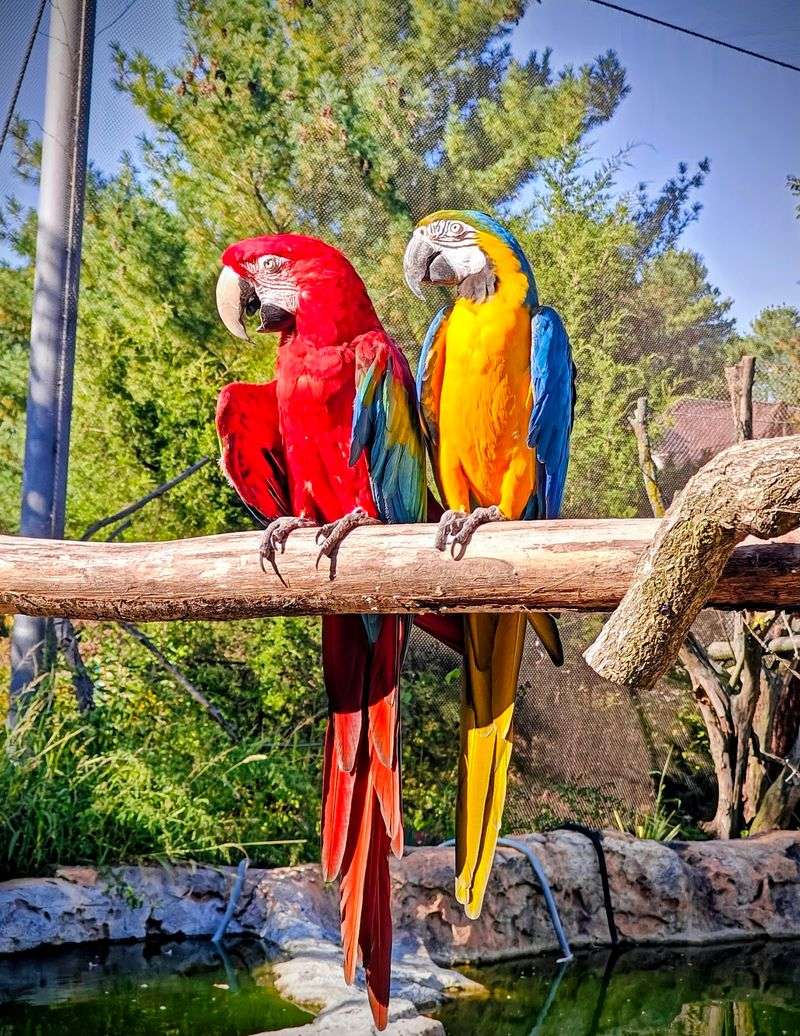
The zoo also has other bird exhibits worth a peek. Colorful feathers and loud calls keep things lively.
Read the signs near each habitat. They often share details that make a quick glance turn into a real connection.
The Holiday Lights Turn The Zoo Into A Glowing Wonderland

When winter arrives, Stone Zoo trades daytime strolls for twinkling evenings. Its yearly holiday light event, ZooLights, has become a seasonal tradition for many families.
Paths fill with colorful displays and festive scenes. Reindeer living right on site make the whole thing feel extra fitting.
Dates and tickets change each year. Check the zoo’s announcements before planning, since popular nights can fill up.
Dress warmly, because Massachusetts winters do not mess around. Hats, gloves, and good boots will keep the fun going longer.
The zoo also hosts other seasonal happenings through the year. Past events have included dinosaur displays and LEGO brick animal sculptures.
Those special features rotate, so what you see depends on timing. Each visit can feel a little different from the last.
Members often get perks for special events. If your family plans to come back several times, a membership may be worth a look.
Bring a fully charged phone for photos. Light displays look magical at night, and you’ll want to capture a few favorites before the cold wins.
Plan Your Trip Like A Pro Before You Go
Good news for busy families. Stone Zoo sits at 149 Pond St, Stoneham, MA 02180, just a short drive north of Boston.
The zoo opens daily at 9 a.m., with closing times varying by season. Hours can also shift for holidays or special events, so double-check before heading out.
Its compact layout makes it easy to see a lot in a few hours. That’s a big win for little legs and short attention spans.
Parking is on site. Arriving early can help you catch keeper chats and active animals.
The zoo has a playground, snack options, and a gift shop. A small carousel adds one more treat for younger kids.
Cold weather may keep some animals indoors. On chilly days, expect fewer sightings and dress in layers.
The zoo sits near the Middlesex Fells Reservation. That big wooded area offers trails if your crew still has energy afterward.
Pair the two for a full outdoor day in Massachusetts. Animals in the morning and woods in the afternoon sound like a pretty great plan.
Share this story