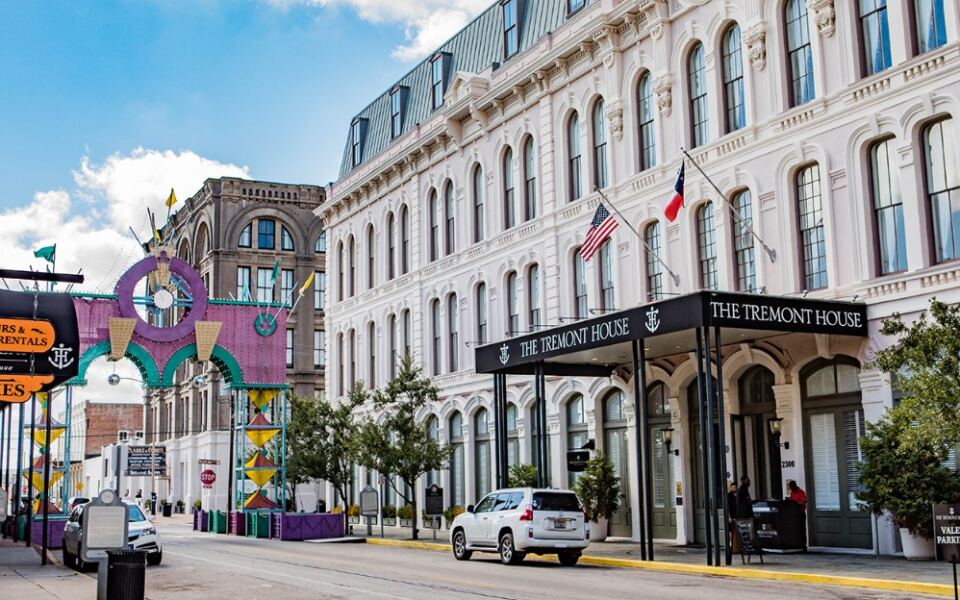
Walking down this historic Texas street feels like stepping into another century. Once known as the Wall Street of the South, it was a bustling center of banking, cotton trading, and shipping during the 1800s, when Galveston ranked among the country’s most important ports.
Today, many of those grand Victorian buildings are still standing, but their interiors tell a different story. Behind the ornate cast-iron storefronts, you’ll find old-fashioned candy shops, charming boutiques, museums, and restaurants that give the neighborhood a lively atmosphere.
Just a short walk away, the waterfront adds another fascinating piece of history. The 1877 tall ship Elissa welcomes visitors aboard, offering a glimpse into the days when sailing ships carried cargo across the oceans and helped shape Galveston’s fortunes.
And the charm doesn’t stop with the architecture. Colorful parades, lively festivals, and Victorian-themed holiday celebrations bring these historic streets to life throughout the year. It’s a rare Texas destination where centuries-old history and modern attractions come together in one unforgettable stroll.
Meet The Street That Once Ran The Money In Texas
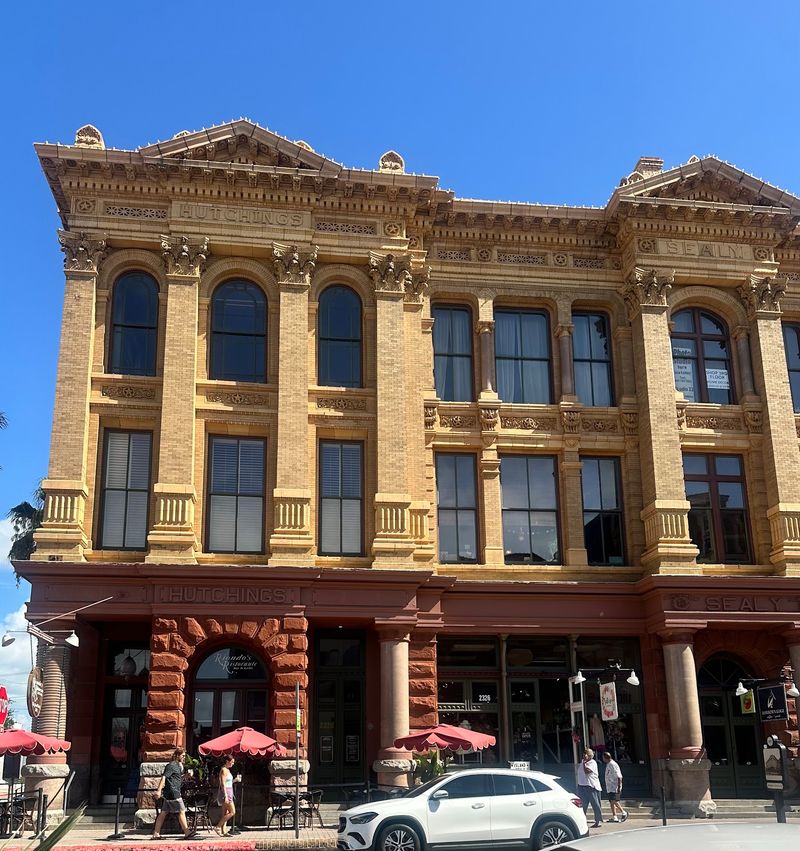
Cotton, ships, and cash once made this street one of the busiest money hubs in the country. The Historic Downtown Strand Seaport Partnership now helps keep that story alive for modern visitors.
During the 1800s, Galveston was a major port city. Banks and trading firms lined The Strand, which led to its famous nickname, the Wall Street of the South.
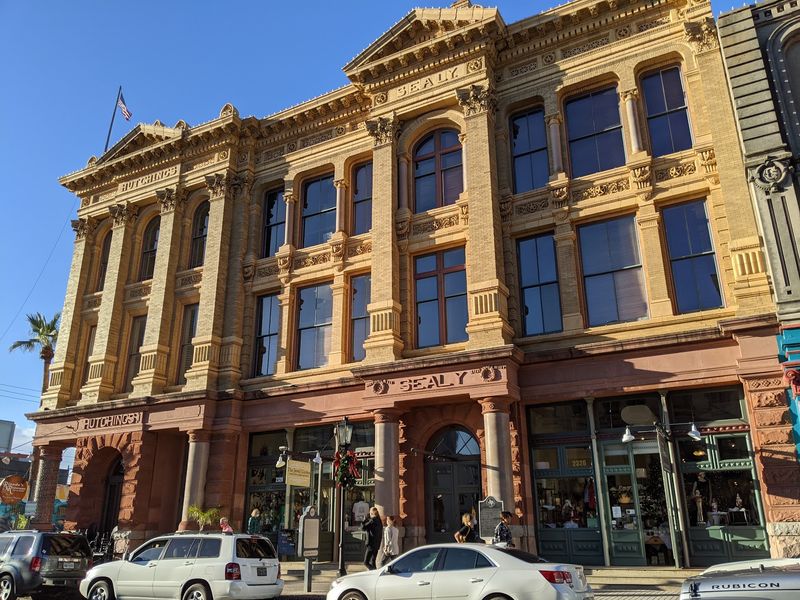
That wealth shows up in the buildings. Owners wanted their businesses to look important, so they used detailed brick, stone, and decorative iron.
Today the district is a place for strolling instead of stock deals. The Historic Downtown Strand Seaport Partnership supports the businesses, events, and upkeep that keep the area lively.
The neighborhood is also a National Historic Landmark District. That label means the buildings matter to American history, not just local pride.
Here’s a smart tip for your first visit. Start by simply looking up, because the best details often sit above the shop signs.
Cornices, carved trim, and old painted lettering can tell you what a building used to be. It turns a simple walk into a fun little detective game.
Those Iron Fronts Are Doing A Lot Of Heavy Lifting
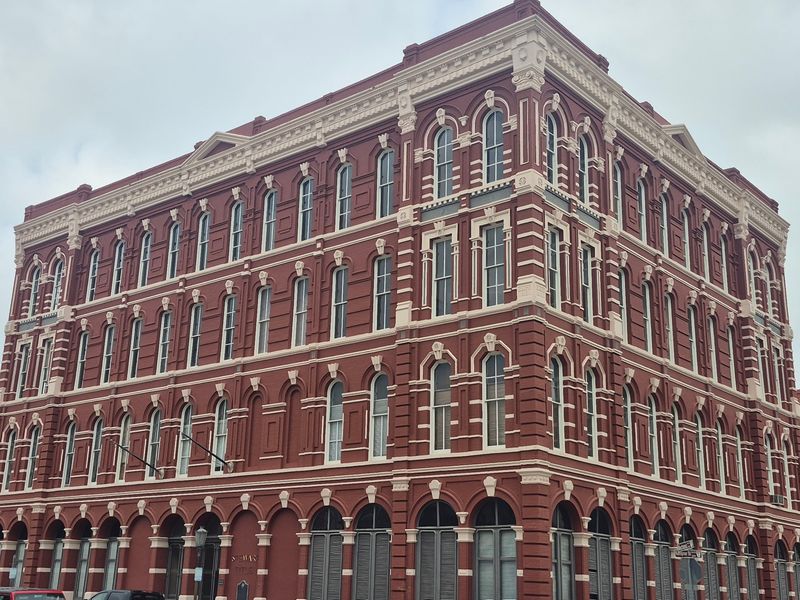
Iron is the secret star of this neighborhood. Many buildings along The Strand feature cast-iron storefronts that were popular in the Victorian era.
Builders liked cast iron because it could be shaped into fancy patterns. It also allowed for large windows that showed off goods to people passing by.
Galveston holds one of the largest groups of Victorian iron-front commercial buildings in the United States. That makes the district a real treat for anyone who loves old architecture.
So what should you watch for? Look for slim columns, repeating arches, and decorative patterns between the floors.
Some fronts are painted in cheerful colors. Others keep a more classic look that fits their age.
Photographers will have a field day here. Soft afternoon light makes the textures pop, and the long rows of buildings create great lines for pictures.
Kids can join the fun, too. Try a quick challenge to spot the oldest-looking date carved or painted on a building.
It’s an easy way to keep young explorers busy. Plus, everyone learns a little history without feeling like they’re stuck in a classroom.
Your Sweet Tooth Will Not Survive This Stretch Unharmed
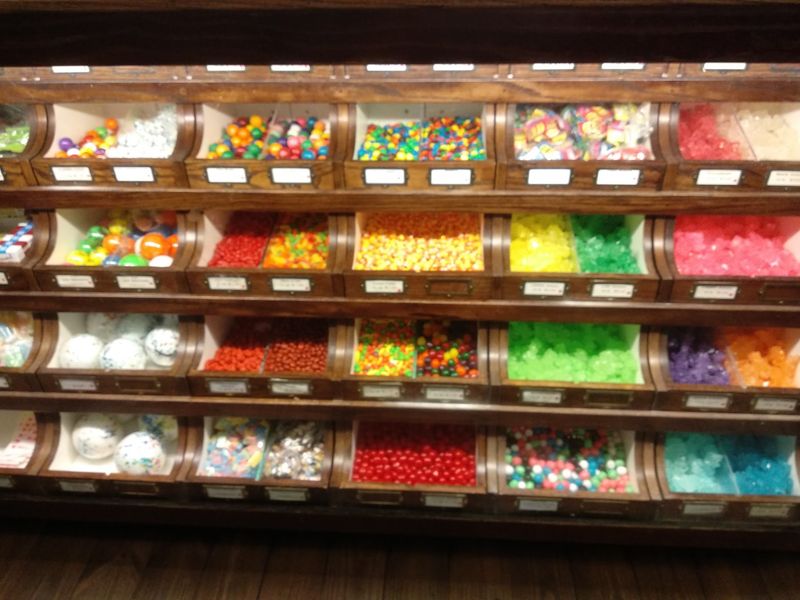
Fair warning: your plans to skip dessert may crumble fast. Downtown Galveston is home to some seriously fun sweet shops.
La King’s Confectionery is a classic stop. It’s known for handmade candy, saltwater taffy, and an old-fashioned soda fountain that fits the vintage mood.
Watching candy get made is part of the charm. It feels like a scene from a storybook, only with more sugar.
Rocky Mountain Chocolate Factory also has a spot in the district. Chocolate treats and ice cream make it an easy break on a warm Texas day.
Here’s a helpful plan for families. Save the candy stop for the end of your walk, so sticky fingers don’t meet fancy boutiques.
Small bags of taffy also make great souvenirs. They’re light, colorful, and easy to share with friends back home.
The sweet shops connect nicely to the area’s old-time feel. Soda fountains and candy counters were once common in American downtowns.
Here, they still feel right at home. Honestly, they might be the tastiest history lesson you’ll ever get.
Bring Comfy Shoes Because The Shops Keep Going
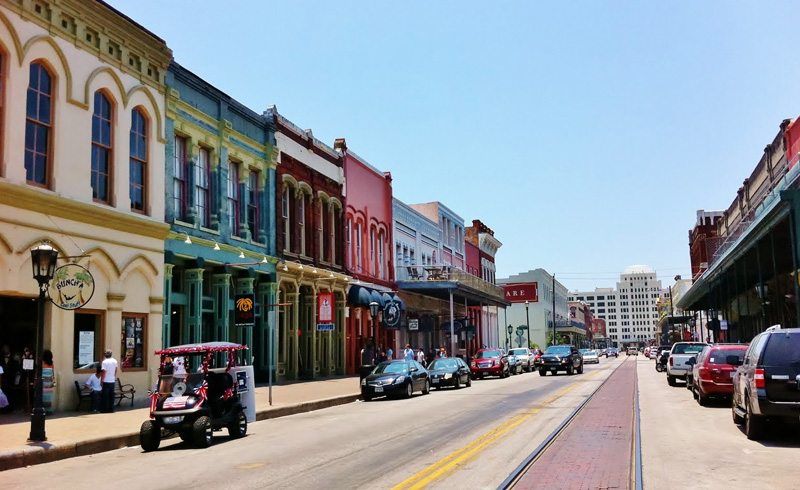
Boutiques, gift shops, galleries, and specialty stores fill the old buildings downtown. It’s the kind of shopping where you wander in for one thing and leave with three.
The variety keeps things interesting. You’ll find clothing, home decor, beach gifts, local art, and quirky treasures all within a few blocks.
Many shops are locally owned. That gives the district a personal feel you won’t get at a mall.
Walking is the best way to explore. The district is compact, so you can easily cover a lot of ground in an afternoon.
Plan your route around side streets, too. Postoffice Street and Mechanic Street hold their own shops, galleries, and eateries.
Here’s a little shopping strategy. Make one full loop first, then circle back to the places that grabbed your attention.
That keeps you from buying the first cute shirt before spotting a better one next door. Your wallet will thank you later.
Also, keep an eye on store windows. Some displays are creative enough to deserve a photo, and they show off those big historic windows nicely.
A Tall Ship From 1877 Waits Just Down The Block
How often do you get to board a ship built in 1877? At the nearby Galveston Historic Seaport, the tall ship Elissa makes that possible.
Elissa is a three-masted sailing ship. It was built in Scotland and later restored, and it’s an official tall ship of Texas.
The ship once carried cargo across the seas. That ties it directly to the busy shipping history that built The Strand.
On board, you can walk the decks and peek below. The tight sleeping areas show how tough life at sea could be.
The museum next to the ship adds helpful background. Exhibits explain Galveston’s port history and the people who passed through it.
Kids usually love the giant masts and ropes. Adults may be more amazed that this ship still sails during special trips.
The Galveston Historic Seaport sits at Pier 22, just a short walk from downtown shops. That makes it simple to pair history with lunch or shopping.
Plan at least an hour here. You’ll want time to look closely, ask questions, and snap a few great harbor photos.
Parades And Festivals Turn These Blocks Into A Party

Mardi Gras in Galveston is a big deal. The island hosts one of the largest celebrations in Texas, with parades rolling through the historic downtown area.
Floats, music, and beads bring the old streets to life. The Victorian buildings make a fun backdrop for all that color.
Winter brings another favorite. Dickens on The Strand turns the district into a Victorian-style holiday festival.
Costumed characters, holiday music, and festive vendors fill the streets. It feels like a page pulled straight from a classic Christmas story.
Other events pop up throughout the year. The Lone Star Rally, a large motorcycle gathering, has also brought crowds to the island in the fall.
Here’s a planning tip. Check the event calendar before your trip, since some festivals require tickets or change traffic patterns.
Festival days are exciting but busy. Quiet weekdays work better if you want calm sidewalks and easy browsing.
Either way, the area offers two moods. Pick party mode or peaceful mode based on what your group enjoys most.
Hungry Explorers Have Plenty Of Tables To Choose From
All that walking builds an appetite. Luckily, downtown Galveston has a wide mix of restaurants and cafes tucked among the shops.
Seafood is a natural fit near the harbor. Being on the Gulf Coast means fresh catches often star on local menus.
You’ll also find burgers, coffee spots, ice cream, and casual bites. That variety helps when your group can’t agree on lunch.
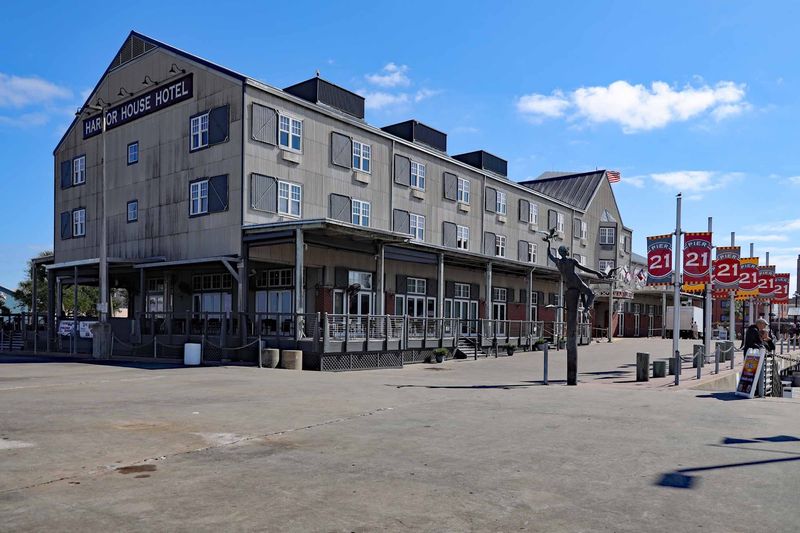
Pier 21 offers waterfront dining near the seaport. Watching boats glide past makes any meal feel a bit more special.
Timing matters on busy days. Eating a little before or after the usual lunch rush can make things smoother.
Some restaurants sit inside historic buildings. High ceilings and old brick walls give your meal a bonus dose of character.
Families should consider snacks between stops. A quick treat can keep little legs moving until the next big break.
Don’t forget water on hot days. Texas sunshine can sneak up on you, especially when you’re busy admiring rooftops and window displays.
Getting Around Is Easier With A Little Planning
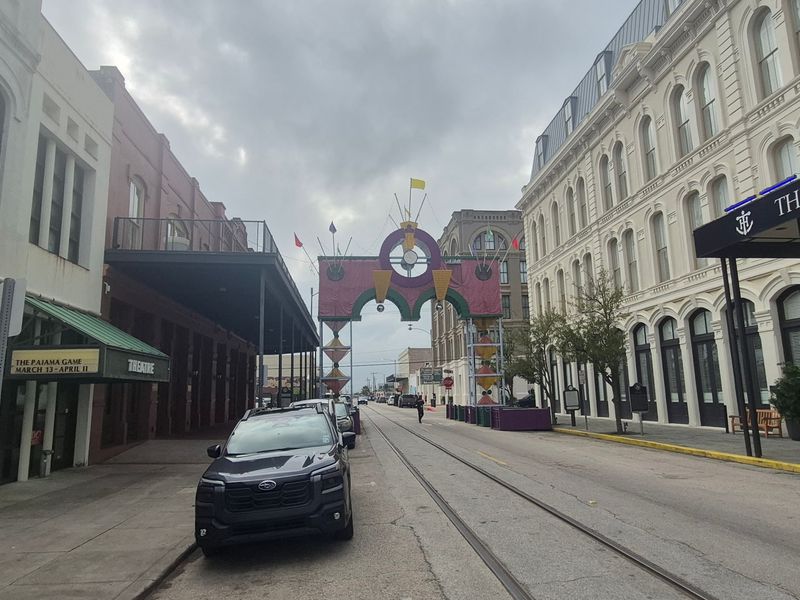
Parking downtown can fill up on weekends. Paid street parking and nearby lots are available, so arriving early is a smart move.
The Historic Downtown Strand Seaport Partnership is based at 502 20th St, Galveston, TX 77550. It sits right in the heart of the district you’ll want to explore.
Once you park, your feet do most of the work. The blocks are close together and great for easy strolling.
The Galveston Island Trolley adds old-time fun. It connects downtown with other parts of the island, including the seawall area.
Riding a trolley through historic streets fits the theme perfectly. It’s practical and a little charming at the same time.
Horse-drawn carriage tours have also been offered in the area. They give a slower, story-filled look at the neighborhood.
Cruise passengers often visit too, since the cruise terminal sits nearby. That can make some days livelier than others.
Wear comfortable shoes and sunscreen. Grab a map or app before you start, and you’ll spend less time guessing and more time enjoying.
The Island Keeps Bouncing Back And It Shows
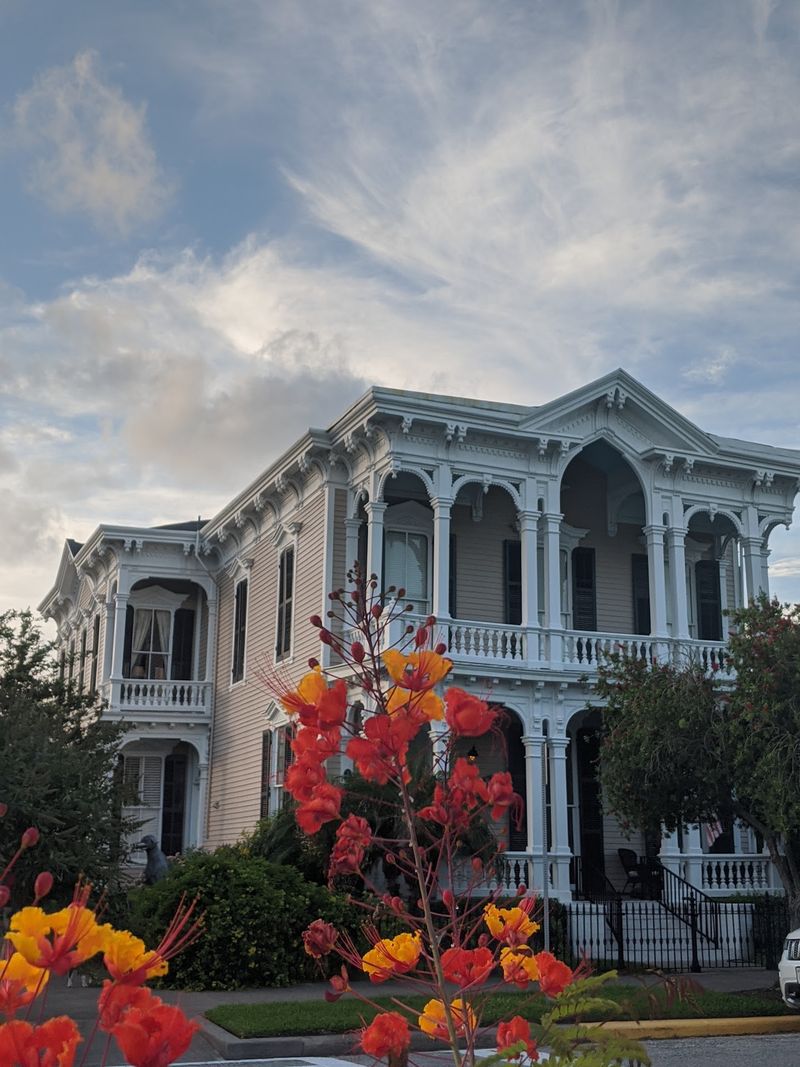
Few places have faced storms quite like Galveston. The Great Storm of 1900 and Hurricane Ike in 2008 both caused major damage.
Yet the historic district is still here. Many buildings were repaired and restored, keeping the neighborhood’s old look intact.
That comeback story gives every block extra meaning. You’re seeing more than pretty buildings; you’re seeing a community that keeps rebuilding.
The Historic Downtown Strand Seaport Partnership plays a role in that effort. It promotes the district, supports local businesses, and helps organize activities that bring people downtown.
Visiting also helps. Shopping, eating, and attending events keep these historic spaces busy and cared for.
Look for markers and plaques as you walk. Some share how high floodwaters rose or how a building was saved.
Those small signs add big context. They turn a fun day trip into a deeper look at Texas coastal history.
By sunset, the old storefronts glow warmly. It’s a fitting finish for a place that keeps proving charm can outlast almost anything.
Share this story