A full-size copy of an ancient Greek temple stands in a Tennessee city park, and a gold-covered goddess waits inside it. I still can’t get over that one.
It gets stranger from there. One spot is a mountain town that people walked away from, leaving empty cabins behind. Another is a castle someone first sketched as a high school student in 1970.
Someone else built a folk art castle packed with stairways and secret rooms.
I love places like this because they refuse to fit neatly into a textbook. You’ve got ancient earthen mounds, a cave tied to a famous ghost story, and an English-style village planted in the hills. There’s even an old prison where you can wander the grounds on your own.
So which one would you visit first? I’d have a hard time choosing, and I suspect you will too.
1. Elkmont Historic District, Gatlinburg
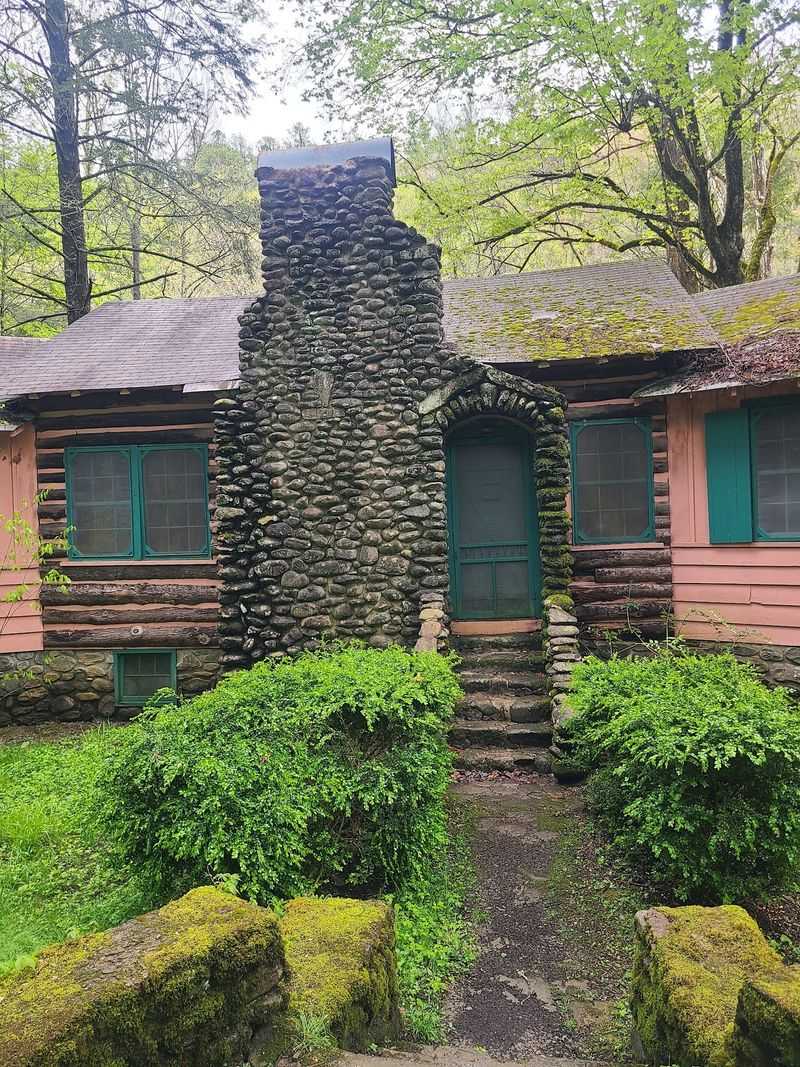
Ghost towns usually sit in dusty deserts, but this one hides under green mountain trees. Elkmont is a former mountain community inside Great Smoky Mountains National Park, and its empty cabins still line the paths.
The story starts with logging. A lumber company once worked these hills, and a small town grew up around the job.
Later, the area turned into a getaway spot. Wealthy families from Knoxville built summer cabins here and formed social clubs to enjoy the cool mountain air.
Then the national park arrived, and people slowly moved out. What stayed behind is the part that makes your imagination run wild.
You can stroll past rows of abandoned cabins and peek at old stone walls and chimneys. Some buildings have been restored, while others still look frozen in time.
The mix is fascinating. A neat, fixed-up home might sit just a short walk from one that looks like it’s slowly fading back into the woods.
Kids tend to love this kind of exploring. It feels a bit like a real-life treasure hunt, with history waiting around each bend in the trail.
Bring good shoes and some curiosity. The ground can be uneven, and you’ll want time to stop and read about who once lived here.
Timing matters too. Saturday afternoons draw the biggest crowds, while Thursday evenings tend to be much quieter for a calm stroll.
Elkmont is also famous for a natural light show. Synchronous fireflies blink together here in early summer, though that event uses a special lottery system for access, so plan ahead.
Even without the fireflies, the cabins are worth the trip. Elkmont offers a fascinating glimpse into a former logging and vacation community, where preserved cabins and historic remains tell the story of a changing mountain landscape.
2. Greenback Castle, Maryville
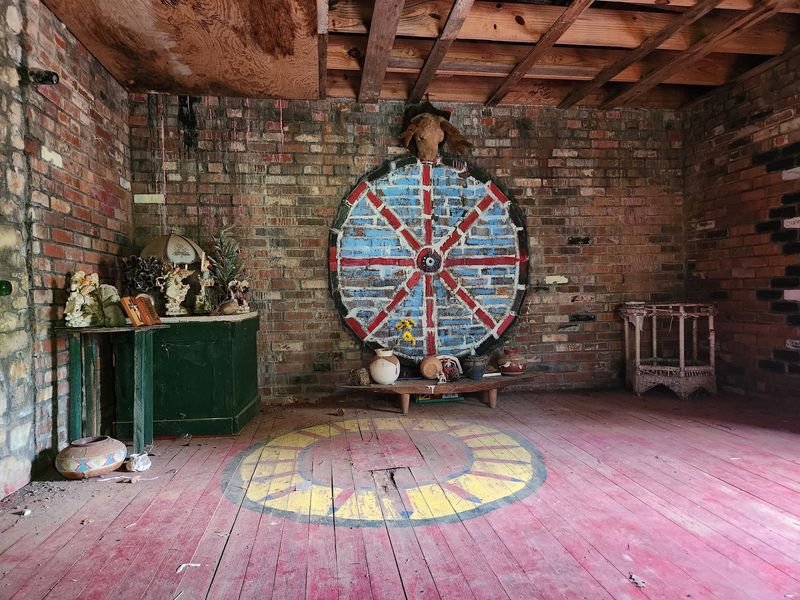
Somewhere out in the East Tennessee countryside, one builder decided a regular house just wasn’t enough. The result is Greenback Castle, a homemade folk art fortress that looks like it popped out of a storybook.
You won’t find a royal family here. Instead, you’ll find years of hard work, creative ideas, and a lot of stone stacked by hand.
The castle sits in a pretty remote spot. That’s part of the fun, since you round a country road and suddenly towers appear.
Once you arrive, the details start pulling you in. Stairways twist and climb, and secret rooms wait for anyone curious enough to look around.
Art covers the place in surprising ways. Imaginative pieces mix with religious themes, so the whole site feels like a personal message built out of stone.
The owner’s storytelling is part of the charm too. The castle is known for quirky, offbeat tales that make the visit feel more like a conversation than a museum trip.
Here’s a nice bonus for your wallet. Admission is free, which makes this one of the easiest castle visits you’ll ever plan.
Hours run from 7 AM to 8 PM, seven days a week. Sunday afternoons get the busiest, while Thursday evenings tend to be calmer.
Plan ahead on basic needs, though. There’s no restroom and no restaurant on site, so take care of snacks and pit stops before you drive out.
Families should feel right at home. Kids usually go wild for secret rooms, and a free parking lot keeps arrival simple.
Bring your camera and some patience for the winding roads. The detail work rewards slow looking, and you’ll probably spot something new on each staircase.
Places like this remind you that history isn’t only about presidents and battles. Sometimes it’s about one person with a big dream and a very large pile of rocks.
3. Castle Gwynn, Arrington
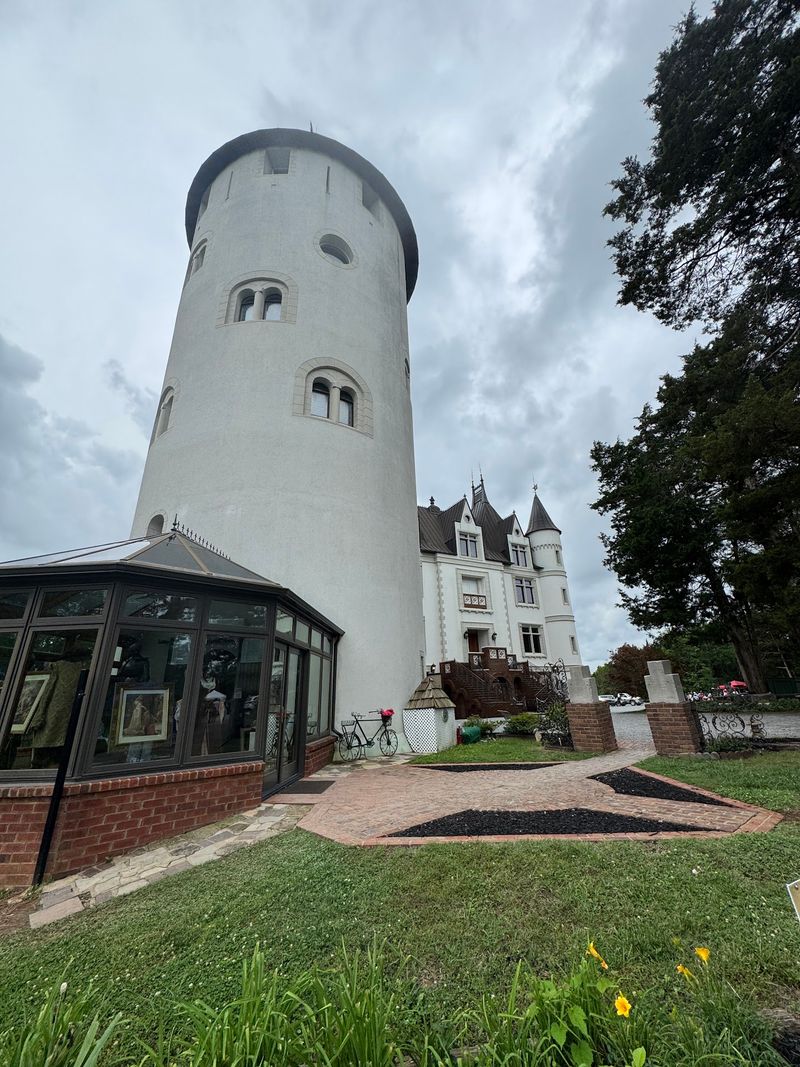
Most teenagers doodle sports cars in the margins of their notebooks. Back in 1970, one high school architecture student drew a castle instead, and then he actually built it.
That dream became Castle Gwynn. Today it rises over the rolling hills of Arrington, looking like it belongs in a medieval legend rather than Middle Tennessee.
The story behind it is half the magic. Watching a school project grow into real stone walls and towers makes you rethink what a homework assignment can become.
If you love knights, jousting, and old-world costumes, this is your spot. The castle is closely tied to the Tennessee Renaissance Festival, which brings the grounds to life each spring.
During the festival, the place feels like a time machine. You’ll find a Renaissance and medieval atmosphere that’s hard to match anywhere else in the state.
Here’s the catch you need to know before you go. Castle Gwynn is only open for tours by advance notice or during the Renaissance Festival.
That means you can’t just swing by on a random Tuesday. Reach out ahead of time, or plan your trip around festival season.
Once you’re there, getting around is easy. On-site parking is free, and the castle offers a wheelchair accessible entrance and parking lot.
Kids are welcome, and many of them will probably start planning their own castle on the drive home. Honestly, you might too.
Take time to really look at the architecture. Knowing it began as a teenager’s sketch makes the towers and stonework feel even more impressive.
Castle Gwynn proves that big dreams can last for decades. A drawing from one school year turned into a landmark people travel to see.
So grab your calendar and check the festival dates. A castle this rare deserves a little planning, and it pays you back with a story worth retelling.
4. Historic Rock Castle, Hendersonville
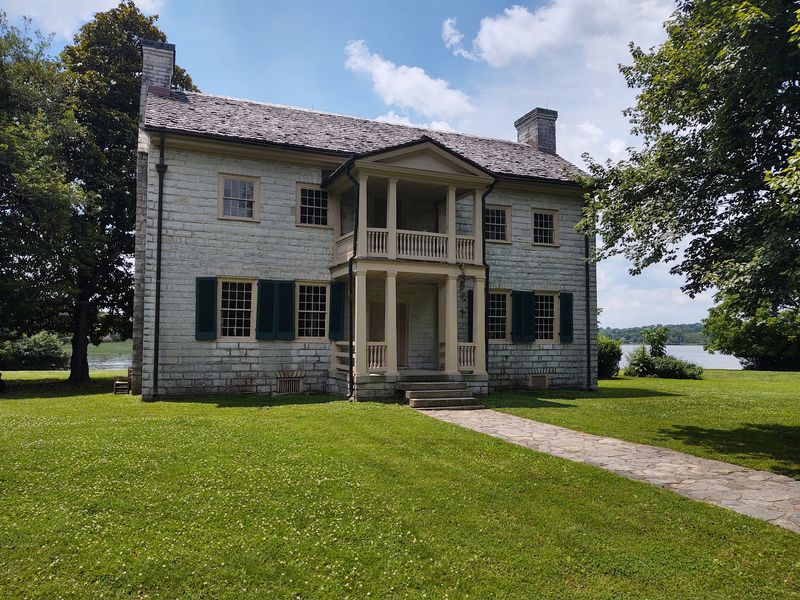
Calling a farmhouse a castle sounds a little dramatic, until you see how sturdy those stone walls are. Historic Rock Castle earned its name honestly on the Tennessee frontier.
Work on this home began right as the Revolutionary War was ending. That makes it a true survivor from the earliest days of settlement in the area.
In fact, it’s known as the oldest home in Middle Tennessee. Standing near it gives you a real sense of how tough frontier life could be.
The house tells the story of several generations who lived there over the years. Tours walk you through how the family grew and how the land changed around them.
Inside, period exhibits help paint the picture. You get a feel for daily routines long before electricity or running water made life easier.
The guides here are a big part of the appeal. They know the history well and make the old stories feel lively instead of dusty.
Outside, the grounds feel like a calm park. It’s a lovely place to stroll, stretch your legs, and enjoy a pretty view after your tour.
The site even hosts live performances, including the Nashville Symphony. Music drifting across a centuries-old property is a pretty great mix.
Families get some nice perks. There are discounts for kids, kid-friendly activities, restrooms with changing tables, and a gift shop for souvenirs.
Active military visitors can get a discount too. Free on-site parking keeps the visit stress-free from the moment you pull in.
Check the hours before you go. It’s open Tuesday through Friday from 10 AM to 4 PM and Saturday from 10 AM to 2 PM, but closed Sunday and Monday.
If you like your history with a side of fresh air, this one is a winner. Few places let you touch walls this old so close to the city.
5. Historic Rugby, Rugby
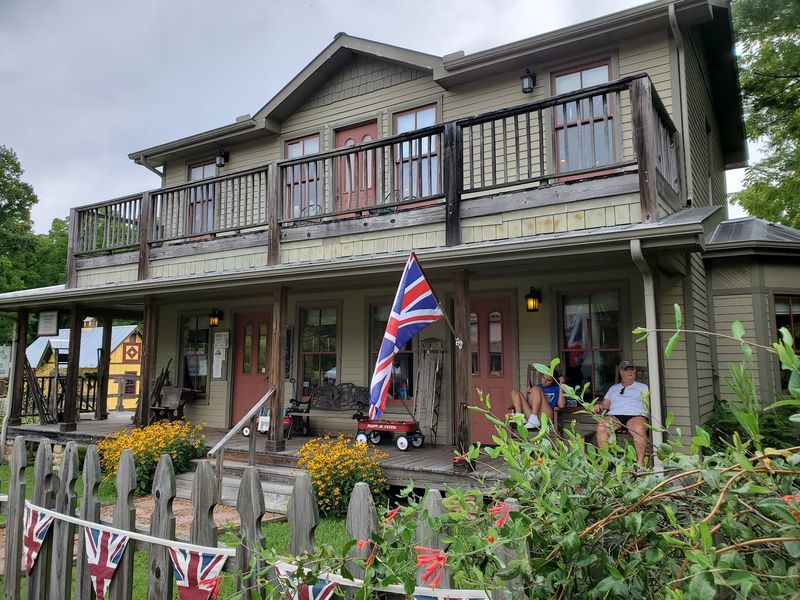
Tea and Victorian houses in rural Tennessee? It sounds like a mix-up, but Historic Rugby has been serving that surprise since 1880.
Rugby began as a British-American village on the Cumberland Plateau. English author Thomas Hughes founded it as a planned community, hoping to build a fresh start in America.
The dream didn’t play out quite as planned. Still, many of the original buildings survived, and the village now feels like a page torn from an old novel.
Preserved Victorian architecture is the star here. Strolling the quiet streets, you’ll see buildings that look almost exactly as they did more than a century ago.
Start at the visitor center to get your bearings. From there, you can join a tour and learn how the settlers lived, worked, and dreamed.
Don’t skip the print shop. It’s a fun stop that shows how news and books got made long before computers came along.
Nature lovers get a treat too. Scenic walking trails wind through the surrounding woods, so you can mix history with a peaceful hike.
Need a break? A cup of tea fits the English spirit of the place perfectly, and there’s a cafe and restaurant on site.
The village also has a theater that hosts live performances. Catching a show here adds another layer to a day that already feels like time travel.
A gift shop rounds things out if you want a keepsake. On-site parking and restrooms make the visit easy for families.
This is a calm, slow-paced kind of stop. Take your time, sip that tea, and let the Victorian charm sink in.
6. Historic Brushy Mountain State Penitentiary, Petros
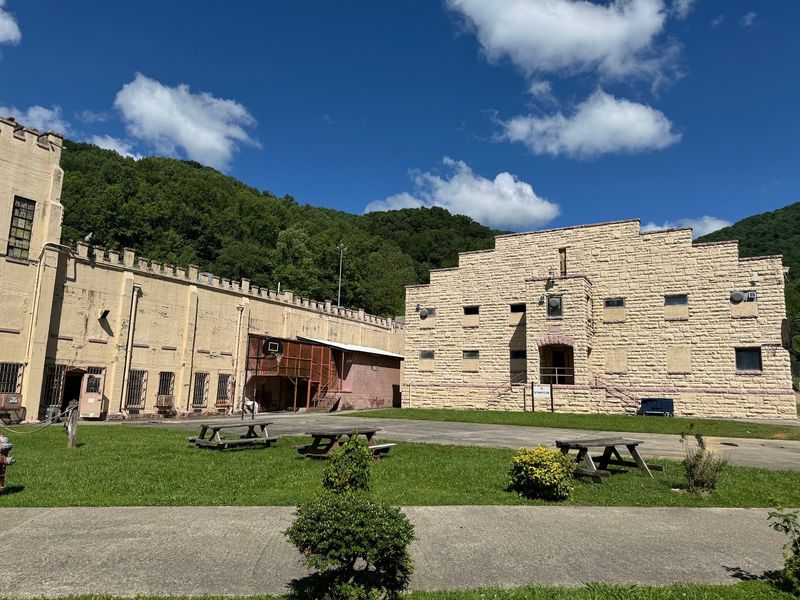
Few prisons look this dramatic from the parking lot. Historic Brushy Mountain State Penitentiary sits tucked against a steep mountainside, its stone walls looking tough enough to hold anyone.
For more than a century, this was one of the most serious prisons in Tennessee. Its remote valley location made escape extremely hard, though not impossible.
The most famous breakout came in 1977. James Earl Ray escaped from Brushy Mountain and was caught a few days later in the surrounding woods.
Today, you can explore the grounds on a self-guided tour. That means you set your own pace and linger wherever the story grabs you.
Plan for a decent chunk of time. Reading the history panels and looking over the old ruins can easily fill an hour or two.
One area people talk about the most is the hole. That was the solitary confinement section, and standing there gives you a chilling sense of what punishment once meant.
A museum fills in the bigger picture. You’ll learn about the people who lived, worked, and served time inside these walls.
Paranormal fans love this place too. The prison has a reputation for spooky goings-on, so bring a brave friend if you scare easily.
When your stomach starts growling, a barbecue restaurant waits right on site. Having smoked meat after a prison tour is an odd pairing, but it works.
There’s also a gift shop for souvenirs. Restrooms are available, which is handy after a long walk around the grounds.
This stop mixes history, mystery, and a little goosebump energy. It’s a rare chance to explore a former maximum-security prison as a visitor and learn about its history through a self-guided tour.
7. Old Stone Fort State Archaeological Park, Manchester
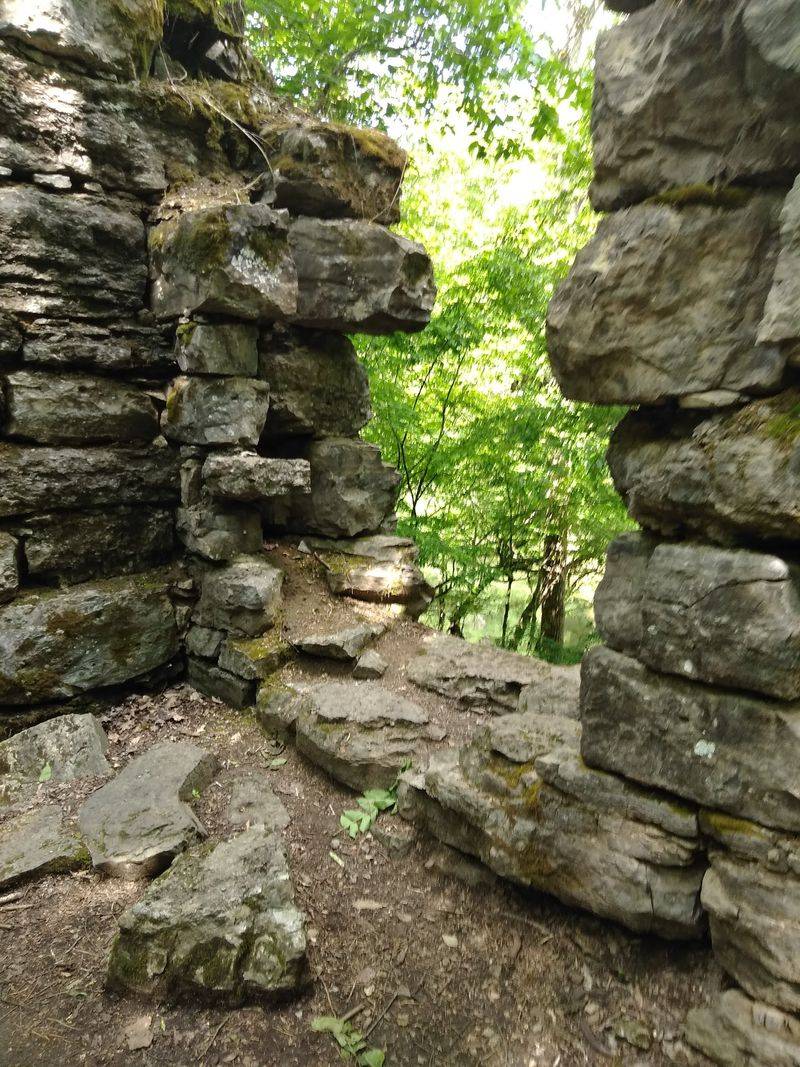
Despite the name, nobody ever fought a battle here. The Old Stone Fort was never really a fort at all, and that twist makes it even more interesting.
About 2,000 years ago, Native Americans built long walls of earth and stone at this spot. The site is believed to have been a ceremonial place rather than a defense.
Early settlers saw the walls and guessed it was a fort. The name stuck, even after experts learned the truth.
Today the park covers a 50-acre ceremonial area wrapped by rivers. The Big Duck and Little Duck Rivers frame the site and create some lovely views.
Trails let you walk right along the ancient walls. Some paths are easy and family-friendly, while others offer more of a challenge.
Waterfalls add a big wow factor. You’ll hear rushing water as you hike, which makes the history feel even more magical.
Look for the old paper mill ruins along the way. Seeing a newer industrial past sitting beside an ancient ceremonial site is a fun contrast.
The park museum helps everything make sense. Exhibits explain the archaeology and Native American history, so you understand what you’re walking past.
An observation deck gives you a great look at the area. It’s a nice spot to pause, catch your breath, and take in the old-growth trees.
Planning a picnic? Picnic tables and a barbecue grill are available, and kids can burn off energy on the playground slides.
This place mixes nature and mystery beautifully. You come for the waterfalls, then leave thinking about the people who built these walls so long ago.
8. Bell Witch Cave, Adams
Some ghost stories fade after a few years. The Bell Witch legend has been spooking people since the early 1800s, and it still pulls visitors to a quiet farm in Adams.
The tale centers on the Bell family, who reported strange happenings on their land. Knocking sounds, odd voices, and mysterious events turned their story into one of the most famous hauntings in America.
Whether you believe it or not, the setting delivers. The farmstead has been thought to be haunted for more than two centuries.
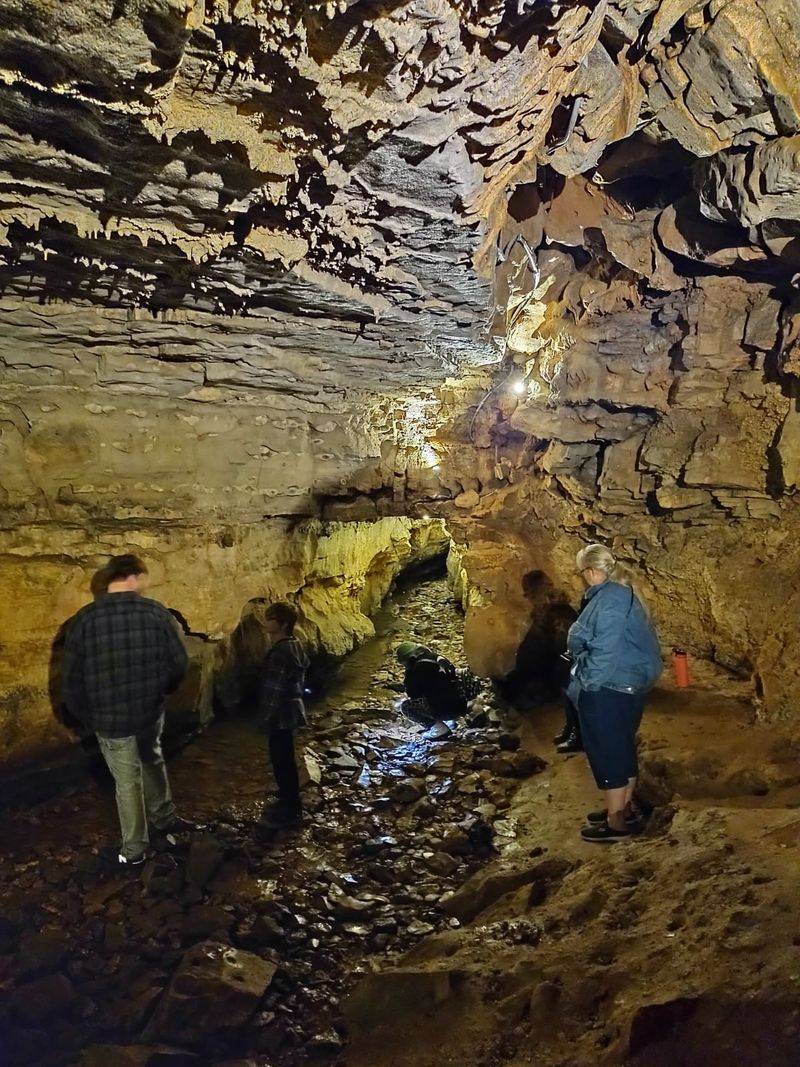
The cave is the main attraction. It’s narrow and earthy, with crystal-clear water that adds to its eerie beauty.
Guided tours lead you through the passages. The guides share the legend and the history, which makes the experience both creepy and educational.
Expect a cool, fresh smell as you head underground. Wear sturdy shoes, since caves can be damp and a little slippery.
Above ground, you can see a replica of the family cabin. It helps you picture how the Bells lived during the years the legend took shape.
The combination of cave, cabin, and farm tells a fuller story. You leave knowing more about pioneer life as well as the spooky parts.
Hours are a bit unusual, so double-check before you go. It’s open Friday from 3 PM to midnight, Saturday from noon to midnight, and Sunday from noon to 6 PM.
Those late hours make for a perfect spooky night out. Saturday evenings get the busiest, while Friday afternoons tend to be quieter.
Free parking makes arrival easy. Bring a flashlight for the walk to your car, just in case the Bell Witch decides to say hello.
9. The Parthenon, Nashville
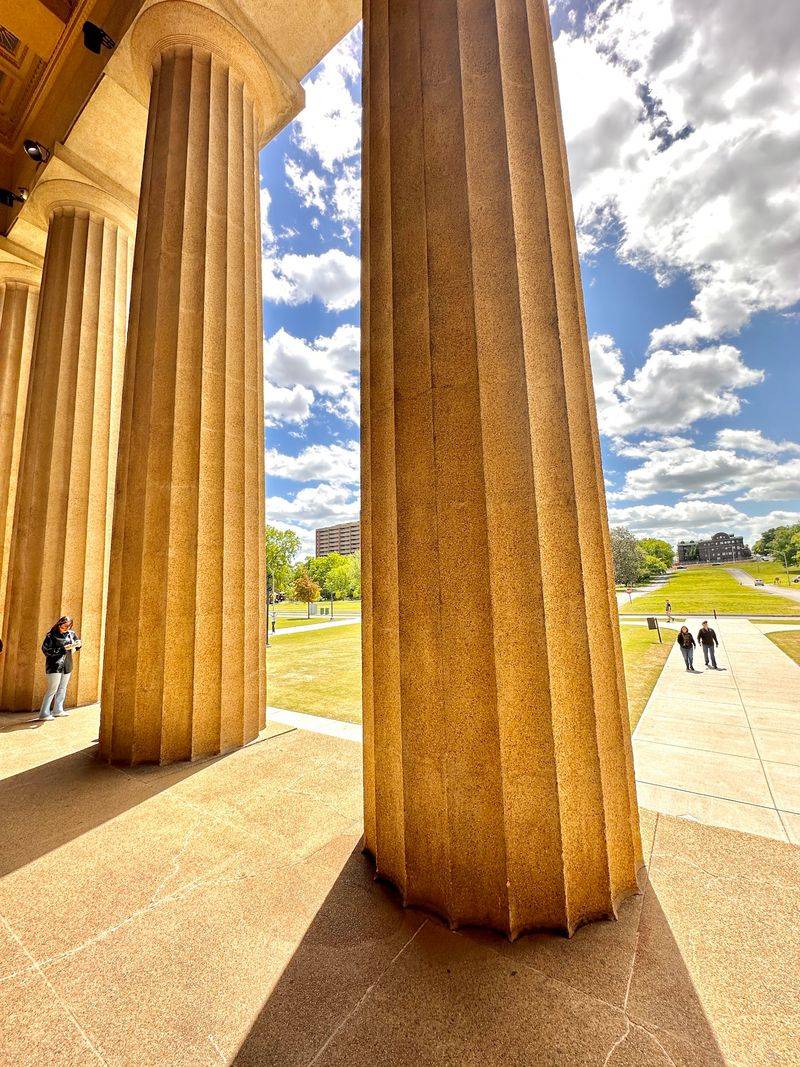
Nashville is famous for music, so a giant Greek temple is the last thing you’d expect in a city park. Yet there it stands in Centennial Park, columns and all.
The Parthenon was built in 1897 for Tennessee’s Centennial Exposition. It’s a full-scale replica of the ancient original in Athens, Greece.
The city liked it so much that it stayed. Later it was rebuilt with lasting materials, turning a temporary fair building into a permanent landmark.
Step inside and look up, because the biggest surprise waits indoors. A towering statue of Athena, the Greek goddess, stands nearly 42 feet tall and shines with gold.
It’s a re-creation of the statue that once filled the ancient temple. Seeing it in person is jaw-dropping, even for people who aren’t art fans.
Casts of sculptures and carved scenes decorate the space too. These copies show detail that has worn away on the real Parthenon over the centuries.
The building also works as an art museum. Galleries display American art, so you get a mix of ancient style and modern creativity under one roof.
Families will find it easy to enjoy. Kids are welcome, restrooms are available, and a gift shop sells souvenirs.
Free parking is a nice treat in a busy city. The park around the building is great for a stroll before or after your visit.
Weekends get crowded, especially Saturday mornings and Sunday afternoons. A weekday visit may give you more room to stare at Athena.
This is easily one of the quirkiest landmarks in the South. Where else can you visit ancient Greece without ever leaving Tennessee?
10. Pinson Mounds State Archaeological Park, Pinson
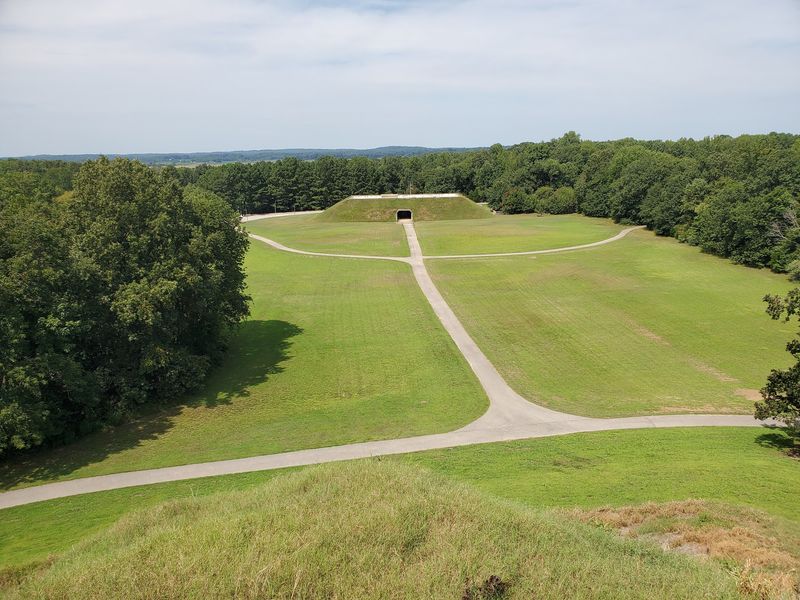
Climbing 117 wooden steps might sound like a workout. At Pinson Mounds, those steps lead to the top of an ancient Native American mound, and the view is worth the effort.
This park protects a big collection of earthen mounds built by Native Americans long ago. The whole property spreads across about 1,200 acres in West Tennessee.
The star is Saul’s Mound, which rises more than 70 feet. It ranks among the tallest Native American mounds in the country.
Standing beside it helps you grasp the effort involved. Builders moved huge amounts of earth without modern machines, basket by basket.
Descriptive signs are posted near various mounds. They explain what each one is and why it mattered, so you’re never left guessing.
The museum is a great place to start. Exhibits share the history of the mound builders and give useful context before you hit the trails.
Speaking of trails, there are miles of them. Many are paved, and a boardwalk winds through parts of the park.
That makes it friendly for strollers and bikes. Cycling lanes are available, so you can roll between mounds if walking isn’t your thing.
Kids have plenty to keep them busy. A playground with slides and swings sits near picnic tables and pavilions.
The park is open daily from 7 AM to 5 PM. Saturday mornings and afternoons draw the biggest crowds, while weekday mornings feel peaceful.
Visiting is free, which makes this a fantastic budget-friendly outing. You get history, exercise, and a sweeping view, all for the price of a tank of gas.
11. Dunbar Cave State Park, Clarksville
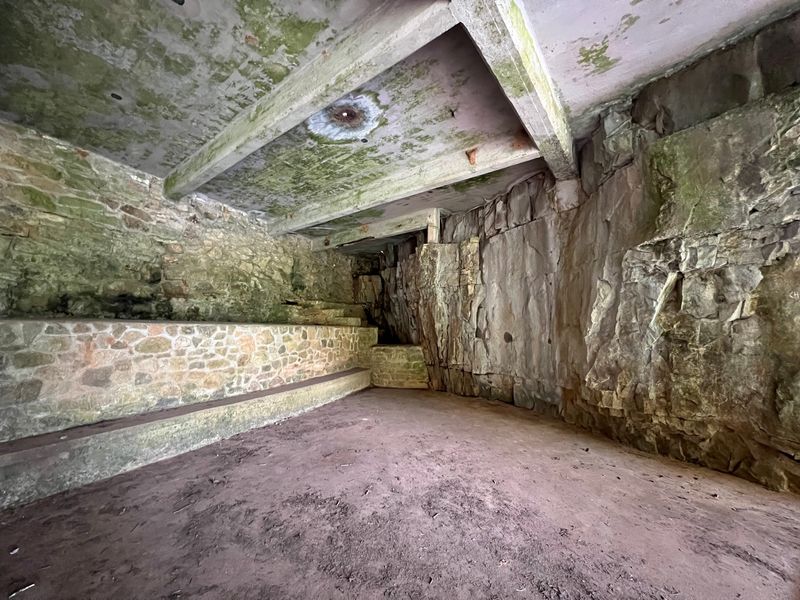
Feel that cool breeze? Dunbar Cave breathes chilly air out of its wide mouth, which made it a popular summer hangout long before air conditioning existed.
The cave has a long and colorful history. Back in the 1930s and 1940s, big band dances were held right at its entrance.
Country music star Roy Acuff even owned the property for a time. Today it’s protected as a state park in Clarksville.
The cave itself is vast and deep. Guided tours take you into its dark passages, where you learn about the people who used it over the centuries.
Bring a jacket, even in summer. The air inside stays cool, and that famous breeze can surprise you.
Outside the cave, there’s plenty to explore. Three hiking trails loop through the park, and most of them are short and easy.
A pond sits near the entrance and buzzes with life. Keep an eye out for fish and frogs as you wander along the edge.
Fishing is not permitted at Dunbar Cave State Natural Area, but visitors can enjoy wildlife watching and hiking.
Wildlife fans should keep their eyes open on the trails. The park is home to a wide variety of creatures, so a quiet walk might reward you.
Picnic tables and restrooms make it easy to stay a while. Dogs are allowed, so your pup can join the hike.
The park opens daily from 8 AM to 4:30 PM. Weekends get busy, so a Wednesday morning may give you the calmest visit.
Guided cave tours are offered seasonally, and tickets are required. Reservations are strongly recommended because tours frequently sell out.
12. C.H. Nash Museum at Chucalissa, Memphis
Memphis gets plenty of attention for blues and barbecue. Just south of downtown, though, sits a site whose story goes back centuries before either one.
Chucalissa was home to a Native American community long ago, and its mounds still rise from the land. The C.H. Nash Museum helps you understand who lived here and how.
The University of Memphis runs the museum. That academic connection means the exhibits lean heavily on real research and real objects.
Authentic artifacts are on display inside. Seeing tools and pottery made by human hands so long ago makes history feel close and personal.
One of the coolest features is an archaeologist’s trench. It shows how experts dig carefully through layers of soil to uncover the past.
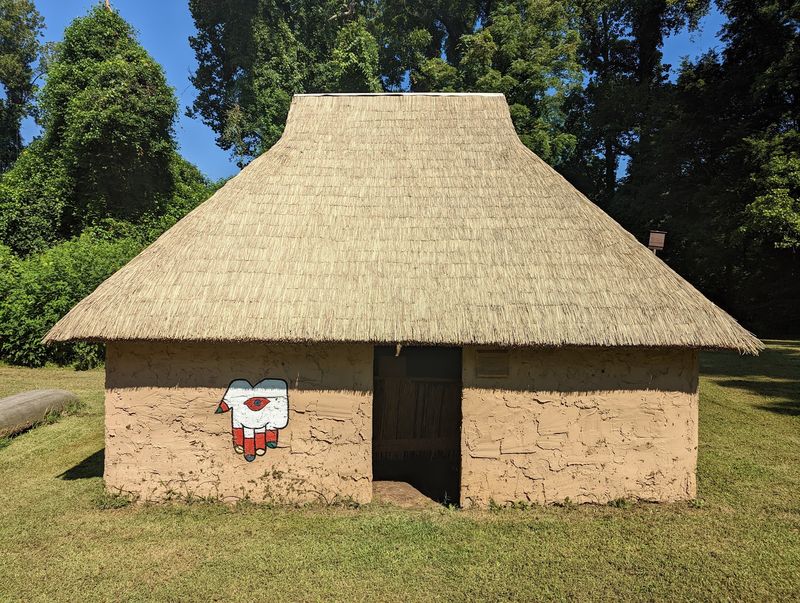
Head outside to explore the archaeological site and see a furnished replica of a Native American house. It gives you a clear picture of what homes and daily life may have looked like.
The mound sites are a must-see. Walking among them, you can imagine the busy community that once gathered here.
Families will find lots of hands-on fun. Interactive exhibits and activities keep younger visitors curious and engaged.
The museum also shares African American history connected to the area. That adds an extra layer to an already rich visit.
A theater, gift shop, and cafe round out the experience. Restrooms, including a gender-neutral option, are available, and active military visitors can get a discount.
Plan your timing carefully. The museum is open Tuesday through Saturday from 9 AM to 4 PM and closed Sunday and Monday.
It’s a smart stop if you want to see a different side of Memphis. Bring your curiosity and leave room in your day for wandering outside.
Share this story