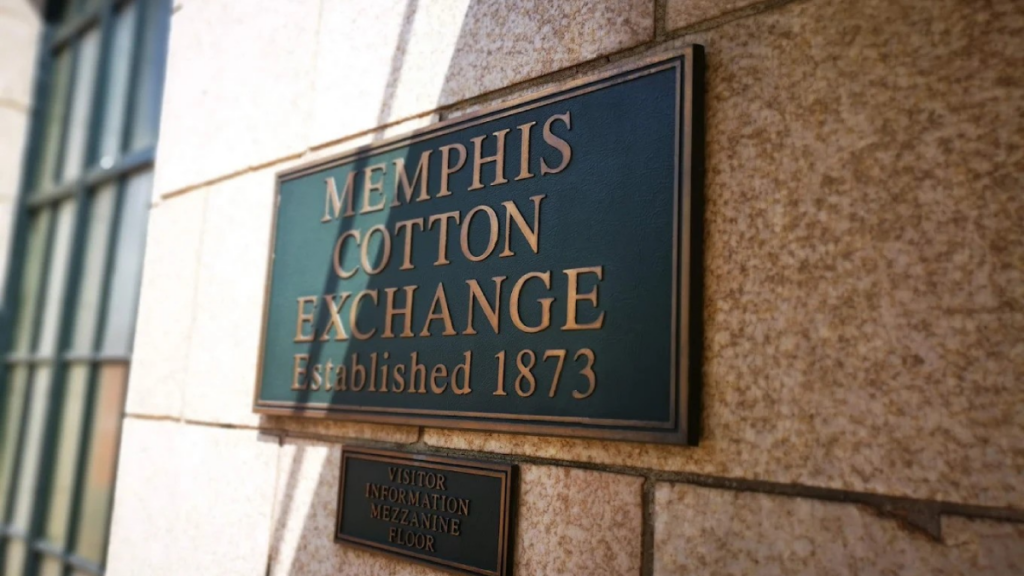
Cotton shaped the American South in ways few other crops could match. At the Cotton Museum inside the historic Memphis Cotton Exchange, you can trace how this single plant built fortunes, created cities, and changed millions of lives forever.
The museum sits right where traders once shouted prices and sealed deals that echoed across the globe, making it the perfect place to understand cotton’s massive impact on Tennessee and beyond.
A Tennessee Museum Inside a Landmark of Southern History
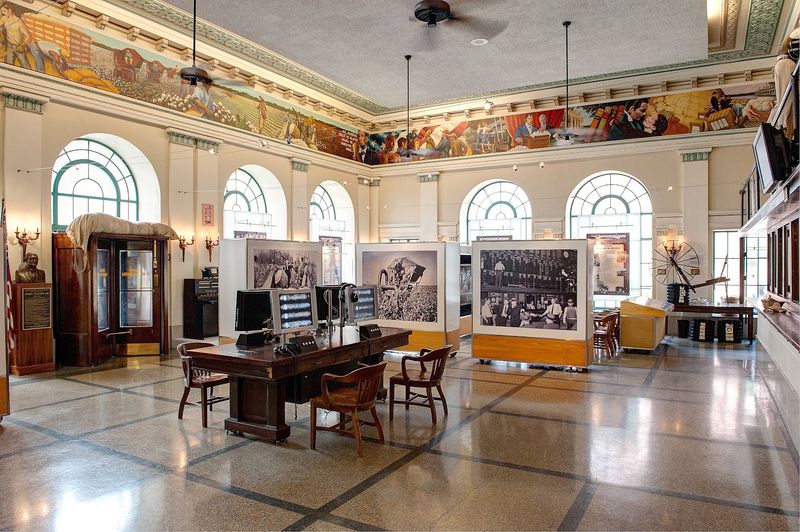
Walking into 65 Union Avenue feels like stepping through a time portal. The building itself dates back to 1939 and once buzzed with cotton traders making deals that moved global markets. Now it houses a museum that preserves that exact energy, right down to the original trading floor.
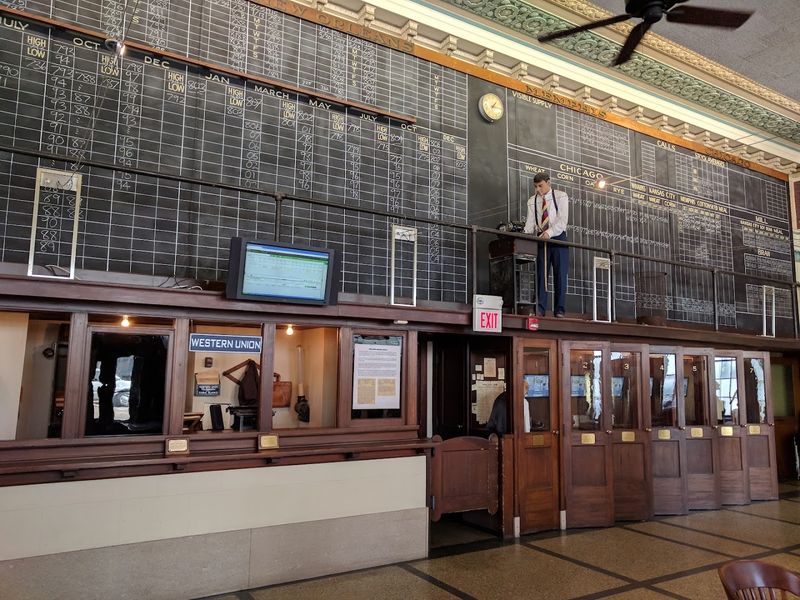
The location matters more than you might think. Memphis became the world’s largest spot cotton market, and this building stood at the center of it all. Traders gathered here daily, shouting bids and tracking prices on massive boards that still hang on the walls today.
You’ll notice the careful restoration work immediately. The museum team kept the architectural details intact while adding modern exhibits that bring the story to life. Original price boards, telegraph equipment, and trading documents fill the space where fortunes were made and lost.
The building’s design reflects the importance cotton held in Southern commerce. High ceilings, grand windows, and solid construction showed everyone that cotton business meant serious money. Walking through these rooms, you can almost hear the rapid-fire negotiations that once echoed off these walls.
What makes this location special is its authenticity. You’re not looking at a replica or a recreation. This is the actual Cotton Exchange, preserved and transformed into a learning space.
The floors you walk on are the same ones where traders rushed between calls, and the walls witnessed decades of deals that shaped the region’s economy and culture in profound ways.
How Cotton Became the Plant That Changed the South Forever
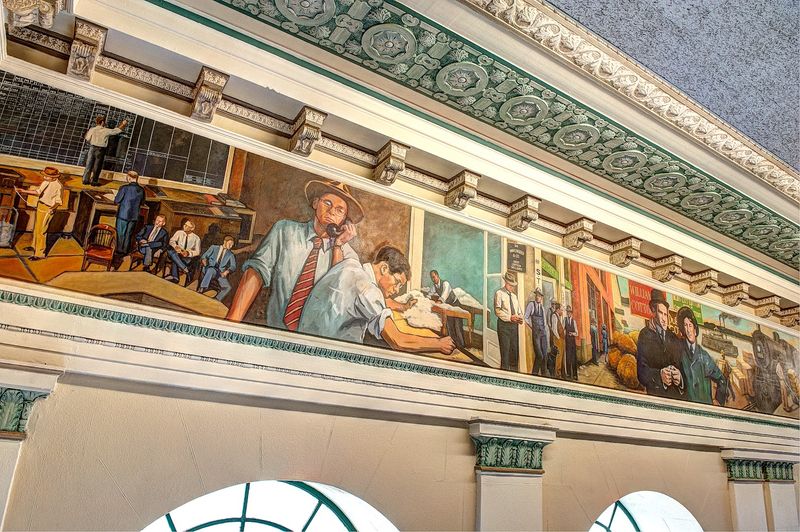
Before cotton dominated the landscape, the South looked completely different. The plant arrived from other continents but found perfect growing conditions in Southern soil and climate. What happened next transformed everything from economies to populations to entire ways of life.
Cotton farming required massive amounts of labor, which led directly to the expansion of slavery across the region. The museum doesn’t shy away from this brutal truth. Instead, it examines how cotton’s profitability created a system that devastated millions of lives while enriching a relative few.
The crop’s impact reached far beyond fields and plantations. Cotton built Memphis into a major city, funded railroads and river trade, and connected the South to global textile markets. Money from cotton sales flowed into banks, stores, and businesses throughout Tennessee.
After the Civil War, cotton continued to shape Southern life through sharecropping and tenant farming systems. These arrangements kept many formerly enslaved people and poor white farmers trapped in cycles of debt. The museum’s exhibits trace how cotton’s economic power persisted long after slavery ended.
The plant itself seems simple enough—white fluffy bolls growing on green stalks. But its effects rippled through generations. Cotton influenced music, especially the blues, as field workers sang to cope with backbreaking labor.
It shaped migration patterns as people moved seeking work. It even affected Southern food culture and social structures in ways still visible today across Tennessee and neighboring states.
Step Inside the Historic Memphis Cotton Exchange
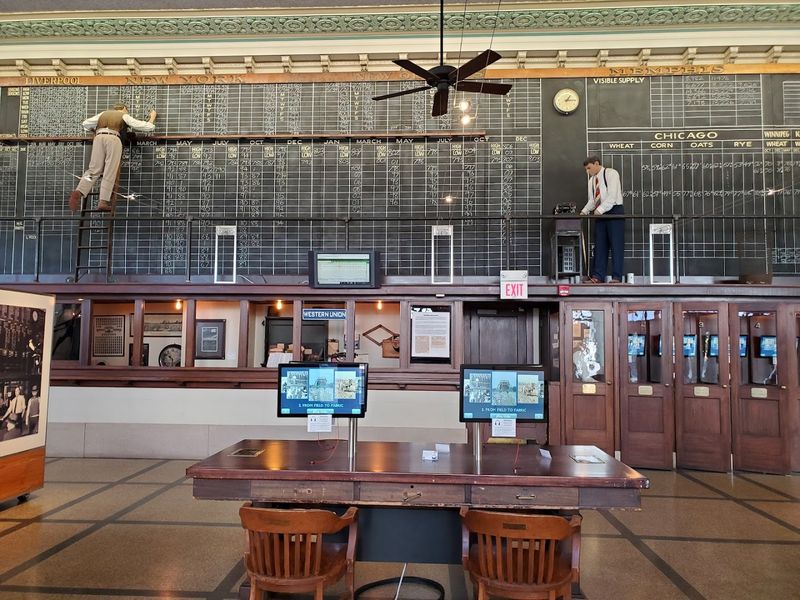
The trading floor hits you immediately when you enter. Massive price boards stretch across walls, showing the last cotton prices posted before the exchange closed. These aren’t replicas—they’re the actual boards traders watched obsessively, tracking every cent that could mean profit or loss.
Original telegraph equipment sits ready as if waiting for the next message. Back when this exchange operated at full capacity, telegraphs connected Memphis traders to cotton markets worldwide. Information traveled through these machines at lightning speed for that era, giving Memphis traders crucial advantages in timing their deals.
The room’s acoustics still carry voices well, which mattered when traders needed to hear bids shouted across the crowded floor. You can test this yourself by speaking from different spots. The building was designed so every trader could catch price changes and respond instantly.
Membership in the Cotton Exchange was exclusive and valuable. The museum displays original membership certificates and explains how joining this club opened doors to serious wealth. Only members could trade on this floor, creating a tight network that controlled much of the world’s cotton supply.
Interactive displays let you try your hand at understanding cotton grading and pricing. It’s trickier than it looks. Traders needed to assess quality instantly, calculate shipping costs, and predict market movements all while competing with dozens of other sharp businessmen.
The pressure must have been intense, and the museum captures that tension perfectly through preserved artifacts and multimedia presentations that recreate the exchange’s busiest days.
The People, Labor, and Lives Behind the Cotton Boom
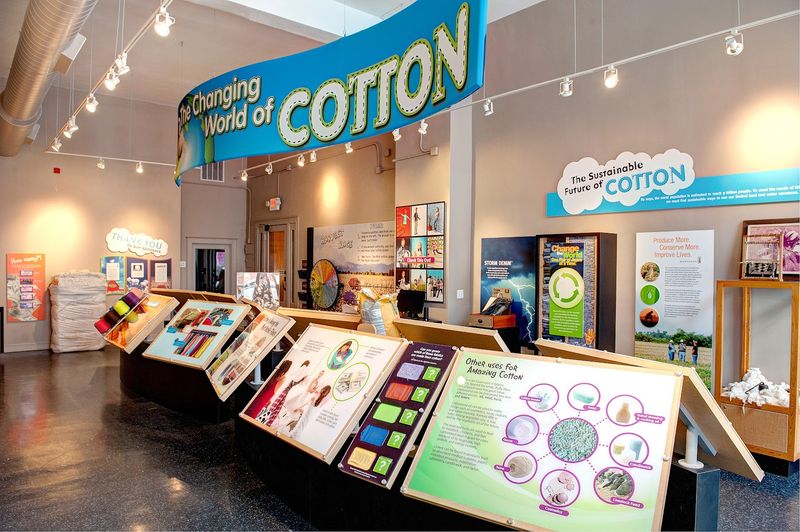
Cotton’s story belongs to the people who picked it, and the museum makes sure their voices aren’t forgotten. Exhibits document the enslaved workers who built the cotton economy through forced labor. Personal accounts, photographs, and artifacts bring individual stories forward rather than reducing people to statistics.
Children as young as five worked in cotton fields under slavery and later as sharecroppers’ kids. The museum includes materials explaining how entire families labored together from sunrise to sunset.
Sharecropping exhibits reveal how exploitation continued after emancipation. Families rented land and borrowed supplies from landowners, then owed most of their harvest as payment. The math rarely worked in their favor.
Company stores charged high prices, and debts passed from parents to children, trapping generations.
The museum also covers the Great Migration, when Black Southerners left cotton country seeking better opportunities in Northern cities. Memphis sat at a crossroads of this movement. The exhibits connect cotton labor to broader American history, showing how one crop’s demands pushed millions of people to remake their lives elsewhere.
Audio stations let you hear field songs and work chants that helped laborers maintain rhythm during endless picking. These musical traditions directly influenced blues and gospel music that emerged from the Delta. The connection between cotton labor and Memphis’s musical heritage becomes clear as you move through exhibits linking economic history to cultural creation.
From River Trade to Global Markets: Why Memphis Mattered
Geography made Memphis a cotton capital. The city sits where the Mississippi River could carry cotton bales to New Orleans and beyond. Before railroads dominated, river transport meant everything.
Cotton compressed into massive bales traveled by steamboat, and Memphis wharves stayed busy loading cargo headed worldwide.
The museum explains how Memphis transformed from a river town into a global trading hub. Merchants established offices here to buy cotton directly from planters, then resell it to textile mills in England and the Northern states. This middleman position generated enormous wealth that built downtown Memphis.
Railroad expansion strengthened Memphis’s advantages. Tracks connected the city to cotton-growing regions across Tennessee, Arkansas, and Mississippi. Farmers could ship their crops to Memphis faster than ever, and the city’s cotton market grew accordingly.
By the early 1900s, Memphis handled more cotton than anywhere else on Earth.
Global connections ran deep. British textile manufacturers depended on Memphis cotton, and international buyers maintained permanent representatives in the city. The museum displays documents showing transactions with companies from multiple continents.
Cotton from Tennessee fields literally clothed people across the world.
The futures market added another layer of complexity. Traders didn’t just buy and sell physical cotton—they bet on future prices, creating financial instruments that resembled modern stock trading. The museum breaks down these complicated transactions, showing how Memphis cotton trading pioneered financial techniques still used today.
This small Tennessee city influenced global commerce in ways that shaped modern capitalism itself.
What the Exhibits Reveal About Power, Wealth, and Hard Truths
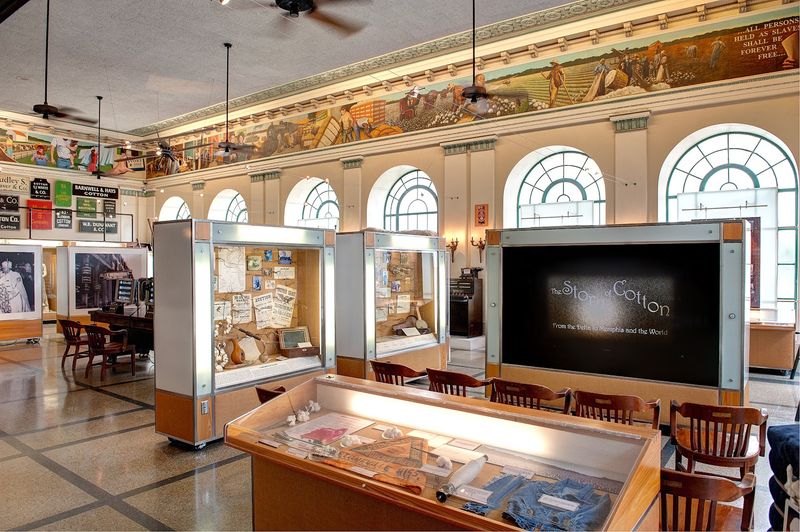
The museum doesn’t sugarcoat cotton’s legacy. One side of the story involves incredible wealth—fortunes built on cotton profits funded mansions, businesses, and cultural institutions. The other side involves human suffering on a scale that’s difficult to comprehend.
Both truths exist together in these exhibits.
Photographs of wealthy cotton merchants hang near images of field workers in tattered clothing. The visual contrast makes the point powerfully. Some people grew rich beyond measure while others owned nothing, not even their own bodies or their children’s futures.
Documents on display include both plantation ledgers showing profits and bills of sale for enslaved people. Reading these papers feels uncomfortable, which seems intentional. The museum wants visitors to confront how cotton wealth was extracted and who paid the real cost.
Exhibits covering minstrel shows and racial stereotypes connect cotton economics to cultural racism. The museum traces how people in power used entertainment and propaganda to justify exploitation. These connections between economic systems and cultural attitudes help explain how inequality persisted across generations.
Modern cotton production gets attention too. The museum shows how mechanization changed everything, eliminating the need for massive human labor. This shift had complex effects—it ended one form of exploitation but also displaced thousands of families who depended on cotton work.
Videos and interactive displays examine current cotton farming, including environmental impacts and global supply chains. The story continues, and the museum encourages visitors to think critically about cotton’s ongoing role in economics and daily life.
Why This Memphis Museum Still Feels Important Today
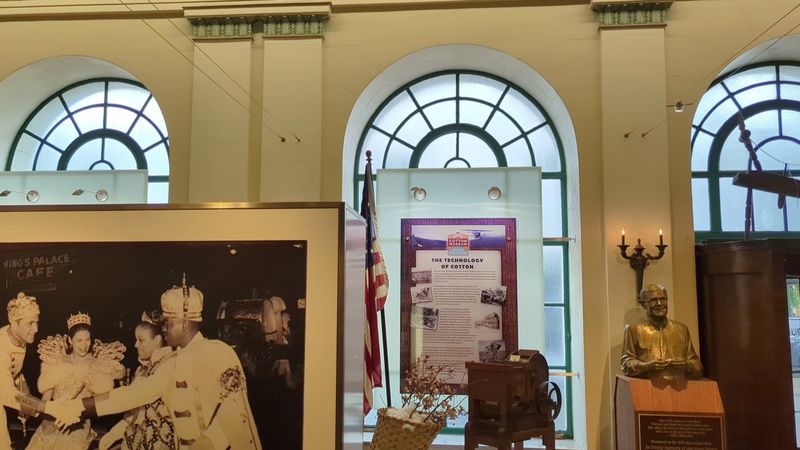
Some museums feel like dusty history with no connection to current life. This one doesn’t. Understanding cotton’s impact helps explain Tennessee’s present, not just its past.
The economic patterns, social structures, and cultural expressions that cotton created still influence the region today.
Visitors consistently mention how the museum changed their perspective. Many reviews note learning things they never knew, despite living in the South their entire lives. The museum fills gaps that schools often skip, providing context for everything from Memphis music to regional poverty to ongoing conversations about racial justice.
The kid-friendly section teaches younger visitors about agriculture, trade, and history without talking down to them. Children can touch cotton in various processing stages, try carding demonstrations, and play educational games. Making this history accessible to kids ensures future generations understand their region’s complex past.
The museum’s location downtown makes it easy to combine with other Memphis attractions. Many visitors stop here before heading to Beale Street or other music venues. That combination makes sense—blues music grew directly from cotton field experiences, so understanding one enriches appreciation of the other.
At just ten dollars for adults and less for seniors and students, the museum offers serious value. You could easily spend two hours reading exhibits, watching videos, and exploring the historic building. The gift shop sells locally made items and books about cotton history for those wanting to learn more.
Staff members are knowledgeable and happy to answer questions, adding personal touches that enhance the self-guided experience throughout this remarkably preserved piece of Tennessee heritage.