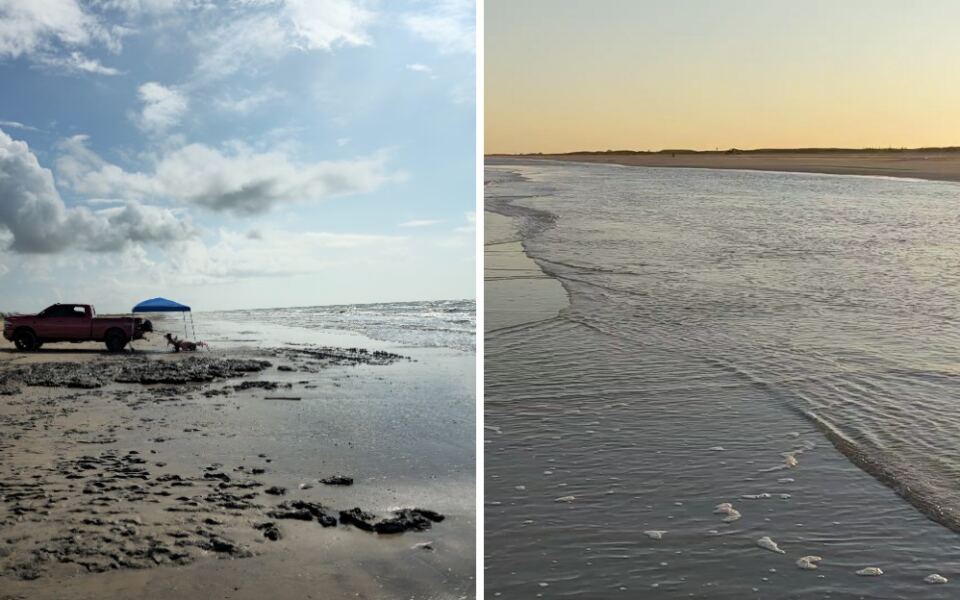
Imagine walking along a quiet Texas beach and spotting a fossilized shark tooth hidden among the shells. These tiny, dark treasures have been buried for thousands or even millions of years, and they’re just one of the unexpected discoveries waiting along this remote stretch of coastline.
Tucked inside McFaddin National Wildlife Refuge, this beach feels worlds away from Texas’ busy coastal destinations. The surrounding landscape is home to one of the largest remaining freshwater marsh systems on the upper Gulf Coast, where alligators lurk in canals and thousands of ducks and geese gather during winter.
What makes this place especially fascinating is how untouched it feels. Miles of open sand stretch beside the Gulf, with no crowded boardwalks, souvenir shops, or towering beachfront hotels. On a quiet day, you might have an entire section of shoreline almost to yourself.
Between the prehistoric fossils, abundant wildlife, and peaceful coastal scenery, this hidden Texas destination offers a completely different kind of beach experience. And there’s plenty more to discover beyond the sand.
The Shark Teeth Are Real, and They’re Ancient
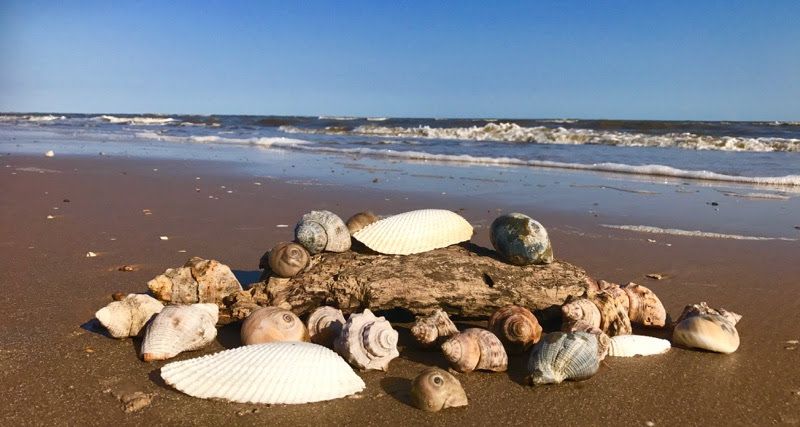
Tiny black triangles in the shell line are the treasure here. McFaddin National Wildlife Refuge sits on the upper Texas coast, and its beach is known among collectors for fossil shark teeth.
Most of the teeth are small, often smaller than your fingernail. They’re usually dark gray or black because minerals replaced the original material over a very long time.
Waves push older sediments from offshore onto the beach. That’s why storms and strong tides can reshuffle the sand and expose fresh finds.
The trick is patience, not speed. Walk slowly along the wrack line, where shells and debris pile up after high tide.
Look for a glossy shine and a pointed shape that stands out from shell fragments. Many hunters crouch low and scan small patches instead of sweeping the whole beach.
Bring a camera to photograph any fossils you discover, but leave them in place unless you have the required authorization to collect them. A hat and sunglasses also help, since glare makes dark objects harder to see.
Collecting fossils on national wildlife refuge land requires authorization, so check with refuge staff before visiting and leave any discoveries undisturbed.
Even if you leave empty-handed, the search is half the fun. Every shell pile feels like a lottery ticket.
You Can Drive Right Up to the Surf
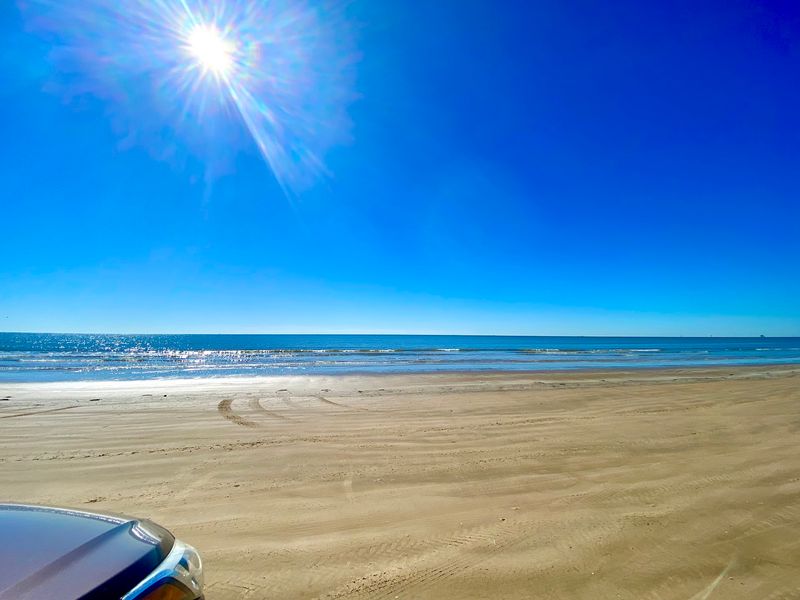
Forget hauling coolers across a scorching parking lot. On the beach portion of the refuge, vehicles can drive onto the sand and park close to the water.
That makes a big difference for families with gear. Fishing rods, chairs, buckets, and snacks can stay within arm’s reach.
Sand conditions change, though, and soft spots can trap a car fast. A high-clearance vehicle or four-wheel drive gives you more breathing room.
Tides matter too. Higher water can shrink the drivable beach, so watch the waterline and don’t park too close.
Erosion has reshaped this shoreline over the years. Parts of nearby Highway 87 were damaged and abandoned as the Gulf crept inland, which shows how restless this coast really is.
Speed limits and posted signs apply on the sand. Wildlife and other beachgoers share the same space, so take it slow.
Here’s a simple tip that saves headaches. Pack a shovel and a tow strap, just in case your tires start digging instead of rolling.
Once you’re parked, the payoff is huge. You get open sky, steady waves, and very little noise beyond wind and gulls.
Gators Rule the Marsh Canals
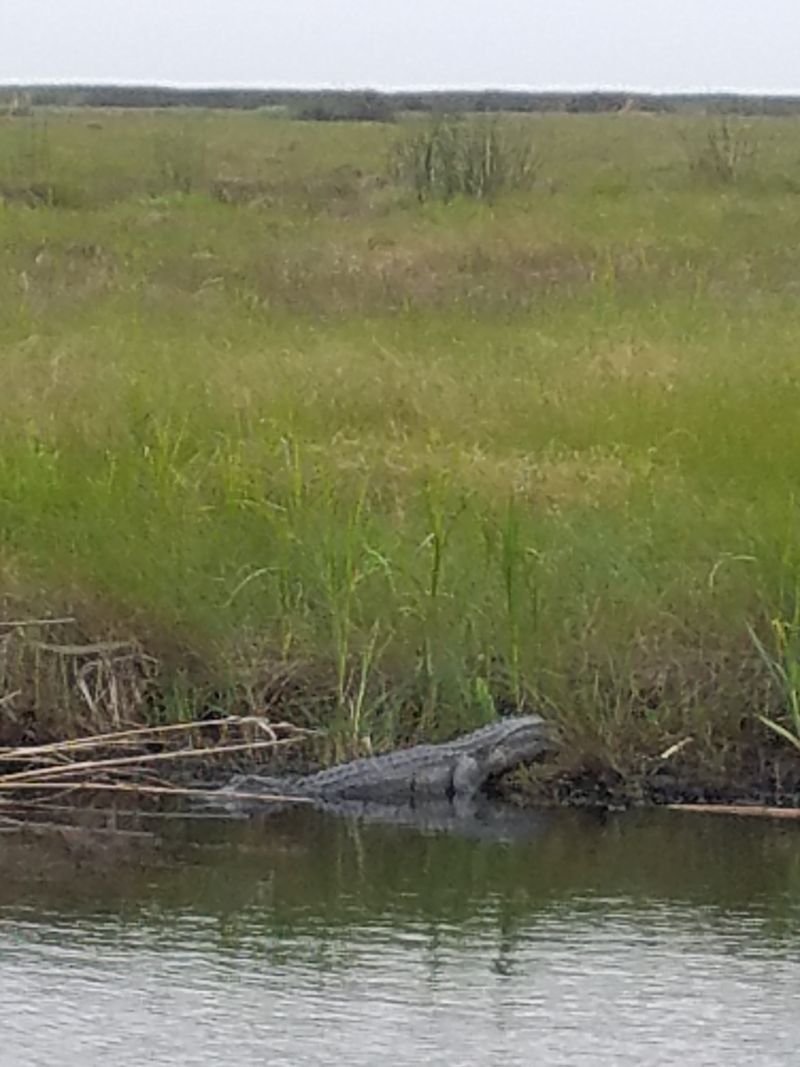
Alligators are the celebrities of this refuge, and they know it. The freshwater marsh gives them plenty of room to float, hunt, and soak up sunshine.
You’ll often spot them along canals beside the refuge roads. Sometimes only the eyes and snout break the surface.
Spring and warm sunny days tend to bring them out to bask. Cooler mornings can be good too, when they stretch out on muddy banks.
Keep a respectful distance at all times. Gators look sleepy, but they can move quickly over short distances.
Never feed them, and keep pets on a leash near the water. Feeding teaches gators to link people with food, and that creates real problems.
Binoculars or a zoom lens are your best friends here. You can get a great view without inching toward the bank.
Kids usually love counting gators from the car window. It turns a quiet drive into a nature scavenger hunt.
The refuge sits in Texas gator country, so sightings are common in the right season. Still, wild animals keep their own schedules, and that unpredictability is part of the thrill.
Winter Brings a Sky Full of Ducks and Geese
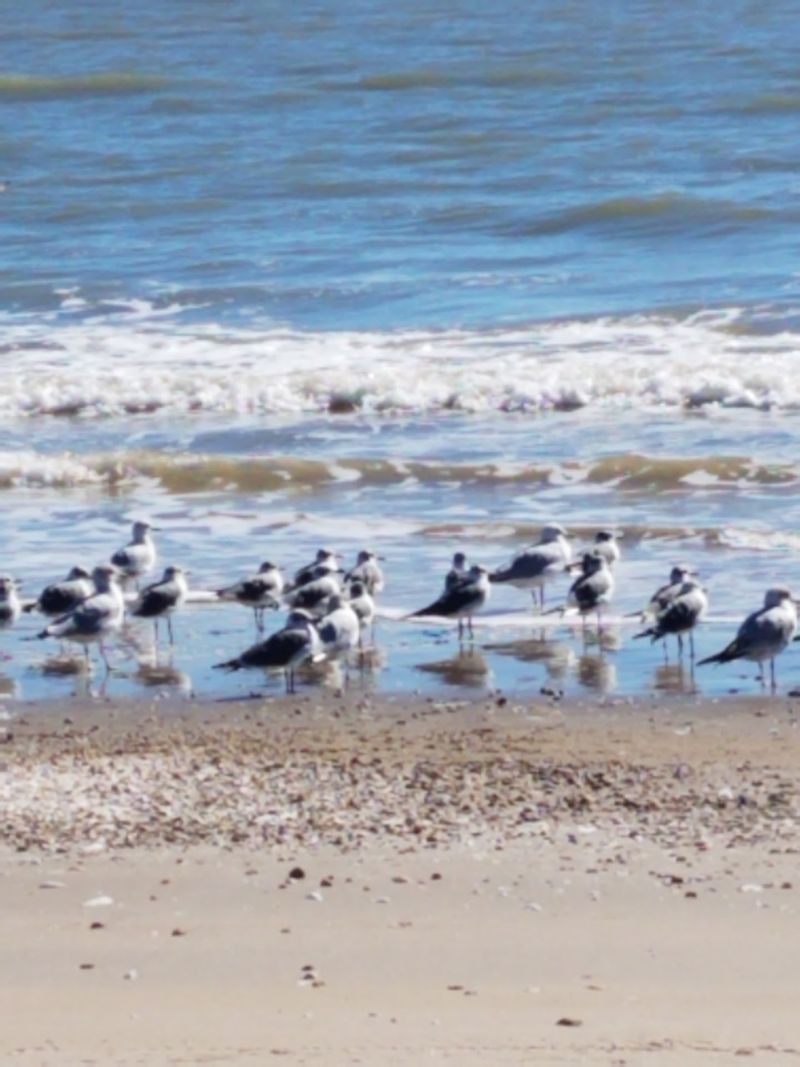
Cold weather up north means a party down here. McFaddin National Wildlife Refuge was set aside largely to protect habitat for wintering waterfowl.
Each winter, huge numbers of ducks and geese arrive along the Central Flyway. The marsh offers food, water, and shelter after a long trip south.
Refuge managers work hard to keep that habitat healthy. Water levels, prescribed fire, and marsh restoration all help birds find what they need.
Birders get plenty to enjoy beyond ducks. Herons, egrets, roseate spoonbills, and shorebirds also show up in different seasons.
Spring migration adds another wave of color. Songbirds crossing the Gulf sometimes rest along the coast after their long flight.
A simple field guide or birding app makes the visit more fun. Naming what you see turns a pretty view into a real discovery.
Early morning light is gorgeous over open water. Wildlife often feels more active, and the heat hasn’t kicked in yet.
Patience pays off in big skies like these. Sit still for a few minutes, and the marsh starts revealing far more birds than you first noticed.
Crabbing Here Is Almost Too Easy
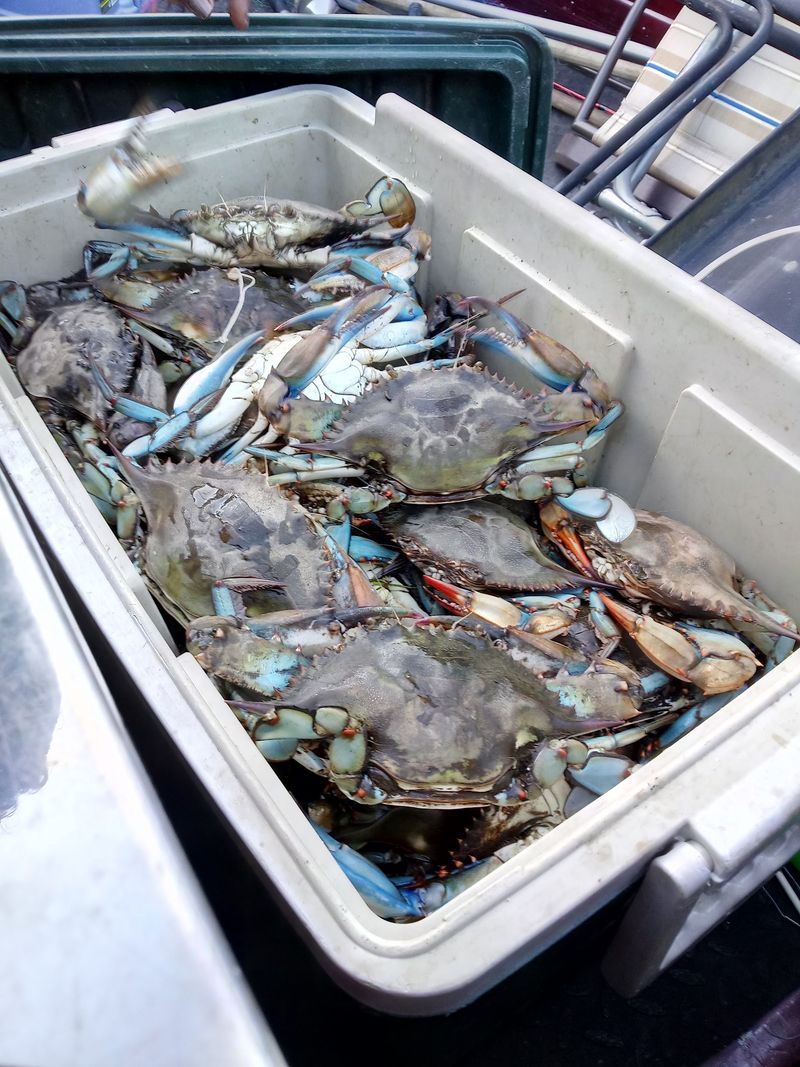
A chicken neck, a string, and some patience. That’s often enough to start pulling blue crabs out of the refuge canals.
McFaddin National Wildlife Refuge is popular for crabbing, especially around its waterways and Clam Lake area. Families find it a relaxed way to spend a morning together.
A hand-held line with bait is a simple way to catch blue crabs in designated areas of the refuge. Lower your bait, wait, then lift slowly so the crab doesn’t let go.
Kids tend to get hooked on this fast. Every tug on the line feels like a tiny victory.
Bring a cooler with ice if you plan to keep your catch. A pair of tongs also helps, because those claws mean business.
Texas size limits and possession rules apply. Check current Texas Parks and Wildlife regulations before heading out, along with any refuge-specific rules.
Remember that gators share these waters. Stay alert at the edge, and don’t leave bait scraps lying around.
Crabbing doesn’t need fancy gear or experience. It’s simple, cheap fun, and it might end with a delicious seafood dinner back home.
Anglers Have Surf, Lakes, and Canals to Choose From
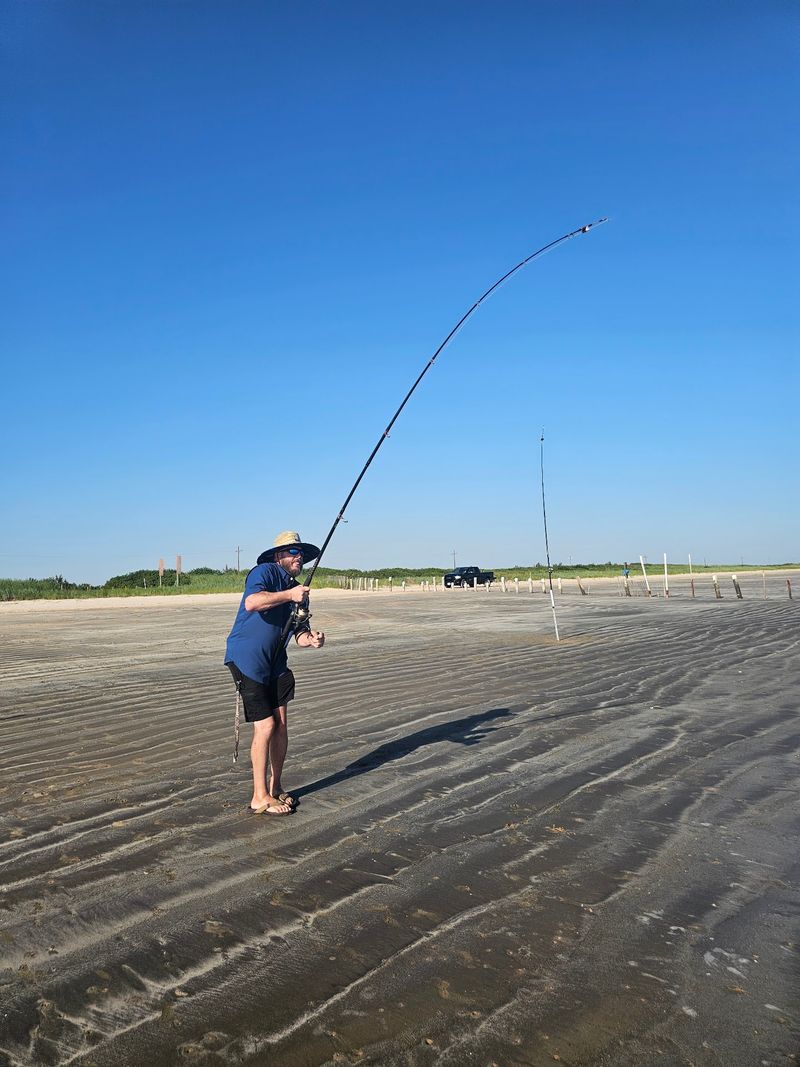
Options are the name of the game for anglers. You can cast into Gulf surf, or try your luck on the refuge’s freshwater and brackish waters.
Clam Lake is a well-known fishing spot on the refuge. It also gives the main entrance road its name.
Redfish, speckled trout, flounder, and croaker are common targets along this coast. Catches depend on season, tide, and plain old luck.
Surf fishing works well when the water is calm and clear. Seaweed can tangle lines on rougher days, so stay flexible.
Fishing hours and access points follow refuge rules. Some areas open seasonally, so check the latest regulations before you go.
A Texas fishing license is required for most anglers. Saltwater species also come with size and bag limits.
Pack your trash and any old fishing line. Discarded line can tangle birds and turtles, and nobody wants that.
Even a slow day out here beats a busy pier. You’ll have open water, steady breezes, and plenty of room to cast without bumping elbows.
Bring Everything, Because Out Here There’s Almost Nothing
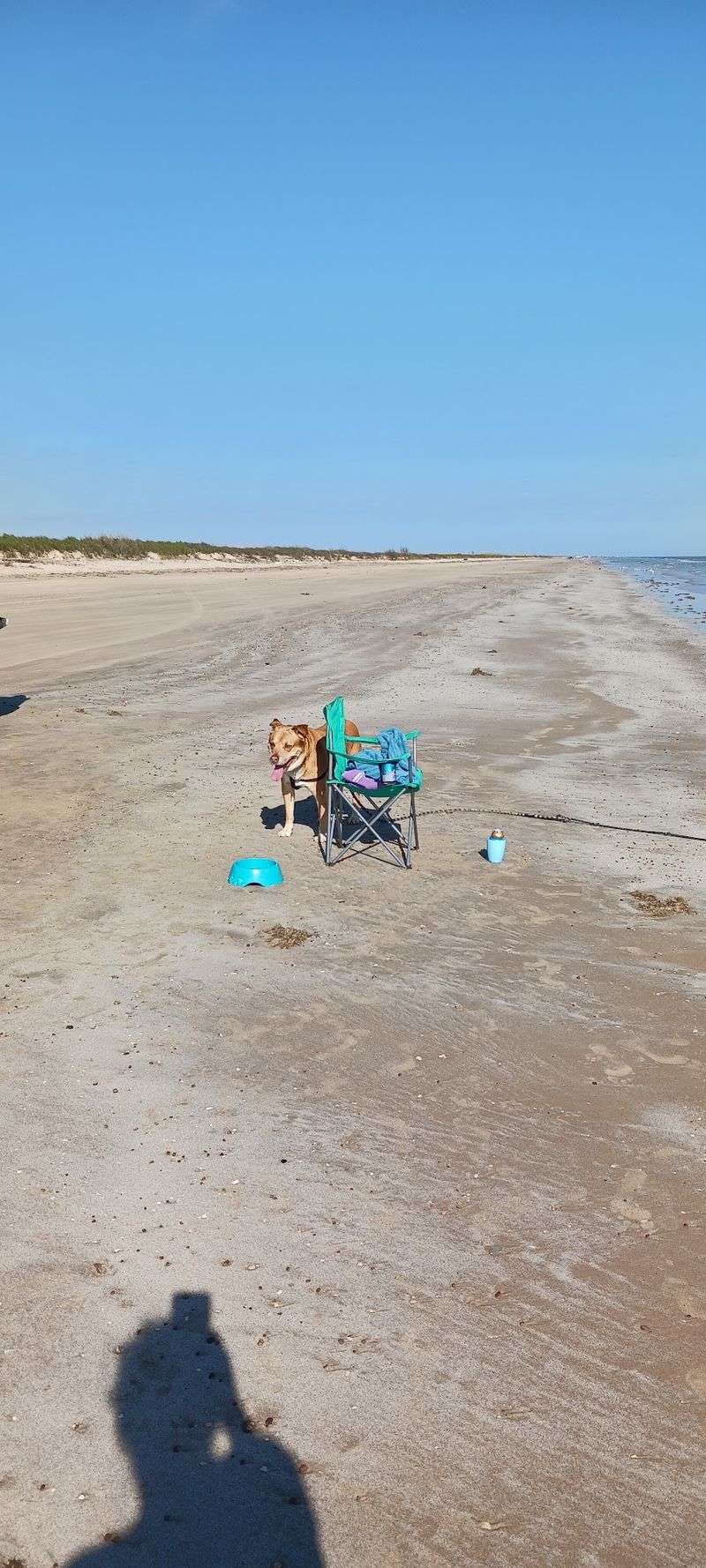
Shade is a rumor at this refuge. The landscape is mostly open marsh and beach, so the sun hits hard.
Facilities are basic, and stores are far away. Plan as if you’re on your own for the day.
Start with plenty of water and snacks. A cooler with ice keeps both drinks and any crab catch in good shape.
Sunscreen, hats, and long sleeves help a lot. Your shoulders will thank you by the afternoon.
Bug spray is non-negotiable in warm months. Mosquitoes and biting flies thrive in marshy coastal areas.
Watch the ground too. Fire ant mounds can hide in grassy spots, so sturdy shoes beat flip-flops.
Cell service can be spotty along the coast. Download maps ahead of time and tell someone where you’re going.
A full gas tank is smart as well. Sabine Pass is small, and services are limited compared with bigger towns.
Preparation turns a rugged trip into a great one. With the right gear, the emptiness feels peaceful instead of stressful.
Finding the Front Gate Is Half the Adventure
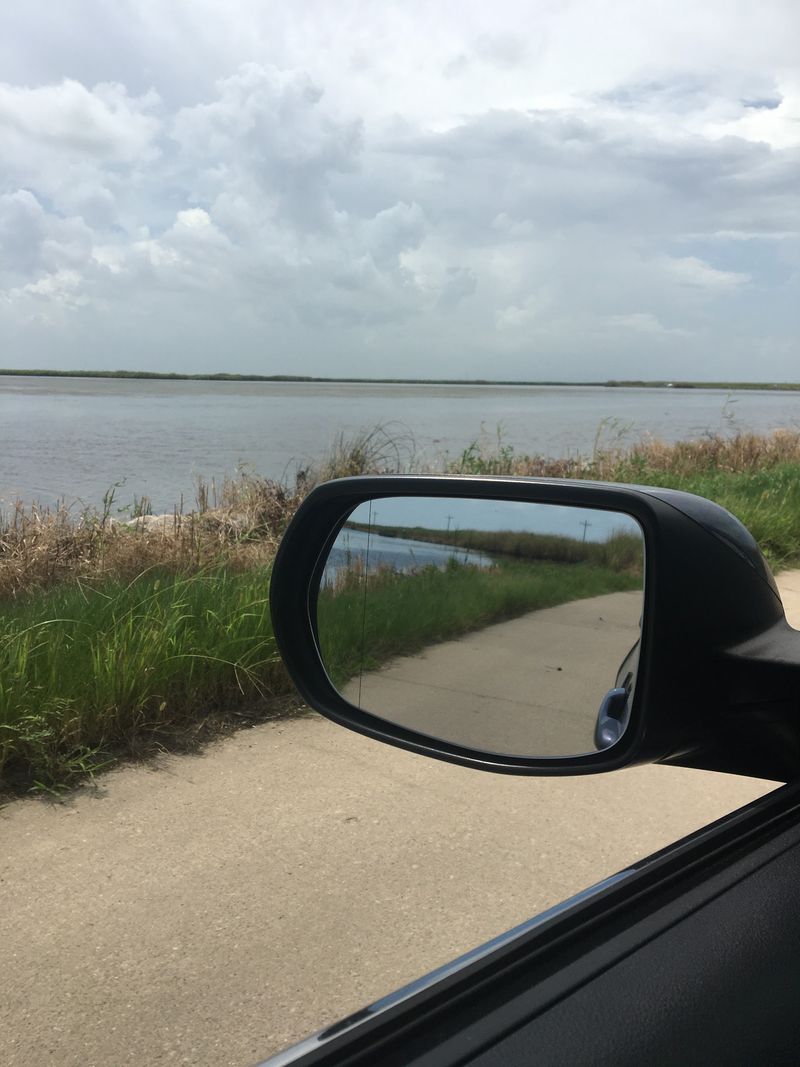
Southeast Texas tucks this refuge into a corner most travelers never see. It lies west of Sabine Pass, near the Louisiana border.
The main entrance is at 5632 Clam Lake Rd, Sabine Pass, TX 77655. Clam Lake Road branches off Highway 87, the coastal route through the area.
Port Arthur and Beaumont are the closest larger cities. Houston is a longer drive, which helps explain why crowds stay thin.
Refuge access hours are generally from early morning into the evening. Check the official refuge listing before visiting, since hours and road access can shift.
Weather and storms can close sections temporarily. Road repairs also happen on some back routes after heavy rains.
The drive itself is part of the fun. Long views of marsh grass and open water stretch in every direction.
Plan your arrival early if fishing or birding is the goal. Morning brings cooler air and softer light.
You won’t find flashy signs or busy traffic out here. That quiet approach sets the tone for one of the most peaceful coastal escapes in Texas.
Stay Until Sunset and See Why People Keep Coming Back
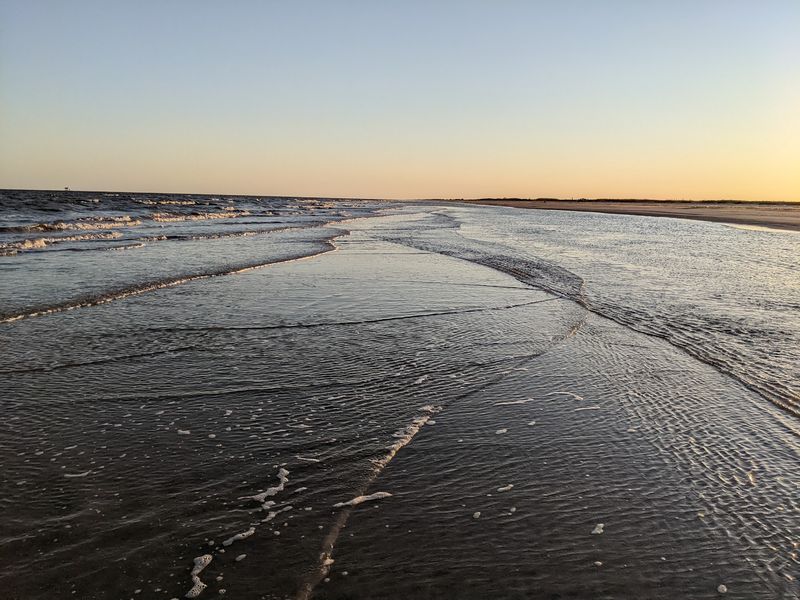
Evening light changes everything on the marsh. The grasses glow gold, and the water turns into a mirror.
Birds start moving toward their roosting spots as the day winds down. Flocks streaming across the sky make for great photos.
McFaddin National Wildlife Refuge protects tens of thousands of acres of coastal habitat. That scale feels especially big when the sun sinks low.
Photographers should pack a tripod if they have one. Fading light can blur shots of moving wildlife.
Keep an eye on the clock, though. Refuge areas close at set hours, and you’ll want time to drive out safely.
Mosquitoes often get bolder near dusk. A fresh layer of repellent is a smart move before the sky turns orange.
Leave the place cleaner than you found it. Picking up stray trash helps protect the birds, turtles, and beach you came to enjoy.
It’s easy to see the appeal of this wild Texas coastline. Between shark teeth, gators, and glowing marsh skies, one visit rarely feels like enough.
Share this story