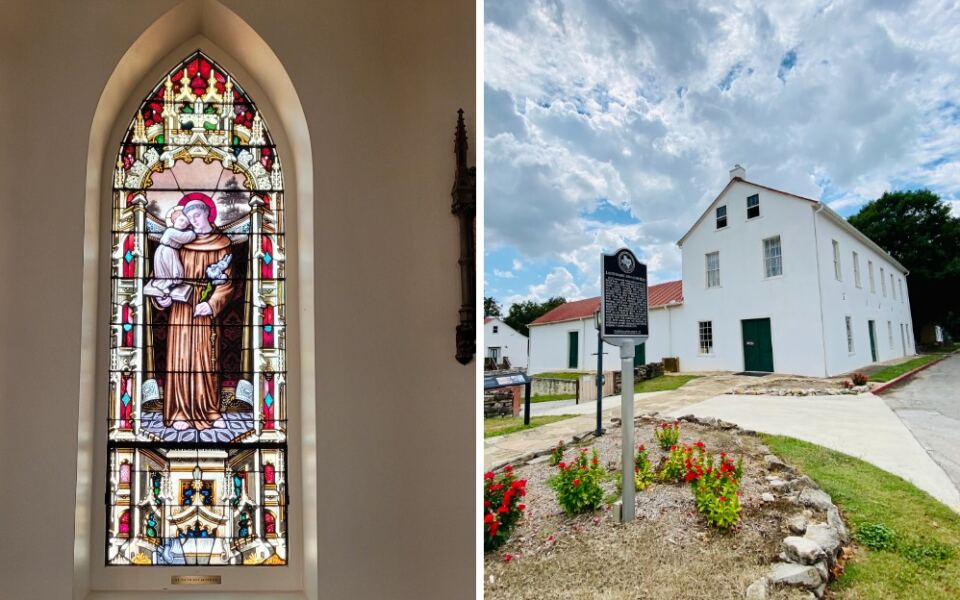
You don’t have to travel all the way to France to experience a little European charm. Just 25 miles west of San Antonio, a small Texas town is filled with historic stone houses, old-world architecture, and traditions that trace back nearly two centuries. Known as the Little Alsace of Texas, Castroville feels surprisingly different from the typical Hill Country destination.
The town’s story began in 1844, when French empresario Henri Castro brought settlers to the area, many from the Alsace region along the French-German border. They built sturdy limestone homes with steeply pitched roofs, and remarkably, many of those original buildings still stand today. Walking through the historic district feels like stepping into a different era.
But Castroville offers much more than beautiful old houses. There’s a beloved Alsatian bakery serving fresh pastries, a peaceful park along the Medina River, and fascinating historic landmarks that reveal how European traditions became part of Texas life.
What makes this little town so special is how naturally its history blends with everyday life. You can spend the morning exploring centuries-old architecture, stop for a sweet treat, and enjoy a relaxing afternoon by the river. And the best part?
This unexpected slice of France is just a short drive from San Antonio.
A Nickname That Makes You Do A Double Take
Castroville, Texas proudly goes by the Little Alsace of Texas. Alsace is a region in northeastern France, tucked against the German border.
The name comes from Henri Castro, a French empresario who led colonists here in 1844. He received a land grant from the Republic of Texas, back when Texas was its own country.
Many of his settlers came from the Alsace region along the Rhine River. They brought their language, farming skills, and building styles across the ocean. That’s a long way to travel for some Texas dirt.
The town sits along the Medina River in Medina County. It’s an easy drive west of San Antonio on U.S. Highway 90.
Today, Castroville remains a charming small town, with a population of approximately 3,400 residents. That size works in your favor because most of the good stuff sits close together.
Plan to park once and wander for a while. The historic district rewards slow walkers who like peeking at old doorways and rooflines.
A quick tip helps here. Start your visit with a little history so every building you pass means a bit more. The stories make the stone come alive.
Those Stone Houses Look Like They Floated Over From Europe
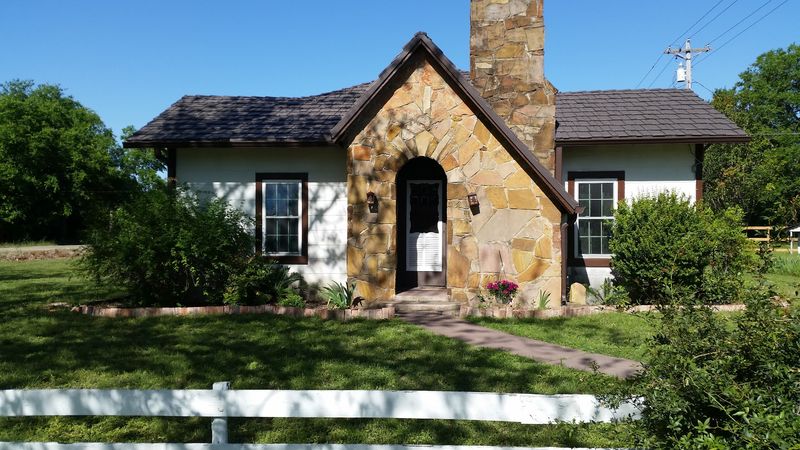
Steep roofs are the giveaway. The early Alsatian settlers built homes with sharply pitched roofs, a style common back in their homeland.
Many of those houses were made from local limestone and plaster. A good number still stand in the historic district, and some date to the 1840s and 1850s.
Castroville’s historic district is listed on the National Register of Historic Places. That’s a big deal for a town this size.
Walking these streets feels a bit like flipping through an old picture book. Lots of the homes are private residences, so admire them from the sidewalk.
Bring a camera and comfortable shoes. Morning light looks lovely on pale stone walls, and the cooler hours make Texas walking much easier.
Here’s a fun detail worth watching for. Some homes use a half-timbered look or simple, sturdy shapes that feel more European than Texan.
Kids might enjoy turning it into a game. Count steep roofs or spot the oldest-looking chimney on each block. You’ll be surprised how quickly the count climbs, and how fast everyone starts noticing tiny details.
You Will Want To See The Landmark Inn Before Anything Else
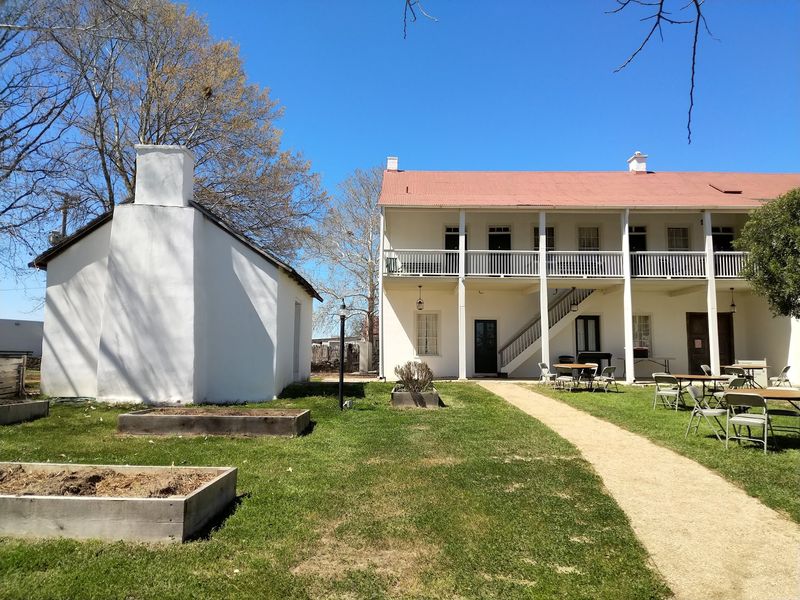
History buffs, this one’s for you. The Landmark Inn State Historic Site is run by the Texas Historical Commission and sits at 402 E. Florence Street in Castroville.
The site includes buildings from the mid-1800s. Travelers once stopped here on the road between San Antonio and the Rio Grande region.
There’s also a historic grist mill and dam on the Medina River. Early settlers used the river’s power for milling, which kept the community fed and working.
Visitors can explore the grounds and learn about frontier travel in Texas. Exhibits help explain how the inn served people heading west long ago.
The best part might be the setting. Big trees and the river make the property feel peaceful and shady.
Overnight lodging has been offered in historic rooms here. Check with the site before planning a stay, since hours and options can change.
Give yourself at least an hour. Reading the signs, walking to the mill, and soaking in the quiet river views takes time. Rushing through would be like skimming the best chapter of a good book.
Save Room For A Sweet Stop At Haby’s Alsatian Bakery
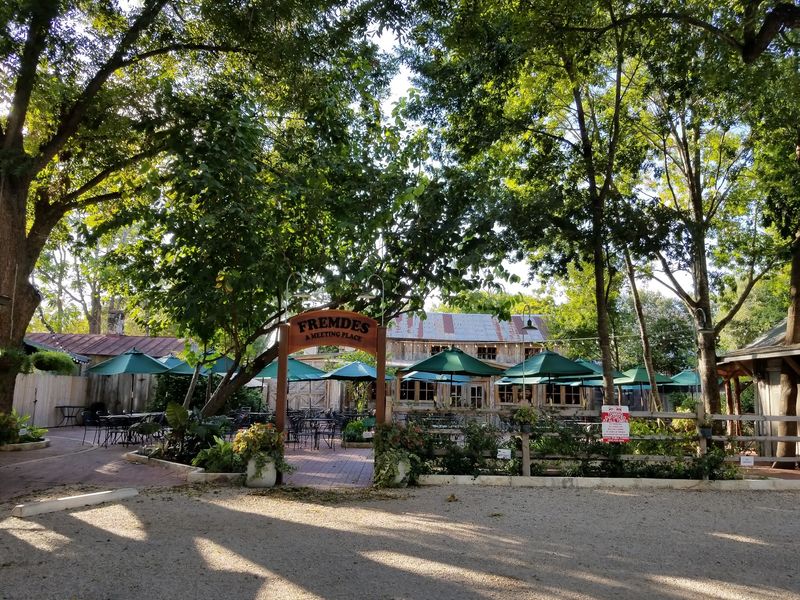
Pastries with a European family tree? Yes, please. Haby’s Alsatian Bakery has been a Castroville favorite for decades.
The bakery sits right along Highway 90, so it’s an easy stop. Its cases are known for apple fritters, strudels, breads, and other baked treats.
Haby is a familiar family name in Castroville. It connects back to early Alsatian settlers, which makes the bakery feel tied to the town’s roots.
Go earlier in the day if you can. Small bakeries can sell out of favorites, and nobody wants to miss the good stuff.
Grab a box to share with the car crew. Or keep it to yourself, since road-trip rules are flexible.
Be sure to check the hours before you go. Many small-town bakeries keep schedules that differ from big-city shops, and some close on certain days.
A pastry in hand also makes a perfect walking companion. Pair it with a stroll through the old streets nearby. History tastes even better with powdered sugar on your fingers, and your shirt might keep a souvenir too.
Climb Up To A Church With A View And A Story
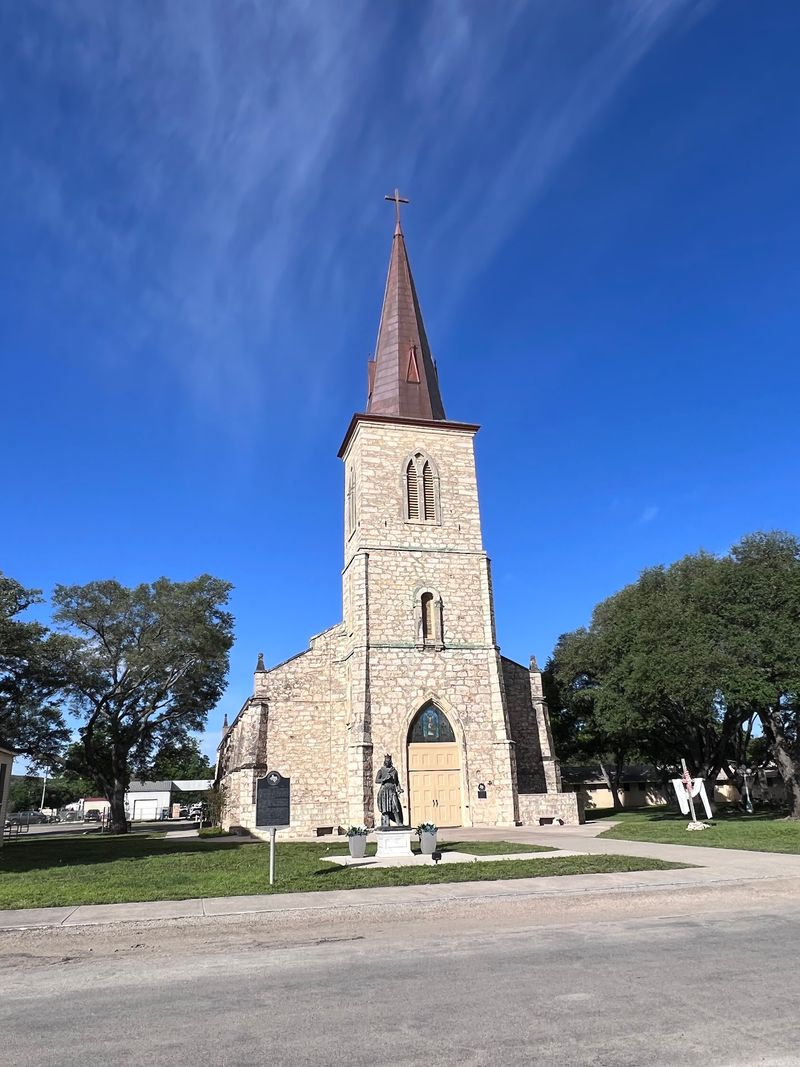
Steeples make great landmarks, and Castroville has a beauty. St. Louis Catholic Church stands as one of the town’s most recognizable buildings.
The parish dates to the early years of the colony. Faith played a big role for the Alsatian families who settled here.
The current church building was completed in the 1870s. Its tall design shows how much the community invested in their spiritual home.
Also close by is the small St. Louis First Church. It was built in the 1840s and ranks among the earliest structures in town.
Remember that this is an active parish. Be respectful during services and quiet when you visit the grounds.
Photographers will love the outside view, especially with a clear Texas sky behind the steeple. Golden hour adds warm color to the stone.
The church area also hosts community gatherings through the year. Many local events have roots in parish life, which says a lot about the town’s close ties. Even a short stop helps you understand why this community has stayed connected for well over a century and a half.
Bring A Blanket Because The River Park Steals Afternoons
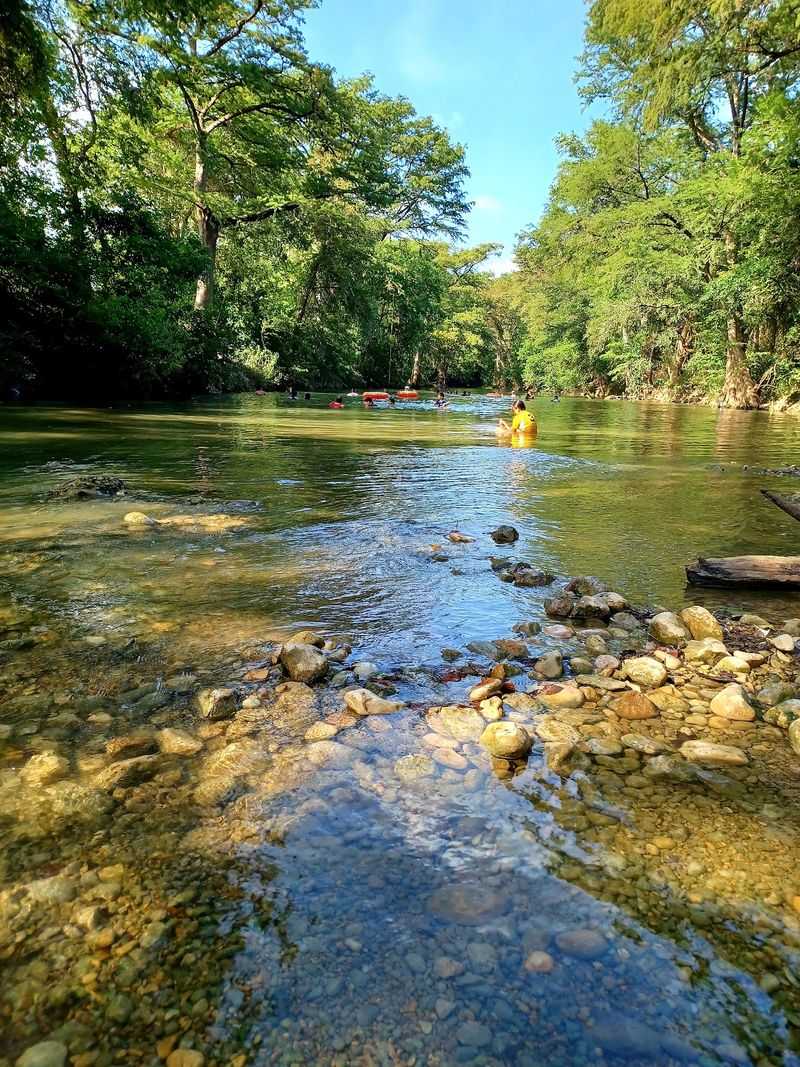
Cool water and big shade trees. Castroville Regional Park sits along the Medina River and makes a great break from sightseeing.
The park offers green space for picnics and room to stretch your legs. Kids can burn energy while grown-ups enjoy the river scenery.
It also connects to the town’s story. The Medina River helped draw settlers here in the first place, providing water for homes and farms.
Pack snacks, a blanket, and plenty of water. Texas heat can sneak up fast, especially in summer.
Bird watchers should bring binoculars. River areas often attract plenty of feathered visitors flitting between the trees.
The park also has an RV area, which is handy for road trippers. Check with the city for current rules, fees, and availability before arriving.
Honestly, this is the spot where your day slows down in the best way. After pastries and old houses, sitting by the river feels like a well-earned reward. Kick off your shoes, listen to the leaves, and let the afternoon stretch out a little longer than planned.
A Real Alsatian House Got Shipped Across The Ocean
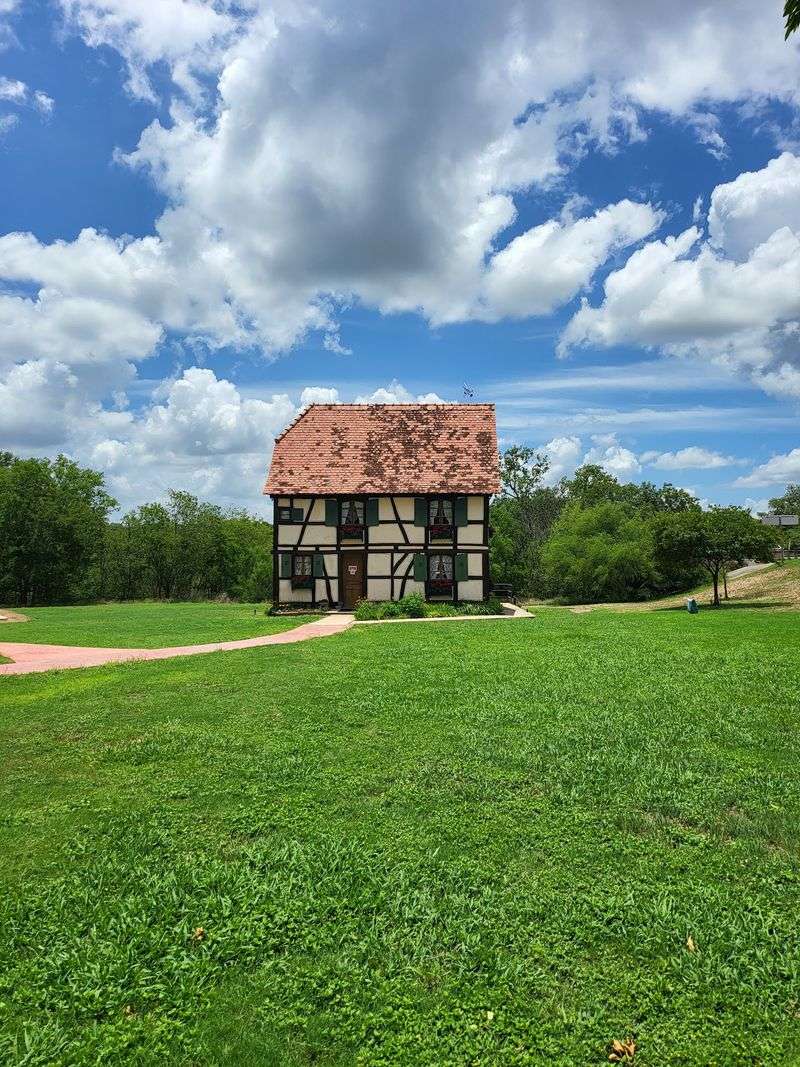
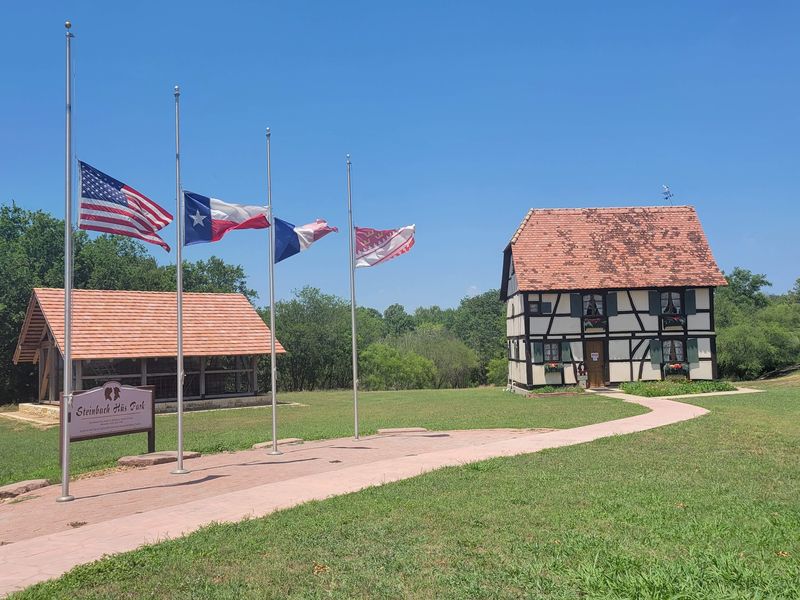
Talk about a long-distance move. The Steinbach Haus is a half-timbered home that was taken apart in Wahlbach, France.
The pieces were shipped to Castroville and rebuilt here. The house dates back to the 1600s, which makes it older than the United States.
It stands near the Alsatian-style setting at the Castroville Visitor Center area. The dark wooden beams against pale walls look straight out of a European storybook.
Seeing it helps you compare styles. Notice how the Texas homes in town adapted Alsatian ideas using local stone.
It’s a great photo stop for families. Kids usually love hearing that a whole house traveled by ship.
Hours for touring the inside can vary. Contact the visitor center ahead of time to learn when the house is open.
Even from the outside, it’s worth the detour. The building shows the deep bond between Castroville and Alsace in a way no sign could. Few places in Texas let you stand beside a house older than the country itself, and that alone deserves a minute of your time.
Plan Around St. Louis Day For A Hometown Party
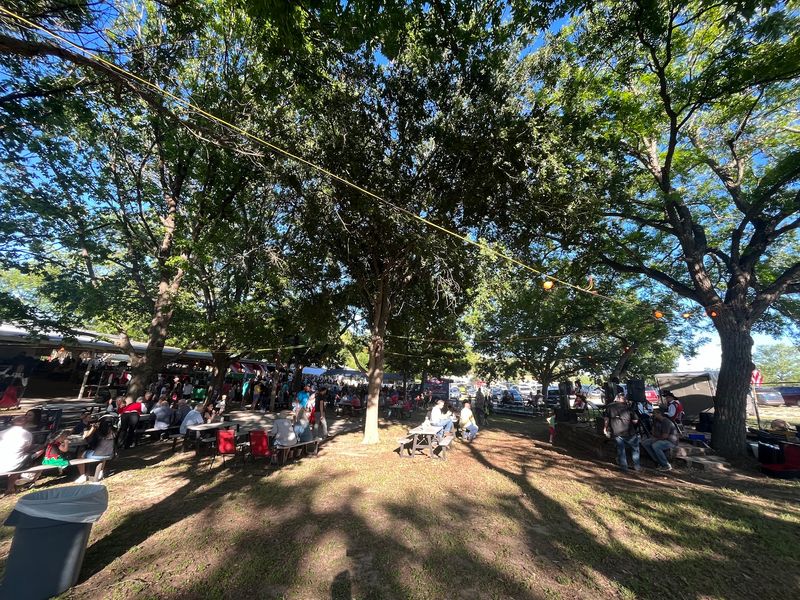
Every August, Castroville throws a big community celebration. St. Louis Day honors the town’s patron saint and brings people together outdoors.
The festival has been a local tradition for many years. It usually features food, music, games, and plenty of hometown spirit.
Timing matters here. The event typically lands near the feast of St. Louis, which falls on August 25.
Texas in August means serious heat. Wear a hat, drink lots of water, and look for shade whenever possible.
The town also hosts other events through the year. Seasonal gatherings and markets can pop up, so check the calendar before your trip.
Festivals are a great way to see community pride up close. You’ll get a sense of how traditions from long ago still shape life here.
Arrive early for easier parking and cooler temperatures. Bring cash too, since some small-town booths may prefer it. Then simply join in, grab a plate, and enjoy a party with roots stretching back to a little band of hopeful settlers who crossed an ocean to start fresh.
Make It A Road Trip With Easy Stops Nearby
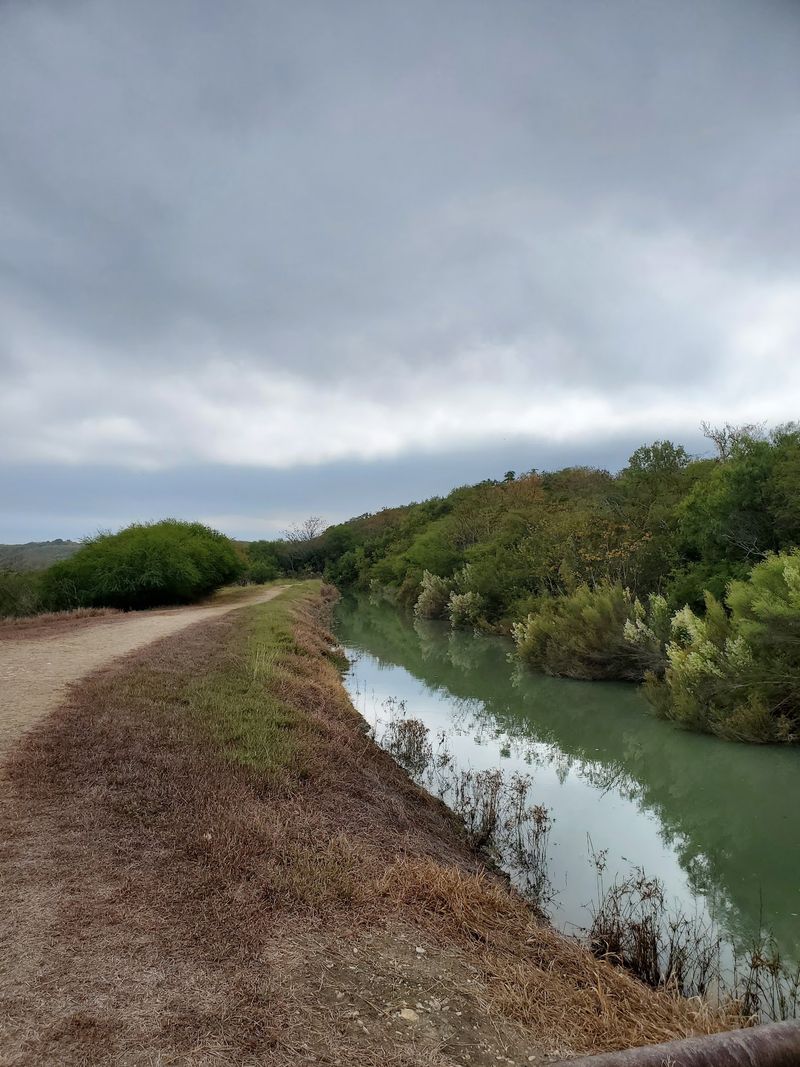
Location is one of Castroville’s best tricks. You’re roughly half an hour from downtown San Antonio, depending on traffic.
That makes it perfect for a day trip. Spend the morning in town, then head back for River Walk views by evening.
Heading the other way works too. The town sits near the edge of the Texas Hill Country, where rolling landscapes begin to stretch west.
Medina County has small towns worth exploring. Hondo, the county seat, sits a short drive farther west on Highway 90.
Nature lovers can look toward Medina Lake to the north. It’s a popular area for outdoor fun, though water levels can change.
Plan your route ahead and fill up your gas tank. Rural roads can have longer stretches between stations.
Here’s the best advice of all. Don’t squeeze Castroville into a quick hour. Give it a relaxed half day at least, so you can taste, stroll, and learn without rushing.
Paris can wait a little longer. This Texas slice of France is ready whenever you are, and the drive is far shorter than a transatlantic flight.
Share this story