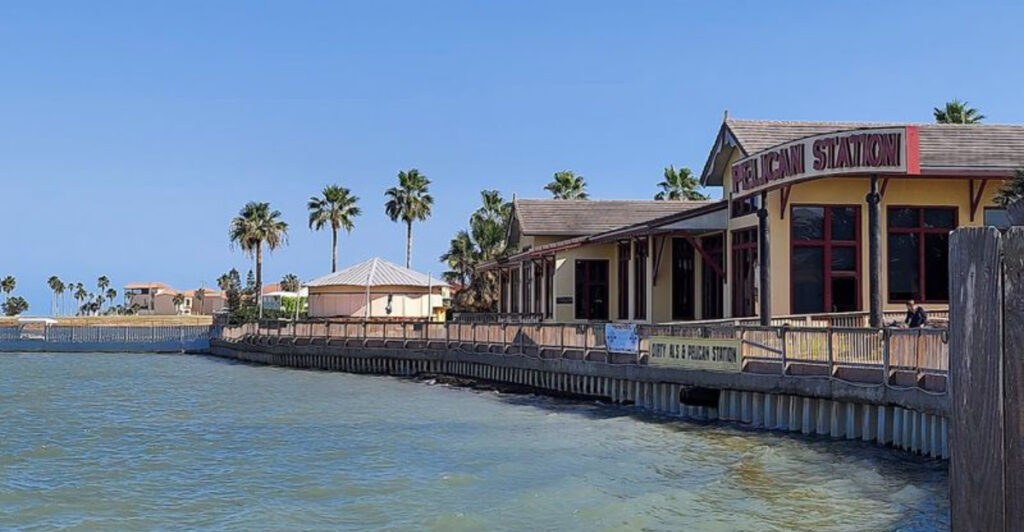
Texas isn’t just about its big cities and sprawling ranches. Hidden across the Lone Star State are charming small towns where history whispers from every corner, local diners serve up genuine hospitality, and the pace of life slows down just enough to let you breathe. These communities preserve the authentic spirit of Texas, offering travelers a chance to experience the state’s rich heritage, stunning landscapes, and warm-hearted people without the crowds and chaos of urban centers.
1. Jefferson
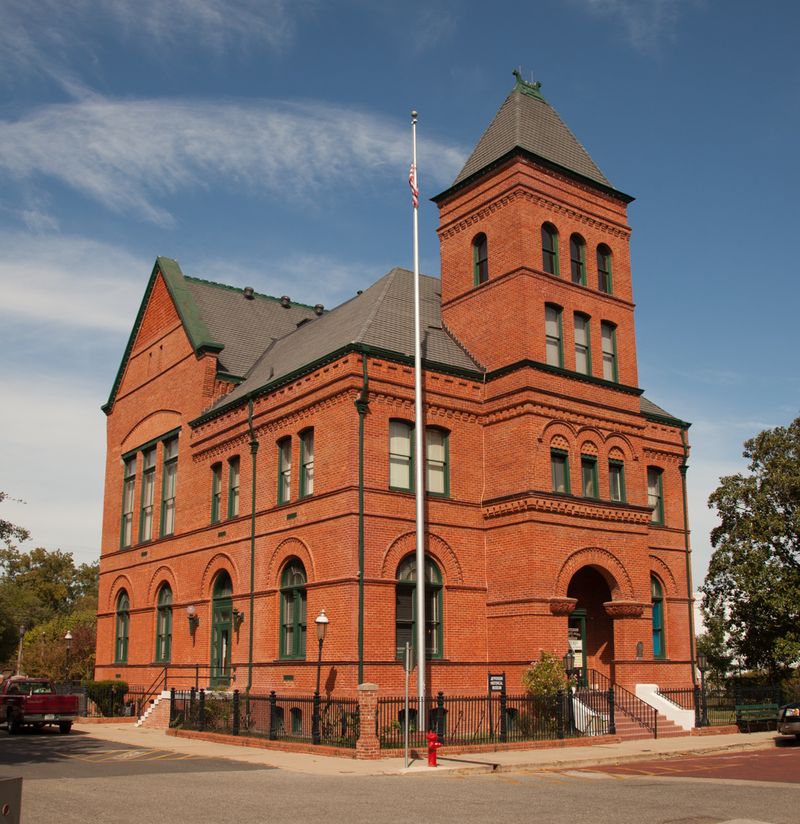
Tucked away in the Piney Woods of East Texas, Jefferson feels like stepping through a time portal into the 1800s. This riverport town once rivaled Galveston as a commercial hub, and its historic district remains remarkably intact with over 70 structures on the National Register of Historic Places. Walking down Austin Street, you’ll find Victorian storefronts housing antique shops, tea rooms, and museums that tell stories of riverboat captains and cotton traders.
The town’s bed-and-breakfasts occupy grand old homes where you might hear tales of friendly ghosts. The Jefferson Hotel, built in 1851, welcomes guests who appreciate creaky floors and period furnishings. Many visitors arrive specifically for the ghost tours that wind through candlelit streets after dark, sharing legends that have been whispered for generations.
Beyond the supernatural appeal, Jefferson offers peaceful activities like paddling Big Cypress Bayou or riding the historic railroad. The downtown area stays walkable and inviting year-round, though spring brings azaleas blooming around Victorian homes in spectacular fashion. Local restaurants serve Southern comfort food in dining rooms decorated with lace curtains and vintage china.
History buffs appreciate the museums dedicated to everything from Civil War artifacts to Mardi Gras memorabilia. The town hosts festivals throughout the year, including a Christmas candlelight tour that transforms the historic district into a scene from a Dickens novel. Small boutiques sell handcrafted items from local artisans, making it easy to find unique souvenirs.
Jefferson proves that Texas history extends far beyond cowboys and cattle drives. This riverport community preserves a different chapter of the state’s story, one filled with Victorian elegance, steamboat commerce, and a slower pace that modern visitors find refreshing.
2. Port Isabel
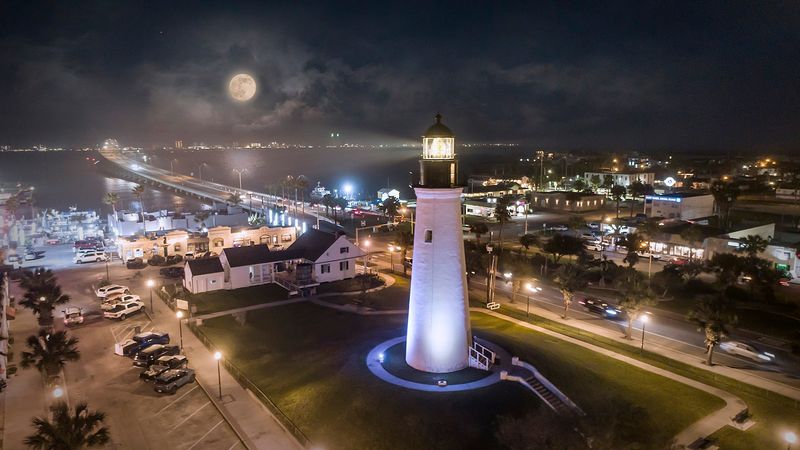
Where the Rio Grande meets the Gulf of Mexico, Port Isabel serves as the gateway to South Padre Island while maintaining its own distinct character. This fishing village turned coastal gem offers lighthouse views, fresh seafood, and a laid-back atmosphere that contrasts sharply with its party-loving neighbor across the causeway. The historic Port Isabel Lighthouse, built in 1852, still stands as a beacon and now welcomes visitors who climb its 75 steps for panoramic views of the Laguna Madre.
The town’s maritime heritage shows everywhere you look. Shrimp boats bob in the harbor while brown pelicans dive for fish near the docks. The Treasures of the Gulf Museum showcases artifacts from Spanish shipwrecks discovered offshore, including coins and cannons that spent centuries beneath the waves.
Walking the waterfront, you’ll catch the scent of salt air mixed with grilling fish from nearby restaurants.
Port Isabel’s dining scene revolves around whatever the fishing boats brought in that morning. Family-owned seafood restaurants serve plates piled high with fried shrimp, grilled redfish, and oysters on the half shell. The prices stay reasonable, and the portions satisfy even the heartiest appetites.
Many establishments offer outdoor seating where you can watch boats return with their daily catch.
The town attracts birders who come to spot rare species in the surrounding wetlands and nature preserves. Laguna Atascosa National Wildlife Refuge lies nearby, providing habitat for ocelots and countless bird species. Kayakers paddle through calm bay waters, exploring shallow flats where dolphins sometimes appear.
Port Isabel offers coastal Texas living without the Spring Break crowds. Families appreciate the safe swimming areas and fishing opportunities, while couples enjoy sunset strolls along the harbor. The town maintains its working-waterfront character while welcoming visitors who seek authentic coastal experiences.
3. Llano
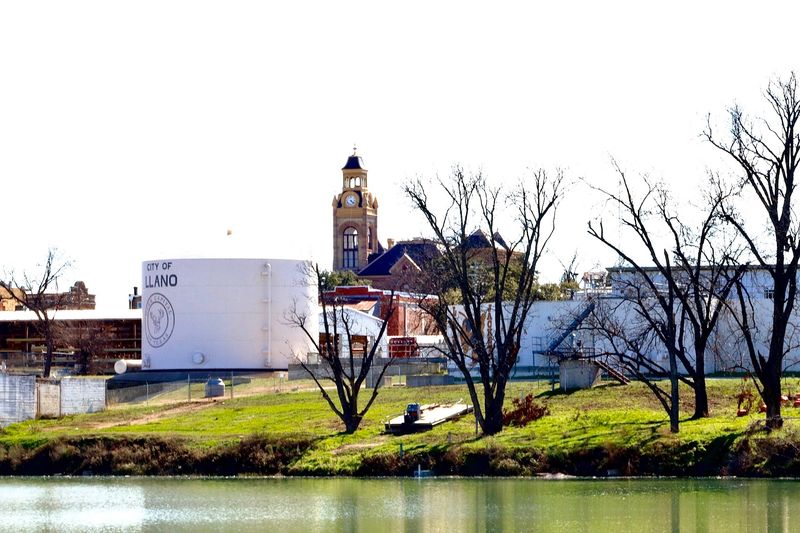
Right in the heart of the Texas Hill Country, Llano calls itself the Deer Capital of Texas, and one look at the trophy mounts in local businesses confirms they’re not exaggerating. The Llano River flows through town, creating a natural playground where locals and visitors cool off during scorching summer months. Clear water rushes over pink granite boulders, forming swimming holes that have been family favorites for generations.
This town takes barbecue seriously. Cooper’s Old Time Pit Bar-B-Que draws people from across the state who line up to select their meat directly from the outdoor pits. The aroma of mesquite smoke drifts through downtown, mingling with the scent of pecan trees that shade residential streets.
After eating, visitors waddle to nearby shops selling Hill Country wines, handmade jewelry, and Texas-themed gifts.
Llano’s location makes it perfect for exploring the surrounding countryside. The Enchanted Rock State Natural Area sits just a short drive away, offering hiking and rock climbing on one of the largest granite domes in the United States. Bluebonnets blanket the roadsides each spring, creating photo opportunities that fill up social media feeds.
Fall brings milder temperatures ideal for exploring the numerous wineries scattered throughout the region.
The town square maintains its small-town charm with a historic courthouse surrounded by local businesses. On weekends, you might find craft fairs or live music performances drawing crowds to the shaded lawn. Antique stores line the streets, their windows displaying everything from vintage cowboy gear to Depression-era glassware.
Fishing enthusiasts appreciate the river’s reputation for bass and catfish. Several outfitters rent tubes and kayaks for lazy floats downstream. The combination of outdoor recreation, excellent food, and genuine hospitality makes Llano a Hill Country destination that captures the essence of Central Texas living without any pretension or tourist traps.
4. Palestine
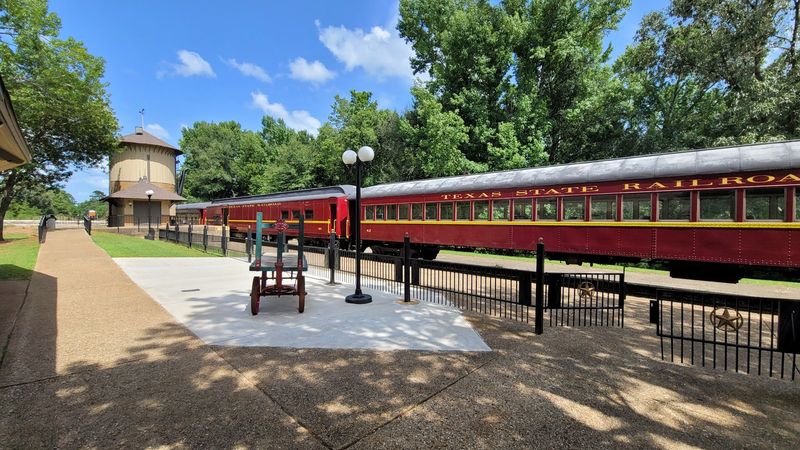
Named after Palestine, Illinois rather than the Middle Eastern region, this East Texas town surprises visitors with its beautifully preserved Victorian architecture and genuine small-town friendliness. The downtown historic district showcases red brick buildings that house boutiques, antique shops, and restaurants serving home-style cooking. Murals depicting local history add color to exterior walls, turning a simple walk downtown into an outdoor art gallery experience.
The Texas State Railroad operates from Palestine, offering scenic train rides through the Piney Woods to Rusk and back. Steam locomotives pull vintage passenger cars through forests of pine and hardwood, crossing 30 bridges including a 1,100-foot span high above the Neches River valley. The depot itself deserves attention, with its architecture reflecting the golden age of rail travel.
Many visitors time their trips to coincide with special themed rides like the Polar Express during December.
Palestine’s culinary scene reflects its East Texas roots. Barbecue joints smoke brisket low and slow, while cafes serve chicken-fried steak with cream gravy that tastes like somebody’s grandmother made it. The town hosts an annual Hot Pepper Festival each October, celebrating all things spicy with cook-offs, live music, and vendors selling pepper-infused products.
Local farmers markets offer fresh produce and homemade preserves throughout the growing season.
Dogwood trees bloom spectacularly each spring, earning Palestine recognition as a top destination for nature lovers. The Davey Dogwood Park provides trails winding through native forest, perfect for afternoon strolls when the weather cooperates. Lake Palestine nearby offers fishing and water sports for those seeking outdoor adventure.
History enthusiasts appreciate the numerous museums and historic homes open for tours. The town maintains several buildings from its days as a railroad hub, when trains connected Palestine to markets across Texas. Modern visitors find that same sense of connection, not through rails but through the warm welcome extended by locals proud of their community’s heritage and eager to share it.
5. Granbury
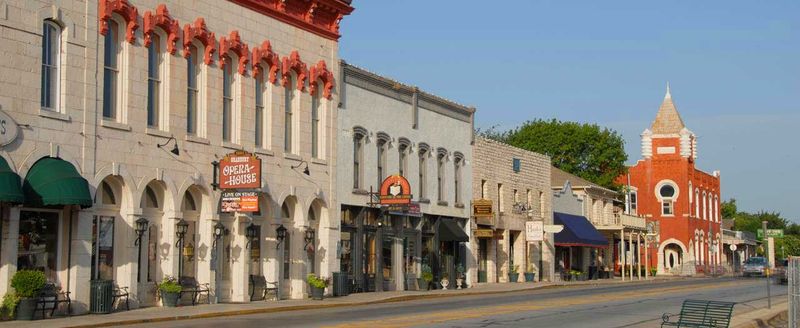
Wrapped around a picturesque town square dominated by the 1891 Hood County Courthouse, Granbury looks like it was designed specifically for weekend getaways. The limestone courthouse stands as the centerpiece, surrounded by specialty shops, restaurants, and the historic Granbury Opera House where live performances still entertain audiences in an authentic Victorian theater. Gas lamps line the square, and when they flicker to life at dusk, the scene could pass for a movie set.
Lake Granbury stretches along the town’s edge, created by a dam on the Brazos River. The waterfront area attracts boaters, fishers, and families who spread picnic blankets on grassy areas overlooking the water. Paddleboarding and kayaking have become popular ways to explore the lake’s calmer sections.
Several marinas rent equipment and offer boat tours, including sunset cruises that showcase the town from a different perspective.
The town embraces its connection to local legend, particularly the story that John Wilkes Booth didn’t die in 1865 but instead lived out his days in Granbury under an assumed name. Whether you believe the tale or not, it adds intrigue to cemetery visits and historical discussions. More verifiable history appears in the numerous Victorian homes that have been converted into bed-and-breakfasts, each decorated with period antiques and offering modern comforts.
Granbury’s restaurant scene punches above its weight for a town its size. From upscale dining establishments serving Hill Country cuisine to casual eateries dishing out burgers and barbecue, the variety impresses visitors. Several wineries operate tasting rooms around the square, pouring Texas wines in cozy settings perfect for conversation.
The town calendar stays packed with festivals and events. Christmas transforms the square into a winter wonderland despite Texas temperatures. Art shows, car shows, and music festivals draw crowds throughout the year.
Granbury manages to feel both historic and vibrant, preserving its past while creating new memories for visitors who return year after year.
6. Alpine
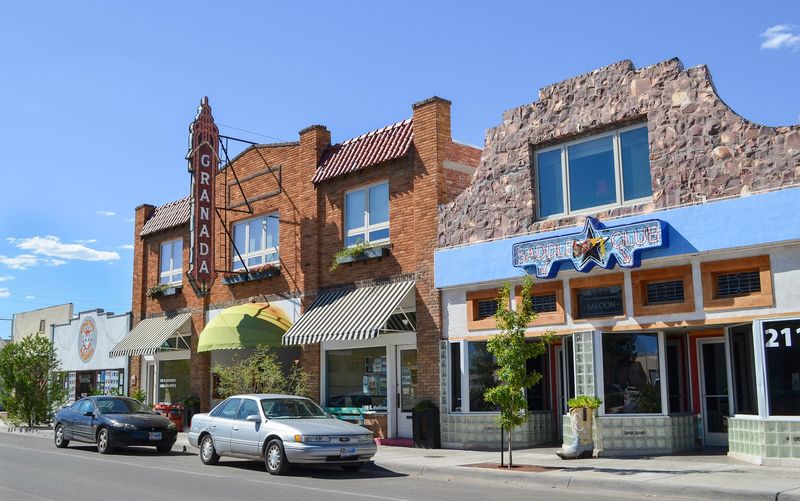
High in the Davis Mountains at 4,500 feet elevation, Alpine offers cooler temperatures and big sky views that seem to stretch forever. This college town serves as the gateway to Big Bend National Park while maintaining its own appeal as a hub for artists, ranchers, and outdoor enthusiasts. Sul Ross State University brings youthful energy to downtown, where galleries showcase works inspired by the dramatic West Texas landscape surrounding the community.
The Museum of the Big Bend, located on the university campus, houses collections documenting the human and natural history of the Trans-Pecos region. Exhibits cover everything from prehistoric inhabitants to pioneer ranching families. The building itself commands attention with its Spanish Colonial Revival architecture.
Outside, native plant gardens demonstrate how desert vegetation thrives in harsh conditions.
Alpine’s art scene flourishes despite its remote location, or perhaps because of it. The stark beauty of desert mountains attracts painters, photographers, and sculptors who find inspiration in the landscape’s raw power. Galleries downtown display their works alongside Native American crafts and Western artifacts.
The annual Alpine ArtWalk invites visitors to meet artists and explore studios tucked into historic buildings.
Outdoor recreation opportunities abound in the surrounding mountains and high desert. The Davis Mountains Scenic Loop takes drivers through spectacular terrain where pronghorn antelope graze and golden eagles soar. McDonald Observatory sits atop nearby Mount Locke, offering star parties where visitors peer through powerful telescopes at celestial objects invisible to urban dwellers.
The night sky here rivals any in North America for darkness and clarity.
Downtown Alpine maintains an authentic Western character without feeling touristy. Local restaurants serve steaks from regional ranches and Mexican food reflecting the border’s proximity. Coffee shops provide gathering spots where cowboys, college students, and artists mingle over morning brews.
The town embraces its role as a cultural outpost in a vast landscape, offering sophistication and small-town warmth in equal measure to travelers exploring Far West Texas.
7. West
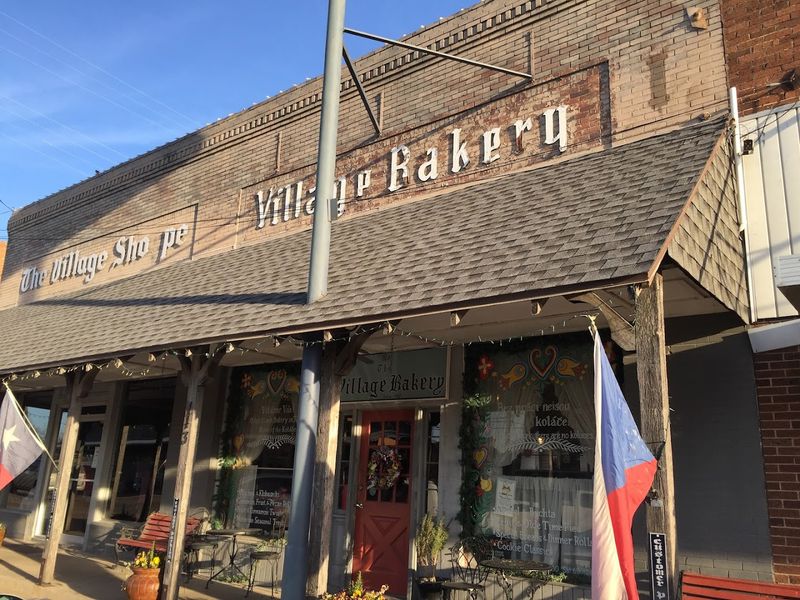
Driving along Interstate 35 between Dallas and Austin, the exit for West appears suddenly, and anyone who passes without stopping misses out on some of the best kolaches in America. This small town’s Czech heritage runs deep, evident in the bakeries that line the main street and the painted Czech designs decorating building facades. The aroma of freshly baked pastries drifts from multiple establishments, each claiming their grandmother’s recipe produces the most authentic kolaches.
Czech Stop and Little Czech Bakery draw the longest lines, with travelers queuing up for boxes of fruit-filled and savory kolaches to fuel their journeys. The sweet versions feature fillings like apricot, cherry, and cream cheese, while savory options stuff sausage, cheese, and jalapeños into pillowy dough. Eating a warm kolache fresh from the oven ranks among life’s simple pleasures.
The bakeries open early, serving breakfast crowds who know that nothing beats starting the day with these traditional pastries.
Beyond baked goods, West celebrates its heritage through festivals and community events. Westfest, held each Labor Day weekend, transforms the town into a celebration of Czech culture complete with polka music, folk dancing, and traditional foods like klobase sausage and sauerkraut. Thousands attend, filling the festival grounds with the sounds of accordions and the sight of colorful traditional costumes.
The town’s history traces back to Czech immigrants who settled the area in the 1880s, bringing farming traditions and cultural practices that persist today. St. Mary’s Catholic Church stands as a beautiful example of painted church architecture, its interior decorated with religious scenes and Czech inscriptions. Several other historic churches dot the landscape, each serving as a reminder of the faith that sustained early settlers.
West proves that you don’t need hours to experience authentic Texas culture. A quick stop provides delicious food, friendly conversation, and a glimpse into immigrant heritage that shaped Central Texas. The kolaches alone justify the detour, but the warm welcome and genuine small-town atmosphere make visitors want to linger longer than planned.
8. Fredericksburg
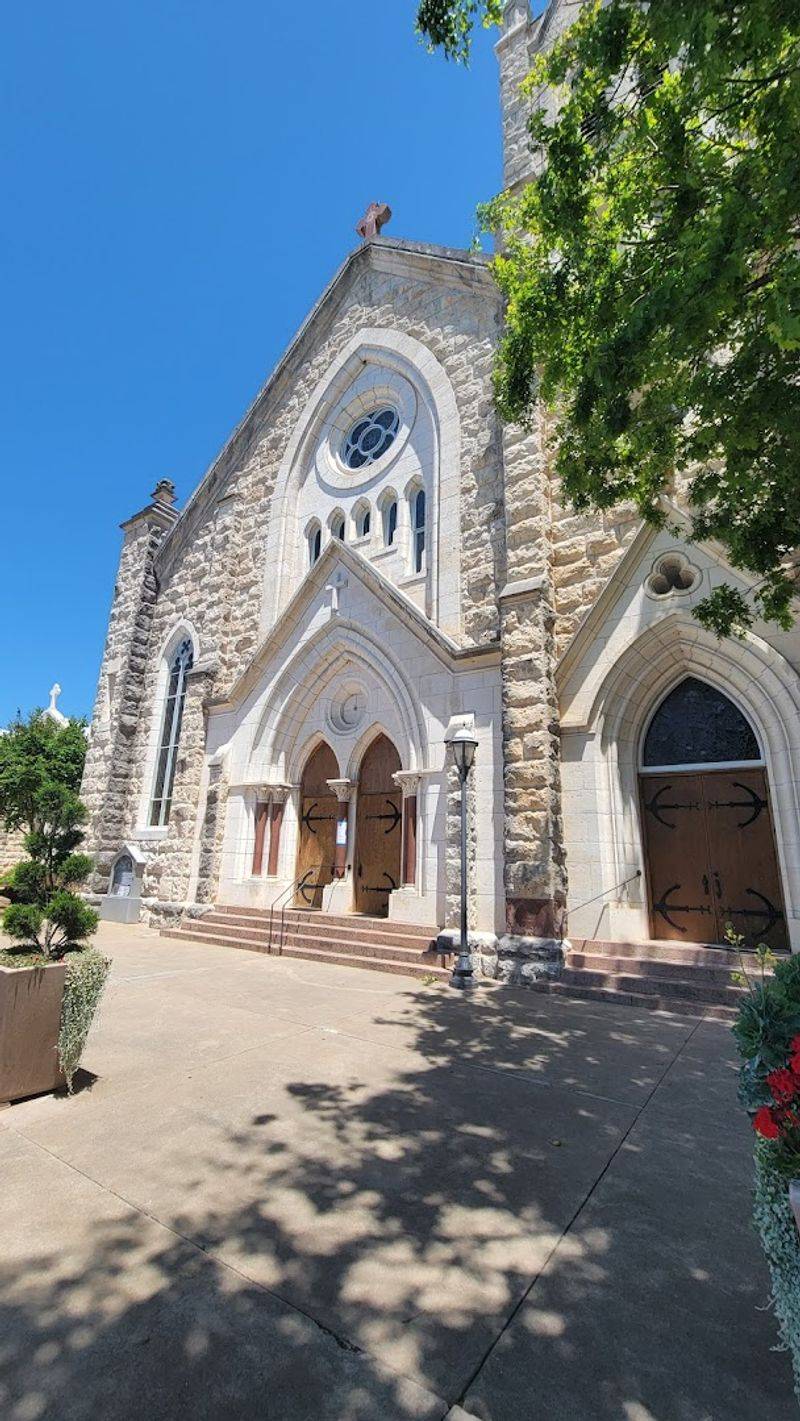
German heritage meets Hill Country charm in Fredericksburg, where you’re as likely to hear polka music as country tunes drifting from local establishments. Founded by German immigrants in 1846, the town maintains strong connections to its roots through architecture, festivals, and food that would make any Bavarian feel somewhat at home. Main Street stretches for blocks, lined with shops selling everything from German imports to Texas wines, creating a unique blend of old-world tradition and Lone Star pride.
The National Museum of the Pacific War honors native son Admiral Chester Nimitz, who commanded Allied forces in the Pacific during World War II. The complex includes multiple buildings and outdoor exhibits featuring actual military equipment from the era. History comes alive through detailed displays and personal stories that help visitors understand the scope of the Pacific campaign.
The museum attracts military history enthusiasts from around the world.
Fredericksburg sits at the center of Texas wine country, with over 50 wineries operating in surrounding hills. Tasting rooms dot Main Street, offering samples of Tempranillo, Viognier, and other varietals that thrive in the Texas climate. Many wineries provide tours showing how grapes grown in rocky Hill Country soil transform into award-winning wines.
The combination of German food traditions and local wine production creates a culinary scene that stands out even in food-obsessed Texas.
Enchanted Rock State Natural Area lies just north of town, its massive pink granite dome rising 425 feet above the surrounding landscape. Hiking to the summit rewards climbers with panoramic views stretching across the Hill Country. Wildflowers bloom spectacularly each spring, painting roadsides in brilliant colors that attract photographers and nature lovers.
Bed-and-breakfasts occupy historic homes and Sunday houses, small dwellings German farmers built for weekend trips to town. Modern amenities hide behind carefully preserved exteriors, offering comfortable stays with period charm. Fredericksburg balances tourism with authentic community life, remaining a real town where people live and work rather than just a destination that exists solely for visitors.