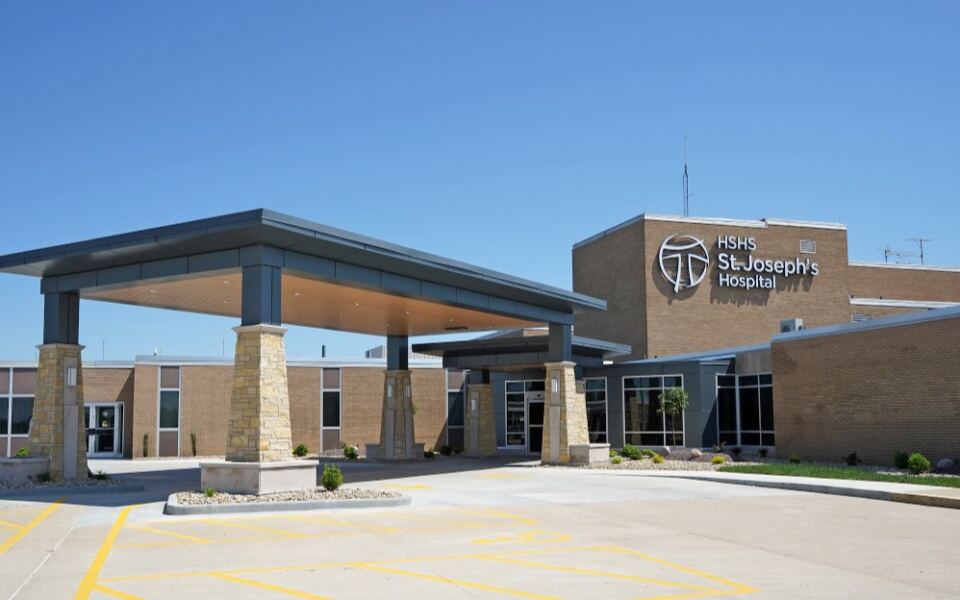
A rural hospital with a limited number of inpatient beds keeps landing on national lists of the country’s top small hospitals. That sounds almost too good, right? It’s true, and it happens in a farm town in southern Illinois.
The hospital serves Breese and the surrounding rural communities, but its national recognition goes well beyond southern Illinois. Its emergency department stays open 24 hours a day, every day of the week. It even welcomes new babies, which plenty of small rural hospitals no longer do.
I like how this story flips the usual idea that big cities have the best care. For a small farming community like Breese, having a hospital that provides emergency care, delivers babies, and earns national recognition is something worth celebrating.
National Praise Landed In A Town You Might Drive Right Past
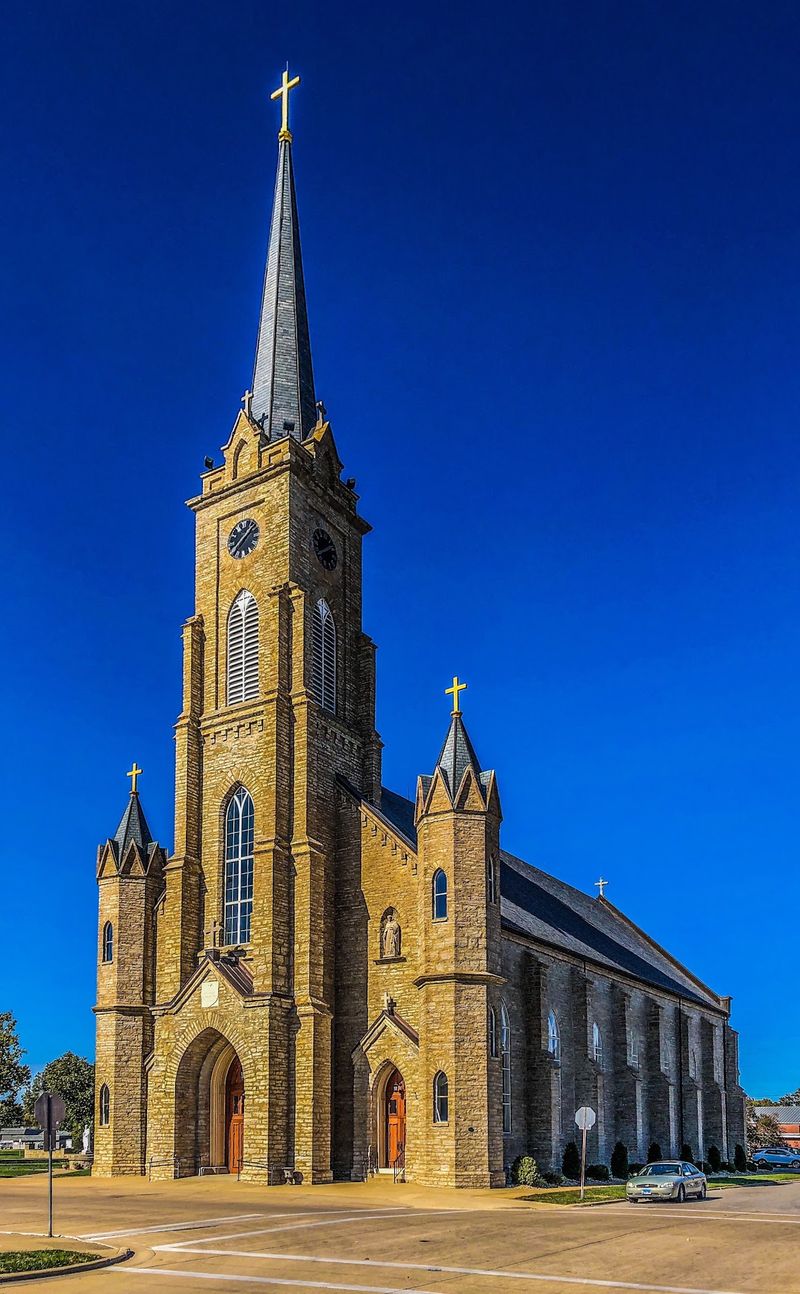
Big trophies usually go to big-city medical centers with towering parking garages. HSHS St. Joseph’s Hospital in Breese, Illinois, has quietly broken that pattern.
The hospital was named one of the nation’s Top 20 Rural & Community Hospitals in 2026 by the National Rural Health Association, based on evaluations from The Chartis Center for Rural Health. That’s a pretty impressive achievement for a hospital in a small Illinois town.
So what does Chartis actually measure? Its rankings consider quality, patient outcomes, patient experience, costs, and financial performance, among other factors.
That mix matters. A hospital can’t simply look nice or have a friendly lobby and expect to make the cut.
Critical access hospitals are a special group set up to keep care available in rural areas. They’re smaller by design, so standing out among them takes steady work across many departments.
For people living nearby, the recognition carries real weight. It means solid, nationally noticed care sits close to home instead of an hour down the highway.
Honestly, that’s a pretty good bragging right for any small town. Most communities would happily hang that kind of news on a billboard.
You’ll Find Big-League Care In A Town Built On Farm Fields
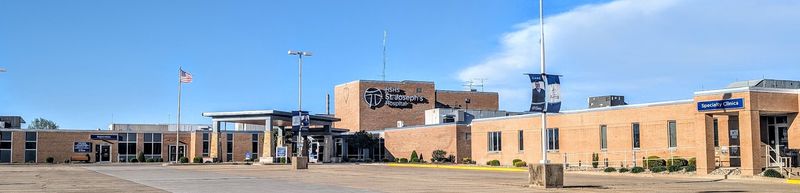
Grain fields stretch for miles around Breese, a small community in Clinton County. It’s the kind of place where a church steeple can still be the tallest thing on the horizon.
Breese sits in southern Illinois, east of the St. Louis metro area. That location puts it within reach of city life while keeping its rural feel firmly intact.
Why does geography matter for a hospital story? Rural families often face long drives just to reach an emergency room or a delivery room.
A strong local hospital shortens that trip in a big way. When someone needs help fast, every mile saved feels like a gift.
HSHS St. Joseph’s Hospital serves Breese and the surrounding towns and farms. That makes it a true anchor for the wider region, not just one zip code.
Small towns tend to lean on a few key places. Schools, churches, and a good hospital often top that list.
Here, the hospital earns a spot right near the front. Not bad for a community you could cross in a few minutes.
Midnight Emergencies Won’t Find The Lights Off Here
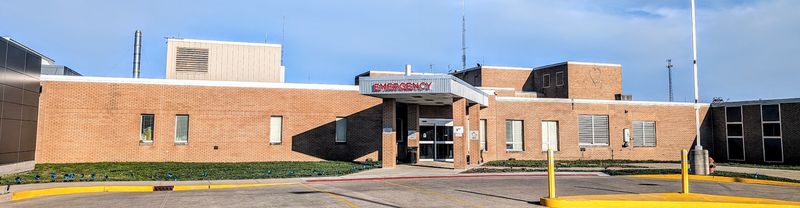
Emergencies never check the clock. Luckily, HSHS St. Joseph’s Hospital keeps its doors open 24 hours a day, seven days a week.
The hospital runs an emergency department ready for sudden injuries and illnesses. A twisted ankle on a Sunday or a fever at 3 a.m. both have somewhere to go.
Around-the-clock care is a bigger deal in rural areas than many people realize. Without it, families could face a long drive to the next open ER.
A little planning helps a lot before you ever need the ER. Keep a current list of your medications and allergies in your phone or wallet.
Bring your insurance card and a photo ID if you can. Those simple items can speed up registration when you’re stressed.
It also helps to know the difference between urgent and life-threatening problems. For chest pain, trouble breathing, or signs of stroke, call 911 right away.
Nobody plans a trip to the emergency room. Still, knowing a nationally recognized hospital stays awake all night is a pretty comforting thought.
Tiny Newcomers Get A Big Welcome On The Baby Floor
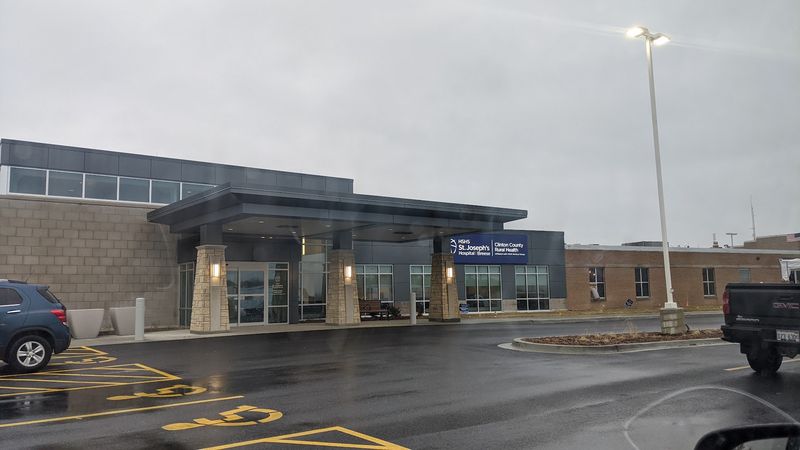
Here’s a detail that surprises a lot of folks. Many small rural hospitals across the country no longer deliver babies at all.
HSHS St. Joseph’s Hospital still does. Its Women and Infants Center supports families through labor, delivery, and those first wobbly days with a newborn.
That matters more than it might sound. Expectant parents in rural areas sometimes face long drives while in labor, which nobody wants.
Having a birthing center close by takes some of that worry off the table. Parents can focus on the baby instead of the mileage.
If you’re expecting, ask about a tour or prenatal classes ahead of time. Getting familiar with the space can calm nerves before the big day.
Pack your hospital bag a few weeks early, too. Include comfy clothes, phone chargers, snacks for your support person, and a going-home outfit for the baby.
Keep the car seat installed and ready before your due date. Trust me, nobody wants to wrestle with straps while a new parent waits in the lobby.
A Group Of Franciscan Sisters Shaped The Heart Of This Place
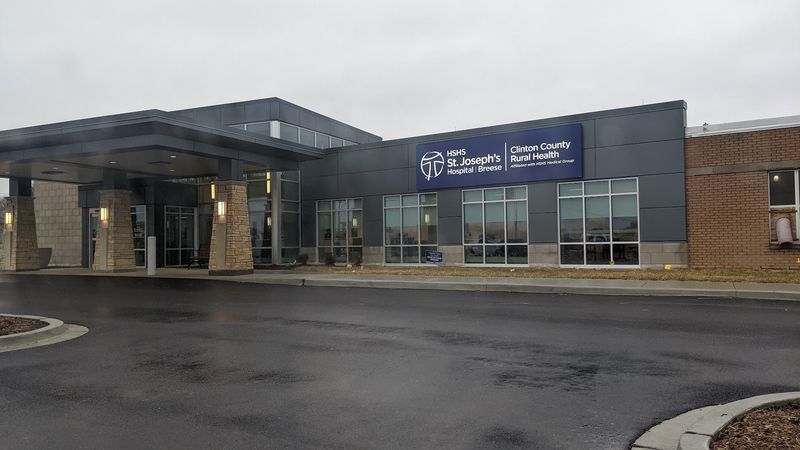
Long before national rankings, this hospital’s story started with faith and service. HSHS stands for Hospital Sisters Health System.
The system grew from the Hospital Sisters of St. Francis. These Franciscan sisters came to the United States from Germany in the 1870s and began caring for the sick in Illinois.
Their mission still guides the hospital today. HSHS describes its work as continuing Christ’s healing ministry with a focus on caring for the whole person.
You’ll notice that Catholic roots run through the name, too. St. Joseph’s honors a saint long linked with care, family, and steady, humble work.
Faith-based hospitals welcome patients of every background, so you don’t need to share the tradition to receive care. Chaplains and spiritual support are typically available for those who want them.
I like how a story that began more than a century ago still shows up in daily care. It gives the hospital a sense of purpose beyond charts and schedules.
Not every building comes with a backstory this meaningful.
Plenty Of Answers Start In The Imaging Department
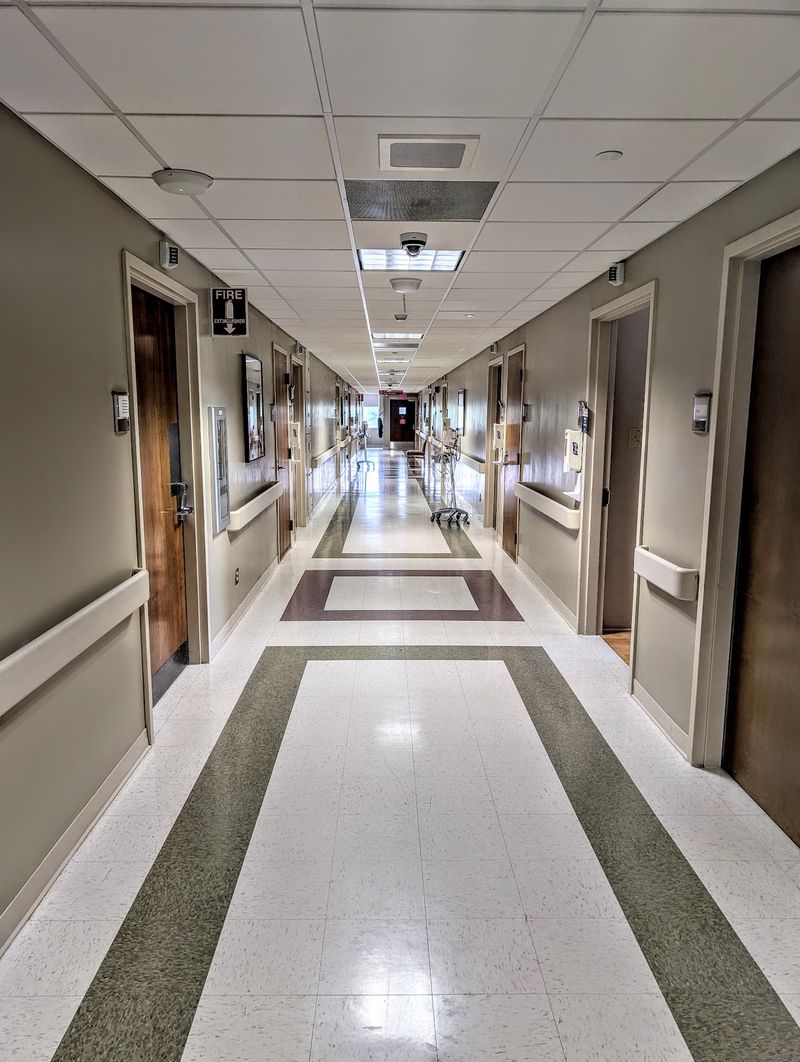
A doctor’s best guess only goes so far. Sometimes you need a clear picture of what’s happening inside the body.
HSHS St. Joseph’s Hospital offers imaging services that help providers find those answers. X-rays and other scans support everything from broken bones to tricky emergency cases.
Having imaging close to home saves time and gas money. It also keeps follow-up visits simpler, since your results stay within the same health system.
Want a smoother scan day? Ask whether your test requires fasting, removing jewelry, or skipping certain medications beforehand.
Wear comfortable clothes without metal zippers or snaps when possible. That small choice can save you a trip to the changing room.
Remember that results don’t always arrive instantly. A radiologist usually reviews images first, and then your ordering provider shares the findings with you.
If you need copies of your images or reports, contact the medical records department directly. Having the request in writing can help keep things organized.
A little preparation turns a nervous appointment into a much calmer one. Your future self will thank you.
Small Hospital, Surprisingly Big Family Behind It
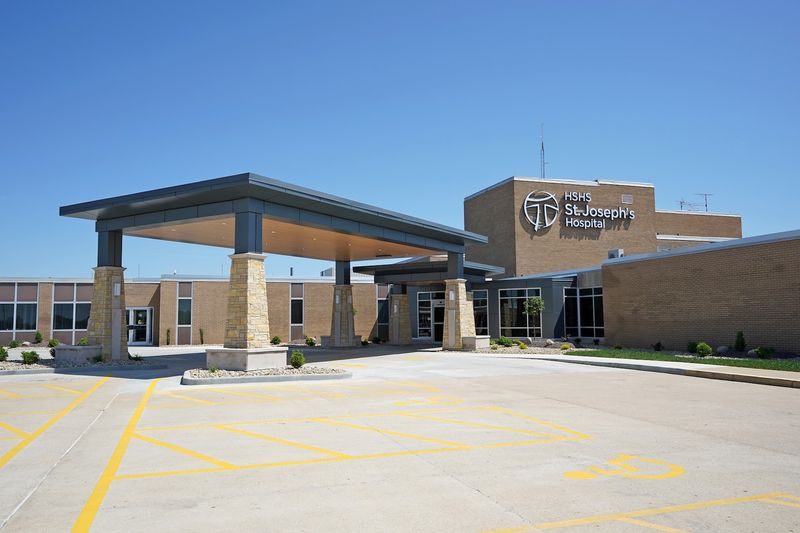
Being small doesn’t mean standing alone. HSHS St. Joseph’s Hospital belongs to a larger network of hospitals across Illinois and Wisconsin.
That connection brings real benefits to a rural community. Shared resources, specialists, and systemwide programs can reach patients who live far from big medical centers.
Think of it like a small-town store backed by a bigger company. The local feel stays, but the support behind the counter runs deeper.
For patients, this network can make referrals easier. If you need a specialist, your provider may connect you with another HSHS location or partner.
Electronic health records also help in a practical way. Your information can travel more smoothly between providers within the system.
Here’s a helpful tip worth remembering. Sign up for the patient portal so you can view test results, message providers, and track appointments online.
Many families find that handy for managing kids’ or older parents’ care, too. It beats digging through a kitchen drawer full of paperwork.
Small town, big backup. That’s a combination worth having.
Share this story