New Jersey property taxes can make even the calmest homeowner stare into the middle distance like they just opened a winter heating bill and a quarterly tax notice on the same morning.
So it is a little surprising, and honestly refreshing, to find towns where the average residential tax bill lands far below what many Garden State homeowners are used to seeing.
These places are not all the same kind of “affordable,” either. Some are tiny rural pockets with more marsh grass than traffic lights.
Some are historic cities with transit, museums, parks, and old brick buildings that still have stories to tell. A few are quirky little outliers that make you double-check the map.
The common thread is simple: for buyers and locals watching the monthly budget, these New Jersey towns offer a reminder that lower tax bills do exist here. You just have to know where to look.
1. Walpack Township
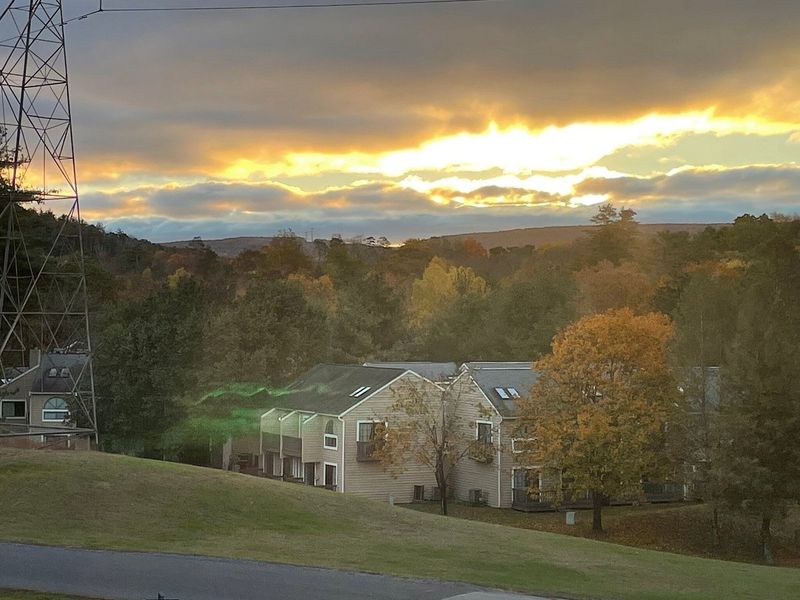
The first thing to know about Walpack is that it barely feels like the New Jersey most people picture. No mall sprawl, no six-lane commercial strip, no frantic “where did I park?” energy.
This Sussex County township sits inside the quiet drama of the Delaware Water Gap area, where wooded roads, old farmsteads, river bends, and wide-open silence do most of the talking. That low-key setting is exactly why Walpack belongs on a list like this.
It is not the place for someone who needs a latte counter, a spin studio, and three grocery stores within five minutes. It is for people who hear “remote” and think, “Good.”
The township is tiny, famously sparse, and wrapped in outdoor access, including hiking, paddling, fishing, and scenic drives that feel far removed from the usual New Jersey rush.
For affordability-minded locals, the appeal is not just the low average tax bill. It is the whole stripped-down lifestyle.
Fewer frills, fewer crowds, and a pace that feels almost stubbornly analog. A day here might mean driving through Walpack Center, poking around local history, then disappearing into a trail or river overlook.
It is not convenient in the suburban sense, but for the right buyer, that is the charm. Walpack is New Jersey with the volume turned way, way down.
2. Teterboro Borough
Most towns have a Main Street, a diner, a few neighborhoods, maybe a park where kids play soccer. Teterboro has an airport.
A very famous one. This Bergen County borough is mostly defined by Teterboro Airport, which gives it one of the strangest profiles of any municipality in New Jersey.
That unusual setup helps explain why Teterboro shows up in low-tax conversations. It is not a typical residential town with block after block of houses.
It is small, heavily commercial and aviation-focused, and very much its own kind of Jersey creature. For the limited number of residents, the location is shockingly practical: Bergen County access, proximity to Route 46, Route 17, I-80, the Turnpike, and the Meadowlands, all without the leafy-suburb tax profile people often associate with the county.
The vibe is more functional than cozy, but that can be a plus. Teterboro works for people who care more about location and carrying costs than postcard charm.
The Aviation Hall of Fame and Museum of New Jersey adds a fun local wrinkle, giving the borough something to do besides watch corporate jets lift off. It is not for everyone, but affordability in North Jersey often comes with trade-offs.
Here, the trade-off is living in one of the state’s strangest, most practical little municipalities.
3. Woodbine Borough
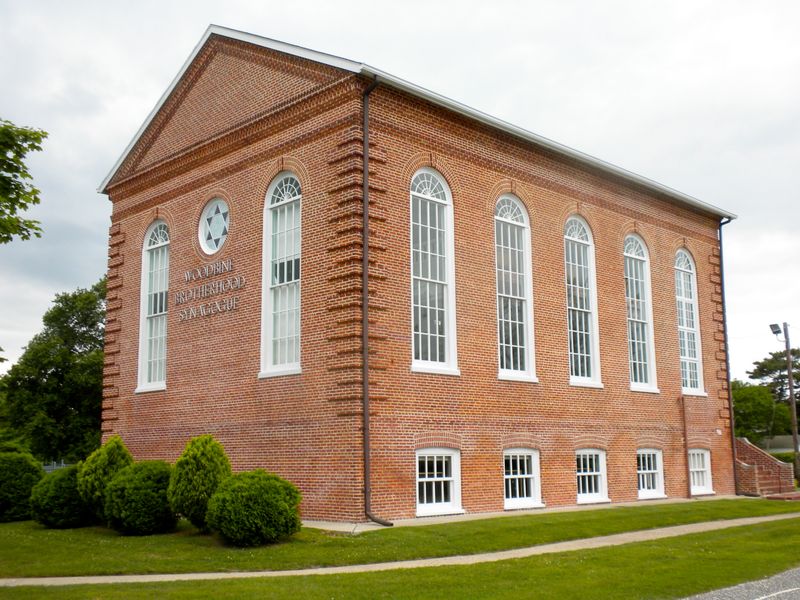
Woodbine has that deep South Jersey feeling: flat roads, open sky, old buildings, and the sense that the shore is nearby without being right on top of you. In Cape May County, where property values can get wild once you start inching toward beaches and barrier islands, Woodbine stands out as a more grounded alternative.
The borough has a fascinating backstory, too. It was founded as a Jewish farming colony in the late 1800s, and you can still feel traces of that planned-community past in its layout and older civic buildings.
Today, Woodbine is quieter, more affordable, and less polished than the resort towns that make Cape May County famous, but that is part of the point. It gives residents access to the region without the constant summer crush.
For a weekend wander, Woodbine pairs well with outdoor time. The area connects easily to Cape May County’s rural roads, bike routes, nature preserves, and forested escapes, including Belleplain State Forest.
Locals who pick Woodbine for affordability are usually not chasing glamour. They are choosing space, lower carrying costs, and a slower rhythm.
You can still reach beaches, birding spots, farm stands, and small-town restaurants, but you are not paying the same premium as someone who needs salt air outside the front door.
4. Camden City
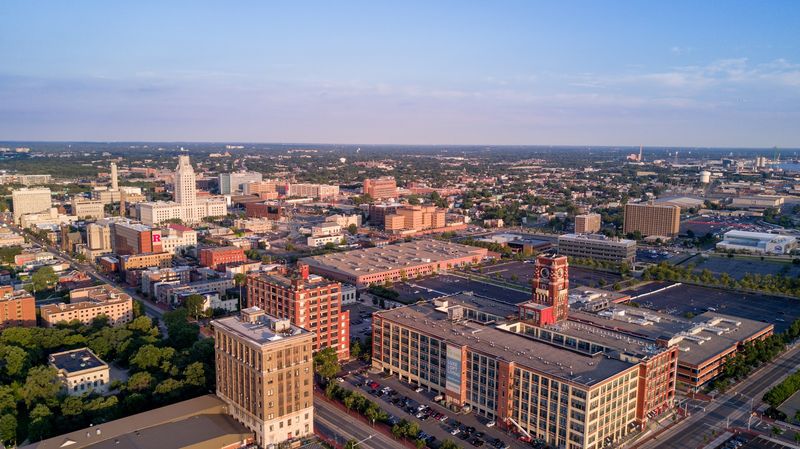
Camden is one of those places people think they already understand until they actually spend time there. Yes, it has challenges.
It also has one of the best waterfronts in New Jersey, major transit connections, historic neighborhoods, medical and university anchors, and some of the lowest average residential tax bills in the state. The Camden Waterfront is the easiest entry point.
You can walk along the river with Philadelphia sitting right across the Delaware, visit the Battleship New Jersey, take kids to Adventure Aquarium, or catch a show nearby. Wiggins Waterfront Park puts you in the middle of several big attractions while still giving you that breezy riverfront pause Camden does surprisingly well.
For homeowners, Camden’s affordability story is more complicated than a simple “cheap town” label. Housing prices are lower than in many surrounding communities, and the tax bills are comparatively low, but buyers still need to research neighborhood by neighborhood.
That said, the city has real advantages for people who want urban access without paying Collingswood, Haddonfield, or Philly-area premium prices. Camden’s best quality is its grit with actual substance behind it.
There is history here, food worth seeking out, waterfront views that would cost a fortune elsewhere, and a growing sense that locals know exactly what outsiders keep missing.
5. Lower Alloways Creek Township
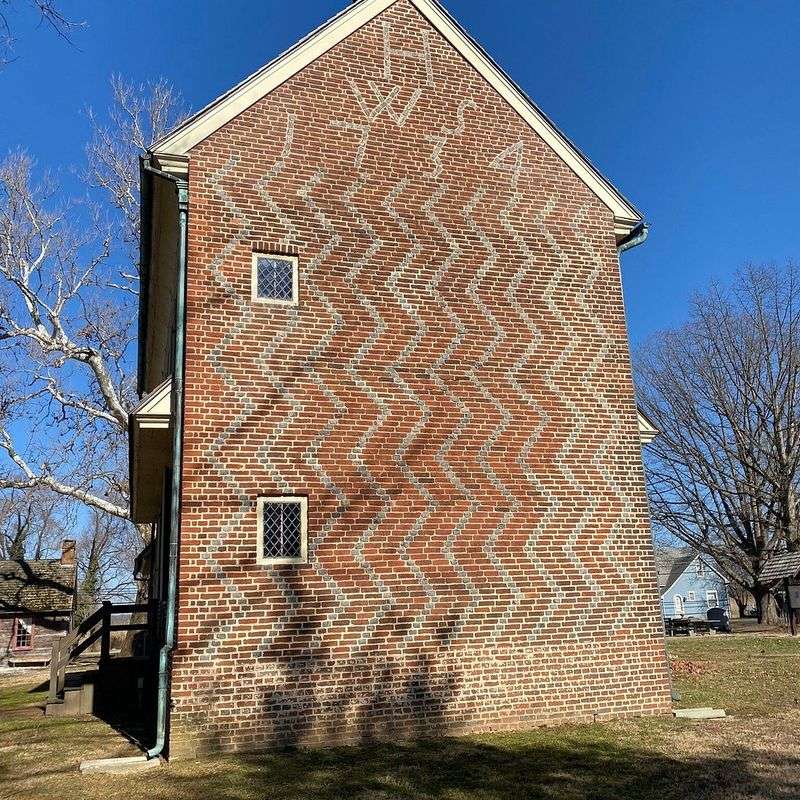
Lower Alloways Creek feels like the kind of place where the horizon gets more attention than the houses. This Salem County township is all marshland, farm roads, creek bends, and Delaware River atmosphere.
It is quiet in a way that can make newcomers whisper without meaning to. Its affordability appeal comes from that rural, low-density character.
You are not paying for a bustling downtown, a packed commuter rail station, or a restaurant row. You are paying for breathing room.
The township sits near some of South Jersey’s most underrated natural spaces, with tidal wetlands, wildlife habitat, fishing areas, and long views that change with the light. This is a good fit for someone who wants space and does not mind planning errands.
Daily life here is practical, not pampered. You learn which roads flood, which farm stands are worth the detour, and how beautiful a winter marsh can look when the sun hits it just right.
Lower Alloways Creek is not trying to be the next hot relocation town. That is exactly why it works for some buyers.
It offers a version of affordability rooted in quiet land, modest housing, and a slower South Jersey routine. For locals who value privacy over polish, it can feel like a secret hiding in plain sight.
6. Commercial Township
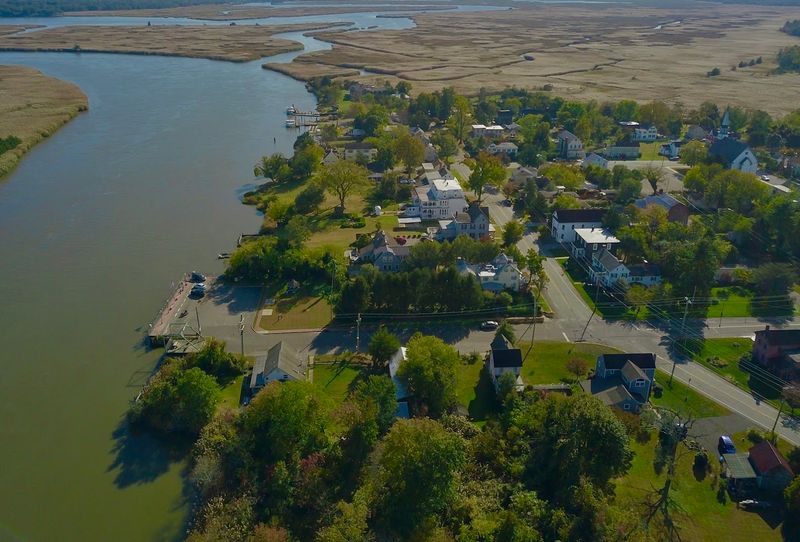
Commercial Township has one of the best municipal names in New Jersey because it sounds like it should be full of office parks, and then you get there and find river villages, marshes, boats, old houses, and bayshore history.
This Cumberland County township includes places like Port Norris, Mauricetown, and Bivalve, communities shaped by oysters, the Maurice River, and the kind of local character that cannot be built from scratch.
For affordability, Commercial Township makes sense because it offers a lot of South Jersey texture without the price tag of more polished waterfront communities. It is not fancy, but it is distinctive.
The river gives the area its backbone, and the old oyster-industry villages give it depth. A good day here might start with a drive through Mauricetown’s historic streets, continue toward the wetlands, and end with a stop near Bivalve or a local seafood spot if one is open.
This is a place to explore slowly, not zip through. Commercial Township works best for buyers who do not need a manicured suburb.
Its value is in the combination of low tax bills, water access, open space, and authenticity. It feels lived-in, a little rugged, and very much itself, which is exactly the kind of affordable New Jersey some locals are still hoping to find.
7. Dennis Township
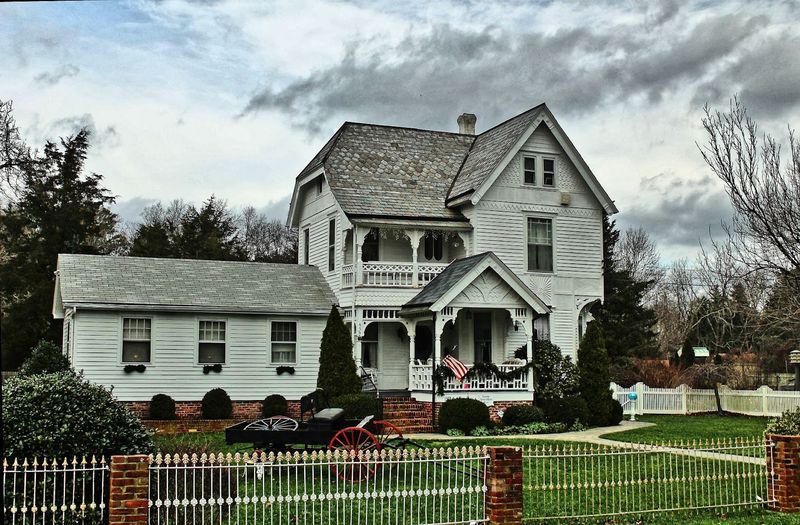
Dennis Township is the Cape May County option for people who like being near the shore but do not need to sleep beside the boardwalk. Instead of beach crowds and meter parking, you get pine woods, old villages, farmland, and a surprisingly outdoorsy lifestyle tucked into the upper part of the county.
Belleplain State Forest is the big draw, bringing camping, hiking, nature trails, Lake Nummy, and a Pinelands setting with cedar swamp, marsh, hardwoods, and quiet roads all in the mix. That matters for residents because it gives Dennis Township a recreational backbone that does not depend on summer tourism.
You can live here year-round and still have something beautiful to do in February. The township also has historic pockets like Dennisville, where older homes and village roads give the area more personality than a generic rural map dot.
From an affordability angle, Dennis Township gives buyers a clever compromise. You are within reach of Sea Isle, Avalon, Stone Harbor, Cape May Court House, and the Garden State Parkway, but the tax bills stay far more approachable than in many coastal towns.
It is Cape May County without the “beach house tax shock” baked into every conversation, and that is no small thing.
8. Trenton City
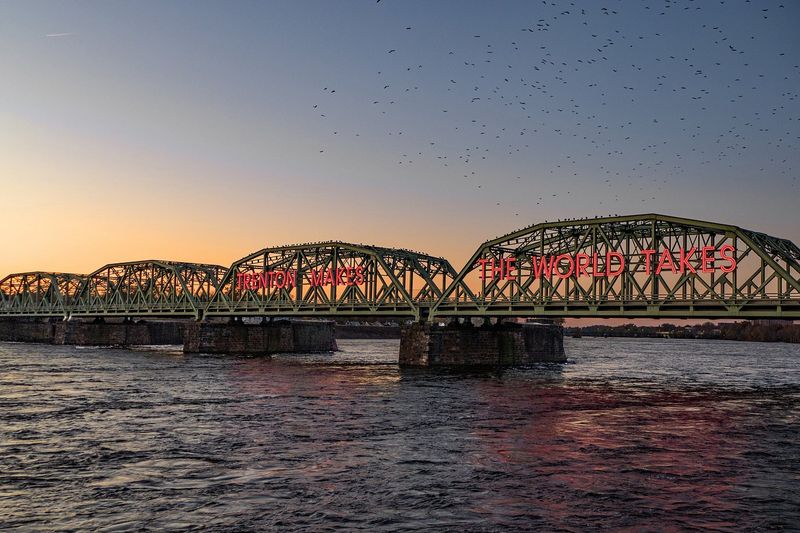
Trenton has the bones of a much more expensive city: a state capital, a train station, riverfront access, historic architecture, museums, government jobs, and a location between Philadelphia and New York that should make map-watchers sit up straighter. The tax bills, however, remain among the lower ones in New Jersey, which is why affordability-minded buyers keep it on the radar.
The city’s history is not decorative; it is everywhere. The Old Barracks gives Trenton serious Revolutionary War credibility, while the State House area, the Delaware River, the “Trenton Makes” bridge, and rows of older homes keep the city from feeling generic.
Trenton is best approached with clear eyes. It is an urban place with uneven blocks, strong community pockets, and the usual city trade-offs.
Buyers should spend time in specific neighborhoods, check commute patterns, and understand parking, schools, and transit before falling for a bargain. Still, the upside is real.
For someone who wants city living, history, public transportation, and lower ownership costs, Trenton offers something rare in New Jersey: affordability with actual urban substance. It is not sleepy, not polished, and definitely not boring.
That alone makes it stand out.
9. Bridgeton City
A free zoo is a pretty good way to win people over, and Bridgeton has had that card in its pocket for generations. Cohanzick Zoo, tucked inside Bridgeton City Park, gives the city one of its most charming surprises.
Add the park’s trails, picnic spots, playgrounds, and broad green space, and suddenly this Cumberland County city looks less like a budget entry and more like a place with real everyday perks. That mix of affordability and old-fashioned civic amenities is what makes Bridgeton worth including.
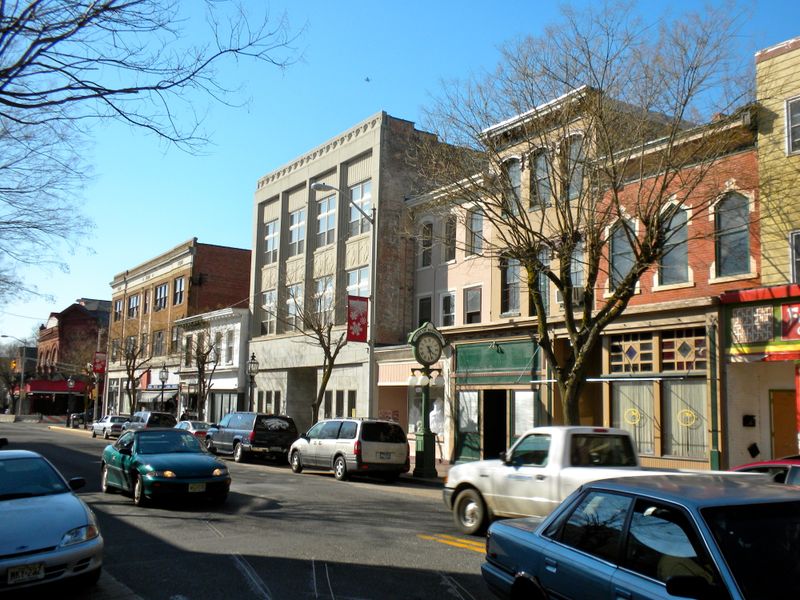
The city has a large historic district, handsome older houses, and a downtown that still hints at its past as a regional hub. It is not glossy, and that is part of why the numbers stay lower than in many better-known towns.
For practical buyers, Bridgeton offers access to regional jobs in Cumberland County, proximity to Vineland and Millville, and a much lower barrier to entry than most of North or Central Jersey. You get more house for the money, but you also need to be realistic about block-by-block variation and older-home maintenance.
The vibe is historic, diverse, and unpretentious. Bridgeton is the kind of place where a free zoo, a river, Victorian-era architecture, and low tax bills all end up in the same conversation.
10. Salem City
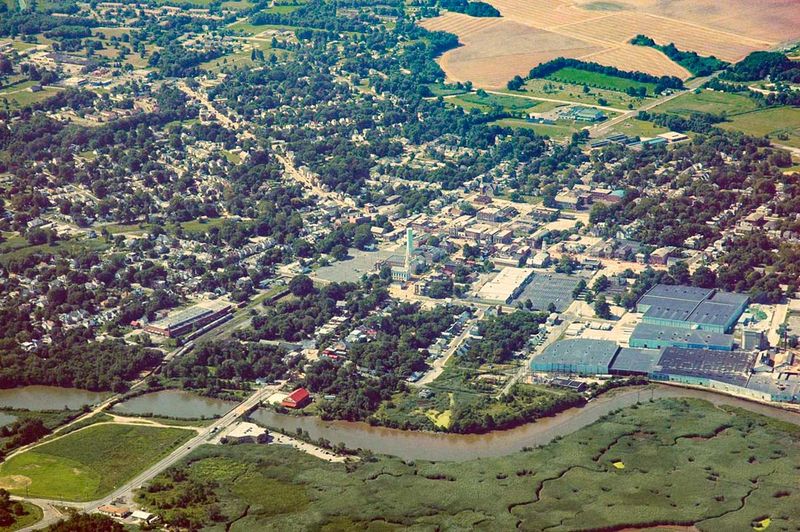
Salem City feels older than almost anywhere around it, and that is not an accident. This is one of New Jersey’s historic heavyweights, with brick buildings, churches, courthouse architecture, and stories tied to the colonial period.
It has the kind of streets where you can almost hear the past creaking under your shoes. The old Salem Oak, long treated as a local symbol before it fell in 2019, still remains part of the city’s identity through memory, local pride, and descendant trees.
That sense of history gives Salem more character than its modest size might suggest. From an affordability standpoint, Salem is appealing because housing costs and tax bills are far below what buyers see in much of the state.
The trade-off is that this is a small, older city with economic challenges, so it rewards people who do their homework. Check the condition of homes carefully, learn the neighborhoods, and understand what daily errands and commuting will look like.
For the right buyer, Salem offers real charm: walkable historic blocks, access to the Delaware River region, local museums, and a slower pace. It is not polished into a boutique town, which is exactly why it remains attainable.
11. Downe Township
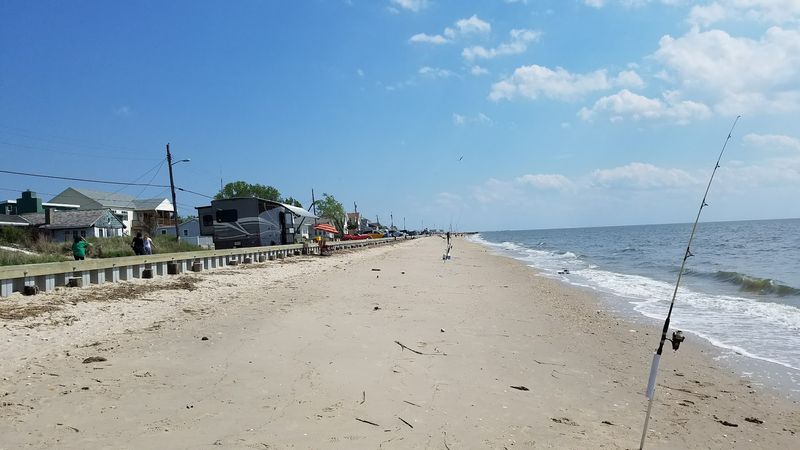
Downe Township is where New Jersey starts feeling like a tide chart. The roads flatten, the marsh opens up, and the Delaware Bay becomes the main character.
The township includes Fortescue, a tiny bayshore fishing village with boats, docks, birds, and that unmistakable low-tide smell locals either love immediately or learn to love later. This is not a commuter-suburb play.
Downe is for people who want water, quiet, and room between themselves and the next traffic jam. The township leans naturally into birding, boating, fishing, and bayshore recreation, with Fortescue known as a fishing and boating hub along the Delaware Bay.
Affordability here comes with a very specific lifestyle. You trade big-box convenience for sunsets, marsh views, and the feeling that the rest of New Jersey is somewhere far inland, honking at itself.
If you are serious about buying, flood zones and insurance deserve careful attention. This is beautiful low country, and practical details matter.
Still, Downe Township has a loyal kind of appeal. It is humble, scenic, and deeply tied to the bay.
For locals looking for low tax bills and a life that revolves around fishing rods, binoculars, crab traps, and quiet evenings, it can feel like the bargain version of coastal living.
12. Fairfield Township
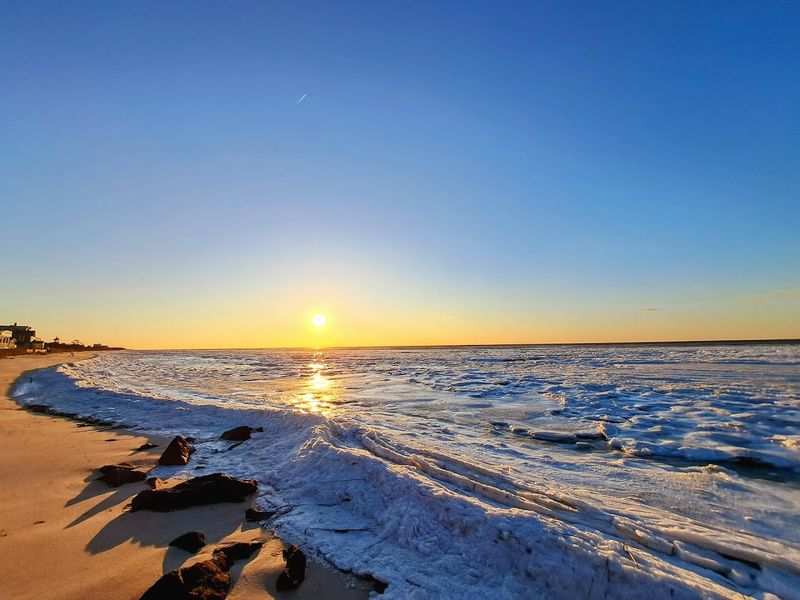
Fairfield Township in Cumberland County is not the Fairfield most North Jersey people think of, and that distinction matters. This Fairfield is rural, bayshore-adjacent, and full of old South Jersey texture.
It includes communities like Fairton and Gouldtown, along with roads that run toward marsh, farmland, and the Delaware Bay. The township belongs on this list because it offers one of the clearest versions of affordable, rural New Jersey.
You are close to Bridgeton, not terribly far from Vineland and Millville, and still connected to open landscapes that feel removed from the state’s more crowded corridors. Nature is a big part of the appeal, especially around coastal marsh habitat where birds, turtles, and other wildlife make the area feel quietly alive.
The vibe is practical and understated. Fairfield is for people who want land, affordability, and access to South Jersey’s outdoors without expecting a curated downtown.
Buyers should look carefully at location, road access, and property condition, because the township is spread out and varied. But for someone priced out elsewhere, Fairfield offers a grounded option: lower tax bills, rural calm, and a piece of New Jersey that still feels tied to land and water.
13. Winfield Township
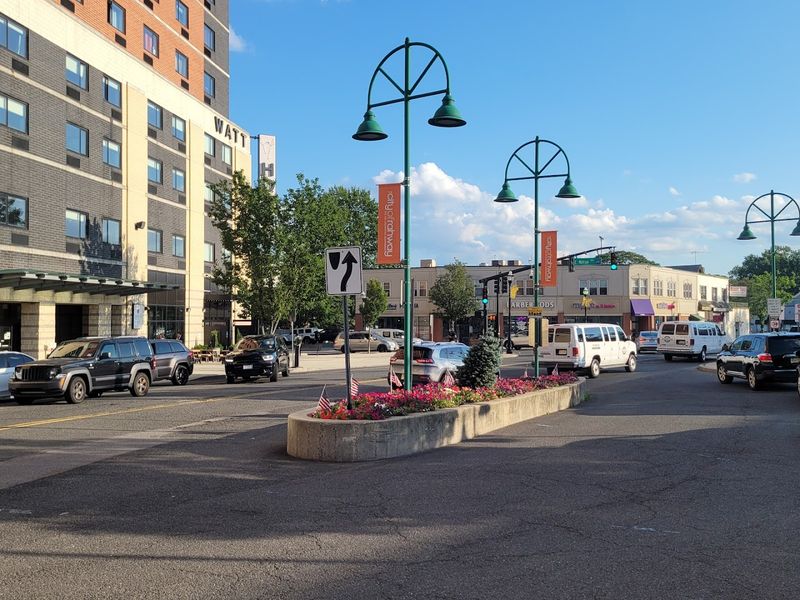
Winfield is tiny, unusual, and quietly fascinating. It was established in 1941 as a planned defense-housing community for workers connected to the Kearny shipyards, and that origin still shapes its identity.
This is not a town that happened by accident; it was built with a purpose. That planned-community structure helps explain why Winfield can show up in affordability conversations despite being in Union County, where tax bills often make people clutch the nearest countertop.
The housing stock is different from surrounding towns, the community is compact, and the setup is unlike the larger suburban municipalities around it. Location is a major perk.
Winfield sits near the Garden State Parkway, with Cranford, Linden, Clark, and Rahway close by. That means residents get access to Union County jobs, shopping, restaurants, transit options, and highways without necessarily taking on the same ownership costs found in neighboring towns.
The personality is more close-knit than flashy. Winfield is the kind of place where people know the layout, the history, and probably a few too many details about each other’s recycling habits.
That can be wonderful if you like small-community living. It may feel too compact if you want anonymity.
For buyers chasing affordability in a pricey county, though, Winfield is worth a serious look.
14. Logan Township
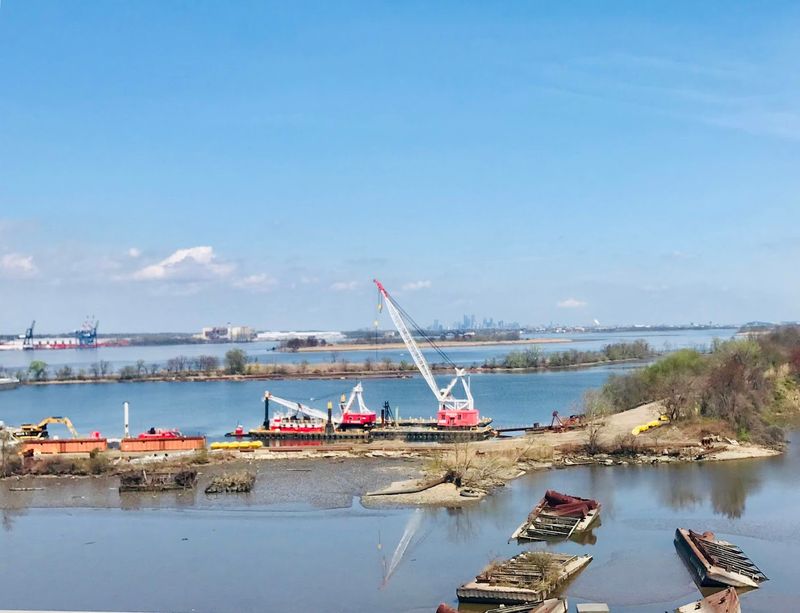
Logan Township is a South Jersey sleeper pick with a practical streak. It sits in Gloucester County, close to the Delaware River, I-295, Route 322, and the Commodore Barry Bridge, which makes it especially useful for people commuting around South Jersey, Philadelphia, and Delaware County.
The township’s economic engine is hard to miss. Pureland Industrial Complex, a massive business and logistics hub, is located here and has helped shape Logan’s tax base and working-town character.
That is part of what makes the township interesting from an affordability standpoint: it has industry, access, and residential pockets without the same tax burden seen in many bedroom communities. Logan is not a quaint Main Street fantasy, and that is fine.
Its appeal is more about function. You get suburban and rural edges, nearby shopping in surrounding towns, job centers close at hand, and quick highway movement.
For families and workers who value convenience, that can matter more than boutique charm. There is also more green space and quiet than people expect if they only know the warehouse side of the township.
Residential areas can feel calm and spread out, especially compared with denser parts of North Jersey. Logan is the kind of place locals pick because it works.
15. Atlantic City
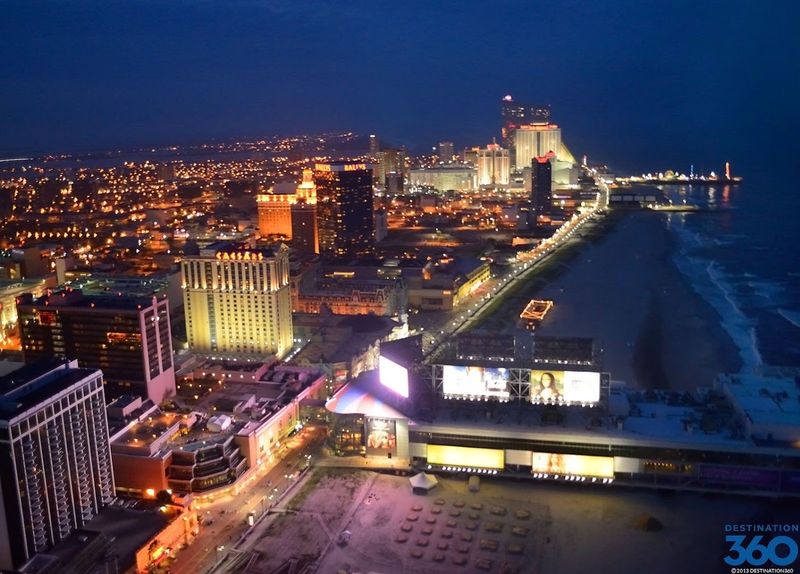
Atlantic City is famous for casinos, sure, but locals know the city is more interesting once you step away from the slot-machine soundtrack. There are beach blocks with old houses, restaurants that have nothing to do with the casino floor, murals, neighborhood bars, the marina, the boardwalk, and the kind of salty resilience only a real shore city can develop.
The affordability angle surprises people. In a state where coastal living often comes with brutal tax bills, Atlantic City’s average residential tax bill is much lower than many shore towns.
That does not mean every property is a bargain or every block is easy. It means buyers who want the shore without Avalon-level numbers may find possibilities here.
For things to do, the classics still hold up. Walk the Boardwalk early before the crowds.
Climb Absecon Lighthouse for a view that reminds you this city is more than casinos and headlines. Head to Gardner’s Basin for a calmer waterfront feel, or look for neighborhood food spots where the locals are eating.
Atlantic City is not a sleepy beach town, and anyone buying here should understand flood risk, insurance, parking, and tourism patterns. But if you want lower tax bills, ocean access, transit, nightlife, and year-round grit, Atlantic City offers a rare mix.