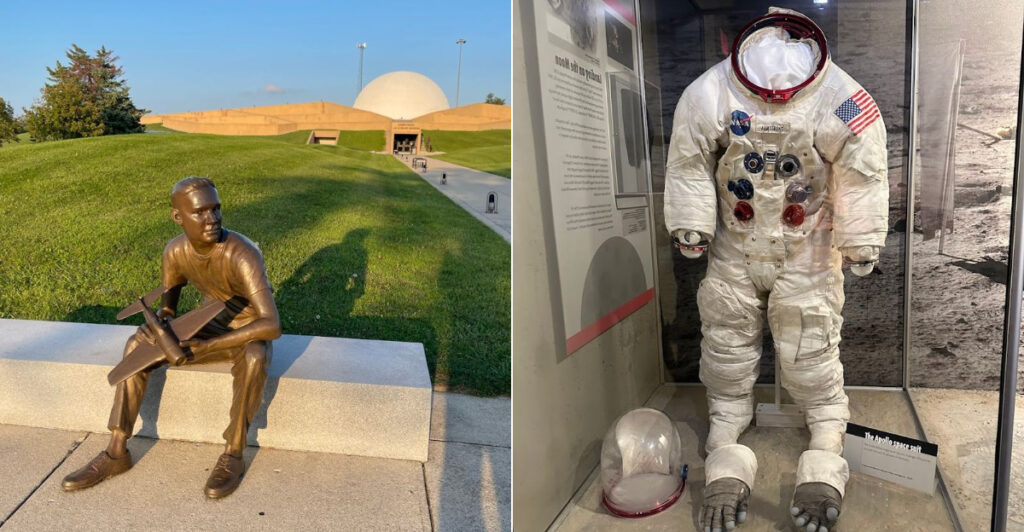
If you think Ohio’s most unforgettable travel stops are all in the big cities, this museum will happily prove you wrong. The Armstrong Air & Space Museum in Wapakoneta turns Neil Armstrong’s hometown into a surprisingly moving journey through aviation and space history.
Between the iconic moon-shaped building, authentic artifacts, and deeply human storytelling, it feels far bigger than its footprint suggests. This is the kind of place you stop at out of curiosity and leave talking about for the rest of the day.
1. A moon-shaped landmark that instantly pulls you in
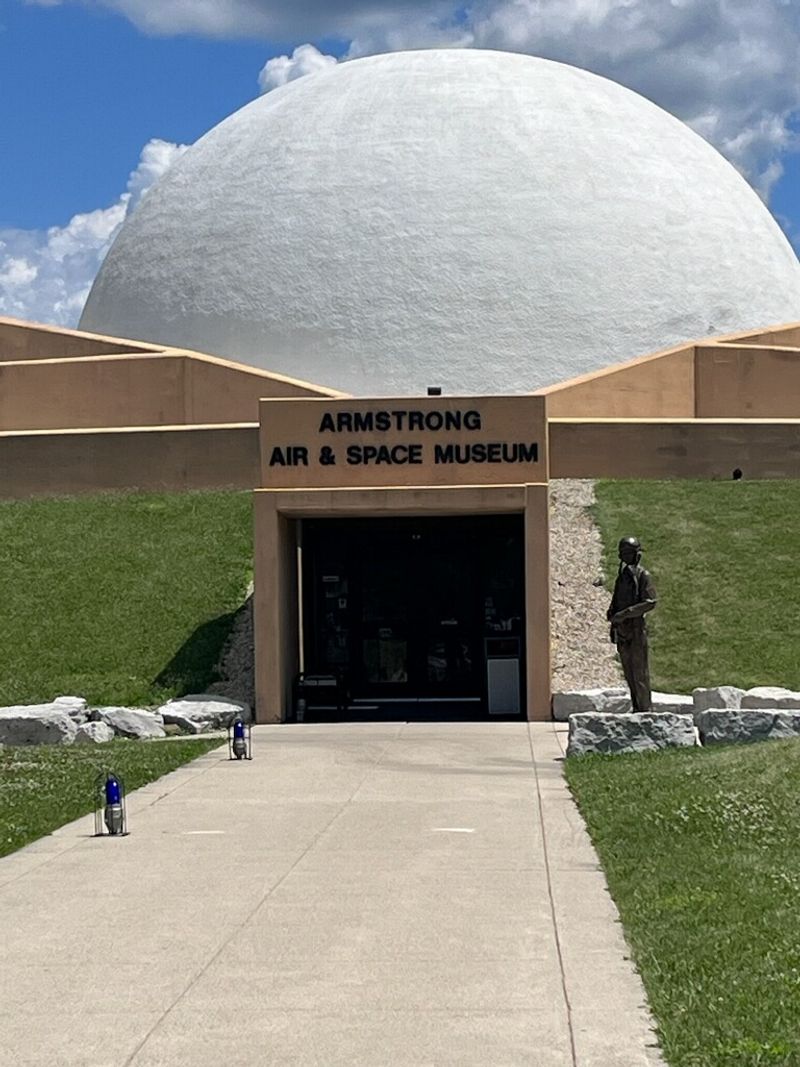
From the moment you pull up to the moon-shaped building, this museum feels different from the usual roadside stop. I love how the architecture sets the tone before you even step inside, promising something both nostalgic and futuristic.
In a town many travelers might overlook, the setting instantly tells you this is where a giant story begins.
Inside, the design keeps that sense of lift-off going with clean galleries, dramatic displays, and a layout that is easy to follow at your own pace. You are never overwhelmed, but you are never bored either.
It feels intimate enough to absorb the details and impressive enough to feel special.
That balance is exactly why the place sticks with you. It is not trying to be the biggest museum in America.
It is focused, memorable, and full of wonder tied directly to Neil Armstrong’s hometown, and you leave wanting one more slow lap.
2. Neil Armstrong’s story feels personal here
The museum’s greatest strength is how personally it tells Neil Armstrong’s story. Instead of presenting him as a distant icon, the exhibits connect his achievements to his roots in Wapakoneta and show the discipline, curiosity, and humility behind the headlines.
You come away feeling like you understand the person, not just the famous footprint.
I appreciate that the storytelling does not rush past his early life, training, and career milestones on the way to Apollo 11. That fuller approach gives the moon landing more emotional weight because you see how much experience, risk, and character led to that historic moment.
It turns a familiar name into a much richer presence.
For anyone who thinks they already know Armstrong’s story, this place adds context that changes the experience. It feels grounded, respectful, and surprisingly intimate.
That personal dimension is what makes the museum memorable long after the visit ends.
3. Authentic artifacts make the space race feel real
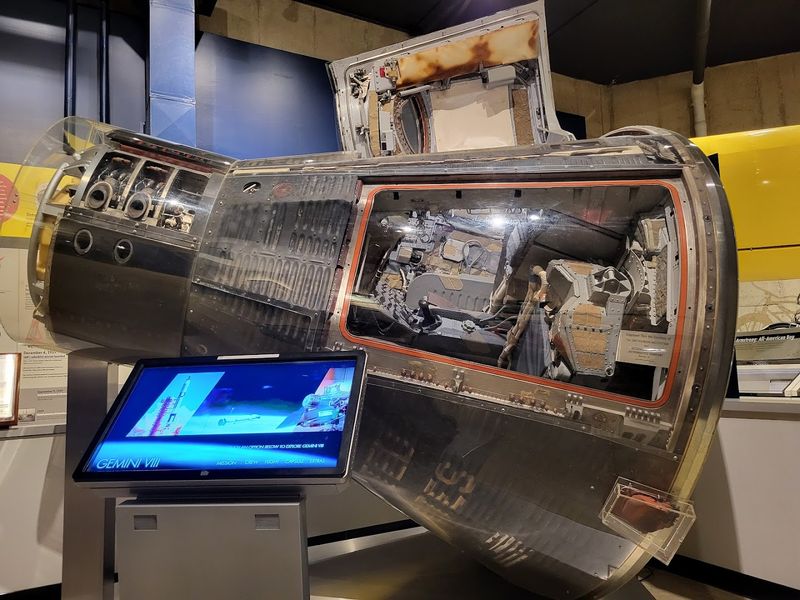
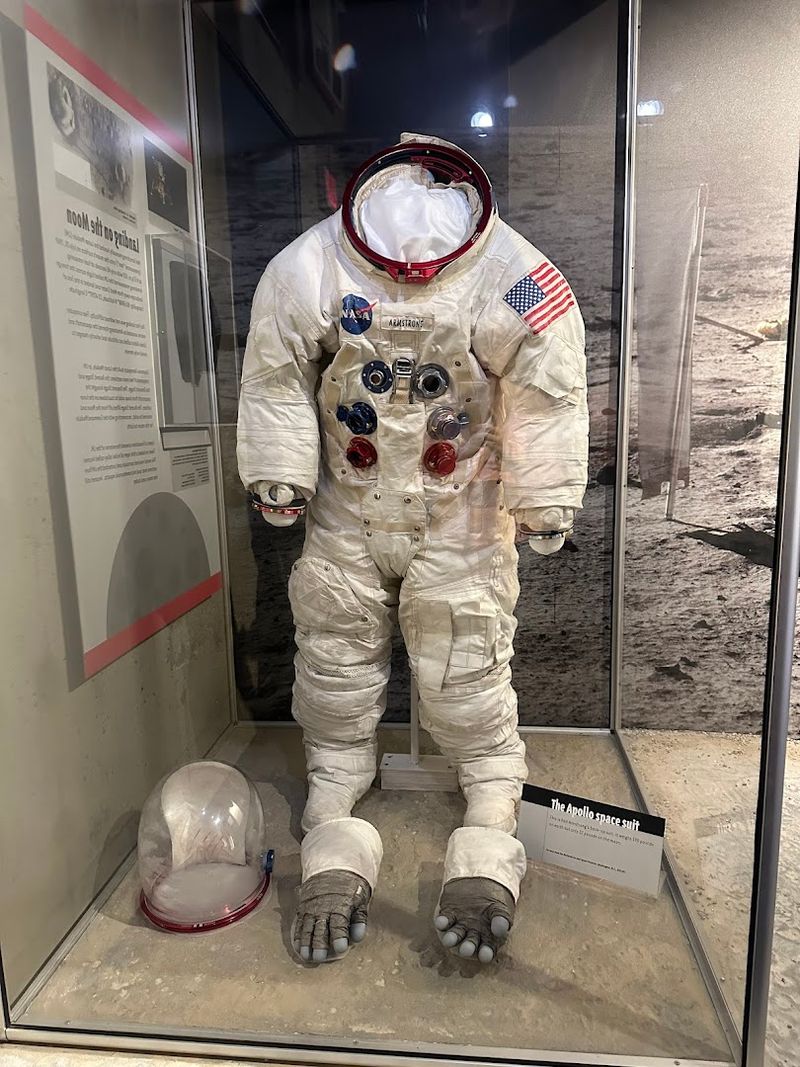
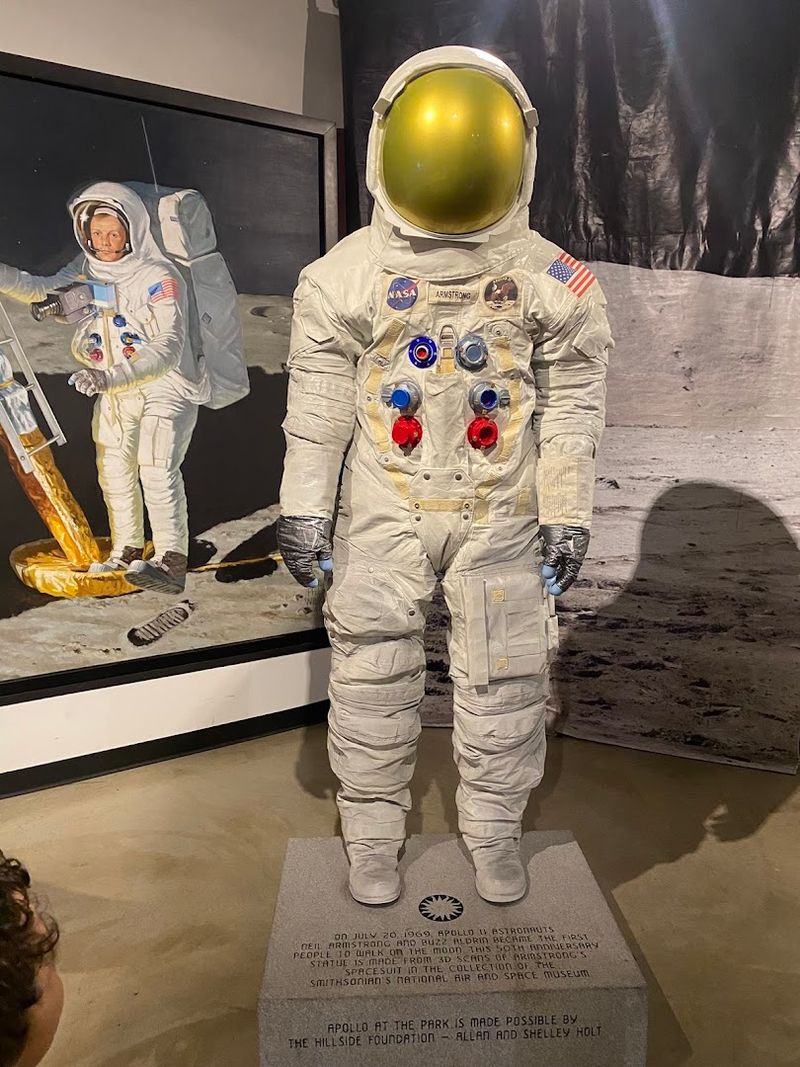
There is something unforgettable about standing in front of real artifacts from the space age instead of replicas and reading panels. The museum uses authentic objects to close the distance between modern visitors and one of history’s boldest eras.
Suddenly, the risks, engineering, and bravery of those missions feel immediate rather than abstract.
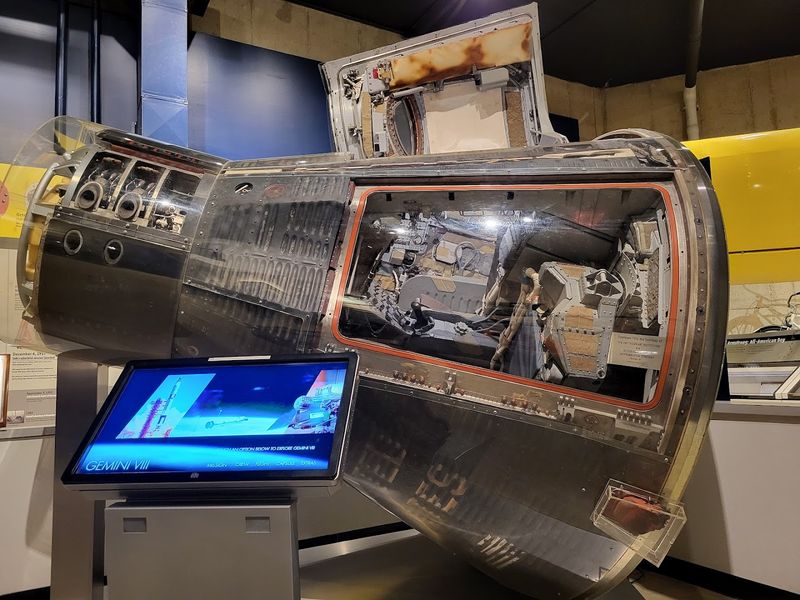
Visitors regularly rave about seeing major artifacts like the Gemini 8 capsule and Armstrong-related items, and it is easy to understand why. These are the kinds of pieces that make you stop talking for a second and simply stare.
They carry the visual wear, scale, and presence that no textbook can recreate.
What impressed me most is how the exhibits let the objects do part of the storytelling without overcomplicating the experience. You can move slowly, read deeply, and still feel a strong emotional hit.
That combination of authenticity and clarity is a huge reason this museum overdelivers.
4. The Apollo 11 film is worth planning your visit around
One of the smartest things you can do here is time your visit so you can catch the museum film. Reviews consistently mention the roughly 30-minute documentary, and that kind of praise usually means it adds real value instead of feeling like filler.
In this case, it sounds like an essential part of the experience.
The film deepens the museum’s exhibits by giving you motion, sound, and historical footage that expands what you have just seen in the galleries. After reading about Armstrong and Apollo 11, sitting down for a well-produced presentation helps everything click into place.
It gives the visit rhythm and keeps the emotional momentum building.
I especially like that this is a self-guided museum with a built-in shared moment. You can explore independently, then join other visitors for a focused retelling of the moon landing.
That pause in the middle of the tour often becomes one of the most memorable parts of the whole stop.
5. Knowledgeable staff elevate the entire experience
A museum can have great objects and still feel flat, but that does not seem to happen here. Again and again, visitors praise the staff for being knowledgeable, enthusiastic, and genuinely welcoming.
That kind of personal engagement can transform a solid self-guided museum into an experience you talk about for weeks.
Several reviews mention employees and historians who gladly share extra details about the Gemini mission, capsule design, and artifacts throughout the museum. I love that because it means the experience can deepen naturally depending on your interest level.
If you want a quick walk-through, you can have that, but if you are curious, there is more waiting for you.
That human element matters, especially in a museum centered on courage, engineering, and national memory. Warm, informed staff keep the story alive rather than static.
When a place combines important history with people who clearly care, you feel invited into the story instead of just observing it.
6. It is compact, affordable, and easy to fit into a road trip

Not every great museum needs an entire day, and that is part of this one’s appeal. Most visitors seem to spend about ninety minutes to two hours here, which makes it ideal for a road trip detour or a focused afternoon outing.
You get a substantial experience without the exhaustion that can come with sprawling institutions.
The museum also earns points for being approachable in cost and layout. Reviews repeatedly describe it as affordable, manageable, and easy to navigate, with accessible spaces and enough structure to keep you oriented.
That matters when you are traveling with mixed ages, limited time, or just want a stop that feels rewarding instead of complicated.
I think that practical convenience is one reason the museum feels underrated. It delivers nationally significant history in a format that fits real life.
You can pop in because you saw the sign from the interstate and still walk away feeling like you discovered something genuinely special.
7. The exhibits balance deep history with moments of wonder
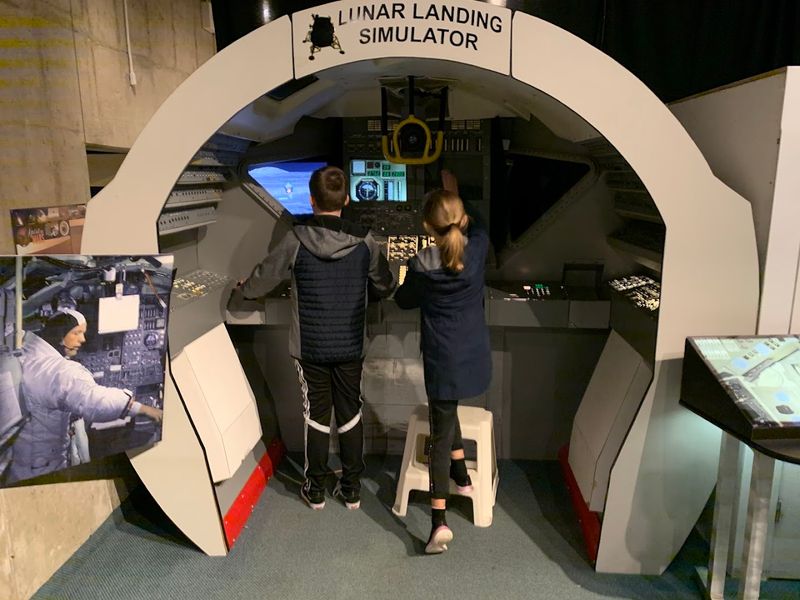
This museum seems to understand that facts alone are not enough to create a lasting memory. Alongside the historical details, there are immersive spaces, dramatic design touches, and visual moments that invite awe.
Visitors have even called out special rooms and artistic elements that make the experience feel more atmospheric than expected.
That matters because the subject itself is a blend of engineering precision and pure human imagination. When the museum pairs technical history with emotionally resonant presentation, you get something richer than a timeline on walls.
You start to feel the ambition behind the missions, the danger surrounding them, and the wonder that kept people reaching upward.
I also appreciate that the museum highlights more than one heroic figure or single event. Reviews note recognition of scientists, support teams, and women who helped make space exploration possible.
That broader perspective gives the museum depth and makes the story of American spaceflight feel bigger, fuller, and more human.
8. Even the gift shop and grounds add to the stop

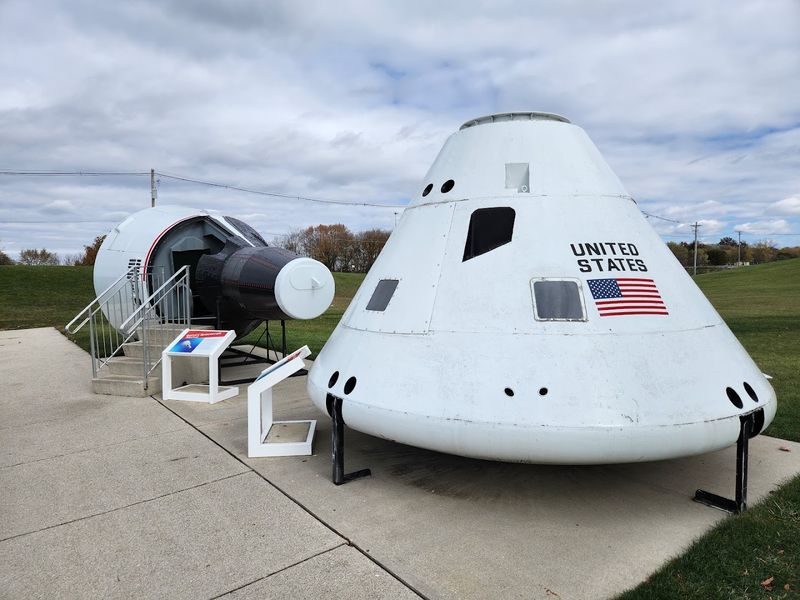
A great museum visit does not end the second you finish the final gallery, and this one seems to understand that. Visitors mention outdoor displays, pleasant grounds, and a well-stocked gift shop that extends the experience without feeling like an afterthought.
Those extras help turn a quick stop into a fuller outing.
If you are traveling with family or simply like taking home a souvenir, the shop sounds like the kind of place where you will want to browse a little longer than planned. Outside, the property gives you room to stretch your legs, take photos, and keep reflecting on what you just saw.
That is especially appealing if you discovered the museum during a longer drive through western Ohio.
For me, that final layer reinforces why the museum works so well as a destination. It feels cared for from beginning to end.
The exhibits draw you in, and the surrounding experience helps the visit linger even after you are back on the road.
9. Why this museum is one of Ohio’s best hidden travel surprises
What makes the Armstrong Air & Space Museum so satisfying is that it consistently exceeds expectations. People arrive thinking they are making a quick niche stop, then leave describing it as moving, informative, and absolutely worth the detour.
That gap between expectation and experience is the signature of a true hidden gem.
It has the right ingredients: a meaningful location, strong storytelling, authentic artifacts, a respected film, and staff who clearly enjoy sharing what they know. Just as important, it remains approachable for casual travelers who may not consider themselves space history experts.
You do not need specialized knowledge to feel the impact of what happened here and what it represents.
If you are passing through Ohio or building a trip around aviation and NASA history, this museum deserves a place on your list. It is thoughtful, memorable, and deeply rooted in one hometown.
By the time you leave, underrated will feel like a serious understatement.