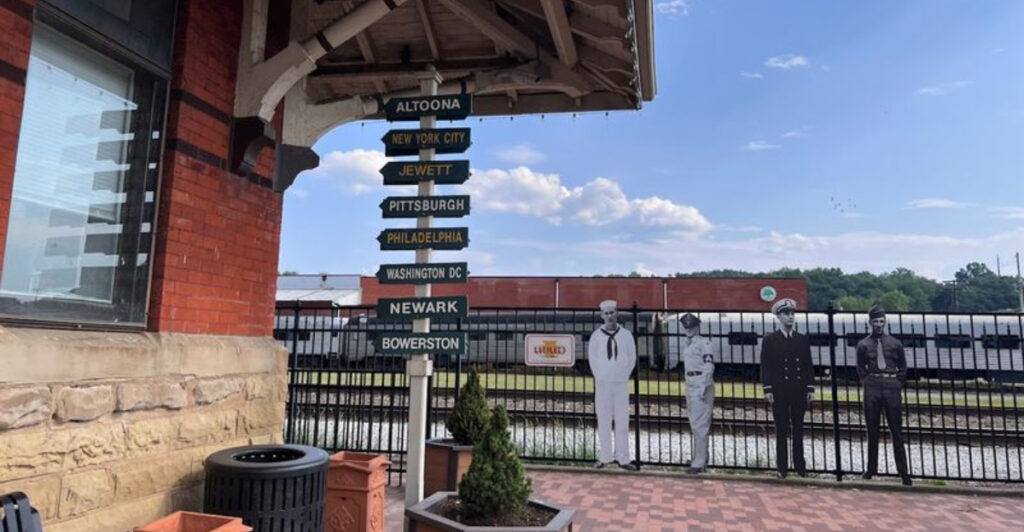
If you think small-town museums cannot deliver a powerful emotional punch, Dennison Railroad Depot Museum is ready to prove you wrong. This beautifully restored Ohio landmark tells the story of ordinary people who welcomed thousands of troops during World War II with food, kindness, and unforgettable hometown care.
Walking through it feels less like reading history and more like stepping directly into it. By the time you leave, you may understand why so many visitors call this place one of Ohio’s most meaningful hidden treasures.
1. Why This Depot Matters
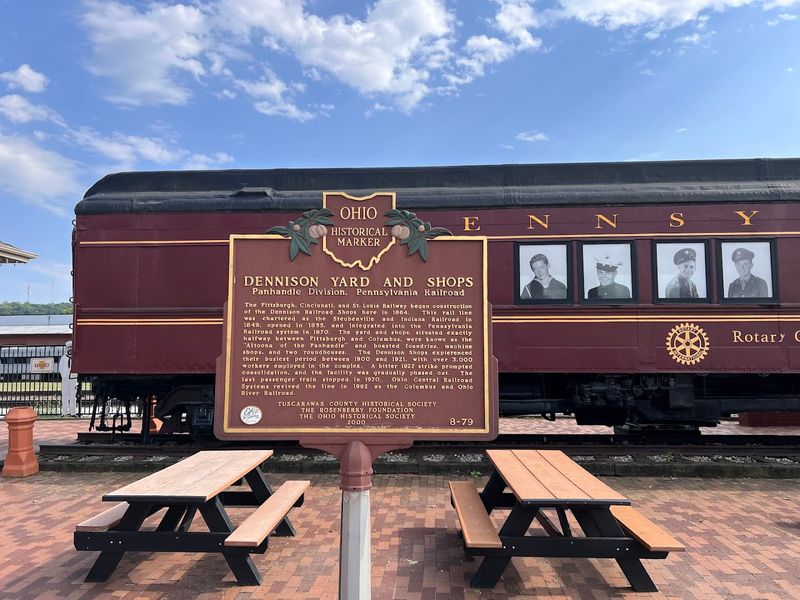
The moment you arrive at Dennison Railroad Depot Museum, you can feel that this is not just another collection of old objects behind glass. I found myself pulled into a story about a railroad stop that became a lifeline for American troops moving across the country during World War II.
That emotional connection is what makes this museum stand apart from larger, flashier institutions.
Between 1942 and 1946, troop trains stopped here constantly, and local volunteers turned the station into a place of comfort, food, and encouragement. You are not simply learning dates and names here – you are meeting the spirit of a town that cared deeply for strangers in uniform.
The result is a museum experience that feels personal, patriotic, and surprisingly moving from the very first room to the last railcar.
2. The Story Behind Dreamsville USA
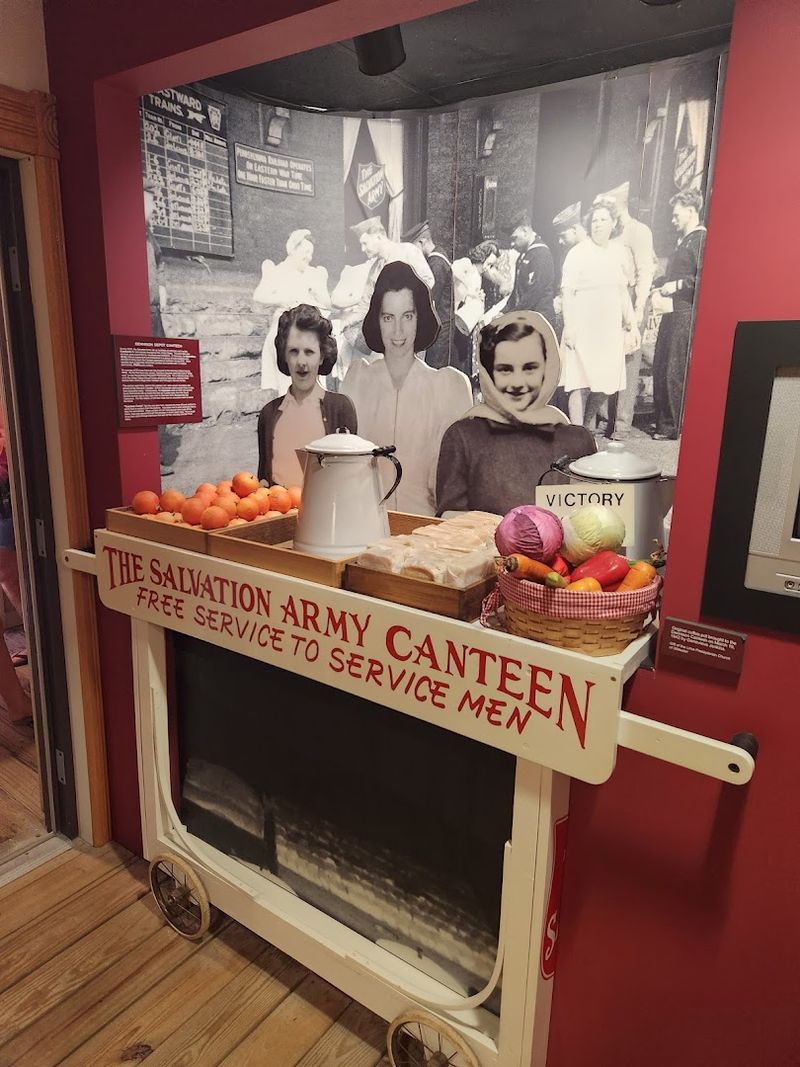
One of the most memorable things you learn here is why Dennison became known as Dreamsville USA. Thousands of service members passed through this depot every day, and local residents greeted them with sandwiches, coffee, baked goods, and genuine warmth when they needed it most.
I think that nickname says everything about how deeply this community understood the power of kindness during wartime.
The museum does an excellent job explaining the sheer scale of that effort without losing the human side of the story. You start to imagine tired soldiers stepping off trains for a brief moment of relief, seeing friendly faces, and carrying that memory with them into uncertainty.
For me, that home front history is what gives the museum its heart, and it lingers long after the visit ends.
3. A Restored Station Frozen In Time
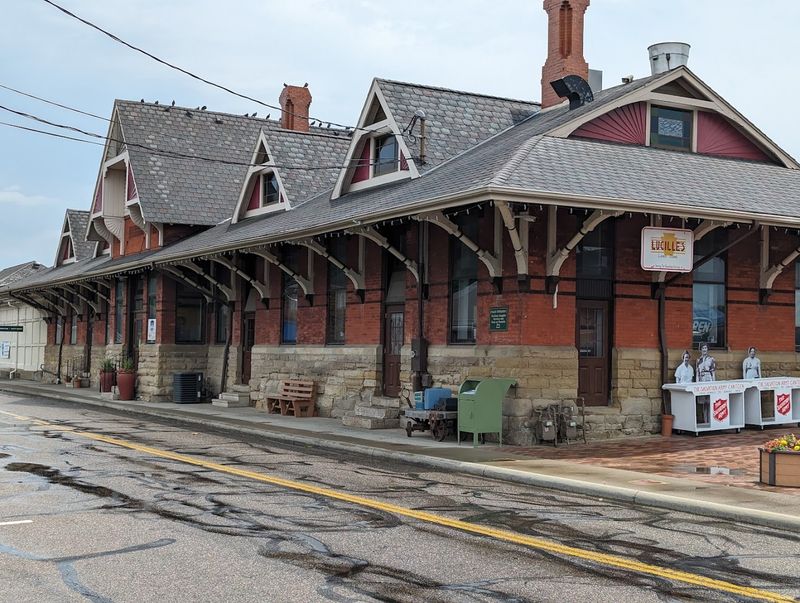
The depot itself is one of the museum’s biggest attractions, and it immediately sets the tone for the visit. Carefully restored to reflect its wartime appearance, the station feels like a place where history still lingers in the walls, windows, and waiting areas.
I loved how the building makes you slow down and notice details that modern spaces usually erase.
Instead of overwhelming you with too much at once, the station invites you into the period through architecture, artifacts, and atmosphere. You can picture troop trains arriving, volunteers moving quickly, and families gathering information in rooms that still carry that sense of purpose.
That authenticity matters, because it helps the museum feel immersive without relying on gimmicks, and it turns an ordinary walk through the building into something quietly unforgettable.
4. Walking Through The Historic Railcars
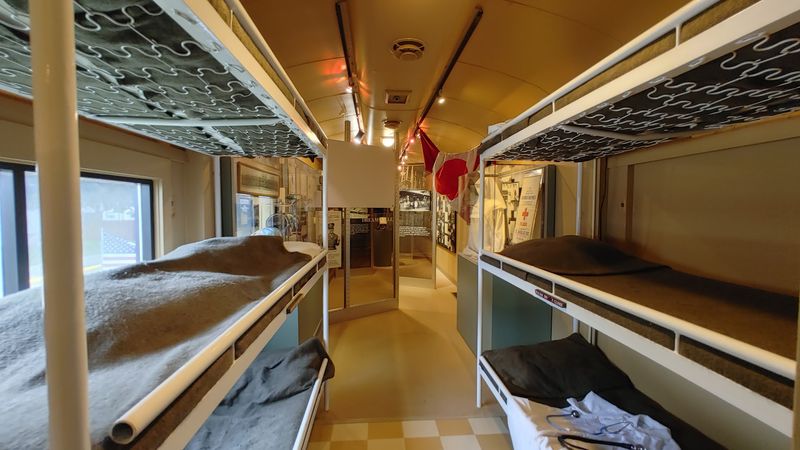
After exploring the depot, stepping into the historic railcars is where the experience becomes even more vivid. These cars are not there as background decoration – they are a major part of how the museum tells the story of wartime travel, military movement, and rail life.
I found that walking from car to car made the history feel physical in a way books rarely can.
Each space reveals a different angle on the railroad’s role, from troop transport to daily routines and the broader social impact of the war. You get a stronger sense of what travel was like, how confined the spaces were, and how essential trains were to the national effort.
For visitors who love transportation history, this section is fascinating, but even casual guests usually come away impressed by how much the railcars add.
5. The Powerful Hospital Car Exhibit
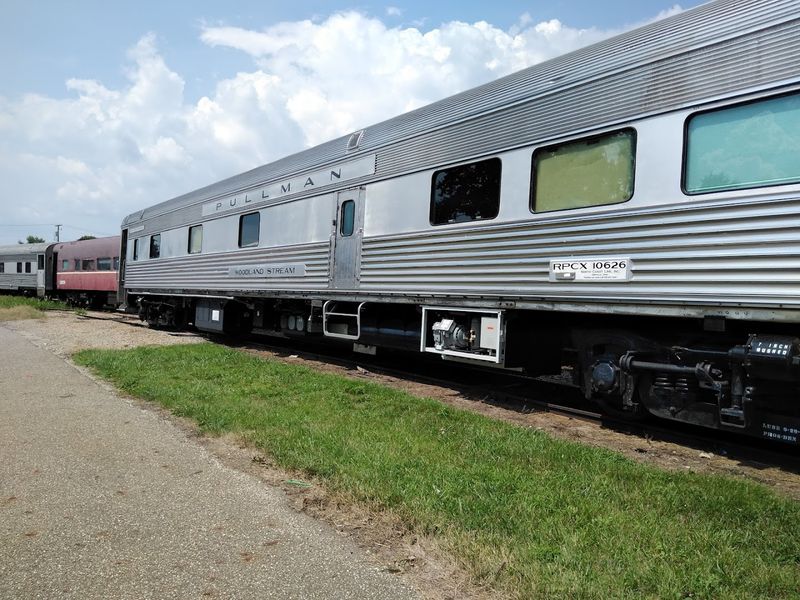
Among the most powerful parts of the museum is the hospital car exhibit, which gives the visit a sobering emotional depth. Seeing how medical care was arranged aboard a train makes the realities of war feel immediate, personal, and impossible to romanticize.
I think this is the section that often stays with visitors the longest.
The layout, equipment, and interpretation help you understand that railroads were not only moving healthy troops toward battle, but also helping care for the wounded. You can picture the urgency, the cramped conditions, and the incredible effort required to provide treatment while in motion.
That perspective adds an important layer to the museum, reminding you that service and sacrifice were not abstract ideas, but daily realities that touched every car, every track, and every stop along the way.
6. Why Families Connect With It
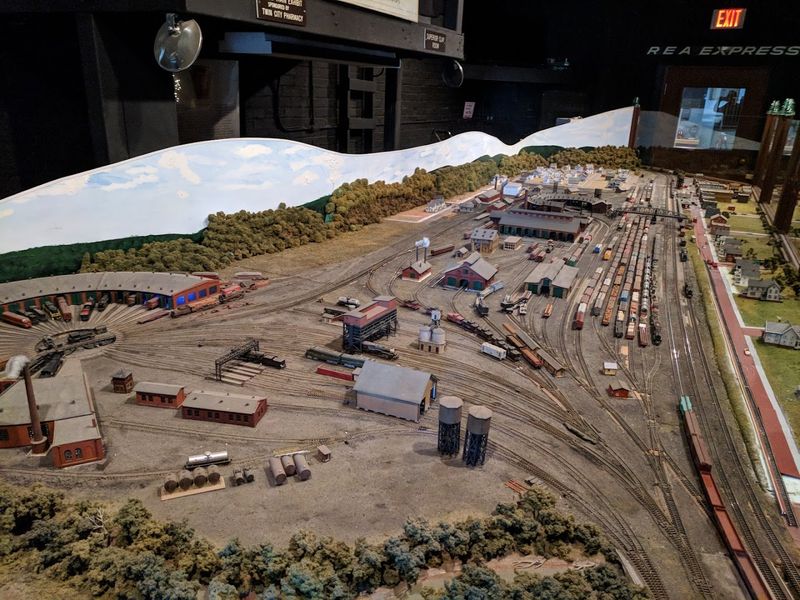
Even though the subject matter is serious, the museum is surprisingly welcoming for families and younger visitors. Reviews often mention scavenger hunts, model train displays, and hands-on ways for kids to stay engaged while still learning meaningful history.
I appreciate that balance because it keeps the experience accessible without watering down the story.
If you are visiting with children, this is the kind of place that can spark questions long after you leave. Instead of presenting World War II as something distant and abstract, the museum shows how a small American town contributed through service, hospitality, and sacrifice.
That makes the lessons easier to grasp, and it gives families a shared experience that feels educational, memorable, and heartfelt rather than like a forced history stop on a weekend drive.
7. The Atmosphere Around The Museum
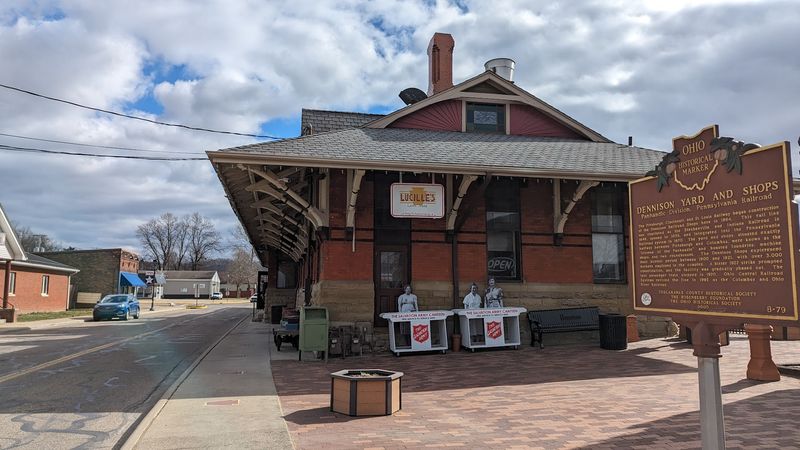
Part of what makes this museum so special is that the feeling does not stop at the front door. Visitors often talk about Dennison itself contributing to the experience, with a sense of nostalgia that supports the museum’s World War II story rather than distracting from it.
I love places where the setting helps deepen the visit, and this is definitely one of them.
The museum feels rooted in its town, which gives the history more authenticity and emotional weight. You are not entering a random exhibit dropped into an anonymous building – you are visiting the actual community that earned its place in wartime memory.
That connection between place and story gives Dennison Railroad Depot Museum a rare strength, making it feel less like a staged attraction and more like a preserved piece of living American heritage.
8. Planning Your Visit
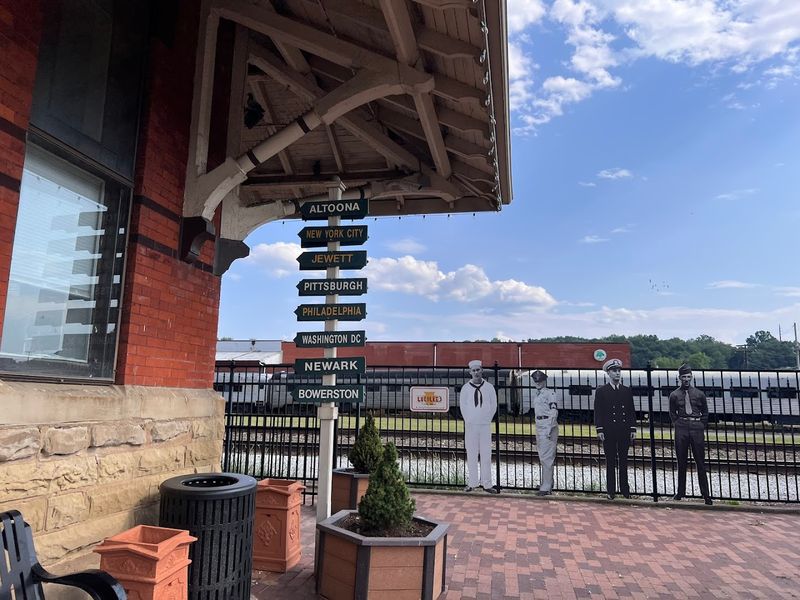
If you are thinking about going, give yourself enough time to take it in properly. Many visitors say the museum deserves at least an hour and a half to two hours, and I would not rush it if you want the full impact of the exhibits, railcars, and stories.
The museum is located at 400 Center Street in Dennison and is typically open Tuesday through Friday from 10 AM to 5 PM, with shorter weekend hours.
Because this is such a story-driven place, arriving ready to read, reflect, and explore at your own pace makes a big difference. You are not just checking off another roadside museum – you are stepping into one of Ohio’s most affecting World War II experiences.
If you care about railroad history, the home front, or overlooked acts of service, this museum absolutely earns a place on your travel list.