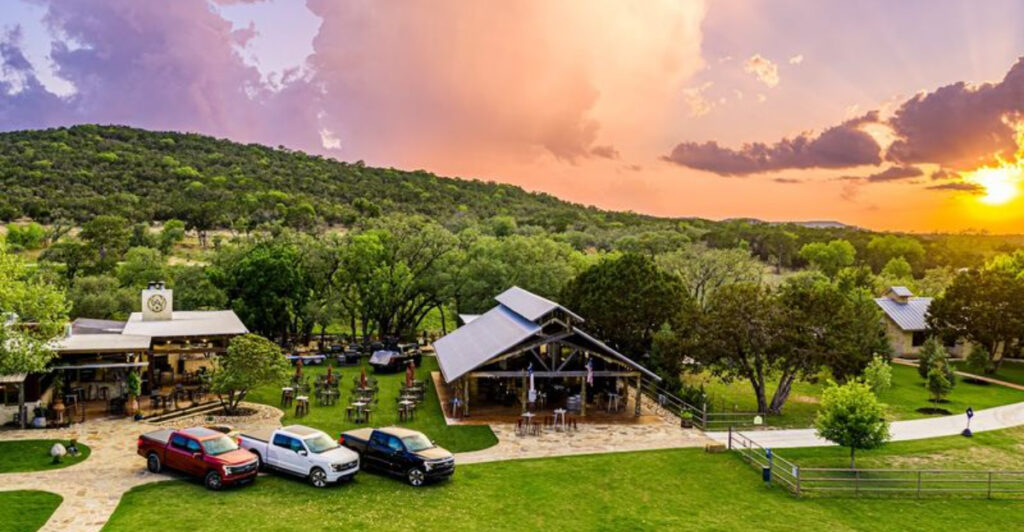
Tucked between the Hill Country’s rolling hills and wide-open skies sits Comfort, a German-founded town that time seems to have forgotten in the best way possible. Founded in the 1850s by free-thinking settlers who opposed slavery, this tiny community of about 2,200 people offers something rare: authentic Texas history without the tourist buses and overpriced gift shops. You’ll find award-winning wineries pouring Texas wines, a haunting Civil War monument that tells a story of courage, and streets lined with antique stores that actually have treasures worth discovering.
1. Bending Branch Winery
Picture yourself swirling a glass of Tannat while gazing out at rows of grapevines stretching toward limestone hills. Bending Branch sits just outside Comfort’s historic center, and it’s become one of the most respected wineries in Texas for good reason. The owners didn’t just plant whatever grape would grow—they studied the soil, tested varieties, and committed to making wines that could compete nationally.
Their tasting room feels like visiting a friend’s ranch house, minus the stuffiness you’d find at some Napa Valley spots. You can sample their signature Tannat, a bold red that’s earned serious medals, or try their Picpoul Blanc if you prefer whites with personality. The staff actually knows their stuff without being snobby about it.
Weekends bring live music to the patio, where locals and visitors mix easily over cheese boards and wine flights. The winery hosts special events throughout the year, including harvest parties and winemaker dinners that sell out fast. Prices stay reasonable—most tastings run around fifteen to twenty dollars, and you’ll leave understanding why Texas wine country deserves respect.
Bring a cooler if you fall in love with a bottle or three. The drive back to Comfort takes about ten minutes, giving you just enough time to plan your next stop.
2. Singing Water Vineyards
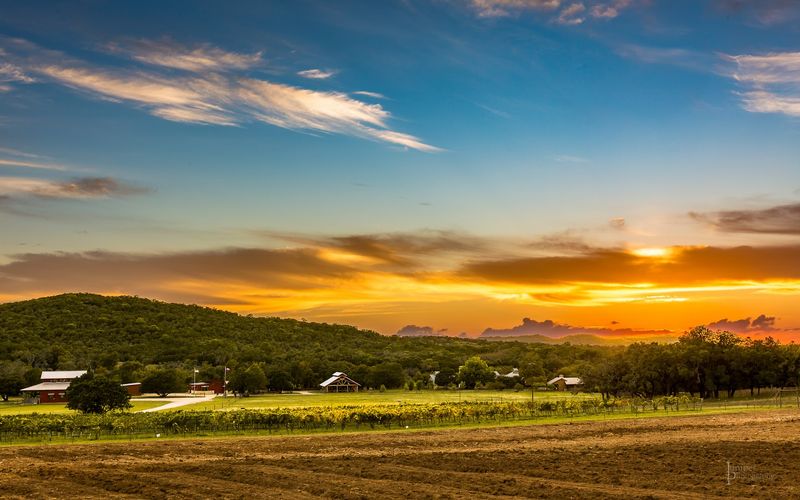
If Bending Branch feels like a polished operation, Singing Water is its scrappier, equally charming cousin. This family-run vineyard keeps things small and personal—you might meet the winemaker pouring your tasting, and he’ll probably remember you if you come back. The property itself looks like it grew organically from the Hill Country soil, with native plants framing the tasting area and views that make you want to linger.
They focus on varietals that thrive in Texas heat, which means you’ll taste wines that actually belong here rather than grapes trying to pretend they’re in France. Their Vermentino captures that crisp, citrusy brightness that pairs perfectly with hot afternoons. The Sangiovese shows what Texas reds can do when someone pays attention to the details.
The tasting experience feels more like hanging out in someone’s backyard than a formal wine tour. You can ask questions without feeling judged, and the pours tend to be generous. They often have food available—cheese, crackers, maybe some local sausage—but call ahead to confirm.
Singing Water doesn’t try to be something it’s not, which is exactly why it works. You’ll leave with bottles you actually want to drink, not just pretty labels to display.
3. Comfort Cellars Winery

Right in the heart of Comfort’s historic district, Comfort Cellars proves you don’t need sprawling vineyards to make memorable wine. This downtown tasting room occupies one of those classic limestone buildings that define the town’s character, and stepping inside feels like discovering a secret that locals have been keeping to themselves. The space mixes old-world charm with Hill Country casualness in a way that just works.
Owner Rebecca handles much of the winemaking herself, sourcing grapes from trusted Texas vineyards and crafting small-batch wines with distinctive personalities. Her Tempranillo has developed a following among people who know their Texas wines, and the fruit-forward rosé disappears fast during summer months. The tasting menu changes based on what’s ready, so repeat visits always offer something new.
What sets Comfort Cellars apart is the walkability factor—you can stroll here from the antique shops, the monument, or any of the restaurants downtown. No designated driver drama or long drives between stops. The tasting room hosts occasional events like paint-and-sip nights and winemaker meet-and-greets that draw a friendly crowd.
The prices stay modest, the atmosphere stays unpretentious, and you can actually have a conversation without shouting over crowds. That’s the Comfort difference right there.
4. Treue der Union Monument
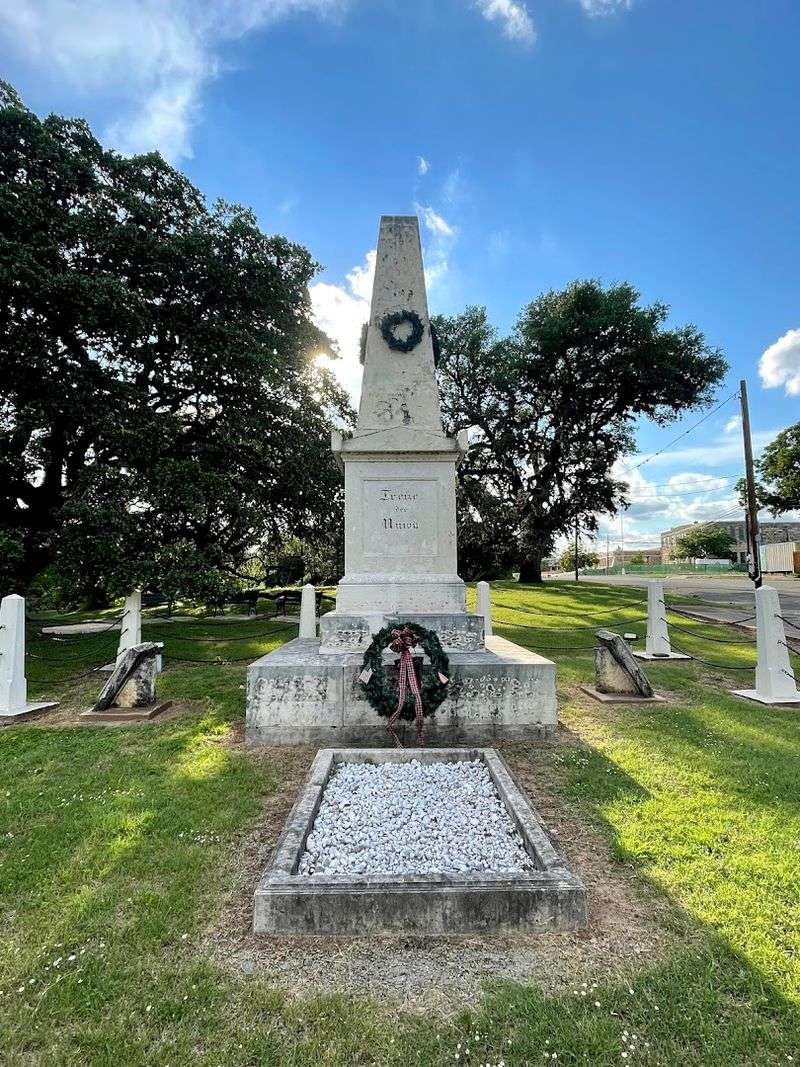
Stand in front of this white limestone obelisk and you’re facing the only monument to the Union on former Confederate soil. That’s not Texas trivia—that’s a powerful statement about the people who founded Comfort. In 1862, a group of German settlers who opposed slavery tried to flee to Mexico to avoid fighting for the Confederacy.
Confederate soldiers caught them at the Nueces River and killed most of them.
The bodies lay unburied for years until the survivors could safely return and give them a proper resting place. This monument, erected in 1866, honors those men who died for their beliefs. The German inscription reads “Treue der Union,” meaning “Loyal to the Union,” and an American flag flies here day and night by special congressional order.
Walking around the monument, you’ll notice it’s not maintained like some pristine historical site. It’s weathered, real, and situated right in the middle of town where locals pass it daily. That integration into everyday life makes it more meaningful somehow.
The story it tells isn’t about grand battles or famous generals—it’s about ordinary people making extraordinary choices.
Spend a few minutes here reading the names. These weren’t soldiers; they were farmers, craftsmen, and fathers who valued freedom over safety.
5. Historic High Street
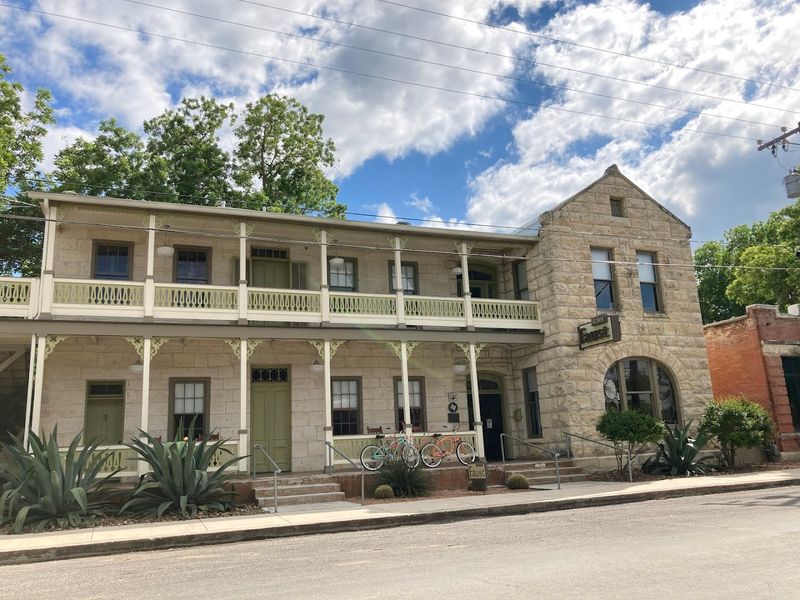
High Street looks like someone pressed pause on a movie set from the 1800s, except everything here still functions as actual businesses. The limestone buildings lining this main drag were built by German craftsmen who knew their stonework would outlast them by generations. They were right—these structures have survived floods, economic busts, and the temptation to modernize into bland strip malls.
Today, those buildings house antique stores that aren’t tourist traps playing at nostalgia. You’ll find legitimate vintage furniture, old ranch tools, German pottery, and the kind of stuff that makes you text photos to friends asking “should I buy this?” The owners typically know the provenance of their better pieces and love sharing stories about where things came from.
Between the antique shops, you’ll discover a few cafes, art galleries featuring local artists, and the occasional oddity like a store selling both books and local honey. Nothing feels corporate or calculated. The sidewalks stay shaded under old trees, and wooden benches invite you to sit and watch absolutely nothing happen for a while.
Park anywhere along the street—there’s no meter feeding or parking anxiety. Walk the entire stretch in twenty minutes, or spend three hours poking into every shop. Either way works in Comfort.
6. Comfort Common
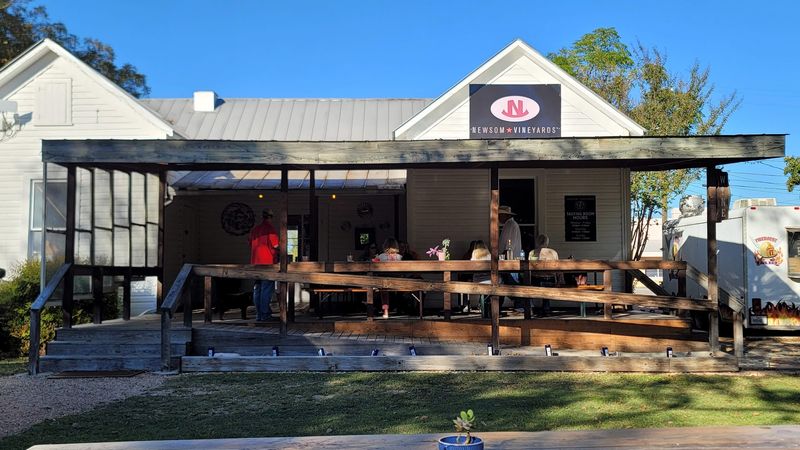
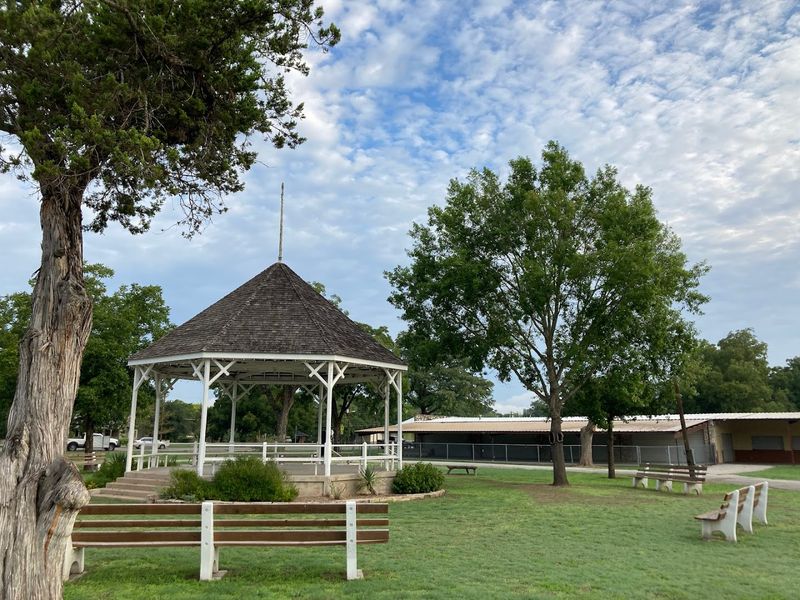
What happens when you take an underused lot in a small town and turn it into a community hub? You get Comfort Common, a laid-back gathering spot that’s become the town’s unofficial living room. This isn’t a park with manicured grass and playground equipment—it’s more like an outdoor venue where things just happen organically.
Food trucks rotate through, musicians set up for impromptu performances, and people actually talk to strangers.
The space hosts regular events like farmers markets where you can buy produce from Hill Country growers, craft vendors selling everything from handmade soap to leather goods, and seasonal festivals that bring the whole town out. But even on quiet days, the Common serves its purpose. Grab takeout from a nearby restaurant, claim a picnic table, and you’ve got yourself an excellent lunch spot.
Local families use it as a safe place for kids to run around while parents decompress with a beer from the cooler. Travelers discover it while wandering downtown and end up staying longer than planned because the vibe just works. The design keeps things simple—some seating, some shade, some open space—and lets people fill in the rest.
Check their social media before visiting to see what’s happening, or just show up and see what you find. That’s very Comfort.
7. Bat Tunnel at Old Tunnel State Park
Every summer evening between May and October, somewhere between three and five million Mexican free-tailed bats emerge from an abandoned railroad tunnel near Comfort. That’s not a typo—millions of bats spiraling out into the twilight sky in a living tornado that seems impossible until you’re standing there watching it happen. Old Tunnel State Park protects this spectacle, and the viewing platform puts you close enough to hear the wings.
The tunnel dates back to 1913 when the railroad cut through Hill Country limestone. After the trains stopped running, the bats moved in and turned it into one of the largest maternity colonies in Texas. Female bats return here every spring to give birth, and by summer the population explodes with hungry babies learning to fly and hunt insects.
Arrive about thirty minutes before sunset to claim a good viewing spot. The bats don’t emerge on a schedule—they wait until conditions feel right, then suddenly the show begins. Some nights they pour out in dense clouds; other nights they trickle out in scattered groups.
Either way, watching that many living creatures coordinate their exit is genuinely mesmerizing.
The park charges a small entrance fee, and rangers often give talks explaining bat ecology and why these animals matter. Bring bug spray and patience.
8. Ingenhuett Store
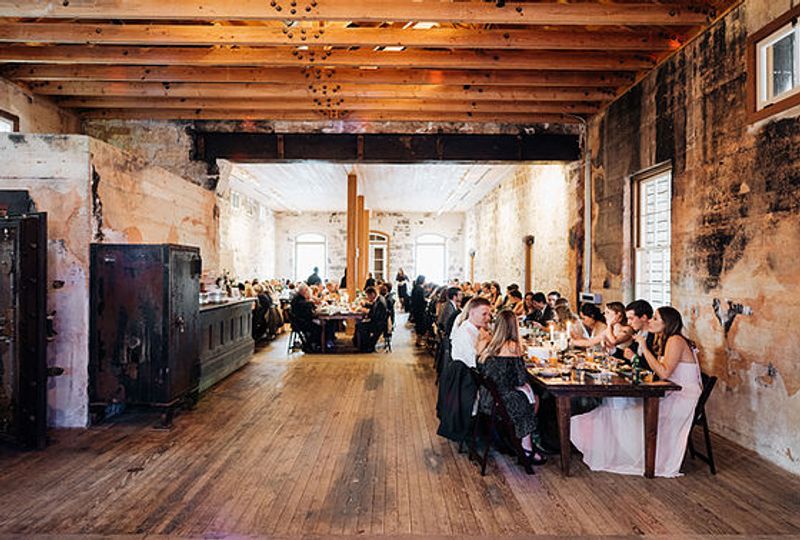
Walking into Ingenhuett Store feels like stepping through a time portal to when general stores actually served communities instead of just selling nostalgia. This place opened in 1920, and four generations of the Ingenhuett family kept it running until recently. Now preserved as a living museum, it shows exactly what small-town commerce looked like before Walmart existed.
The wooden floors creak authentically, the shelves still hold vintage products, and the old-fashioned soda fountain looks ready to serve you a phosphate.
Unlike many “historic” attractions that feel sanitized for tourists, Ingenhuett Store maintains its working-store atmosphere. You can browse the aisles and imagine locals coming in for flour, fabric, and gossip. The store sold everything from farm equipment to fancy hats, serving as Comfort’s social center and economic lifeline.
Original ledgers and photographs document decades of transactions and relationships.
The preservation effort respects the building’s authenticity while making it accessible to visitors. Volunteers often staff the store and share stories about how the Ingenhuetts operated, what sold best, and how the business adapted through wars and economic changes. You’ll see details that modern stores abandoned—the careful penmanship in account books, the variety of goods stocked for a tiny population, the personal service model.
Entry costs just a few dollars, and it’s worth every penny for history buffs.
9. Guadalupe River State Park
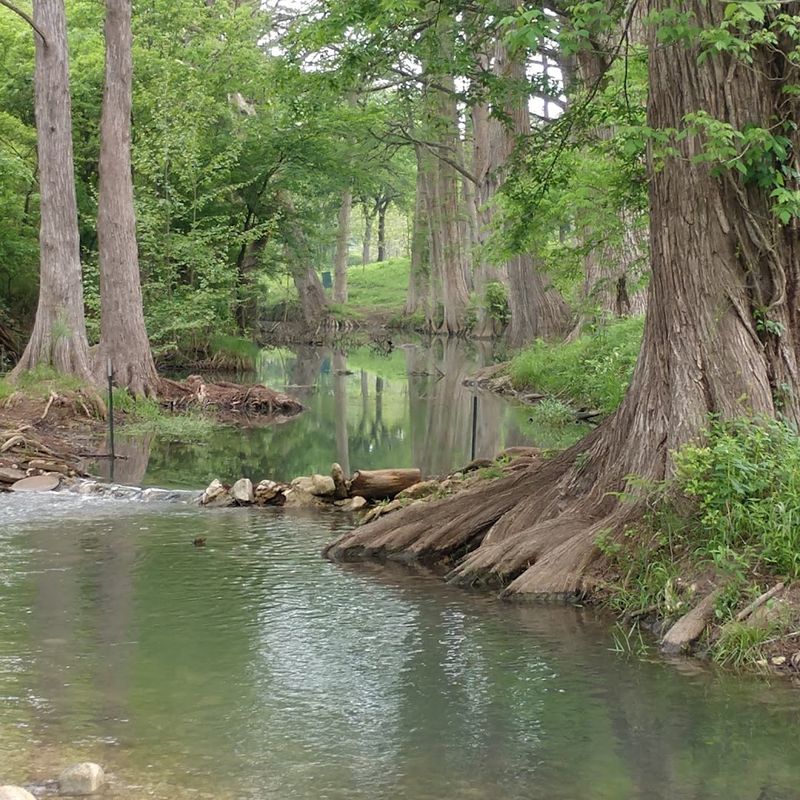
About twenty minutes from Comfort, the Guadalupe River cuts through limestone and creates one of the Hill Country’s prettiest state parks. This isn’t the party section of the river where college kids float with coolers—it’s the quieter stretch where you can actually hear birds and see fish in the clear water. The park offers four miles of riverfront with swimming holes, rapids for tubing, and shaded banks perfect for claiming a spot and staying all day.
Cypress trees line much of the river, their roots creating natural sculptures in the water and their branches providing crucial shade during summer’s brutal heat. The swimming areas stay relatively shallow near the banks but deepen toward the middle, giving you options based on your comfort level. Bring water shoes because the limestone bottom can be rough on bare feet.
Beyond the river, the park maintains hiking trails through Hill Country terrain where you might spot white-tailed deer, armadillos, or the occasional roadrunner. The trails range from easy riverside walks to more challenging climbs that reward you with views across the valley. Camping facilities include sites with water and electricity if you want to extend your visit.
Weekdays offer the best experience with fewer crowds. Weekends during summer can get busy, but the park’s size absorbs people better than smaller swimming spots.