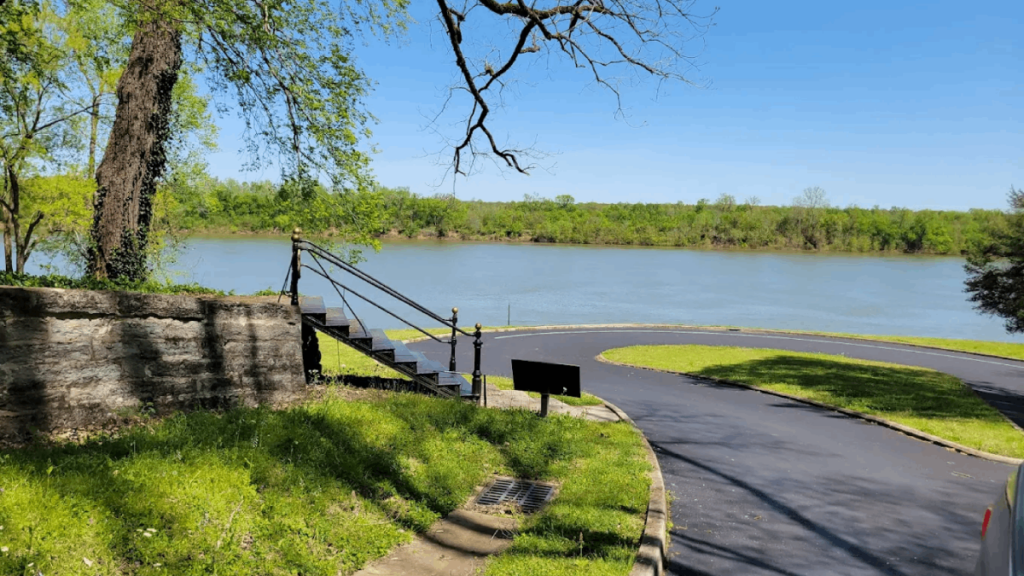
Shiloh sits quietly along the Tennessee River in Hardin County, where time seems to move a little slower and history runs deep. This small unincorporated community became one of the most significant places in American history during the Civil War, and today it offers visitors a peaceful escape with powerful stories around every corner.
Whether you’re drawn to walking historic battlefields or simply want to enjoy a calm riverside stroll, Shiloh delivers both reflection and relaxation in equal measure.
A Quiet Tennessee Town Where History Still Feels Alive
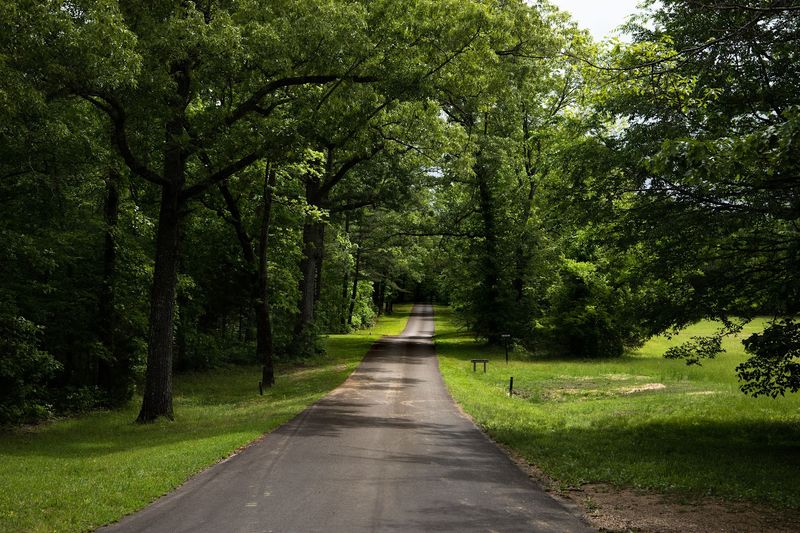
Walking through Shiloh feels different than visiting most historic sites. There’s no rush of tourist crowds or overwhelming commercialization here. Instead, you find yourself in a place where the past isn’t locked behind glass cases but woven into the landscape itself.
The community remains small and unincorporated, which means it’s kept its authentic character over the decades. Local residents live among the same rolling hills and river bluffs that witnessed one of the Civil War’s bloodiest battles. That connection to history isn’t something you read about—it’s something you feel when you’re standing there.
Shiloh doesn’t try to be flashy or trendy. It simply exists as a living reminder of what happened here in April 1862, when more than 23,000 soldiers were killed, wounded, or went missing over two days of fighting. The weight of that sacrifice still lingers in the air, especially during quiet mornings when fog rolls off the Tennessee River.
What makes Shiloh special is how it balances remembrance with everyday life. You’ll see historic markers alongside family homes, and preserved earthworks near working farmland. This blend creates an atmosphere where history doesn’t feel distant or academic—it feels real and present.
For anyone who appreciates authentic places over manufactured attractions, Shiloh offers something rare. It’s a community that honors its past without turning it into a theme park, making every visit feel meaningful and genuine.
Step Into Shiloh, One of Tennessee’s Most Meaningful Historic Places

Few places in Tennessee carry the historical weight that Shiloh does. On April 6-7, 1862, this quiet riverside area became the site of a battle that shocked the nation and changed the course of the Civil War. What began as a Confederate surprise attack ended with Union forces holding their ground, but at a terrible cost that nobody expected.
Before that spring weekend, most Americans thought the war would end quickly. Shiloh shattered that illusion. The casualty numbers exceeded anything the young nation had seen before, and suddenly everyone understood this conflict would be long and brutal.
Today, Shiloh stands as one of the best-preserved Civil War sites in the country. The National Park Service has maintained the battlefield with remarkable care, keeping the terrain much as it looked in 1862. Walking these grounds isn’t just educational—it’s emotional.
You can trace the movements of troops through preserved ravines and along ridgelines where desperate fighting occurred. Monuments mark where regiments made their stands, and interpretive signs help you understand what soldiers experienced during those chaotic hours. The famous Hornet’s Nest position, where Union troops held off repeated Confederate attacks, remains one of the most powerful spots to visit.
Shiloh’s significance goes beyond military strategy. It represents a turning point in how Americans understood war itself. Standing where so many young men fought and died brings that history into sharp focus, making it impossible to think of the Civil War as just dates and facts in a textbook.
Why History Buffs Are Drawn to This Peaceful Riverfront Community
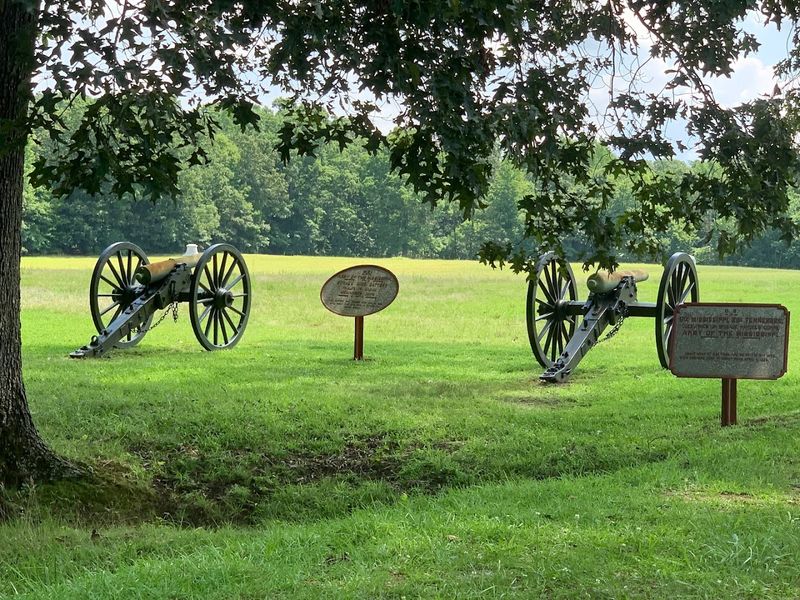
History enthusiasts make pilgrimages to Shiloh for reasons that go beyond casual sightseeing. This place offers something rare—a chance to study military history in the exact landscape where it unfolded. The terrain still shows you why commanders made certain decisions and how geography shaped the battle’s outcome.
Unlike many historic sites that have been developed over time, Shiloh’s battlefield remains largely unchanged. Roads run where they did in 1862, and the woods, fields, and ravines look remarkably similar to period photographs. This preservation lets serious students of history understand the battle in ways that maps and books can’t fully convey.
The park also attracts researchers and educators who appreciate the extensive documentation available here. Original reports, letters, and accounts from soldiers on both sides have been preserved and studied. Walking the ground while reading these firsthand descriptions creates powerful connections to the past.
Many visitors return multiple times, each trip revealing new details or perspectives. Some come during anniversary events when reenactors and historians gather to share knowledge. Others prefer quiet weekday visits when they can explore at their own pace without distractions.
The riverside location adds another layer to Shiloh’s appeal. The Tennessee River served as a crucial supply line for Union forces, and understanding its strategic importance helps explain why this particular ground became so contested. Standing on the bluffs overlooking the water, you can visualize the steamboats that brought reinforcements during the battle’s second day.
For anyone passionate about American history, Shiloh delivers depth and authenticity that few other sites can match.
Explore Shiloh National Military Park and Its Powerful Past
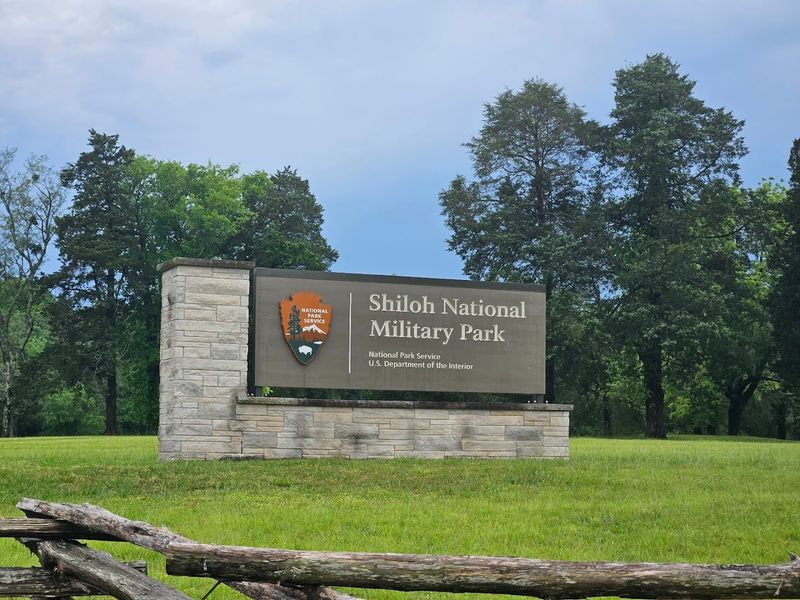
Shiloh National Military Park covers nearly 4,000 acres of carefully preserved battlefield and related historic sites. Established in 1894, it ranks among America’s oldest and most significant military parks. What you find here isn’t a sanitized version of history but an honest look at one of the war’s most devastating encounters.
Start your visit at the park’s museum and visitor center, where artifacts and exhibits provide context before you explore the battlefield itself. Original weapons, uniforms, and personal items from soldiers help put faces to the statistics. A short film explains the battle’s progression and why it mattered so much to both sides.
The driving tour follows a well-marked route with numbered stops at key locations. Each stop features interpretive signs explaining what happened at that specific spot. You’ll visit places like the Peach Orchard, where Confederate General Albert Sidney Johnston was mortally wounded, and Bloody Pond, where wounded soldiers from both armies crawled to drink.
Walking trails let you explore certain areas more intimately. The terrain itself tells stories—steep ravines that provided cover, open fields where troops were exposed to devastating fire, and wooded areas where visibility was limited. Spring visits are particularly moving, when the same wildflowers that bloomed during the battle appear again.
The park also includes Shiloh Indian Mounds, prehistoric earthworks that predate the battle by over a thousand years. This addition reminds visitors that Shiloh’s significance extends far beyond the Civil War, connecting multiple chapters of American history in one remarkable place.
Take a Slow Stroll Along the Tennessee River
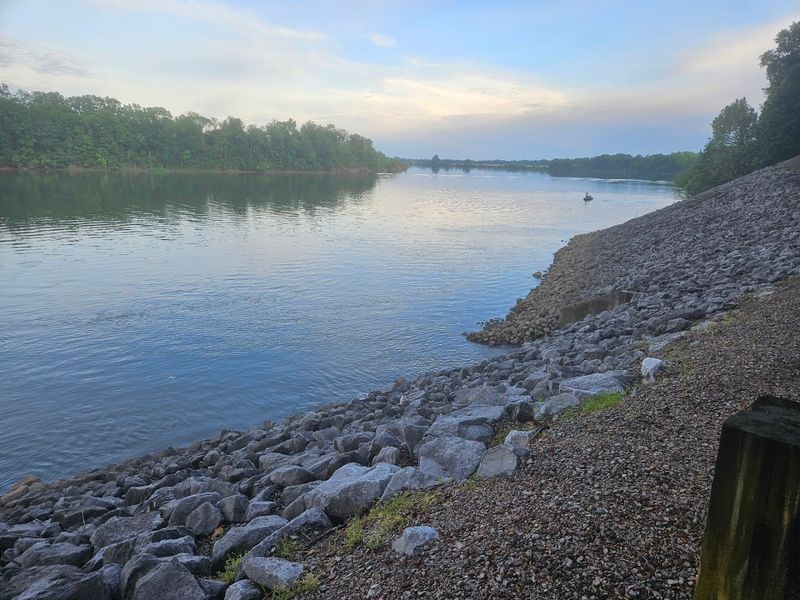
After absorbing the heavy history of the battlefield, many visitors find peace along the Tennessee River’s edge. The same water that brought Union reinforcements now offers a completely different kind of experience—one focused on natural beauty and quiet reflection rather than military strategy.
Several spots near Shiloh provide river access where you can walk, sit, and simply enjoy the scenery. The river moves slowly here, wide and calm, reflecting the sky and surrounding trees. During early morning or late afternoon, the light turns everything golden, and you might spot herons fishing in the shallows or turtles sunning on logs.
These riverside walks don’t require any special equipment or fitness level. Flat paths and gentle terrain make them accessible to almost everyone. Some people bring cameras to capture the water and wildlife, while others just want a quiet place to think or decompress after touring the battlefield.
The contrast between Shiloh’s two main attractions—intense historical sites and peaceful natural areas—creates a balanced visit. You can spend the morning learning about the battle’s brutal reality, then spend the afternoon walking beside the river, letting the water’s steady flow calm your mind.
Local anglers also frequent these riverbanks, casting lines for catfish and bass. Watching them fish adds to the area’s unhurried atmosphere. Everything about the Tennessee River here encourages you to slow down, breathe deeply, and appreciate the present moment.
For visitors seeking both education and relaxation, Shiloh delivers both without compromise. The river reminds you that life continues, peaceful and persistent, even in places marked by profound loss.
The Small-Town Calm That Makes Shiloh Feel Like a True Hidden Gem
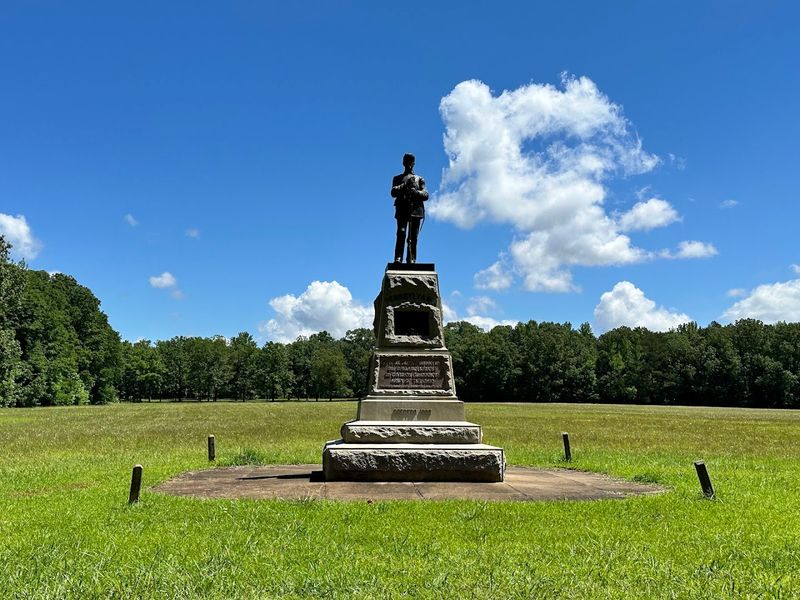
Shiloh’s unincorporated status means it lacks the typical small-town infrastructure—no main street with shops, no chamber of commerce pushing tourism. This absence of commercial development is exactly what makes it feel special. You won’t find souvenir shops crowding the battlefield or chain restaurants dominating the landscape.
The area maintains an agricultural character, with working farms surrounding the historic sites. Driving the country roads near Shiloh, you’ll pass fields of crops, grazing cattle, and modest homes that have stood for generations. This authentic rural Tennessee setting provides context that helps you imagine what the landscape looked like in 1862.
Visitors often comment on how peaceful Shiloh feels compared to more famous Civil War sites like Gettysburg. Fewer crowds mean you can explore at your own pace without feeling rushed or competing for parking. During weekdays, especially outside peak tourist seasons, you might have entire sections of the battlefield to yourself.
This quietness isn’t emptiness—it’s space for reflection. Without constant noise and activity, you can actually hear birds singing, wind moving through trees, and your own thoughts processing what you’re experiencing. That kind of contemplative atmosphere has become increasingly rare at historic sites.
Local residents take pride in Shiloh’s significance without exploiting it. They understand that keeping the area low-key and respectful honors the soldiers who fought here better than any amount of commercialization could. Their stewardship has preserved Shiloh as a place of genuine historical importance rather than a tourist trap.
For travelers tired of overcrowded attractions, Shiloh offers a refreshing alternative—meaningful history without the circus atmosphere.
Why Shiloh Belongs on Your Tennessee Day Trip List
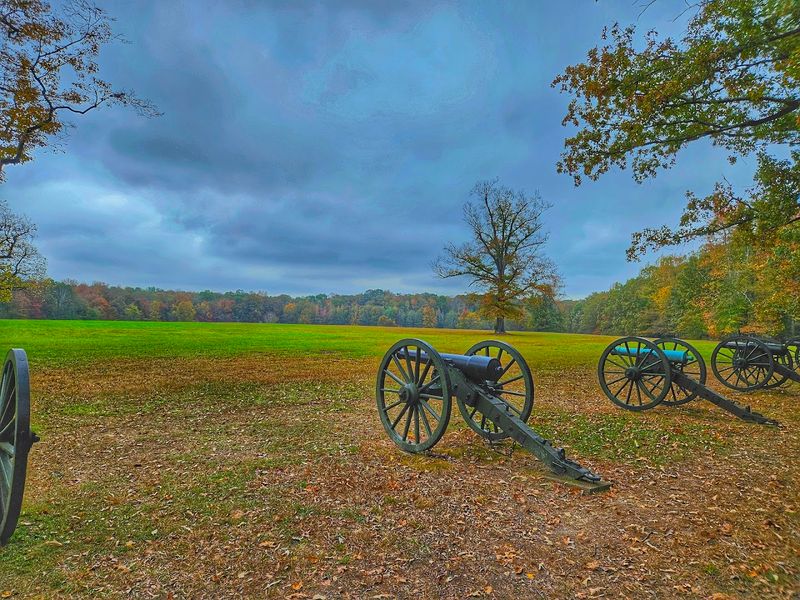
Planning a day trip in Tennessee? Shiloh deserves serious consideration, especially if you want substance over superficial entertainment. Located in the southwestern part of the state near the Mississippi border, it’s accessible from several larger cities while feeling worlds away from urban bustle.
From Memphis, Shiloh sits about two hours east—an easy drive that takes you from city streets to rural highways lined with trees and farmland. Nashville residents can reach it in about two and a half hours heading west. Even if you’re visiting from northern Mississippi or western Kentucky, Shiloh makes a worthwhile destination.
The park itself provides enough content for a full day without feeling overwhelming. Spend your morning touring the battlefield, break for lunch in nearby Savannah (the county seat), then return for riverside walks or additional exploration. The variety keeps the day interesting while staying focused on one cohesive theme.
Unlike some day trips that leave you feeling exhausted from rushing between multiple stops, Shiloh encourages a slower pace. There’s no pressure to check boxes or snap quick photos before moving on. You can spend as much or as little time as you want at each location based on your interests.
Families find Shiloh educational without being boring, history enthusiasts discover new details with each visit, and nature lovers appreciate the river and wildlife. This broad appeal makes it work for different types of travelers, whether you’re coming solo, with a partner, or bringing kids along.
Add Shiloh to your Tennessee bucket list—it’s the kind of place that stays with you long after you’ve returned home, offering memories more meaningful than typical tourist attractions.
Share this story