Paul Revere’s famous midnight ride ended in capture, and you can stand near the very stretch of road where it happened. A stone marker sits beside the route today.
Most people only know the poem version.
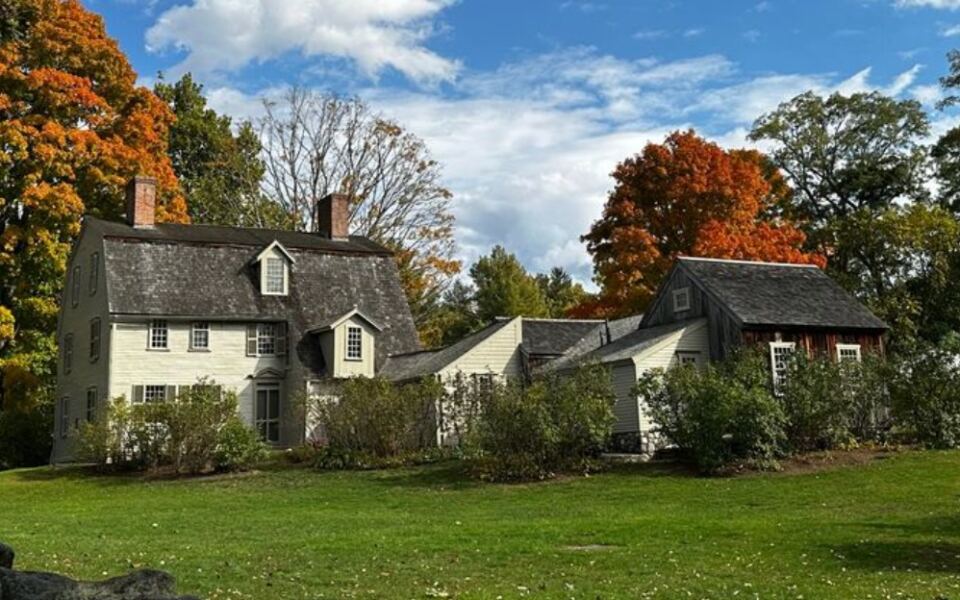
The rest of the story unfolds along a quiet five-mile trail in Massachusetts. Old farmhouses still line the path.
Stone walls still split the fields, just like they did in 1775.
I like how the history here doesn’t stay behind glass. You walk it, step by step, past spots where farmers once faced trained soldiers.
I can’t imagine a better way to make a textbook chapter feel real.
I believe every American should see this road at least once. So where did the shot heard round the world really ring out, and what happened on the long march back?
Start Your Walk Where April 19, 1775 Turned Into History
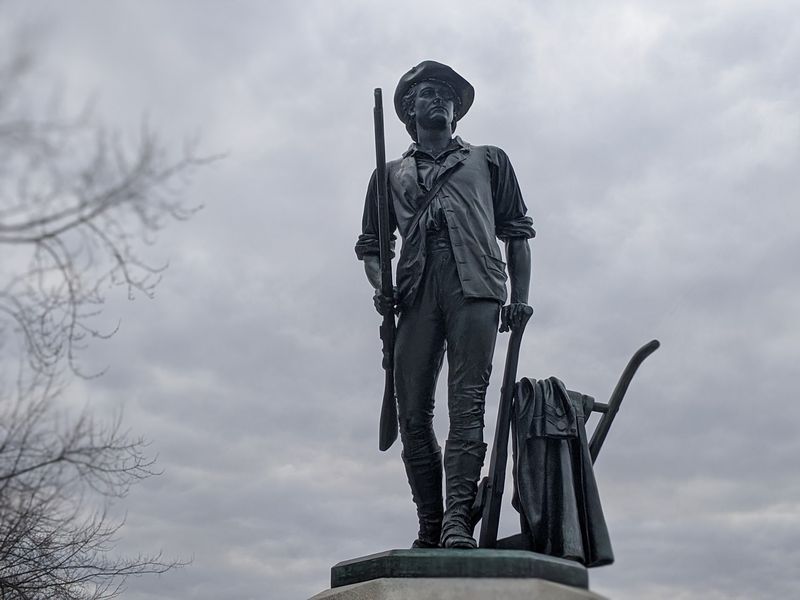
On April 19, 1775, a quiet country road became the setting for the first fight of the American Revolution. Minute Man National Historical Park protects that story across land in Lexington, Lincoln, and Concord.
The park sits in Massachusetts, a short drive west of Boston. It preserves the route British soldiers marched to Concord and fought along on their way back.
Think of it as a history book you can lace up your sneakers for.
The heart of the park is the Battle Road Trail. It runs about five miles and connects historic sites, fields, wetlands, and forest.
Old farm buildings and markers help you follow the action as it happened that day.
Colonial militia, including the famous minute men, gathered from many nearby towns. They pushed the British column back toward Boston for miles.
The fighting stretched across homes, farms, and hillsides you can still see.
The best part? You don’t need to be a history buff to enjoy it.
Kids, hikers, cyclists, and curious grownups all find something here. Bring good shoes, a water bottle, and plenty of questions for the rangers.
Catch The Movie First So The Map Suddenly Makes Sense
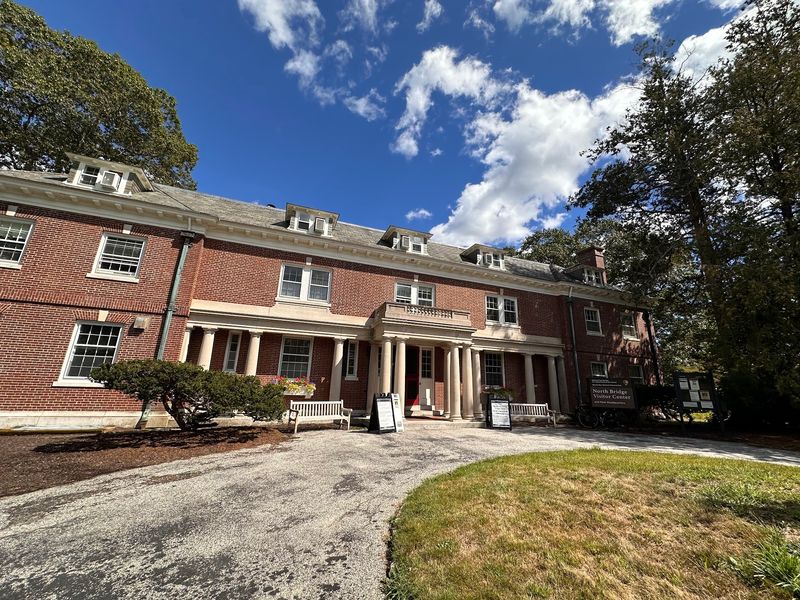
Orientation sounds boring, but here it’s a real secret weapon. The Minute Man Visitor Center sits in Lincoln and serves as the main starting point for the Battle Road.
Inside, a multimedia program called The Road to Revolution tells the story of April 1775. It helps you picture where the troops moved and why each spot matters.
After watching, the trail feels less like a walk and more like a timeline.
The visitor center’s official address is 210 North Great Road, Lincoln, MA 01773. Parking is available, and the Battle Road Trail passes nearby.
Rangers there can hand you a park map and point out highlights.
Here’s a smart tip. Visitor center hours change with the seasons, so check the National Park Service schedule before you go.
Some buildings open only part of the year.
Restrooms and exhibits are also easier to find here than out on the trail. Plan your bathroom stop before heading out on a long stretch.
Your future self, three miles down the road, will thank you warmly.
Paul Revere’s Ride Ended Right Here, And Most People Don’t Know It
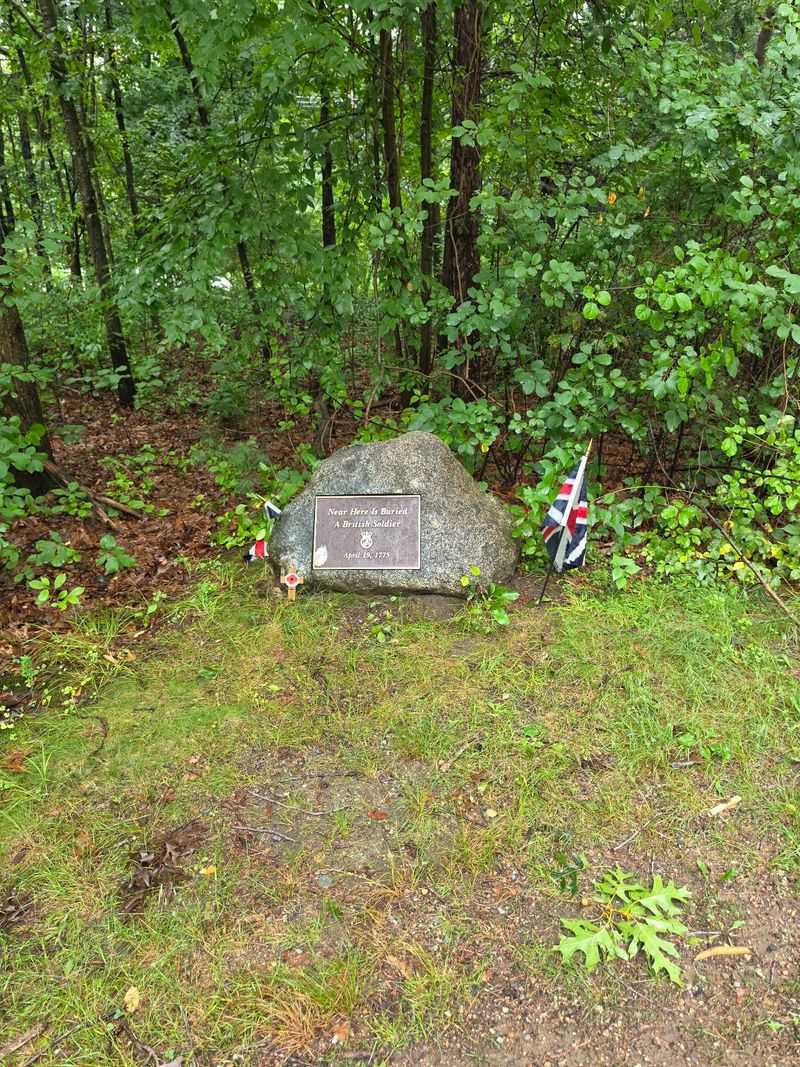
Plot twist time. Paul Revere never actually made it to Concord on his famous ride.
Late on April 18, 1775, Revere rode west with William Dawes and Samuel Prescott to warn the countryside. A British patrol stopped them on the road in Lincoln.
Revere was captured, while Prescott escaped and carried the warning on to Concord.
The Paul Revere Capture Site marks the spot inside the park. A memorial and signs explain how the night unfolded.
Standing there, the poem you learned in school suddenly gets a lot more interesting.
Revere was later released without his horse. He made his way back toward Lexington on foot.
Not exactly the triumphant finish most paintings suggest.
Rangers sometimes share this story in talks and programs, so check the park calendar. Kids especially love the idea that the hero got caught.
It’s a great reminder that big moments in history often depend on many people, not just one famous name.
Bring a camera. The marker makes a perfect photo stop.
Old Farmhouses Still Stand Like Witnesses Along The Trail
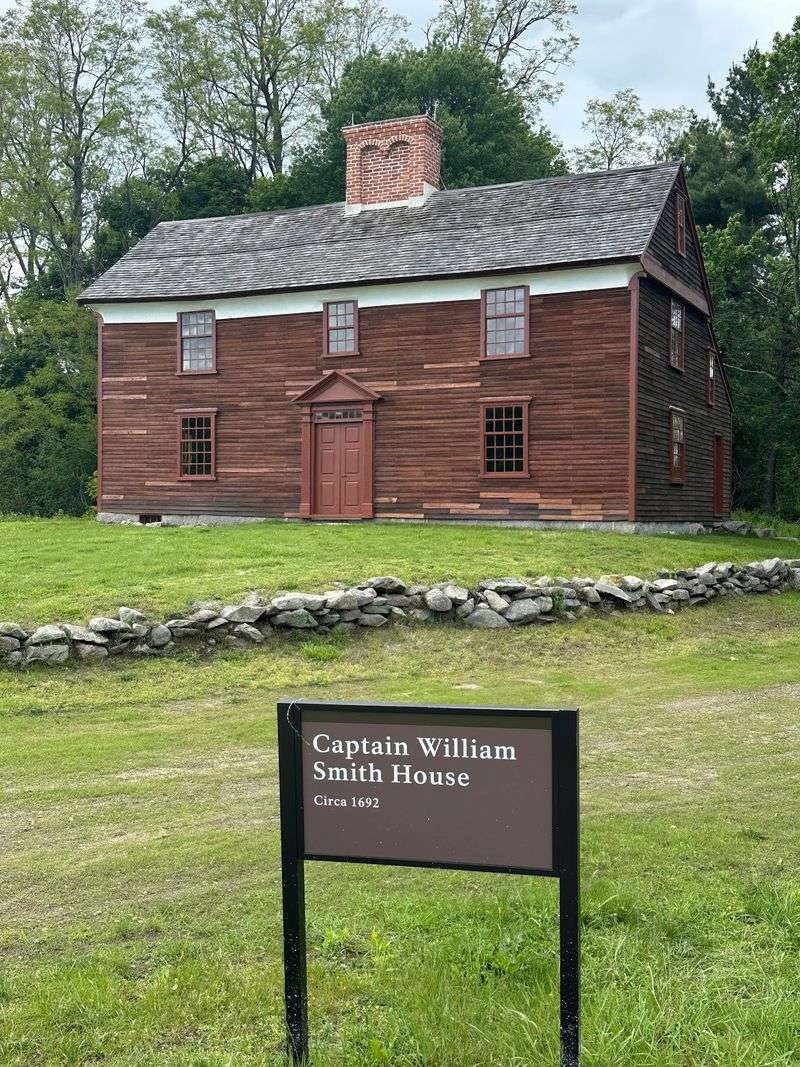
Some of these buildings were already old when the shooting started. A handful of homes along the Battle Road stood here on April 19, 1775, and they still stand today.
Hartwell Tavern is one of the stars. The Hartwell family ran it as a home and tavern along the road.
In season, rangers in colonial dress often lead programs there, sometimes including musket demonstrations.
Nearby, you’ll find the Captain William Smith House. Smith led the Lincoln minute men that morning.
His home is a reminder that these fighters were neighbors, farmers, and family men.
Farther along sits the Jacob Whittemore House and other preserved structures. Each one comes with signs that explain who lived there.
The stories feel surprisingly personal once you put faces to the names.
Not every house opens its doors year-round. Schedules depend on the season and staffing, so check ahead if a certain building matters to you.
Even from outside, though, the weathered wood and stone walls tell plenty.
Slow down here. These houses reward patience.
The Bloody Angle Earned Its Grim Nickname Fast
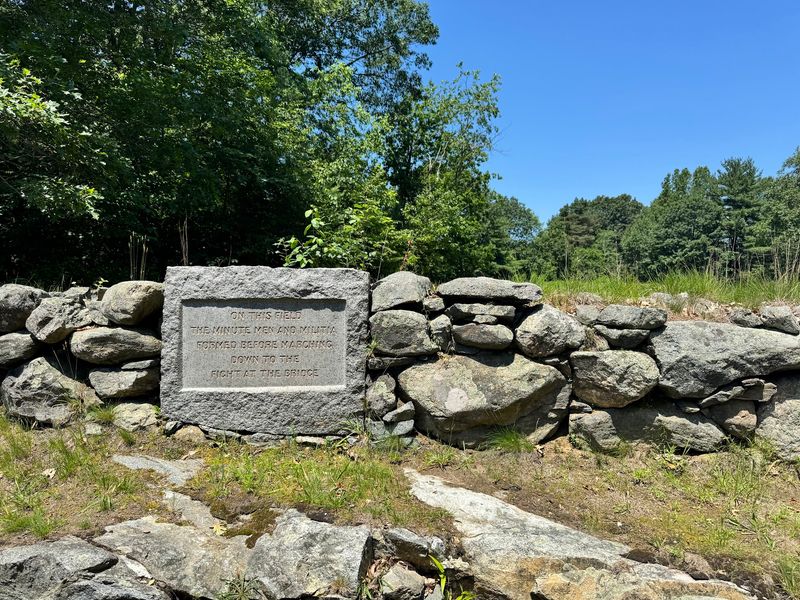
Look closely at the curve in the road. That sharp bend is the reason this spot became one of the fiercest moments of the day.
Known as the Bloody Angle, it sits in Lincoln along the Battle Road Trail. As British troops marched back from Concord, the road twisted through woods and around fields.
Colonial militia hid behind trees and walls, firing as the column passed.
The British had trouble fighting back in such tight terrain. Many soldiers were wounded there, and the retreat grew more desperate.
It’s a powerful example of local knowledge beating formal training.
Today the area feels calm and green. Signs explain the clash, and the curve itself still shapes the path.
You can stand at the bend and see why the location mattered.
Hikers often treat the Bloody Angle as a turnaround point from the visitor center. That makes for a solid out-and-back walk with history built right in.
Bring water, since shade comes and goes on the route.
Quiet now, but full of stories.
Stand On The North Bridge And Feel The Shot Heard Round The World
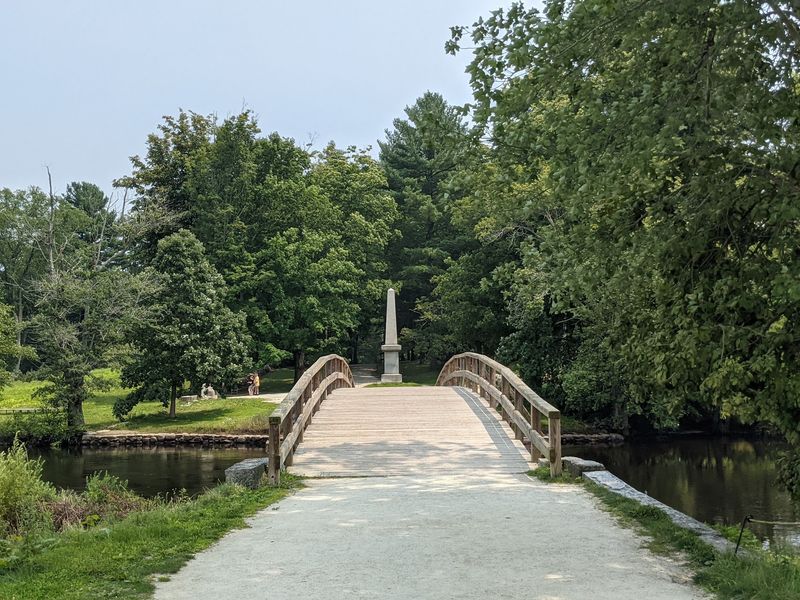
Ralph Waldo Emerson gave this place its most famous line. In his Concord Hymn, he described the shot heard round the world fired at the North Bridge.
That bridge sits in the Concord unit of Minute Man National Historical Park. On April 19, 1775, colonial militia faced British troops here.
It marked the first time colonists fired on the order of their own officers.
The current bridge is a replica, since the original is long gone. Still, it stands right where the action happened over the Concord River.
Walking across it feels like crossing straight into a history lesson.
On one side stands the Minute Man statue by Daniel Chester French. It was unveiled in 1875 for the 100th anniversary.
The figure holds a plow and a musket, a farmer ready for duty.
Up the hill, the North Bridge Visitor Center offers exhibits and a view of the river. Hours vary by season.
The surrounding grounds make a lovely spot for a slow stroll or a quiet picnic.
Writers Lived Here Too, And The Wayside Proves It
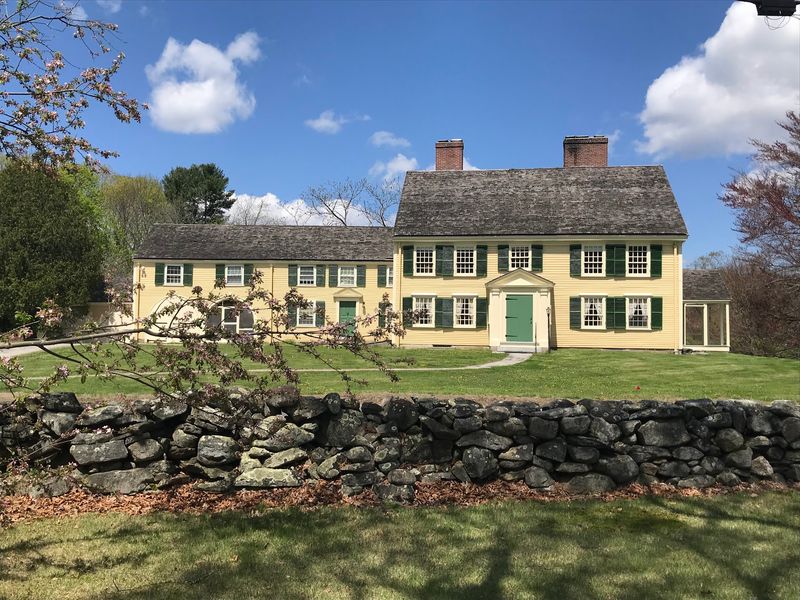
Revolution and literature share an address in this park. The Wayside, in Concord, is part of Minute Man National Historical Park and has a remarkable list of former residents.
Nathaniel Hawthorne owned it and added a tower study. Louisa May Alcott lived there as a girl with her family.
Later, children’s author Margaret Sidney, who wrote the Five Little Peppers books, called it home.
That’s three famous writers under one roof. Few houses in America can claim a lineup like that.
It’s often called the Home of Authors for good reason.
The house also connects to the Revolution. Its earlier owner, Samuel Whitney, served as muster master for the Concord minute men.
So the walls hold both battle history and bookish history.
Access to the interior depends on the season and programs. Check the National Park Service calendar before you plan around a tour.
Even the outside makes a fun stop for readers.
Got a young bookworm in the group? This might become their favorite part of the trip.
Bikes, Strollers, And Wheels Are Welcome On The Battle Road
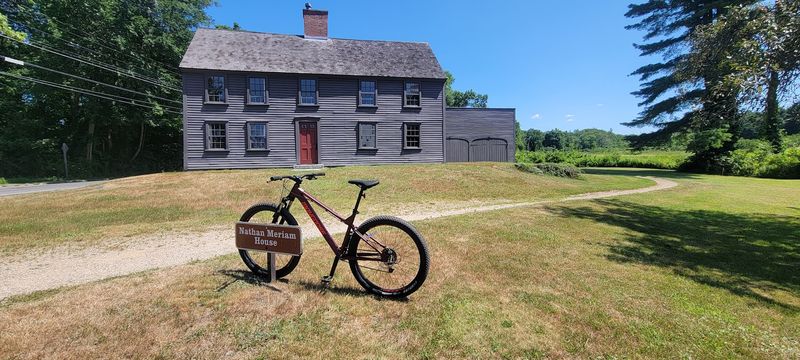
Good news for anyone who’d rather roll than stroll. The Battle Road Trail welcomes bicycles, making it a favorite ride for families and casual cyclists.
The path is mostly packed gravel with some boardwalk sections. It’s generally wide and friendly for strollers and many wheelchairs too.
A few spots have gentle hills, so expect a little effort here and there.
The full trail covers about five miles one way. A round trip makes a nice morning ride without wearing out young legs.
Parking lots along the route let you hop on at different points.
Share the path politely, since walkers and runners use it too. A friendly bell or a quick hello goes a long way.
Slow down near historic houses where people stop to read signs.
Along the way, you’ll pass fields, wetlands, and woods. Birdwatchers enjoy the mix of habitats.
Spring and fall bring especially pleasant weather for a ride in Massachusetts.
Pack snacks and water before you leave. Services on the trail itself are limited, so plan ahead.
Rangers In Colonial Gear Make April Feel Like 1775 Again
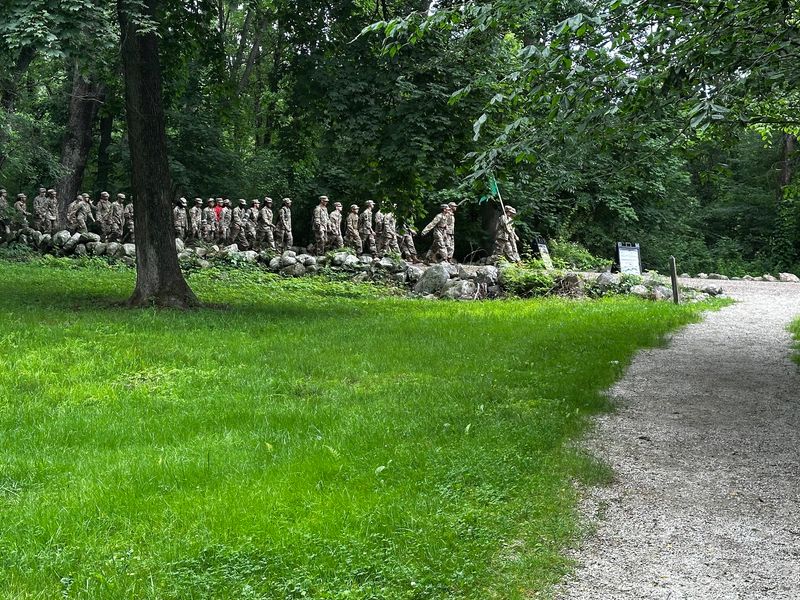
Musket demonstrations, costumed rangers, and marching militia. The park gets lively when special programs and anniversary events roll around.
Each April, the area marks Patriots’ Day, a Massachusetts holiday honoring the start of the Revolution. Events across Lexington, Lincoln, and Concord often include reenactments, parades, and ceremonies.
Crowds can be big, so arrive early and plan parking ahead.
The year 2025 marked the 250th anniversary of April 19, 1775. Commemorations drew attention from across the country.
That milestone made this road feel more meaningful than ever.
Outside of big events, rangers lead talks and guided programs during the warmer months. Some appear in colonial clothing and explain daily life in 1775.
Junior Ranger activities give kids a fun way to learn and earn a badge.
Schedules change by season, so check the park calendar before your visit. A ranger program can turn a nice walk into a story you’ll remember.
Honestly, hearing a musket fire up close beats any history quiz. Cover your ears and enjoy the moment.
Share this story