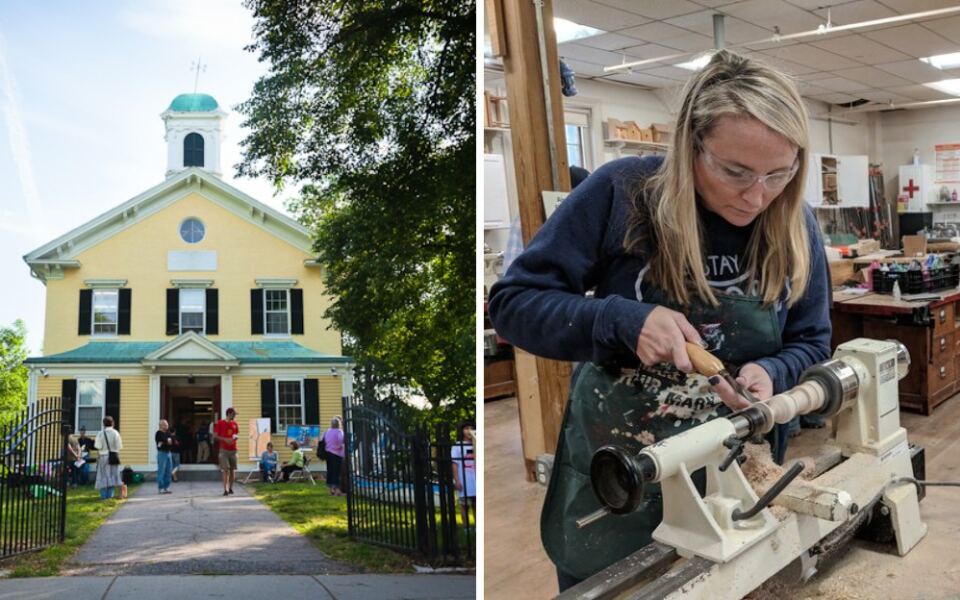
Your next cutting board could come out of a woodshop inside a schoolhouse that has stood on the same street since 1831. That alone made me sit up a little straighter.
The school running that shop has been teaching people since 1676. I can’t imagine many places in Massachusetts, or anywhere in the country, that can say the same thing.
The best part is that the classes are built for regular folks, not just pros. You show up curious, and the instructors help you turn plain lumber into something you’ll proudly use every single day.
I like how a simple kitchen tool becomes a story you get to tell every time friends come over for dinner. Who wouldn’t want to slice bread on a board with that kind of backstory?
You Will Be Sanding Wood At A School Older Than The Country

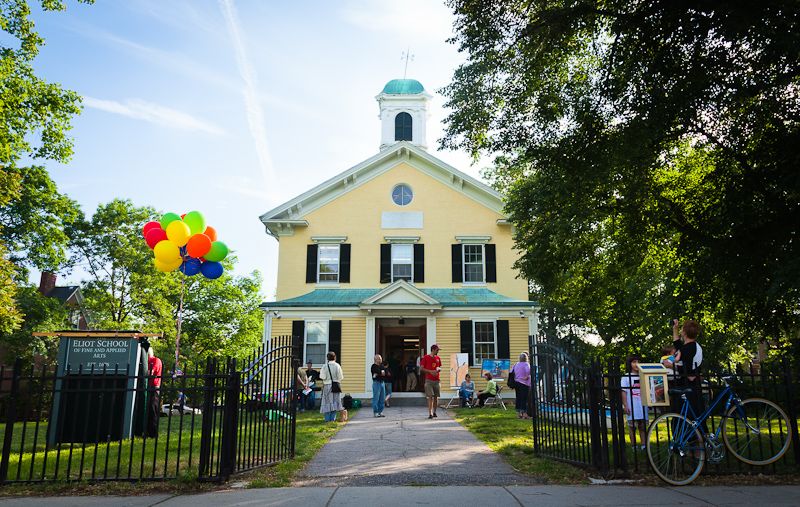
Few woodshops can brag about a founding date of 1676, but the Eliot School of Fine & Applied Arts can. It began as a grammar school in what is now Jamaica Plain, long before anyone was talking about a Declaration of Independence.
The school is named for John Eliot, a Roxbury minister who later supported it with a gift of land. Centuries later, the mission shifted from reading lessons to hands-on art and craft.
That shift is great news for anyone who wants to make something real. Today the school teaches woodworking, fiber arts, painting, and plenty of other skills to kids, teens, and adults.
I love that this school has even offered cutting board classes alongside its other woodworking courses. Your project joins a very long line of people learning by doing on this same patch of Boston.
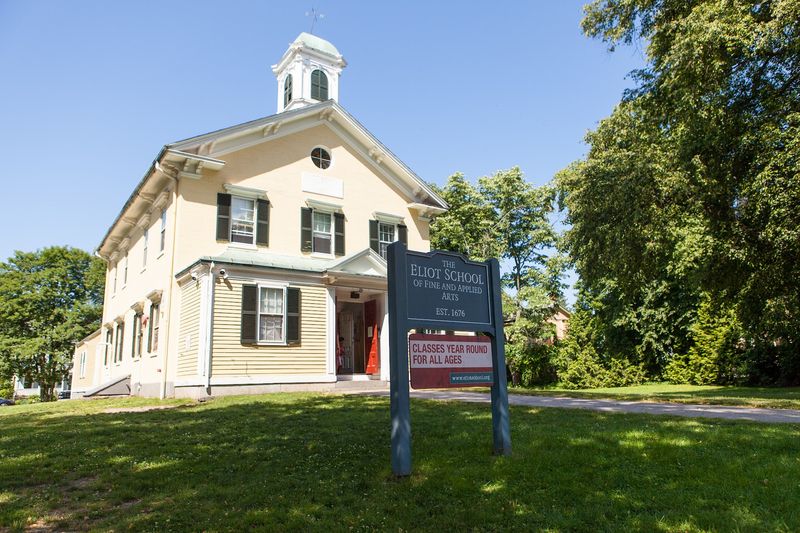
The building on Eliot Street dates to 1831, so it has its own impressive résumé. It may be the only time your sawdust ends up inside a genuine piece of local history.
Honestly, that makes a plain maple board feel a lot fancier. Not bad for something that will mostly hold onions and cheese.
Woodworking Is Basically The Family Business Here
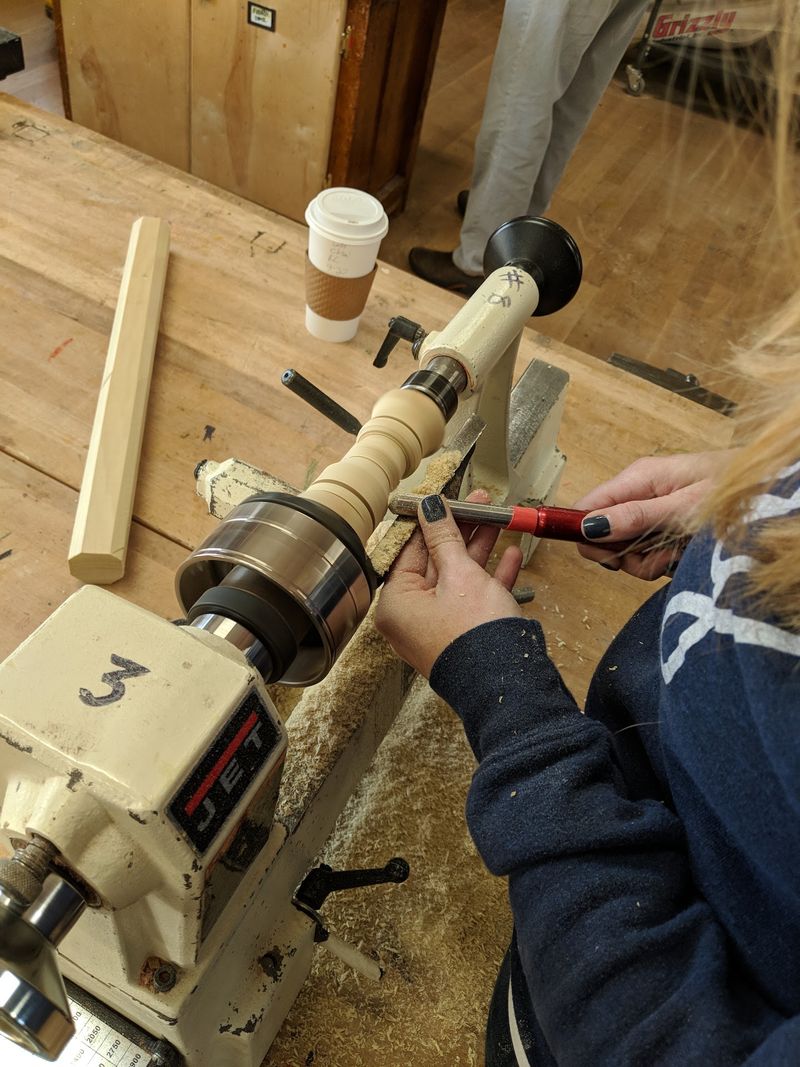
Woodworking sits right at the center of the Eliot School course catalog. Alongside it you’ll find furniture making, carving, and other projects that put real tools in students’ hands.
That focus matters when you’re picking a place to build a cutting board. A school that teaches wood year after year has instructors who know how boards behave, crack, and shine.
The word applied in the official name tells you a lot. These classes are about making useful objects, not just pretty ones for a shelf.
A cutting board fits that idea perfectly. It’s simple enough for a first project but still teaches skills you’ll use on bigger pieces later.
Many students start small and then come back for more ambitious classes. A board today could turn into a stool, a box, or a bookshelf down the road.
Class offerings change with each season, so the exact lineup will vary. Checking the current catalog is the smartest way to see which woodworking sessions are open right now.
Consider this your gentle warning. Woodworking tends to become a hobby fast, and your kitchen may soon run out of counter space.
Picking Your Wood Is Half The Fun
Maple, cherry, and walnut are classic choices for cutting boards. Each one brings its own color, so your finished board can look as bold or as calm as you like.
Hardwoods with tight grain usually work best for kitchen use. They hold up to knives and don’t soak up liquids as quickly as softer woods.
Many makers glue strips of different woods together for a striped look. Light maple next to dark walnut is a combo that rarely goes out of style.
Your instructor will guide which woods are available for your specific class. Materials can vary, so it’s worth reading the class description before you sign up.
Here’s a tip that saves frustration later. Think about how you’ll use the board before you fall in love with a pattern.
A big board is great for carving roasts, while a smaller one is handy for quick snacks. Thin serving boards also make terrific gifts for friends who host a lot.
Whatever you choose, the grain will look different on every board. That means nobody else on Earth will own one exactly like yours.
Nobody Expects You To Know A Jointer From A Planer
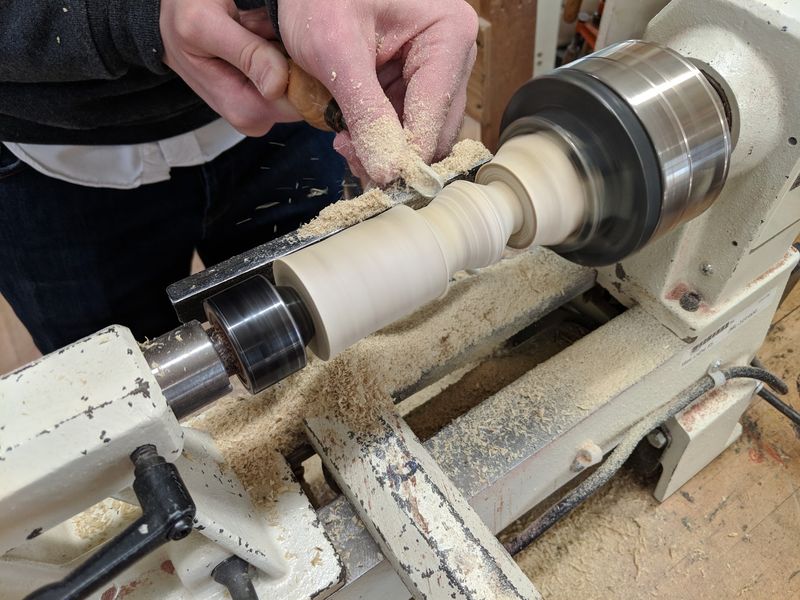
Plenty of people walk in with zero woodworking experience. That’s fine, because beginner-friendly classes exist for exactly that reason.
Instructors at the Eliot School of Fine & Applied Arts walk students through each step. You’ll learn what a tool does before you ever switch it on.
Shop safety comes first in any good woodworking class. Expect to hear about eye protection, hand placement, and keeping a tidy bench.
That might sound like a lot of rules. It’s really about giving you the confidence to work without feeling nervous around sharp edges.
Some classes lean on hand tools, while others use machines. The class listing should explain what you’ll be working with, so give it a careful read.
Asking questions is part of the process, not a sign you’re behind. Every skilled woodworker once had no idea which end of a chisel to hold.
My favorite part of learning this way is the small wins. The first time a board comes out flat and smooth, you’ll probably grin like you just won a prize.
Gluing, Clamping, And A Little Patience
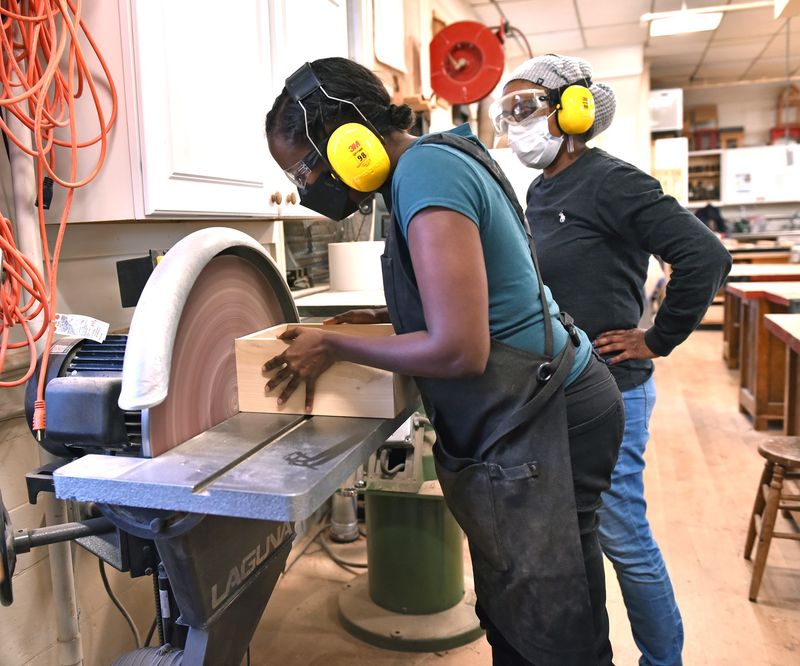
Clamps are the unsung heroes of cutting board making. Once your strips are glued, those clamps hold everything tight while the glue sets.
This stage teaches a lesson many of us could use. Rushing the glue-up usually leads to gaps, and gaps lead to sighing.
After the glue dries, the real shaping begins. Boards get flattened, trimmed to size, and smoothed until they feel friendly in your hands.
Sanding takes more time than most beginners expect. Moving through finer and finer grits is what gives a board that silky surface.
Rounded edges are a small detail with a big payoff. They make the board more comfortable to grab and less likely to chip.
Some makers add a juice groove or finger holds. Ask your instructor if those extras fit within your class time and skill level.
Every step builds on the last one, so mistakes early can show up later. That’s why having an experienced teacher nearby is so helpful.
By the end, you’ll understand why handmade boards cost more in stores. You also won’t want to give yours away.
The Oil Finish Is Where Your Board Comes Alive
A coat of food-safe oil changes everything. Dull, dusty wood suddenly shows off deep color and bright grain patterns.
Mineral oil and board butter are popular choices for kitchen pieces. They protect the wood without adding anything you wouldn’t want near your dinner.
This is the moment most makers fall a little in love. The board you’ve been sanding for ages finally looks like something from a fancy shop.
Care at home keeps that glow going for years. Hand-wash your board, dry it right away, and skip the dishwasher completely.
Re-oiling every so often stops the wood from drying out. A dry board is more likely to crack, and nobody wants that heartbreak.
Store it standing up or somewhere with good airflow. Lying flat on a wet counter is a cutting board’s least favorite hobby.
Small knife marks will appear over time. Think of them as proof that your creation is doing its job.
With a bit of attention, a handmade board can outlast plenty of store-bought gear. Your future grandkids might even fight over it.
Kids And Teens Get Their Own Turn At The Workbench
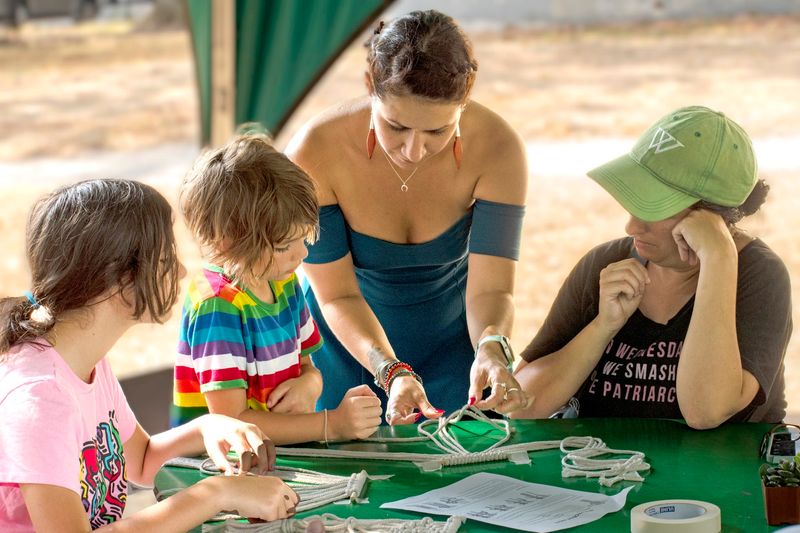
Grown-ups aren’t the only ones having fun with sawdust here. The Eliot School of Fine & Applied Arts also runs classes for children and teens.
Young students can explore woodworking, sewing, drawing, and more. Programs are designed with age groups in mind, so projects match what kids can safely handle.
The school also brings art programs into Boston public schools and community spaces. That outreach helps many local kids try hands-on making for the first time.
For families, this opens up a fun idea. A parent might take an adult woodworking class while a child explores a youth program of their own.
Comparing projects on the ride home could become a new tradition. Just don’t be surprised if the kid’s work is better than yours.
Vacation weeks and summer often bring special programs for younger makers. Those spots can go quickly, so planning ahead is smart.
Learning with real tools builds patience and confidence. It also gives kids something better than a screen to brag about at school.
Check age requirements carefully before signing anyone up. Each class lists who it’s meant for.
Jamaica Plain Makes The Trip Worth Extra Time

Eliot Street is a short, quiet stretch in one of Boston’s most lovable neighborhoods. You’ll find the school at 24 Eliot St, Jamaica Plain, MA 02130.
Jamaica Plain is known for green space, local shops, and a strong community feel. It’s the kind of Massachusetts neighborhood where an afternoon can stretch longer than planned.
Jamaica Pond sits close by and makes a lovely spot for a walk. A stroll around the water is a nice way to clear sawdust out of your head.
The Arnold Arboretum is also nearby. Wood lovers might enjoy seeing the living versions of the trees they just turned into boards.
Centre Street offers cafes and small businesses within easy reach. Grabbing a snack before class is never a bad idea.
Public transit and parking options vary, so plan your route ahead of time. Arriving early keeps you from rushing into the shop flustered.
The neighborhood setting adds a lot to the whole experience. Learning a craft feels different when the street outside is this charming.
Massachusetts has plenty of art schools, but few come with this kind of backyard.
A Little Planning Keeps Your Spot On The Bench Safe
Good classes fill up, and woodworking sessions can be especially popular. Signing up early is the easiest way to avoid disappointment.
The Eliot School of Fine & Applied Arts posts new class catalogs by season. Watching for each release gives you first pick of the projects you want.
Classes need enough students to run. Registering sooner also helps your favorite session reach that number.
The office keeps weekday hours, Monday through Friday from 9:30 AM to 5:30 PM. That’s handy if you have questions about a class before enrolling.
Read each listing closely for details on materials and skill level. Some classes include supplies, while others may ask you to bring a few items.
Wear clothes you don’t mind getting dusty. Closed-toe shoes are a smart choice for any shop.
Bring a little patience and a sense of humor, too. Your first board doesn’t need to be perfect to feel amazing.
Once it’s done, you’ll own a useful tool with real Massachusetts history behind it. That beats anything from a big-box store, and it makes a great excuse to cook more.
Share this story