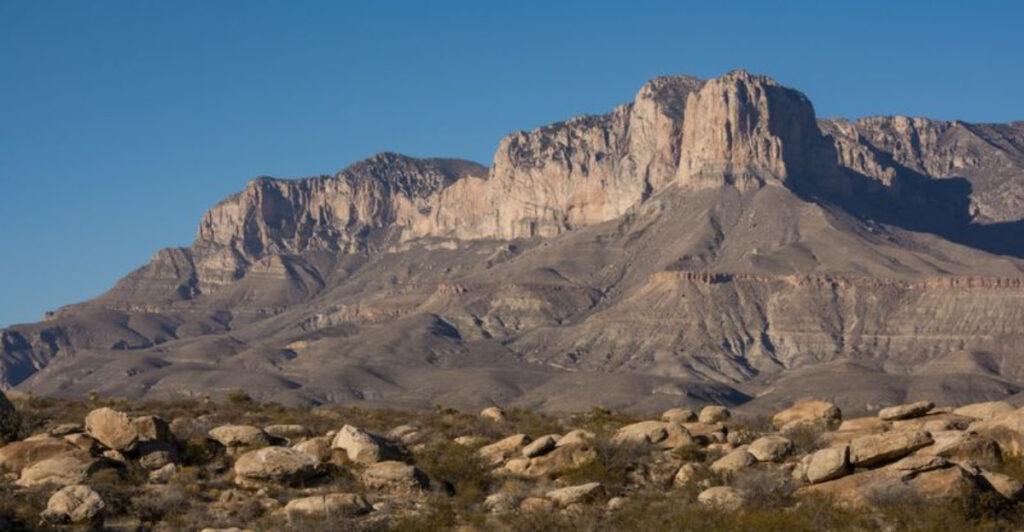
Most folks picture Texas as flat prairies and endless oil fields, but Guadalupe Peak tells a completely different story. Rising 8,751 feet above sea level in the remote Chihuahuan Desert, this ancient limestone giant stands as the highest point in the entire state. Guadalupe Mountains National Park protects this dramatic landscape where fossilized reefs meet sky-scraping peaks, proving Texas has way more geographic personality than anyone gives it credit for.
1. Standing at the Rooftop of Texas
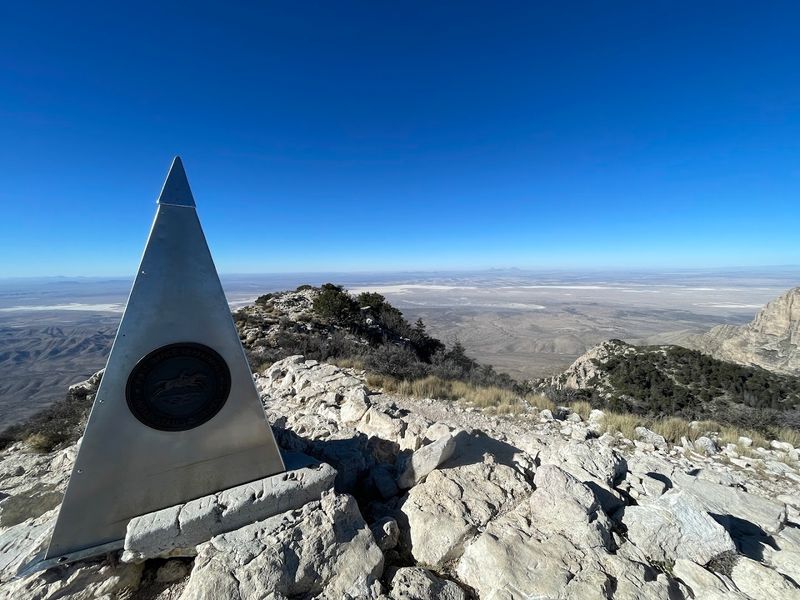
Guadalupe Peak doesn’t mess around. The summit sits at exactly 8,751 feet, making it the absolute highest spot you can stand in Texas. Getting there means tackling an 8.4-mile round-trip hike that gains over 3,000 feet of elevation, and your legs will definitely remember it the next day.
The trail starts out deceptively mild before turning serious around mile two. Loose rocks cover most of the path, which is why experienced hikers swear by trekking poles for stability. Halfway up, you’ll hit a forested section where temperatures drop noticeably and the landscape shifts from desert scrub to pine-dotted mountainside.
At the summit, a stainless steel pyramid monument marks your achievement. The views stretch forever in every direction—miles of rugged peaks, desert basins, and on clear days, you can see into New Mexico. Most hikers spend 5-7 hours completing the round trip, and rangers recommend starting before dawn to avoid afternoon winds that regularly hit 50 mph at the top.
Winter months offer the best hiking conditions with temperatures in the 60s-70s at the trailhead, though the peak itself can be 20-30 degrees colder. Bring layers, pack at least two liters of water per person, and don’t underestimate that descent—your knees will be working overtime on the way down.
2. An Ancient Ocean Reef Frozen in Time
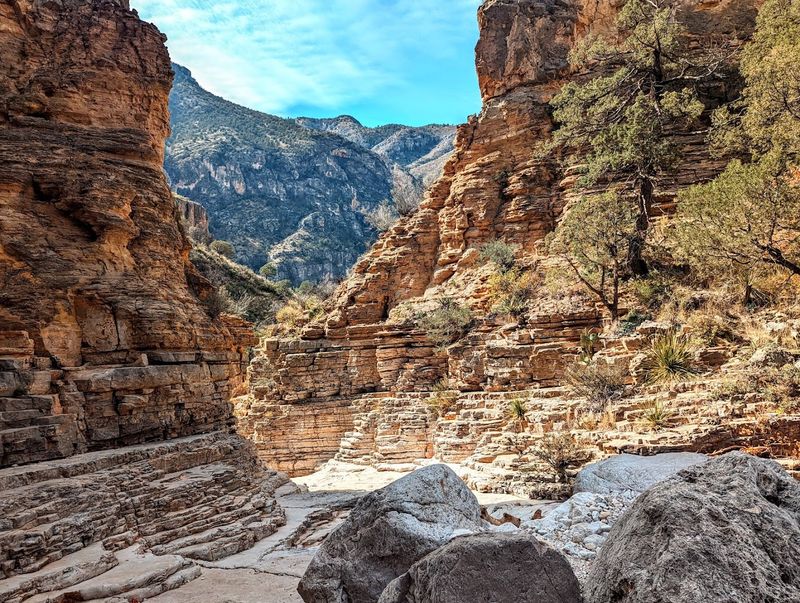
Around 265 million years ago, the Guadalupe Mountains didn’t exist as mountains at all. Instead, a massive horseshoe-shaped reef thrived in a shallow tropical sea that covered this region during the Permian Period. Marine creatures like sponges, algae, and countless invertebrates built this reef over millions of years, creating what would eventually become one of the world’s best-preserved fossil reefs.
When the sea dried up and tectonic forces pushed the land upward, that ancient reef became the backbone of today’s mountain range. You’re literally hiking through a fossilized ocean ecosystem every time you hit the trails. The exposed limestone walls show distinct layers where different reef zones once existed, and sharp-eyed visitors can spot fossilized shells and other marine life embedded right in the rock.
Geologists from around the globe visit specifically to study the Capitan Reef, which represents one of the most complete fossil reef systems anywhere on Earth. The park’s dramatic cliff faces, especially the towering El Capitan formation, showcase this reef structure in stunning detail.
Walking these trails means traveling back through deep time, touching stone that once formed the bottom of a warm, ancient sea. It’s a perspective shift that makes you realize Texas geology tells stories spanning hundreds of millions of years.
3. McKittrick Canyon’s Secret Autumn Explosion
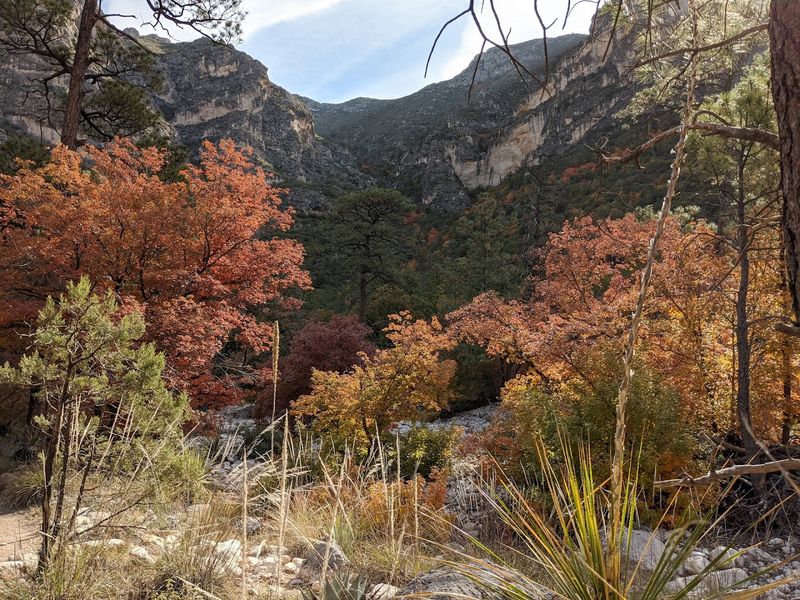
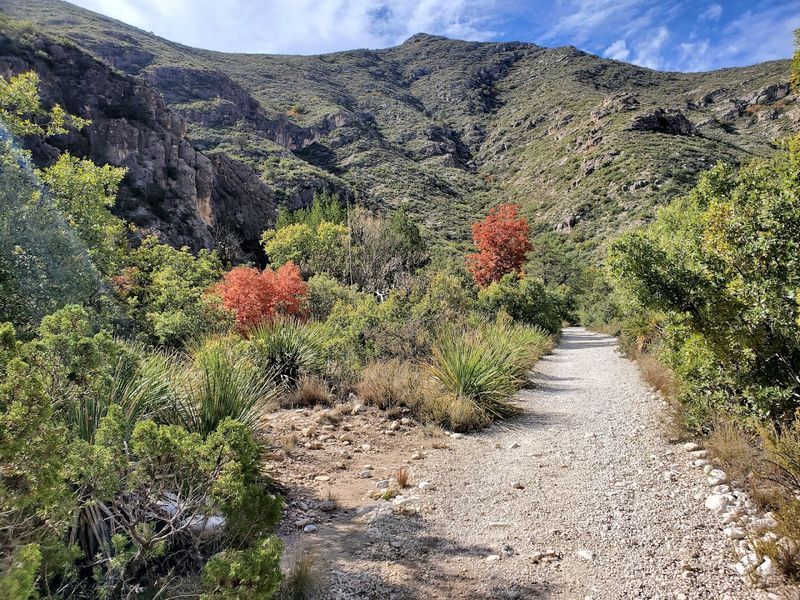
McKittrick Canyon hides one of Texas’s best-kept secrets—a spectacular fall color show that rivals anything you’d find in New England. From late October through mid-November, bigtooth maples, velvet ash, and little walnut trees explode into brilliant reds, oranges, and yellows against the canyon’s limestone walls. It’s a sight that shocks first-time visitors who never imagined Texas could produce such vivid autumn displays.
The canyon itself runs seven miles into the mountains, following a spring-fed stream that creates an oasis environment completely different from the surrounding desert. The easy 2.4-mile trail to Pratt Cabin passes through groves of these deciduous trees, which thrive thanks to the reliable water source and protected microclimate.
Pratt Cabin, built in the 1930s as a vacation retreat, sits in the heart of this riparian zone. You can rest on the porch and watch the stream flow by, surrounded by trees that shouldn’t logically exist in the Chihuahuan Desert. The canyon stays relatively cool even in summer, making it popular year-round.
One important note: McKittrick Canyon closes at 5:00 PM sharp, and rangers enforce this strictly. Check the trailhead clock before heading out because your phone might show a different time zone. Getting locked in overnight isn’t an option anyone wants to experience.
4. Devil’s Hall and Its Towering Stone Corridor
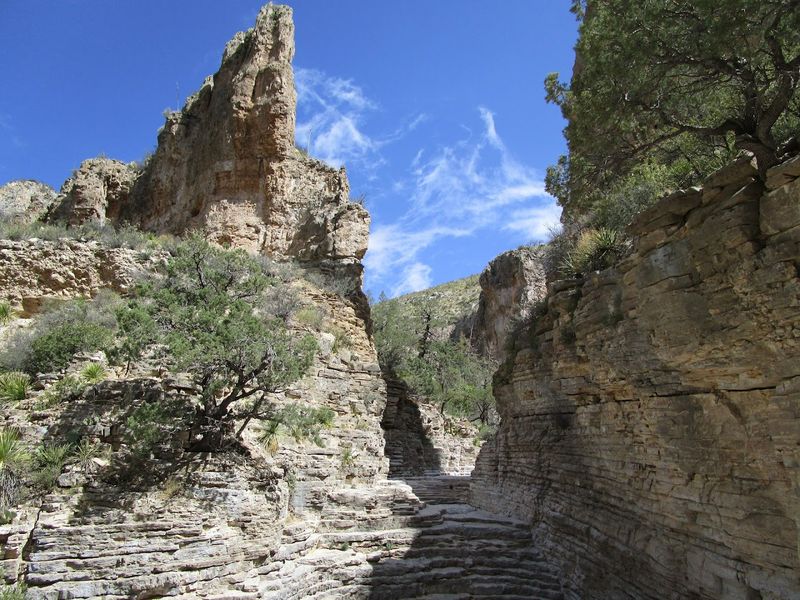
This narrow corridor squeezes between towering limestone walls that rise over 100 feet straight up, creating a slot-canyon effect that feels more Utah than Texas. The 4.2-mile round-trip trail takes you through classic Chihuahuan Desert landscape before suddenly dropping into this geological wonder that stops hikers in their tracks.
Getting to the Hall requires some rock scrambling, especially in the final stretch where you’ll climb over and around massive boulders wedged in the canyon. Kids love this part—it feels like a natural jungle gym made of ancient stone. The challenge level sits comfortably at moderate, though those last scrambles definitely get your heart rate up.
Inside Devil’s Hall, the temperature drops noticeably as the high walls block direct sunlight. The compressed space and dramatic vertical walls create incredible photo opportunities, with light and shadow playing across the striated rock faces. During certain times of day, shafts of sunlight pierce down into the corridor, illuminating the narrow passage in golden tones.
This trail sees less traffic than Guadalupe Peak, which means you might have the Hall entirely to yourself on weekday visits. The solitude amplifies the experience—standing alone in this ancient stone corridor really drives home how wild and rugged this park remains compared to more developed national parks.
5. Wind That Reshapes Your Hiking Plans
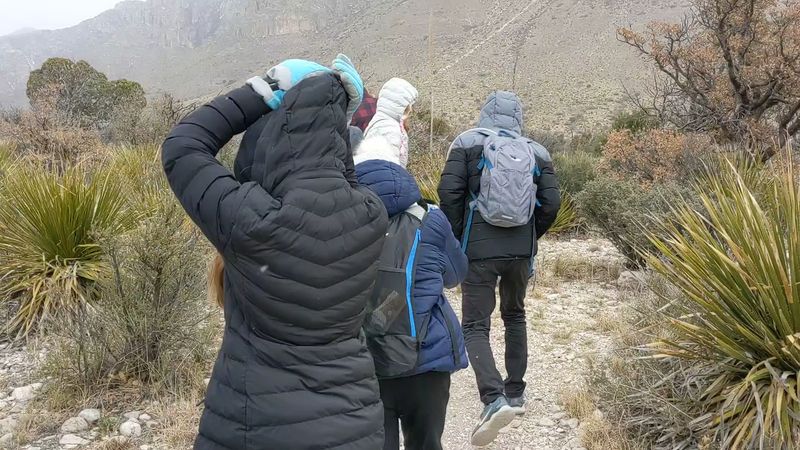
Guadalupe Mountains National Park holds an unofficial title nobody brags about: windiest place in Texas. Sustained winds regularly hit 30-40 mph, and gusts frequently exceed 60-80 mph, especially on exposed ridges and at the summit. This isn’t the gentle breeze that cools you down on a hot day—this is wind that physically pushes you around and makes standing upright a genuine challenge.
The park’s position at the southern end of the Rockies creates a natural wind tunnel effect. Air masses flowing across the Southwest funnel through this gap, accelerating to impressive speeds. On particularly blustery days, rangers close trails entirely because the wind becomes dangerous, especially on narrow sections with drop-offs.
Smart hikers check wind forecasts before starting any trail and plan accordingly. Bringing a windbreaker isn’t optional—it’s essential survival gear. The wind also dries you out faster than you’d expect, so dust gets everywhere.
Sunglasses or goggles protect your eyes, and lip balm becomes your best friend as the constant wind chaps exposed skin within hours.
These fierce winds have shaped the landscape itself, creating stunted, wind-flagged trees that grow sideways rather than upward. While the wind can frustrate hiking plans, it also contributes to the park’s wild, untamed character. This place doesn’t accommodate visitors—it demands respect and proper preparation.
6. Primitive Camping Under Impossible Stars
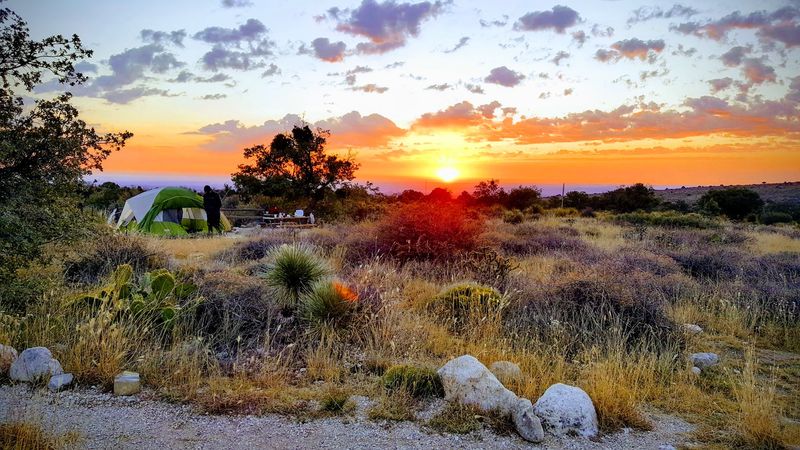
Pine Springs Campground strips camping down to its essentials. No electrical hookups, no water at individual sites, no showers, and definitely no Wi-Fi. RVs park in what’s essentially a gravel lot, lined up side-by-side without the trees or privacy screens you’d find at more developed campgrounds.
Tent campers get slightly more space—you park in a designated spot, then walk a short distance to your actual camping pad.
Each tent site features a smooth gravel pad perfect for pitching a tent, plus a picnic table. Shared water spigots near the trailhead let you fill containers, and clean vault toilets serve the campground. That’s it.
This primitive setup keeps crowds away, which means you’ll share the campground with serious hikers and outdoor enthusiasts rather than casual tourists.
The real payoff comes after dark. With virtually zero light pollution for miles in any direction, the night sky explodes with stars you never knew existed. The Milky Way stretches overhead in a dense band of light, and on moonless nights, you can see satellites tracking across the heavens.
Meteor showers here are absolutely spectacular.
Temperatures can swing dramatically—70-degree days can drop to near-freezing nights, especially in winter. Bring layers and a sleeping bag rated for colder temps than you expect. The campground fills up on holiday weekends, but weekdays often leave you feeling like you’ve got the whole mountain range to yourself.
7. Historic Ranches That Tell Human Stories
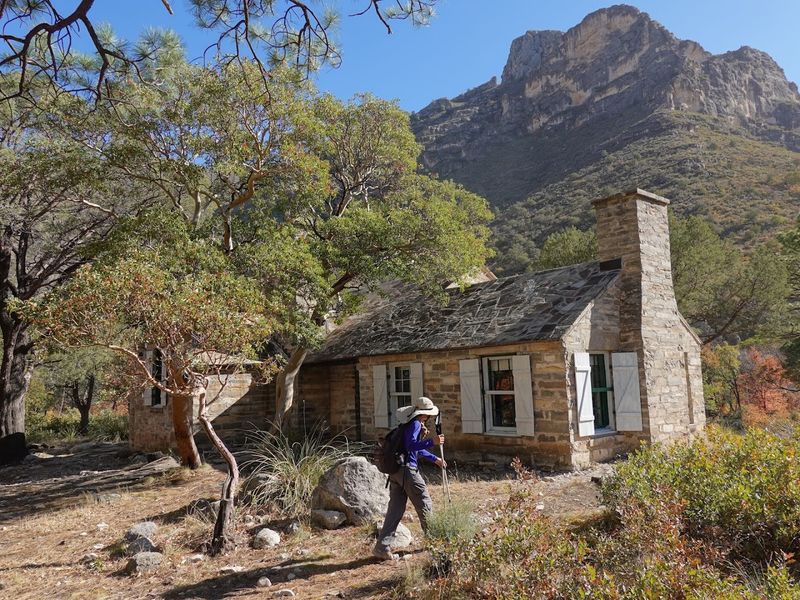
Frijole Ranch sits in a shaded canyon near the park entrance, its stone buildings standing as testament to the hardy souls who tried making a living in this harsh landscape. Built in the 1870s, the ranch operated for decades as a working cattle operation, with families somehow coaxing a living from land that looks impossibly dry and unforgiving. Today, the restored buildings house a small museum showcasing ranching life and natural history.
Williams Ranch, accessible only by high-clearance 4WD vehicles or a seven-mile hike, offers an even more remote glimpse into frontier existence. The isolated stone house sits at the base of the mountains, miles from anywhere, and you can’t help wondering what daily life felt like for the families who lived here. No grocery stores, no hospitals, no easy escape from summer heat or winter cold.
These ranches ground the park’s natural beauty in human history. Real people raised children here, tended livestock, fought drought and windstorms, and built lives from scratch in one of Texas’s most challenging environments. The stories feel especially poignant when you’re standing in what remains of their homes, surrounded by the same unforgiving landscape they faced every single day.
Visiting these sites adds depth to your park experience, connecting the dramatic geology and wilderness to the relatively recent past when this land represented someone’s entire world.
8. Solitude That’s Increasingly Rare
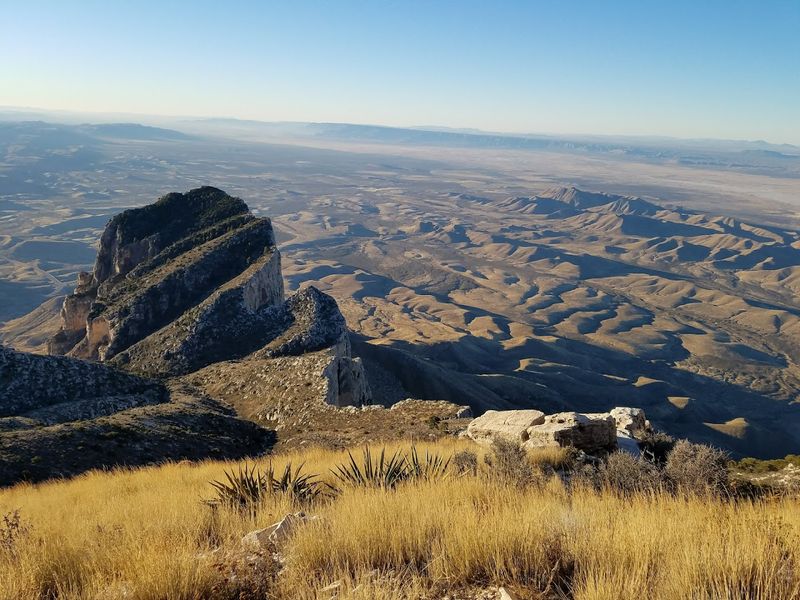
Guadalupe Mountains remains one of the least-visited national parks in the system, and that obscurity creates something precious—genuine solitude. Unlike Yellowstone or Grand Canyon where you’re constantly navigating crowds, here you can hike for hours without seeing another person. The park recorded around 244,000 visitors in recent years, compared to millions at more famous parks.
This emptiness isn’t accidental. The park’s remote location, three hours from El Paso and two hours from Carlsbad, keeps casual tourists away. There’s no scenic drive-through option, no lodges or restaurants, and cell service disappears completely.
You come here specifically for hiking and wilderness, or you don’t come at all.
That isolation creates an experience that’s become rare in America’s national parks. You can stand on a ridge and hear absolutely nothing but wind. You can hike an entire trail without encountering another soul.
The silence feels almost physical, a presence rather than an absence, and it changes how you experience the landscape.
For photographers, this solitude means pristine shots without crowds cluttering your compositions. For contemplative hikers, it offers space to think without interruption. The park doesn’t fight for your attention with interpretive signs every fifty feet—it simply exists in its raw, powerful state, and you either appreciate that or you don’t.
Most visitors who make the effort fall completely in love with this quiet, wild place.
9. Desert Wildlife You Never Expected
Guadalupe Mountains supports way more wildlife than the harsh landscape suggests. Mule deer browse the lower elevations, their huge ears swiveling to catch every sound. Mountain lions patrol the backcountry, though spotting one requires serious luck.
Black bears occasionally wander through from nearby mountain ranges, and elk herds have returned after decades of absence.
Smaller creatures steal the show for many visitors. Tarantulas emerge during late summer and fall, their fuzzy bodies surprisingly gentle despite their intimidating appearance. Ringtails, cat-sized relatives of raccoons with impossibly long striped tails, hunt at night near the campground.
Lucky visitors spot these adorable nocturnal predators prowling for insects and small rodents.
The bird list exceeds 300 species, from tiny hummingbirds to massive golden eagles riding thermals along the cliff faces. Peregrine falcons nest on the high peaks, and canyon wrens fill the air with their distinctive cascading calls that echo off stone walls. Spring and fall migration brings waves of warblers, flycatchers, and other songbirds through the canyons.
Reptiles thrive here too—collared lizards do push-ups on sun-warmed rocks, and several rattlesnake species hunt rodents in the desert scrub. The diversity surprises people who expect desert to mean lifeless, but the Chihuahuan Desert ecosystem supports an incredible variety of adapted creatures that have figured out how to thrive in this demanding environment.