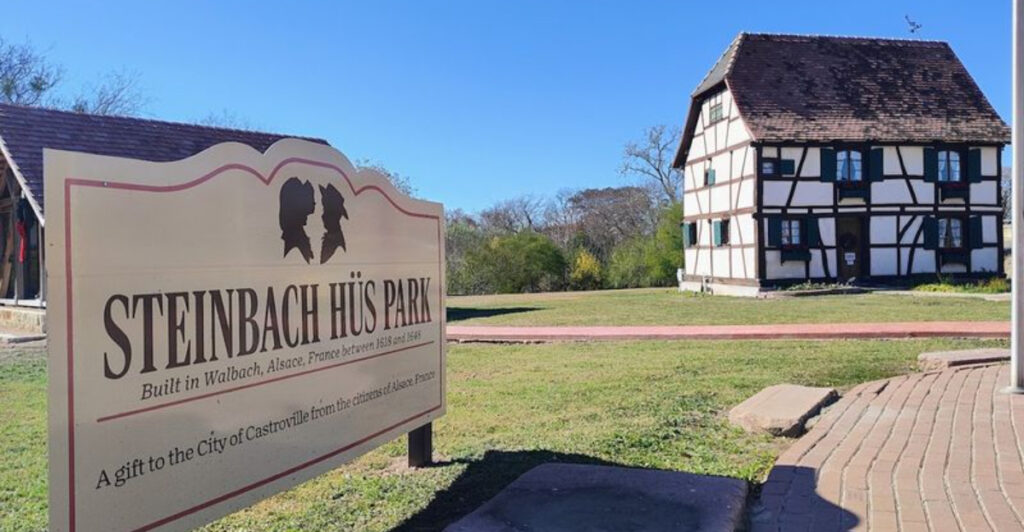
Texas might be known for wide-open prairies and cowboy culture, but scattered across the Lone Star State are charming pockets that feel like they’ve been plucked straight from the European countryside. From German-inspired towns with half-timbered architecture to French fine dining that rivals Parisian restaurants, these destinations offer authentic Old World experiences without the jet lag. Whether you’re craving cobblestone streets, medieval castles, or vineyard-dotted hillsides, Texas has surprising European treasures waiting to be explored.
1. New Braunfels
German heritage runs deep through every corner of this Hill Country gem, founded in 1845 by Prince Carl of Solms-Braunfels. Walking through the historic downtown feels like stepping into a Bavarian village, complete with authentic German bakeries, beer gardens, and festivals that celebrate the town’s roots. The architecture tells stories of German immigrants who brought their building traditions across the Atlantic, creating a slice of Bavaria in Central Texas.
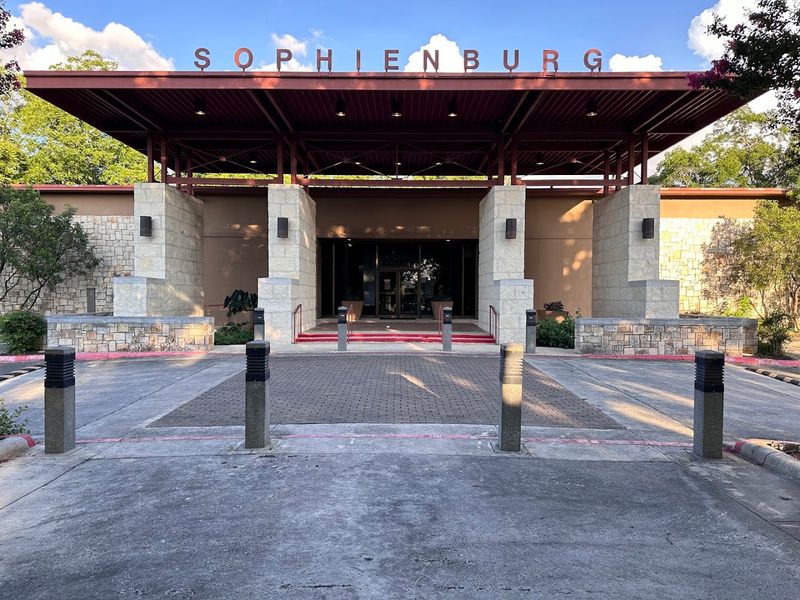
Wurstfest draws massive crowds each November, transforming the town into a ten-day celebration of sausage, beer, and polka music that would make any Munich resident feel right at home. Beyond the festivals, you’ll find family-owned businesses serving schnitzel and strudel recipes passed down through generations. The Sophienburg Museum preserves the town’s immigration history with fascinating exhibits about the original settlers.
The Comal and Guadalupe Rivers add natural beauty to the European charm, though river tubing is decidedly more Texan than German. Antique shops line the streets, filled with imported European treasures and local crafts. German is still spoken by some older residents, keeping the linguistic connection alive.
Gruene Historic District, technically part of New Braunfels, maintains its 1800s appearance with remarkable authenticity. The oldest dance hall in Texas still hosts live music in a building that’s stood since 1878. Grapevine-covered buildings and wrought-iron details create an atmosphere that transports visitors across continents without leaving the state.
Christmas markets transform the town into a winter wonderland each December, with handcrafted ornaments and roasted chestnuts filling the air with European holiday magic. The commitment to preserving German traditions while embracing Texas culture creates something uniquely special that can’t be replicated anywhere else.
2. The French Room
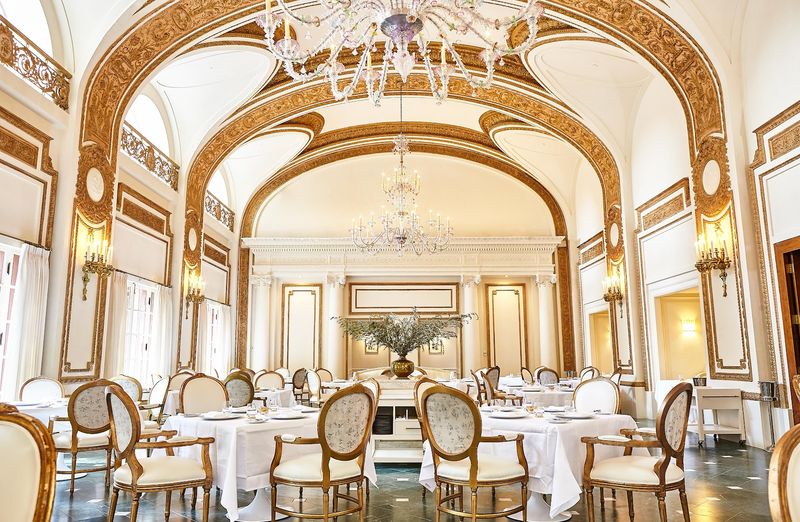
Stepping into this Dallas dining institution feels like entering a Parisian palace, where crystal chandeliers cast soft light over tables dressed in pristine linens. Located inside the Adolphus Hotel, this restaurant has maintained its reputation for impeccable French cuisine since 1981. The ornate ceiling, hand-painted murals, and gilded details create an atmosphere of European grandeur rarely found outside major European capitals.
Executive chefs have trained in France and bring authentic techniques to every plate that leaves the kitchen. The tasting menus change seasonally, showcasing classic French preparations with modern interpretations that honor tradition while embracing innovation. Sommelier-selected wine pairings feature both French vintages and thoughtful alternatives that complement each course perfectly.
Service here operates at a level that would satisfy the most discerning Parisian diner, with staff trained in the formal French style of hospitality. Courses arrive with precise timing, presentations that look like edible art, and explanations that educate without pretension. The attention to detail extends to custom china, silverware, and glassware chosen specifically for each element of the meal.
Dress codes require jackets for gentlemen, maintaining the formality that defines traditional European fine dining experiences. The hushed conversations and classical music create an intimate environment where the focus remains on the culinary journey. Special occasions feel even more memorable in this setting, whether celebrating anniversaries or simply indulging in world-class cuisine.
Reservations book weeks in advance, particularly for weekend evenings when the room glows with romantic ambiance. The investment in a meal here compares to what you’d spend at Michelin-starred establishments in Paris, but without the overseas flight. Critics consistently rank it among America’s finest French restaurants, proving that authentic European dining excellence thrives in the heart of Texas.
3. Castroville
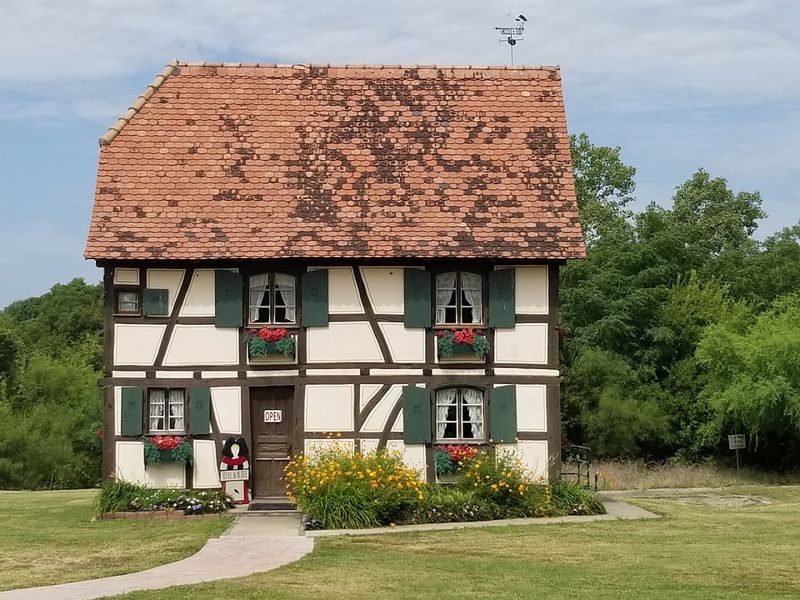
Alsatian settlers from the French-German border region established this town in 1844, bringing architectural styles and cultural traditions that remain visible today. Henri Castro recruited families from Alsace to settle along the Medina River, creating a community that preserved their unique heritage. Stone buildings with steep roofs and European proportions line the historic streets, looking remarkably similar to villages in northeastern France.
The Landmark Inn State Historic Site showcases the region’s multicultural past, operating as a hotel and bathhouse since 1849. Visitors can tour rooms furnished with period pieces and imagine the travelers who stopped here on their journey westward. The building’s thick limestone walls and simple elegance reflect practical Alsatian construction methods adapted to Texas heat.
St. Louis Catholic Church dominates the skyline with its Gothic Revival architecture, serving as the spiritual center since 1868. The interior features stained glass windows and religious artwork that wouldn’t look out of place in a French cathedral. Sunday services still draw descendants of original settlers, maintaining traditions their ancestors brought across the Atlantic.
Local bakeries serve Alsatian specialties like kugelhopf and tarte flambée, recipes that have survived over 175 years in Texas. Small museums throughout town display artifacts from the early settlement period, including tools, clothing, and documents written in French and German. Walking tours reveal the stories behind each historic structure, connecting present-day visitors to the brave families who built this community.
The Medina River provides a peaceful backdrop to the European-style village, with parks and walking trails offering scenic views. Antique stores and craft shops occupy historic buildings, selling both imported European goods and locally made items. The town remains proudly bilingual, with French phrases appearing on signs and menus as reminders of its Alsatian roots that make it genuinely unique in Texas.
4. Adriatica Village
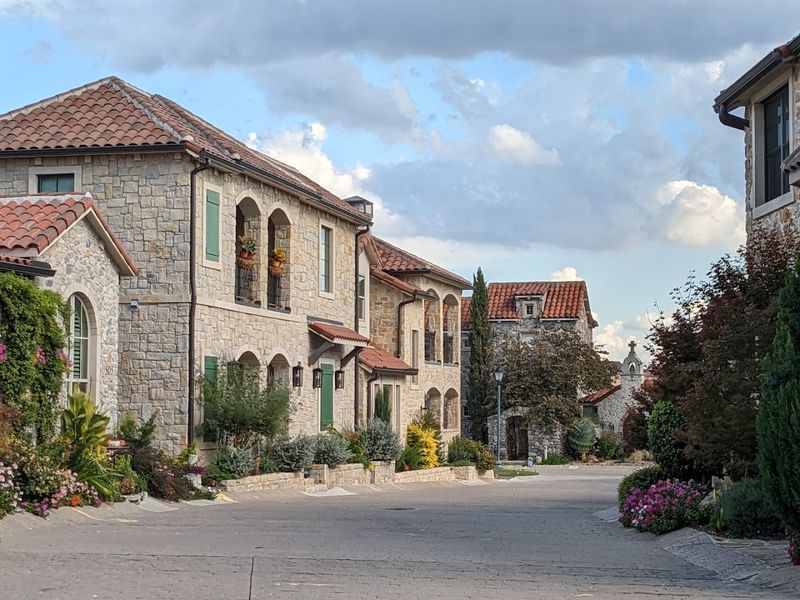
Built to resemble a Croatian coastal village, this McKinney development transports visitors to the Adriatic Sea without leaving North Texas. Developer Zoran Cocov drew inspiration from his homeland, creating white stucco buildings with terra cotta roofs clustered around a sparkling lake. The attention to Mediterranean detail extends to every element, from the bell tower to the stone pathways that wind between structures.
The centerpiece chapel, modeled after a Croatian church, sits on a small peninsula jutting into the water. Its blue dome and white walls reflect in the lake, creating photo opportunities that could easily be mistaken for Greek islands. Weddings take place here regularly, with couples seeking the romantic European ambiance for their special day.
Cobblestone streets connect residential areas designed to mimic Old World village layouts, where neighbors interact in shared courtyards and public spaces. The architecture follows strict design guidelines ensuring visual cohesion that maintains the illusion of an ancient Mediterranean settlement. Wrought-iron balconies, arched doorways, and colorful shutters add authentic touches throughout the development.
A waterfront restaurant serves Mediterranean-inspired cuisine in a setting that overlooks the lake and village. Outdoor seating areas with umbrellas and string lights create an atmosphere reminiscent of seaside cafes in Croatia or Greece. The menu features fresh seafood, olive oil-based dishes, and wines from Mediterranean regions.
Public access allows visitors to explore the village even if they’re not residents, making it a popular destination for photographers and daydreamers. Sunset views across the lake, with the white buildings glowing in golden light, rival anything you’d find along the actual Adriatic coast. The development proves that thoughtful planning and architectural vision can recreate the essence of European villages, offering Texans a taste of Mediterranean living without the international travel.
5. Eiffel Tower Paris Texas
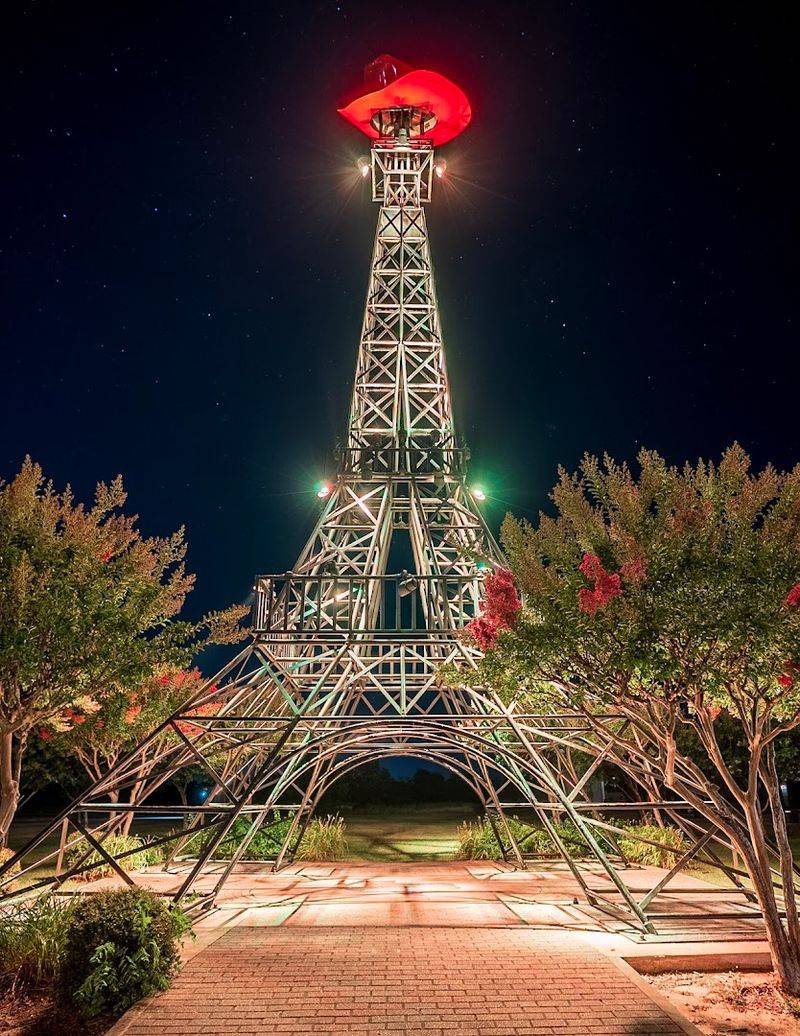
Standing 65 feet tall and topped with a giant red cowboy hat, this scaled-down replica of Paris’s most famous landmark perfectly captures Texas humor and pride. The original tower went up in 1993, though the signature Stetson wasn’t added until 1998, when residents decided their Eiffel needed proper Texas flair. It’s become one of the state’s most photographed roadside attractions, drawing visitors who appreciate the playful nod to both French culture and Lone Star identity.
The tower stands in Love Civic Center plaza, surrounded by landscaped grounds perfect for picnics and photos. Unlike its Parisian counterpart, you can’t climb this version, but the ground-level experience offers plenty of charm. Local businesses have embraced the French connection, with shops and restaurants incorporating Parisian themes into their branding.
Paris, Texas has leaned into its namesake connection, hosting French-themed events and festivals throughout the year. The annual Tour de Paris cycling event and French food celebrations bring community members together to honor their town’s unique identity. Murals around downtown depict both Texas and French imagery, creating visual connections between two very different places that share a name.
Visitors often combine their tower visit with stops at other local attractions, including the historic downtown district and Sam Bell Maxey House State Historic Site. The Lamar County courthouse, built in 1917, adds architectural interest with its classical design. Small-town hospitality makes everyone feel welcome, whether they’re from nearby communities or traveling from actual Paris, France.
Social media has amplified the tower’s fame, with countless selfies and creative photos shared online. The juxtaposition of French elegance and Western whimsy creates something uniquely Texan that couldn’t exist anywhere else. While it may not reach the heights of the original, this Eiffel Tower represents the state’s ability to honor other cultures while maintaining its own distinctive character and sense of fun.
6. La Villita Historic Village
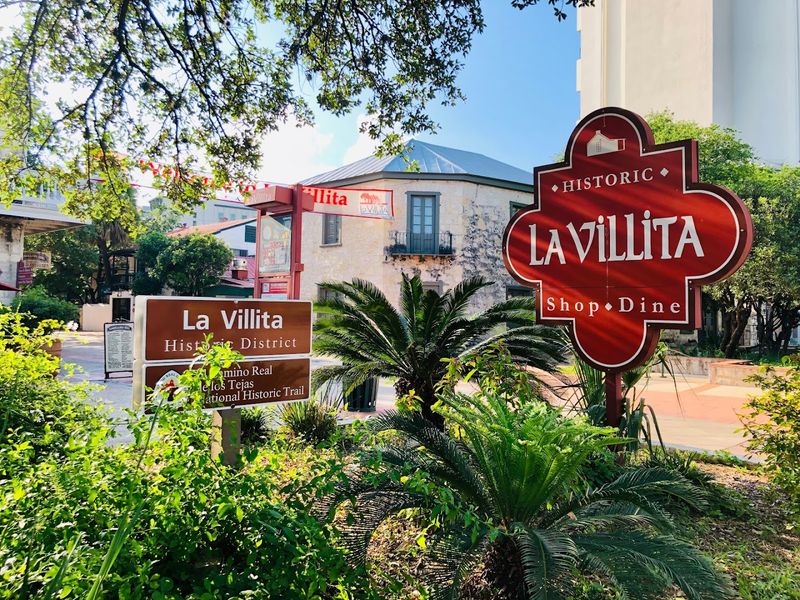
Spanish and Mexican influences blend seamlessly in this preserved historic arts village along the San Antonio River. Dating back to the early 1700s, these structures represent some of the city’s oldest remaining buildings, where soldiers, craftsmen, and families lived during Spanish colonial rule. Today, the village functions as a living arts community where galleries, studios, and shops occupy authentically restored buildings.
Cobblestone pathways wind between whitewashed adobe structures with wooden shutters and vine-covered walls. The architecture reflects Spanish colonial design adapted to South Texas climate, with thick walls providing insulation and shaded courtyards offering relief from summer heat. Each building tells stories of the generations who lived and worked within its walls, from colonial times through Mexican rule and into the Texas Republic era.
Artists and craftspeople maintain working studios where visitors can watch creative processes unfold in real-time. Pottery, jewelry, paintings, and traditional crafts fill the galleries, many incorporating Mexican and Spanish artistic traditions. The village hosts regular festivals celebrating Hispanic heritage, with music, dance, and food that honor the area’s cultural roots.
The General Cos House, where Mexican General Martín Perfecto de Cos signed the surrender treaty after the Siege of Béxar in 1835, stands as a significant historical landmark. Walking through these spaces connects visitors to pivotal moments in Texas history. The Little Church, built in 1876, remains a popular spot for intimate weddings and community gatherings.
Location along the River Walk means visitors can arrive by boat, adding to the European village atmosphere. Restaurants serve authentic Mexican cuisine in settings that feel transported from Spanish colonial times. Evening visits offer particularly magical experiences, with string lights illuminating the pathways and live music drifting from courtyards.
This village preserves not just buildings but the multicultural spirit that has always defined San Antonio.
7. Newman’s Castle
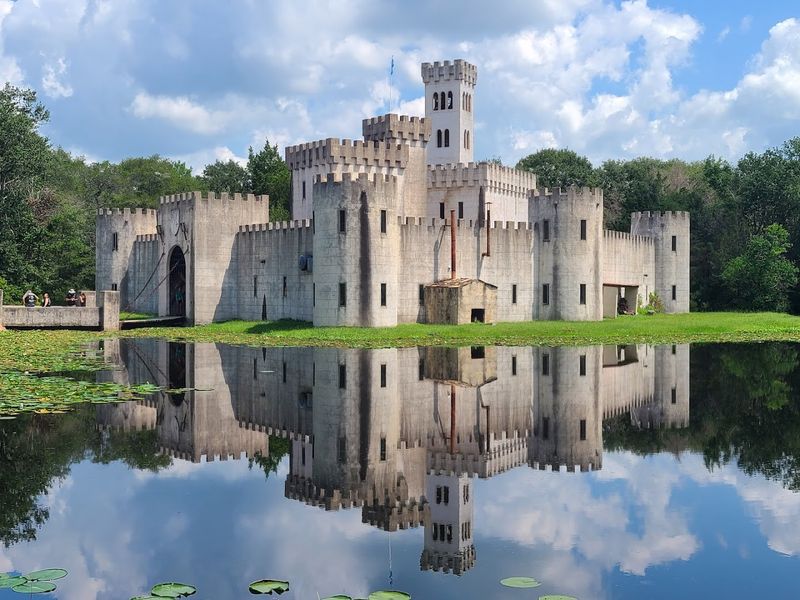
One man’s obsession with medieval architecture resulted in this authentic-looking castle rising from Texas farmland outside Bellville. Mike Newman spent over two decades building his dream, using traditional masonry techniques and imported materials to create something that wouldn’t look out of place in the European countryside. The result is a functioning residence that happens to be a full-scale castle complete with towers, turrets, and Gothic details.
Construction began in the 1990s, with Newman personally overseeing every aspect of the building process. He studied medieval architecture extensively, ensuring proportions and details matched historical examples. Stone by stone, the castle took shape, growing from foundation to battlements through years of dedicated work.
The project became a local legend, with residents watching the unlikely structure emerge from what had been empty land.
The castle’s exterior features crenellated walls, arched windows, and multiple towers that create a dramatic silhouette against Texas skies. Attention to period-appropriate details extends to the stonework patterns, door hardware, and even the landscaping. From certain angles, photographs could convince viewers they’re looking at a centuries-old European fortress rather than a modern Texas construction.
While primarily a private residence, the castle occasionally opens for special events and tours, giving the public rare glimpses inside. Interior spaces feature vaulted ceilings, stone fireplaces, and medieval-inspired furnishings that complete the immersive experience. The dedication to authenticity creates an environment where you genuinely forget you’re in Central Texas.
Newman’s Castle represents the ultimate expression of bringing European dreams to Texas reality through sheer determination and craftsmanship. The building stands as testament to what’s possible when passion meets perseverance, proving that castles aren’t exclusive to European landscapes. Visitors leave impressed by both the architectural achievement and the story of the man who refused to let practicality limit his medieval vision in the Lone Star State.
8. The Vineyard at Florence
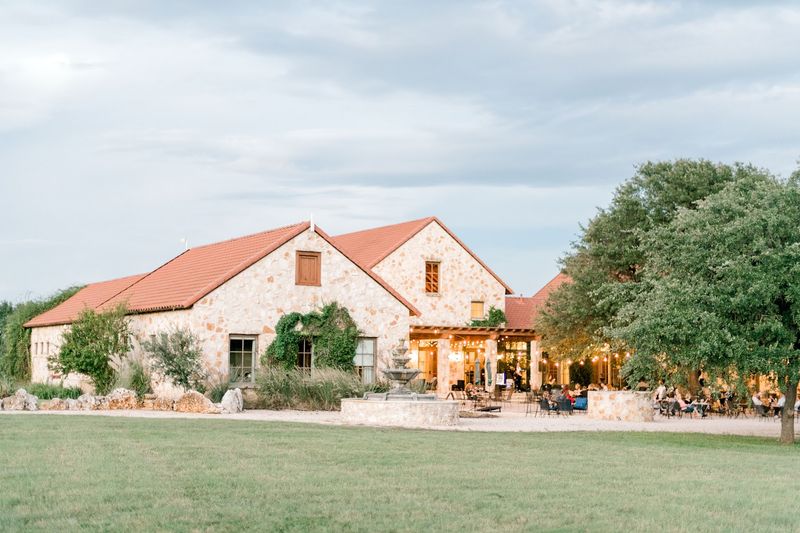
Tuscan-inspired architecture and sprawling vineyards create an Italian countryside experience in the heart of Central Texas. The property features a villa-style tasting room with terracotta tiles, stucco walls, and cypress trees lining the entrance drive. Rolling hills covered in grapevines stretch toward the horizon, creating vistas that rival anything found in Italy’s wine regions.
Winemakers here focus on varieties that thrive in Texas climate while maintaining Old World production methods. The tasting room offers flights that showcase estate-grown wines, from bold reds to crisp whites. Knowledgeable staff guide visitors through the tasting experience, explaining terroir and winemaking philosophy with genuine enthusiasm.
The atmosphere encourages leisurely enjoyment rather than rushed consumption.
Outdoor patios provide stunning views across the vineyard, with seating areas designed for extended visits. Live music on weekends adds to the ambiance, creating the kind of relaxed social environment common at Italian wine estates. Food pairings feature Mediterranean-inspired dishes that complement the wines, using local ingredients prepared with European techniques.
Tours of the production facility reveal the winemaking process from grape to bottle, with equipment and methods that honor traditional approaches. Barrel rooms maintain perfect temperature and humidity for aging, while the crush pad handles harvest activities each fall. Visitors gain appreciation for the work and expertise required to produce quality wines in Texas conditions.
Special events throughout the year celebrate wine culture, from harvest festivals to intimate winemaker dinners. The property also hosts weddings, with the Tuscan setting providing romantic backdrops for ceremonies and receptions. Couples appreciate the European elegance combined with Texas hospitality.
The commitment to creating an authentic Italian wine country experience extends beyond aesthetics to philosophy and practice. Sustainable farming methods protect the land while producing quality grapes. The result is a destination that offers genuine European wine culture without requiring international travel, proving Texas can compete with established wine regions while maintaining its own distinctive character.
9. Fredericksburg
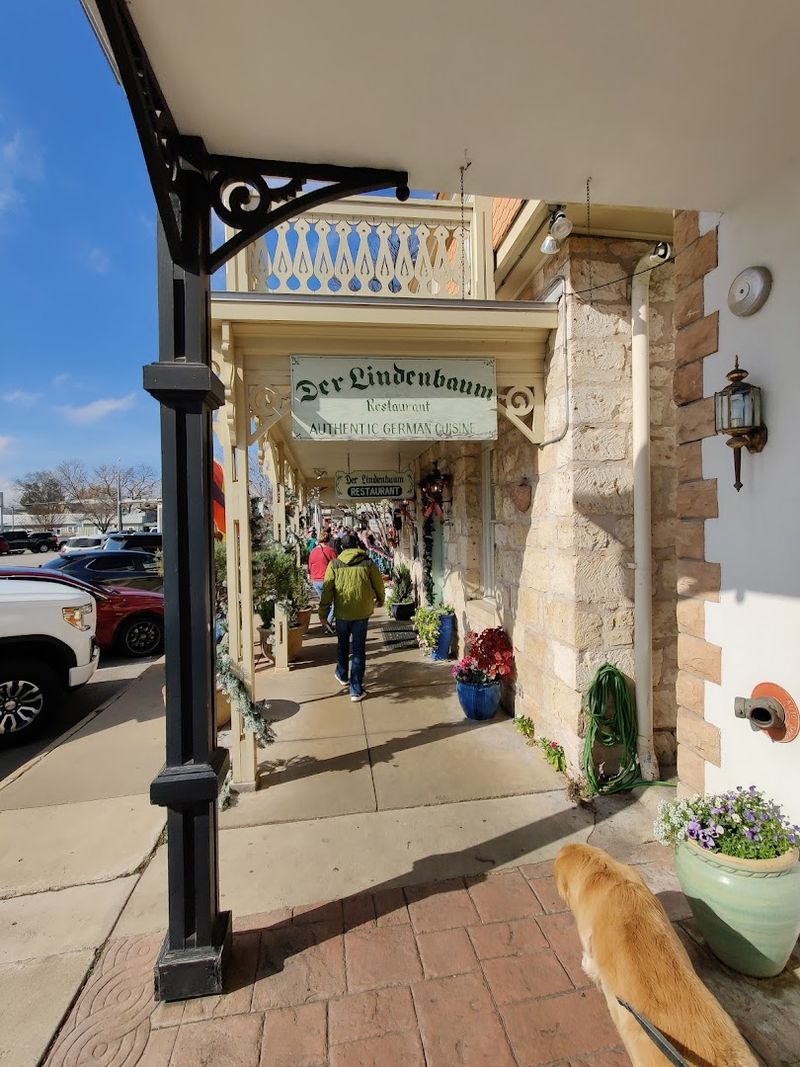
German immigrants established this Hill Country town in 1846, and their influence remains beautifully preserved throughout the historic downtown. Half-timbered buildings, biergartens, and bakeries selling authentic German pastries line Main Street, creating an atmosphere that feels genuinely European. The town’s commitment to preserving its heritage while welcoming visitors has made it one of Texas’s most popular destinations for those seeking Old World charm.
Oktoberfest celebrations here rival anything outside Germany, with traditional music, dancing, and enough beer and bratwurst to satisfy thousands of visitors. The three-day festival transforms the town into a massive party that honors German culture with authentic enthusiasm. Beyond the big events, German heritage appears in everyday life through restaurant menus, shop names, and the architectural details that give the town its distinctive character.
The Pioneer Museum complex preserves original structures and artifacts from early German settlers, telling stories of the families who built this community. Sunday Houses, small weekend homes built by rural farmers for their town visits, showcase the practical architecture German settlers developed. These historical sites provide context for understanding how European traditions adapted to Texas frontier life.
Wineries and vineyards surrounding Fredericksburg produce award-winning wines using both traditional and innovative techniques. The region has become Texas’s premier wine destination, with tasting rooms offering sophisticated experiences. Many wineries incorporate German architectural elements, reinforcing the area’s European connections.
Boutiques, galleries, and antique stores occupy historic buildings, offering everything from imported German goods to local crafts. Bed and breakfasts in restored homes provide accommodations with European elegance and Texas-sized hospitality. The town balances tourism with authentic community life, maintaining the qualities that make it special.
Wildflowers blanket the surrounding countryside each spring, adding natural beauty to the architectural charm. The combination of German heritage, Hill Country scenery, and welcoming atmosphere creates something magical that keeps visitors returning year after year to this little piece of Europe in Texas.
10. Stonehenge II at the Hill Country Arts Foundation
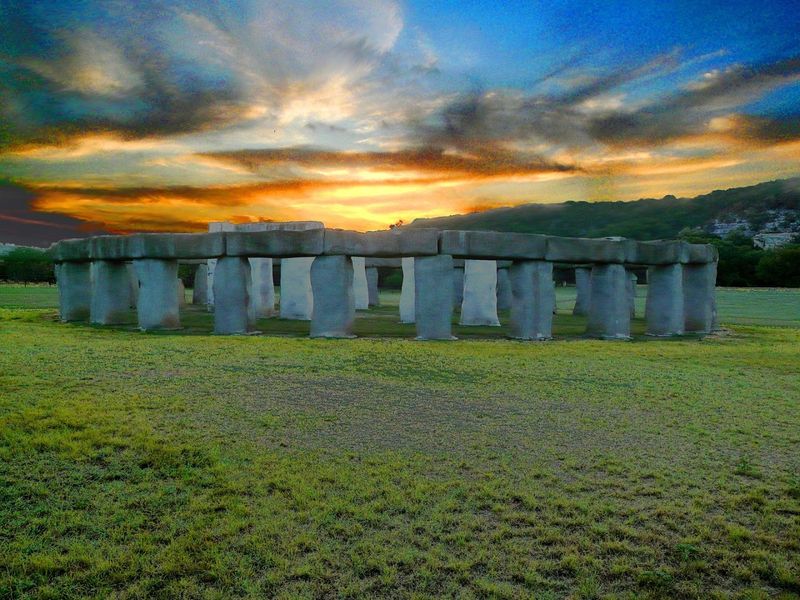
This full-scale replica of England’s mysterious ancient monument stands in the Texas Hill Country, complete with Easter Island moai statues for added whimsy. The late Al Shepperd and Doug Hill constructed the installation in the 1990s as an art project, using steel reinforced plaster and limestone to recreate the iconic stone circle. What began as a private yard ornament became a beloved roadside attraction that draws curious visitors from around the world.
The proportions match the original Stonehenge, allowing visitors to experience the scale and arrangement of the prehistoric monument without traveling to Salisbury Plain. Standing among the towering stones creates the same sense of awe and mystery that the ancient structure inspires. The addition of two Easter Island moai heads adds unexpected humor, acknowledging that this is art rather than archaeology.
The Hill Country Arts Foundation maintains the site, which sits on their property alongside other outdoor art installations. The foundation promotes arts education and cultural enrichment, with Stonehenge II serving as their most famous attraction. Visitors can explore the grounds freely, taking photos and pondering the same questions that the original structure raises about ancient peoples and their motivations.
The installation gained renewed attention after the original creators passed away, with preservation efforts ensuring it remains available for future generations. Local volunteers and foundation members work to maintain the structure against weather and time. The site has appeared in numerous publications and social media posts, cementing its status as a Texas treasure.
Combining ancient mystery with Texas irreverence, Stonehenge II represents the state’s ability to honor world culture while adding its own twist. The juxtaposition of Neolithic England and Polynesian statues in Texas Hill Country shouldn’t work, but somehow it does. Visitors leave with photos and smiles, having experienced something genuinely unique that bridges continents and millennia in one unlikely location that perfectly captures Texas’s creative spirit and appreciation for the absurd.
11. The San Fernando Cathedral
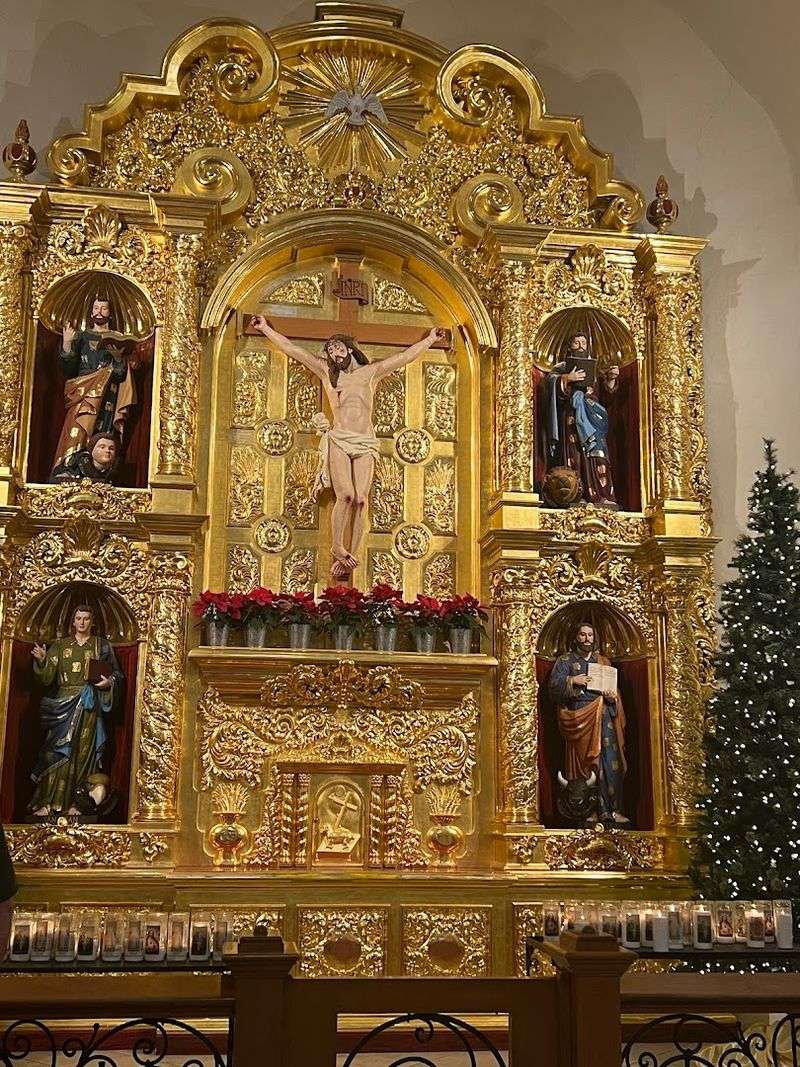
As the oldest continuously functioning religious community in Texas, this cathedral represents Spanish colonial architecture at its finest. Construction began in 1738, with the building serving as the spiritual heart of San Antonio for nearly three centuries. The facade combines Baroque and Gothic elements, with intricate stone carvings and twin bell towers that dominate San Antonio’s Main Plaza.
The interior features soaring vaulted ceilings, ornate altars, and religious artwork that spans centuries of Catholic tradition. Stained glass windows filter colored light across the nave, creating an atmosphere of reverence and beauty. The cathedral underwent extensive restoration in recent years, revealing original details while incorporating modern technology that enhances rather than detracts from the historic character.
San Antonio de Valero, which became the Alamo, was originally the chapel for Mission San Antonio de Valero, while San Fernando served the civilian settlement. This cathedral witnessed pivotal moments in Texas history, including General Santa Anna’s arrival during the Texas Revolution. The building connects present-day visitors to the Spanish colonial period when San Antonio was the most important settlement in Spanish Texas.
The spectacular light show projected onto the cathedral’s facade tells San Antonio’s history through stunning visuals and music. This free evening presentation draws crowds year-round, transforming the historic structure into a canvas for storytelling. The combination of ancient architecture and modern technology creates an unforgettable experience.
Mass continues daily in both English and Spanish, maintaining traditions that date back to the building’s founding. The cathedral serves an active parish community while welcoming tourists who come to appreciate its architectural and historical significance. The building stands as testament to Spanish influence on Texas culture, religion, and architecture.
Location in the heart of downtown makes the cathedral easily accessible, with Main Plaza providing space for gathering and reflection. The surrounding area features other historic sites and modern attractions, but the cathedral remains the spiritual and architectural anchor that connects San Antonio to its European colonial roots.