The first thing you notice is not the skyline, even though Manhattan is sitting right there across the Hudson like it paid for premium seating. It is the line.
Inside Mitsuwa Marketplace in Edgewater, tucked into a busy Japanese food court at 595 River Road, Hokkaido Ramen Santouka draws the kind of steady crowd that makes newcomers slow down and think, “Okay, what does everyone here know that I don’t?”
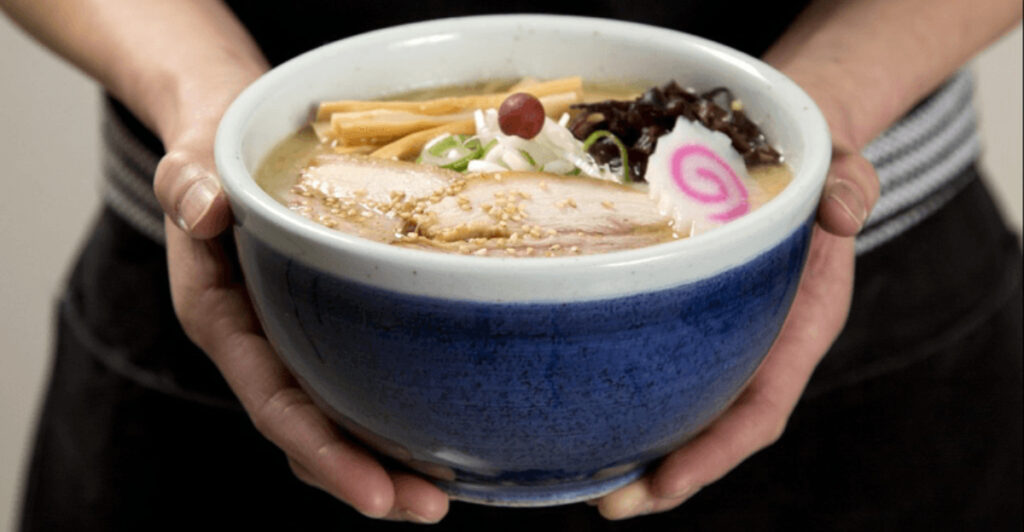
The answer arrives in a white bowl: springy noodles, slices of pork, a deeply savory broth, and the sort of steam that makes a New Jersey winter feel briefly negotiable. Santouka is not trying to be flashy.
It is not dressed up like a trendy ramen bar with moody lighting and $19 cocktails. It is counter-service ramen in a grocery-store food court, open daily from 11 a.m. to 8 p.m., and that is exactly why it works.
The Edgewater Food Court That Feels Like a Quick Trip to Japan
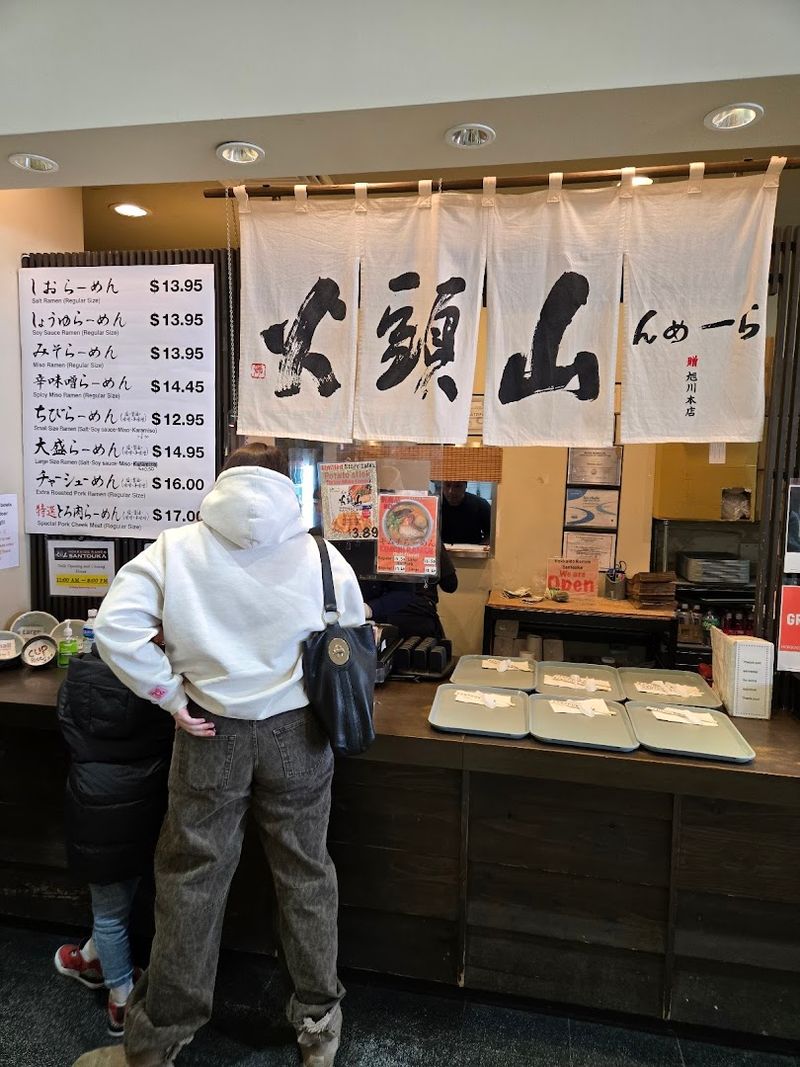
Walk into Mitsuwa Marketplace on a weekend afternoon and you will understand within about thirty seconds why people talk about this place differently from a regular grocery store.
The parking lot is full, the carts are moving fast, and the food court has that wonderfully specific rhythm of people who came in “just to grab lunch” and somehow ended up with matcha snacks, frozen gyoza, a package of melon pan, and a receipt long enough to fold twice.
Mitsuwa’s New Jersey store is open daily from 9:30 a.m. to 9 p.m., and the food court sits right inside the market, which makes it easy to turn lunch into a full little outing without ever leaving the building. This is not the polished quiet of a sit-down restaurant.
It is louder, quicker, and more fun than that. Trays slide across counters.
Families split up so one person can hunt for a table while another waits for ramen. People who clearly know the drill head straight for the stalls, order fast, and return a few minutes later balancing bowls, drinks, and desserts like they have trained for this.
That food court setting is a huge part of the charm. You are eating real-deal ramen under bright lights, next to shoppers carrying Japanese groceries, a few steps from shelves stacked with imported sauces, snacks, rice seasonings, tea, noodles, and sweets.
It feels everyday and special at the same time, which is a hard balance to fake. The Edgewater location also has a built-in New Jersey bonus: the Hudson River.
Step outside the marketplace and the Manhattan skyline is right across the water. It is one of those odd local combinations that somehow makes perfect sense once you are there: a Japanese market, a ramen counter from Hokkaido, a packed Bergen County parking lot, and one of the best skyline views in the state.
Why Hokkaido Ramen Santouka Has Such a Loyal New Jersey Following
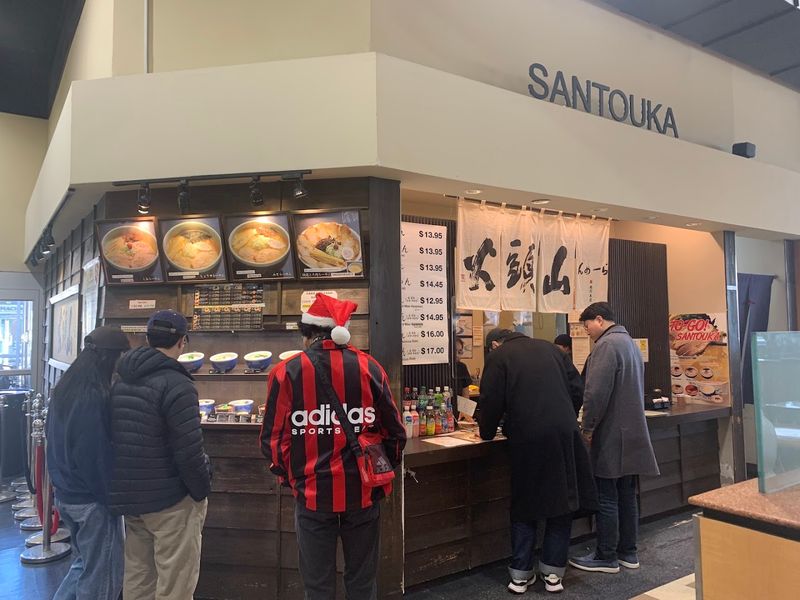
Santouka did not become a favorite in Edgewater because it chased trends. The company started in Asahikawa, Hokkaido, in 1988 with just nine seats and one menu item, shio ramen, according to Santouka’s own origin story.
That kind of beginning matters because the New Jersey location still feels connected to a very specific ramen tradition rather than a broad American idea of what ramen should be. The loyal following makes more sense once you watch how people order.
Regulars do not hover around the menu like they are decoding a puzzle. They know whether they want shio, miso, spicy miso, or shoyu.
They know whether they are adding a small rice bowl. They know the line is probably worth it.
There is a confidence in the crowd, and that usually says more than any sign taped to a counter. Santouka’s big signature is its white tonkotsu soup, a pork-bone broth the company describes as mild, rich, and meant to be enjoyed to the last drop.
The bowls are also part of the design. Santouka says its donburi were specially ordered with thickness that helps keep the soup hot, which sounds like a tiny detail until you are halfway through lunch and the broth is still doing its job.
In New Jersey, that consistency is part of the appeal. Edgewater is close enough to New York City that diners have plenty of ramen options within reach, but Santouka has something many trendier spots do not: a sense of place.
You are not just eating ramen in a restaurant. You are eating it inside Mitsuwa, surrounded by people buying ingredients they might use to cook Japanese food at home.
The whole setup reinforces the feeling that this bowl belongs exactly where it is.
The Rich Asahikawa Style Broth That Makes This Ramen Stand Out
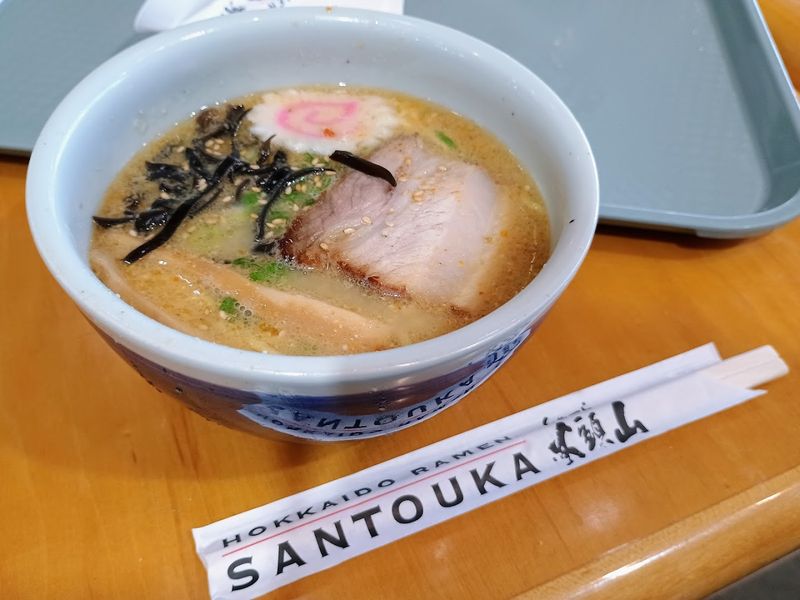
Here is where the bowl gets serious. Asahikawa, the Hokkaido city where Santouka began, is known for ramen that often combines pork and seafood elements and uses fat on the surface to help keep the soup hot in a cold northern climate.
Santouka’s own identity, though, is especially tied to its white tonkotsu broth. That is what gives the ramen its creamy-looking base and round, savory flavor.
It is rich without tasting like it is shouting at you. There is a gentleness to it, which may sound strange if you are used to ramen bowls that hit hard with salt, spice, garlic, and fat right away.
Santouka’s broth builds more slowly. The shio ramen is the classic order for a reason.
It is the one connected most directly to the shop’s origins, and it shows off the soup without burying it. The salt seasoning does not make the bowl taste plain; it gives the broth room to be noticed.
The noodles bring chew, the pork adds softness and depth, and the toppings make the bowl feel composed rather than overloaded. Spicy miso is the order for someone who wants more punch.
It has warmth and body, but it still behaves like Santouka ramen, not like a challenge bowl. Shoyu brings a soy-sauce depth that feels familiar but still layered.
Miso is comforting in the way Hokkaido ramen should be, especially when the weather outside is doing that New Jersey thing where the wind off the river feels personally targeted. The best compliment you can give this broth is that people actually drink it.
Not politely. Not because they are trying to prove a point.
They drink it because leaving too much behind feels like a mistake.
What to Order When You Visit Santouka for the First Time
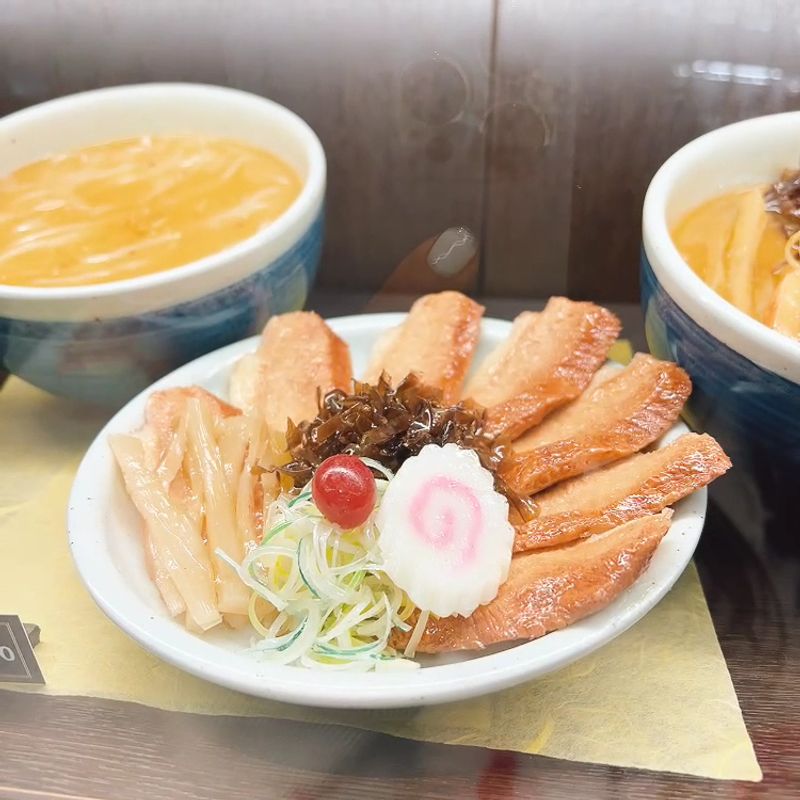
First-timers should make one decision before stepping up to the counter: do you want the bowl that explains Santouka best, or the bowl that hits your personal comfort-food button fastest? If you want the house identity, order the shio ramen.
Santouka’s first shop in Asahikawa opened with shio ramen as its single menu item, so this is the closest thing to starting at the beginning. Shio is the bowl for people who want to taste the broth clearly.
It is savory, mellow, and quietly rich, with pork, noodles, and toppings that support the soup instead of competing with it. If you are the sort of person who usually orders the “signature” item on a first visit, this is your move.
If you like deeper, slightly bolder flavors, go miso. It gives the bowl a rounder, heartier personality without turning it heavy.
Spicy miso is the safe bet for anyone who wants heat but still wants to taste the broth underneath. It is not just spice for spice’s sake.
It adds a little swagger. Shoyu is a good middle lane.
Soy sauce-based ramen can sometimes taste sharp or overly salty, but when done well, it brings a savory edge that makes the pork and noodles feel even more satisfying. At Santouka, it is a strong choice for someone who wants classic ramen flavor without going straight to the richness of miso.
Then there are the sides, which are where restraint starts to wobble. A small rice bowl with pork is the kind of add-on that sounds unnecessary until it is sitting next to your ramen.
Gyoza, if available when you visit, turns lunch into a fuller meal. And because you are already inside Mitsuwa, dessert is basically waiting for you elsewhere in the building.
Prices can shift, especially with delivery menus and third-party listings, so the counter menu is the one to trust when you arrive. Recent online menu listings show many ramen bowls in the mid-teens, which feels about right for a filling Edgewater lunch that people willingly cross county lines to eat.
Why Mitsuwa Marketplace Is More Than Just a Place to Eat
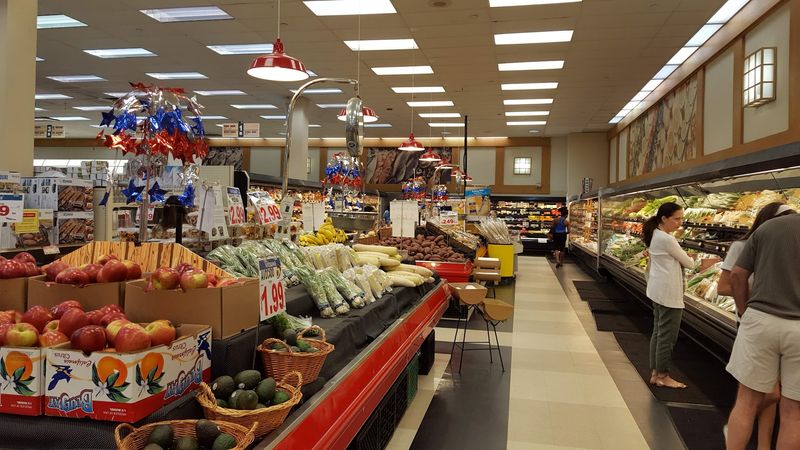
Mitsuwa is dangerous in the most delightful way because it makes browsing feel productive. You go in for ramen, then suddenly you are comparing soy sauces, studying the instant noodle aisle, wondering whether you need Japanese curry blocks, and convincing yourself that three kinds of rice crackers count as a reasonable pantry strategy.
This is the largest kind of “quick stop” you can make. The market’s official New Jersey store page lists the Edgewater address, daily hours, phone number, and regular sale information, but the real experience is in the aisles.
Mitsuwa is a Japanese grocery store first, and that matters. The food court does not feel like a random add-on; it feels like part of a bigger ecosystem.
You can eat ramen, then buy ingredients, snacks, drinks, kitchen goods, and prepared foods that keep the trip going after lunch. The prepared-food cases deserve their own lap.
Sushi trays, bento boxes, onigiri, fried items, and ready-to-eat meals make it very easy to justify bringing something home “for later,” even if later is realistically twenty minutes after you get back in the car.
The bakery and dessert options add another layer, especially if you are the kind of person who cannot pass soft Japanese breads or sweet pastries without investigating.
There is also a nice local mix to the crowd. You will see families doing a serious weekly shop, couples making it a lunch date, New Yorkers who crossed the river, Bergen County regulars, and first-timers walking slowly because every aisle has something they have not seen before.
It feels like a community hub without trying too hard to be one. That is what separates Mitsuwa from a simple food stop.
Santouka may be the reason you pick Edgewater for lunch, but the market is the reason the visit stretches. A bowl of ramen becomes groceries, snacks, skyline views, and probably one extra bag you did not plan to carry out.
What to Know Before You Make the Drive to Edgewater
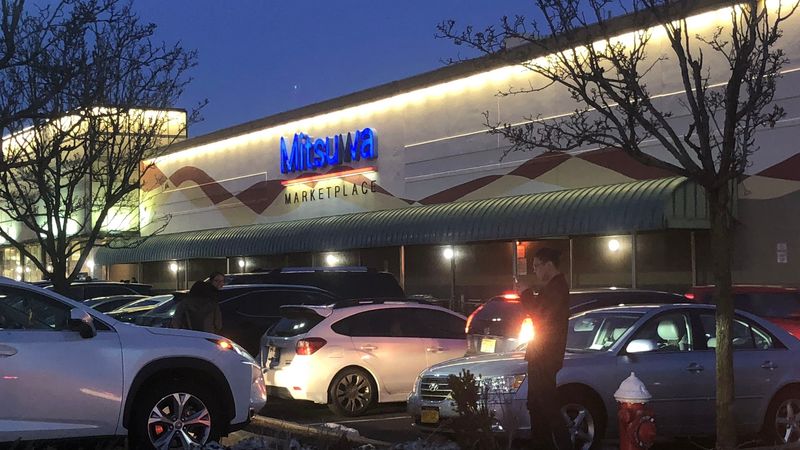
A little planning helps here, mostly because everyone else has the same good idea. Mitsuwa Marketplace is at 595 River Road in Edgewater, and the store is open daily from 9:30 a.m. to 9 p.m.
Santouka’s New Jersey location is listed as open daily from 11 a.m. to 8 p.m., with last order at 7:30 p.m., though hours can change around holidays or special circumstances. Weekends are the busy window.
That does not mean avoid them; it means arrive with realistic expectations. If you show up at peak lunch time on a Saturday, you may circle for parking, wait in line, and hover for a table.
Nobody loves that part, but it moves, and the food court is built for turnover. If you want a calmer first visit, aim closer to opening or try a weekday lunch.
Bring patience, and bring a little flexibility. The food court has multiple vendors, so if one person in your group is not in a ramen mood, they are not doomed.
That is one of Mitsuwa’s underrated strengths. It works for ramen obsessives, snack browsers, families with picky eaters, and people who just want a bento box and a view of the river.
It is also smart to check payment expectations before ordering. The original story notes that Santouka has operated cash-only, and food-court payment setups can vary, so having cash on hand is a simple way to avoid an annoying surprise.
The drive itself depends heavily on where you are coming from. From much of Bergen County, Edgewater is an easy hop.
From Central Jersey, it becomes more of a planned outing. From across the Hudson, it can still be worth the trip, especially if you treat Mitsuwa less like a single lunch stop and more like a full Japanese market run.
The ramen is the anchor, but the best visits leave room for wandering.