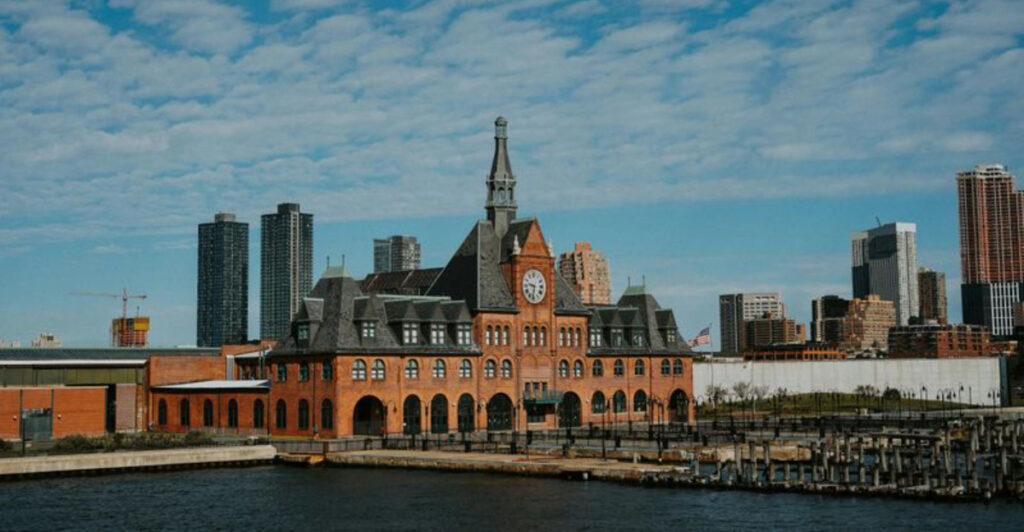
A red mill mirrored in a slow river. A Victorian porch with so much gingerbread trim it looks piped on.
Canvas tents lined up beside the ocean like a summer tradition nobody had the nerve to cancel. New Jersey does history best when it refuses to sit still behind glass.
Here, the past shows up in downtown storefronts, old taverns, college greens, church bells, canal paths, and clapboard houses that have somehow survived every redevelopment itch. The best historic towns are not just pretty backdrops, either.
They give you something to do: poke through antique shops, follow a battlefield trail, walk a Main Street that still feels human-sized, or sit with coffee where ferries, mills, soldiers, and summer worshippers once shaped daily life. These 12 towns are the ones where the calendar may say modern day, but the sidewalks keep whispering otherwise.
1. Cape May
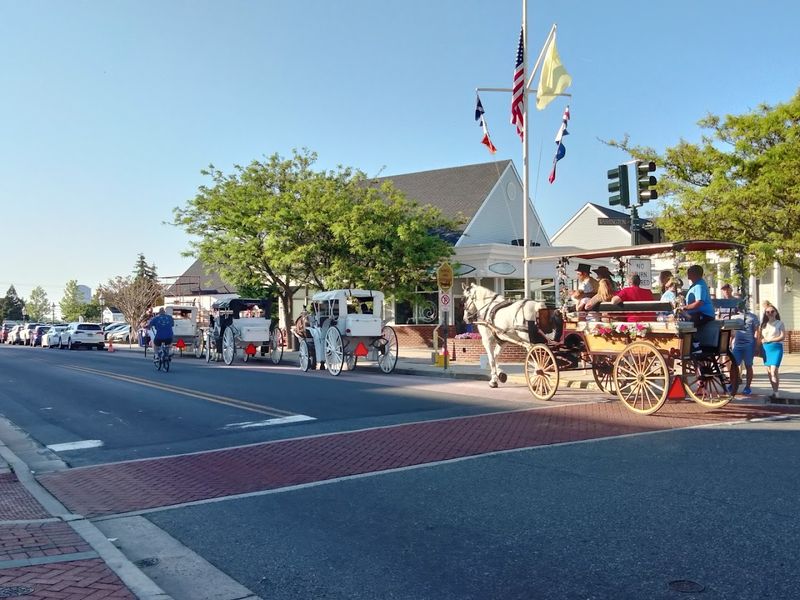
The gingerbread trim does not whisper in Cape May; it practically waves from every porch. This is the New Jersey shore town for people who want beach air with a side of architectural drama.
Its historic district was designated a National Historic Landmark in 1976, and the town remains one of the country’s great showcases of late-Victorian buildings, with details that reward slow walking rather than drive-by sightseeing.
Start around Washington Street Mall, the pedestrian-friendly heart of town, where shops, cafés, and restaurants sit close enough together that “just a quick stroll” can easily turn into half an afternoon.
The move here is simple: park once, walk often, and keep looking up. The fanciest shingles, brackets, turrets, and porch railings are rarely at eye level.
If you want the town at its most cinematic, go near golden hour, when the painted houses glow and the sidewalks feel pleasantly unhurried. Cape May also works beautifully outside peak summer, especially if you care more about house tours, seafood, and oceanfront wandering than fighting for a beach towel-sized patch of sand.
It is polished, yes, but not stiff. The whole place feels like New Jersey dressed up for dinner and still willing to split fries afterward.
2. Lambertville
By late morning, Lambertville’s sidewalks start filling with the kind of browsers who insist they are “just looking” and then leave with a framed map, a brass lamp, or some oddly perfect piece of furniture. That is part of the fun.
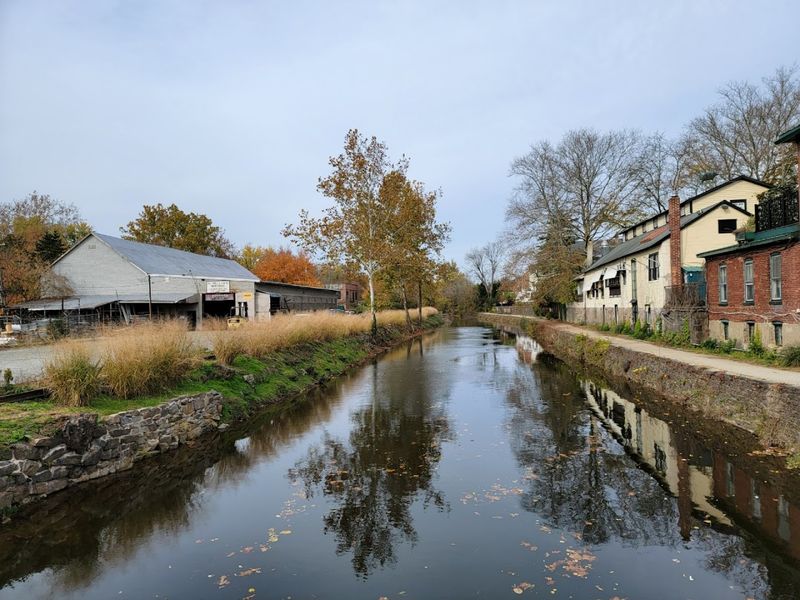
The Delaware River town grew from an old ferry and canal crossroads into a place where historic houses, art galleries, antique shops, and cafés sit shoulder to shoulder. The Delaware and Raritan Canal, chartered in 1830, helped shape Lambertville’s 19th-century growth, and the city was incorporated in 1849.
What makes it feel alive now is how naturally the old bones support the current rhythm. You can walk the towpath, cross into New Hope if you feel ambitious, then come back for dinner in a converted historic building or a drink near the river.
The streets are compact but full, so give yourself time to wander instead of treating it like a checklist. Antique hunters should come with trunk space and patience; casual visitors can be perfectly happy with coffee, river views, and a slow loop past Federal-style facades and Victorian porches.
Parking can be easier earlier in the day, especially on weekends. Lambertville is old, stylish, and just a little mischievous, like it knows you came for history but will leave talking about a vintage mirror.
3. Haddonfield
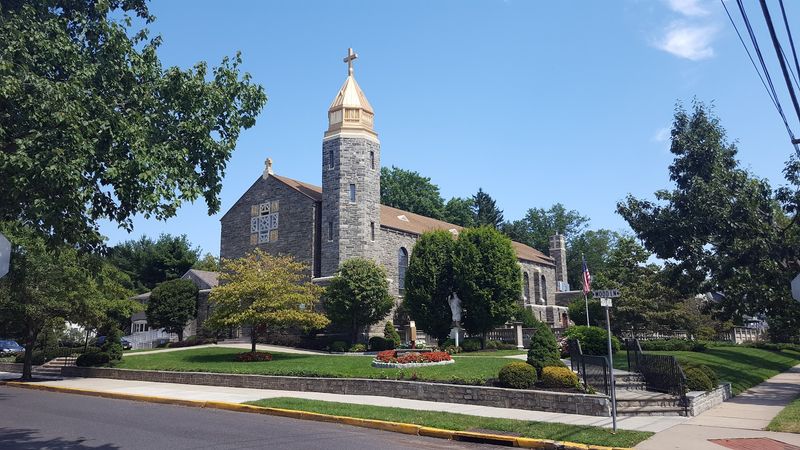
There is a dinosaur hiding in Haddonfield’s story, which immediately gives the town an advantage over places relying only on handsome storefronts. In 1858, the Hadrosaurus fossil discovery here became a landmark moment in dinosaur science, and the town still wears that oddball distinction with pride.
But Haddonfield is not a one-fossil wonder. Its Revolutionary-era side is just as strong, especially at the Indian King Tavern, where New Jersey’s colonial government met during the war years and where the state’s history took some very real turns.
The site is now preserved as a state historic destination tied closely to Haddonfield and New Jersey’s Revolutionary past. Downtown adds the present-day pleasure: independent shops, bakeries, restaurants, and a walkable main drag that feels busy without being chaotic.
This is a great town for a low-stress Saturday, especially if your group includes both history people and “can we get lunch now?” people. Do the tavern, find the Hadrosaurus marker or statue, then reward yourself with a leisurely meal or a bakery stop.
Haddonfield’s charm is tidy but not precious. It has brick sidewalks, old houses, good coffee energy, and the rare ability to make colonial history and paleontology feel like natural neighbors.
4. Clinton
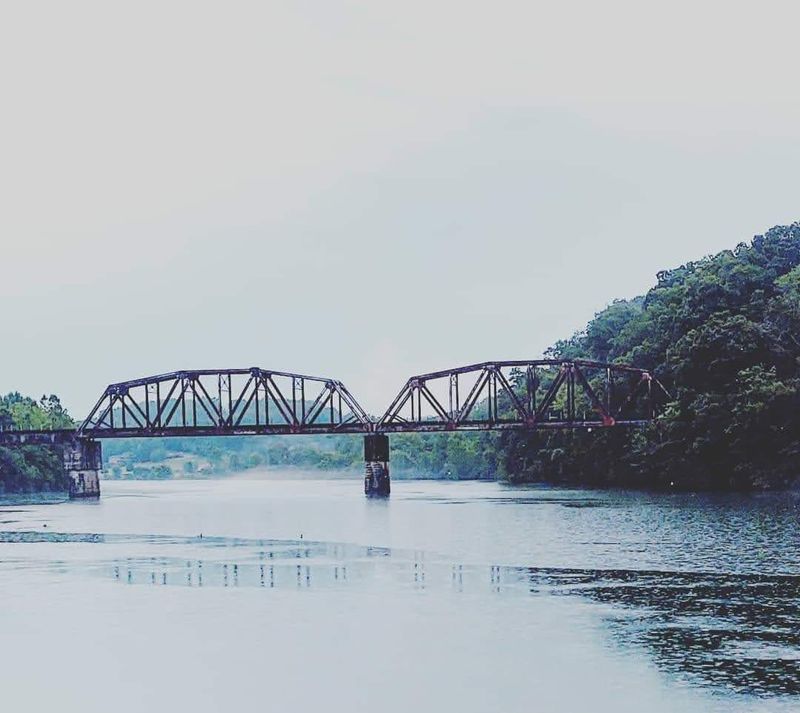
That red mill beside the South Branch of the Raritan River is the image everyone remembers, and honestly, fair enough. Clinton’s Red Mill Museum Village looks almost too perfectly placed, as if someone designed it specifically for postcards and engagement photos.
But the history is sturdier than the scenery. The museum sits on 10 acres and includes the mill, quarry buildings, a schoolhouse, log cabin, and working blacksmith shop, giving visitors a fuller picture of the labor and industry that shaped the town.
The mill itself began as Hunt’s Mill, an 1810 structure that processed everything from wool and grist to plaster and graphite over its long life. The best visit starts with a walk across the bridge for the classic view, then continues through the museum grounds if they are open.
After that, Main Street is right there with shops, galleries, and places to grab lunch. Clinton is small enough that you will not need a complicated plan, but that is exactly why it works.
It gives you a river, a museum, a historic downtown, and enough browsing to stretch a quick stop into a satisfying half-day. Come in fall and the whole town looks like it has been waiting all year for the assignment.
5. Princeton
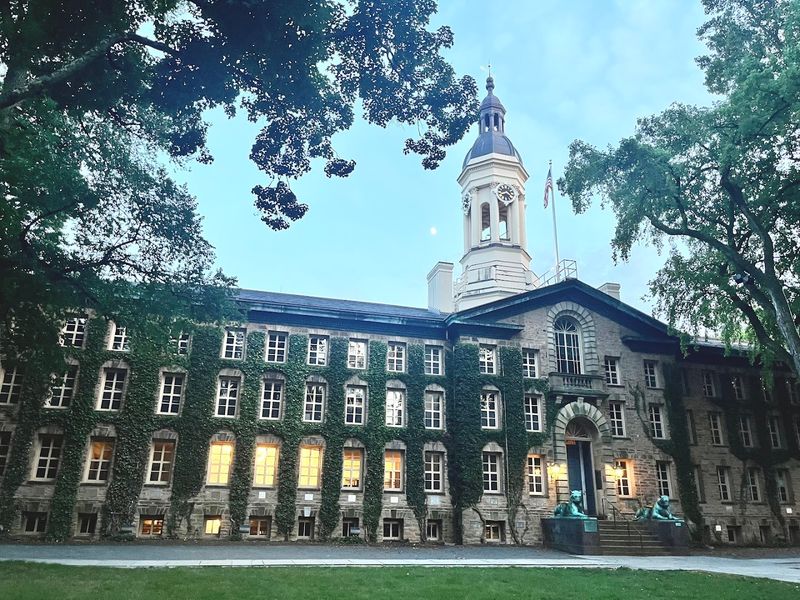
A cannonball, a college green, and a very serious stone building can do a lot for a town’s sense of occasion. Princeton’s history is layered, not quaint.
Nassau Hall went up in 1756 after the College of New Jersey moved to town, and Princeton’s Revolutionary importance includes the Battle of Princeton in January 1777, long recognized as a turning point in the war.
The building later served as a meeting place for the Continental Congress in 1783, briefly making Princeton the nation’s capital in practice if not in postcard slogan.
For visitors, the pleasure is that so much of this history sits inside a town that is also deeply walkable. Start around Palmer Square and Nassau Street, then drift toward the university campus, Morven Museum & Garden, Princeton Cemetery, or Princeton Battlefield State Park depending on your appetite for monuments versus meandering.
Morven brings another layer, connected to Richard Stockton, a signer of the Declaration of Independence, while also acknowledging the enslaved people tied to the property’s history. Princeton can be crowded on pretty weekends, so patience helps.
Still, few New Jersey towns make the past feel so close to daily life. Students hurry to class, shoppers carry coffee, and 18th-century America sits right there, refusing to become background.
6. Morristown
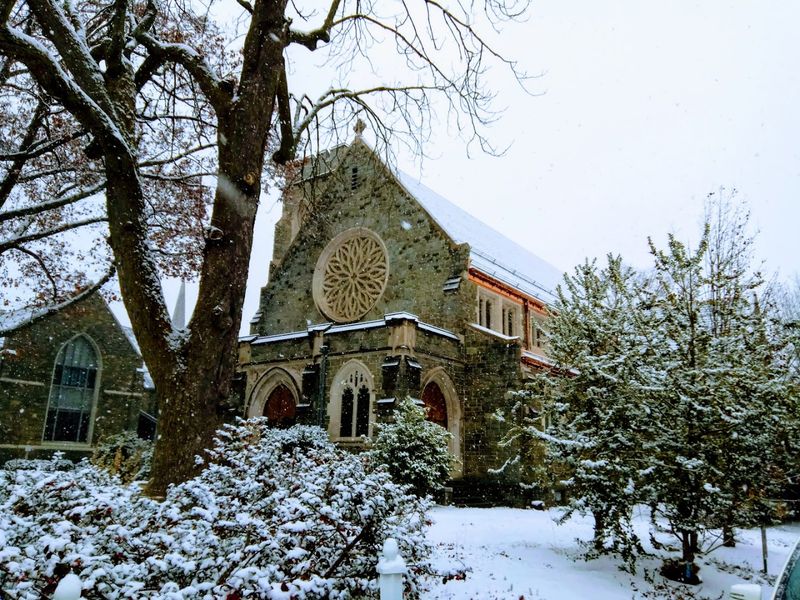
Cold is part of Morristown’s story. Not “forgot your gloves” cold, but the brutal winter of 1779–1780, when George Washington and the Continental Army encamped here and endured what the National Park Service describes as the coldest winter on record.
That hardship is why Morristown feels different from a pretty historic downtown with a plaque or two. The history has weight.
Morristown National Historical Park preserves the major sites tied to the encampment, including Washington’s Headquarters at the Ford Mansion, Jockey Hollow, Fort Nonsense, and museum collections connected to Revolutionary America.
The Ford Mansion itself served as Washington’s military headquarters, with Martha Washington, aides, servants, guards, visiting dignitaries, and the Ford family all sharing the house in a very crowded chapter of American history.
Make time for both the downtown Green and the park sites; they show two sides of Morristown, one civic and lively, the other wooded and reflective. Lunch downtown before or after Jockey Hollow is the smart play, especially if you are visiting with people whose museum stamina varies.
Morristown is not frozen in time. It is a modern town with restaurants, trains, offices, and nightlife, but the Revolutionary past keeps stepping into the conversation like an old local who knows exactly where everything happened.
7. Chester
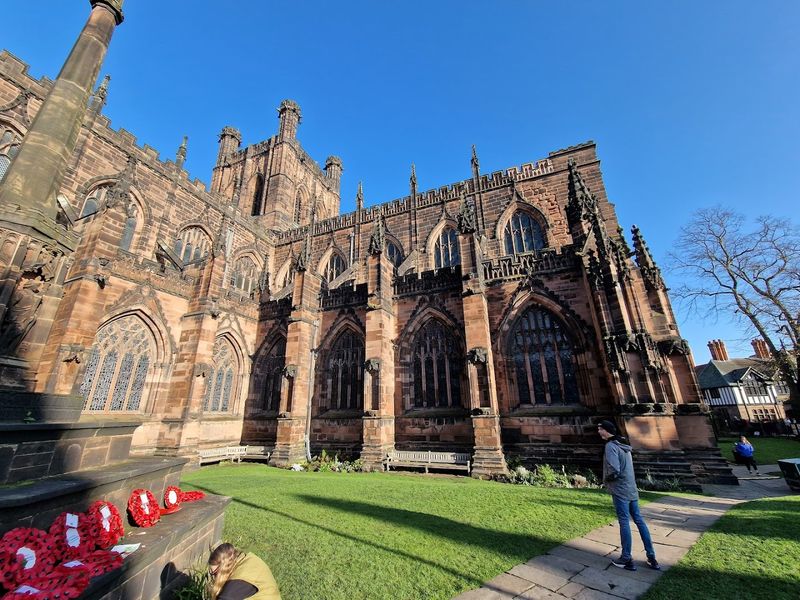
The sound of water doing useful work is the best introduction to Chester. At Cooper Gristmill, a partially restored, water-powered flour mill built in 1826 by Nathan Cooper, the town’s industrial past becomes something you can actually imagine, not just read about.
The mill is still treated as a working historic site, and its setting along the Black River gives the visit a pleasingly old-fashioned rhythm: water, stone, gears, trees, then back into town for something sweet or caffeinated. Chester’s downtown is the kind of place where you should not rush.
Browse the shops, peek at the older buildings, and allow time for a bakery stop or ice cream if the weather cooperates. This is also a good town for people who like their history mixed with countryside.
You can pair the mill with nearby parks, farms, or a scenic drive through Morris County, and the whole outing feels more relaxed than planned. Weekends bring more visitors, especially during seasonal events, so arrive earlier if you want easier parking and fewer elbows in the shops.
Chester earns its place because it still feels connected to the practical past: mills, roads, trades, and small-town commerce, all wrapped in a downtown that knows exactly how charming it is.
8. Cranbury
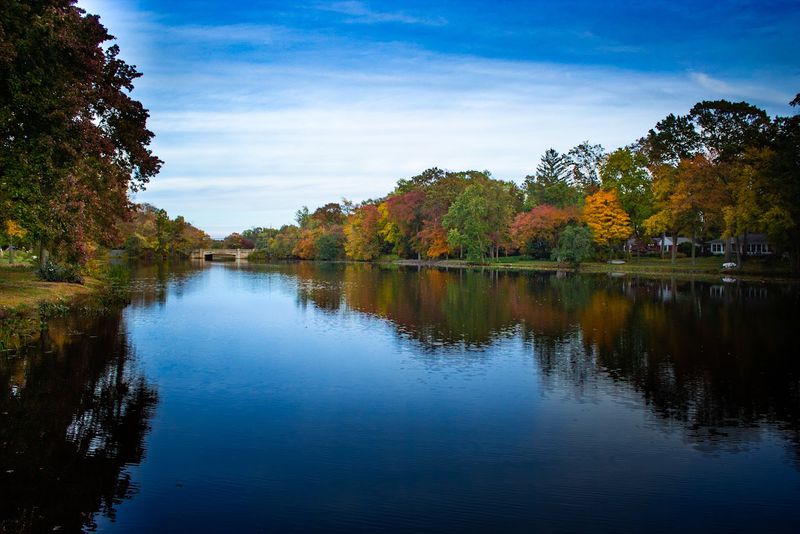
A straight shot down Cranbury’s Main Street can feel like somebody carefully preserved a 19th-century village and then remembered to keep it useful.
The township’s own history notes that much of the village was listed on the New Jersey Register of Historic Places in 1979 and the National Register in 1980, with the nomination recognizing Cranbury as an exceptionally well-preserved 19th-century village.
That preservation is the point, but it does not feel museum-sealed. Houses sit close to the street. Porches look used. The downtown is modest, not performative, which is exactly why it works.
Stop by the Cranbury Museum if it is open, wander the historic center, and give yourself permission to slow down to Cranbury speed. The local historical society describes the town as more than 300 years old and works to preserve that long memory through exhibits and community events.
This is not the town for a packed itinerary or a dramatic “must-see” monument. It is better for people who like architectural continuity, quiet sidewalks, and old homes that still feel lived in.
Cranbury also makes a smart detour if you are already near Princeton or central Jersey farm country. Bring comfortable shoes, a curious eye, and maybe a camera.
The reward here is subtle, which is just another way of saying it lasts longer.
9. Ocean Grove
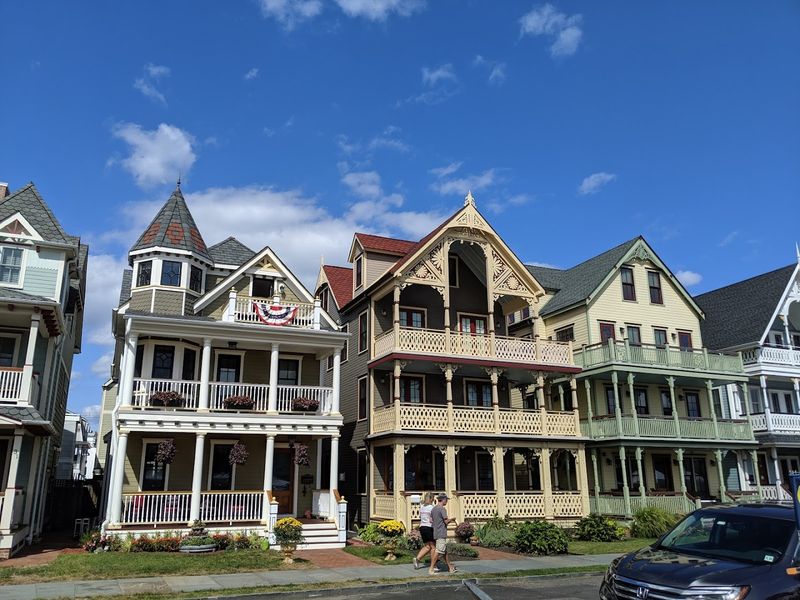
Canvas tents beside Victorian cottages should not make sense in a modern beach town, yet Ocean Grove pulls it off with total conviction. Founded in 1869 by the Ocean Grove Camp Meeting Association, the town still carries the layout and spirit of a Methodist seaside retreat, even as it functions today as a year-round shore community within Neptune Township.
The tent colony is the signature detail. Tenting has been part of Ocean Grove since 1870, and 114 tent structures still sit around the Great Auditorium, continuing a tradition that once involved hundreds more.
That Great Auditorium remains the visual and cultural anchor, a massive wooden landmark tied to worship, concerts, and summer programming. Visitors should walk the tent area respectfully, then wander toward the boardwalk, beach, and small downtown.
Ocean Grove’s vibe is quieter than Asbury Park next door, though the two are close enough to combine in one trip if you want contrast. Come for morning light if you like photography, or early evening when the cottages and porches look especially theatrical.
Ocean Grove is historic in a way that feels unusual for New Jersey: part shore town, part religious retreat, part architectural time capsule, with the ocean acting like a very persuasive supporting character.
10. Burlington
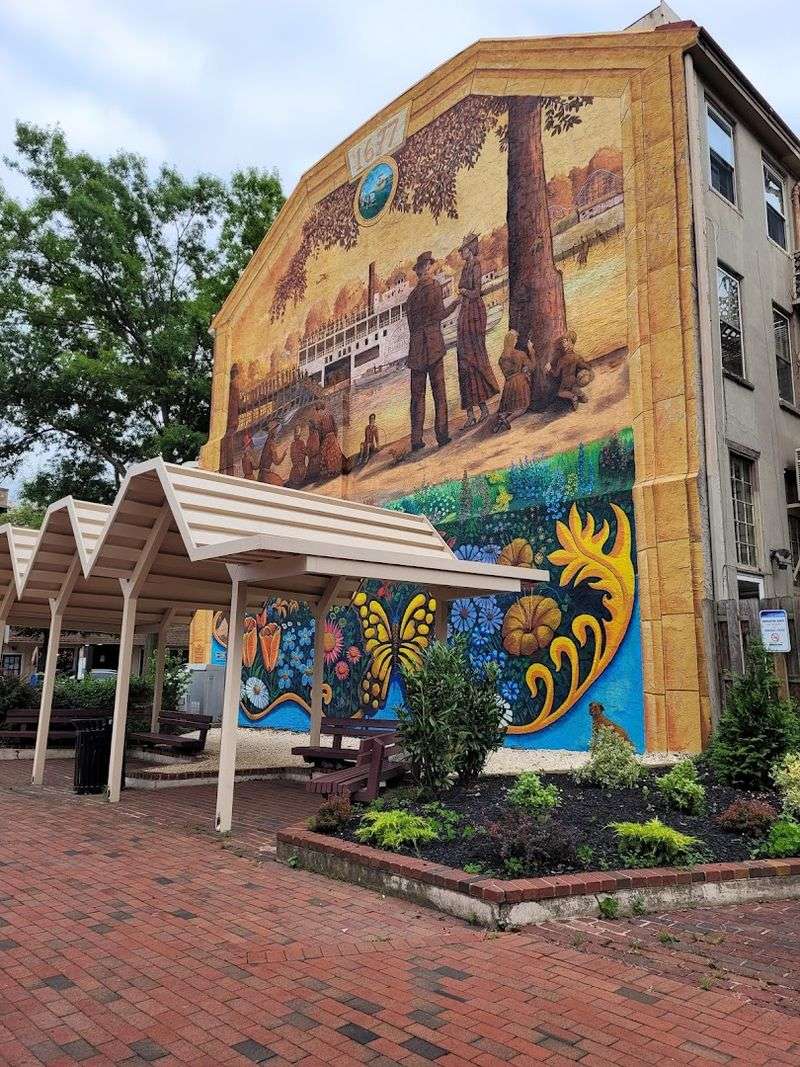
The Delaware River gives Burlington its old soul. This is one of New Jersey’s earliest English-settled cities, founded in 1677, and Burlington County notes that it once served as the capital of the province of West Jersey.
The city itself describes its origins through William Penn’s Quakers and the founding ideals of West Jersey, which gives Burlington a deeper civic story than many visitors expect from a casual riverfront stop.
The historic district rewards walkers, especially around High Street and the riverfront, where colonial-era associations, old churches, and long-standing civic institutions create a layered downtown.
VisitNJ describes Burlington as a colonial city dating to 1677, with ties to Ben Franklin’s printing trade and notable historic homes and buildings. The best way to experience it is not to overplan.
Walk High Street, look for historic markers, pause by the water, and leave time for a meal in town. Burlington is less polished than some of New Jersey’s boutique historic destinations, and that is part of its appeal.
It feels lived-in, complicated, and real. You can sense the colonial past, the river commerce, the civic pride, and the ordinary daily life all happening in the same frame.
That mixture makes the history feel less decorative and more durable.
11. Bordentown
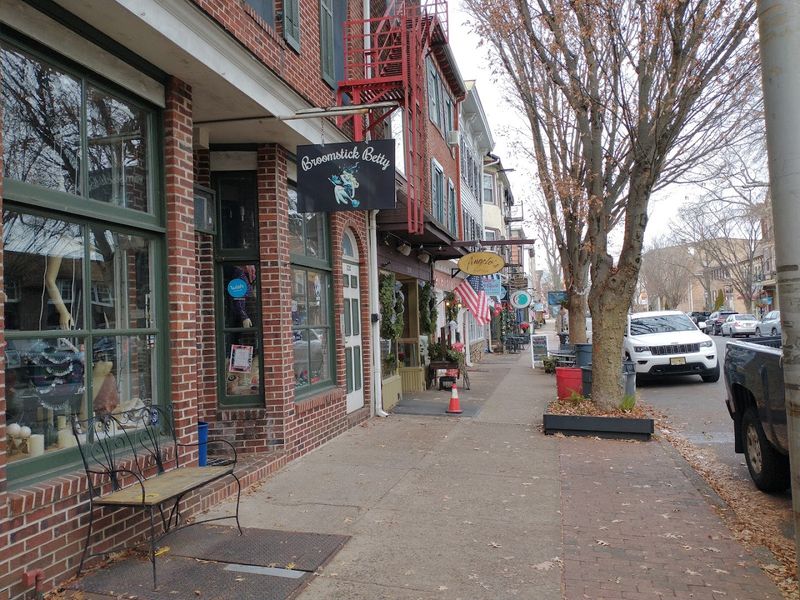
Bordentown has the kind of guest list that sounds made up after the second name. Thomas Paine lived here.
Francis Hopkinson, a signer of the Declaration of Independence, lived here. Joseph Bonaparte, Napoleon’s older brother and once king of Naples and Spain, built a grand estate nearby after exile rearranged his life.
That is a lot for one small city along the Delaware River, but Bordentown carries it with a wink rather than a lecture. Farnsworth Avenue is the main stroll, lined with restaurants, shops, and historic buildings that make it easy to spend a full afternoon without checking the time.
The Bordentown Historical Society is based in the 1740 Friends Meeting House, which features an exhibit connected to Joseph Bonaparte, and the building sits among historic homes within a National Register-listed district. Make that your anchor, then wander outward.
Look for the Thomas Paine monument, grab lunch, and give yourself permission to follow side streets when a porch or old brick facade catches your eye. Bordentown is especially good for visitors who like history with personalities attached.
It is not just “this building is old.” It is writers, revolutionaries, artists, European royalty, river traffic, and small-city New Jersey all tangled together in a way that feels surprisingly fun.
12. Allentown
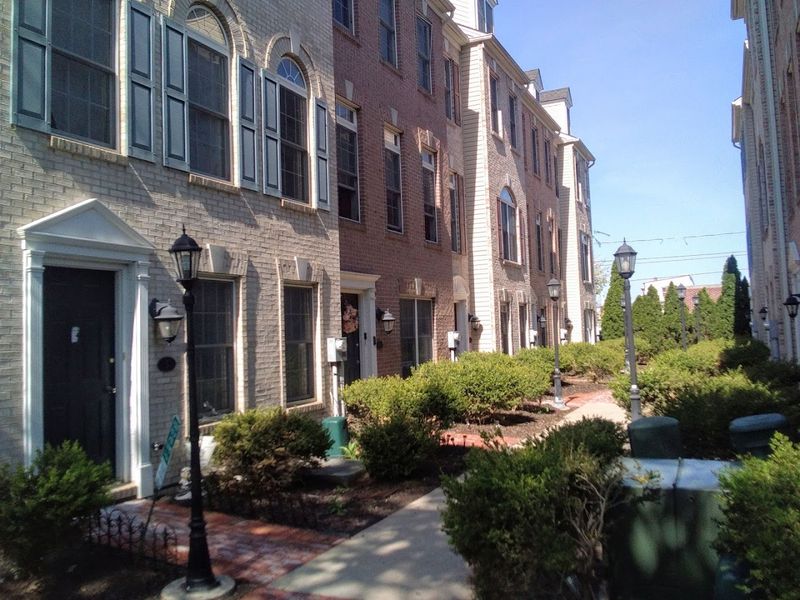
The old mill gives Allentown its center of gravity. The borough traces its founding to 1706, when Nathan Allen purchased land that became Allen’s Town, and the area’s earlier history includes Lenape presence along the waterway now known as Indian Run Creek.
That origin story matters because Allentown still feels shaped by water, roads, and small-scale trade. The Old Mill is the landmark everyone notices, and the mill tradition on the site reaches back to the town’s founding, with the current historic grist mill built in 1855 and later listed on the National Register of Historic Places.
A good visit here is delightfully uncomplicated. Walk Main Street, browse the shops, stop for a bite, and take in the mill area before looping past older homes and storefronts.
Allentown is not trying to overwhelm you with attractions, which is refreshing. It is the kind of place where the appeal comes from scale: narrow streets, preserved buildings, a creek, a mill, and enough local businesses to keep the stroll interesting.
It also makes an easy add-on to a central Jersey backroads drive, especially if you prefer historic towns that still feel like actual towns. Allentown’s past does not perform loudly.
It sits by the water, keeps the storefronts warm, and lets you discover it at walking pace.