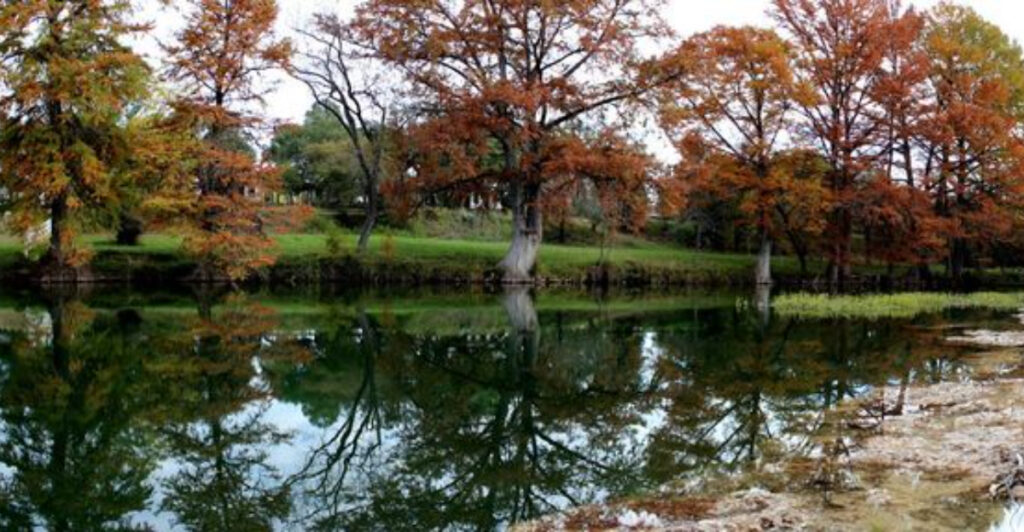
Texas has some of the prettiest riverside towns you’ll ever see, and retirees are discovering them in droves. These waterside communities offer calm waters, friendly neighbors, and stunning natural beauty that makes every day feel like a vacation. Whether you’re looking for a place to fish, explore local shops, or simply enjoy a slower pace of life, these towns deliver everything you need for a peaceful retirement along the water.
1. Wimberley
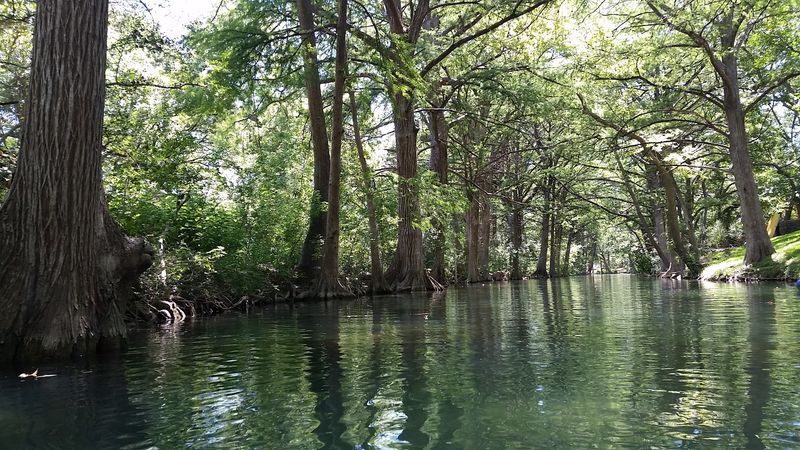
Wimberley sits in the Texas Hill Country where Cypress Creek and the Blanco River meet, creating a paradise for anyone who loves the sound of flowing water. The town square feels like stepping back in time, with local artisans selling handmade goods and cozy cafes serving breakfast tacos that’ll make you want to stay forever. Retirees here spend Saturday mornings at the famous Wimberley Market Days, one of the largest outdoor markets in the Southwest.
Blue Hole Regional Park is the crown jewel of this community, offering crystal-clear swimming holes surrounded by towering cypress trees. The water stays cool year-round, perfect for those hot Texas summers when you need relief. Walking trails wind along the creek, giving you front-row seats to turtles sunning themselves on logs and great blue herons fishing in the shallows.
The arts scene thrives here with galleries dotting the main streets and live music spilling out from venues most weekends. Many residents take up painting or pottery after moving here, inspired by the natural beauty surrounding them. The community theater puts on productions that pack the house, and everyone knows everyone, which means you’ll never eat alone if you don’t want to.
Housing options range from cozy cottages near the water to hillside homes with sweeping views of the valley below. Medical facilities are close by in nearby San Marcos and Austin, giving peace of mind without sacrificing small-town charm. The pace here is unhurried, the people are welcoming, and the scenery changes with every season, painting the hillsides in wildflowers each spring and brilliant golds each fall.
2. Gruene
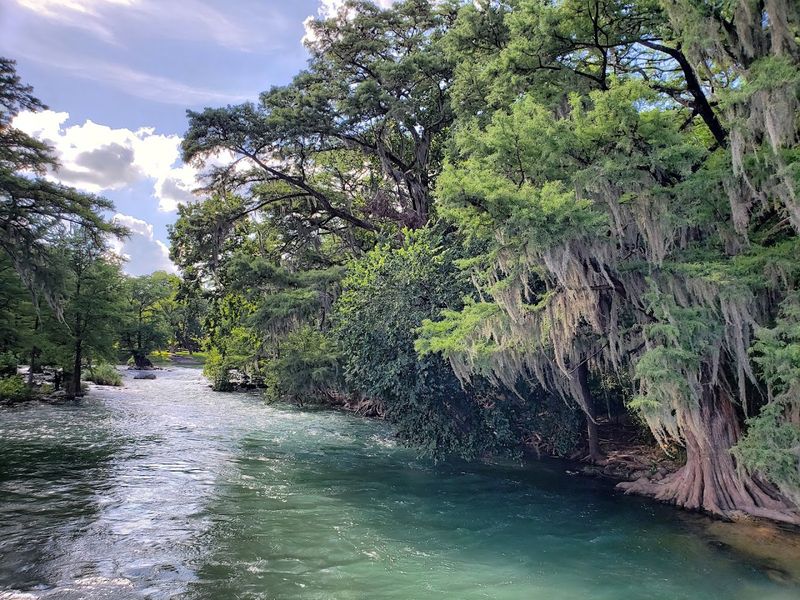
Founded by German settlers in the 1870s, Gruene has preserved its historic charm so well that walking through town feels like stepping onto an old movie set. The Guadalupe River flows right through town, providing endless opportunities for tubing, kayaking, or just sitting on the bank with a good book. This National Historic District packs more charm into a few blocks than most towns manage in miles.
Gruene Hall, Texas’s oldest continually operating dance hall, still hosts live music seven nights a week. The wooden floors creak under your boots, and the walls are covered with signatures and memories from over a century of visitors. Retirees love grabbing a cold drink and swaying to country, blues, or folk music under the tin roof, where legends like Willie Nelson and George Strait have performed.
The riverside setting means you can tube down the Guadalupe in the morning and browse antique shops in the afternoon. Local outfitters rent tubes and provide shuttle services, so you don’t have to worry about logistics. The water stays refreshingly cool even in August, fed by springs that keep the temperature perfect for floating.
Restaurants here serve everything from Texas barbecue to German sausages, with outdoor patios overlooking the river. The Gristmill Restaurant sits in the ruins of an old cotton gin, offering burgers and steaks with views that make every meal memorable. Shopping includes unique boutiques selling everything from handmade jewelry to Western wear, and the owners remember your name after just one visit, treating you like family from day one.
3. Marble Falls
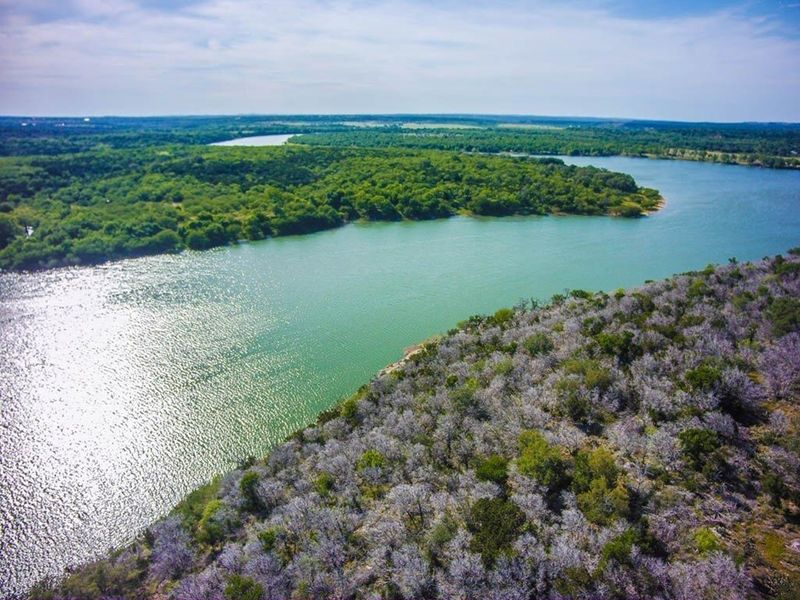
Marble Falls earned its name from the waterfalls that once cascaded over marble rock formations, though the falls now rest beneath Lake Marble Falls. The Highland Lakes region surrounds this town, creating a water wonderland with over 775 miles of shoreline to explore. Boaters, anglers, and water enthusiasts find their paradise here, with public boat ramps and fishing piers scattered throughout the area.
Downtown has undergone a beautiful transformation in recent years, with Main Street featuring locally owned shops, restaurants, and a lakeside park perfect for evening strolls. The farmers market on Saturdays brings out the community, offering fresh produce, baked goods, and handcrafted items. Live music often fills the air, and food trucks serve everything from tacos to Thai food, making it easy to grab dinner and enjoy the sunset over the water.
Golf courses dot the landscape, including the challenging Horseshoe Bay Resort courses that attract players from across the state. Retirees can join clubs, take lessons, or simply enjoy the views while playing a casual round. The mild winters mean you can play year-round, and many residents do exactly that, meeting friends for early morning tee times before the day heats up.
Lake LBJ and Lake Travis are just minutes away, expanding your water recreation options even further. The Highland Lakes region stays cooler than other parts of Texas thanks to the water and elevation, making summers more bearable. Medical care is excellent with a full-service hospital in town, and Austin is only 45 minutes away when you need big-city amenities or specialized care.
4. New Braunfels
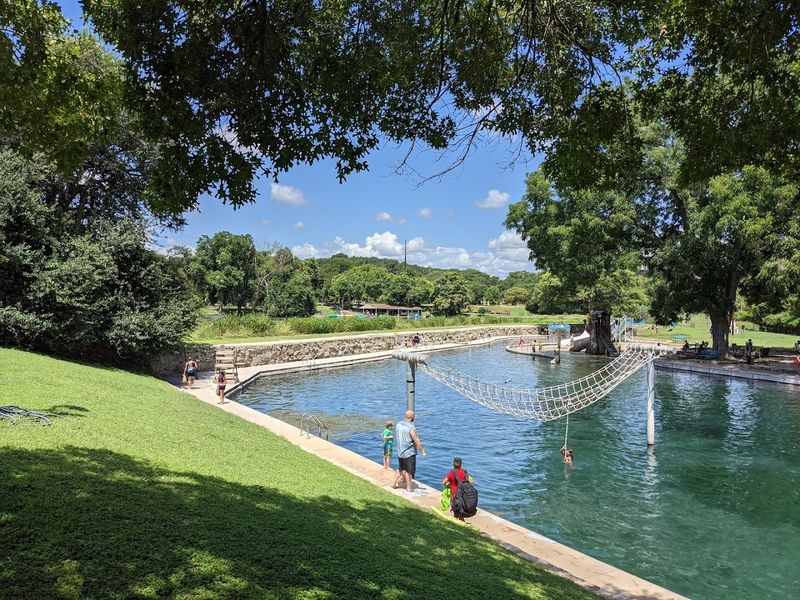
Set where the Guadalupe and Comal Rivers meet, New Braunfels offers a level of waterfront scenery and river charm few Texas towns can match. German heritage runs deep here, visible in the architecture, festivals, and food that make this place special. Wurstfest, a ten-day salute to sausage held each November, draws crowds from across Texas who come for polka music, German beer, and enough bratwurst to feed an army.
The Comal River holds the distinction of being the shortest river in the United States, but what it lacks in length it makes up for in crystal-clear beauty. Tubing the Comal is a local tradition, with the gentle current making it perfect for a relaxing float. Prince Solms Park provides easy river access, and you can spend an entire afternoon drifting under shade trees, spotting fish in the clear water below.
Historic downtown features the beautiful Sophienburg Museum, which tells the story of German immigration to Texas through fascinating exhibits and artifacts. Antique stores line the streets, offering treasures from furniture to vintage jewelry. The town maintains a strong sense of community, with events like Market Days bringing residents together to shop, eat, and catch up with neighbors.
Schlitterbahn Waterpark put New Braunfels on the map for many visitors, but residents know the real attractions are the natural springs and rivers. Landa Park offers swimming in spring-fed pools, miniature golf, and picnic areas perfect for family gatherings. Healthcare is top-notch with several hospitals and specialty clinics, and the cost of living remains reasonable despite the town’s growing popularity among retirees seeking riverside living.
5. Jefferson
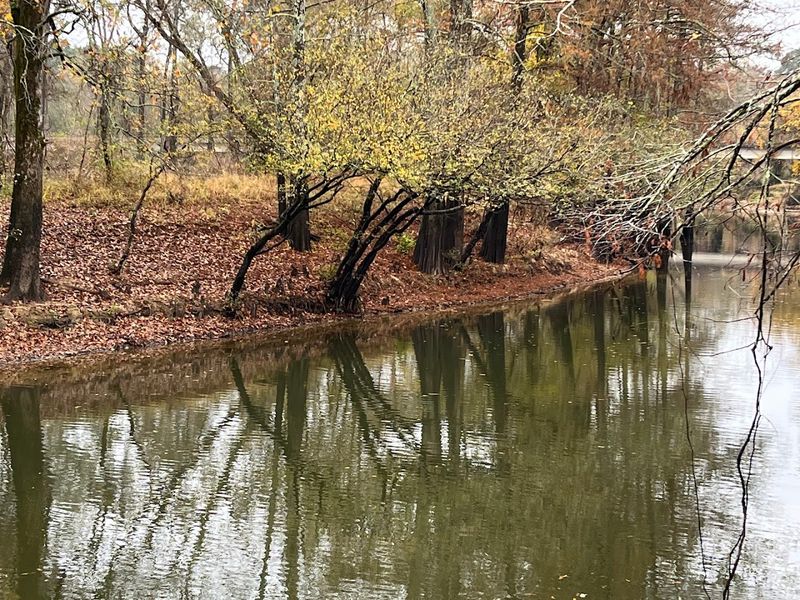
Jefferson feels like stepping into the Old South, with Big Cypress Bayou winding through town beneath canopies of Spanish moss. This East Texas gem was once the state’s second-largest port, when steamboats traveled up from New Orleans carrying goods and passengers. Today, those historic buildings have been preserved and converted into bed-and-breakfasts, museums, and shops that transport you back to the 1800s.
Caddo Lake sits just northeast of town, offering some of the most unique paddling experiences in Texas. Cypress trees rise from the water creating a mystical landscape that photographers and nature lovers can’t resist. Alligators sun themselves on logs, and bald eagles nest in the tall trees, making every boat trip an adventure into a world that feels untouched by time.
The town embraces its haunted reputation, with ghost tours leading visitors through historic homes and hotels where spirits supposedly still linger. Whether you believe in ghosts or not, the stories are entertaining and the Victorian architecture is genuinely impressive. The Jefferson Hotel, built in 1851, still operates and offers rooms where you can sleep surrounded by period furnishings and history.
Antiquing is practically the official sport here, with dozens of shops selling everything from Civil War artifacts to vintage furniture. The annual Pilgrimage Tour in May opens private historic homes to the public, giving you a peek inside beautifully restored mansions. Retirees appreciate the slow pace, the absence of chain stores, and the genuine friendliness of locals who still wave from their front porches and stop to chat on the sidewalk.
6. Bastrop
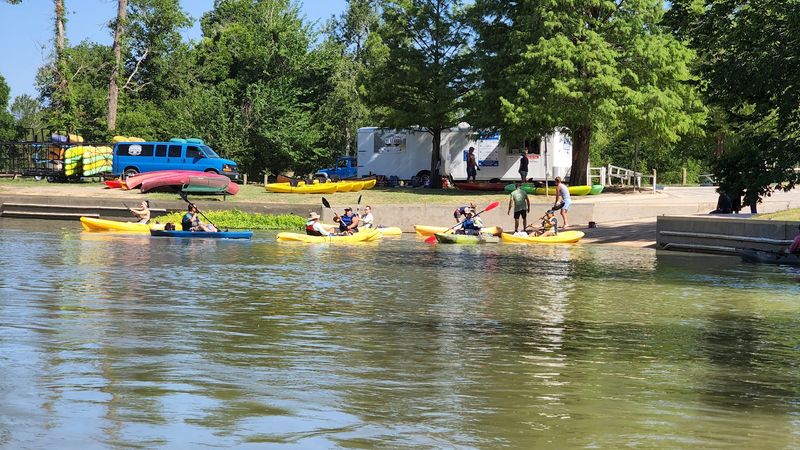
Unlike most of Central Texas, Bastrop is home to towering loblolly pines, a rare landscape that gave the region its famous nickname, “The Lost Pines.” The Colorado River curves through town, creating a green corridor that stays lush even during Texas droughts. This combination of pines and river makes Bastrop feel more like East Texas or even the Deep South than Central Texas.
Downtown Bastrop has been beautifully restored, with historic buildings now housing art galleries, boutiques, and restaurants that serve everything from Southern comfort food to contemporary cuisine. Main Street is perfect for evening walks, with tree-lined sidewalks and enough variety to keep you entertained for hours. The farmers market on Saturdays is a community gathering spot where you’ll quickly make friends while shopping for fresh eggs and homemade salsa.
Bastrop State Park offers over 6,600 acres of pine forest with hiking trails, fishing ponds, and campsites nestled under the trees. The park was built by the Civilian Conservation Corps in the 1930s, and their stone and log structures still stand as beautiful examples of Depression-era craftsmanship. Retirees love the easy trails that wind through the forest, perfect for morning walks when the air is cool and birds are singing.
Lake Bastrop provides excellent fishing for bass, catfish, and crappie, with a public boat ramp and fishing pier open year-round. The Colorado River itself offers kayaking and canoeing opportunities, with several outfitters in town ready to set you up with equipment and shuttle services. Housing costs remain affordable compared to Austin, which is only 30 miles away, making Bastrop attractive for retirees who want small-town life with big-city access.
7. Seguin
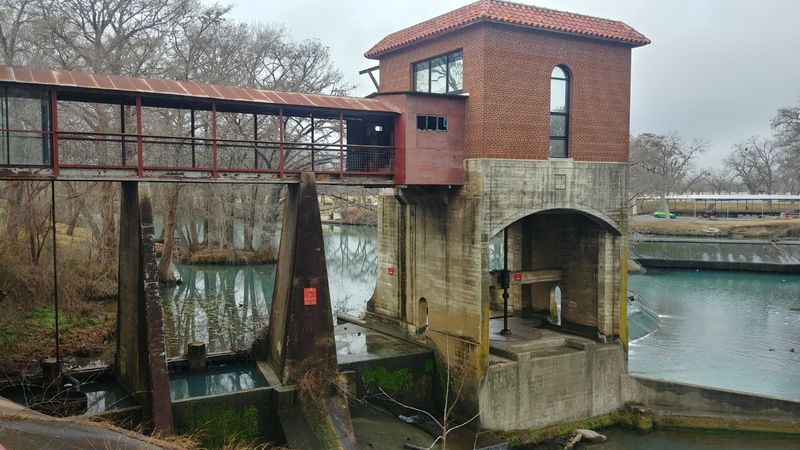
Seguin calls itself the “Pecan Capital of Texas,” and you’ll understand why when you see the massive pecan trees shading the streets and lining the Guadalupe River. The world’s largest pecan sits downtown as a quirky reminder of the town’s agricultural heritage. The Guadalupe River flows right through the heart of Seguin, providing a natural playground for retirees who love water activities without the crowds found in more touristy spots.
Max Starcke Park stretches along the river, offering miles of walking and biking trails under the shade of ancient trees. The park includes a municipal golf course, swimming pool, and countless picnic areas where families gather on weekends. River tubing here is more relaxed than in New Braunfels, with plenty of quiet stretches where you can float in peace and maybe spot a deer coming down to drink.
Historic downtown features beautiful architecture from the late 1800s, including the Texas Theatre, which still shows movies in an Art Deco building that’s been entertaining audiences since 1931. Antique stores, locally owned restaurants, and coffee shops create a walkable downtown where you can spend an entire afternoon exploring. The monthly Market Days bring vendors from across the region selling everything from handmade soaps to vintage tools.
Lake Placid and Lake McQueeney provide additional water recreation just outside town, with communities built around the lakes offering waterfront living at reasonable prices. Medical care is solid with a regional hospital and numerous specialty clinics, and San Antonio is less than 40 minutes away when you need more extensive services. The cost of living stays low, property taxes are manageable, and the community maintains a genuine small-town feel despite steady growth.
8. Llano
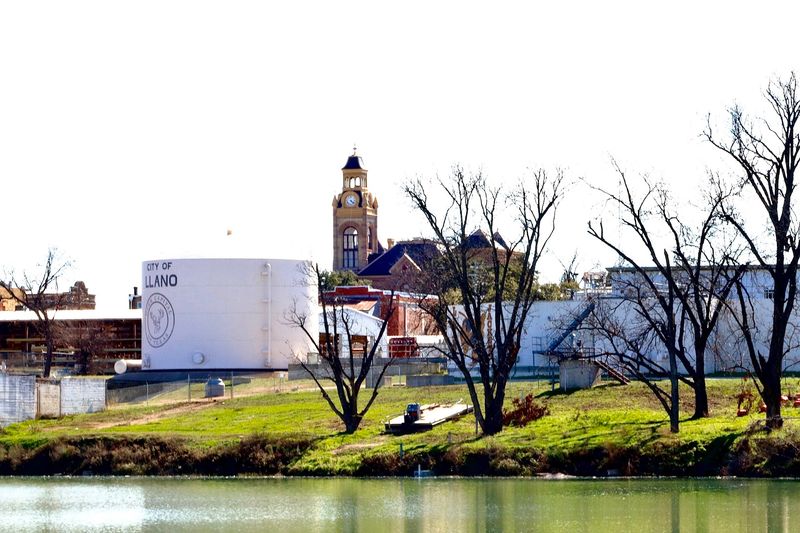
Flowing through the heart of the Texas Hill Country, the Llano River gives Llano its postcard-worthy scenery filled with clear water, rugged granite outcroppings, and peaceful river views. The river here is famous for its fishing, particularly for the elusive Llano River bass that draws anglers from across the state. Bald cypress trees line the banks, their roots creating hiding spots for fish and their branches providing shade for lazy afternoon picnics.
Downtown Llano maintains its historic character with buildings constructed from local pink granite, the same stone that was used to build the Texas State Capitol. The town square features unique shops selling Hill Country wines, handmade jewelry, and antiques that tell the story of this ranching community. Roy’s Cafe has been serving chicken-fried steak since 1946, and the portions are generous enough to feed you for two meals.
Llano River Golf Course offers an affordable round of golf with views of the surrounding hills and river valley. The course isn’t fancy, but it’s well-maintained and provides a fun challenge without the pretension of resort courses. Many retirees play here weekly, forming friendships over birdies and bogeys, then heading to lunch together afterward.
Nearby Enchanted Rock State Natural Area provides hiking opportunities on one of the largest granite domes in the United States. The climb to the top rewards you with 360-degree views of the Hill Country that stretch for miles. Spring brings wildflowers that blanket the hillsides in bluebonnets, Indian paintbrush, and dozens of other species, making every drive a scenic adventure.
The community is tight-knit, with locals looking out for each other and newcomers welcomed warmly into churches, clubs, and social groups.
9. San Saba
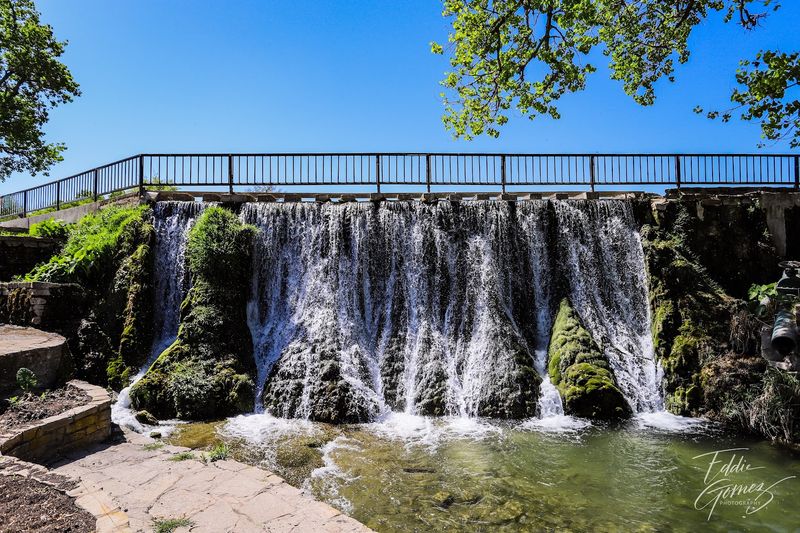
San Saba earned its title as the “Pecan Capital of the World” honestly, with over a million pecan trees growing in the surrounding county. The Colorado River winds through this agricultural community, creating fertile bottomland where pecans thrive and wildlife flourishes. Wedding Oak Winery sits just outside town, offering tastings of Texas wines made from grapes grown in the Hill Country, with a beautiful setting that overlooks the river valley.
Downtown San Saba retains its small-town charm with a historic courthouse square that serves as the community’s gathering place. The courthouse itself is a beautiful example of Romanesque Revival architecture, built in 1911 from local sandstone. Local shops sell pecans in every form imaginable, from raw to candied to pecan butter, and you’ll quickly develop a favorite.
The Colorado River here offers excellent fishing for bass, catfish, and perch, with several public access points where you can launch a boat or fish from the bank. The river moves slowly through this section, creating calm pools perfect for kayaking or simply wading in on hot summer days. Birdwatchers love the area, as the river corridor attracts hundreds of species throughout the year, including painted buntings with their brilliant colors.
San Saba Pecan Buyers is the world’s largest buyer and processor of native pecans, and during harvest season in fall, the entire town buzzes with activity. The Pecan Capital Trade Days in November celebrates the harvest with vendors, food, and entertainment that draws visitors from across Texas. Cost of living is remarkably low here, with housing prices that seem almost too good to be true compared to larger cities, making it possible to live comfortably on a modest retirement income.
10. Kerrville
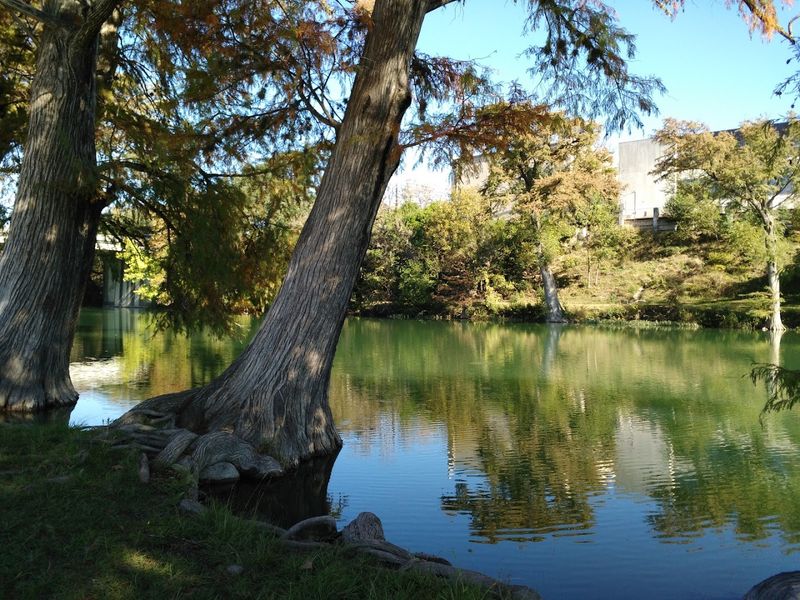
Stretching along the Guadalupe River in the Texas Hill Country, Kerrville combines scenic riverfront beauty with the comfort and convenience of a modern small town. The river here flows clear and cool, fed by springs that keep the water temperature pleasant even in the hottest months. Louise Hays Park provides direct river access with swimming areas, picnic spots, and trails that follow the water’s edge under massive cypress and oak trees.
The arts community thrives in Kerrville, with the Museum of Western Art showcasing works by artists who captured the spirit of the American West. Galleries downtown feature local artists, and the Kerrville Folk Festival, held each spring, is one of the longest-running music festivals in the country. Eighteen days of camping, songwriting, and performances draw folk music lovers from around the world, creating a temporary city of tents and music under the Texas stars.
Medical care in Kerrville is exceptional for a town this size, with Peterson Regional Medical Center providing comprehensive services and numerous specialty clinics serving the surrounding area. Many retirees choose Kerrville specifically for the healthcare access combined with small-town living. The VA hospital here serves veterans from across South Texas, offering another layer of medical support.
Outdoor recreation options are endless, from the Guadalupe River Trail System that offers miles of paved paths perfect for biking or walking, to nearby state parks like Kerrville-Schreiner Park with camping, fishing, and swimming. Hill Country State Natural Area provides more rugged hiking and mountain biking trails for those seeking adventure. The climate is mild compared to other parts of Texas, with elevation keeping summer temperatures slightly cooler and winters remaining comfortable, allowing you to enjoy outdoor activities year-round without extreme weather limiting your plans.
11. Smithville
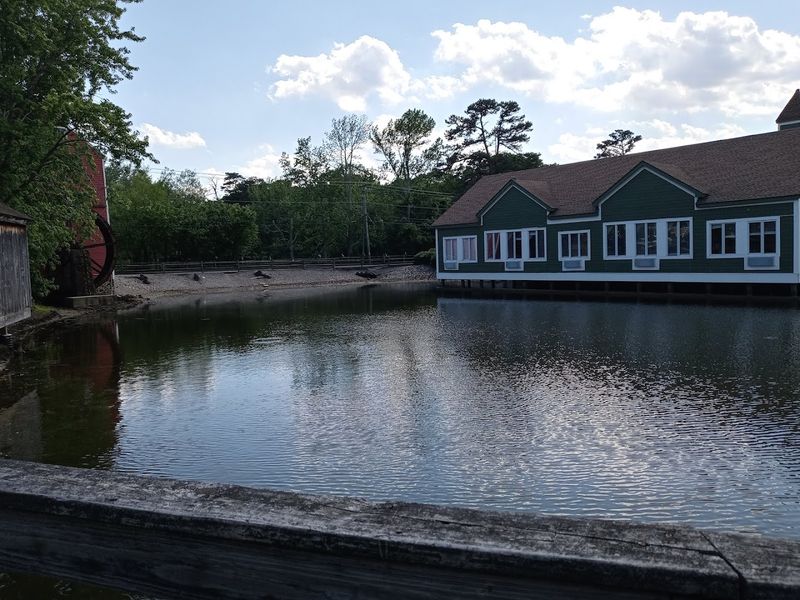
Smithville sits along the Colorado River in a region where Central Texas meets the Lost Pines, creating a unique landscape of river bottomland and pine forest. The town gained fame when the movie “Hope Floats” filmed here in the 1990s, and visitors still come to see the locations where Sandra Bullock walked those streets. But locals know the real star is the river that provides endless recreation and natural beauty.
Riverbend Park offers camping, fishing, and swimming in a setting that feels remote despite being right in town. The Colorado River here is wide and calm, perfect for kayaking or paddleboarding without worrying about rapids or strong currents. Bald eagles winter along this stretch of river, and seeing one soar overhead never gets old no matter how many times it happens.
Downtown Smithville features a charming Main Street with antique stores, locally owned restaurants, and the famous Smithville Jamboree, which has been presenting live country music shows since 1990. The Jamboree brings in regional and national acts, giving this small town entertainment options you’d expect in much larger places. The historic railroad depot has been converted into a museum that tells the story of Smithville’s railroad heritage and the town’s role in connecting Central Texas.
Buescher State Park sits just outside town, offering over 1,000 acres of pine forest with hiking trails, fishing lakes, and campsites nestled under towering trees. The park connects to Bastrop State Park via a scenic nine-mile road that winds through the Lost Pines forest. Housing remains affordable, the pace of life is relaxed, and the community welcomes newcomers with genuine warmth, making it easy to settle in and feel at home along this beautiful stretch of the Colorado River.