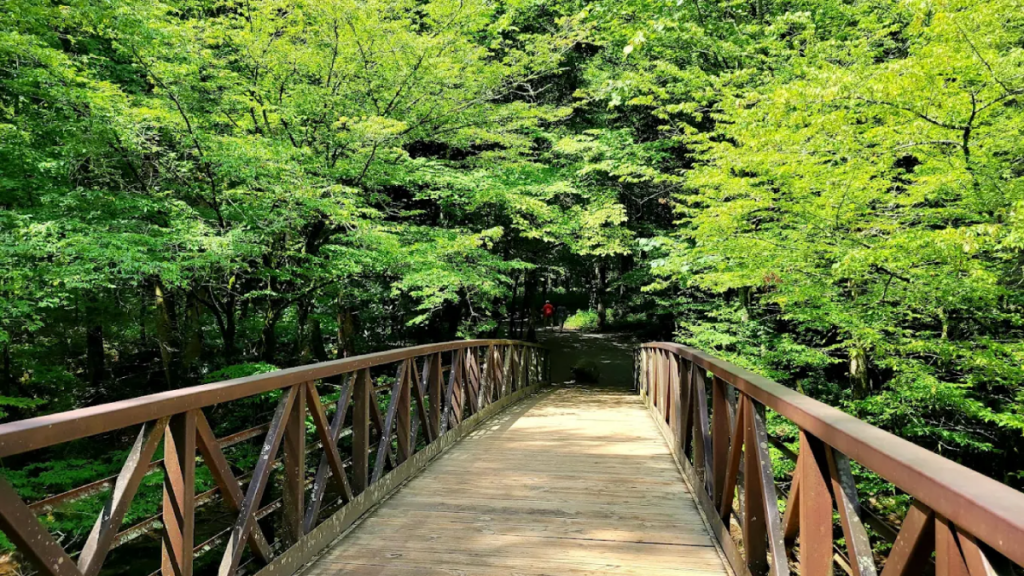
Tennessee hides some of the most beautiful tree-covered walking paths you’ll ever see. Picture sunlight filtering through green canopies, trails winding alongside quiet creeks, and forests so thick they could be backdrops for fantasy films.
Whether you’re near the Smokies, exploring Nashville’s greenways, or discovering hidden gems in smaller towns, these trails offer that magical, movie-scene atmosphere that makes every step feel special.
1. Gatlinburg Trail — Great Smoky Mountains National Park
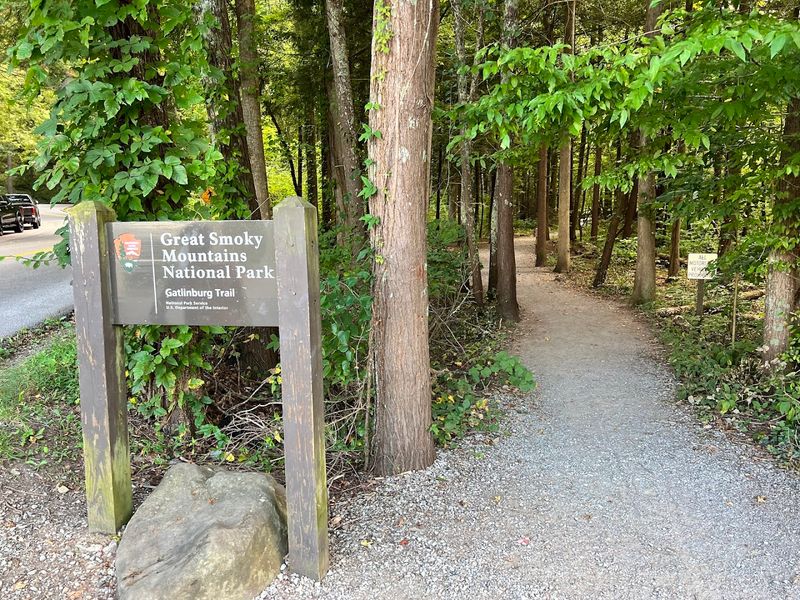
Walking between Sugarlands Visitor Center and downtown Gatlinburg feels like stepping onto a film set designed to showcase Appalachian beauty. This four-mile round-trip path follows the West Prong of the Little Pigeon River through a cove hardwood forest that delivers exactly the kind of lush, green tunnel effect that makes the Smokies famous.
You’ll pass massive hemlocks, hear water rushing over rocks, and probably forget you’re just minutes from tourist-packed streets.
What sets this trail apart is its accessibility and ease. It’s one of only two trails in the national park where dogs and bikes are allowed, making it perfect for families who want everyone included. The terrain stays relatively flat, so you won’t be gasping for air—just breathing in that cool mountain freshness.
Spring brings wildflowers carpeting the forest floor, while fall turns the canopy into a riot of orange and gold. Even summer offers relief thanks to the thick shade and riverside breezes. The trail crosses a few historic bridges and passes old homesites, adding layers of human history to the natural beauty.
Because it’s so close to Gatlinburg, you can easily make this a morning adventure before grabbing lunch in town. Early mornings are quietest, when mist still clings to the water and wildlife moves through the underbrush. Pack water, wear comfortable shoes, and prepare for a walk that feels far more remote than it actually is.
2. Radnor Lake Trail — Nashville
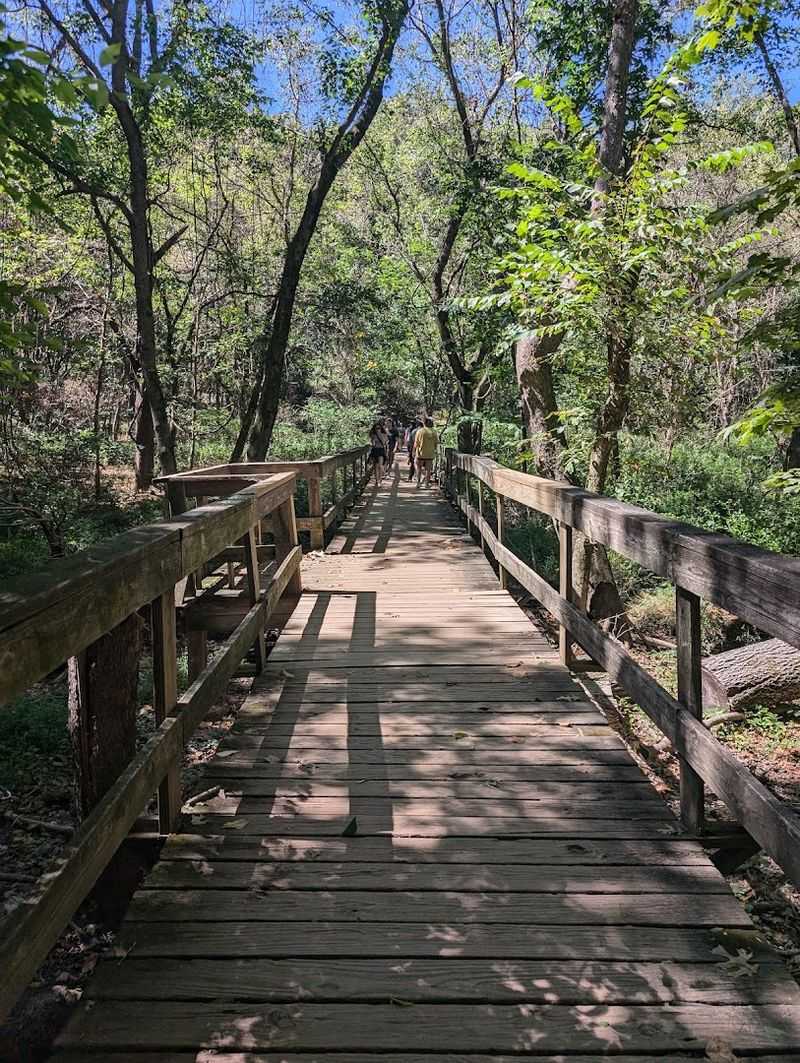
Just south of Nashville’s urban buzz sits a nature preserve that feels like it belongs in a different century. Radnor Lake offers more than six miles of trails winding through forests so thick you’ll temporarily forget about honking horns and traffic lights. The lake itself acts as the centerpiece, its glassy surface reflecting trees and sky in a way that photographers dream about.
The main loop around the lake is paved and accessible, making it welcoming for strollers and wheelchairs, but don’t mistake easy for boring. Wooded hillsides rise on all sides, creating an enclosed, protected feeling that amplifies every bird call and rustling leaf. Side trails branch off into deeper forest if you want more solitude and a bit of elevation.
Wildlife watching here rivals anywhere in Middle Tennessee. Herons stalk the shallows, turtles sun themselves on logs, and deer appear so frequently they barely bother looking up when you pass. Beavers have been known to make appearances near dawn and dusk, engineering their way around the lake’s edges.
Because this is a state natural area, it’s protected from development and kept deliberately wild. No bikes, no dogs, no fishing—just walkers and nature coexisting peacefully. The trade-off is worth it: you get a genuinely tranquil experience minutes from downtown.
Visit on a weekday morning if you want the trails mostly to yourself, or join the weekend crowd who’ve discovered this green sanctuary. Either way, the tree-lined paths deliver that rare urban escape that actually feels like an escape.
3. Warner Woods Trail — Nashville
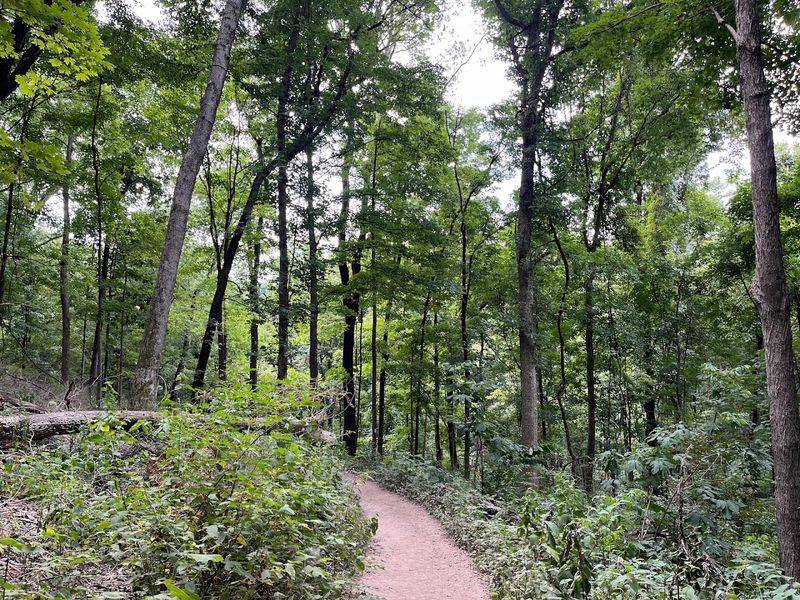
Percy Warner Park’s interior hides trails that transport you straight into Middle Tennessee forest primeval. Warner Woods Trail cuts through the heavily wooded heart of the park, where mature hardwoods create a canopy so dense that even noon feels like early evening. This isn’t a quick nature walk—it’s a legitimate forest hike that happens to be within Nashville city limits.
The trail system here connects with others throughout the Warner Parks, giving you options to extend your walk or keep it shorter depending on your energy level. What stays constant is the feeling of being surrounded by trees: oaks, hickories, maples, and beeches that have been growing here for decades. Their roots twist across the path, their branches arch overhead, and their leaves carpet everything come autumn.
Because the terrain rolls with Tennessee’s natural topography, expect some ups and downs. Nothing too brutal, but enough to remind your legs they’re working. The reward comes in the form of quiet clearings, seasonal wildflowers, and that particular quality of light that filters through layered leaves.
Warner Parks attracts serious trail runners and casual walkers alike, so you’ll share the path with locals who treat this place like their backyard gym. That community vibe adds to the appeal—everyone’s here for the same reason, seeking trees and fresh air. Pack layers since the temperature drops noticeably once you’re under the canopy, and consider visiting after a rain when the forest smells richest.
This trail proves Nashville’s green spaces go way beyond city parks and manicured lawns.
4. Shelby Bottoms Greenway — Nashville
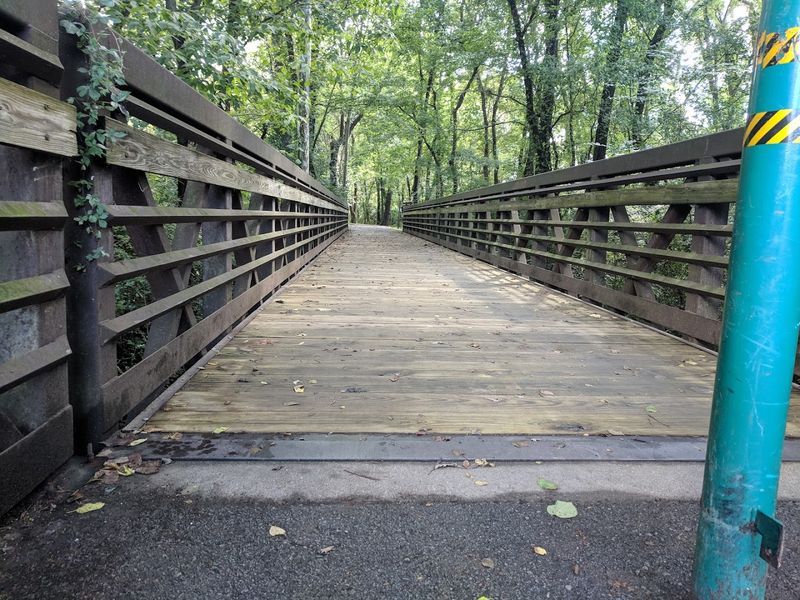
Stretching along the Cumberland River’s floodplain, Shelby Bottoms delivers tree-lined walking without the rugged terrain of mountain trails. This greenway system offers paved paths perfect for strollers, bikes, and anyone who wants that enclosed-by-nature feeling without scrambling over roots and rocks. The trees here lean in from both sides, creating natural tunnels that make you forget you’re in a major city.
The main paved loop runs about five miles, but numerous side trails branch into the bottomland forest where things get wilder and more interesting. These natural-surface paths lead to wildlife observation areas, creek crossings, and spots where you might see everything from great blue herons to white-tailed deer. Birders love this place year-round, as the diverse habitat attracts migrants and residents alike.
What makes Shelby Bottoms especially cinematic is the way the landscape changes with the seasons and the light. Morning mist rises from the wetlands in summer, creating an ethereal atmosphere that photographers chase. Fall brings color explosions, and even winter reveals the forest’s bone structure in beautiful ways.
The greenway connects to East Nashville neighborhoods, making it a popular spot for locals running errands by bike or walking dogs before work. That everyday usage adds life to the trails without overwhelming them. Visit during golden hour for the best light and fewer crowds, or go midday when the canopy provides welcome shade.
Either way, you’ll find that this accessible greenway delivers movie-worthy scenery without requiring special hiking gear or mountain-climbing stamina.
5. Maryville-Alcoa Greenway
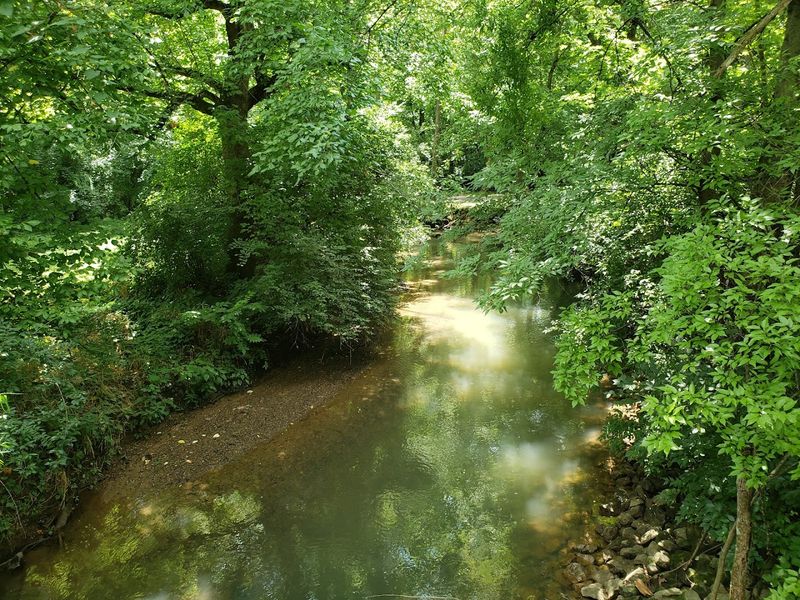
Connecting two East Tennessee towns, this nine-mile greenway follows Pistol Creek through landscapes that shift from urban edges to surprisingly wild stretches. The paved path makes it accessible for everyone, but what keeps people coming back is the way trees frame the entire journey.
Sections where the canopy closes overhead feel like walking through a living green cathedral, especially when spring growth is at its peak.
The creek itself adds constant visual and auditory interest. Water tumbles over rocks, pools in quiet eddies, and supports a ribbon of riparian forest that stays lush even when the surrounding areas brown in summer. Bridges cross at strategic points, giving you different perspectives on the waterway and the wooded banks that hug it.
Because the greenway links parks, schools, and neighborhoods, you’ll encounter families on bikes, retirees power-walking, and students cutting through on their way home. That community feel makes it welcoming rather than intimidating for first-time visitors. The path is well-maintained but not overly manicured, preserving enough natural character to feel like a real nature walk rather than a sidewalk through trees.
Spring brings wildflowers and birdsong that rival anywhere in Tennessee, while fall delivers color that stops people mid-stride. Even overcast days have their charm when the soft light brings out every shade of green. The greenway’s length means you can tailor your walk to your schedule—a quick two-mile out-and-back or a longer expedition exploring the full route.
Either way, you’ll find that this small-city greenway punches above its weight in delivering that tree-lined, movie-scene atmosphere that makes Tennessee trails special.
6. Cleveland Greenway Trail
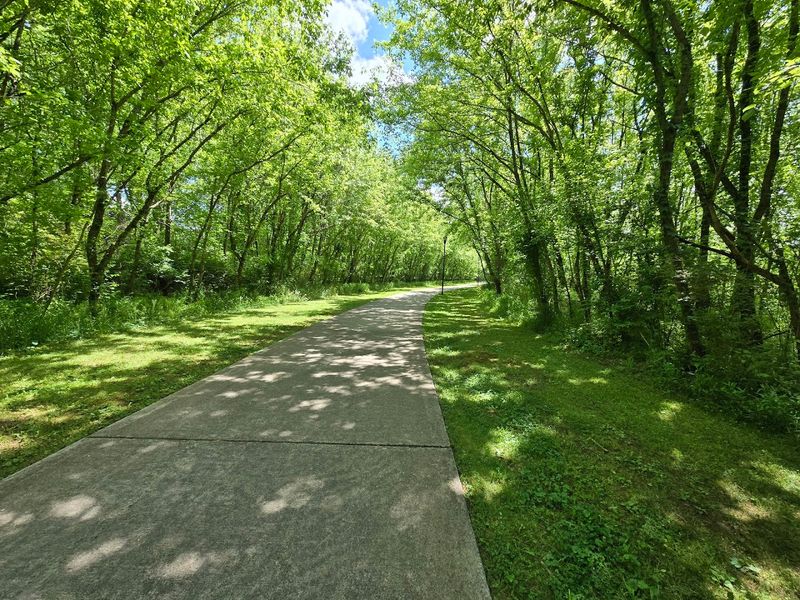
Cleveland’s greenway system proves that small cities can deliver big nature experiences. This multi-use trail winds through wooded areas and along peaceful creeks, offering that leafy, relaxed atmosphere that makes you slow down and actually notice your surroundings. The terrain stays blessedly flat, making it perfect for leisurely walks where conversation flows as easily as the nearby water.
What distinguishes this greenway is its commitment to preserving natural character while remaining accessible. You’ll find paved sections wide enough for side-by-side walking, but the trees crowd close enough that you feel embraced rather than exposed. Creek crossings add variety, and the sound of running water provides a natural soundtrack that drowns out any distant traffic noise.
The greenway connects parks and neighborhoods, creating a green corridor through town that locals use daily. That regular foot traffic keeps the trail welcoming and well-loved without feeling overcrowded. You’ll see joggers doing their morning miles, parents pushing strollers, and older couples taking their daily constitutional—all drawn by the same promise of easy, tree-shaded walking.
Seasonal changes here are subtle but worth noticing. Spring brings flowering trees and fresh green leaves, summer offers deep shade when you need it most, and autumn paints the canopy in warm tones. Even winter has appeal when the bare branches reveal the landscape’s underlying structure.
The greenway’s length allows for walks of varying distances, so you can commit to a serious workout or just stretch your legs for twenty minutes. Either way, you’ll discover that Cleveland’s greenway delivers that small-town charm wrapped in genuine natural beauty that feels straight out of a heartwarming film about rediscovering simple pleasures.
7. Highland Rim Section of the Natchez Trace National Scenic Trail — Franklin
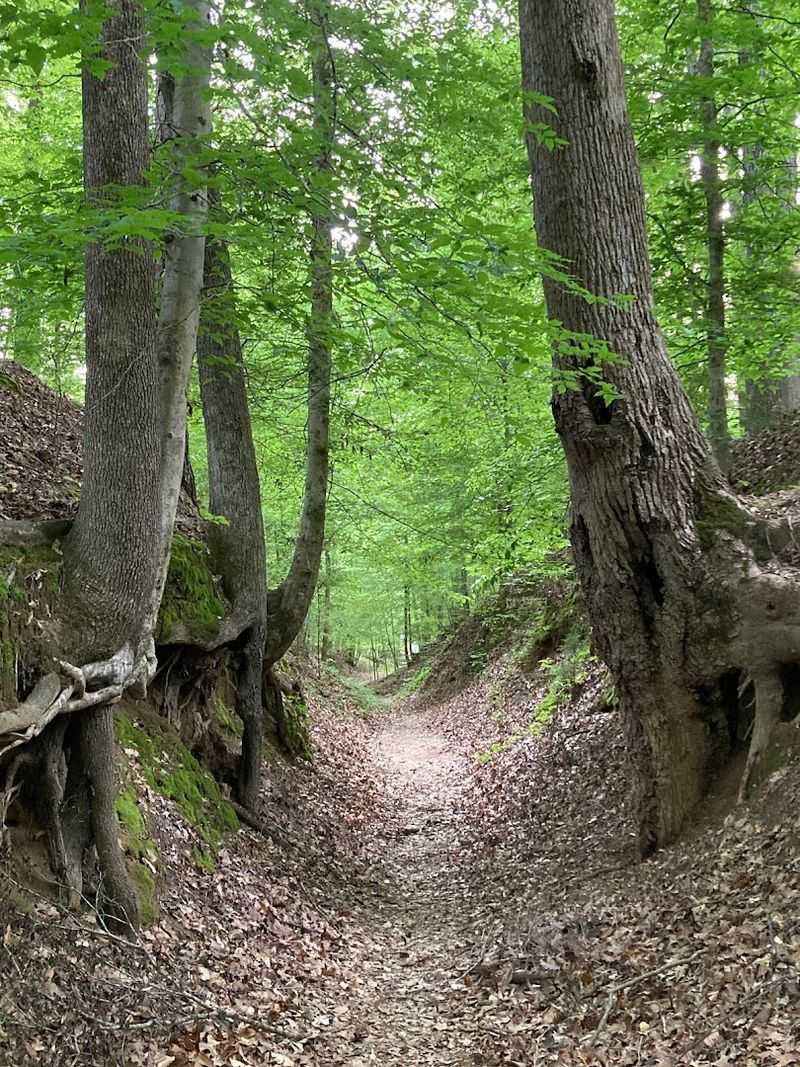
South of Nashville, the Natchez Trace offers more than scenic driving—it provides genuine hiking through forests that feel ancient and untouched. The Highland Rim section gives you miles of trail through terrain that hasn’t changed much since the days when this route served as a major travel corridor. Walking here connects you to both natural and human history in ways that paved paths simply can’t match.
The trail follows and parallels the historic Trace, winding through hardwood forests where the canopy creates that cathedral effect nature lovers chase. Unlike the manicured parkway above, down here on the trail, you’re in legitimate backcountry where tree roots cross the path and seasonal streams require careful stepping. It’s real hiking, but accessible enough for anyone with moderate fitness and decent shoes.
What makes this section cinematically appealing is the way light filters through multiple layers of vegetation, creating depth and atmosphere that changes throughout the day. Morning mist clings to low spots, afternoon sun highlights individual leaves and branches, and evening brings that golden glow that makes everything look painted. The forest itself is diverse—oaks, hickories, cedars, and understory plants that shift with the seasons.
Because this is part of a national scenic trail, development is prohibited and the natural character is protected. You won’t find picnic tables or interpretive signs cluttering the experience, just trail and trees and the occasional glimpse of what travelers saw centuries ago. The section near Franklin is particularly accessible, making it easy to combine a morning hike with exploring the historic town afterward.
8. Bays Mountain Park Trails — Kingsport
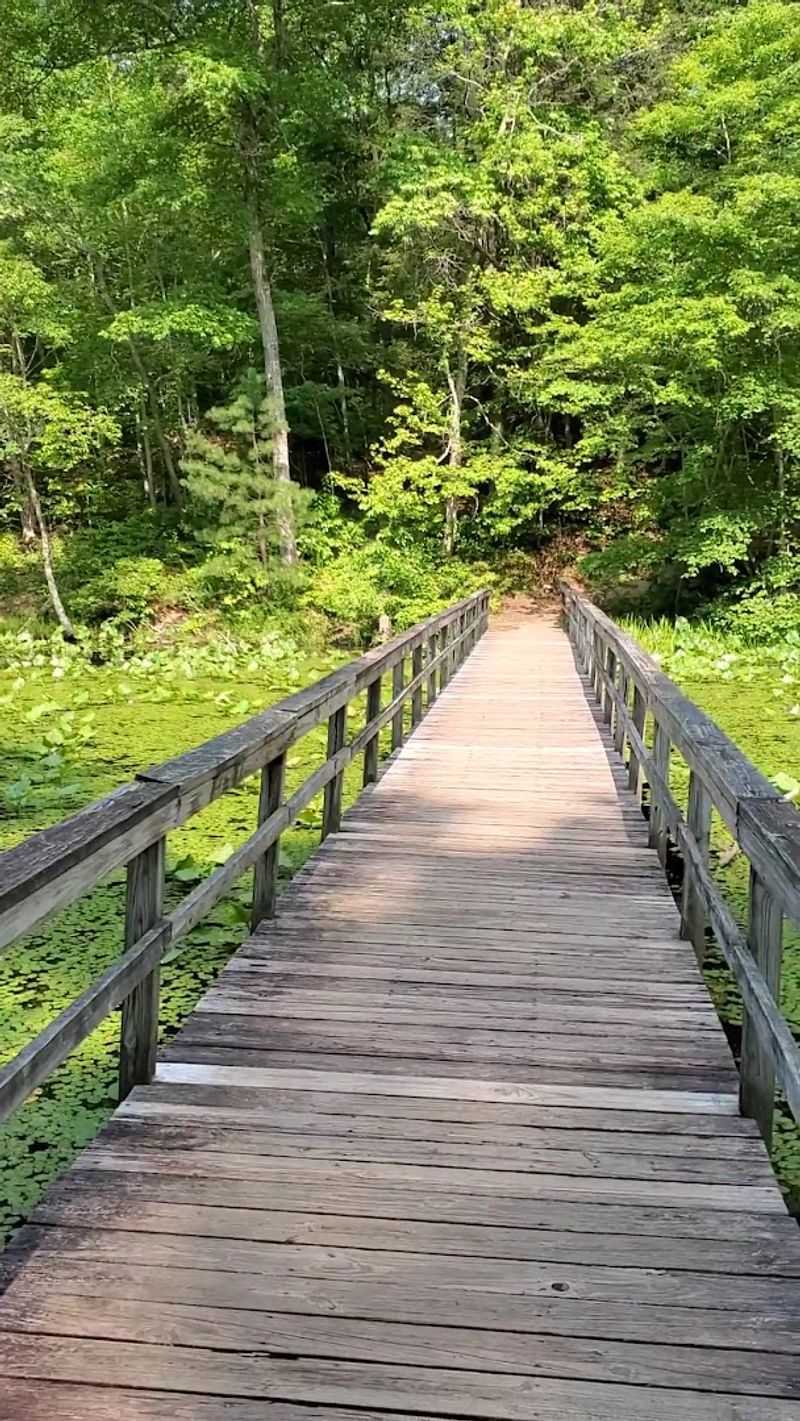
Kingsport’s 3,550-acre nature preserve delivers the kind of extensive trail system that serious hikers dream about. Twenty-five miles of paths wind through forests so vast you could spend weeks exploring and still find new corners. The trails range from gentle lakeside strolls to challenging ridge hikes, but what they all share is that immersive, tree-surrounded feeling that transports you far from everyday life.
The park itself functions as a genuine nature preserve, not just a recreational area with some trees. That commitment to conservation means the forests here are healthy, diverse, and teeming with wildlife. Deer, wild turkeys, and smaller creatures make regular appearances, while overhead, raptors circle looking for opportunities.
The lake adds another dimension, reflecting the surrounding forest and creating postcard-worthy scenes at every turn.
Trail options here accommodate everyone from families with young children to experienced backpackers seeking a workout. Shorter loops near the nature center introduce visitors to the park’s character, while longer trails climb into the mountain’s interior, where solitude is guaranteed. The varied terrain means you’ll encounter different forest types—from creek-bottom groves to dry ridgetop woodlands—each with its own character and appeal.
What elevates Bays Mountain beyond typical city parks is its scale and wildness. This isn’t a place you conquer in a single visit; it’s somewhere you return to repeatedly, discovering new trails and seasonal changes that keep the experience fresh. Spring wildflowers carpet the forest floor, summer brings lush green density, fall explodes with color, and winter reveals the landscape’s bones.
Pack a trail map, wear appropriate footwear, and allocate more time than you think you’ll need—these trails have a way of drawing you deeper and keeping you longer than planned.
9. Meeman-Shelby Forest State Park Trails — Millington
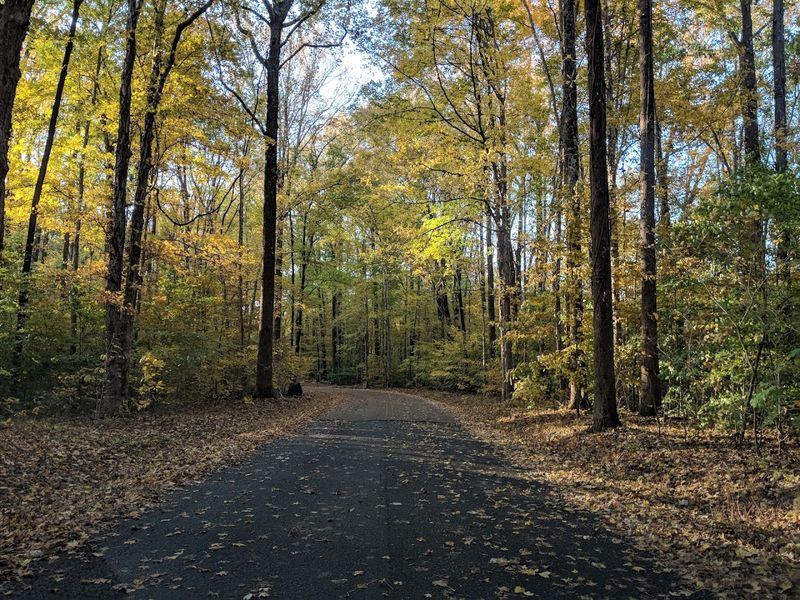
West Tennessee’s forested trails are rarer than in the state’s mountainous regions, which makes Meeman-Shelby Forest State Park a genuine treasure. More than twenty miles of hiking trails wind through bottomland hardwoods and upland forests near the Mississippi River, delivering that tree-enclosed experience that feels worlds away from nearby Memphis. Some trails stay easy and accessible, while others climb bluffs offering river views framed by forest.
The park protects a significant chunk of the bottomland forest ecosystem, increasingly rare in the Mississippi Delta region. Walking these trails means experiencing forests similar to those that covered much of the area before agriculture transformed the landscape. Massive oaks, sweet gums, and cypress trees create shade so dense that summer heat barely penetrates, while the understory hosts plants and wildlife you won’t find in more developed areas.
The variety of trails here is impressive. Short nature trails near the visitor center introduce families to the forest’s character, while longer backcountry trails challenge hikers with distance and terrain. The Chickasaw Bluff Trail offers particularly dramatic scenery where the forest meets the river’s edge, creating vistas that feel genuinely wild.
Even the easier trails deliver that cinematic quality when light angles through the trees just right.
Because the park sits somewhat off the beaten path, it rarely feels crowded even on nice weekends. That means you can actually hear the forest—birds calling, leaves rustling, and your own footsteps on the trail. The seasonal changes are dramatic, from spring’s explosion of green and wildflowers to fall’s color show and winter’s stark beauty.
For West Tennessee residents seeking that movie-worthy forest walk, this park delivers experiences that rival anywhere in the state, proving you don’t need mountains to find magical tree-lined trails.
10. Reflection Riding Arboretum & Nature Center Trails — Chattanooga
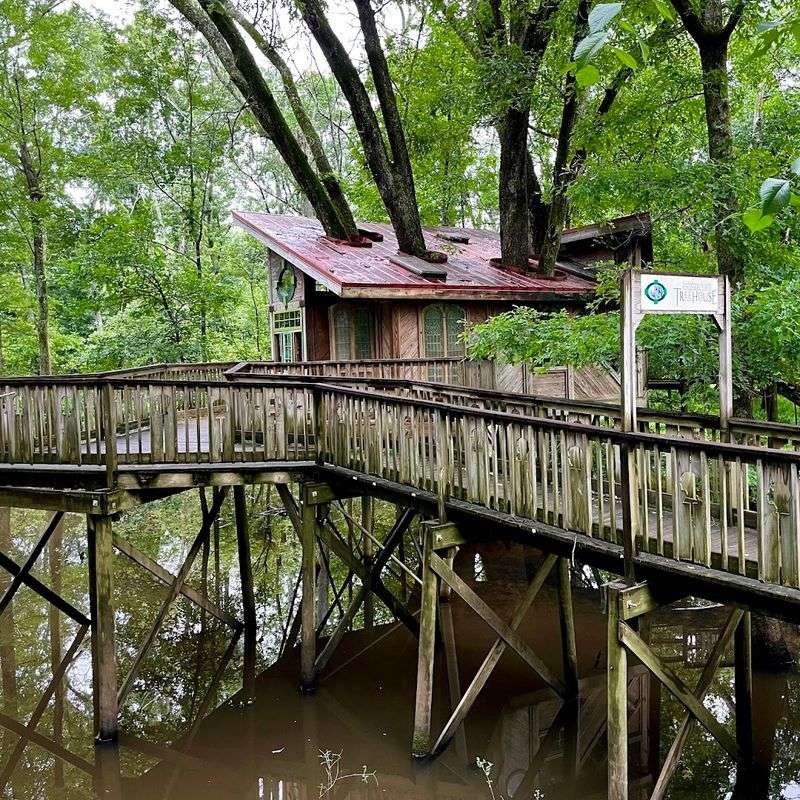
Fifteen miles of trails wind through forests, wetlands, and along Lookout Creek, offering variety that keeps every visit interesting. The arboretum designation means you’ll encounter both native forests and thoughtfully placed specimen trees, creating a living museum where every turn reveals something worth noticing.
The Blue Heron Boardwalk stands out as particularly special—an ADA-accessible path that floats through wetlands where you’re surrounded by water, trees, and wildlife at eye level. It’s the kind of trail design that makes nature accessible to everyone while preserving the landscape’s integrity. Beyond the boardwalk, natural-surface trails climb into hillside forests where the canopy closes overhead and the only sounds are natural ones.
You’ll walk beneath massive old-growth trees, cross creeks on stone bridges, and emerge into meadows that feel carefully composed but never artificial. The arboretum’s plant collection means something is always blooming or displaying fall color, extending the visual interest across seasons.
Spring brings flowering trees and wildflowers, summer offers lush green density, and autumn delivers color that rivals anywhere in Tennessee.
The nature center adds educational value without overwhelming the experience. You can learn about local ecosystems and then immediately walk into them, seeing firsthand what you’ve just discovered. Trail options range from short strolls to longer explorations, making it easy to match your walk to your available time and energy.
For Chattanooga residents and visitors alike, this place delivers that rare combination of accessibility, beauty, and genuine natural character that makes every walk feel like stepping into a carefully filmed nature documentary where you’re both viewer and participant.