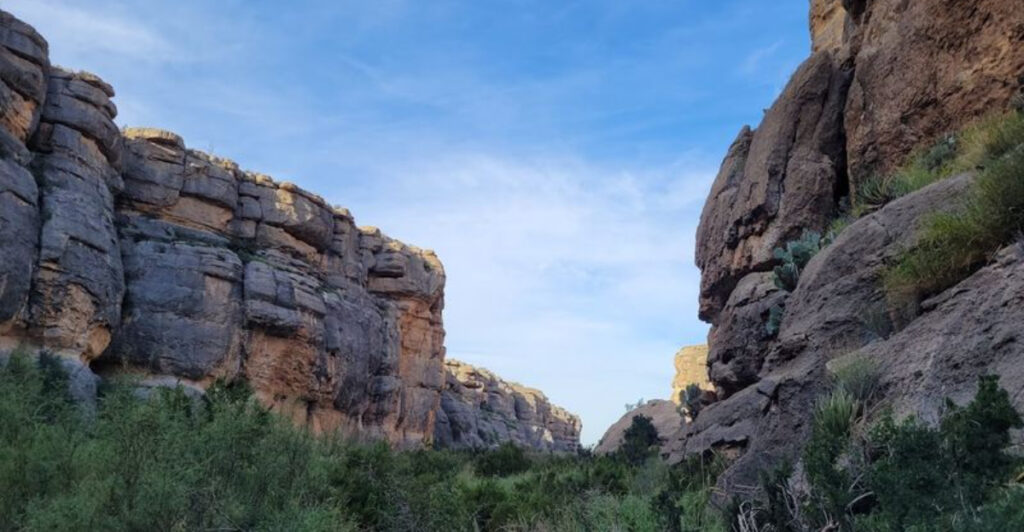
When you think of Texas, towering canyons probably aren’t the first thing that comes to mind. But hidden across the Lone Star State are some of the most stunning geological wonders you’ll ever see, carved over millions of years by wind and water. From the rusty red walls of West Texas to the secret slot canyons tucked away in Big Bend, these natural masterpieces prove that Texas has way more to offer than flat prairies and oil fields.
1. Santa Elena Canyon
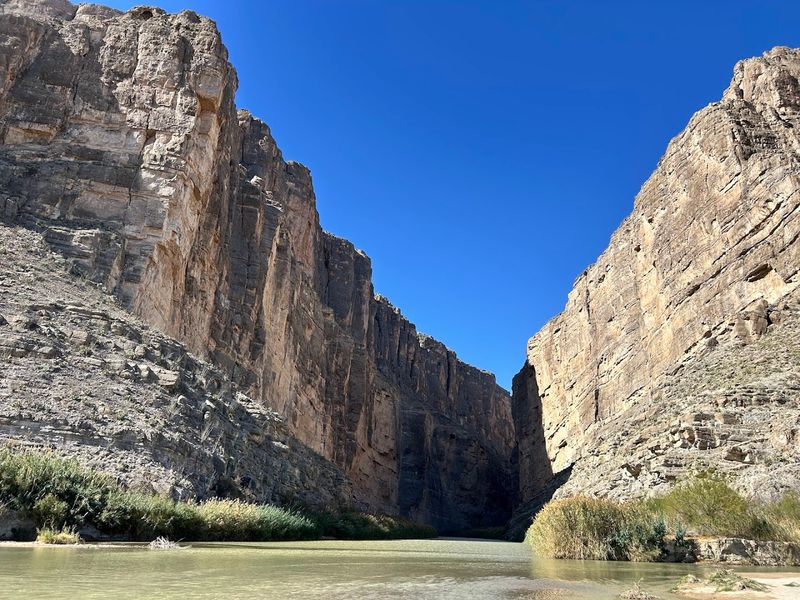
Picture yourself floating down the Rio Grande with 1,500-foot limestone walls towering on both sides, and you’re getting close to the magic of Santa Elena Canyon. This dramatic gorge marks the border between Texas and Mexico, and it’s hands-down one of the most jaw-dropping sights in Big Bend National Park. The canyon cuts through the Mesa de Anguila like a giant knife slash, creating one of those moments where you just have to stop and stare.
Getting there involves a fairly easy 1.7-mile trail that crosses Terlingua Creek before hugging the canyon wall. The path can flood after heavy rains, so timing matters. Once you’re inside, the temperature drops noticeably, and the echoes of your footsteps bounce off the ancient rock like nature’s own sound system.
The walls here are made of limestone that’s been around for about 100 million years. That means dinosaurs were still roaming when these rocks were forming under an ancient sea. The Rio Grande has been carving through this stone for ages, slowly creating the masterpiece you see today.
Photographers absolutely love this place because the light changes constantly throughout the day. Early morning brings soft golden tones, while late afternoon creates dramatic shadows that make the canyon walls look even taller. If you’re into kayaking or canoeing, paddling through the canyon offers a completely different perspective that you can’t get from the trail.
Wildlife sightings are common here too. Keep your eyes peeled for peregrine falcons nesting on the cliff faces, and you might spot bighorn sheep if you’re really lucky. The canyon stays cooler than the surrounding desert, making it a favorite hangout for animals seeking relief from the Texas heat.
Just remember to bring plenty of water and sun protection, because even though the canyon provides some shade, the hike back out can be brutal in summer.
2. Palo Duro Canyon
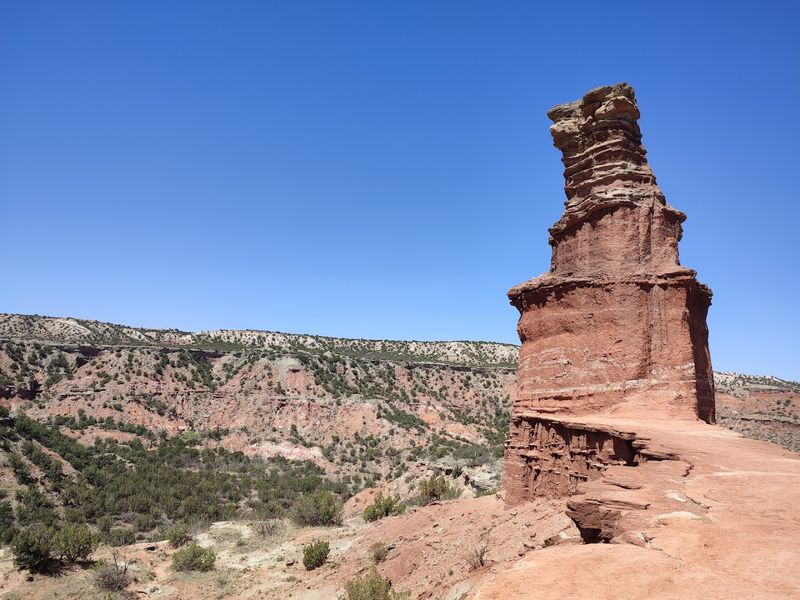
Most folks are shocked to learn that the second-largest canyon in America isn’t in Arizona or Utah—it’s right here in the Texas Panhandle. Palo Duro Canyon stretches about 120 miles long and plunges roughly 800 feet deep, earning it the nickname “The Grand Canyon of Texas.” The Spanish explorers who discovered it named it Palo Duro, meaning “hard wood,” after the juniper trees growing along the canyon floor.
What makes this place special is the incredible variety of colors striped across the canyon walls. You’ll see layers of red, orange, yellow, and white rock that tell the story of millions of years of geological history. Each stripe represents a different time period, like pages in Earth’s oldest history book.
The canyon became a state park back in 1934, and it’s been a Texas treasure ever since. Hiking trails range from easy walks to challenging climbs, with the Lighthouse Trail being the most popular. This 6-mile round-trip trek takes you to a rock formation that looks exactly like an old-fashioned lighthouse rising from the canyon floor.
If you’re not into hiking, the 16-mile scenic drive through the canyon offers plenty of pullouts where you can snap photos and soak in the views. Mountain biking is huge here too, with miles of trails that let you explore areas most visitors never see. Horseback riding is another option that really captures that Old West feeling.
Summer evenings bring the outdoor musical “TEXAS,” performed in a natural amphitheater carved into the canyon walls. Camping under the stars here feels like stepping back in time to when Comanche and Kiowa tribes called this canyon home. The park also offers cabin rentals if sleeping on the ground isn’t your thing, and wildlife like roadrunners, mule deer, and wild turkeys are everywhere you look.
3. Closed Canyon
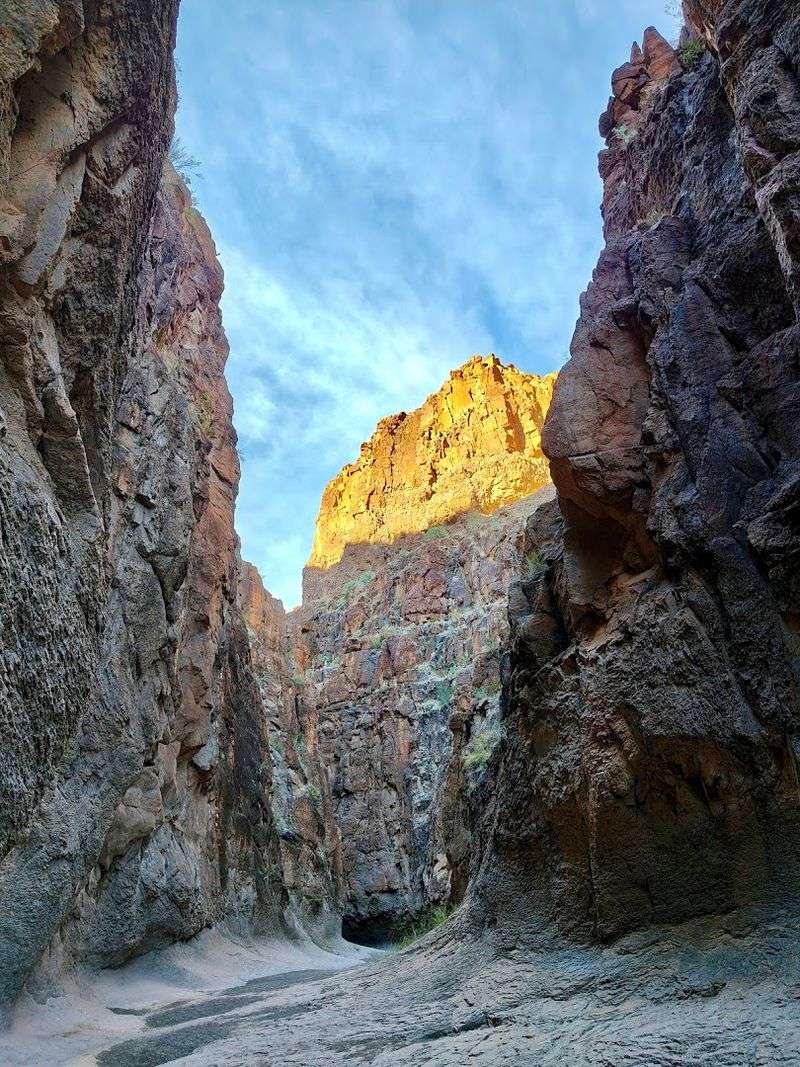
Closed Canyon lives up to its name in the best possible way. This narrow slot canyon near Big Bend Ranch State Park feels like nature’s secret passage, with walls so close together in some spots that you can touch both sides at once. The smooth, curved rock surfaces look like they’ve been sculpted by an artist, but it’s actually the work of flash floods over thousands of years.
Unlike some Texas canyons that require serious hiking, Closed Canyon is surprisingly accessible. The unmarked turnoff sits along FM 170 between Lajitas and Presidio, and from there it’s a short walk to the entrance. You’ll know you’re in the right place when the canyon walls suddenly squeeze in around you.
Walking through feels like exploring an alien planet. The rock here is volcanic tuff, which is basically compressed volcanic ash that hardened into stone. Water has carved smooth, flowing shapes into the walls, creating curves and pockets that photographers dream about.
On sunny days, light filters down from above, creating dramatic beams that illuminate the narrow passages.
The canyon only extends about 100 yards, but every inch is worth your attention. Some sections narrow to just a couple of feet wide, and you might need to turn sideways to squeeze through. It’s not claustrophobic exactly, but if tight spaces make you nervous, this might not be your favorite spot.
Flash floods are a real danger here, so never enter if rain is in the forecast or if you see clouds gathering. The canyon can fill with water incredibly fast, and there’s nowhere to escape once you’re inside. Check weather conditions before you go, and if the ground looks wet or you see debris lodged high on the walls, come back another day.
The canyon will still be here, but you want to make sure you are too.
4. McKittrick Canyon
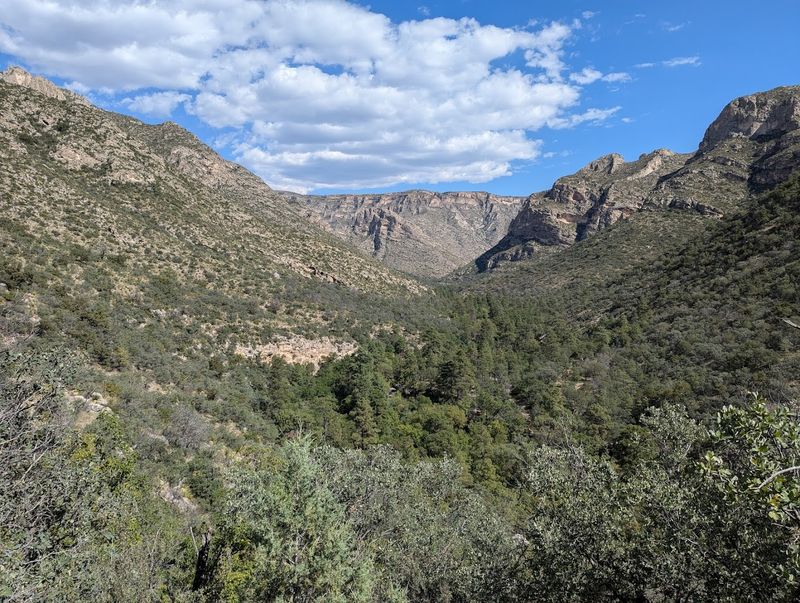
Hidden in the Guadalupe Mountains, McKittrick Canyon is Texas’s best-kept secret for fall colors. While most of the state stays green or brown year-round, this canyon explodes with reds, oranges, and yellows every October and November. The combination of bigtooth maples, oaks, and other deciduous trees creates a show that rivals anything you’d see in New England.
The canyon sits on the eastern edge of Guadalupe Mountains National Park, and getting there requires about a 6.8-mile round-trip hike. The trail follows McKittrick Creek, which flows year-round and creates a lush riparian habitat that feels completely out of place in West Texas. You’ll cross the stream several times, so waterproof boots are a smart choice during wetter months.
Early settlers called this place “the most beautiful spot in Texas,” and it’s hard to argue with them. The canyon walls rise dramatically on both sides, creating a protected microclimate that allows plants and trees to thrive. Even in summer, when the rest of West Texas is baking, McKittrick Canyon stays relatively cool and shaded.
Wildlife watching here is fantastic. Mule deer are common, and you might spot elk if you’re hiking early in the morning or near dusk. Birds love this canyon too, with over 300 species recorded in the park.
The endangered Mexican spotted owl nests in the upper reaches, though you probably won’t see one unless you’re incredibly lucky.
Photography enthusiasts should plan their visit for mid-to-late October when fall colors peak. The contrast between the colorful trees and the gray limestone cliffs creates images that look almost too perfect to be real. Just remember that the park service limits access during peak fall weekends to protect the canyon, so arriving early or visiting on weekdays gives you the best experience without the crowds.
5. Boquillas Canyon
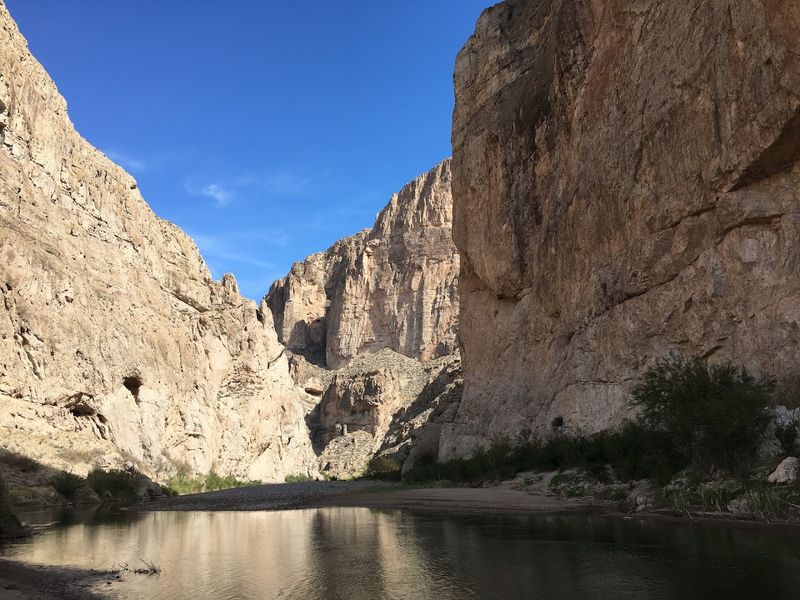
Boquillas Canyon offers something its Big Bend neighbors don’t: solitude. While Santa Elena gets most of the attention, this equally stunning canyon at the park’s eastern edge sees far fewer visitors. The 1.4-mile trail to the canyon mouth is flat and easy, making it perfect for families or anyone who wants canyon views without the workout.
The Rio Grande flows peacefully through here, creating a scene that feels more serene than dramatic. Canyon walls rise about 1,000 feet on the Mexican side, creating impressive vertical faces that change color throughout the day. The rock formations here are different from Santa Elena too, with more variety in texture and composition that geology nerds absolutely love.
One unique feature is the sand dunes you’ll encounter on the trail. These aren’t your typical beach sand—they’re actually ancient sediment deposits that have been exposed and shaped by wind over time. Walking across them feels surreal, like you’ve suddenly been transported to the Sahara instead of South Texas.
The trail ends at a massive rock slide that partially blocks the canyon. You can scramble up for better views, but be careful because the rocks can be loose and unstable. From the top, you get a fantastic perspective of how the river has carved its path through solid rock, creating this natural border between two countries.
Birdwatchers flock here because the riparian habitat attracts species you won’t find elsewhere in the park. Summer tanagers, vermilion flycatchers, and painted buntings are regular visitors. If you’re quiet and patient, you might also spot beavers working along the riverbank or turtles sunning themselves on rocks.
The canyon stays relatively cool even in summer, and the sound of flowing water creates a peaceful soundtrack that makes you want to linger way longer than you planned.
6. Caprock Canyons
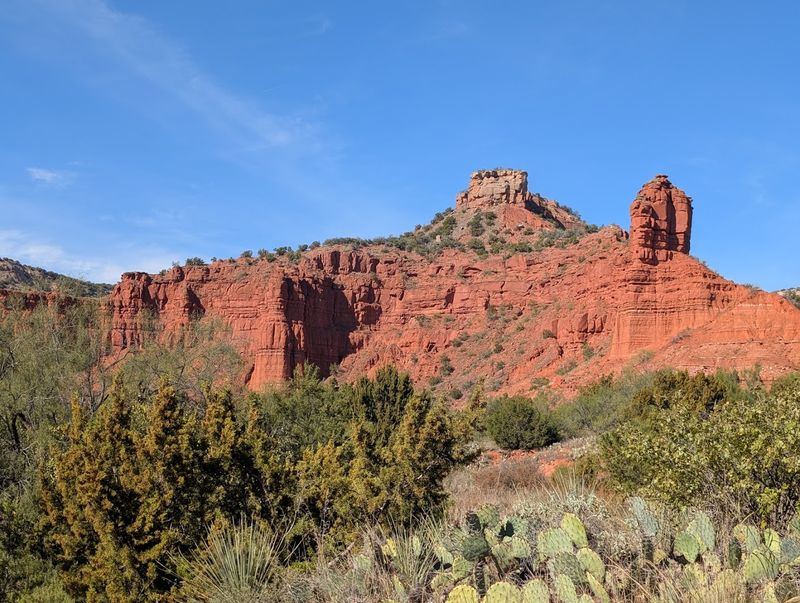
This is where the flat plains of the Texas Panhandle suddenly drop away into a world of red rock formations and hidden valleys. This place is all about contrasts—one minute you’re driving through typical prairie, and the next you’re surrounded by colorful canyons that look like they belong in a Western movie. The park covers over 15,000 acres, giving you plenty of room to explore without bumping into crowds.
The star attraction here is the official Texas State Bison Herd. Around 100 bison roam freely through the park, descendants of the Southern Plains herd that once numbered in the millions. Seeing these massive animals against the backdrop of red canyons is a genuinely moving experience that connects you to Texas history in a powerful way.
Hiking options range from short nature walks to the challenging 64-mile Caprock Canyons Trailway, which follows an old railroad bed through some of the most scenic parts of the park. The Haynes Ridge Overlook Trail is a favorite for good reason—it’s only about 2 miles round-trip but delivers spectacular panoramic views that make you feel like you’re on top of the world.
Mountain bikers love this park because the trails are well-maintained and offer everything from easy cruises to technical challenges. The old railway tunnel is a highlight, giving you a chance to ride through a piece of Texas railroad history while staying cool in the shade. Equestrian trails are extensive too, with corrals available at the trailhead for folks who bring their own horses.
Camping here is fantastic, with both developed sites and primitive backcountry options. The night sky is incredible because there’s virtually no light pollution, making it perfect for stargazing or astrophotography. Spring and fall are the best times to visit, when temperatures are comfortable and wildflowers blanket the canyon floors in waves of color.
7. Mariscal Canyon
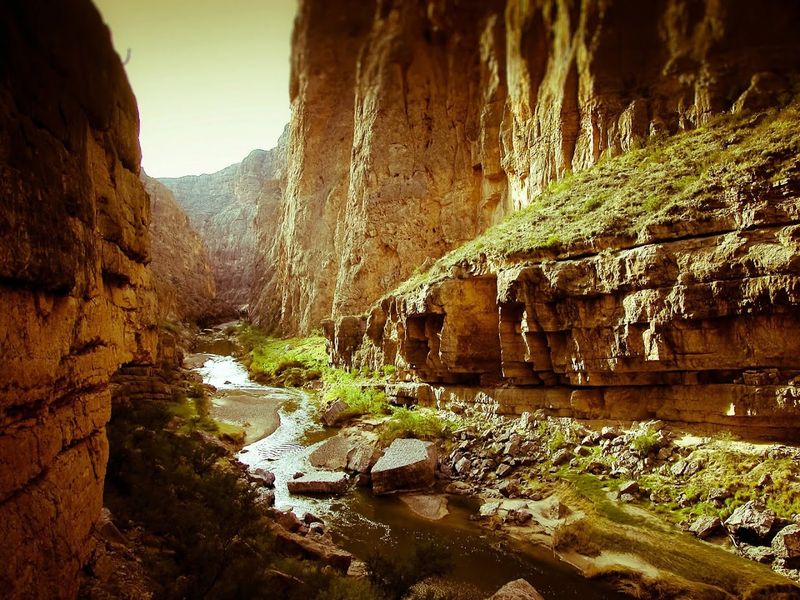
Deep in Big Bend, Mariscal Canyon delivers a rugged adventure that feels completely untouched by civilization. This is the longest canyon along the Rio Grande within the park, stretching about 6 miles from rim to rim. Getting here requires either a serious kayaking trip or a challenging overland hike, which means you’ll probably have the place mostly to yourself.
The canyon walls here are different from Santa Elena and Boquillas. They’re not quite as tall, maxing out around 1,200 feet, but they create a tighter, more intimate feeling as you move through. The rock faces are heavily weathered and fractured, creating dramatic patterns that look especially striking when the late afternoon sun hits them just right.
Most people experience Mariscal by river. The float trip from Talley to Solis takes about 8 hours and includes some technical rapids that require real paddling skills. This isn’t a beginner run—the Rock Slide rapid in particular has caused plenty of swimmers over the years.
If you’re not confident in your boating abilities, hiring a guide service is the smart move.
For hikers, reaching the canyon overlook involves a rough, unmarked road followed by a steep trail down to the rim. Four-wheel drive is absolutely necessary, and even then you might question your vehicle’s capabilities. The payoff is incredible views into the canyon and across the surrounding desert, with Mexico’s Sierra del Carmen mountains rising in the distance.
Wildlife is abundant because so few people visit. Mountain lions, black bears, and javelinas all call this area home, though you’re more likely to see their tracks than the animals themselves. The canyon also provides critical habitat for the Big Bend slider, a rare turtle species found only in this region.
If you do make it here, take your time and soak in the solitude—it’s not often you find places this wild and untouched anymore.
8. Seminole Canyon
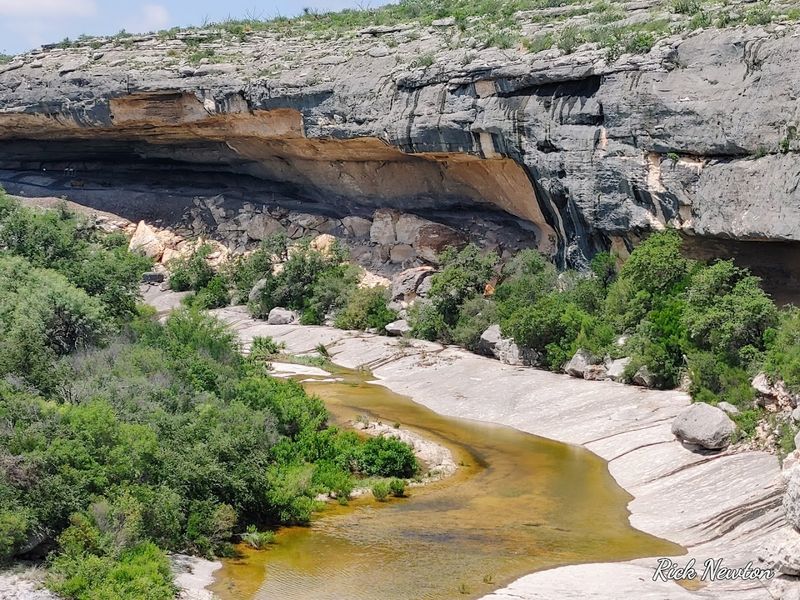
Step into Seminole Canyon and you’re walking through an art gallery that’s been open for about 4,000 years. This place is famous for its ancient rock art, created by prehistoric peoples who lived in these canyons long before European contact. The pictographs here are some of the oldest and best-preserved in North America, making this canyon a genuine archaeological treasure.
The park offers guided tours to the Fate Bell Shelter, where you can see incredible examples of the Lower Pecos River Style rock art. These aren’t simple stick figures—they’re complex, sophisticated images of shamans, animals, and mysterious beings that still puzzle researchers today. The colors remain surprisingly vivid, protected by the canyon’s overhangs from direct sun and rain.
Beyond the rock art, the canyon itself is stunning. Steep limestone walls drop down to the Rio Grande, creating a landscape that’s both harsh and beautiful. The vegetation here is classic Chihuahuan Desert—lechuguilla, sotol, prickly pear, and other tough plants that somehow thrive in this rocky environment.
In spring, wildflowers add unexpected splashes of color to the normally brown and gray palette.
Hiking trails wind through the canyon, offering chances to explore beyond the main tour sites. The canyon rim trail provides excellent views without requiring you to descend into the canyon itself, making it accessible for people with mobility concerns. If you do hike down, watch for rattlesnakes and be prepared for a strenuous climb back up.
The visitor center houses a small museum that explains the region’s human history and natural environment. Interactive displays help you understand how people survived in this challenging landscape for thousands of years. Rangers are incredibly knowledgeable and happy to answer questions, adding context that makes your visit more meaningful.
Camping is available if you want to spend more time here, and the night skies are spectacular for stargazing.
9. Colorado Canyon
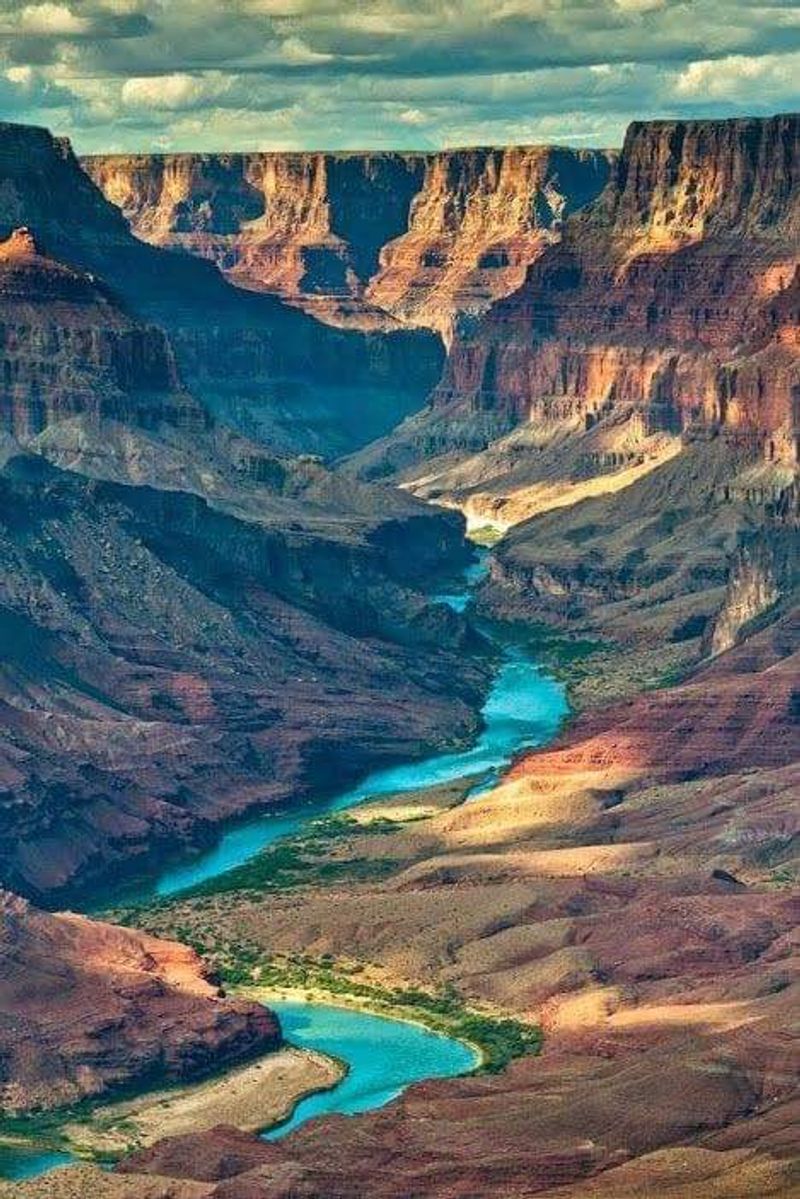
Colorado Canyon might not have the name recognition of Palo Duro or Big Bend’s canyons, but this Central Texas gem has its own charm. Located along the Colorado River near Lake Travis, this area showcases the Hill Country’s distinctive limestone geology in dramatic fashion. The canyon walls aren’t as tall as West Texas formations, but what they lack in height they make up for in character and accessibility.
The Colorado River has spent millions of years cutting through layers of limestone, creating a winding canyon that reveals the region’s geological history. You can see distinct rock layers representing different time periods, each with its own color and texture. Fossils are common in the limestone, offering glimpses of the ancient sea creatures that once lived here when Texas was underwater.
Water activities dominate here because of the river’s proximity. Kayaking and canoeing are popular ways to experience the canyon from below, with several outfitters offering rentals and guided trips. The calm sections are perfect for beginners, while more experienced paddlers can find mild rapids and faster water during certain times of year.
Fishing is excellent too, with largemouth bass, catfish, and sunfish all thriving in these waters.
Hiking trails along the canyon rim provide excellent viewpoints without requiring any technical climbing skills. The trails wind through juniper and oak forests, offering shade that’s much appreciated during hot Texas summers. Spring brings wildflowers including bluebonnets, Indian paintbrush, and wine cups that carpet the hillsides in vibrant colors.
The area around Colorado Canyon has become increasingly developed as Austin expands, but pockets of wild land remain. Several parks and preserves protect portions of the canyon, ensuring public access and habitat conservation. Bird watching is popular here, with golden-cheeked warblers and black-capped vireos among the species that nest in the area.
The canyon also provides important habitat for bats, with colonies emerging at dusk in impressive clouds.
10. Dog Canyon
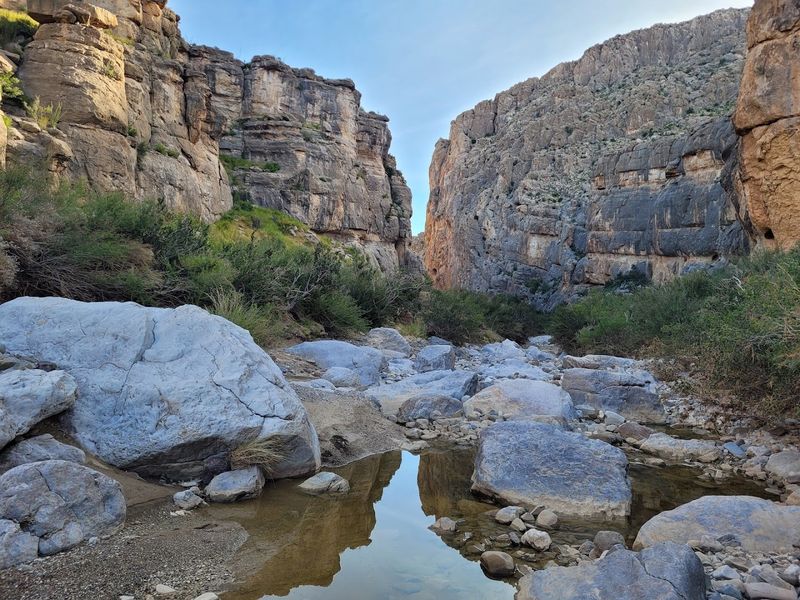
Tucked away on the north side of Guadalupe Mountains National Park, Dog Canyon feels like a completely different world from the rest of West Texas. This high-elevation canyon supports a forest of ponderosa pine, Douglas fir, and southwestern white pine—trees you’d expect to find in Colorado or New Mexico, not the Chihuahuan Desert. The elevation here tops 6,000 feet, creating a cool microclimate that’s a welcome relief from the surrounding lowlands.
Getting to Dog Canyon requires commitment. The entrance is in New Mexico, about 70 miles from the main park headquarters in Texas. The remote location means you’ll likely have the place mostly to yourself, even during peak visitation times.
A small campground offers a quiet base for exploring, with sites nestled among the pines and oaks.
The hiking here is phenomenal. The Bush Mountain Trail climbs to over 8,000 feet, taking you through multiple life zones and offering incredible views across both Texas and New Mexico. The Tejas Trail connects Dog Canyon to the main park area, but it’s a challenging multi-day trek that requires serious preparation and backcountry skills.
Shorter day hikes explore the canyon bottom, following a perennial stream that supports lush vegetation and wildlife.
Wildlife watching is exceptional because the varied habitats support diverse species. Elk are common, especially during fall when you can hear bulls bugling during the rut. Mule deer, black bears, and mountain lions all live here, though the big cats are rarely seen.
Bird diversity is impressive too, with species ranging from Mexican jays to zone-tailed hawks.
The canyon got its name from a pack of wild dogs that supposedly lived here in the 1800s, though no one knows if the story is actually true. What is true is that this canyon provided crucial water and shelter for both wildlife and humans throughout history. Apache groups used it as a travel route and temporary camp, and evidence of their presence remains in the form of mescal roasting pits and other archaeological features.
11. Cattail Canyon
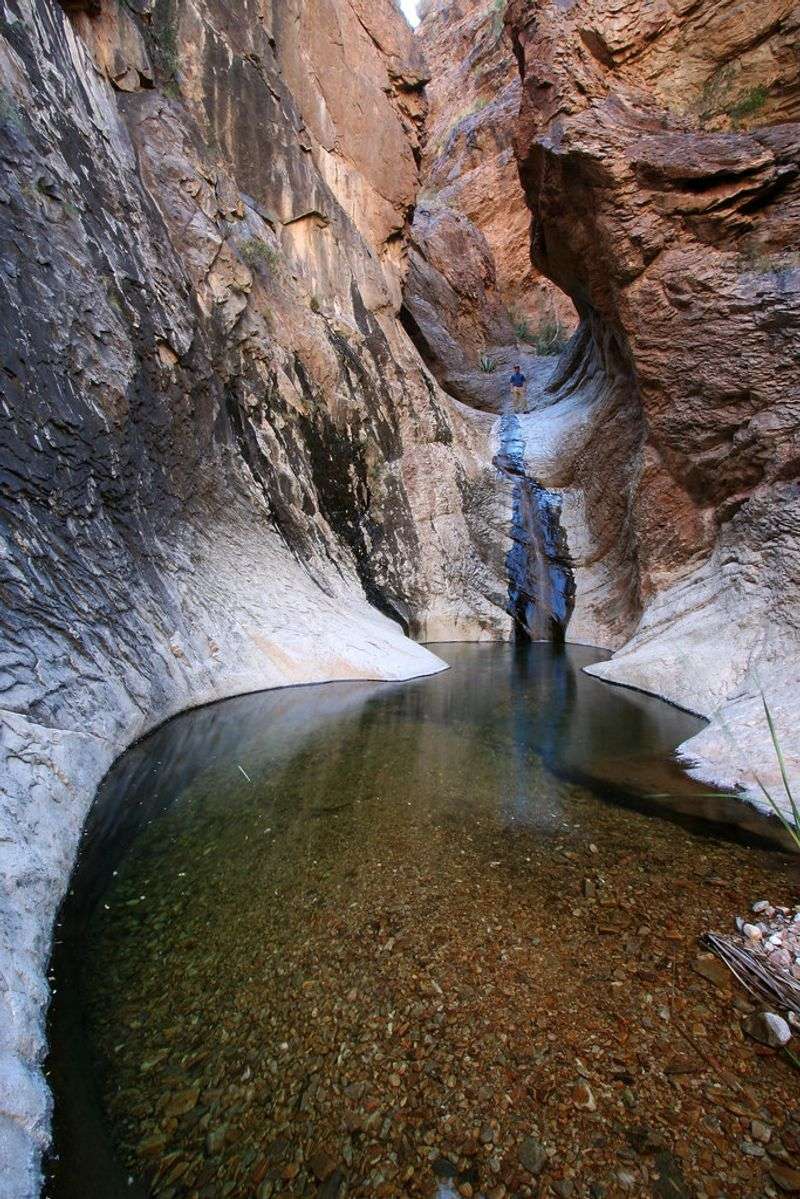
Cattail Canyon is one of those places that rewards adventurous spirits willing to venture off the beaten path. Located in Big Bend Ranch State Park, this lesser-known canyon doesn’t show up on most tourist itineraries, which is exactly why it’s so special. The canyon gets its name from the cattails that grow along the seasonal creek, creating an unexpected oasis in the middle of the Chihuahuan Desert.
Reaching the canyon requires a moderately strenuous hike across open desert terrain. There’s no official trail, so navigation skills and a good map are essential. The landscape looks harsh and empty at first glance, but once you start paying attention, you’ll notice incredible diversity in the plant life and geological features.
Ocotillo, agave, and various cacti dot the hillsides, each perfectly adapted to survive with minimal water.
The canyon itself is narrow and winding, with walls that close in around you as you walk deeper inside. During wet periods, water flows through creating pools that attract wildlife from miles around. Even when the stream is dry, you can find water by digging slightly in the sandy bottom, which is how animals survive here during droughts.
The cattails remain green even in the driest conditions, tapping into underground moisture that keeps them alive.
Rock formations in Cattail Canyon show evidence of volcanic activity from millions of years ago. The colorful layers include volcanic tuff, ash flows, and lava, creating a geological textbook you can read just by looking at the walls. Fossils are rare here because volcanic rock doesn’t preserve them well, but the minerals and crystals make up for it with their variety and beauty.
Solitude is practically guaranteed here. You might go all day without seeing another person, making it perfect for those seeking a genuine wilderness experience. Just make sure someone knows your plans before you head out, and carry plenty of water because there are no facilities anywhere nearby.
The remoteness is part of the appeal, but it also means you’re completely on your own if something goes wrong.