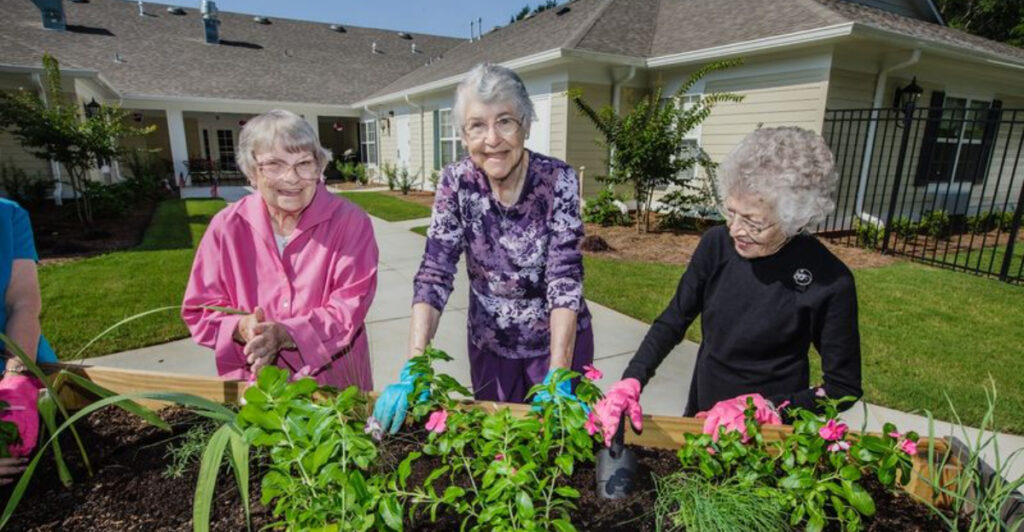
Living on Social Security doesn’t mean giving up comfort or quality of life. Texas has dozens of small towns where your retirement dollars stretch further than you might imagine, offering low housing costs, friendly communities, and plenty of sunshine. These overlooked gems provide everything you need for a peaceful retirement without the high price tags of bigger cities.
1. Kerrville
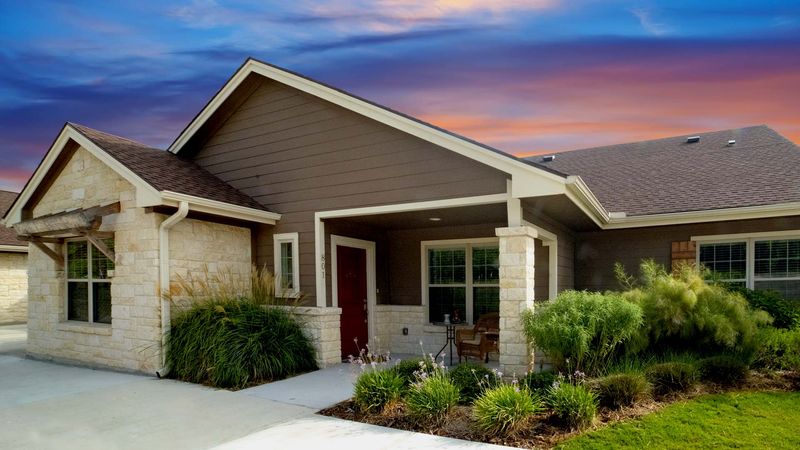
Nestled in the heart of Texas Hill Country, Kerrville offers retirees a perfect blend of small-town charm and practical affordability. The median home price hovers around $200,000, making homeownership realistic for those on fixed incomes. Many retirees find comfortable apartments for $800-$1,000 monthly, leaving plenty of room in the budget for enjoying life.
The Guadalupe River runs right through town, creating natural beauty that costs nothing to enjoy. Walking trails, parks, and riverside picnic spots provide free entertainment year-round. The mild winters mean lower heating bills, and the community atmosphere makes it easy to find friends without spending money on expensive social clubs.
Healthcare access stands out as a major advantage here. Peterson Regional Medical Center serves the area well, and several specialty clinics mean you won’t drive hours for routine appointments. The town hosts a farmers market where fresh produce costs less than supermarket prices, helping grocery budgets stretch further.
Cultural activities abound without breaking the bank. Free concerts happen regularly at the riverside pavilion during warmer months. The Museum of Western Art offers senior discounts, and the public library system provides programs specifically designed for older adults.
Property taxes remain reasonable compared to urban areas, another factor that makes retirement dollars go further. Local businesses often extend senior discounts, and the slower pace of life naturally encourages less spending on entertainment. Kerrville proves you don’t need a fortune to enjoy retirement surrounded by natural beauty and genuine community spirit.
2. Gainesville
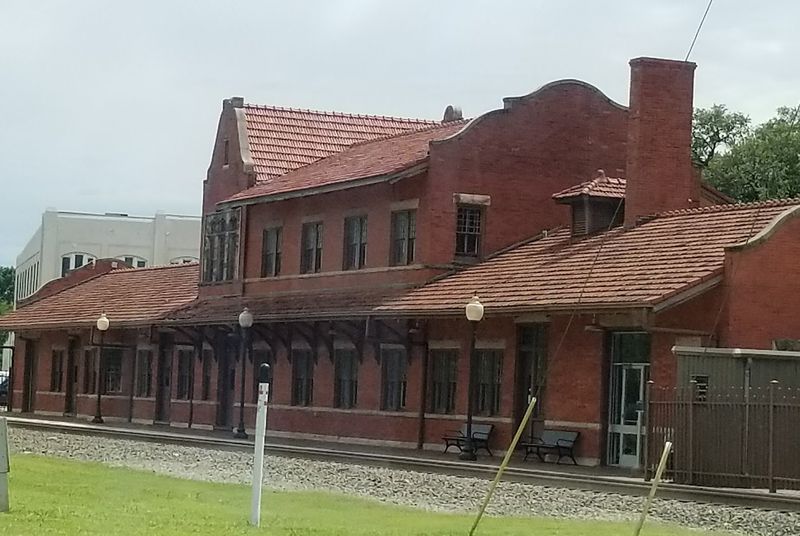
Just an hour north of Dallas, Gainesville delivers big-city convenience without big-city costs. Housing prices average significantly below state medians, with many comfortable homes available under $150,000. Renters find options starting around $700 monthly, which leaves substantial breathing room in a Social Security budget.
The proximity to Dallas means excellent healthcare without living in an expensive metro area. North Texas Medical Center provides quality care locally, while major Dallas hospitals remain accessible for specialized treatments. This location sweet spot gives retirees peace of mind about medical access without paying premium housing costs.
Grocery costs run lower than in surrounding areas, partly because several discount chains compete here. The local Walmart, Brookshire’s, and Aldi keep prices competitive. Many retirees appreciate that they can drive to Dallas for Costco runs when needed, but daily living expenses stay manageable right in town.
Community activities center around practical, affordable fun. The town square hosts regular events, from farmers markets to holiday celebrations, all free to attend. Frank Buck Zoo offers annual passes at senior rates that cost less than two movie tickets.
The public library system provides robust programming, including computer classes that help retirees stay connected with distant family.
Utility costs remain reasonable, and the town’s size means less driving and lower fuel expenses. Property taxes stay moderate, and Texas has no state income tax, which helps retirement income stretch further. Local restaurants offer early-bird specials and senior discounts, making occasional dining out affordable.
Gainesville represents that rare combination of accessibility, affordability, and community that makes retirement genuinely comfortable.
3. Uvalde
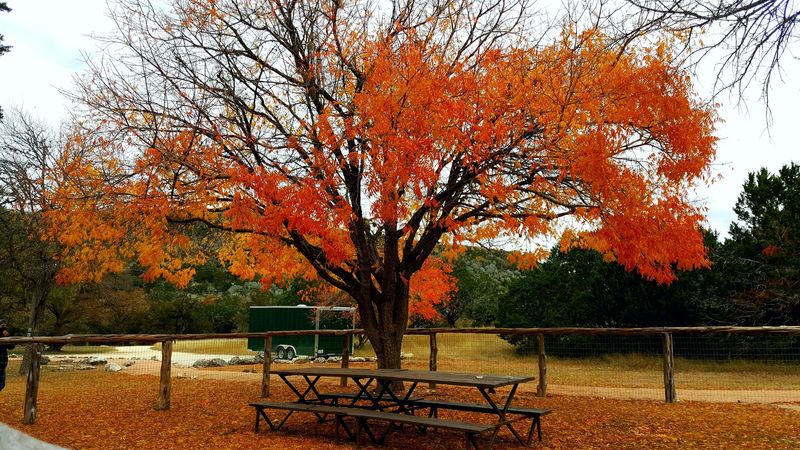
Southwest of San Antonio, Uvalde surprises many with its combination of affordable living and rich history. Housing costs remain notably low, with median home prices around $130,000 and rental options frequently available under $750 monthly. These prices allow retirees to maintain comfortable housing while preserving savings for other needs.
The cost of living index sits well below both state and national averages. Groceries, utilities, and general expenses run approximately 15-20% less than in Texas cities. This difference adds up quickly on a fixed income, potentially saving retirees hundreds monthly compared to urban living.
Uvalde Memorial Hospital serves the community competently for routine healthcare needs, and San Antonio’s major medical facilities sit just 90 minutes away for specialized care. Many retirees find this balance ideal—local doctors for regular checkups and prescriptions, with world-class hospitals accessible when needed.
The climate favors outdoor activities most of the year, reducing entertainment costs. Uvalde sits near several state parks where Texas residents over 65 receive significant discounts. Fishing, hiking, and birdwatching provide free or low-cost recreation.
The town’s tree-lined streets and historic downtown create pleasant walking environments.
Local property taxes remain modest, helping housing affordability extend beyond just purchase or rent prices. The community maintains a strong Hispanic cultural influence, bringing vibrant traditions and excellent, affordable Mexican restaurants. Senior centers offer meals and activities at minimal cost.
Water bills run lower than in many Texas towns because the area sits above the Edwards Aquifer. Small details like this contribute to overall affordability. Uvalde won’t dazzle with amenities, but it provides solid, comfortable retirement living where Social Security checks genuinely cover monthly needs with money left over.
4. Nacogdoches
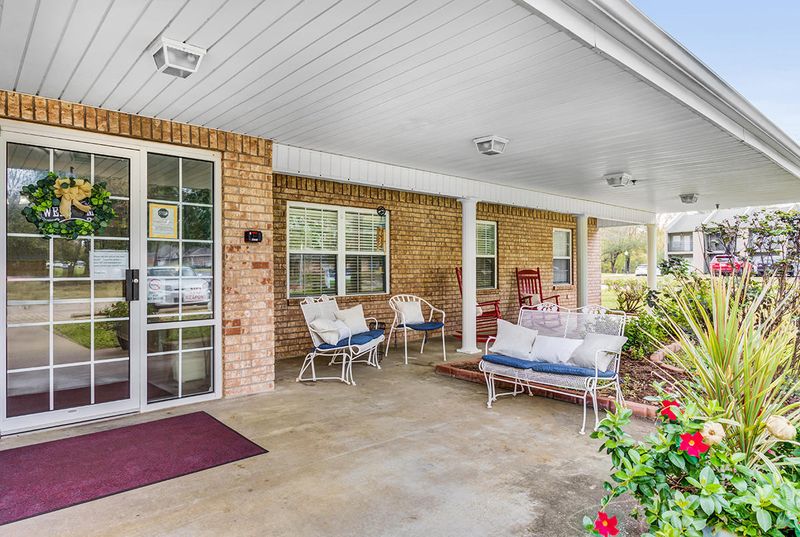
Texas history runs deep in Nacogdoches, the state’s oldest town, where retirement living feels both cultured and affordable. Home prices average around $160,000, with many charming older homes available for less. Apartments and small houses rent for $650-$900 monthly, making housing costs manageable on Social Security income.
Stephen F. Austin State University brings unexpected benefits to retirees. The campus offers free or low-cost cultural events, from theater productions to concerts and lectures.
University facilities like walking trails and arboretums provide beautiful spaces for exercise and relaxation. This college-town atmosphere creates intellectual stimulation without requiring enrollment or expensive memberships.
Healthcare benefits from the university’s presence too. Nacogdoches Medical Center provides solid care, and the student population supports additional medical services and pharmacies that keep prices competitive. Many doctors choose to practice here for the quality of life, ensuring good medical access.
The cost of living runs about 12% below the national average. Groceries, dining out, and general expenses cost noticeably less than in larger Texas cities. Local restaurants serve generous portions at reasonable prices, and several offer senior discounts that make eating out an affordable occasional treat.
Outdoor recreation abounds in the surrounding Piney Woods region. Lakes, forests, and trails provide endless free entertainment. The moderate climate means manageable utility bills—warm but not scorching summers, and mild winters that rarely require heavy heating.
Property taxes stay reasonable, and the town’s walkability reduces transportation costs for those living near downtown or campus areas. The public library system rivals much larger cities, offering programs, resources, and air-conditioned comfort during hot summer days. Nacogdoches combines small-town affordability with surprising cultural richness, making retirement dollars work harder while keeping life interesting.
5. Brownwood
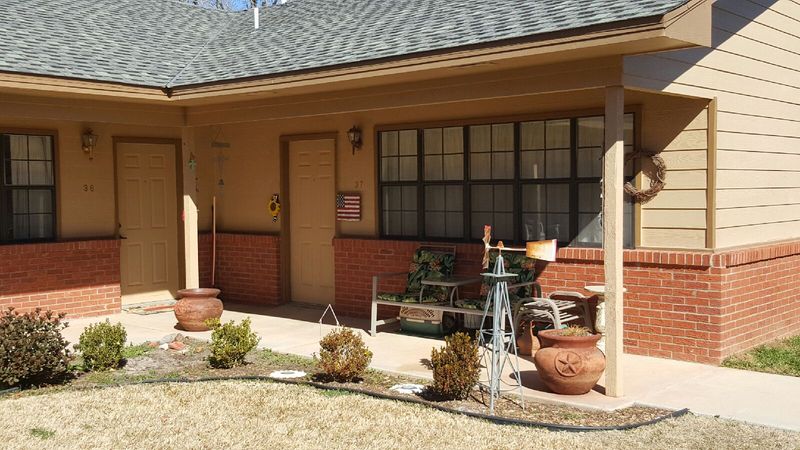
Central Texas charm meets practical affordability in Brownwood, where retirees discover their dollars stretch impressively far. Median home prices hover around $140,000, with many move-in-ready properties available below that mark. Rental options start around $600 monthly, among the lowest in the state for towns with decent amenities.
Lake Brownwood creates a recreational centerpiece that costs nothing to enjoy. Fishing, picnicking, and watching sunsets over the water provide free entertainment that rivals expensive hobbies. The lake attracts enough visitors to support local businesses but never feels crowded or commercialized.
State park access offers swimming and camping at minimal cost.
Brownwood Regional Medical Center handles most healthcare needs locally, keeping medical care accessible without long drives. The hospital recently expanded services, reflecting investment in the community. Several pharmacies compete for business, which helps keep prescription costs down—an important consideration for retirees managing medications.
Grocery prices run lower than state averages, and the town supports multiple supermarkets that keep each other honest on pricing. Walmart, United Supermarkets, and local grocers all serve the area. Farmers markets during growing season offer fresh produce at unbeatable prices, and many residents maintain small gardens that further reduce food costs.
Utility expenses remain moderate thanks to reasonable municipal rates. The town’s compact size means less driving, saving on vehicle costs and fuel. Property taxes stay manageable, and many neighborhoods feature mature trees that provide natural cooling, reducing summer air conditioning bills.
Howard Payne University brings cultural events and a youthful energy that keeps the town from feeling stagnant. Free concerts, sporting events, and community gatherings happen regularly. The public library offers extensive programming for seniors.
Brownwood delivers comfortable retirement living where Social Security income genuinely suffices, leaving room for occasional extras without financial stress.
6. Hillsboro
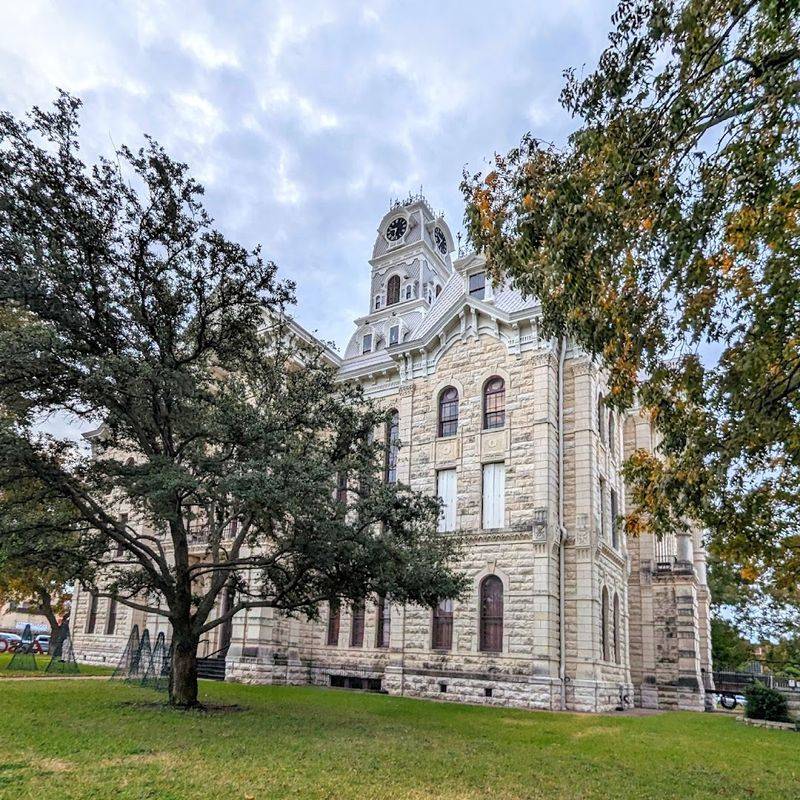
Positioned perfectly between Dallas and Waco on Interstate 35, Hillsboro offers convenience without the costs of living in either city. Home prices average around $125,000, making homeownership accessible even on modest retirement income. Rentals frequently list below $700 monthly, and the housing stock includes everything from historic homes to modern apartments.
The interstate location means easy access to big-city amenities when desired, but daily living costs stay small-town reasonable. Groceries, dining, and services all cost less than in nearby metros. Many retirees appreciate being able to drive 90 minutes to Dallas or 45 minutes to Waco for specialty shopping or entertainment while maintaining affordable home base costs.
Hill Regional Hospital provides quality local healthcare, and proximity to major medical centers in Dallas and Waco offers backup for serious conditions. This dual-access approach gives retirees confidence about medical care without paying premium prices to live in medical hub cities.
The historic courthouse square creates a charming downtown where antique shops, cafes, and local businesses thrive. Window shopping costs nothing, and the community hosts regular festivals and events that provide free entertainment. The town maintains several parks with walking trails, playgrounds where grandkids can visit, and picnic facilities.
Property taxes remain lower than in nearby counties, contributing significantly to overall affordability. Utility costs run reasonable, and competition among service providers keeps prices in check. The town’s size means everything sits within a few miles, reducing driving and vehicle expenses.
Local restaurants understand their customer base and offer generous portions at fair prices. Several provide senior discounts or early-bird specials. The public library offers robust services including free internet access, programs, and resources.
Hillsboro proves that strategic location combined with small-town costs creates ideal retirement conditions where Social Security income covers needs comfortably with money remaining for wants.
7. Paris
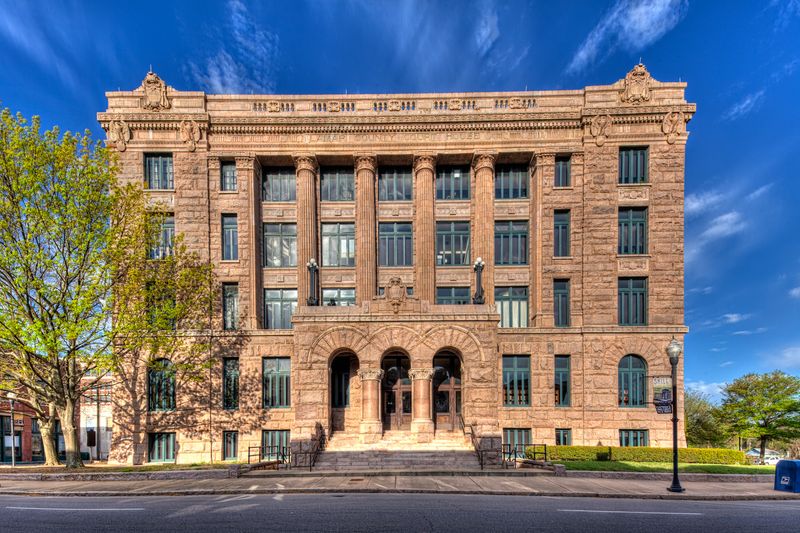
Don’t let the name fool you—this Paris trades French sophistication for Texas practicality and affordability. Northeast Texas often gets overlooked, but that works in retirees’ favor with housing prices averaging just $120,000. Comfortable homes sell for what a down payment costs in Austin or Dallas.
Rentals start around $650 monthly, leaving substantial budget room for other expenses.
The town’s quirky claim to fame—a 65-foot Eiffel Tower replica topped with a red cowboy hat—symbolizes the blend of character and value found here. Tourism never overwhelmed the town, so prices stayed grounded in local reality rather than visitor premiums. This means restaurants, shops, and services cater to residents’ budgets, not travelers’ wallets.
Paris Regional Medical Center anchors healthcare locally, recently undergoing expansions that improved services considerably. The medical community serves the broader region, so doctor availability exceeds what town size alone might suggest. Prescription costs stay competitive with multiple pharmacies and a Walmart that keeps prices in check.
Cost of living indexes show Paris running 15-20% below national averages across most categories. Groceries, utilities, and general expenses all cost noticeably less than in Texas cities. This difference accumulates monthly, potentially saving retirees $300-500 compared to urban living—money that can fund hobbies, travel, or simply provide financial security.
Pat Mayse Lake sits nearby, offering free fishing, boating, and outdoor recreation. The town maintains several parks and a public golf course with senior rates that make regular play affordable. The community college provides cultural events and educational opportunities at minimal cost.
Property taxes remain among the lowest in Texas, and utility rates stay reasonable. Local businesses frequently extend senior discounts, recognizing that older residents form a significant customer base. Paris delivers straightforward, comfortable retirement living where Social Security checks genuinely cover expenses with room to spare for life’s pleasures.
8. Mineral Wells

Once famous as a health resort destination, Mineral Wells today offers retirees healing in the form of seriously affordable living. Home prices average around $110,000, among the lowest for towns with genuine amenities. Many houses sell below $100,000, and rentals frequently list under $700 monthly.
These prices allow retirees to own homes outright or rent with minimal impact on fixed incomes.
The town’s resort heritage left behind beautiful architecture and an appreciation for relaxation that still permeates the community. Lake Mineral Wells State Park sits right at town’s edge, offering hiking, biking, rock climbing, and camping. The state park pass for Texas seniors costs just $30 annually, providing year-round access to this recreational gem.
Healthcare needs are met by Palo Pinto General Hospital locally, with Fort Worth’s major medical centers just 50 miles away for specialized care. This proximity to a major metro provides backup medical access while allowing retirees to live where costs stay manageable. Many Fort Worth doctors maintain satellite offices in Mineral Wells, bringing expertise without requiring long drives.
Grocery costs run below state averages, and the town supports enough supermarkets to keep prices competitive. Utilities cost less than in nearby Parker County suburbs, where prices creep upward due to Dallas-Fort Worth proximity. Property taxes in Palo Pinto County stay notably lower than surrounding areas, adding hundreds in annual savings.
The community embraces its quirky history with festivals and events that provide free entertainment. Downtown shops include antiques and thrift stores where bargain hunting becomes recreation. Several restaurants offer senior discounts, and the local barbecue joints serve generous portions at prices that seem frozen in time.
Climate considerations favor retirees—hot summers but mild winters mean lower heating costs. The town’s compact layout reduces driving needs. Mineral Wells represents that rare find where low costs don’t mean sacrificing community character or access to nature and recreation.
9. Jacksonville
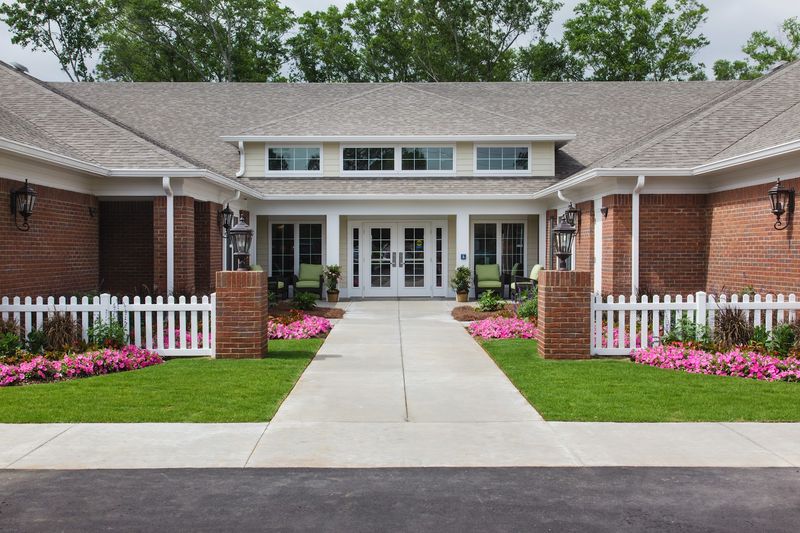
Deep in East Texas pine country, Jacksonville offers retirees the comfort of Southern hospitality combined with costs that make Social Security income genuinely sufficient. Median home prices sit around $145,000, with many charming properties available below that figure. Rental options range from $650-$850 monthly, providing choices for various budgets and preferences.
Tomato heritage runs deep here—the town once shipped millions of pounds annually and still celebrates with a summer festival. This agricultural connection means farmers markets thrive, offering fresh produce at prices that undercut supermarkets significantly. Many retirees maintain small gardens in the favorable growing climate, further reducing food costs while providing enjoyable activity.
UT Health Jacksonville hospital serves the community well, part of the UT Health system that brings big-institution quality to small-town settings. Medical care access exceeds expectations for a town this size, and prescription costs stay reasonable with competing pharmacies. Tyler’s larger medical facilities sit just 30 minutes away for specialized needs.
Living costs run approximately 18% below national averages here. Groceries, utilities, and general expenses all cost less than in Texas cities. The moderate climate means utility bills stay manageable—warm summers but rarely extreme, and winters mild enough that heating costs don’t spike dramatically.
Lake Jacksonville provides free recreation right in town. Fishing, walking trails, and picnic areas offer entertainment that costs nothing beyond gas to drive there. The town maintains several parks, and the public library system offers robust programming including book clubs, computer access, and community events specifically for seniors.
Property taxes remain reasonable, and the town’s size means less driving and lower transportation costs. Local businesses understand their customer base, keeping prices fair and often extending senior discounts. Restaurants serve hearty Southern cooking at prices that make eating out an affordable regular option rather than a special occasion.
Jacksonville delivers comfortable retirement living where financial stress doesn’t overshadow golden years.
10. Palestine
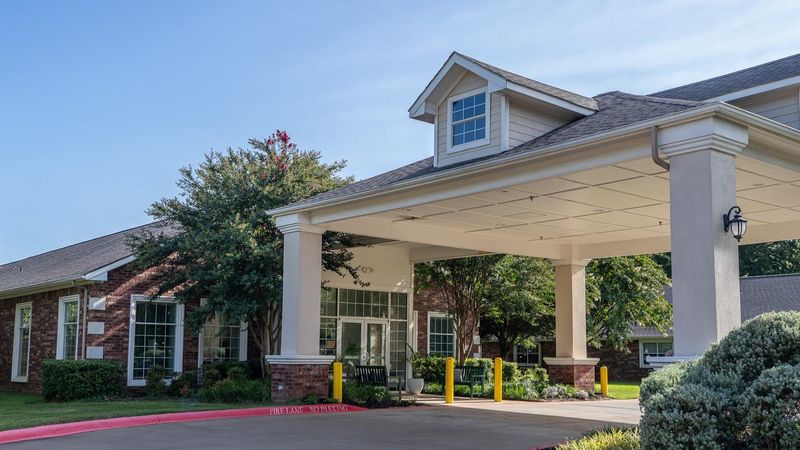
Railroad history and dogwood blooms define Palestine, where retirees discover a charming East Texas town with surprisingly low costs. Home prices average around $135,000, with many historic properties offering character that newer builds can’t match. Rentals start around $650 monthly, and the housing stock includes options from vintage homes to modern apartments.
The Texas State Railroad operates from Palestine, offering scenic train rides through pine forests. Seniors receive discounted tickets, making this attraction an affordable occasional outing or activity when grandchildren visit. The railroad’s presence brings tourist traffic that supports local restaurants and shops without overwhelming the town’s residential character or inflating everyday costs.
Palestine Regional Medical Center provides solid healthcare locally, and Tyler’s major medical facilities sit just 45 minutes away. This combination gives retirees confidence about medical access without requiring them to live in expensive medical hub cities. Multiple pharmacies compete for business, helping keep prescription costs down.
Cost of living runs notably below both state and national averages. Groceries cost less here than in larger Texas towns, and local produce stands during growing season offer incredible bargains. Many residents take advantage of the favorable climate to grow vegetables, stretching food budgets further while enjoying fresh, homegrown produce.
Spring brings the annual Dogwood Trails celebration when the town transforms into a floral showcase. This free event draws visitors but provides residents with weeks of beautiful scenery right in their neighborhoods. Parks and walking trails throughout town offer year-round recreation at no cost.
Utility rates stay reasonable, and property taxes remain moderate compared to urban areas. The town’s compact downtown means many amenities sit within walking distance for those living centrally, reducing vehicle costs. Local restaurants serve generous portions at fair prices, with several offering senior discounts.
Palestine combines small-town affordability with enough cultural activities and natural beauty to keep retirement interesting. Social Security income covers living expenses comfortably here, with money remaining for hobbies, travel, or simply building savings cushion for unexpected needs.
11. Granbury
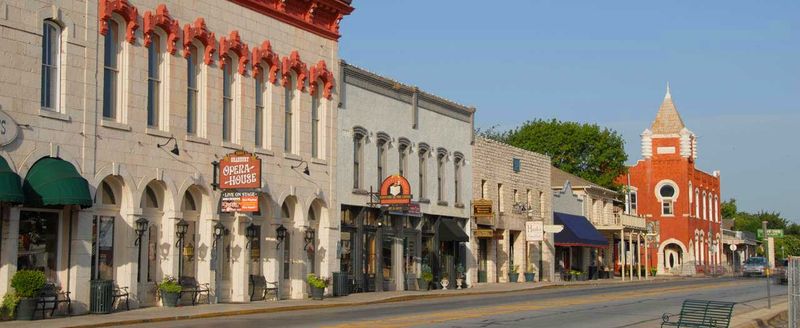
Granbury’s historic town square draws visitors year-round, but don’t let its tourist appeal fool you—locals know how to live affordably here. While prices run slightly higher than some East Texas towns, they remain reasonable with median homes around $240,000 and rentals from $900-$1,200 monthly. The proximity to Fort Worth and the lake location justify these costs while still allowing comfortable retirement on Social Security.
Lake Granbury creates the town’s centerpiece, offering miles of shoreline and water activities. Many affordable neighborhoods sit near the lake, providing water views and access without premium lakefront prices. Fishing, kayaking, and sunset watching provide free or low-cost entertainment.
Public parks along the shore offer picnic facilities and walking trails.
Medical care benefits from Fort Worth proximity—just 35 miles away, major hospitals and specialists remain easily accessible. Lake Granbury Medical Center handles routine care locally, and the area supports numerous doctors who’ve chosen to practice here for quality of life. Competition keeps healthcare costs reasonable despite the town’s desirability.
The historic square hosts festivals, concerts, and events throughout the year, most free to attend. Window shopping among antique stores and boutiques costs nothing, and people-watching from square benches provides endless entertainment. The Granbury Opera House offers performances at senior-discounted rates that make culture accessible.
Grocery costs stay competitive despite tourist traffic because locals support multiple supermarkets. Brookshire’s, Walmart, and other chains keep each other honest on pricing. Restaurants range from budget-friendly to upscale, but many mid-range options offer early-bird specials and senior discounts.
Property taxes run higher than in more rural areas but remain below Dallas-Fort Worth suburbs. Utility costs stay moderate, and the town’s walkable downtown reduces driving needs for those living centrally. Granbury represents a step up in amenities and charm while maintaining affordability that allows Social Security income to cover comfortable living.
The investment in slightly higher costs pays dividends in quality of life, community atmosphere, and recreational opportunities.