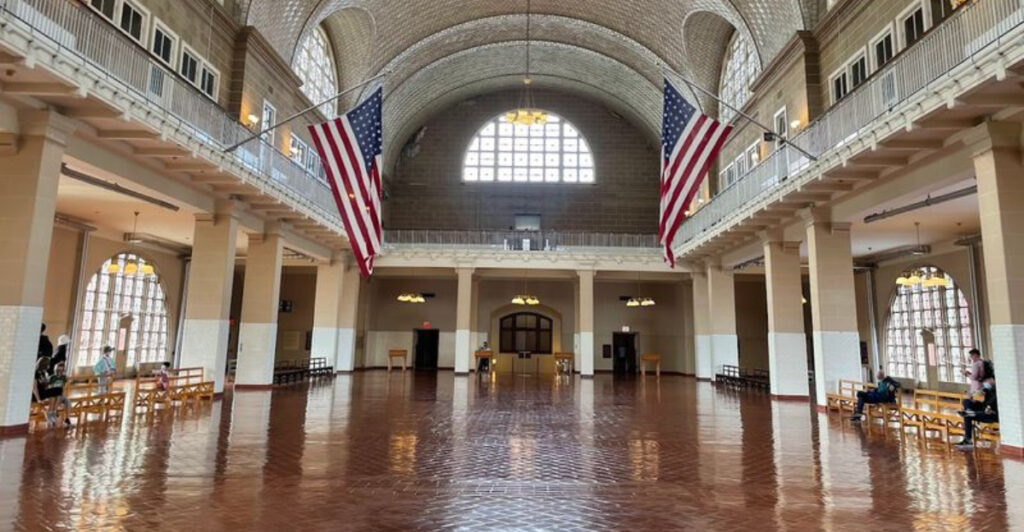
A brick factory hidden in the Pine Barrens, a fairy-tale castle behind fencing, a Cold War missile site watching a sky it no longer needs to defend—New Jersey has a talent for leaving strange things just slightly out of sight. Some of these places are true ruins, swallowed by vines and graffiti.
Others have been stabilized, fenced, restored in pieces, or turned into public history stops where the ghosts are more emotional than architectural. That mix is what makes them so good for a local adventure story.
New Jersey doesn’t do abandoned in one flavor. It gives you industrial ambition, immigrant hope, roadside whimsy, military paranoia, old money, failed resorts, and entire towns that vanished almost as quickly as they appeared.
The best way to read these places is not as “creepy spots,” but as unfinished sentences. Each one still has something to say.
1. Brooksbrae Brick Factory, Manchester Township
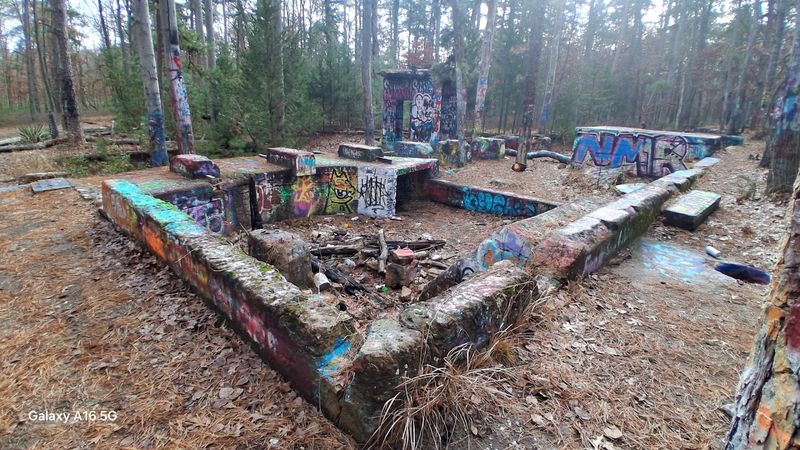
The first thing that hits you at Brooksbrae is the color. Not the sandy Pine Barrens palette of pitch pine, scrub oak, and dirt road dust, but graffiti layered across old industrial walls like someone turned a failed factory into an open-air notebook.
The Brooksbrae Brick Company was meant to be a major operation, with the ability to produce thousands of bricks a day, but the story stalled almost immediately. Its owner, William J.
Kelly, died in 1908 before the factory was fully running, legal complications froze the assets, and the place never became the humming industrial success it was designed to be.
Then came the darker chapter: a 1915 fire connected to the caretaker’s residence killed the caretaker and his wife, adding the kind of local lore that clings hard to an empty building.
Today, what remains is part ruin, part folk-art gallery, part Pine Barrens dare. Cell service can be spotty, navigation is not always friendly, and this is very much a daylight-and-common-sense kind of place.
What makes it unforgettable is the contrast: a factory built for mass production, now surviving as a handmade, spray-painted landmark in the woods.
2. Abandoned Summit Greenhouse, Summit
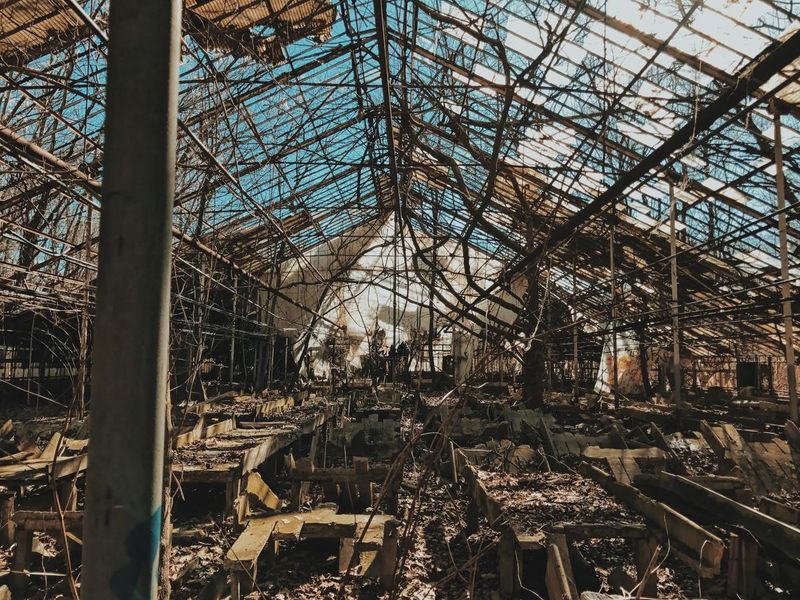
Some abandoned places are massive because of what they were; the old Summit greenhouse felt massive because of how fragile it looked. Hidden by overgrowth near a local park, the greenhouse stretched almost half a football field, with broken glass, graffiti, wildlife, and that odd greenhouse magic where decay still smells faintly like growth.
Its backstory is famously murky, which is part of the appeal. Local explorers have connected it to Carl Greenhouses and the growing of houseplants, poinsettias, spring bulbs, and other plants for shipment toward New York City, with clues suggesting use from around the 1930s through the 1970s.
That kind of detail gives the place a softer kind of abandonment: less “haunted asylum,” more “somebody once watered things here every morning.” It is also important to treat this one as a lost-place entry rather than a current itinerary stop. The site has been marked permanently closed, and reports describe it as demolished for safety reasons.
That does not make it less worthy of the list. If anything, it fits the theme perfectly.
The Summit greenhouse is a reminder that abandoned places can disappear twice: first when people leave, then when the last physical proof gets cleared away.
3. Ellis Island Immigrant Hospital, Jersey City
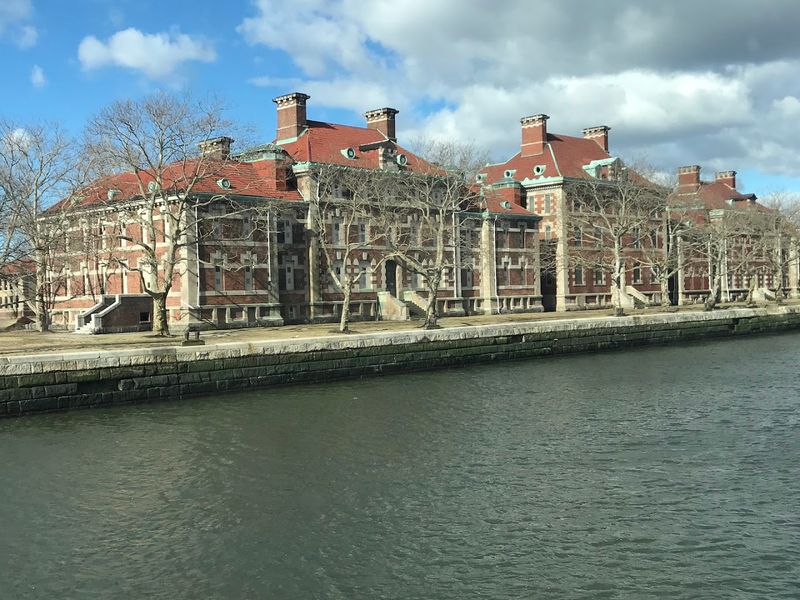
On the south side of Ellis Island, the story turns quieter. Most visitors know the Great Hall, the luggage, the big American-arrival symbolism.
The hospital complex tells the part people often skip: what happened when arrival was delayed by fever, injury, pregnancy, mental illness, tuberculosis, measles, or a doctor’s chalk mark.
The abandoned hospital buildings are not just photogenic ruins; they were once a state-of-the-art public health complex where immigrants waited, recovered, gave birth, worried, and sometimes learned they would not be allowed to continue.
That emotional weight is what makes the site so powerful. Peeling paint and long corridors would be interesting anywhere, but here they sit beside one of the country’s most famous gateways, turning the usual Ellis Island story inside out.
The practical detail is refreshingly clear: this is not a sneak-in ruin. Save Ellis Island runs 90-minute guided Hard Hat Tours of the abandoned hospital complex, with hard hats provided and ferry tickets handled separately.
The tour structure actually makes the place better, because you get context instead of just atmosphere. Go for the old wards, the silence, the JR art installations, and the rare chance to stand in a place where hope and quarantine once shared the same hallway.
4. Paulinskill Viaduct, Columbia
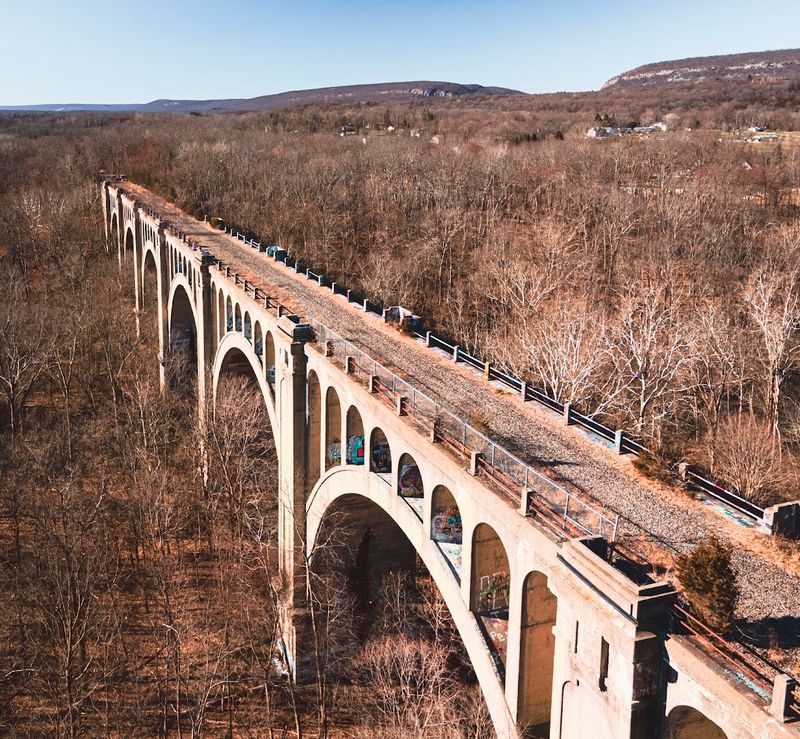
The Paulinskill Viaduct looks like New Jersey borrowed a Roman aqueduct, taught it railroading, and then forgot to pick it up after work. Completed in 1910, it was once considered the world’s largest reinforced concrete structure, stretching about 1,100 feet long and rising 115 feet over the Paulins Kill.
That scale is the reason it belongs here. Even abandoned, it does not feel small or secret.
It feels like infrastructure with a stubborn sense of drama. Trains once crossed it as part of the Lackawanna Cut-Off, but service dwindled, the last train crossed in 1979, the structure officially closed in the early 1980s, and the tracks were removed afterward.
The result is a huge concrete relic that has drawn hikers, graffiti artists, photographers, and more reckless explorers than any local police department would probably prefer.
The important planning note: exploring the viaduct itself is considered trespassing and can be dangerous, so this is best approached as a look-and-learn landmark rather than a climbing challenge.
Its story works because it captures a very New Jersey kind of ambition: build something colossal, make it useful for decades, then leave behind a monument too big to fully vanish.
5. Hagedorn Psychiatric Hospital, Glen Gardner
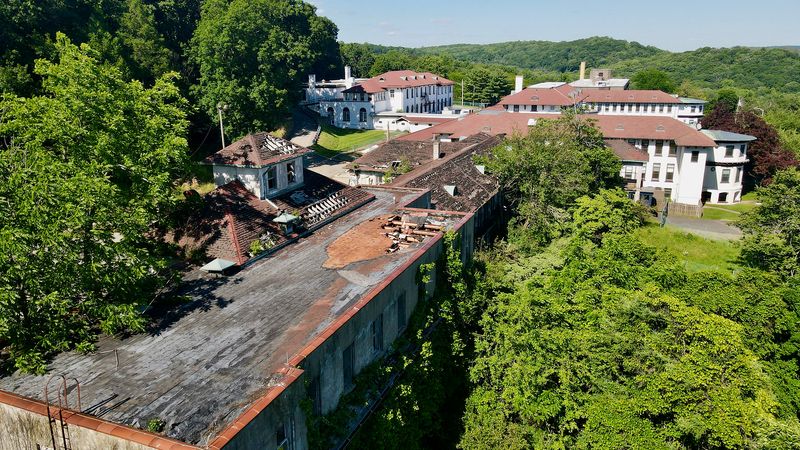
Sanatorium Road sounds like the setup to a ghost story, but Hagedorn’s real history is more human than spooky. The site began in 1907 as New Jersey’s only state-owned and operated tuberculosis sanatorium, built in Glen Gardner at a time when fresh air, rest, and isolation were central to treatment.
It was meant to be a model institution, and between 1907 and 1929 it treated more than 10,000 people. Later, as medicine changed and the mission expanded, the property moved through new uses, including chest disease care and eventually geriatric psychiatric care.
In 1977, the Senator Garret W. Hagedorn Gero-Psychiatric Hospital opened beside the older sanatorium buildings, and that newer facility focused on senior psychiatric patients before the state shut it down in 2012.
What makes Hagedorn worth including is the strange layering: one abandoned medical era standing beside another. This is not a place to wander into for photos; the property is state-owned, trespassing is enforced, and posted warnings should be taken seriously.
From a storytelling angle, though, Hagedorn is rich. It is a mountain hospital complex that mirrors a century of changing attitudes toward disease, aging, institutional care, and what society does with buildings after their purpose ends.
6. Van Slyke Castle Ruins, Oakland
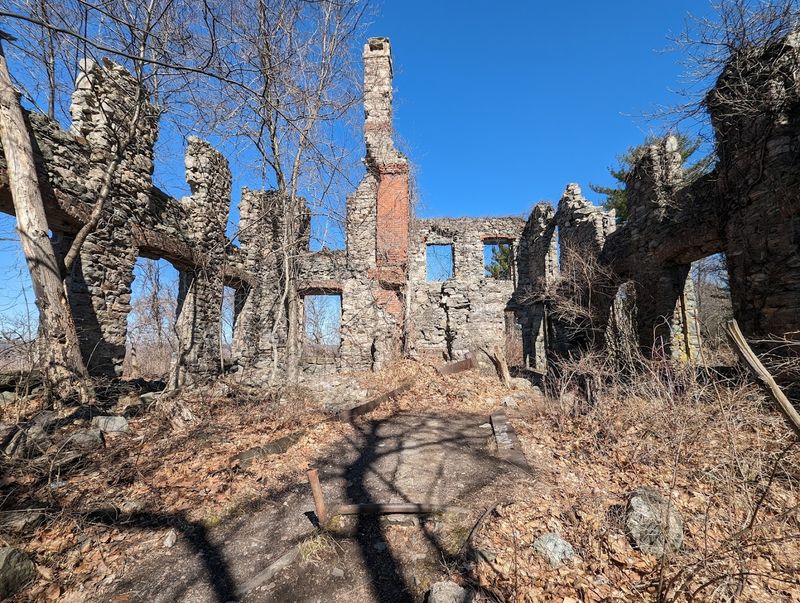
A castle ruin above a lake sounds like something New Jersey should not be able to casually offer, and yet there it is in Ramapo Mountain State Forest. Van Slyke Castle is really the remains of Foxcroft, an early 1900s estate tied to Ruth A.
Coles, William Porter, and later Warren C. Van Slyke.
The house stood on Fox Mountain above what is now Ramapo Lake, and its story has all the ingredients: a fortune, multiple marriages, a grand estate plan, sudden deaths, changing ownership, and a fire. After Van Slyke’s death in 1925, Ruth lived at Foxcroft year-round until her death in 1940.
The property later became tangled in family matters, sat unused, was vandalized, and was finally torched in 1959. What remains today is the kind of ruin hikers love because it rewards a little effort: stone walls, old foundations, forest reclaiming formal ambition, and views that make the climb feel like a tiny local victory.
The vibe is less haunted-house and more “old-money dream interrupted.” Since it sits within a state forest, the better visit is to fold it into a proper hike around Ramapo Lake, bring water, wear real shoes, and save the dramatic castle brooding for the overlook.
7. Amatol Ghost Town, Hammonton
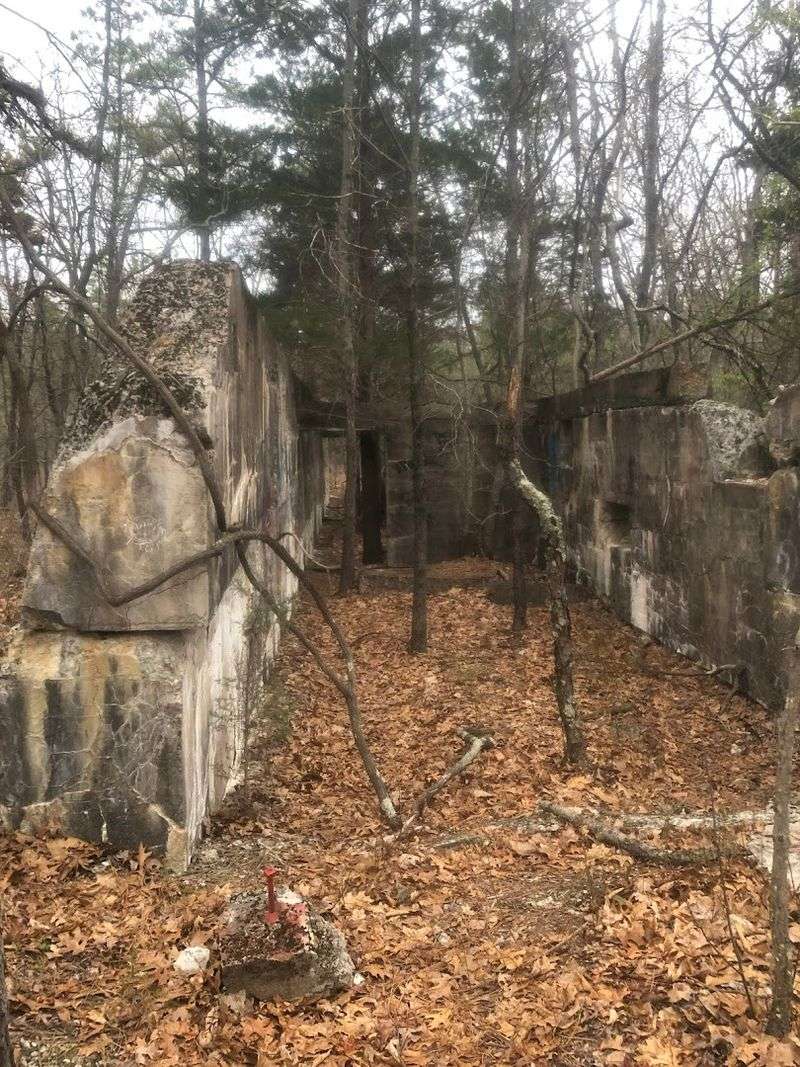
Amatol is the rare ghost town where the name itself is a clue. During World War I, amatol was an explosive mixture developed to stretch TNT supplies, and in 1918 a munitions plant and adjacent factory town were built in the Pine Barrens and named after the material they helped produce.
The timing could not have been worse for permanence. The war ended that same year, the plant shut down, the homes emptied, and because many structures were temporary, much of the town was dismantled.
What remains is subtle: concrete foundations, scattered remnants, and the kind of woods that make you work a little to imagine the place filled with workers, noise, and wartime urgency. Then the story takes a left turn.
In the 1920s, the Amatol Racetrack, also known as Atlantic City Speedway, rose on part of the site, a huge wooden oval whose outline can still be traced from above. That gives Amatol two afterlives in one: munitions town and vanished raceway.
Parts of the former racetrack area fall within Hammonton Creek Wildlife Management Area, but nearby private land is posted, so the trick is to respect the signs and keep the adventure on the legal side of curiosity.
8. Sandy Hook Nike Launch Site, Highlands
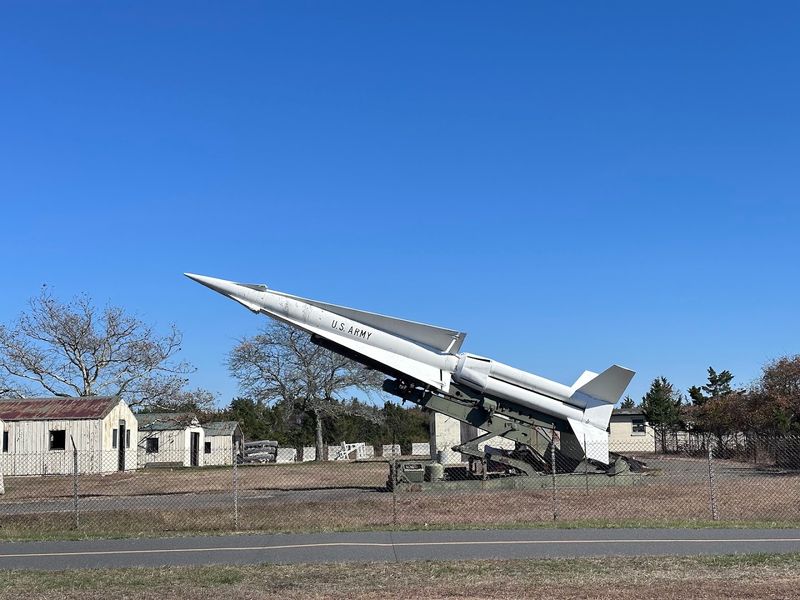
Sandy Hook already feels like a threshold: ocean on one side, bay on the other, Manhattan hovering in the distance. That is exactly why the military loved it.
At Fort Hancock, the old Nike missile site turned the quiet peninsula into part of a Cold War shield around New York City. Nike Battery NY-56 was activated in 1955 and operated through 1974, with missile magazines, radar systems, and a mission that sounds ripped from a black-and-white emergency broadcast.
The missiles were meant to stop enemy aircraft before they reached the city; later, intercontinental ballistic missiles made that kind of defense feel outdated almost overnight.
What is left is both eerie and oddly educational: launch areas, radar-related structures, restored pieces, and the unsettling knowledge that this beach-adjacent landscape once revolved around the possibility of nuclear attack.
The National Park Service notes that the missiles displayed now are not original to Sandy Hook, because the originals were removed after arms-control agreements, but that almost makes the story sharper. Even the props have a Cold War bureaucracy behind them.
Visit it as part of Gateway National Recreation Area, ideally when tours or interpretive access are available, and pair the missile site with Fort Hancock’s officers’ homes for the full “seaside resort meets military alarm bell” effect.
9. The Gingerbread Castle, Hamburg
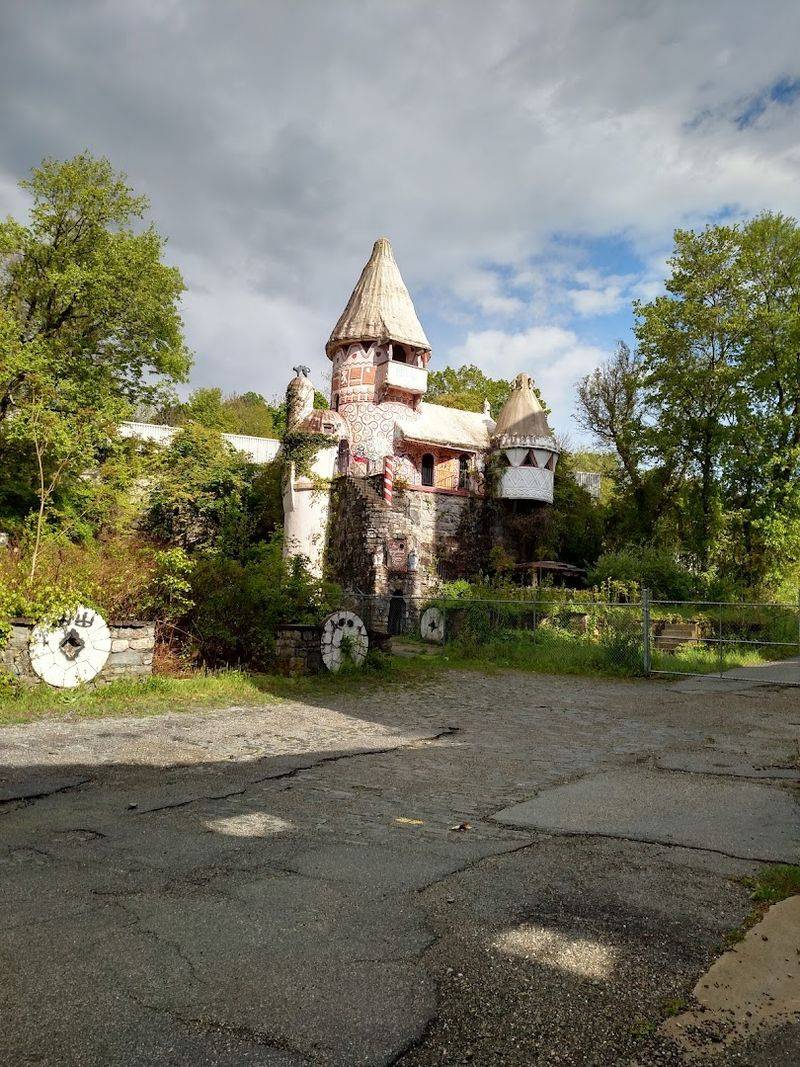
The Gingerbread Castle is what happens when a fairy tale grows old in public. Designed in 1928 by Austrian architect and set designer Joseph Urban, it was commissioned by F.H.
Bennett of the F.H. Bennett Biscuit Company after he expanded operations to Hamburg and opened Wheatsworth Mills nearby.
The inspiration came partly from “Hansel and Gretel” set design and partly from Brothers Grimm childhood memories, which explains why the place looks less like a traditional castle and more like a dessert table had a fever dream.
It opened in 1930 and became a beloved fairy-tale attraction, the sort of place generations of kids remembered in bright, sticky colors.
By the early 1980s, though, the magic had begun to fray. The castle slid into disrepair, passed through different uses, and spent years as a fenced-off curiosity that people admired from the road.
It has had restoration hopes and ownership changes, but the best way to write about it is as a landmark suspended between memory and rescue. The practical advice is simple: do not trespass, and do not treat it like an open attraction unless a clearly announced public opening says otherwise.
Its charm is visible even from the outside: candy architecture, Sussex County grit, and a storybook ending still trying to decide what kind of ending it wants.
10. The Deserted Village of Feltville, Berkeley Heights
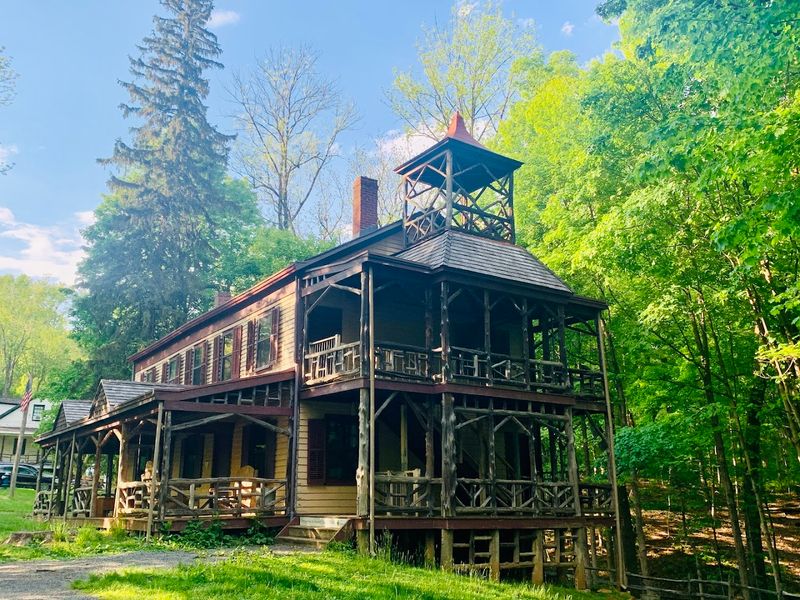
Feltville is the friendliest “deserted village” you are likely to meet. Set inside Watchung Reservation, it has enough quiet and old wood to feel mysterious, but enough interpretive signs and public access to keep the experience grounded.
The story starts long before the village name: around 1736, Peter Willcocks built a sawmill along Blue Brook. In 1845, David Felt bought 760 acres and built a printing factory, then created a village above the brook to support it.
By 1850, about 175 people lived there. After Felt retired in 1860, other ventures failed, and the village became deserted for a time.
Then came another reinvention. In 1882, Warren Ackerman turned the former mill town into Glenside Park, a summer resort that eventually lost out as the Jersey Shore became the preferred getaway and closed in 1916.
Today, the grounds are open daily from dawn to dusk, with a self-guided walking tour that makes it easy to visit without feeling like you are poking around blindly. This is one of the best places on the list for readers who want abandoned atmosphere without trespassing drama.
The surviving houses, old roads, cemetery, and forested setting make it feel like New Jersey history paused mid-sentence and politely invited you to read the sign.
11. Jungle Habitat, West Milford
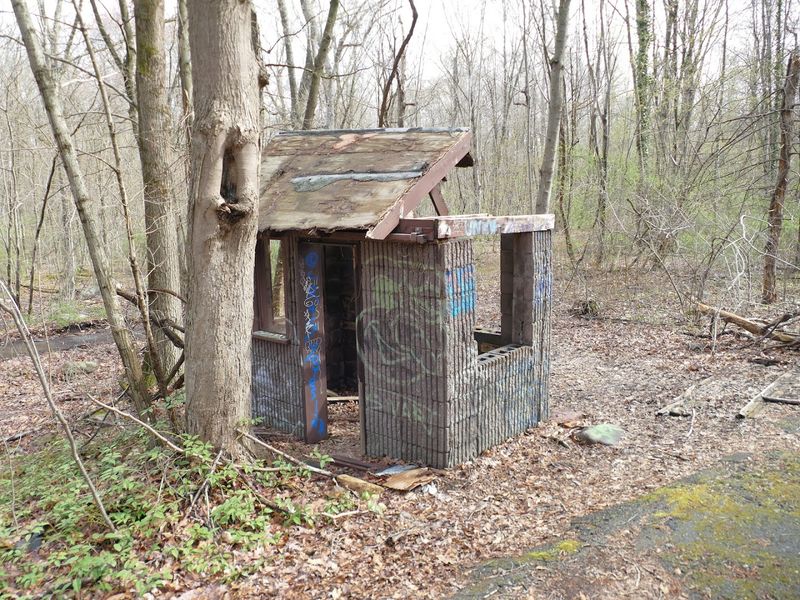
Before abandoned safari roads became mountain bike terrain, Jungle Habitat was Warner Bros.’ bold, weird, short-lived swing at a New Jersey animal park. It opened in West Milford in 1972 and closed in 1976, but four years was enough time to lodge itself permanently in local memory.
The concept was part drive-through safari, part walk-through attraction, with more than 1,500 animals and the kind of 1970s corporate optimism that assumed a rural North Jersey road network could handle a flood of visitors and overheated cars. It could not, at least not comfortably.
Expansion plans ran into local resistance, attendance weakened, competition from Great Adventure mattered, and Warner ultimately walked away. The abandoned years produced plenty of rumors, especially about animals supposedly left behind, but the site’s history is more complicated than the campfire version.
Later, the property was purchased through New Jersey’s Green Acres program, and today it is open as parkland with trails, especially popular with mountain bikers. The remaining safari roads, old enclosures, and traces of infrastructure make it a perfect “what was this place?” stop.
The fun of Jungle Habitat is that it still feels slightly absurd: a Hollywood-branded animal kingdom that came, roared, and vanished into the Passaic County woods.
12. Central Railroad of New Jersey Terminal, Jersey City
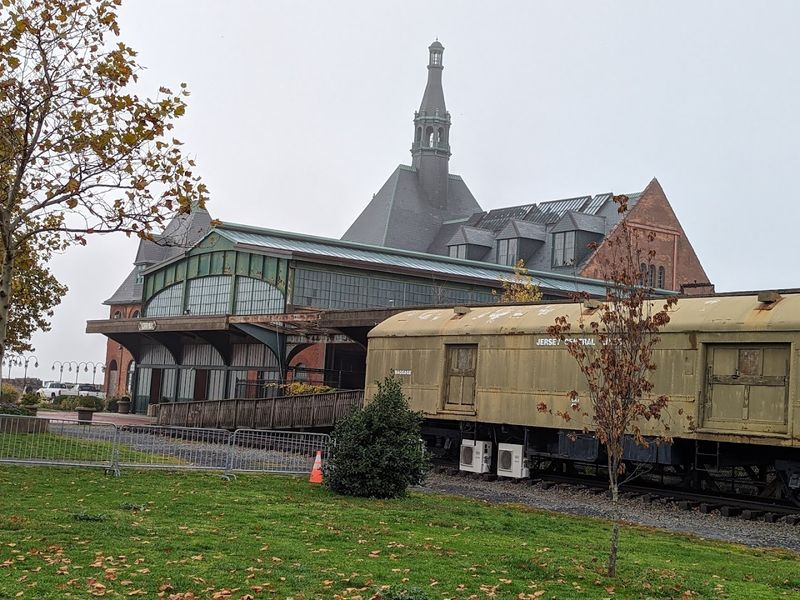
The Central Railroad of New Jersey Terminal is hiding in plain sight at Liberty State Park, which is part of what makes it so satisfying. The main terminal building has been restored, the waterfront views are huge, ferries leave nearby for the Statue of Liberty and Ellis Island, and then—just beyond the polished public face—you get the abandoned train shed.
Built in 1889, the terminal once moved millions of passengers and served as a major gateway for immigrants who came through Ellis Island and continued into the country by rail. Its decline followed larger transportation shifts: the Great Depression, the rise of automobiles, and the end of service in 1967.
The old tracks and shed were left for nature to complicate, with plants pushing through the open roof and old rail infrastructure taking on that half-industrial, half-garden look only time can design.
This is one of the most accessible abandoned-feeling places on the list because you do not need to sneak, bushwhack, or risk a trespassing ticket to appreciate it.
The fenced-off sections should stay fenced-off, especially where the structure is unstable, but the view from outside is still excellent. It is a ruin with skyline lighting, a perfect Jersey City contradiction: grand, weathered, public, and quietly overgrown.
13. Old Essex County Jail, Newark
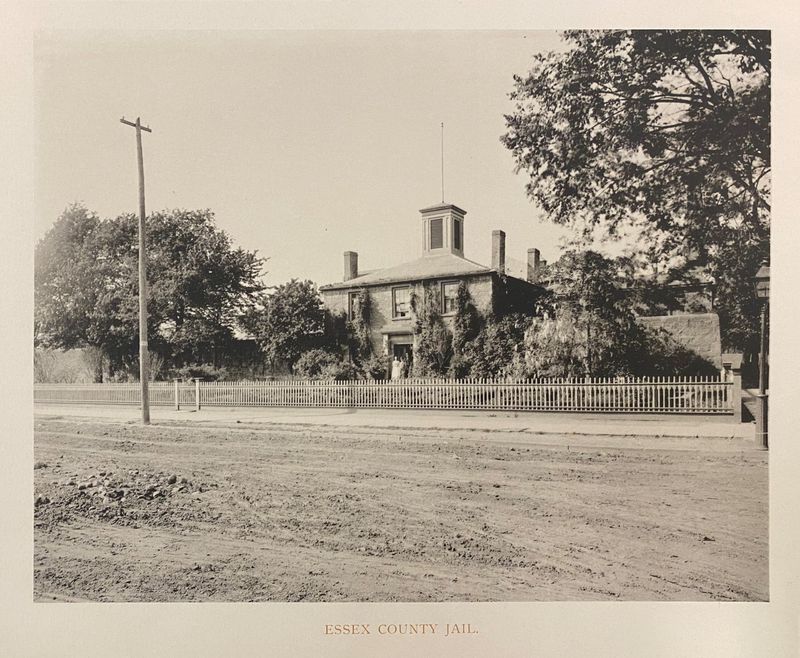
The Old Essex County Jail does not need ghost stories. Its real history is heavy enough.
Built in 1837, with architect John Haviland connected to its design, it is considered Newark’s oldest government building and a rare surviving piece of early American prison reform architecture.
The jail grew as Newark grew, adding buildings and facilities over time, and its story tracks the city’s transformation from smaller town to industrial powerhouse to a place deeply marked by the 1967 Rebellion and later disinvestment.
It has sat abandoned for more than forty years, and that long vacancy is part of why it feels so urgent. This is not a romantic ruin in the “pretty vines on brick” sense.
It is a place that raises harder questions: who was held here, under what conditions, what punishment was supposed to mean, and what a city should do with a building tied to confinement and inequality. The site has been the subject of preservation and adaptive-reuse proposals, which gives it a different energy from a forgotten factory.
It is not simply waiting to be discovered; it is waiting for a decision. For readers, the best angle is respect.
Do not frame it as a spooky playground. Frame it as Newark history with cracked walls, real consequences, and a future still being argued over.
14. McNeal Mansion, Burlington
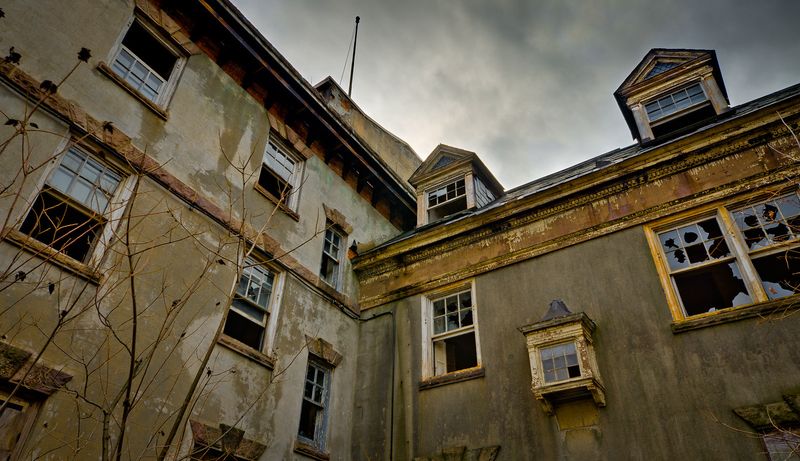
McNeal Mansion has the kind of backstory that makes perfect sense once you see where it sits: grand house, industrial money, Delaware River, factory next door. Andrew McNeal, founder of U.S.
Pipe, built the mansion around 1894 beside his company’s Burlington property, creating a classic late-19th-century industrialist arrangement where home, power, and production were all within view of each other. The house later became administrative headquarters for the pipe company and was expanded with additional wings.
Then, like so many big houses tied to single-purpose fortunes, it outlived the world that created it. The property was sold to the City of Burlington in 1975, auctioned off shortly afterward, and a later plan to turn it into a restaurant and conference center stalled around 2000.
Preservation New Jersey has listed it as endangered, and fire damage, vacancy, and neglect have all added to its haunted grandeur. This is not a casual public tour stop, and it should be treated as a private, fragile site rather than an invitation to explore.
What makes it worth including is the visual drama of a mansion that seems to be losing an argument with time. It is a Delaware River relic of money, manufacturing, and ambition, still standing but clearly asking how much longer a building can survive on presence alone.
15. Burlington Island / Island Beach Amusement Park, Burlington
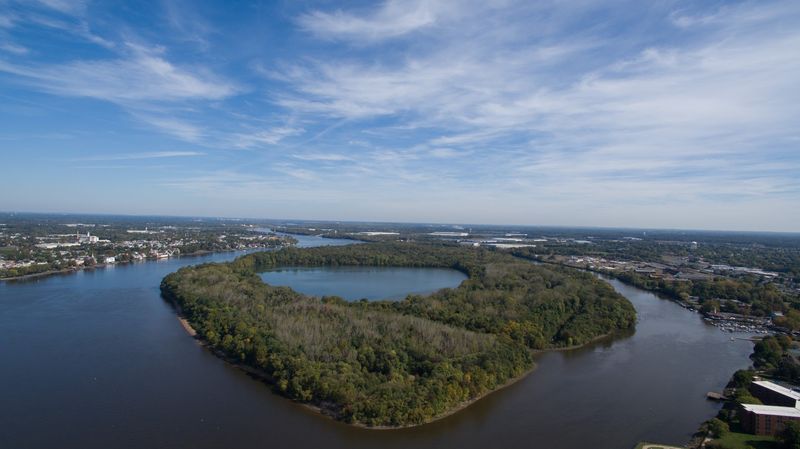
Burlington Island is not just abandoned; it is layered. Sitting in the Delaware River between Burlington, New Jersey, and Bristol, Pennsylvania, it has been tied to Lenape history, colonial settlement, public education funding, farming, sand and gravel extraction, recreation, and one wonderfully vanished amusement park.
From 1900 to 1917, the lower part of the island was used as a picnic ground and bathing area. In 1917, Island Beach Amusement Park opened and became a regional draw, complete with rides, crowds, river access, and that classic early-20th-century feeling that a steamboat could deliver you to a full day of fun.
Then fire did what fire so often did to old amusement parks. Major fires in the 1920s and 1930s destroyed the park, ending the operation and leaving the island to shift through later plans, mining, and abandonment.
Today, the island is uninhabited, with a large lagoon created by mining and a history that feels almost too big for its quiet profile from shore. Access is not as simple as driving up and parking; readers should think in terms of organized visits, boating or kayaking possibilities, and current local guidance before planning anything.
Its power as a story is the image of a lost amusement park where the midway gave way to trees, water, and river wind.