Growing up in Tennessee means your taste buds got an education money can’t buy. From the fiery kick of Nashville’s most famous chicken to the slow-smoked perfection found in Memphis pit houses, these flavors tell our story better than any history book. Every bite connects you to generations of Tennesseans who knew that good food brings people together, whether you’re sitting at grandma’s table or pulling up to a roadside shack.
If these ten dishes make your mouth water and your heart a little homesick, you’re definitely one of us.
1. Nashville Hot Chicken
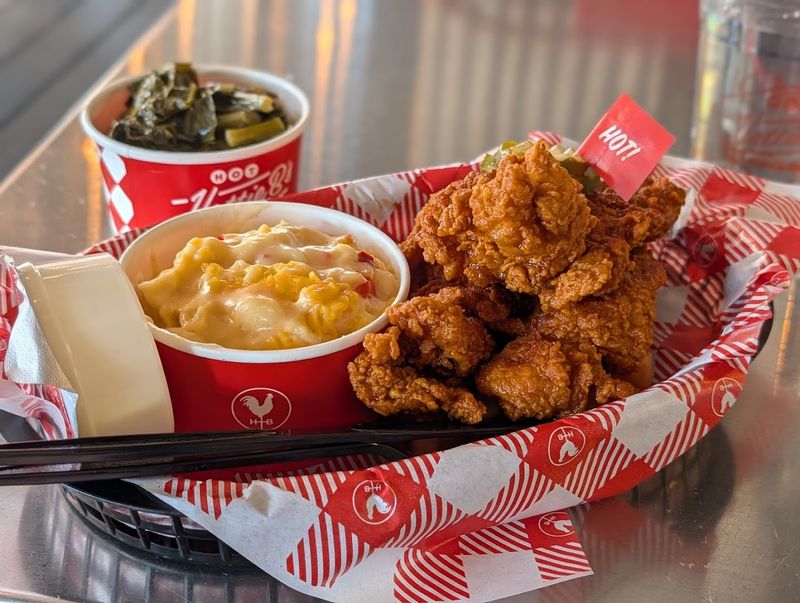
Spicy food lovers across the world now worship this dish, but Tennesseans know the real deal can only be found where it all started. The story goes that a scorned woman tried to punish her cheating man with painfully spicy chicken, but the plan backfired when he loved it so much he opened a restaurant. That’s the legend behind one of our state’s most famous exports.
The preparation involves a careful dance of heat and flavor that takes years to master. After frying the chicken to golden perfection, cooks brush it with a paste made from cayenne pepper and other secret spices mixed with the hot frying oil. The result hits your tongue with immediate fire that builds with each bite, but beneath that heat lies perfectly seasoned, juicy chicken that keeps you coming back despite the sweat on your forehead.
White bread and pickle chips come standard with every serving, and locals know these aren’t just garnishes. The bread soaks up that spicy oil like a sponge, giving you a moment of relief between bites, while the tangy pickles cut through the richness. Heat levels range from mild to “shut the cluck up,” so newcomers should start low and work their way up.
Every Nashvillian has their favorite spot and will defend it passionately at family gatherings. The lines wrap around buildings on weekends, but nobody complains because anticipation makes that first bite even better. Once you’ve had the real thing, no imitation will ever measure up to the memory.
2. Memphis Dry-Rub Ribs
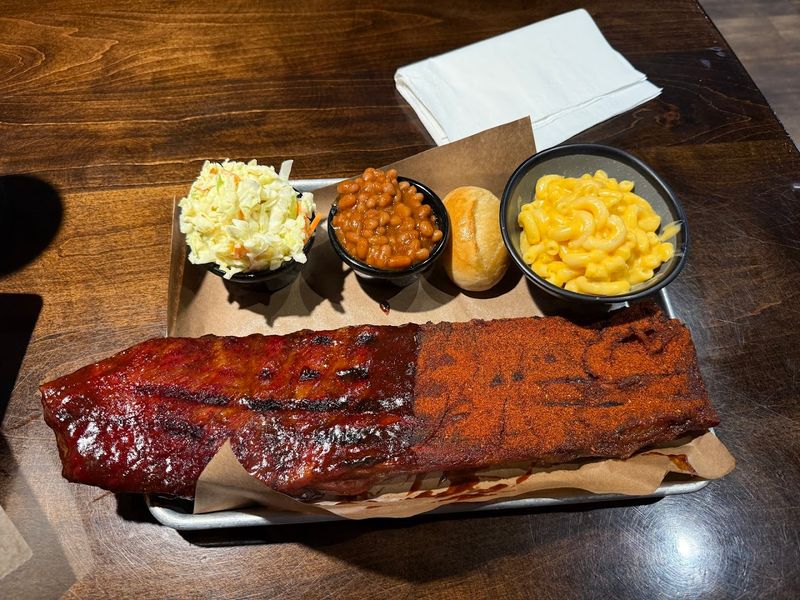
Walk into any proper Memphis barbecue joint and you’ll notice something missing from the tables. Sauce bottles don’t dominate the conversation here because the meat speaks for itself through layers of carefully balanced spices. Pitmasters spend decades perfecting their rub recipes, mixing paprika, brown sugar, garlic powder, and a dozen other ingredients in ratios they guard more carefully than family secrets.
The magic happens in massive smokers where racks cook low and slow over hickory or oak for hours. That spice crust transforms into a dark, flavorful bark that provides textural contrast to the tender meat underneath. When ribs are done right, the meat pulls away from the bone with gentle resistance, not falling off completely like some people mistakenly think it should.
Dry-rub doesn’t mean you can’t have sauce, it just means the sauce comes on the side as an option rather than a requirement. Many locals prefer their ribs naked, letting those complex spice flavors shine without interference. The sweetness from brown sugar caramelizes during cooking, creating pockets of intense flavor that make your taste buds do a happy dance.
Competitions between Memphis pit bosses get serious, with bragging rights lasting all year until the next cook-off. Families have been known to split over which restaurant serves the best ribs in town.
Visitors often arrive expecting wet, saucy ribs and leave as converts to the dry-rub religion, understanding why Memphians are so proud of their distinctive style that sets them apart from other barbecue cities.
3. Tennessee Pulled Pork Barbecue
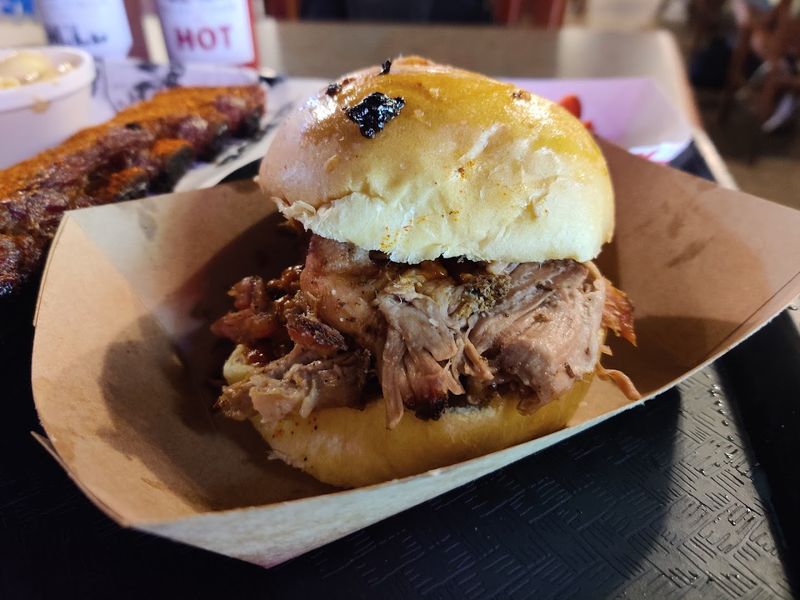
Smoke-kissed pork shoulder that’s been cooking since before sunrise fills the air around Tennessee barbecue spots with an aroma that stops traffic. Pitmasters arrive in darkness to tend their smokers, maintaining steady temperatures between 225 and 250 degrees for twelve hours or more. This isn’t fast food, it’s a meditation in patience that results in meat so tender it shreds with just a fork’s gentle persuasion.
The shoulder starts as a tough, fatty cut that seems like an unlikely candidate for greatness. But time, smoke, and consistent heat work together to break down connective tissues and render fat throughout the meat, creating strands that glisten with moisture and flavor. That pink smoke ring just beneath the surface serves as a badge of honor, proof that real wood smoke penetrated deep into every fiber.
Regional variations exist across the state, with some preferring a vinegar-based sauce while others go for tomato or mustard bases. Eastern Tennessee leans toward a thinner, tangier sauce, while western parts of the state embrace thicker, sweeter options. Regardless of sauce preference, everyone agrees the pork itself should taste incredible on its own, with sauce enhancing rather than masking the smoky meat.
Serving it on a soft white bun with coleslaw piled high is the traditional way, creating a perfect balance of textures and temperatures. The cool, crunchy slaw contrasts beautifully with warm, soft pork, while the bun soaks up all those delicious juices. Some folks skip the bun entirely, loading their plates with meat, slaw, beans, and whatever other sides look good that day.
4. Meat and Three
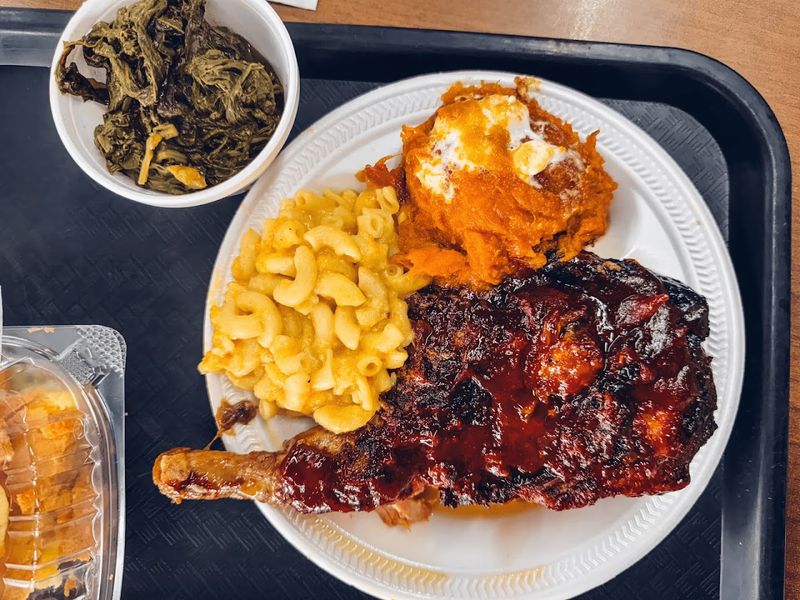
Cafeteria-style restaurants serving this concept line the streets of Tennessee towns, offering working folks a hearty lunch that sticks to your ribs without emptying your wallet. The formula sounds simple: pick one meat and three vegetables from the day’s offerings displayed behind a sneeze guard. But the execution requires skill, tradition, and an understanding that vegetables in the South often involve bacon, butter, or both.
Meats rotate daily and might include fried chicken, meatloaf, pot roast, country fried steak, or baked ham. The real decision-making happens at the vegetable section, where you’ll find at least a dozen options staring back at you. Green beans cooked with ham hock, creamy macaroni and cheese, candied yams, fried okra, mashed potatoes with gravy, turnip greens, squash casserole, and more create an overwhelming abundance of choice.
Calling these items vegetables feels technically correct but spiritually misleading since many pack enough calories to qualify as their own meal. Nobody comes to a meat-and-three looking for diet food, though. You come for comfort, for flavors that remind you of Sunday dinners at your grandmother’s house, for food that tastes like someone actually cared about cooking it right.
Sweet tea flows freely, and cornbread or rolls come standard with every plate. The atmosphere tends toward no-frills, with fluorescent lighting and chairs that have seen better decades, but regulars wouldn’t change a thing.
This isn’t just lunch, it’s a daily ritual that connects Tennesseans to their culinary roots in the most delicious way possible.
5. Country Ham and Biscuits
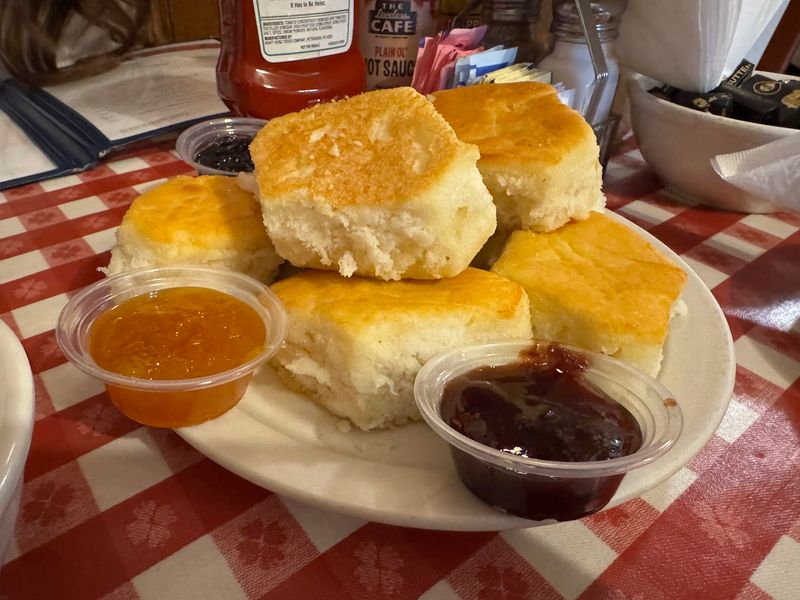
Salt-cured and aged for months, country ham represents an older way of preserving meat that modern refrigeration made less necessary but couldn’t make any less delicious. The process starts with fresh pork legs rubbed down with salt, sugar, and sometimes other spices, then hung in smokehouses where they slowly dry and develop complex flavors. What emerges months later tastes intensely salty and deeply porky, with a firm texture that slices thin as paper.
Proper preparation involves soaking slices in water or milk to draw out excess salt, though some old-timers skip this step and embrace the full intensity. Pan-frying the ham creates crispy edges while the center stays chewy, and that rendered fat becomes liquid gold for cooking eggs or flavoring vegetables. The aroma of country ham sizzling in a cast-iron skillet could wake the dead and definitely wakes up anyone still sleeping in the house.
Biscuits provide the perfect vehicle for this salty treasure, their fluffy, buttery texture balancing the ham’s assertiveness. Making biscuits from scratch requires a light touch with the dough and a hot oven, resulting in layers that pull apart in steamy sections. Southerners have strong opinions about biscuit-making techniques, from whether to use lard or butter to how many times you should fold the dough.
Breakfast spreads across Tennessee feature this combination prominently, often accompanied by red-eye gravy made from ham drippings and coffee. The gravy sounds strange but tastes incredible, especially when you’ve got biscuits to soak it up.
6. Fried Catfish
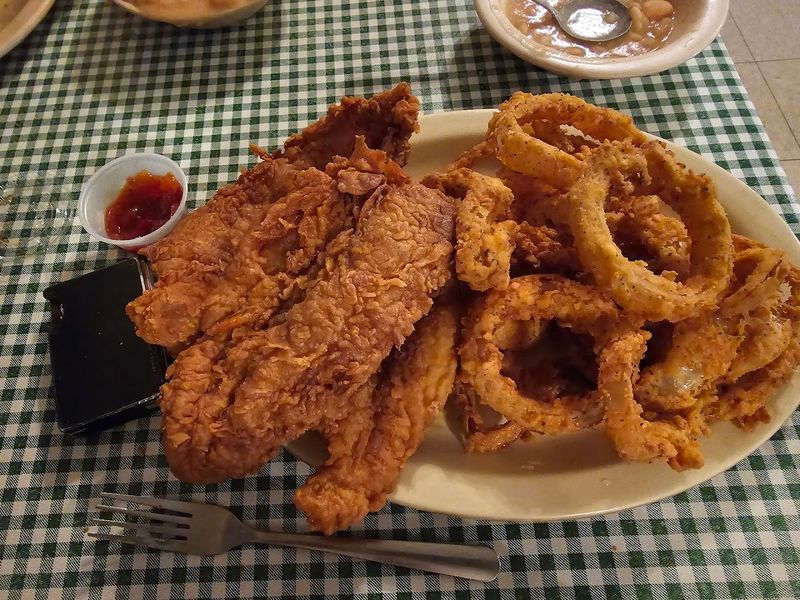
Rivers and lakes throughout Tennessee have provided this bottom-feeding fish to families for generations, making it a staple that crosses all social lines. Friday night fish fries bring communities together, whether at church fundraisers, VFW halls, or riverside restaurants where the day’s catch goes straight from water to fryer. The mild, slightly sweet flesh takes well to aggressive seasoning and high heat, transforming into crispy, golden perfection.
Cornmeal coating is non-negotiable in Tennessee kitchens, providing a crunchy texture that flour alone can’t match. Some cooks add a little flour to help the coating stick better, while others go pure cornmeal for maximum crunch. Seasonings mixed into the coating vary by family recipe but typically include black pepper, cayenne, garlic powder, and paprika in ratios that get argued about at every family reunion.
The frying technique matters as much as the coating, with oil temperature needing to stay hot enough to crisp the outside without overcooking the delicate fish inside. Cast-iron skillets or dedicated fish fryers get the job done, bubbling away until fillets float to the surface with a deep golden color. Draining on paper towels or brown paper bags removes excess grease while keeping that coating crispy.
Traditional accompaniments include hushpuppies, coleslaw, french fries, and white beans, creating a plate that satisfies every craving at once. Tartar sauce and hot sauce bottles make the rounds, letting everyone customize their experience.
All-you-can-eat catfish nights pack restaurants with families who take the challenge seriously, going back for seconds and thirds until buttons strain and belts need loosening. Nobody leaves hungry, and nobody regrets the indulgence until much later.
7. Cornbread
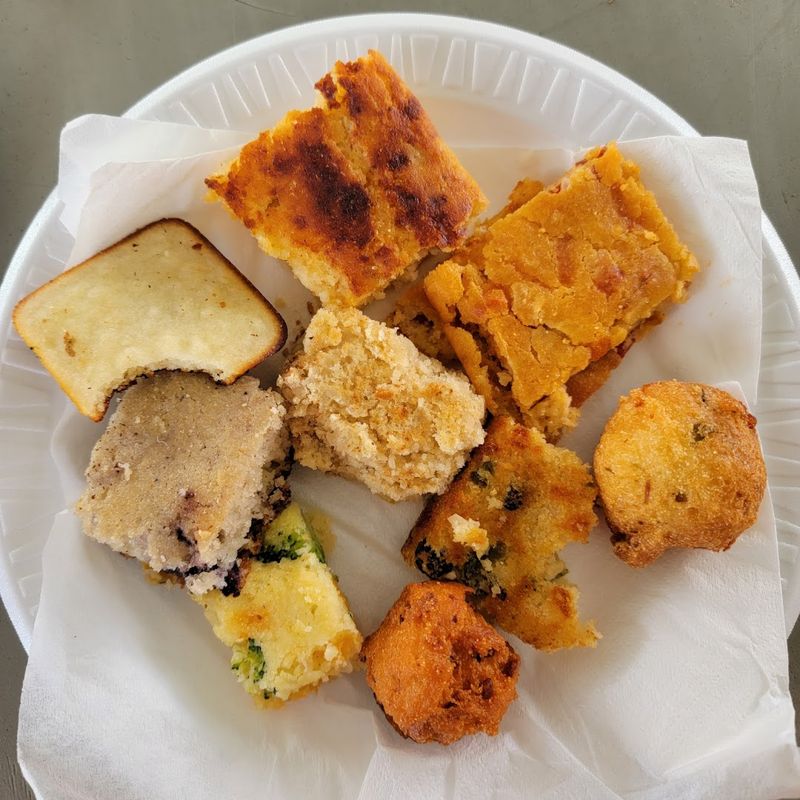
Cast-iron skillets across Tennessee have been baking this staple for so long that the pans have developed a seasoning that contributes its own flavor to each batch. Real cornbread contains cornmeal, buttermilk, eggs, and maybe a touch of flour, but never sugar, according to purists who will fight you over sweetened versions. The batter should pour thin enough to spread evenly but thick enough to rise into a cake-like texture with crispy, golden edges.
Preheating the skillet with oil or bacon grease creates that signature crunchy bottom crust that many consider the best part. When batter hits hot fat, it sizzles and immediately starts forming that coveted texture. The top should turn golden brown with maybe a few cracks showing where steam escaped during baking, and a toothpick inserted in the center should come out clean with just a few moist crumbs clinging to it.
Debates rage about proper cornbread composition, with some families adding a little sugar despite traditional objections, while others insist on stone-ground cornmeal for authentic flavor and texture.
Serving cornbread still warm from the oven is mandatory, with butter melting into every crumb as you split it open. It accompanies virtually every Tennessee meal, from barbecue to soup to vegetable plates, soaking up gravies, pot liquor, and sauces with equal enthusiasm.
Leftover cornbread, if such a thing exists in your house, crumbles perfectly into buttermilk for a simple, old-fashioned snack that sustained farmers through long afternoons.
8. Banana Pudding
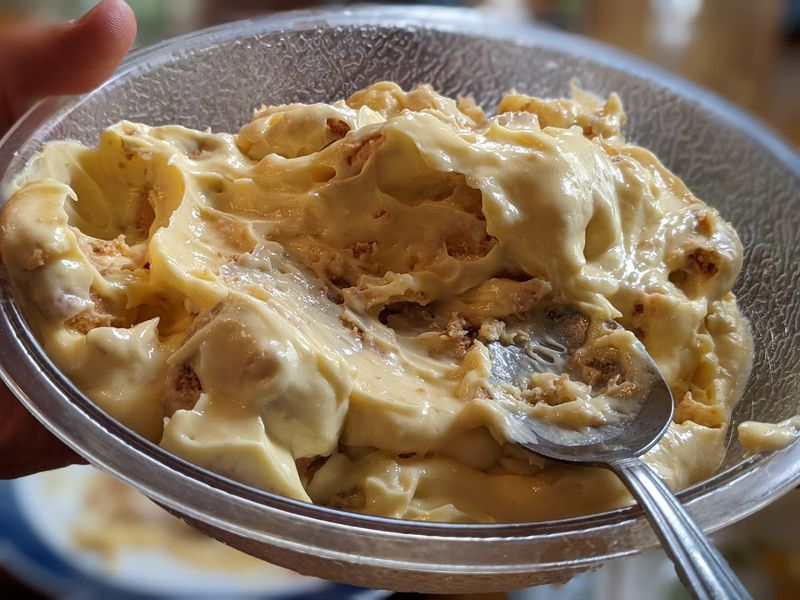
Church potlucks and family reunions across Tennessee wouldn’t feel complete without at least three versions of this dessert making an appearance. Everyone’s grandmother claims to make the best one, and honestly, they’re all probably right because banana pudding made with love always tastes better than any recipe can explain. The classic version layers vanilla wafers, sliced bananas, and custard pudding in a dish, topped with meringue that gets torched or baked until golden peaks form.
Vanilla wafers soften as they absorb moisture from the pudding and bananas, creating a cake-like layer that contrasts beautifully with creamy custard. Timing matters when assembling this dessert because you want some wafers to stay slightly crispy while others transform into something else entirely. Bananas should be ripe but not overripe, firm enough to slice cleanly but sweet enough to perfume the whole dish with their presence.
The pudding itself divides cooks into camps: from-scratch custard makers versus instant pudding defenders, with both sides producing delicious results through different paths. Scratch custard takes more time and attention but delivers a silkier texture and deeper vanilla flavor. Instant pudding gets you to the finish line faster and still tastes great, especially when you’re feeding a crowd and time is tight.
Meringue versus whipped cream represents another theological divide in banana pudding philosophy. Traditional meringue made from whipped egg whites and sugar creates dramatic height and a marshmallow-like texture with those gorgeous browned peaks. Whipped cream offers a lighter, less sweet alternative that some prefer, though purists consider it a shortcut too far.
Either way, this dessert disappears fast at gatherings, with people sneaking back for second and third servings until only scraped bowls remain.
9. Chess Pie
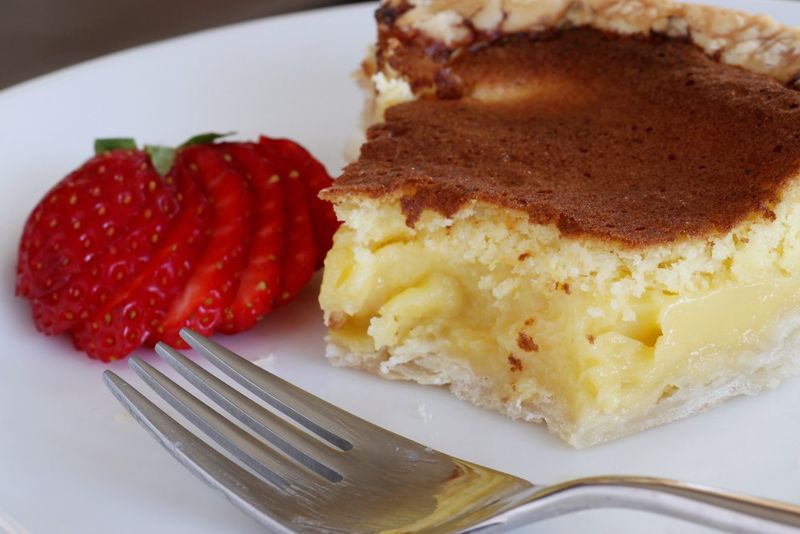
Simple ingredients transform into something magical when you make this old-fashioned dessert that sustained Tennessee families through lean times and prosperous ones alike. Eggs, sugar, butter, and a little cornmeal or flour create a filling that bakes into a sweet, dense custard with a signature crackled top.
The filling mixture looks unpromising when you first whisk it together, thin and grainy with undissolved sugar. But heat works its magic during baking, causing everything to set into a texture that’s somehow both creamy and slightly grainy at the same time. That top crust cracks as it cools, creating a pattern as unique as a fingerprint and a slightly firmer layer that gives way to soft filling underneath.
Variations on the basic recipe include adding lemon juice for tang, vanilla extract for depth, or a splash of vinegar for complexity. Some families swear by their secret ingredient, whether it’s a tablespoon of bourbon or a pinch of nutmeg. The beauty of chess pie lies in its flexibility, accepting small changes while maintaining its essential character as a sweet, simple celebration of pantry staples.
Serving chess pie requires no adornment beyond maybe a dollop of whipped cream or a scoop of vanilla ice cream if you’re feeling fancy. The pie itself provides all the sweetness and satisfaction anyone could want, with that buttery, sugary filling delivering pure comfort in every bite. Bakeries across Tennessee sell slices year-round, but homemade versions still reign supreme, especially when they come from recipes written on index cards in your grandmother’s handwriting.
10. MoonPies
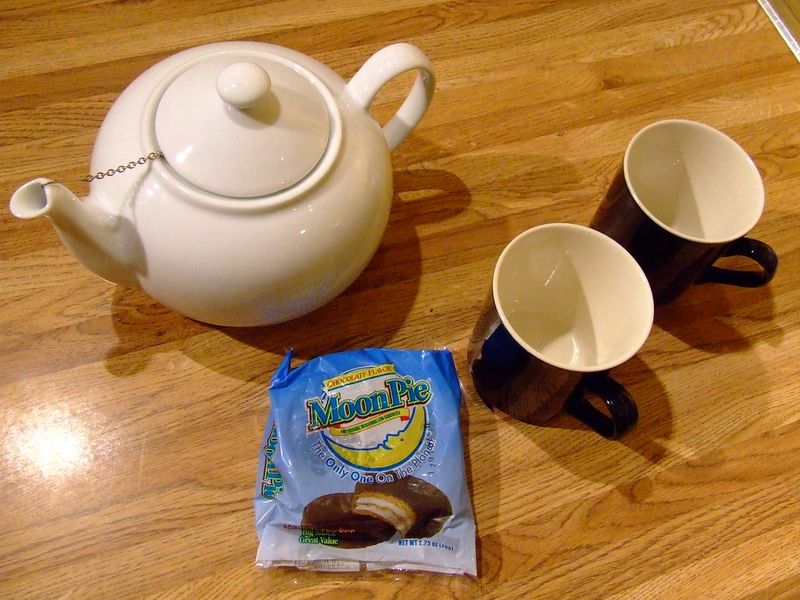
Factory-made in Chattanooga since 1917, these marshmallow-filled treats have achieved iconic status far beyond their humble origins as coal miner snacks. Two round graham cookies sandwich a thick layer of marshmallow, then the whole thing gets dipped in flavored coating, creating a handheld dessert that pairs perfectly with an RC Cola, according to Southern tradition. The combination sounds strange to outsiders but makes perfect sense to anyone who grew up in Tennessee.
Original chocolate coating remains the most popular flavor, but banana, vanilla, and strawberry versions have their devoted followers too. Each variety offers a different experience, from the classic richness of chocolate to the artificial-but-delightful banana that tastes like childhood memories. The marshmallow center stays soft and sticky, pulling away from the cookies in satisfying strings when you bite down.
MoonPie festivals celebrate this snack across the South, with the biggest happening in Bell Buckle, Tennessee, where a giant MoonPie gets cut and distributed to crowds. People dress up, compete in MoonPie-eating contests, and generally embrace the absurdity of throwing a party for a packaged snack food. But that’s the thing about MoonPies—they’ve transcended being just food to become a symbol of Southern culture and working-class pride.
You can find MoonPies in gas stations, grocery stores, and even some fancy shops that sell them as nostalgic gifts. They travel well, last forever in your pantry, and cost less than a dollar, making them the perfect road trip snack or lunch box treat.
Yankees might not understand the appeal of a cookie that’s been around for over a century with barely any changes, but Tennesseans know that some things are already perfect and don’t need improving.