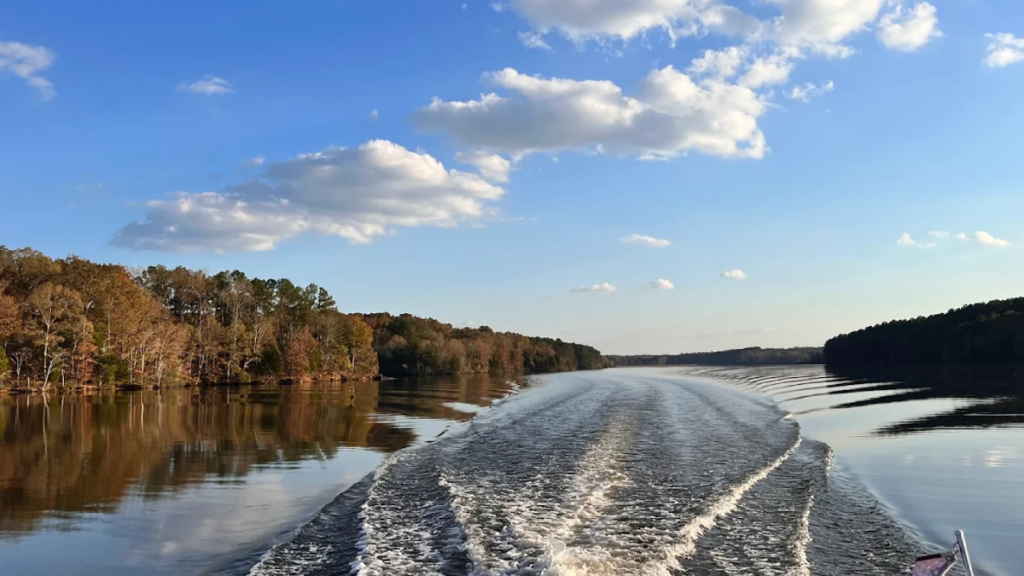
May is hands-down one of the best months to explore Tennessee’s state parks. The weather is warm but not sweltering, wildflowers are blooming, waterfalls are flowing strong from spring rains, and the summer crowds haven’t arrived yet.
Whether you’re chasing waterfalls, hiking mountain trails, or just looking for a peaceful lakeside escape, Tennessee’s parks offer something special before the peak season rush begins.
1. Fall Creek Falls State Park — Spencer
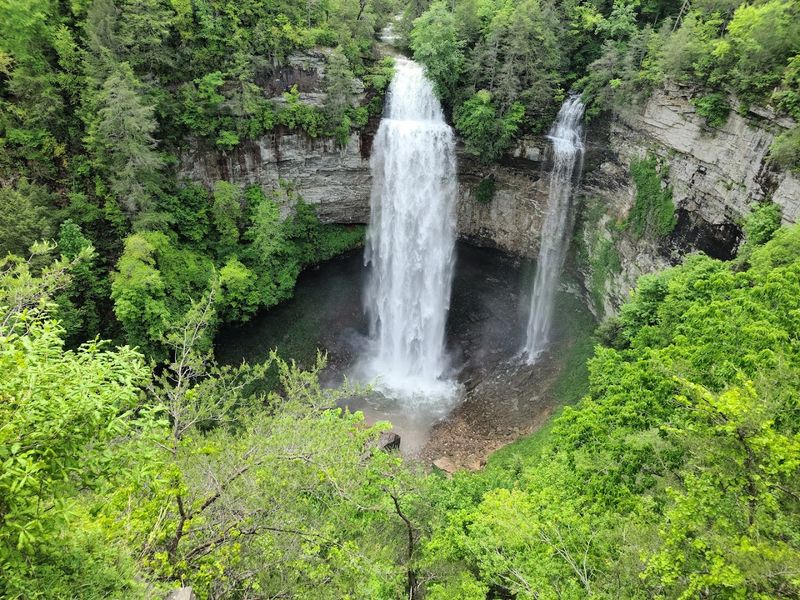
Waterfalls don’t get much more dramatic than this. Fall Creek Falls drops 256 feet into a misty gorge, making it the tallest waterfall in Tennessee and one of the most photographed natural features in the state. Spring rains in May turn this cascade into an absolute powerhouse, with water thundering over the edge in ways that summer’s lower flows just can’t match.
But this park isn’t a one-waterfall wonder. You’ll find several other falls scattered throughout the 26,000-acre property, including Cane Creek Falls, Piney Falls, and Cane Creek Cascades. Each one has its own personality and viewing spots, so plan to spend a full day if you want to see them all.
The gorge overlooks are incredible too, offering sweeping views that’ll make your phone camera work overtime.
Trails range from easy paved paths to more challenging routes that get you right up close to the action. The overlook trail to the main falls is paved and family-friendly, while the base trail involves stairs and a steeper descent but rewards you with an up-close view of the plunge pool. May’s mild temperatures make hiking way more pleasant than the sticky heat of July.
Since this park is one of Tennessee’s most popular, visiting in May means you’ll actually find parking and won’t be elbow-to-elbow with other visitors at the viewpoints. Cabins and campsites book up fast even in shoulder season, so reserve early if you want to stay overnight and catch the falls in morning light.
2. Burgess Falls State Park — Sparta
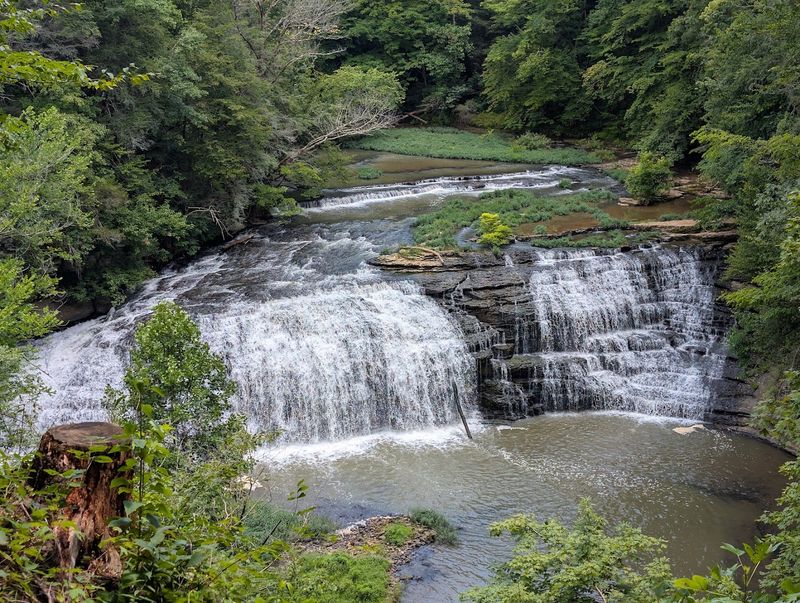
Four waterfalls in one park? That’s the kind of deal you don’t pass up. Burgess Falls delivers a cascade-hopping adventure along the Falling Water River, with each waterfall building anticipation for the grand finale.
The trail follows the river downstream, so you’re basically on a waterfall treasure hunt that gets better with every turn.
The first three falls are pretty but serve as warm-up acts. Then you round the final bend and boom—the main Burgess Falls drops more than 130 feet into a dramatic gorge that’ll stop you in your tracks. The roar of the water, the spray in the air, and the sheer power of it all make this one of Tennessee’s most impressive waterfall experiences, especially when May’s rainfall pumps up the volume.
The hike to the main falls is just under a mile and mostly easy, though the last section gets a bit steep and rocky. Wear decent shoes because the trail can be slick near the falls. There are overlook platforms at the big drop, giving you safe viewing spots to take in the scene without scrambling around on wet rocks.
May timing is perfect here because summer heat can make the exposed sections of the trail pretty brutal, and by late summer, the water flow often diminishes. Spring gives you the best of both worlds: comfortable hiking weather and waterfalls at their most photogenic.
Pack a lunch and enjoy it at one of the overlooks—there’s something about eating a sandwich while watching thousands of gallons of water plummet into a gorge that just hits different.
3. Cummins Falls State Park — Cookeville
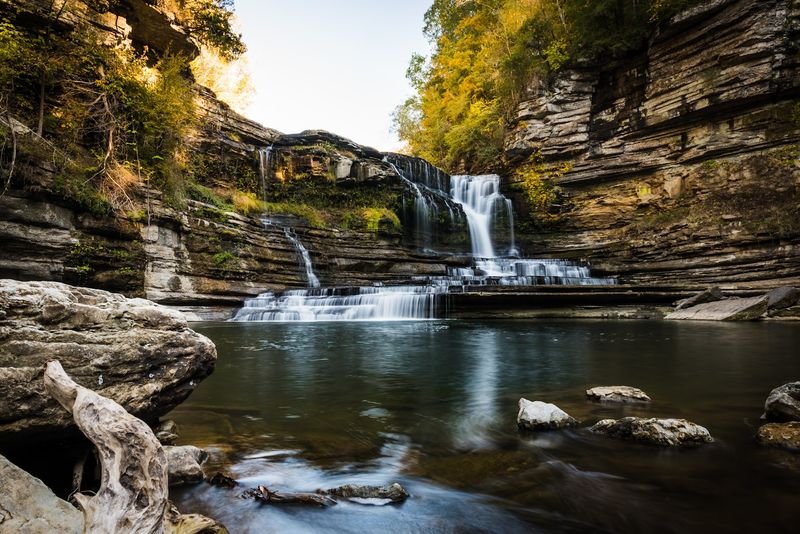
Here’s the thing about Cummins Falls: it’s absolutely stunning, but it makes you work for it. This isn’t a drive-up-and-snap-a-photo kind of place. The 75-foot waterfall and the gorgeous gorge surrounding it require a permit and a moderately challenging hike that includes rock-hopping and creek crossings.
But honestly? That’s what keeps it from being overrun and maintains its wild, adventurous vibe.
The gorge hike takes you right down into the river, where you’ll wade through water, scramble over boulders, and navigate slippery rocks to reach the base of the falls. May is ideal because spring water levels are usually manageable—not the dangerous high water of early spring, but not the low trickle of late summer either. The swimming hole at the base of the falls is legendary, though May water temps might still be brisk for extended dipping.
You absolutely must get a permit before you go. The park implemented this system to protect the environment and manage visitor numbers after the area became dangerously overcrowded. Permits are free but required, and they do check.
Reserve yours online ahead of time, especially for weekends, because they limit daily entries.
The overlook trail offers an easier alternative if you want to see the falls without the gorge scramble. It’s a shorter hike to a viewing platform above the cascade, giving you the scenic payoff without getting your feet wet. Either way, wear shoes with a good grip and bring a dry bag for your phone and snacks.
4. Rock Island State Park — Rock Island
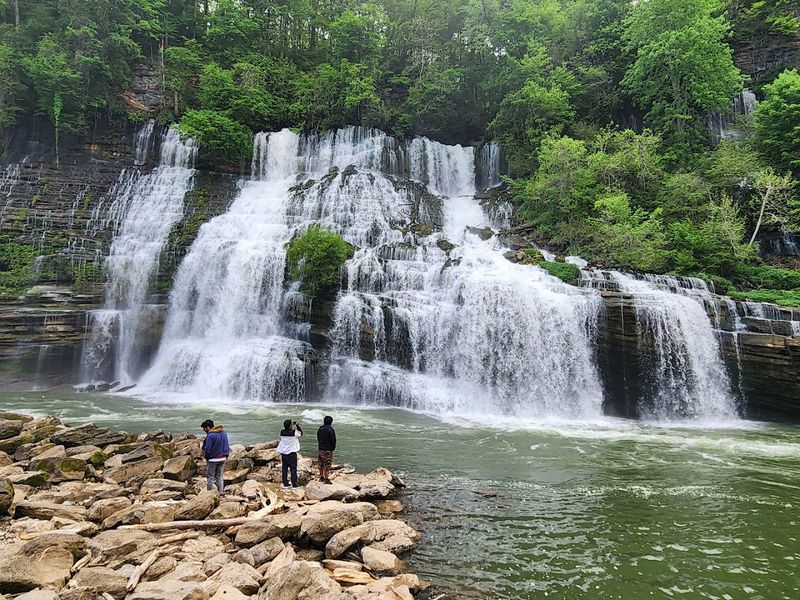
Three rivers colliding in one spot creates the kind of natural drama that maps can’t quite capture. Rock Island sits at the convergence of the Caney Fork, Collins, and Rocky rivers, and the result is a landscape packed with waterfalls, unusual rock formations, and gorge views that feel almost otherworldly. May’s higher water levels turn the cascades into legitimate showstoppers.
Great Falls is the main attraction—a powerful waterfall that crashes over layered rock ledges into the gorge below. The overlook gives you a bird’s-eye view of the action, and it’s one of those spots where you’ll stand there way longer than you planned, just watching the water do its thing. The rock formations around the falls look like something out of a geology textbook, with layers of sedimentary rock creating natural platforms and shelves.
Twin Falls is another must-see, accessible via a short hike that takes you to a double waterfall tumbling into a swimming area. By May, the water’s still cold but starting to warm up, and locals often start testing it out on warmer afternoons. The park also has several overlook points along the gorge rim, offering different perspectives on the river systems and the dramatic topography they’ve carved over millennia.
Trails range from easy walks to more rugged paths that descend into the gorge. The park isn’t as developed or crowded as some of Tennessee’s bigger names, which gives it a more authentic, less touristy feel. Bring a picnic and claim one of the riverside spots—May weather is perfect for lounging by the water without the intense sun and humidity that’ll hit later in summer.
5. Roan Mountain State Park — Roan Mountain
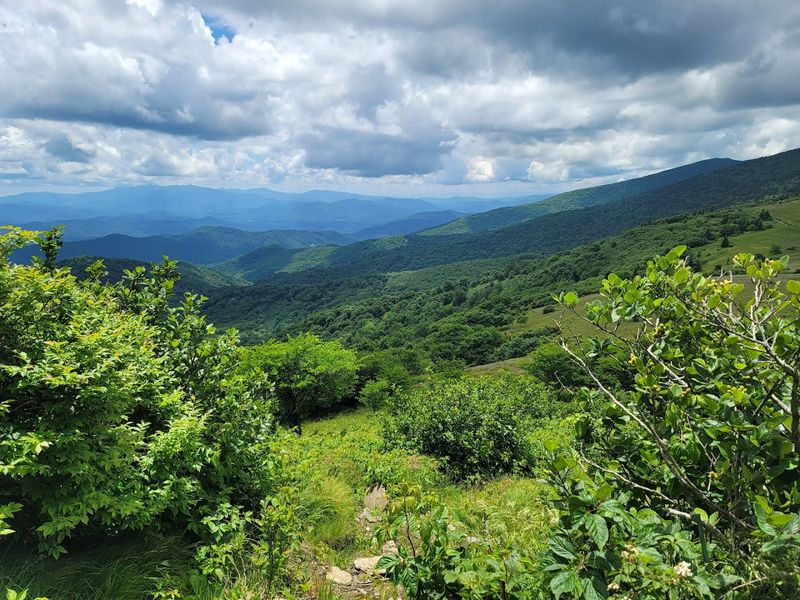
If May’s warming temperatures in lower elevations are already feeling too toasty, head to Roan Mountain for a refreshing dose of cool mountain air. Perched in the Appalachians near the North Carolina border, this park offers a completely different vibe from the waterfall-heavy parks elsewhere in the state. Think forested trails, mountain streams, and elevation that keeps things comfortably cool even as spring shifts toward summer.
The Doe River runs through the park, providing a peaceful soundtrack to hikes and a scenic centerpiece that’s especially pretty in spring when wildflowers are blooming along its banks. Trails wind through dense forests of hardwoods and evergreens, with options for short nature walks or longer treks that connect to the Appalachian Trail system. The elevation changes give you some genuine mountain hiking without requiring technical skills or extreme fitness.
Late May is rhododendron season on Roan Mountain, and if you time it right, you’ll catch the famous rhododendron gardens near Carvers Gap exploding with pink and purple blooms. The gardens sit at over 6,000 feet elevation and are accessible via a side trip from the park. It’s one of the most spectacular natural flower displays in the entire Southeast, and it only happens for a few weeks each year.
The park has cabins if you want to base yourself here for a few days and explore the surrounding high country. May is perfect because you’ll avoid summer’s weekend crowds but still get decent weather for outdoor activities. Mornings can be crisp, so pack layers.
This is mountain country where temperatures can swing significantly between sun and shade, and afternoon clouds can roll in quickly, bringing cooler air and occasional drizzle.
6. Radnor Lake State Park — Nashville
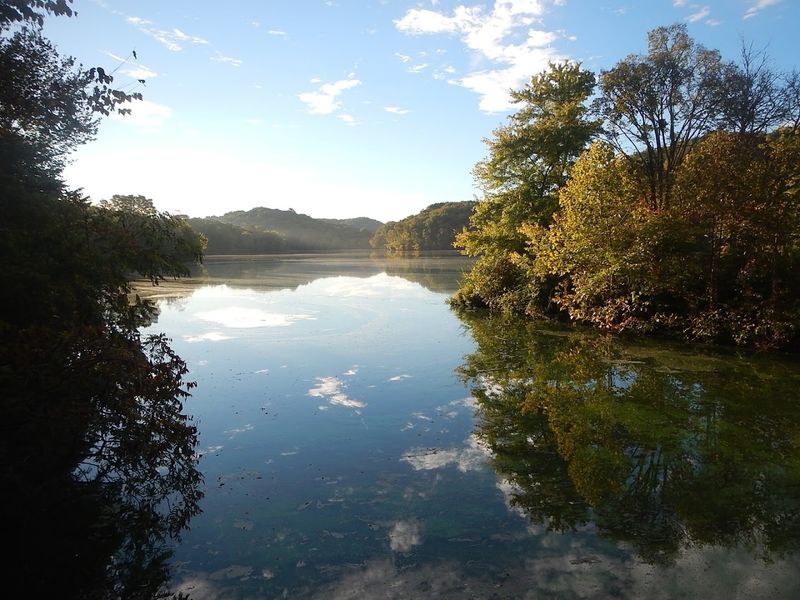
Sometimes you need nature without the road trip. Radnor Lake delivers a genuine wilderness experience just minutes from downtown Nashville, making it the perfect escape when you want trails and tranquility but don’t want to drive two hours to find them. The lake itself is an 85-acre natural area surrounded by protected forest, and the whole place has a hushed, almost sacred quality that feels miles removed from the city buzzing nearby.
May is prime time for birding here. The park is a hotspot for migratory species passing through, and you’ll see serious birders with binoculars and field guides camped out along the trails. Even if you can’t tell a warbler from a wren, the sheer variety of bird sounds creates an amazing natural symphony.
You’ll also likely spot deer, turtles sunning on logs, and if you’re lucky, maybe a beaver or river otter.
The trails circle the lake and climb into the surrounding hills, offering both easy lakeside walks and more challenging ridge hikes with elevation gain. The Lake Trail is paved and accessible, perfect for a casual morning stroll or an after-work walk. The unpaved trails that branch off and climb into the hills give you more solitude and better wildlife viewing opportunities.
None of the trails are extremely long, but you can combine them for a solid half-day hike.
Because it’s so close to Nashville, Radnor can get busy on weekends, but May weekdays are usually quiet. The park doesn’t allow swimming, boating, or pets, which helps maintain its peaceful atmosphere and protects the wildlife.
7. Reelfoot Lake State Park — Tiptonville
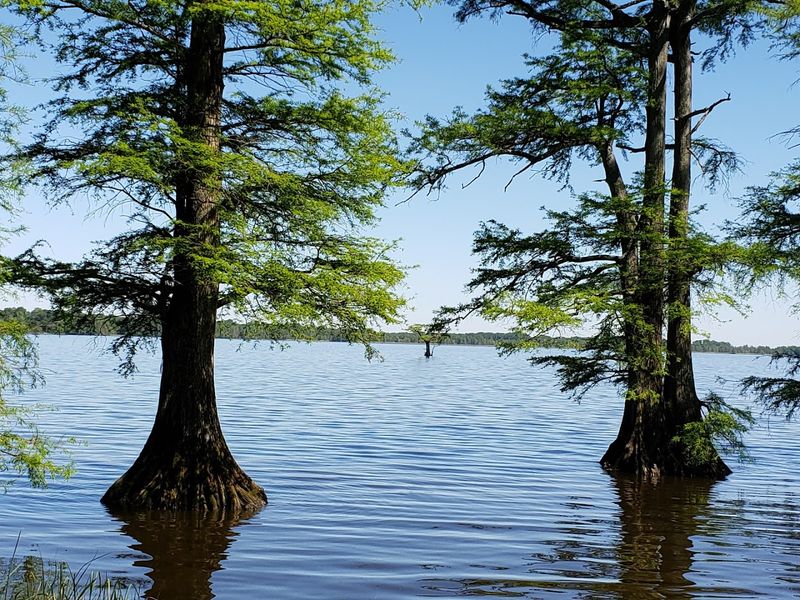
Reelfoot Lake is genuinely weird in the best possible way. Tennessee’s only large natural lake was created by a series of massive earthquakes in 1811-1812 that literally caused the Mississippi River to flow backwards temporarily and created this shallow, sprawling body of water. The result is a landscape unlike anything else in the state—cypress trees standing in water, flooded forests, wetlands teeming with life, and an ecosystem that feels more Louisiana than Tennessee.
Bald eagles are the big draw here, especially in winter, but May brings different rewards. The lake comes alive with nesting birds, blooming aquatic plants, and fish activity that attracts wading birds and other wildlife. The cypress trees, draped in Spanish moss, create an almost eerie beauty, especially in early morning when mist hangs over the water.
It’s incredibly photogenic, and every angle looks like it belongs on a nature documentary.
Boat tours are the best way to experience the lake. The park offers guided tours that take you through the cypress channels and explain the lake’s unique geology and ecology. You can also rent kayaks or bring your own boat to explore independently.
The shallow water and maze of stumps and trees make navigation interesting, but that’s part of the adventure. Fishing is excellent here, with crappie, bass, and catfish all thriving in the lake’s nutrient-rich waters.
The park has a visitor center with exhibits about the earthquakes and the lake’s formation, plus trails that wind through bottomland hardwood forests. May weather is ideal—warm enough for comfortable boating but not yet swampy-hot. If you’re used to Tennessee’s mountain parks, Reelfoot will feel like you’ve driven to a completely different state.
It’s flat, watery, and wild in a totally different way.
8. Pickwick Landing State Park — Counce
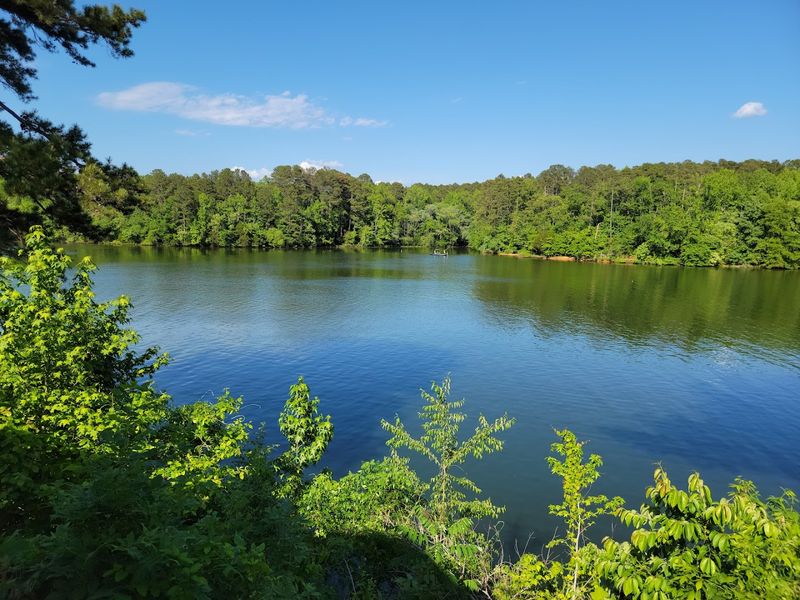
Lake life without the summer chaos—that’s the Pickwick Landing promise in May. This sprawling park on Pickwick Lake offers the full resort experience with a state park price tag. We’re talking a lodge, cabins, camping, a golf course, a marina, a swimming beach, and miles of shoreline.
It’s less about rugged wilderness and more about enjoying the water in comfort, which honestly hits the spot when you want outdoor time without roughing it.
The lake is the centerpiece, and May is perfect for getting out on the water before the summer boat traffic turns it into a floating parking lot. Fishing is excellent year-round, with Pickwick known for smallmouth bass, catfish, and crappie. Rent a boat at the marina, launch your own, or just hang out at the beach and watch the water.
The swimming area is designated and safer than random lake access points, making it good for families.
Trails wind through the park’s wooded areas, though they’re more about pleasant walks than challenging hikes. The real draw here is the lakefront setting and the amenities. The lodge has a restaurant with lake views, and the cabins range from rustic to modern, depending on which section you book.
The golf course is surprisingly nice for a state park facility, and May weather is ideal for a round without melting. There’s also a disc golf course if that’s your thing. This park works great for groups or families who want options—some people can hike, others can fish, someone can golf, and everyone meets up for dinner.
It’s not the most dramatic Tennessee park, but it’s one of the most versatile and relaxing.
9. Natchez Trace State Park — Wildersville
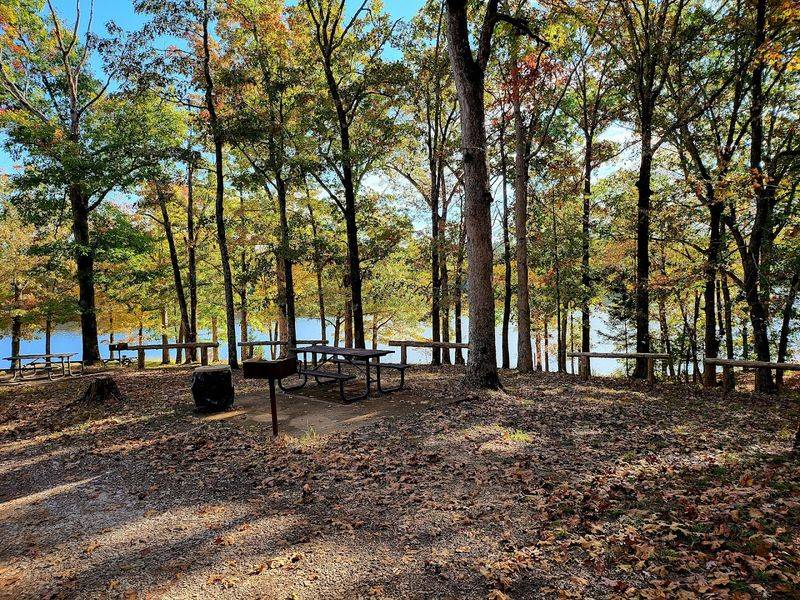
Big, quiet, and beautifully uncrowded—Natchez Trace State Park sprawls across 48,000 acres of West Tennessee forests and lakes, offering the kind of space where you can actually feel alone in nature. Three lakes anchor the park: Pin Oak, Maple Creek, and Cub Lake, each with its own character and recreation opportunities. May brings out the best in the park’s forests, with spring green canopy and comfortable temperatures for exploring.
The lakes are perfect for low-key water activities. Fishing is popular, with bass, crappie, and catfish all present. You can bring your own boat or rent one at the park.
Paddle sports work great here too—kayaking or canoeing around the lake edges gives you close-up views of shoreline wildlife and aquatic birds. The water’s usually calm, making it accessible even for beginners or families with kids.
Trails wind throughout the park, ranging from short nature walks to longer forest hikes. None are particularly strenuous, but they offer pleasant woodland scenery and chances to spot deer, wild turkeys, and various songbirds. The park’s size means you can hike for hours without retracing your steps if you’re into covering distance.
The forest is mixed hardwoods typical of West Tennessee, creating nice shade cover that’ll be especially appreciated as temperatures climb later in the season.
Accommodations include cabins, a lodge, and multiple campgrounds, giving you options whether you want a roof or prefer tent camping. The rustic feel is part of the charm—this isn’t a polished resort experience but rather a genuine outdoors getaway.
If you’re looking for a place to unplug and reset without dramatic waterfalls or mountain vistas, Natchez Trace delivers quiet forest and lake scenery that’s underrated and undervisited.
10. Justin P. Wilson Cumberland Trail State Park — Evensville
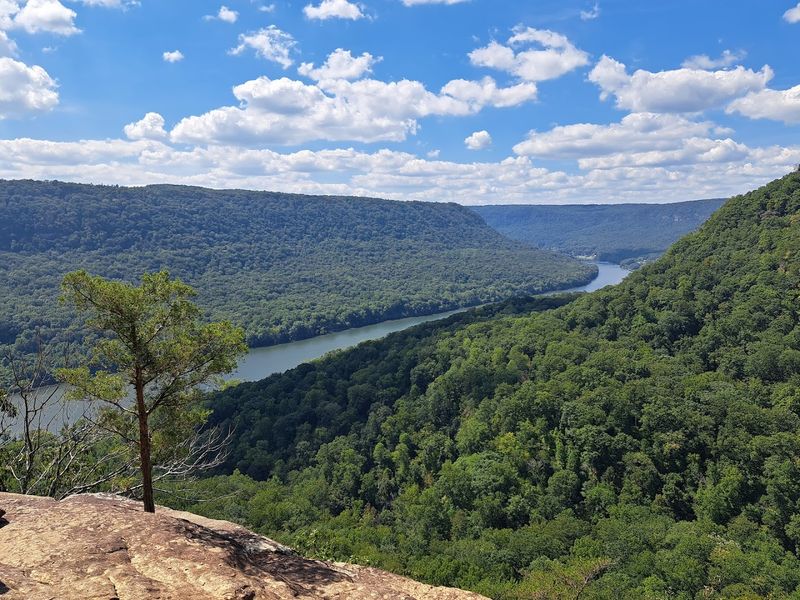
Serious hikers, this one’s for you. The Cumberland Trail is Tennessee’s long-distance hiking project, eventually planned to stretch over 300 miles along the Cumberland Plateau. The sections around Evensville showcase some of the trail’s most dramatic scenery—rugged overlooks, rock formations, waterfalls tucked into side gorges, and genuine backcountry terrain that demands respect and rewards effort.
The trail system here isn’t a casual afternoon stroll. You’ll encounter steep climbs, rocky sections, and elevation changes that’ll get your heart rate up. But the payoff is huge: sweeping views from plateau rims, quiet forest sections where you might not see another person for hours, and a real sense of wilderness that’s increasingly hard to find.
May weather is ideal because summer heat makes these exposed ridge sections pretty brutal.
Several access points let you tackle sections of varying length. Some day hikers do out-and-back trips to specific overlooks or waterfalls, while backpackers use the trail for multi-day adventures. The Laurel-Snow section is particularly popular, featuring both Laurel Falls and Snow Falls plus dramatic gorge views.
Plan your route carefully and bring plenty of water—this is a remote country without facilities or easy bailout points.
The trail is still being developed and connected, so some sections are more maintained than others. Check current conditions before you go, especially after heavy rain, when creek crossings can be challenging. This isn’t the place for your first hike or for anyone uncomfortable with rugged terrain.
But if you’re an experienced hiker looking for Tennessee’s best wilderness hiking, the Cumberland Trail delivers big views and genuine adventure. May gives you the best conditions before summer’s heat and humidity make the exposed sections significantly harder.
11. Pickett CCC Memorial State Park — Jamestown
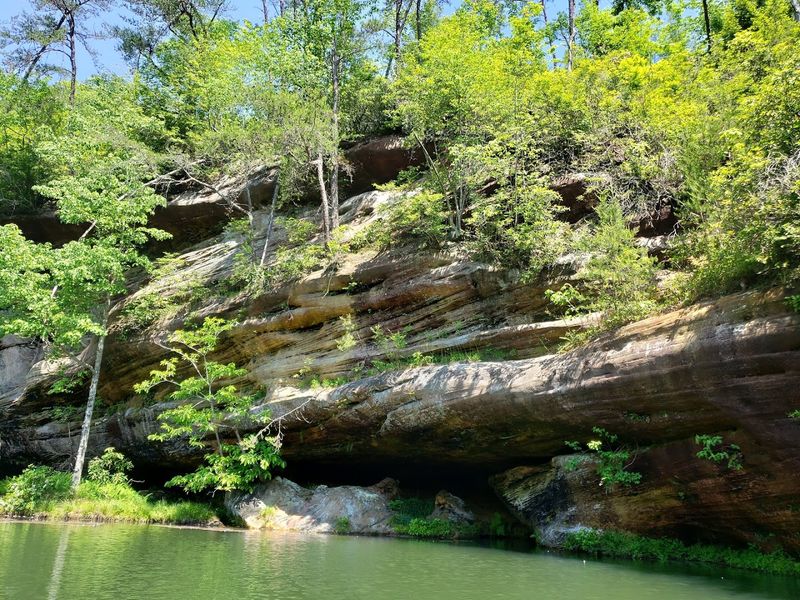
Tucked away on the Cumberland Plateau near the Kentucky border, Pickett feels like Tennessee’s secret park. It’s small, remote, and absolutely gorgeous, with sandstone formations, natural bridges, and a peaceful lake that’s perfect for quiet contemplation. The Civilian Conservation Corps built much of the park’s infrastructure in the 1930s, and that historic character adds to the timeless, removed-from-the-modern-world atmosphere.
The rock formations here are genuinely unique. Natural Bridge is the headliner—a massive sandstone arch spanning 85 feet that you can walk under and photograph from multiple angles. Hazard Cave and other rock shelters offer cool, shaded exploration spots where you can see layered sandstone up close.
The geology creates interesting micro-environments where ferns and mosses thrive in the constant moisture and shade.
Trails wind through dense forest and connect the various rock features. None are extremely long, but they’re scenic and interesting, with enough variety to keep things engaging. The lake is small and quiet, perfect for kayaking or fishing without boat traffic or crowds.
There’s a swimming beach that’s usually pretty empty, especially in May before summer vacation season kicks in.
The park has cabins and campsites, and staying overnight lets you experience the area’s remarkable quiet. There’s no cell service and minimal light pollution, making it excellent for stargazing and disconnecting completely. May is perfect here—the plateau elevation keeps things cooler than lower-lying parks, and spring foliage is at peak lushness.
12. Tims Ford State Park — Winchester
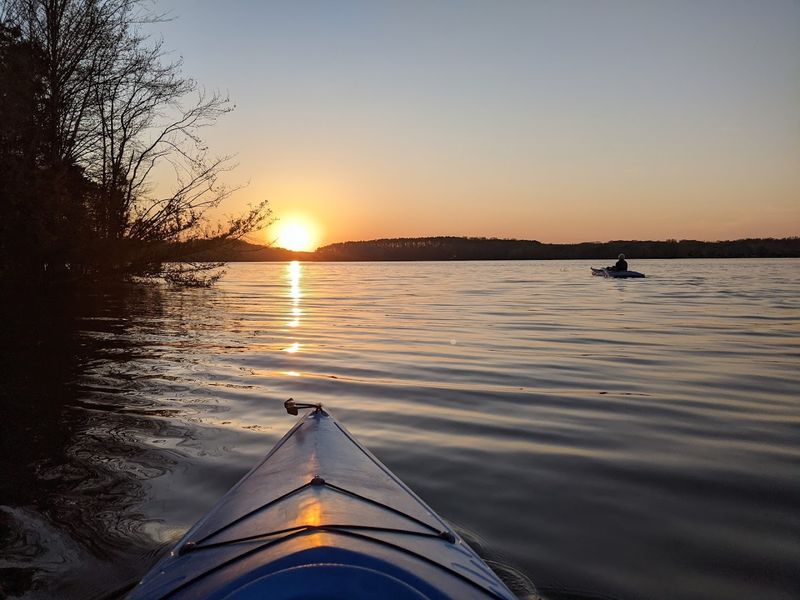
Tims Ford Lake stretches across 10,700 acres of clear, deep water, and the state park sits on one of its prettiest sections. May is the sweet spot here—warm enough for water activities but before the summer boating crowds turn the lake into a busy waterway. The park offers a little bit of everything: hiking, fishing, paddling, camping, and lakeside relaxation without requiring you to commit to just one activity.
The lake’s clarity makes it popular with anglers chasing bass, walleye, and catfish. The marina has boat rentals if you don’t have your own, and the launch ramps are well-maintained. Kayaking and stand-up paddleboarding work great here too, with coves and inlets to explore at your own pace.
The water’s usually calm in the mornings, creating perfect conditions for paddlers who want peaceful gliding rather than battling wind and waves.
Trails wind through forested areas above the lake, offering occasional water views and pleasant woodland hiking. Nothing too strenuous, but nice enough for getting your steps in and enjoying spring greenery. The campground has sites with lake views, and there are also cabins available for people who want a roof and a comfortable bed after a day on the water.
What makes Tims Ford particularly appealing in May is the lack of summer intensity. The water’s warming up but not yet crowded, the weather’s comfortable for hiking without being oppressively hot, and you can actually find a good camping spot without booking months in advance. It’s a solid choice for a long weekend when you want lake access and outdoor options without fighting summer crowds.
Pack your fishing gear, your hiking boots, and maybe a hammock for afternoon lakeside lounging—this park rewards people who like to mix their activities rather than committing to one pursuit all day.