Spring migration turns Pennsylvania into one long, thrilling bird trail, and that is exactly why this season feels like an invitation to get outside a little earlier, linger a little longer, and pay attention to every call overhead. From lakefront dunes and mountain ridges to inland marshes, wooded reservoirs, and urban refuges, the state offers an incredible range of habitats where warblers flash through treetops, hawks ride thermals, and waterfowl gather in numbers that can stop you in your tracks.
If you want places that reward both dedicated birders and curious beginners, these Pennsylvania destinations deliver the kind of mornings you remember for years, especially when cool air, fresh leaves, and migration movement all line up at once. Keep this list close, because each spot offers a different side of Pennsylvania in spring, and together they show just how alive the Commonwealth becomes when birds are on the move.
1. Marsh Creek State Park (Chester County)
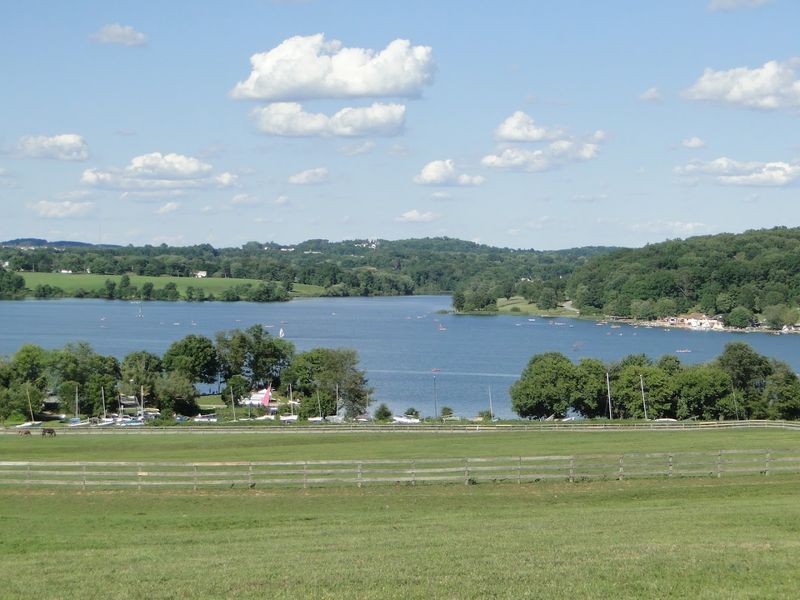
Early spring mornings here feel full of possibility, especially when mist hangs over the water and every reed bed seems to hide another voice.
At Marsh Creek State Park in Chester County, the mix of open reservoir, marshy edges, wooded coves, and grassy fields creates the kind of habitat variety that keeps you scanning in every direction.
If you like a birding outing that never feels static, this is one of those places in Pennsylvania where movement is part of the thrill.
You can watch swallows skimming low over the lake, listen for red-winged blackbirds in the wetlands, and check shoreline patches for waterfowl lingering during migration.
Woodpeckers, kinglets, sparrows, and bright spring warblers often turn the surrounding woods into a slow, rewarding treasure hunt.
Osprey sightings add another layer of excitement, and on a good day you may catch raptors passing overhead while songbirds filter through the trees below.
What makes this park especially inviting is how easy it is to explore different birding zones in one visit.
A quiet walk near the marsh can feel completely different from a stop at an open viewpoint near the water, so you never get stuck with just one perspective.
Bring binoculars, move slowly, and let your ears guide you, because many of the best spring sightings begin as a faint chip note before the bird finally appears.
I would put this spot high on any Pennsylvania spring migration list because it balances accessibility with genuine variety.
You do not need to be an expert to enjoy it, but experienced birders will still find plenty to keep them engaged.
When fresh leaves begin to open and the reservoir reflects that cool, shifting sky, Marsh Creek becomes the kind of place that makes you want just one more look before heading home.
2. Middle Creek Wildlife Management Area (Lancaster/Lebanon Counties)
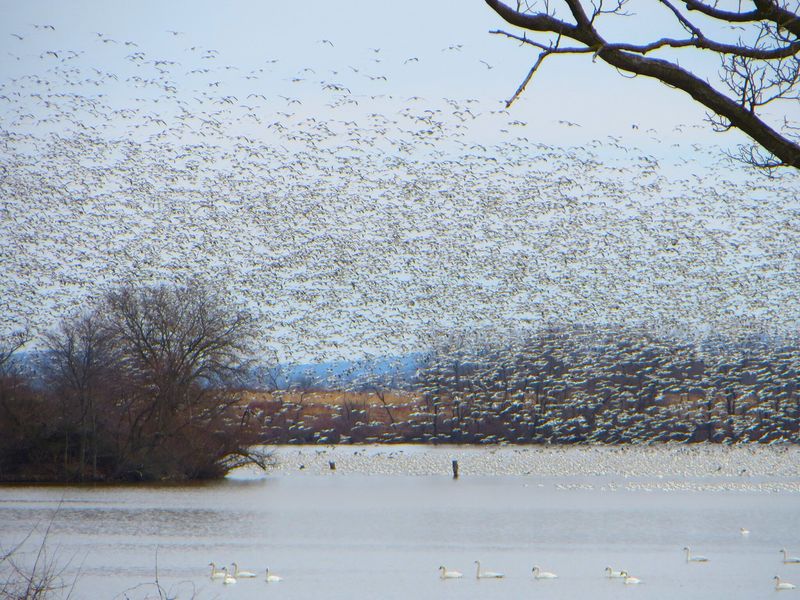
There are few spring spectacles in Pennsylvania that feel as dramatic and unforgettable as the crowds of birds gathering across open water and wet fields here.
Middle Creek Wildlife Management Area in Lancaster and Lebanon Counties is famous for migration energy, and even before you see the birds, you can often hear the place waking up around you.
It is the kind of destination where a single overlook can turn into a full morning of watching shifting formations, scanning shorelines, and following new arrivals.
Although many people know it for late winter and early spring concentrations of snow geese and tundra swans, the migration season keeps offering reasons to return.
Dabbling ducks, shorebirds, herons, blackbirds, and raptors all add to the constantly changing scene as temperatures rise and habitat conditions shift.
The open landscape makes it easier to track movement, which is perfect if you enjoy seeing how birds use water levels, mud edges, and nearby fields throughout the day.
You will want binoculars for general scanning and a spotting scope if you really want to study distant flocks or pick through mixed groups.
Trails and viewing areas give you different angles, and that matters, because light, wind, and bird activity can make one section quiet while another suddenly comes alive.
Patience pays off here, especially when a distant line of birds grows into a memorable flyover right above your head.
If you are building a spring birding itinerary in Pennsylvania, this spot earns its place easily because it blends abundance with excitement.
Everything feels larger here, from the landscape to the soundscape, and that can be deeply energizing whether you are new to birding or completely hooked already.
By the time you leave Middle Creek, you may feel like migration is not just something you observed, but something you stepped directly into.
3. Bald Eagle State Park (Centre County)
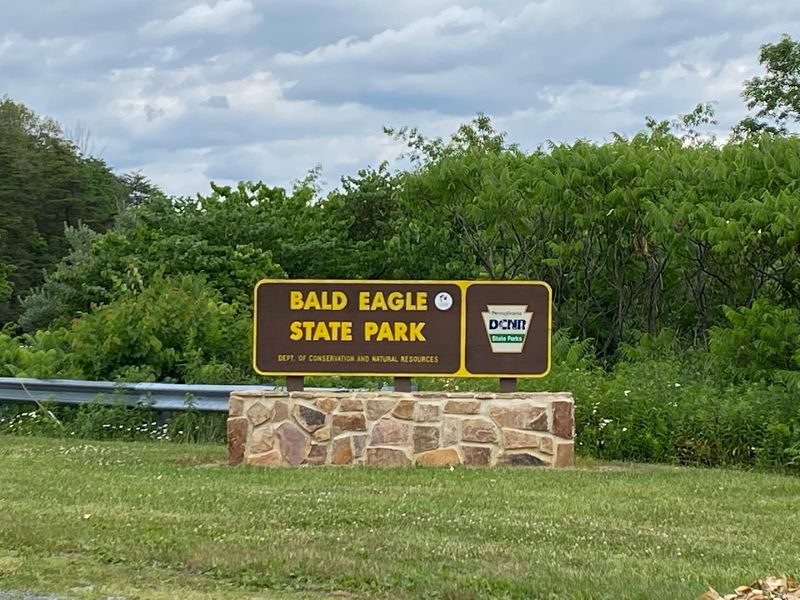
A broad reservoir backed by forested hills gives this park a spacious, open feel that becomes especially appealing during spring migration.
Bald Eagle State Park in Centre County offers that satisfying combination of water, woodland, and edge habitat that can turn a casual walk into a checklist-building afternoon.
It is a place where you can slow down, watch changing conditions, and feel like almost any section of shoreline might produce something interesting.
The lake attracts migrating waterfowl, while nearby woods and brushy margins draw in kinglets, vireos, and a colorful run of warblers as the season advances.
Osprey and bald eagles can add a headline moment to the day, but the smaller birds are what keep the experience lively from one stop to the next.
If you pay attention to sheltered coves, flowering trees, and insect-rich edges, you will often find spring activity concentrated in surprisingly small pockets.
One of the best things about birding here is the sense of room.
You are not limited to a single trail style or one tight habitat, so you can adapt your route based on wind, sun, and recent reports.
Early morning can be especially productive along quieter sections, where bird song carries clearly and movement in the canopy is easier to track before the day grows brighter and breezier.
I like this park for birders who want spring migration with a scenic central Pennsylvania backdrop that feels both peaceful and productive.
It is approachable enough for a relaxed outing, but varied enough to reward a longer visit with careful scanning.
When fresh green leaves begin filling the slopes and the reservoir catches that pale spring light, Bald Eagle State Park becomes one of those places where every pause feels like it could turn into your best sighting of the day.
4. Erie Bluffs State Park (Erie County)
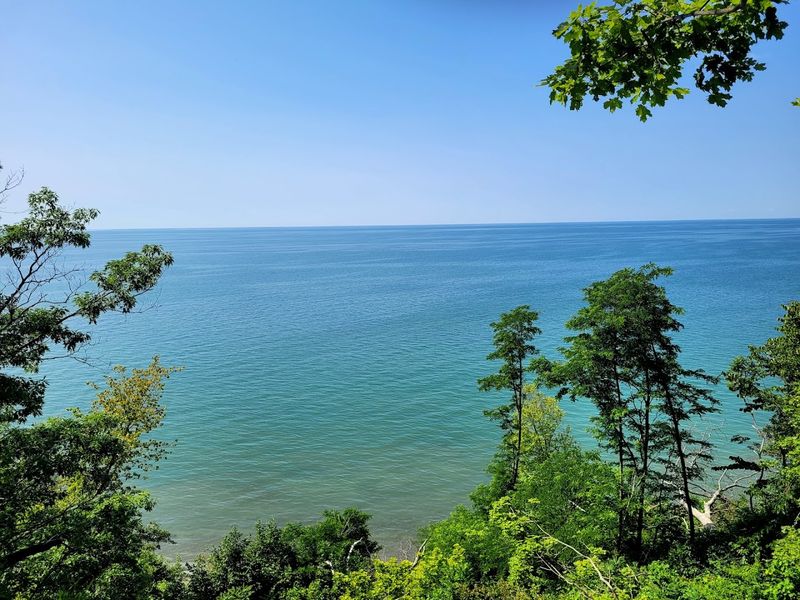
Lake Erie gives this park a migration advantage that feels obvious the moment you arrive and start looking toward the shoreline and tree line.
Erie Bluffs State Park in Erie County combines blufftop views, forest, meadows, wetlands, and lake influence in a way that can funnel birds into concentrated pockets during spring.
If you enjoy birding spots where weather and geography clearly shape what you might see, this one feels especially compelling.
Songbirds moving along the lakeshore can drop into sheltered woods and edges, creating brief bursts of action that make you stop and stare upward for longer than planned.
Warblers, thrushes, flycatchers, and sparrows can all be part of the mix, while hawks and other migrants sometimes pass overhead in visible numbers.
Because the habitat shifts quickly from open to protected, you get a nice variety of viewing conditions in a relatively compact outing.
The experience here is not only about checking species off a list, but also about reading the landscape.
Wind direction, cloud cover, and overnight weather can all influence whether birds are scattered or gathered, quiet or highly active.
I would recommend walking slowly, pausing often near edges and openings, and listening carefully, because some of the best spring moments come from catching a sudden wave of birds feeding low after a cool night.
For Pennsylvania birders, this park offers a more rugged and lightly developed feeling than some of the state’s bigger-name stops, and that is part of its charm.
It feels a little wilder, a little more secretive, and incredibly rewarding when migration is on.
With Lake Erie stretching beside you and spring birds using every layer of the landscape, Erie Bluffs becomes the kind of place that reminds you how powerful a shoreline can be during migration season.
5. Presque Isle State Park (Erie)
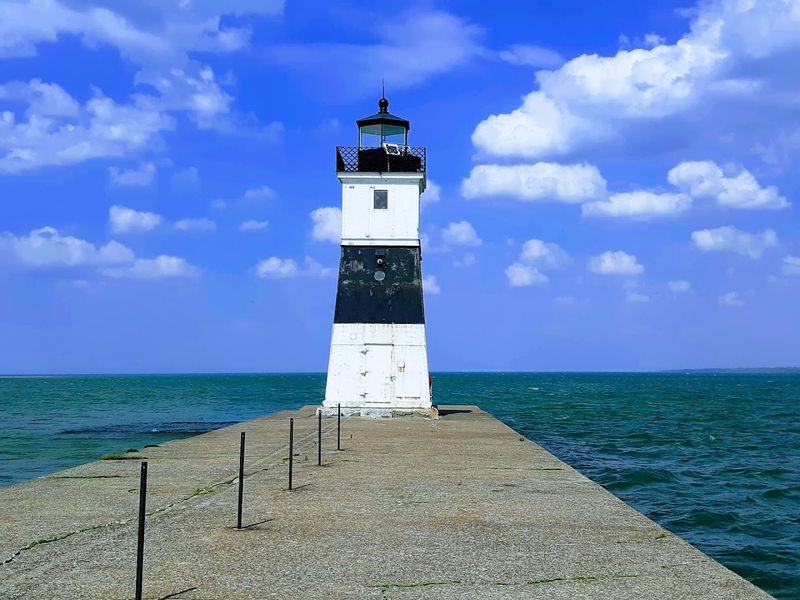
Few places in Pennsylvania deliver spring birding variety as consistently and dramatically as this sandy peninsula extending into Lake Erie.
Presque Isle State Park in Erie is famous for migration, and once you explore its beaches, lagoons, woodlots, marshes, and shrub patches, it is easy to understand why birders return again and again.
Every habitat shift feels like a fresh chance for something different, which makes the whole park feel active and full of promise.
During spring, warblers can drop into trees almost at eye level, shorebirds may gather along exposed edges, and waterfowl continue to move through protected waters.
Gulls, terns, herons, flycatchers, and sparrows add to the constantly changing mix, while weather fronts can transform an ordinary morning into a genuinely memorable one.
Because the peninsula acts as a natural stopover, even a simple walk can become an exercise in checking every bush, every puddle, and every flock.
You can bird from trails, roadside pull-offs, overlooks, and shoreline access points, so it helps to stay flexible and follow current activity.
Calm mornings are excellent for listening and scanning, but windy conditions can also concentrate birds in protected pockets where feeding becomes easier to observe.
If you give yourself time to explore more than one section, you will come away with a much fuller sense of how migration works across the park.
This is the kind of place I would recommend, whether you are chasing lifers or just want to feel surrounded by spring movement.
It is accessible, scenic, and rich enough that one visit rarely feels like enough.
When fresh migrants seem to appear around every bend and Lake Erie keeps reshaping the mood of the day, Presque Isle State Park becomes one of the most exciting bird-watching destinations anywhere in Pennsylvania.
6. John Heinz National Wildlife Refuge at Tinicum (Philadelphia County)
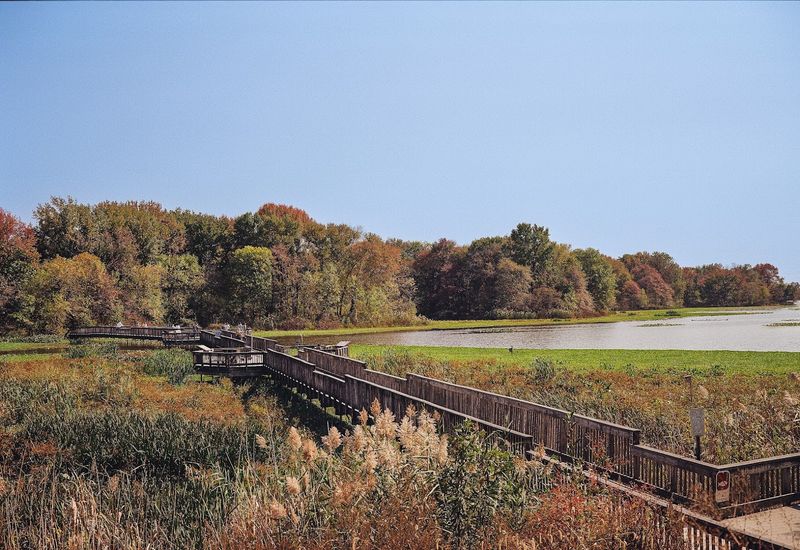
It is always a little thrilling to find a place where busy city energy gives way to cattails, quiet water, and the sound of migrating birds.
John Heinz National Wildlife Refuge at Tinicum in Philadelphia County proves that Pennsylvania spring birding is not limited to remote forests or mountain ridges.
This refuge offers a rare mix of accessibility and habitat richness, making it ideal when you want serious birding without traveling far from an urban center.
Wetlands, impoundments, trails, and wooded edges create opportunities to see waterfowl, wading birds, swallows, raptors, and a rotating cast of songbirds moving through in spring.
Warblers and vireos can brighten tree lines, while marsh species add a completely different sound and rhythm to the experience.
The contrast between open water views and more enclosed vegetation keeps the outing dynamic, especially if you move slowly and check multiple sections.
Boardwalks and paths make this refuge approachable for many visitors, but the birding still feels exciting and real.
You can spend time scanning mud edges for shorebirds, watching herons hunt in shallow water, or listening for hidden marsh birds calling from deep cover.
Early morning is especially rewarding, when light is softer, foot traffic is lower, and the refuge feels like a calm pocket separated from everything surrounding it.
If you want a spring migration stop that shows another side of Pennsylvania, this one absolutely belongs on your list.
It demonstrates how important preserved habitat can be, even in a heavily developed region, and it gives you a front-row view of birds using that refuge exactly as intended.
By the time you leave John Heinz, you may be surprised by how much wildness can still be found in Philadelphia County when you know where to look.
7. Fort Washington State Park (Montgomery County)
Spring birding here has an appealing mix of easy access and genuine migration potential, especially if you enjoy watching both canopy songbirds and birds moving above the landscape.
Fort Washington State Park in Montgomery County is often associated with fall hawk watching, but spring can be rewarding in a quieter, more subtle way.
The park’s woods, edges, open areas, and elevated viewpoints create a flexible birding experience that invites you to pay attention to every layer of the sky and trees.
As migration builds, warblers, orioles, tanagers, thrushes, and vireos can move through the wooded sections, especially where fresh foliage is just beginning to emerge.
At the same time, raptors may pass overhead, offering those satisfying moments when you switch from listening to songbirds below to scanning broad airspace above.
That contrast is part of what makes this park fun, because it never feels limited to just one birding style.
One of the best approaches is to start early and move between trails and overlooks rather than staying in a single location too long.
Bird activity can shift with temperature, light, and wind, so a shady trail may come alive after sunrise while an open vantage point becomes more productive later.
Bring binoculars, keep an ear out for calls, and do not rush, because some of the strongest spring movement here reveals itself gradually.
I think this park works especially well for birders in southeastern Pennsylvania who want a dependable seasonal outing without needing a full weekend trip.
It feels manageable, but not ordinary, and that balance is valuable when migration windows can be short and weather-dependent.
When the woods start filling with new leaves and overhead movement picks up, Fort Washington State Park becomes a reminder that spring birding rewards attention as much as distance traveled.
8. Allegheny Front Hawk Watch (Somerset County)
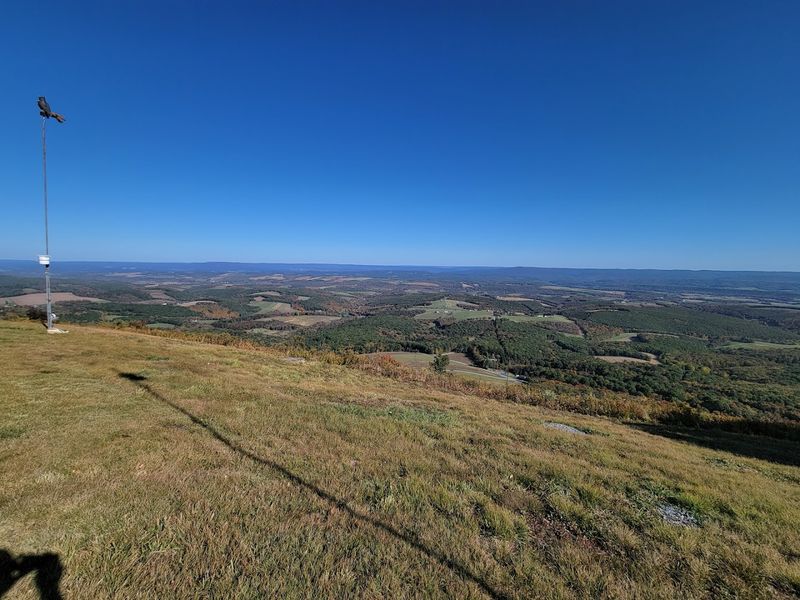
High elevation, broad views, and moving air give this site a sense of anticipation that starts before the first raptor even appears.
Allegheny Front Hawk Watch in Somerset County is one of those Pennsylvania locations where you can really feel geography shaping migration.
If you enjoy the drama of scanning a ridge and suddenly picking up a distant silhouette riding a thermal, spring here can be deeply satisfying.
Although many hawk watches get more attention in autumn, spring still offers excellent chances to observe migrating raptors moving north.
Broad-winged hawks, sharp-shinned hawks, falcons, eagles, and other soaring birds can pass over the ridge under the right conditions, and each weather shift adds a new layer of possibility.
The elevated setting also means you are birding in a place that feels open, scenic, and connected to the larger movement of the season.
You will want to check wind and visibility before heading out, because the best flights often depend on a productive combination of rising air and clear viewing.
A good pair of binoculars is essential, and a scope can help with distant birds, but patience matters just as much as equipment.
There may be quiet stretches, yet that is part of the rhythm, because one lull can be followed by a burst of movement that changes the entire day.
This is a spot I would recommend for birders who love the intersection of landscape and migration science.
You are not just seeing birds, you are watching them use terrain and air currents in real time, and that feels especially memorable from a ridge this dramatic.
When spring light opens across the valleys and a raptor line begins to form over the Allegheny Front, Somerset County can feel like one of the most exhilarating places to stand in Pennsylvania.
9. Blue Knob State Park (Bedford County)
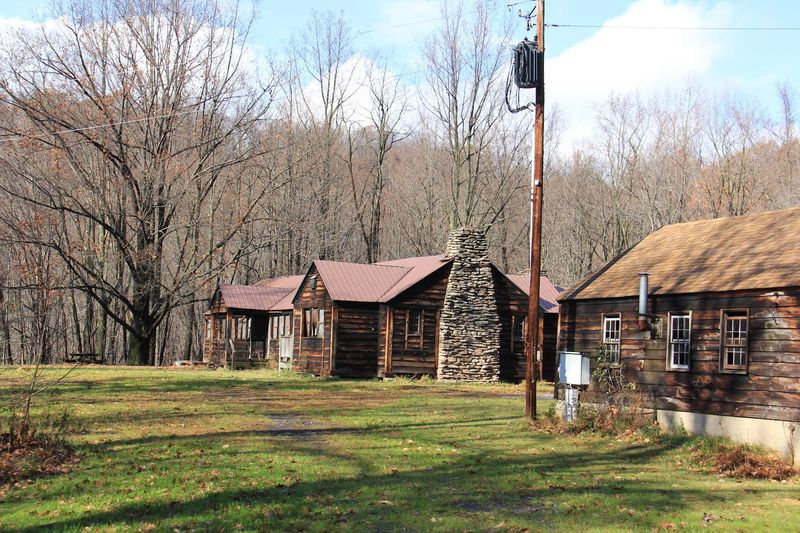
Cool mountain air and higher elevation give this park a spring character that feels distinct from lower, leafed-out parts of Pennsylvania.
Blue Knob State Park in Bedford County offers forested slopes, overlooks, and a rugged Appalachian setting where migration can unfold in a calm but rewarding way.
If you like birding in places where scenery is part of the draw, this park gives you both atmosphere and solid seasonal potential.
Woodland birds are a major part of the experience here, especially as warblers, thrushes, vireos, and other songbirds move through forest edges and higher-elevation habitat.
On favorable days, raptors can also be seen passing over ridges or using uplift near scenic viewpoints.
The park’s cooler conditions can make timing feel a little different from lower valleys, which adds interest if you are visiting multiple Pennsylvania spots during the same migration period.
Because habitat can look deceptively uniform at first glance, it helps to focus on transitions such as openings, roadsides, mixed growth, and overlook areas.
Those small changes often create the feeding zones and sightlines that produce the best observations.
I would suggest taking your time, listening carefully for high, thin calls, and revisiting productive stretches, because spring migrants can move through in pulses rather than staying visible for long.
What I like most here is the sense of space and elevation.
Birding at Blue Knob can feel quieter and less crowded than some famous migration hotspots, which makes each encounter feel more personal and immersive.
When mountain fog starts lifting, new leaves brighten the woods, and a few fresh arrivals begin singing from the canopy, Blue Knob State Park becomes a beautiful reminder that spring migration in Pennsylvania is just as compelling in the highlands as it is along the water.
10. Hawk Mountain Sanctuary (Kempton)
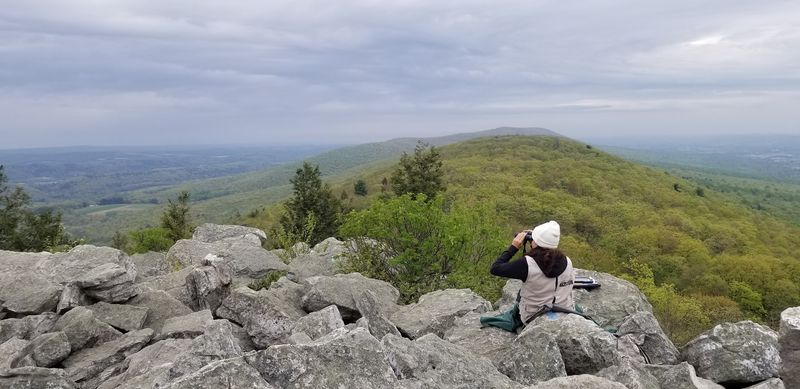
Some places carry a birding reputation so strong that the landscape feels charged with expectation the moment you step onto the trail.
Hawk Mountain Sanctuary in Kempton is one of those Pennsylvania classics, and while many people think of fall first, spring can be an exciting time to visit as raptors and other migrants move north.
The sanctuary’s ridges, lookouts, and surrounding forests create an experience that is both scenic and deeply connected to migration history.
Depending on weather and timing, you may see hawks, eagles, falcons, and vultures using uplift and ridge lines as they travel.
The sanctuary also offers chances to encounter woodland songbirds in spring, so the day does not begin and end with the sky alone.
That combination keeps the outing interesting, because one hour might be about distant silhouettes over the ridge and the next about bright birds feeding in nearby trees.
Trails and viewpoints vary in effort and perspective, so you can shape the visit around your pace and interests.
It helps to come prepared for changing conditions, since wind, temperature, and visibility strongly influence raptor movement.
I would recommend giving yourself time to settle in at an overlook, because some of the best moments happen after a long watch, when your eyes adjust and the ridge starts revealing more and more birds.
This sanctuary belongs on any Pennsylvania spring birding list because it blends education, beauty, and serious migration watching in a way few places can match.
Even when flights are modest, the setting itself makes the day feel worthwhile.
When the air starts rising over the ridge and a hawk appears where sky meets mountain, Hawk Mountain Sanctuary reminds you that birding can be both meditative and electrifying at exactly the same time.
11. Cherry Springs State Park (Potter County)

Most people know this park for its famously dark night skies, but spring daylight reveals another reason to visit.
Cherry Springs State Park in Potter County offers open spaces, forest edges, and a high plateau setting that can be surprisingly pleasant for birding during migration.
If you appreciate quieter destinations where the surroundings feel expansive and lightly developed, this park has a calm appeal that grows stronger the longer you stay.
Songbirds moving through northern Pennsylvania can use the mix of woods and openings here as a stopover, especially when insects begin to emerge and vegetation starts greening up.
Warblers, sparrows, thrushes, flycatchers, and other migrants can appear in pockets that initially seem almost too simple to hold much activity.
That understated quality is part of the experience, because birding here often rewards careful listening and patient scanning more than fast walking.
Weather can play a big role on the plateau, and cool mornings may keep birds lower and more active near sheltered edges.
I would focus on transitions between open fields and trees, as well as any patches with fresh growth, flowering plants, or water nearby.
The space around you feels broad, but the birds often concentrate in very specific places, so once you find movement, it is worth lingering and watching the area thoroughly.
For Pennsylvania birders who already love Cherry Springs after dark, spring offers a completely different side of the park to enjoy.
It may not have the famous migration crowds of Erie or Middle Creek, yet that is exactly why some people will love it.
When the plateau air feels cool and clean, the woods begin filling with new voices, and the open landscape glows under bright morning light, Cherry Springs becomes a quietly memorable stop during spring migration.
12. Codorus State Park (York County)
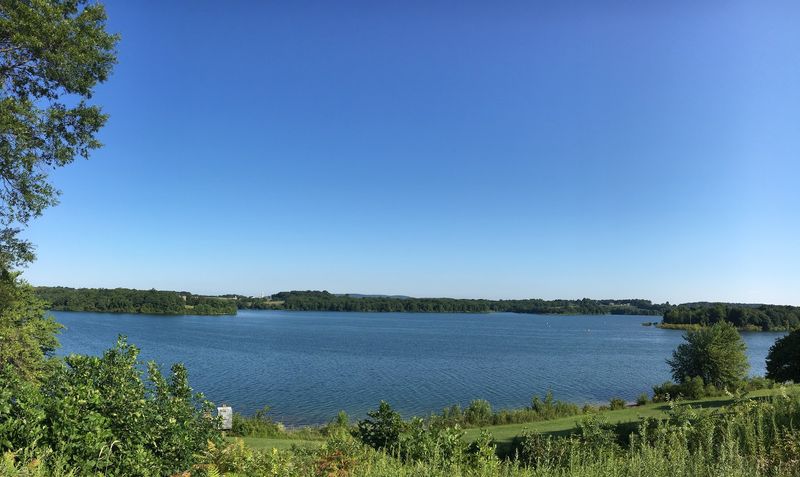
A large lake with branching coves and plenty of edge habitat gives this park the kind of variety that makes spring birding feel full of small discoveries.
Codorus State Park in York County centers around Lake Marburg, and that combination of water, woods, fields, and brushy margins creates strong conditions for migrants passing through southern Pennsylvania.
It is an inviting choice if you like exploring multiple habitats without needing to cover huge distances.
Waterfowl can linger on the lake during migration, while swallows, blackbirds, and marsh-associated species become active around coves and wet edges.
In the woods and along trails, warblers, vireos, thrushes, and woodpeckers add the steady songbird interest that keeps binoculars up and ears tuned in.
Because the park is so varied, each stop can feel different, with sheltered inlets offering one set of species and drier upland sections producing another.
One of the easiest ways to enjoy this park is to combine scenic shoreline viewpoints with slow walks through adjacent wooded areas.
Early morning often brings the best mix of bird song and calmer water, making it easier to detect both movement and calls.
If wind increases later, protected coves and interior trails may become more productive, so flexibility really helps here.
I think Codorus works well for birders who want a spring outing that feels relaxed but still rewarding.
It does not rely on a single famous spectacle, and that is part of its strength, because the experience builds through a series of good moments rather than one dramatic event.
When fresh leaves frame the lake, migrants start feeding along the edges, and the park settles into that bright, lively rhythm of April and May, Codorus State Park becomes a very satisfying place to spend a Pennsylvania morning.
13. Nescopeck State Park (Luzerne County)
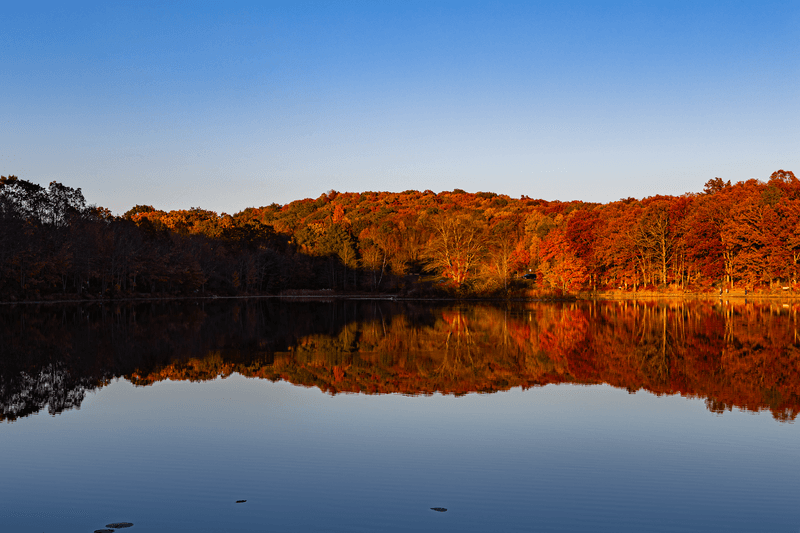
Wetlands and forests come together beautifully here, creating one of those spring birding settings where almost every turn feels worth checking carefully.
Nescopeck State Park in Luzerne County offers a rich habitat mix that includes marsh, woodland, fields, and stream corridors, all of which can support a lively parade of migrants in season.
If you enjoy parks where subtle sounds lead you toward good birds, this one has a wonderfully immersive quality.
Spring can bring warblers, vireos, thrushes, flycatchers, and other songbirds into the trees and edges, while wetlands host species that add a different pace and texture to the outing.
Herons, blackbirds, swallows, and marsh birds can keep the open areas active, especially during calm mornings.
Because so much of the park’s appeal lies in habitat diversity, the best strategy is usually to move slowly and let each zone reveal its own specialties.
Boardwalks, trails, and observation points make it easier to cover different sections without losing that close connection to the landscape.
I would pay special attention to wooded wet edges, fresh shrub growth, and any flowering trees, since those areas often attract concentrated feeding activity during migration.
Listening is especially useful here, because dense vegetation can hide birds until a brief movement or call gives them away.
This park deserves more attention on Pennsylvania spring birding lists because it offers both accessibility and the feeling of genuine discovery.
The habitats are varied enough to keep experienced birders engaged, but welcoming enough that newer birders can have a productive and enjoyable visit.
When frogs are calling, leaves are opening, and migrants are filtering through the woods and wetlands together, Nescopeck State Park feels like a perfect example of how alive Pennsylvania becomes during spring migration.