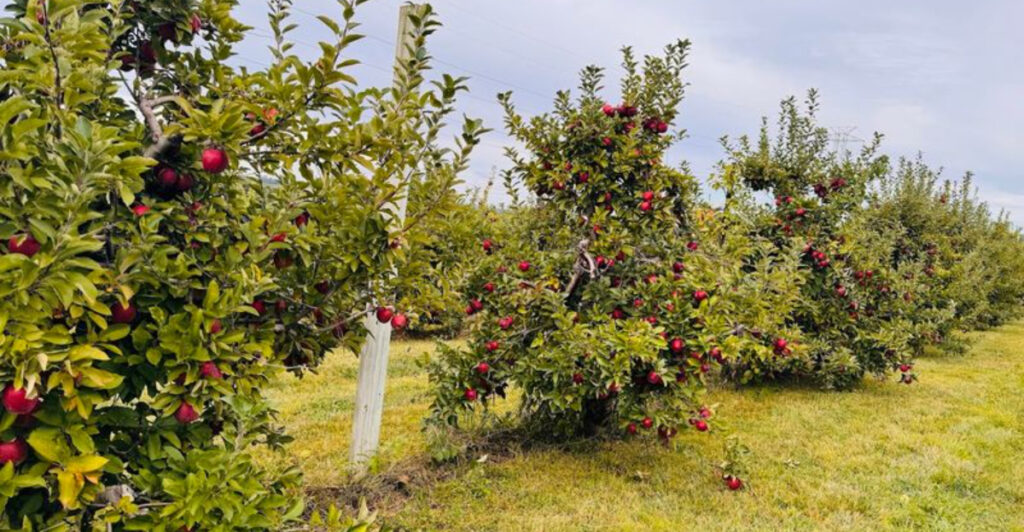
Some of the apple trees at Riamede Farm do not look like the neat little orchard trees you see in glossy fall ads. They are tall, knobby, uneven, and wonderfully stubborn, with branches that seem to have opinions.
That is part of the charm. Tucked on Oakdale Road in Chester, this Morris County farm has rows of old apple trees planted nearly a century ago, plus newer varieties that keep the picking season interesting from late summer into deep fall.
Riamede is not trying to be the loudest farm in New Jersey. It is quieter than that, more apple map than amusement park, more cider donut dust on your fingers than staged fall fantasy.
And if you usually grab the same five apples at the grocery store, this is where things get fun. You may show up for Honeycrisp and leave talking about Winesap, Rhode Island Greening, or Cox’s Orange Pippin.
The Chester Apple Farm That Still Feels Old Fashioned
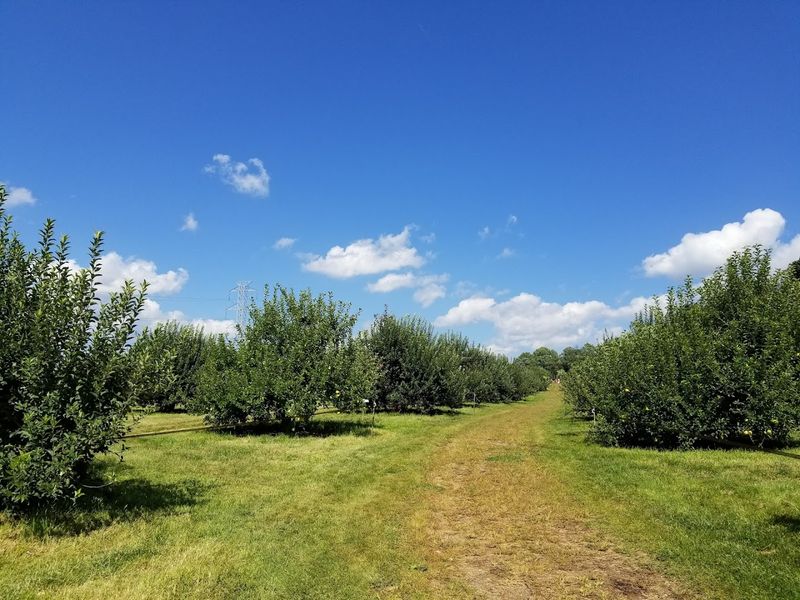
Riamede Farm sits at 122 Oakdale Road in Chester, the kind of Morris County address that already sounds like it should come with stone walls, old barns, and a few wrong turns behind a tractor. The farm covers 68 acres, and the family-friendly part is not that it has been packed with carnival noise.
In fact, Riamede describes itself as “simple, authentic, and without the carnival,” which is exactly the point. This is apple picking with room to breathe.
You walk into the orchard, get your bearings, and start reading the row signs like a treasure map. Chester helps set the tone, too.
The downtown is known for preserved historic buildings, brick-lined streets, and more than 80 shops and eateries, so the orchard feels less like a one-off errand and more like part of a very New Jersey fall day.
Riamede’s public pick-your-own harvest dates back to 1974, making it one of New Jersey’s earliest pick-your-own apple orchards, and the farm’s own story reaches back even farther, with acreage that has been farmed since the late 1700s.
The old-fashioned feeling is not staged for Instagram. It is built into the place, from the antique trees to the pumpkin field out back.
During the main fall stretch, general admission has included orchard access, photo spots, weekend hay wagon rides in September and October, live music on weekends, lawn games, and free parking, with posted 2026 weekend admission at $8.95 online or $12.95 at the gate for ages 3 and up.
Why Riamede Farm’s Antique Trees Are So Special
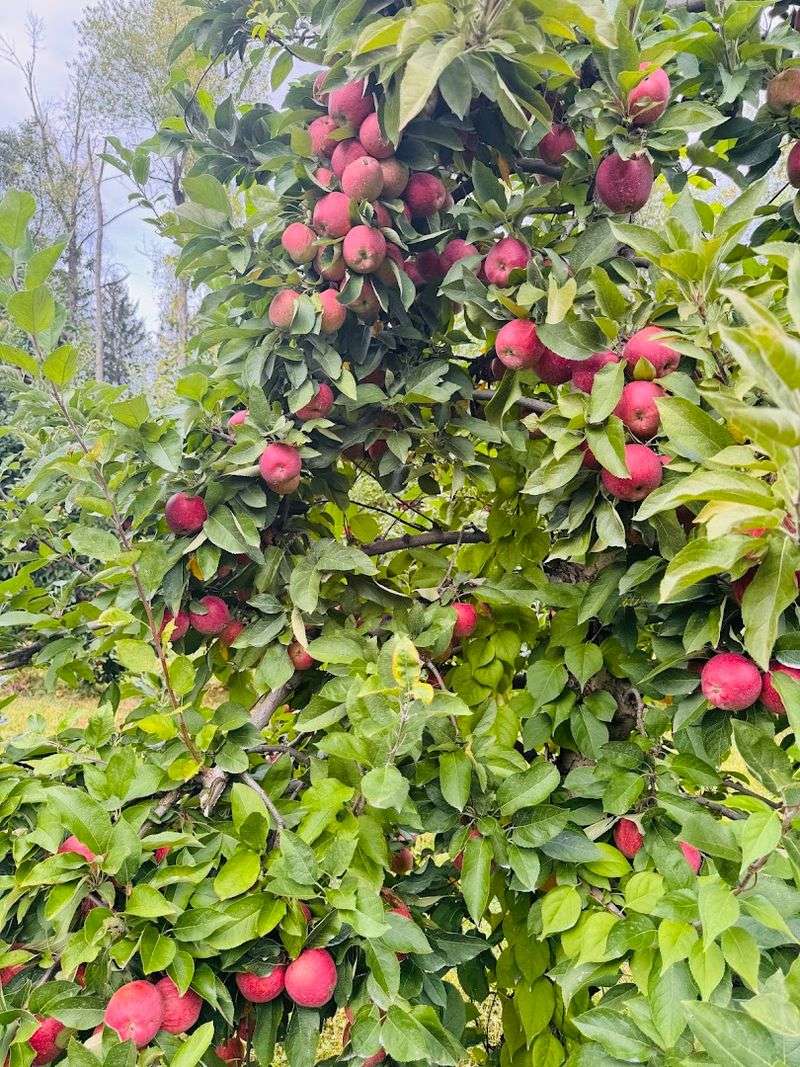
Here is the thing about old apple trees: they are not efficient in the modern orchard sense, and that is part of why they are worth saving. Many newer orchards use smaller trees that produce quickly and are easier to manage.
Riamede still has big, old seedling trees planted nearly a century ago by Lowry and Maria Mead in the 1930s, and some reports note that apple trees were first planted near the market area in the 1920s. These are the trees that make the orchard feel more like a picture book than a grid.
They grow tall, sometimes over 25 feet, with big limbs and fruit that can color unevenly, redder on the side that gets the sun. That may not be supermarket-perfect, but it is orchard-perfect.
It also tells you something about the farm’s priorities. Owner Ashley Asdal has spoken about keeping Riamede relaxing and rooted in agricultural history, and the farm’s old trees are the centerpiece of that mission.
They are living reminders that apples were not always designed around shelf appeal and shipping boxes. A Red Delicious from a tree with history, for example, is not the same sad lunchbox apple many people remember from school cafeterias.
At Riamede, those older varieties sit beside modern favorites, so the orchard becomes a kind of edible timeline. You can pick something familiar, then wander a few rows over and meet an apple your grandparents may have known better than you do.
The Apple Varieties You Probably Will Not Find at the Grocery Store
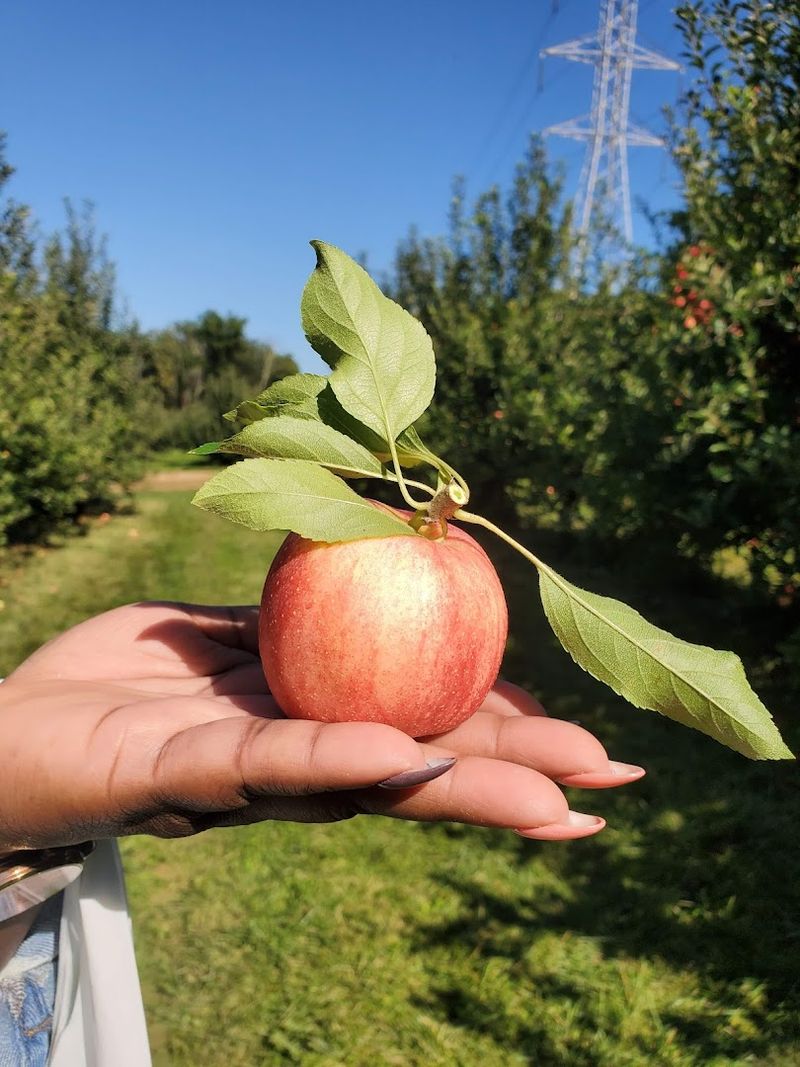
Most grocery stores keep the apple aisle tidy: Gala, Fuji, Honeycrisp, Granny Smith, maybe Pink Lady if everyone is behaving. Riamede’s picking list is a lot more interesting.
The farm’s public variety sheet has listed apples that ripen from late August through mid-November, including Ginger Gold, Sansa, McIntosh, Macoun, Cortland, Empire, Fuji, Mutsu, Rome Beauty, Winesap, Baldwin, Gold Rush, Arkansas Black, and Granny Smith. But the fun starts when you get past the usual names.
Rhode Island Greening is a tart heirloom dating back to the 17th century, the kind of apple that belongs in an old-fashioned pie. Cox’s Orange Pippin, an English heirloom from around 1825, is described as having a complex flavor with hints of orange and mango.
Banana Golden, an heirloom connected to Rutgers and listed as circa 1870, has a sweet tropical aroma and Fuji-like texture. King David brings tartness and storage power, while Northern Spy has the sort of reputation serious pie people quietly respect.
Then there are apples with names that sound like someone had fun at the labeling table: Pixie Crunch, Ludacrisp, Winecrisp, Suncrisp, and even a “Mystery Apple” that the farm says tastes a bit like McIntosh and makes terrific applesauce. Availability shifts fast, because apples do not wait politely for your weekend plans.
Riamede’s schedule notes that crop availability changes and points visitors to the current picking list before heading out. That is not a hassle; it is part of the sport.
How to Pick the Best Apples for Eating Baking and Cider
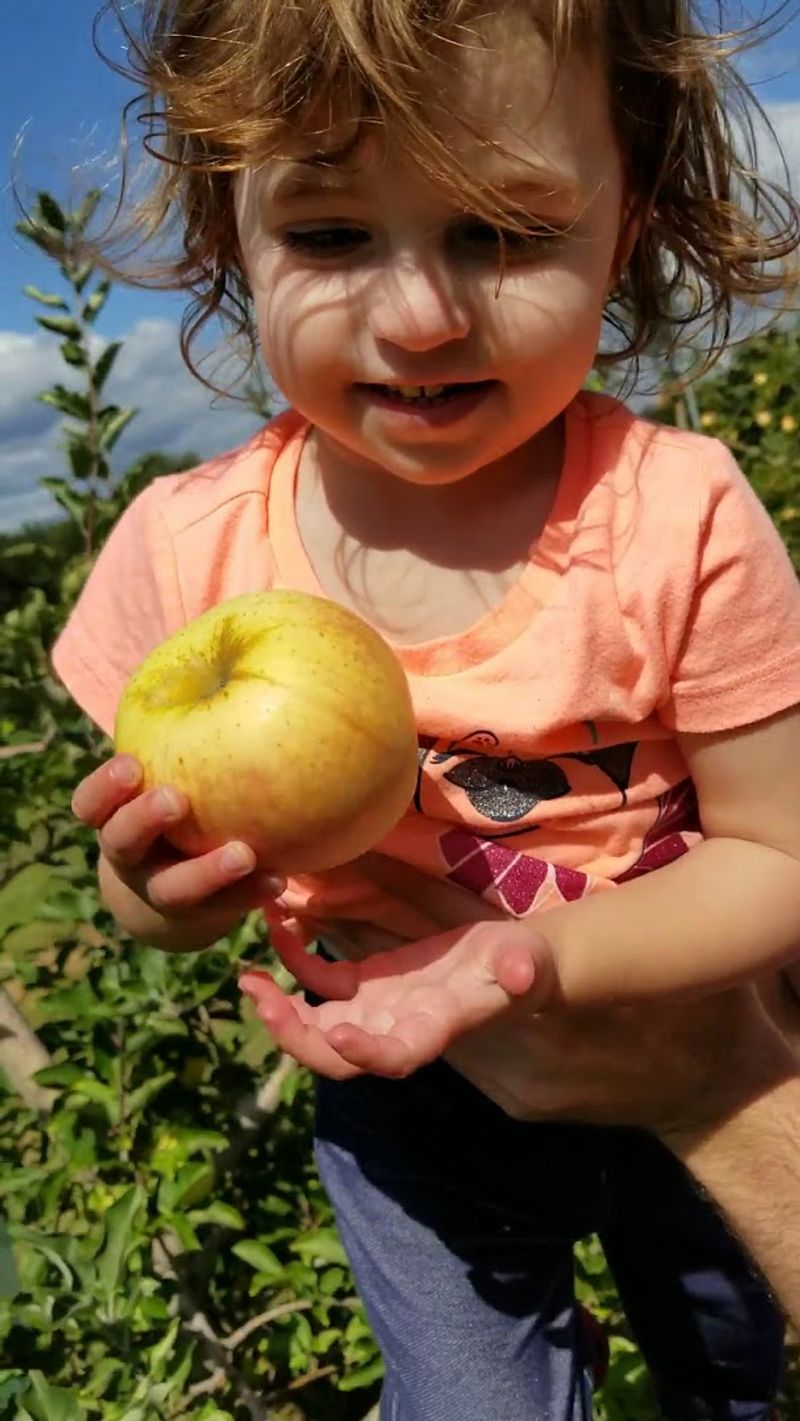
A good apple-picking strategy is simple: do not let looks do all the talking. The shiny apple is not always the best pie apple, and the homely one might be exactly what your crisp needs.
At Riamede, the variety list makes this easier because it sorts apples by taste and use. For eating fresh, look for sweet or sweet-tart apples with crunch, like Gala, Zestar, Honeycrisp, Macoun, Empire, Fuji, Mutsu, Suncrisp, or Gold Rush.
For baking, tartness is your friend. Rhode Island Greening, Jonathan, King David, Northern Spy, Paragon, Winesap, Baldwin, and Granny Smith all bring the acidity that keeps a pie from turning flat and sugary.
For applesauce, do not be afraid of softer or more aromatic varieties. McIntosh is famous for breaking down into sauce, and Riamede’s Mystery Apple is specifically noted as terrific for applesauce.
Cider is where mixing becomes the fun part. A sweet apple gives body, a tart apple gives snap, and something old-school like Winesap or Arkansas Black can add depth.
The best move is to pick a mixed bag instead of committing to one variety like it is a marriage. Taste as you go when allowed, check the signs, and ask the staff what is actually good that day.
Some apples are best right off the tree; others improve after a little cold storage. Arkansas Black, for example, is listed as a firm, almost-black apple whose flavor improves after 30 days in the refrigerator.
That is not a snack. That is a tiny produce investment.
The Farm Stand Treats That Make the Trip Even Sweeter
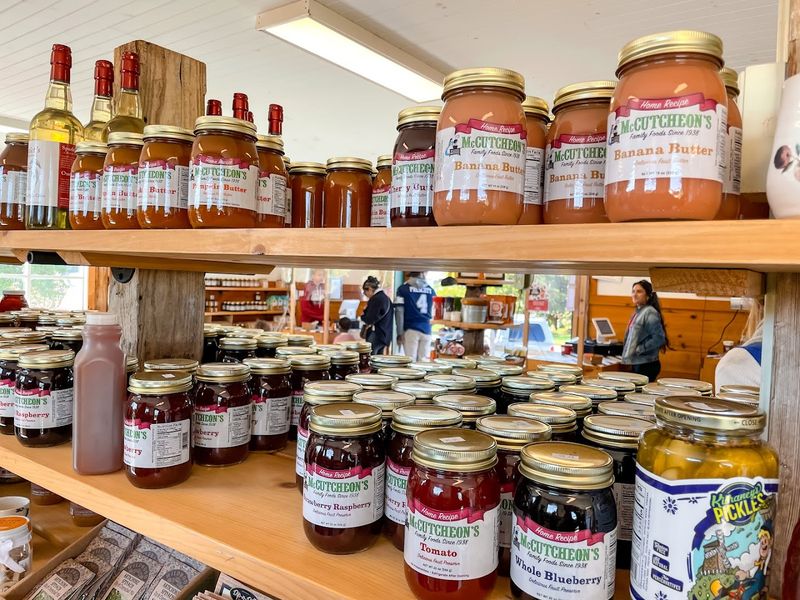
The farm stand is where even the most disciplined apple picker suddenly becomes a person who “just wants to look” and somehow leaves with donuts. Riamede’s store leans into the classics without getting too precious about it.
There are apple cider donuts, plain or rolled in cinnamon sugar, plus fresh-pressed apple cider from Melick’s Town Farm. The farm’s main site also mentions seasonal fruits, vegetables, local goods, homemade jams, and honey, which is exactly the kind of haul that makes the passenger seat smell like fall all the way home.
During fall events, Riamede has also highlighted cider slushies, fresh cider donuts, food trucks, and the Orchard Grill on weekends and holidays in September and October. That last detail matters if you have ever tried to turn apple picking into a full outing and ended up with a hungry kid, a bruised Cortland, and a poor life choice from the glove compartment.
The store also gives the visit a practical edge. You may pick apples for pie, grab cider for the fridge, and take home honey or jam for the week.
It is not all sugar, either. Riamede grows seasonal vegetables, and its picking schedule has included tomatoes, winter squash, pumpkins, flowers, and other produce depending on timing.
The smartest move is to do the orchard first, then the store. Otherwise, you will be carrying donuts around the apple rows, which sounds charming until you realize cinnamon sugar has a magnetic relationship with black leggings.
When to Visit Before the Best Apples Are Picked Over
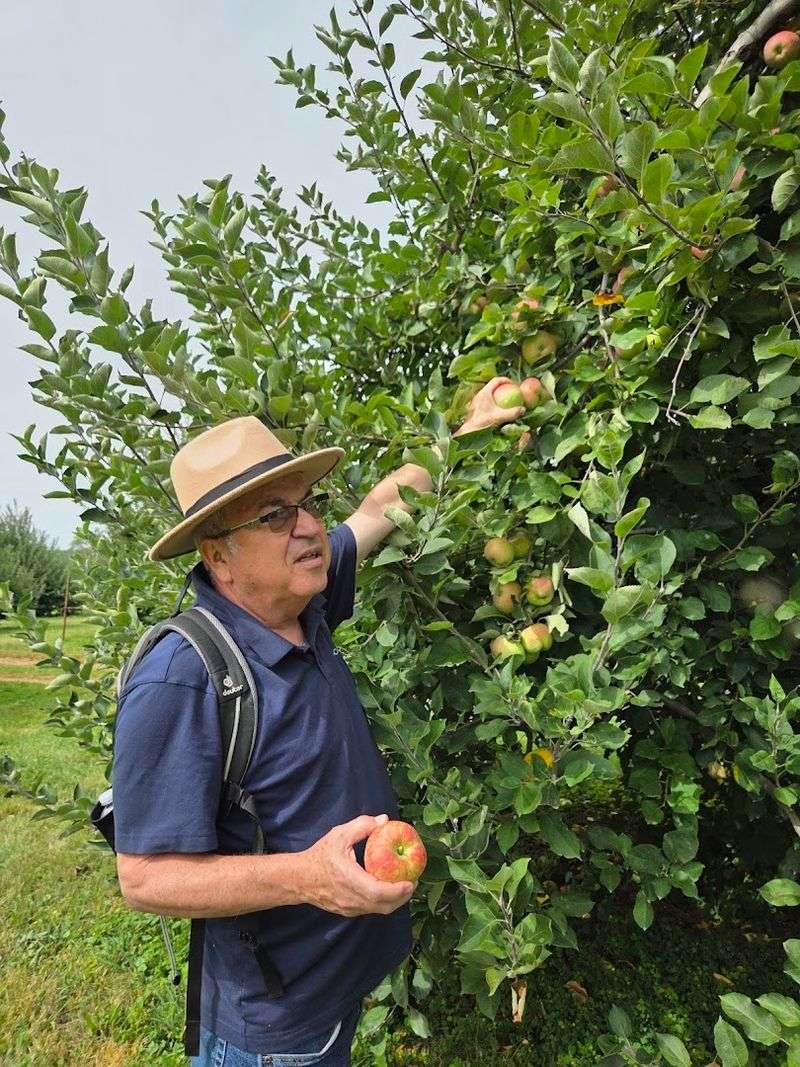
Apple season at Riamede is not one single moment. It rolls in waves.
Late August brings early varieties like Ginger Gold, Mollie’s Delicious, Premier Honeycrisp, Rhode Island Greening, and Sansa. Early September shifts into Gala, Jonathan, McIntosh, Ruby, and Zestar.
Mid-to-late September is when things get especially good for pickers who like range, with Cox’s Orange Pippin, Honeycrisp, Macoun, Cortland, King David, Banana Golden, and other varieties appearing on the schedule.
October belongs to a different personality altogether: Empire, Fuji, Liberty, Ida Red, Mutsu, Northern Spy, Paragon, Rome Beauty, Winesap, Baldwin, Braeburn, Suncrisp, and more late-season apples.
By early to mid-November, the list can still include Gold Rush, Arkansas Black, and Granny Smith, though that late-season window is always a little more weather-dependent. The best timing depends on what you want.
If you are chasing crowd favorites like Honeycrisp or Mutsu, go earlier in their listed window because popular apples do not linger. If you care more about baking apples, late September through October is your sweet spot, though “sweet” is not the point.
Tart, firm apples are the ones that behave in the oven. Weekdays are usually the calmer bet, while weekends bring more of the full farm experience, including extras like hay wagon rides and live music during fall.
Riamede’s own picking page says availability changes and recommends checking the full picking schedule for the most up-to-date list before visiting. In an orchard with this many varieties, timing is not just logistics.
It is how you end up with the apple you have never tried before.