Picture Tennessee covered by a shallow ocean filled with sharks, ancient clams, and bizarre marine reptiles. That world existed around 70 million years ago during the Cretaceous Period, and the proof is buried in the ground near Adamsville. At Coon Creek Science Center, you can dig up real fossils from that underwater era and hold creatures that swam where you now stand.
It’s one of the few places in the country where everyday visitors get to keep what they find, making it a memorable stop for anyone curious about deep time.
A Tennessee Fossil Site With an Ancient Sea Story
West Tennessee doesn’t look like an ocean floor today, but millions of years ago, a warm shallow sea stretched across this region. Coon Creek Science Center sits on land that preserves one of the best records of that vanished world. The fossils here come from the Late Cretaceous, a time when dinosaurs still roamed continents but this part of Tennessee was submerged beneath waves.
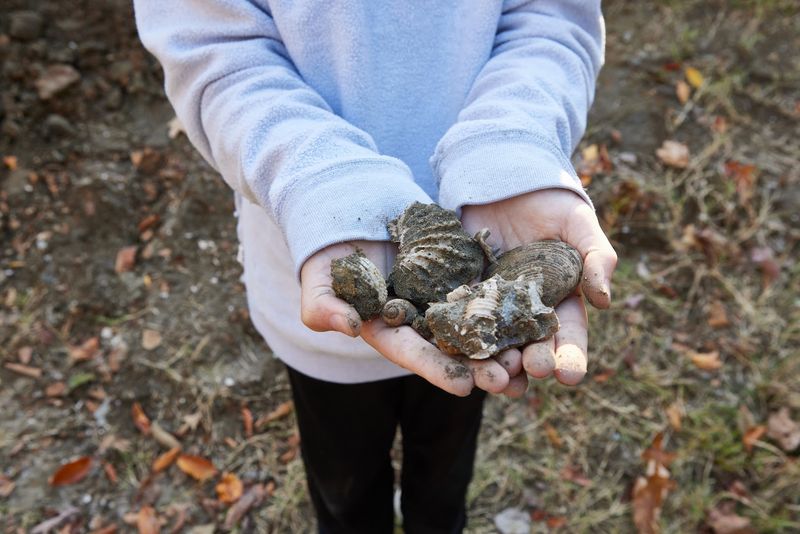
What makes this site remarkable is the quality and variety of specimens. You’ll find shells from ancient clams, snails, and oysters alongside shark teeth and pieces of marine reptiles. The sediment here trapped these creatures in fine detail, so even delicate features survived intact.
Scientists have studied this area for decades because it offers such a complete snapshot of ocean life from that era.
Visitors often feel a sense of wonder when they realize they’re walking on what was once a seafloor. The landscape shifted dramatically over millions of years as tectonic forces lifted the land and drained the waters. Now, instead of swimming creatures, you’ll see rolling hills and farmland.
But dig a little, and the ocean’s memory comes rushing back in the form of fossilized shells and teeth that fit in your palm.
This isn’t just a place to look at fossils behind glass. You get to interact with deep history in a hands-on way that makes the past feel immediate and real.
When West Tennessee Was Covered by Water
Around 70 million years ago, if you could have stood where Adamsville is now, you’d be underwater. A shallow sea called the Mississippi Embayment covered much of what we know as West Tennessee. The water was warm, teeming with life, and connected to the Gulf of Mexico.
Ammonites spiraled through the currents, mosasaurs hunted in deeper zones, and countless shellfish clung to the muddy bottom.
This wasn’t a brief flood or a seasonal event. The sea persisted for millions of years, depositing layers of sediment that eventually hardened into rock. When creatures died, they sank into the soft mud, where lack of oxygen helped preserve their shells and bones.
Over time, those remains turned into fossils, locked in stone until erosion or human curiosity brought them back to light.
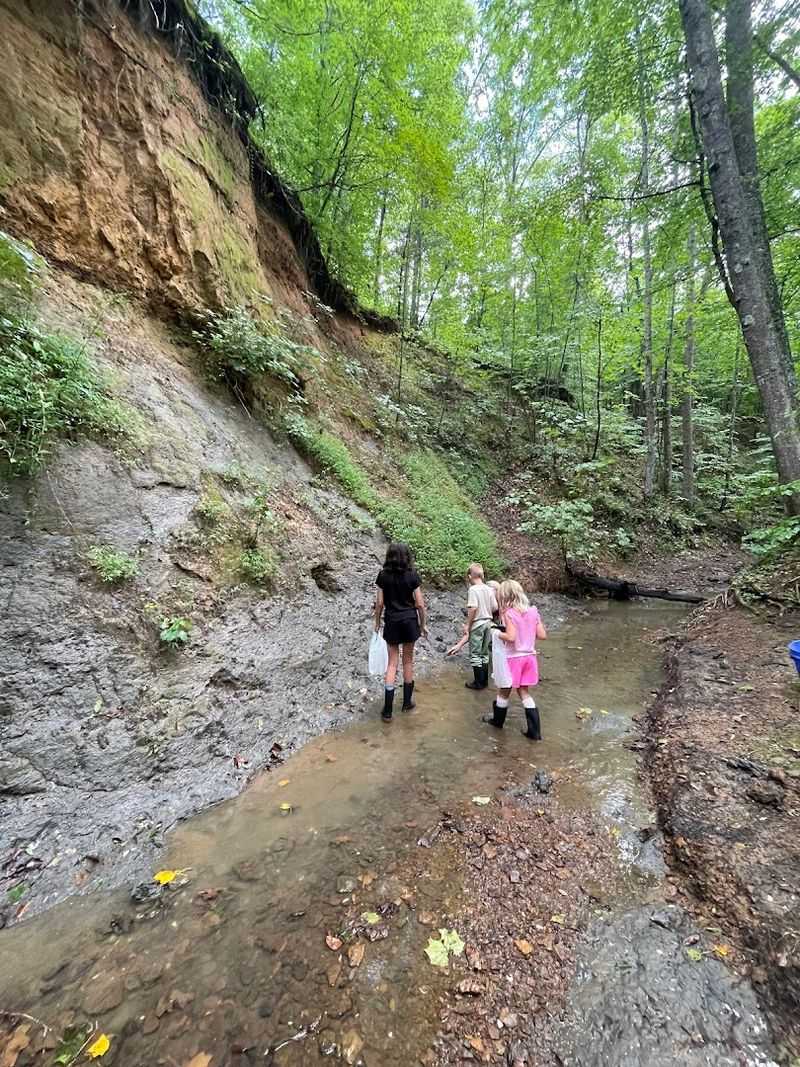
The Coon Creek Formation is the geological layer that holds these treasures. It’s a band of sedimentary rock packed with marine fossils, and it’s exposed in certain areas around Adamsville. Geologists consider it one of the most fossil-rich deposits from the Late Cretaceous in North America.
The diversity of species found here rivals sites in other states, yet it remains lesser-known outside academic circles.
Understanding this ancient seaway helps explain why Tennessee’s landscape looks the way it does today. The retreat of the ocean, combined with millions of years of erosion, shaped the hills and valleys you see now.
Cretaceous Marine Fossils Make This Place Special
Not all fossil sites are created equal. Some places have a few scattered bones or fragmentary remains. Coon Creek, on the other hand, is loaded with well-preserved marine fossils from the Cretaceous Period.
You’ll encounter shells from dozens of species, many of which are extinct and found nowhere else in such abundance. The variety here tells a rich story about ancient ocean ecosystems.
Ammonites are among the most striking finds. These spiral-shelled creatures were relatives of modern squids and octopuses, and they dominated Cretaceous seas. Their shells fossilized beautifully, preserving intricate chamber patterns.
Shark teeth are also common, ranging from small pointy specimens to larger, more menacing examples. Each tooth hints at the predators that prowled these waters.
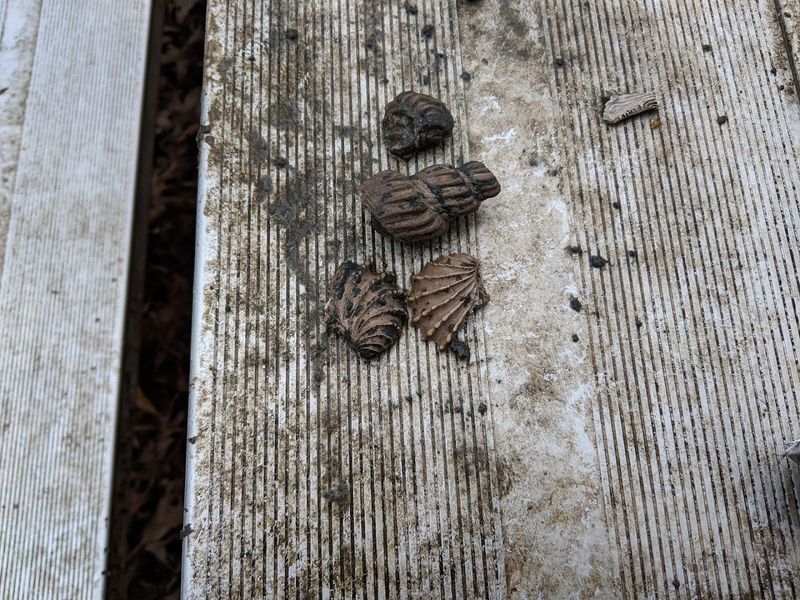
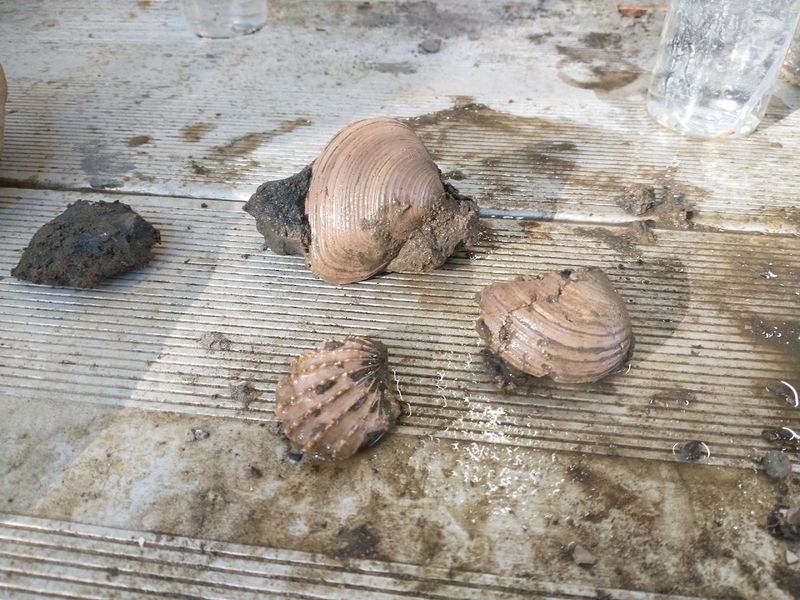
Bivalves and gastropods make up a large portion of the fossil record here. Ancient clams, oysters, and snails lived in dense colonies on the seafloor. Their shells piled up over time, creating layers of fossil-rich sediment.
Some are so well-preserved you can see growth lines and surface textures. Occasionally, visitors find rare specimens like mosasaur bones or turtle shell fragments, which generate excitement among fossil enthusiasts.
The fossils aren’t just scientifically valuable—they’re tangible connections to a world that vanished long before humans existed. Holding a 70-million-year-old shell makes deep time feel less abstract and more real.
What Visitors Can Learn at Coon Creek Science Center
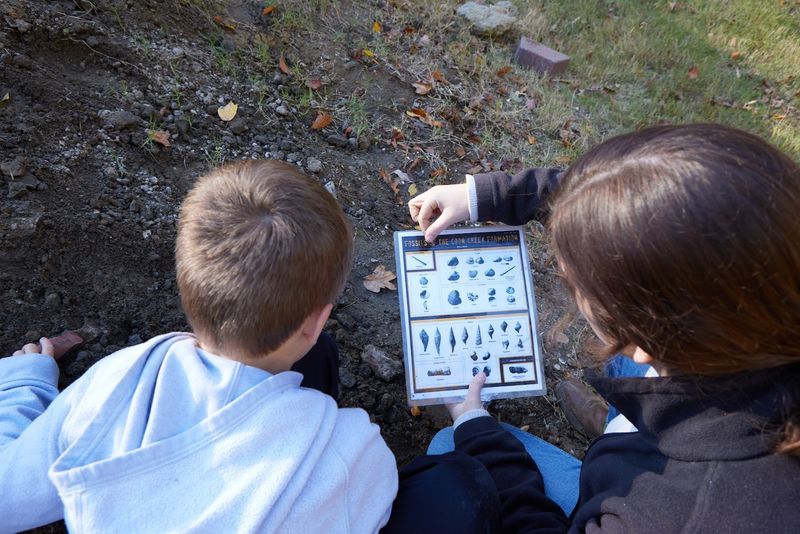
Before you start digging, you’ll get an introduction to the site’s geology and the creatures that lived here. The staff at Coon Creek Science Center are knowledgeable and patient, especially with younger visitors who have a million questions. They explain how fossils form, what the environment was like millions of years ago, and what you’re likely to find in the dig area.
This groundwork makes the hands-on experience much more meaningful.
The center offers educational programs for school groups, families, and anyone interested in paleontology. You’ll learn to identify different types of fossils and understand the significance of each find. Staff members are skilled at making complex topics accessible, so even kids grasp concepts like extinction, fossilization, and geologic time.
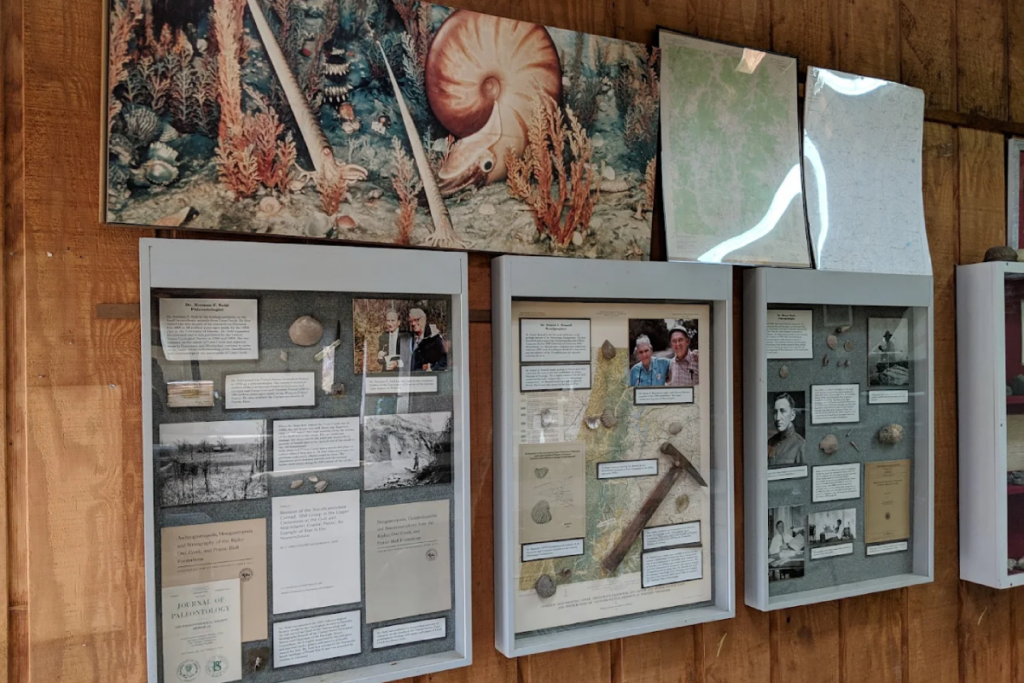
Inside the facility, displays showcase some of the best specimens found at the site. You’ll see complete shells, reconstructed skeletons, and interpretive panels that explain the ancient seaway. These exhibits provide context for what you’re about to dig up.
They also highlight ongoing research, as scientists continue to study Coon Creek fossils to learn more about Cretaceous marine ecosystems.
Whether you’re a curious adult or a budding young scientist, the center tailors its message to your level. You leave with more than fossils—you gain a deeper appreciation for Earth’s dynamic history and the processes that shape our planet.
A Hands-On Way to Explore Tennessee’s Prehistoric Past
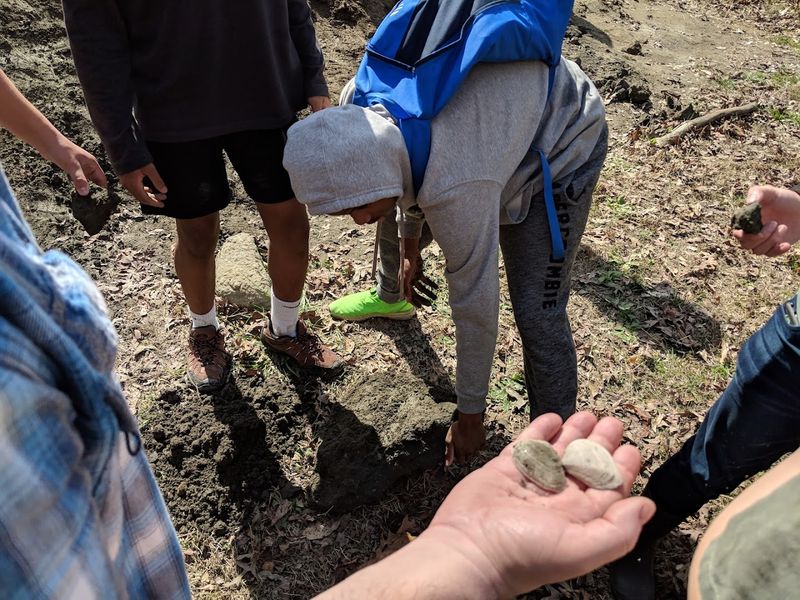
Most museums keep fossils locked behind glass, but Coon Creek flips that script. You’re handed tools and pointed toward sediment layers where you can dig for your own specimens. It’s a tactile, immersive way to engage with paleontology, and it’s surprisingly addictive.
The thrill of uncovering something that’s been buried for millions of years never gets old, whether you’re six or sixty.
The dig area is carefully managed to ensure a steady supply of fossils without damaging the site. Staff members guide you on where to look and how to extract specimens without breaking them. You’ll sift through sediment, feeling for the telltale weight and texture of fossilized shells.
When you find something, you brush off the dirt and examine your discovery. Some finds are small and common, but occasionally someone unearths a standout piece that draws a crowd.
One of the best parts? You get to keep what you find. That policy makes Coon Creek Science Center rare among fossil sites.
Taking home a piece of prehistoric Tennessee creates a lasting connection to the experience. Kids especially love this aspect, as it transforms the outing into a treasure hunt with real stakes. Many visitors return year after year, building collections and refining their fossil-hunting skills.
It’s an experience that combines education, outdoor activity, and the simple joy of discovery. You leave with dirty hands, a bag of fossils, and stories to share.
Why This Adamsville Site Is Great for Curious Kids and Adults
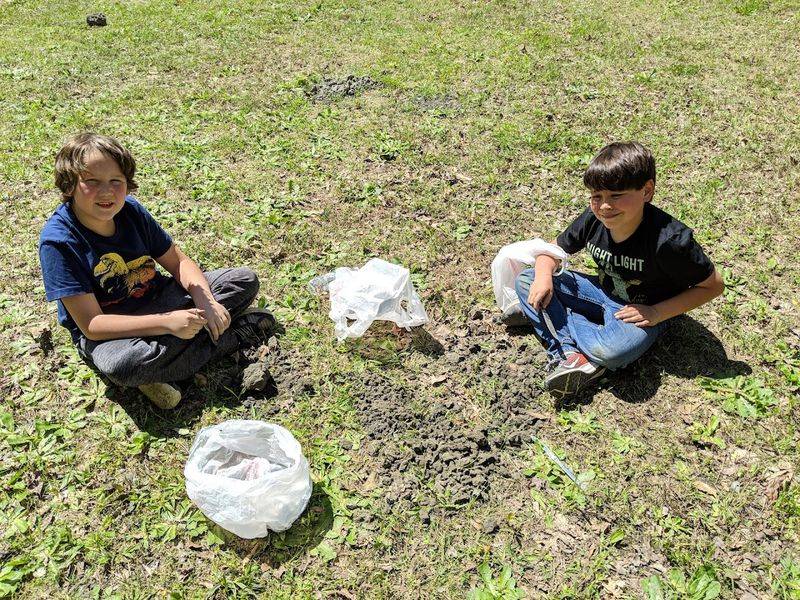
Coon Creek Science Center hits a sweet spot that appeals to multiple generations. Kids get to dig in the dirt and hunt for ancient treasures, which taps into their natural curiosity and love of exploration. Adults appreciate the educational depth and the chance to disconnect from screens while engaging with something genuinely fascinating.
It’s a rare outing that satisfies both groups without feeling like a compromise.
Parents and teachers rave about how the experience holds children’s attention. Unlike passive museum visits, this is active and goal-oriented. Kids stay focused because they’re searching for something tangible.
The excitement of finding a fossil—even a common one—creates a sense of accomplishment. Staff members are skilled at encouraging young fossil hunters and answering their endless stream of questions with patience and enthusiasm.
For adults, the site offers a chance to learn something new and appreciate the vastness of geologic time. There’s something humbling about holding a creature that lived tens of millions of years ago. It shifts your perspective and makes everyday concerns feel smaller.
The site also works well for mixed-age groups. Grandparents bring grandkids, scout troops visit, and homeschool families make it a field trip destination. Everyone finds their own level of engagement, whether that’s serious fossil identification or just enjoying a day outdoors in an unusual setting.
A Unique Tennessee Stop for Anyone Fascinated by Fossils
Tennessee has plenty of natural attractions, but Coon Creek Science Center stands apart. It’s not a cave, a waterfall, or a scenic overlook—it’s a window into a time when this land was unrecognizable. For fossil enthusiasts, it’s a must-visit spot that rivals better-known sites in other states.
The combination of accessibility, fossil abundance, and the keep-what-you-find policy makes it exceptional.
Serious collectors and amateur paleontologists appreciate the quality of specimens available here. While you won’t find complete dinosaur skeletons, the marine fossils are diverse and often beautifully preserved. Some visitors have been coming for decades, building extensive personal collections.
Others are geology students or researchers studying the Coon Creek Formation’s unique characteristics. The site welcomes all levels of interest without pretension.
Location plays a role in its appeal. Adamsville isn’t a major tourist hub, so Coon Creek feels like a hidden gem rather than a crowded attraction. You can spend hours digging without feeling rushed or overwhelmed by crowds.
The rural setting adds to the experience, as you’re surrounded by quiet farmland rather than strip malls and traffic. It’s a place where you can focus and lose yourself in the search.
If you’re planning a Tennessee road trip and want something off the beaten path, this is it. You’ll leave with fossils, photos, and a story that surprises people when you tell them Tennessee was once underwater.