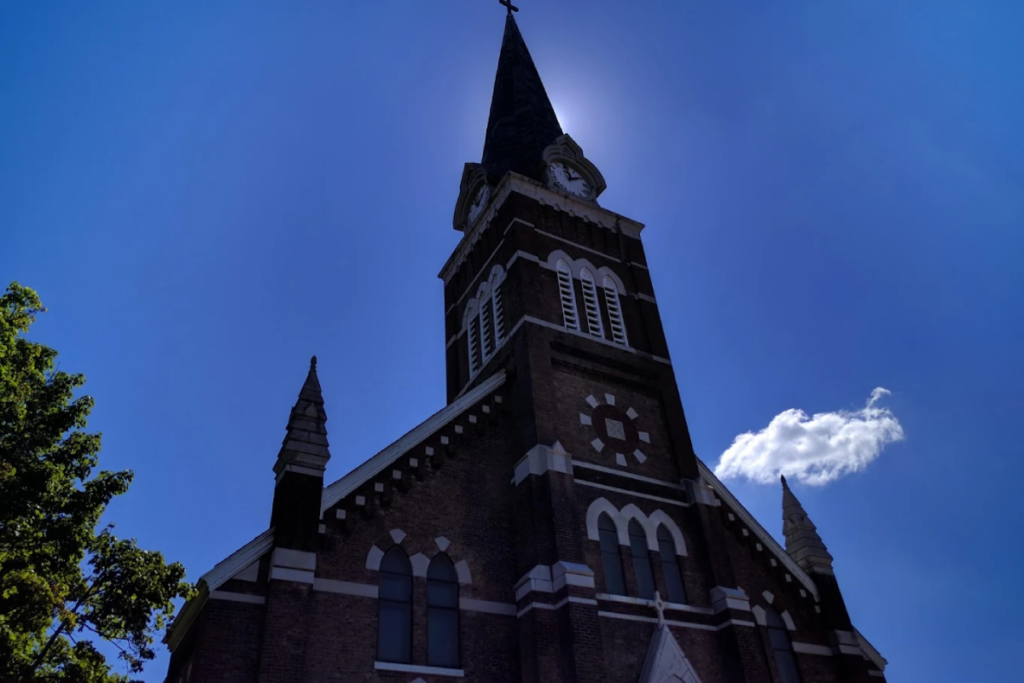
Knoxville’s Church of the Immaculate Conception has been greeting visitors with its stunning stone Gothic architecture since 1886, making it one of Tennessee’s most enduring religious landmarks.
This Catholic church at 414 West Vine Avenue isn’t just a place of worship—it’s a testament to the faith and determination of early Knoxville Catholics who built something meant to last forever. From its hand-carved stonework to its welcoming community, this historic church continues to draw people in, whether they’re lifelong parishioners, curious travelers, or anyone seeking a moment of peace in the heart of the city.
A Knoxville Landmark That Has Stood Since 1886
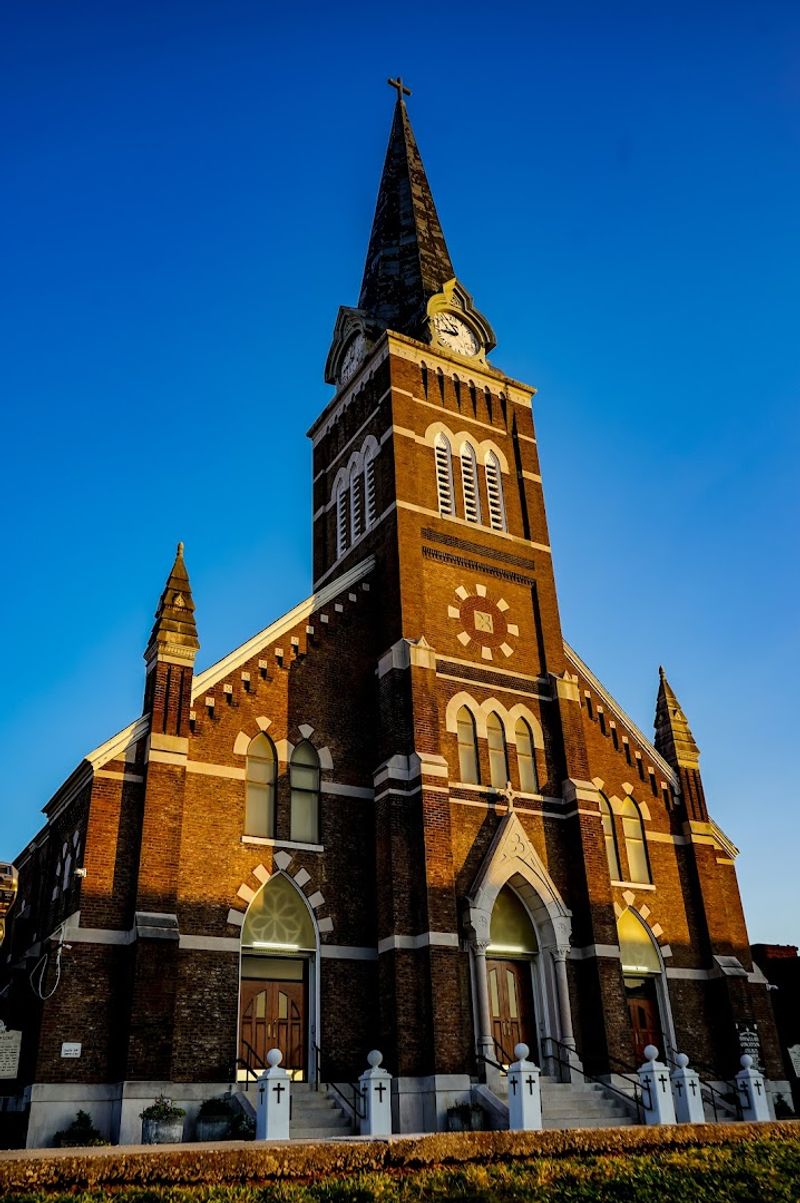
Standing proudly on West Vine Avenue, this stone church has watched Knoxville grow and change for nearly 140 years. The building itself tells a story of permanence in a world that’s constantly shifting. While neighborhoods have transformed and skylines have evolved, Church of the Immaculate Conception remains exactly where it’s always been—solid, beautiful, and unmistakable.
What makes this landmark so special isn’t just its age, though that’s impressive enough. It’s the fact that generations of families have walked through the same doors, sat in the same pews, and found the same sense of belonging their great-grandparents did.
The visitors consistently praise both its architectural beauty and welcoming atmosphere. It’s not locked away as a museum piece—daily Mass still happens here, confession is available most days, and the Paulist Fathers who staff the parish maintain an active, engaged community. The building might be from 1886, but the life inside it is very much present-day.
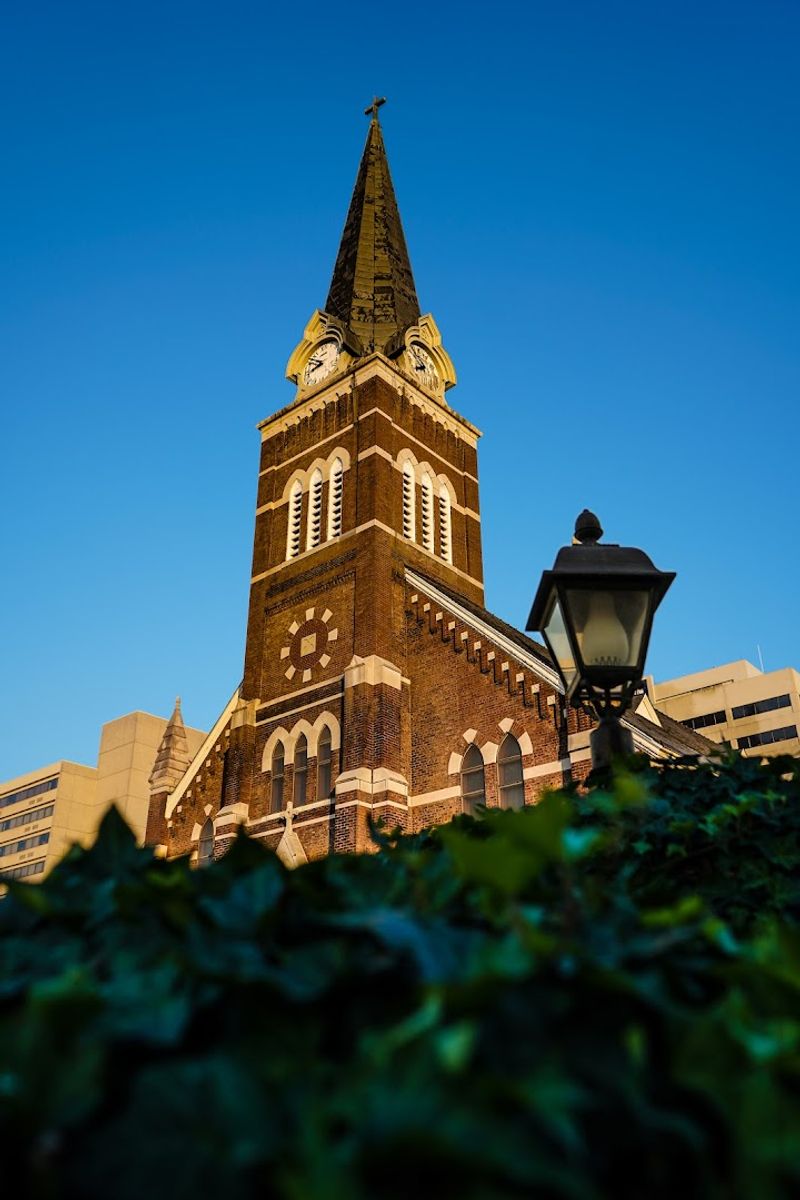
Located in downtown Knoxville, it’s easy to spot if you’re exploring the area. The Gothic stone construction stands out among more modern buildings, serving as a visual reminder of the city’s layered history. Whether you’re Catholic, curious about architecture, or just appreciate places with genuine stories to tell, this landmark deserves a closer look.
The Story Behind Church of the Immaculate Conception
Every great building has an origin story, and this one’s rooted in the determination of Knoxville’s Catholic community in the late 1800s. Building a substantial stone church wasn’t a small undertaking back then—it required serious commitment, fundraising, skilled craftsmen, and a shared vision that would outlast everyone involved in its creation. The Catholics of 1886 Knoxville weren’t thinking about next year; they were thinking about the next century.
The Paulist Fathers have been shepherding this parish for generations, creating what many reviewers describe as a genuinely welcoming environment.
What’s remarkable is how the church has maintained its identity while adapting to changing times. Reviewers from different eras all mention the sense of community, the quality of homilies, and the feeling that this place genuinely cares about people.
The church has also served as a gathering place beyond Sunday Mass—hosting events like the Irish festival, providing confession almost daily, and organizing community service projects like toy drives and homeless outreach. Its story isn’t just about one moment in 1886; it’s about 138 years of continuous service, adaptation, and presence in Knoxville’s downtown.
Why Its Stone Gothic Design Still Turns Heads
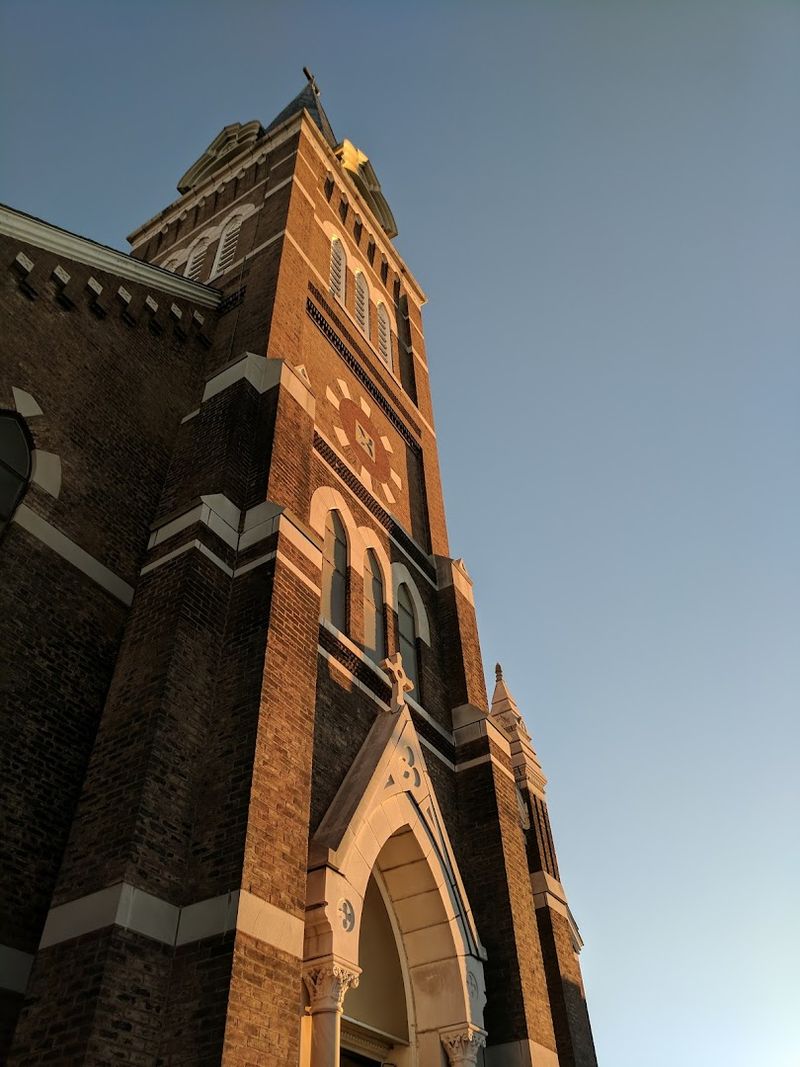
Gothic architecture wasn’t chosen randomly for this church—it was a deliberate statement. The style’s soaring lines, pointed arches, and intricate stonework were meant to lift eyes and spirits upward, creating a sense of awe and reverence. In 1886, building something this elaborate in stone showed serious ambition and faith in the future.
The craftsmanship still impresses modern visitors. There’s something about hand-carved stone and carefully planned proportions that digital renderings and modern materials can’t quite replicate.
Inside, the altar receives particular praise from visitors. The attention to detail extends throughout the interior, where traditional Catholic imagery and architecture create an atmosphere that feels both historic and spiritually significant.
It’s not just pretty—it’s purposefully designed to enhance the worship experience.
The stone construction also means this building has weathered Tennessee’s climate remarkably well. While many structures from the 1880s have been demolished, renovated beyond recognition, or require constant maintenance, solid stone endures. The Gothic design that seemed so ambitious in 1886 has proven to be a practical choice as well as an aesthetic one, keeping the church structurally sound through generations of use.
A Church Built by Faith, Craftsmanship, and Community
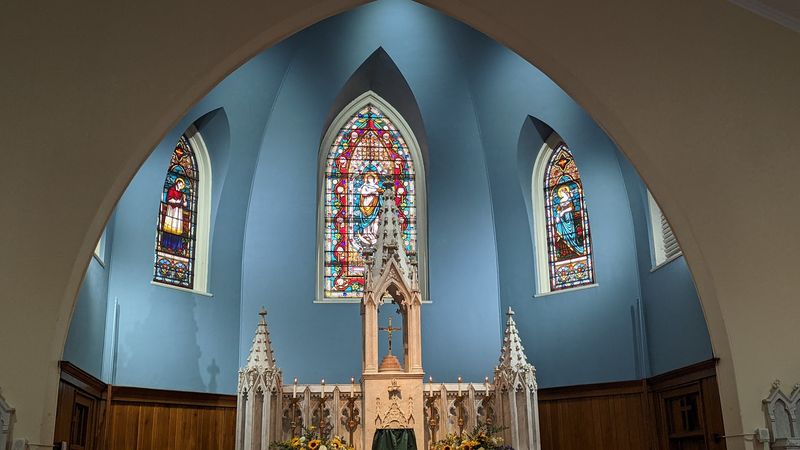
Constructing a stone Gothic church in Knoxville in 1886 required more than just money and materials—it demanded skilled stoneworkers, carpenters, and artisans who understood traditional building methods. These weren’t prefabricated components shipped from somewhere else; this was hands-on craftsmanship, with each stone carefully cut and placed to last for generations.
The community aspect of this church goes beyond its construction, though. Reviewers consistently mention the sense of belonging they feel here.
What’s particularly interesting is how the church serves different needs for different people. Some come for daily Mass and confession, appreciating the consistency and availability. Others attend special events or occasional services.
The church adapts to serve everyone from lifelong parishioners to first-time visitors.
The Paulist Fathers who staff the parish receive specific praise for their homilies, hospitality, and understanding approach. Multiple reviewers mention the quality of the sermons and how they provide practical takeaways for daily life. There’s also consistent mention of community service opportunities—toy drives, homeless outreach, cooking for elderly residents—showing that faith here translates into action beyond the church walls.
What Makes This Historic Tennessee Church Worth Noticing
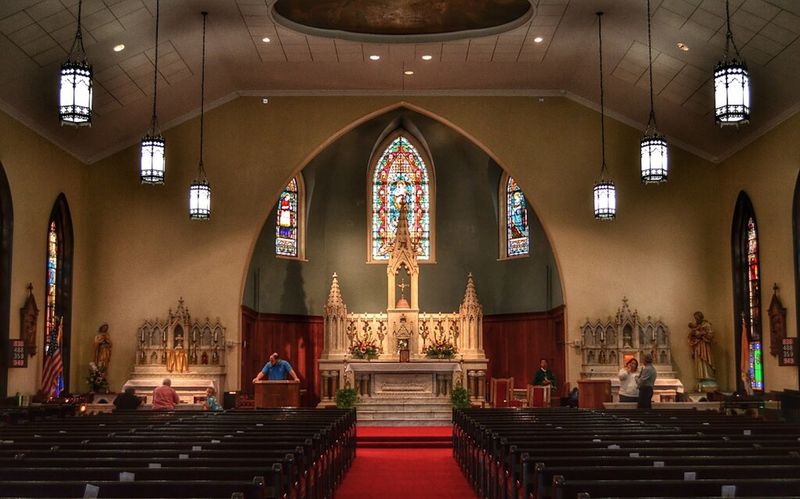
Among Tennessee’s many historic buildings, this church stands out for several reasons beyond just its age. First, it’s still actively serving its original purpose—this isn’t a converted event space or museum. People attend Mass here daily, receive sacraments, and participate in parish life just as they did in 1886.
That continuity of use is increasingly rare.
The architectural significance can’t be overstated either. Gothic stone churches of this quality and preservation aren’t common in Tennessee, where wooden construction was more typical for the era. The building represents a level of ambition and permanence that sets it apart from many contemporary structures.
What really distinguishes this place, though, is the combination of historic significance and living community. You can appreciate the 1880s craftsmanship while also experiencing a vibrant, welcoming parish.
The church also hosts cultural events like the Irish festival, creating connections beyond regular worship services. Its downtown location makes it accessible and visible, serving as a reminder of Knoxville’s Catholic heritage in a prominent, public way. It’s worth noticing because it successfully bridges the past and present, maintaining tradition while remaining relevant and welcoming to contemporary visitors.
Visiting Church of the Immaculate Conception Today
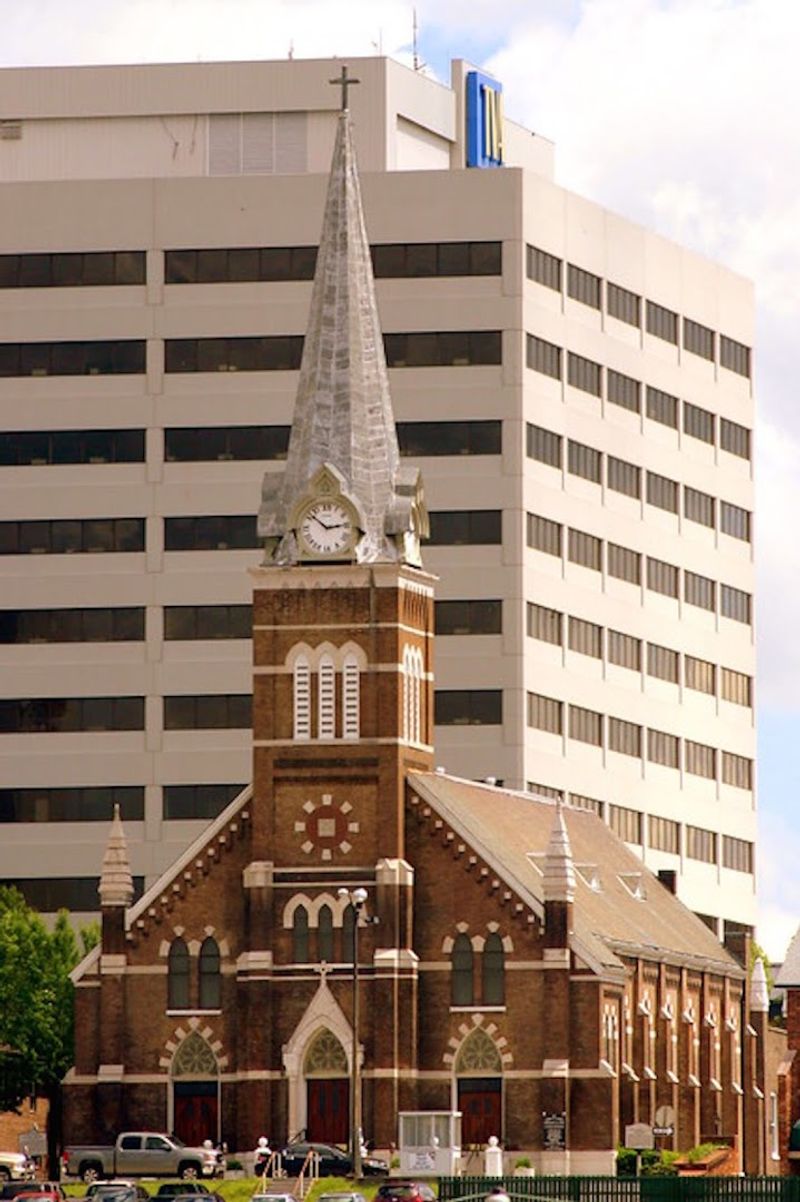
Finding the church is straightforward—it’s located at 414 West Vine Avenue in downtown Knoxville, and the distinctive stone Gothic architecture makes it hard to miss. The church offers daily Mass, with multiple services throughout the week, making it convenient whether you’re a local or just passing through.
Confession is available every day except Sundays, which is notably more frequent than many parishes offer. This accessibility matters to people who appreciate regular access to the sacraments. The church maintains an active schedule, and you can find current Mass times and other information on their website at icknoxville.org.
First-time visitors consistently report feeling welcomed. Multiple reviewers mention the kindness of parishioners and the approachable nature of the Paulist Fathers. Even if you’re not Catholic, the church welcomes visitors interested in the architecture or history—just be respectful of any services in progress.
The beauty of the space impresses believers and architecture enthusiasts alike.
Parking in downtown Knoxville can require some planning, but the church’s central location means it’s walkable from many nearby attractions and hotels. Some visitors combine their church visit with exploring other downtown sites. The Irish festival and other special events draw larger crowds, so checking the calendar ahead of time helps if you’re planning around specific occasions.
Whether you’re seeking a place to worship, architectural beauty, or a quiet moment in a historic space, this church remains accessible and welcoming to all who enter.
Why This 1886 Stone Church Still Feels Timeless
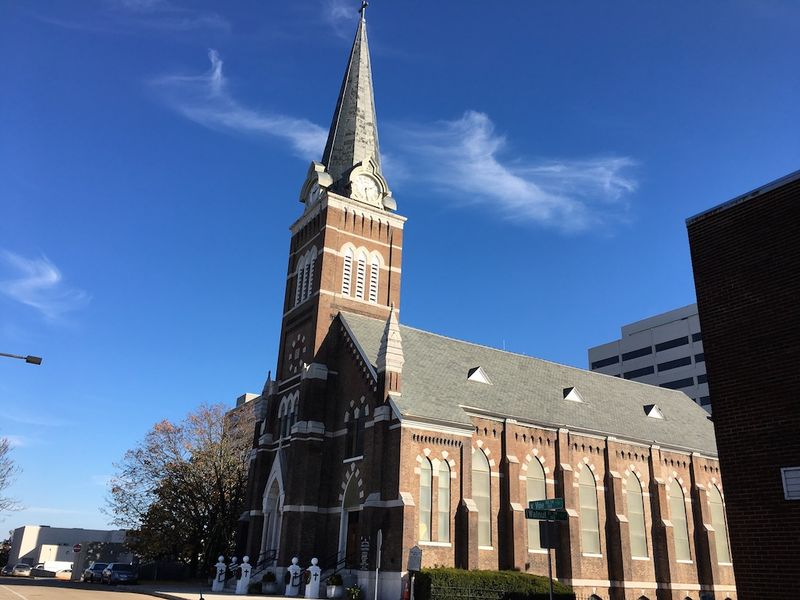
Timelessness isn’t about being stuck in the past—it’s about creating something so well-conceived that it transcends temporary trends. This church achieves that through both its physical construction and its approach to community. The stone walls that seemed permanent in 1886 have proven to be exactly that, while the welcoming atmosphere has adapted to serve each new generation of parishioners.
The Gothic architecture itself contributes to the timeless quality. Unlike styles that clearly date buildings to specific decades, Gothic design has maintained its appeal across centuries. The proportions, the play of light through windows, the sense of vertical space—these elements worked in medieval Europe, they worked in 1886 Knoxville, and they still work today.
Perhaps most importantly, the church has maintained its core purpose without compromise. It’s still a place where people come to worship, find community, receive sacraments, and connect with something larger than themselves. The specifics of how that happens have adapted but the fundamental mission remains unchanged.
That consistency of purpose, housed in enduring stone, creates a genuinely timeless quality that visitors continue to recognize and appreciate.