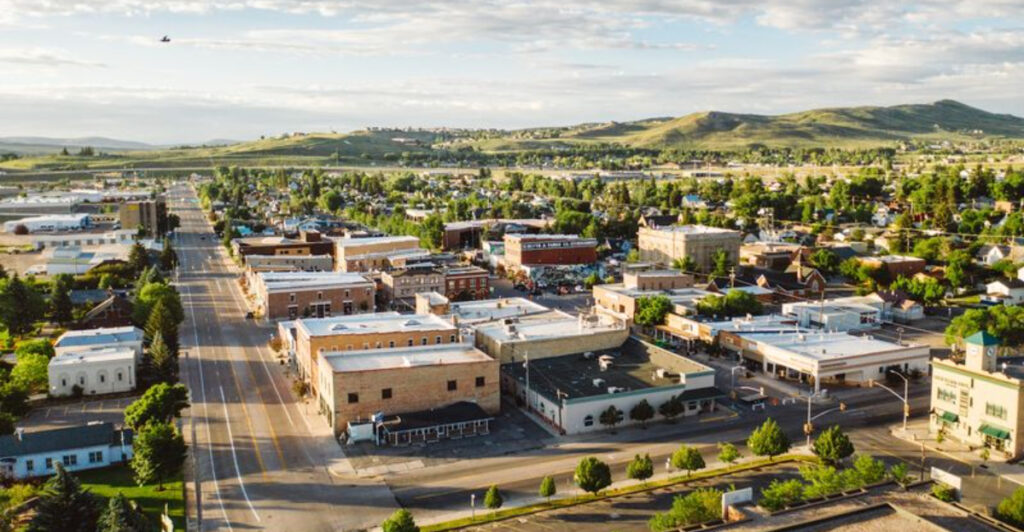
Tucked into the scenic Bear River Valley near the Utah border, Evanston, Wyoming is the kind of place that makes retirees look twice at the numbers. With living costs reportedly well below the national average and no state income tax, everyday expenses feel far more manageable than in many mountain-region towns.
The setting adds even more appeal, with open views, calmer streets, and a pace of life that feels refreshingly unhurried. You get access to outdoor beauty without the sky-high price tags that often come with it. If you are searching for a retirement spot where your Social Security check can stretch comfortably, Evanston makes a very convincing case.
Wyoming Lets Retirees Keep More Money
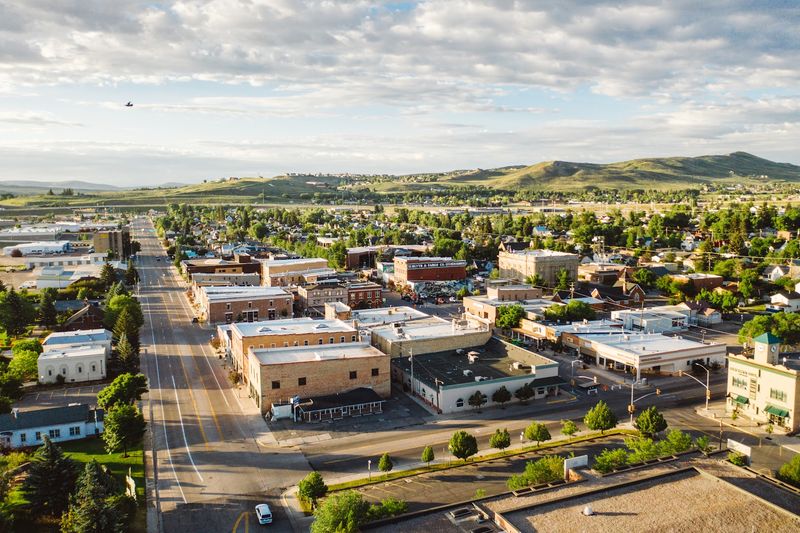
Wyoming has a not-so-secret superpower that retirees absolutely love: there is no state income tax. That means every dollar of your Social Security benefit, pension check, or 401(k) withdrawal stays exactly where it belongs — with you.
Most states take a bite out of retirement income, but Wyoming keeps its hands off entirely. For someone collecting the average Social Security benefit of around $2,005 per month as of mid-2025, that tax-free status can translate to hundreds of extra dollars per year compared to living in states like Colorado or Montana.
It is the kind of financial edge that quietly adds up over time and makes a real difference in day-to-day comfort. Evanston sits in Uinta County, where property taxes are also impressively low — around 0.5%. On a $100,000 home, that is only about $500 per year in property taxes.
Wyoming was literally built for people who want to keep what they earn. Combine the zero income tax with low property taxes and a below-average cost of living, and Evanston starts to look less like a hidden gem and more like a well-kept secret that deserves to go viral. The financial math here is genuinely hard to argue with, especially for anyone living on a fixed income.
Housing Prices Feel Shockingly Low
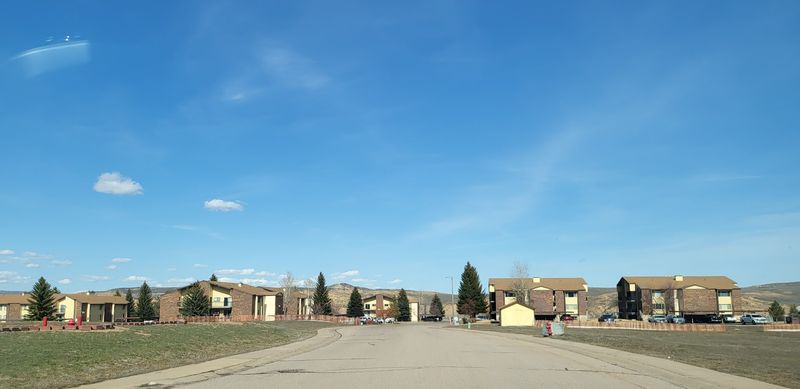
Forget everything you thought you knew about housing costs in scenic mountain towns. Evanston flips the script completely. The median home sale price here hovered around $289,000 as of early 2026 — noticeably lower than the national median of $332,700.
For buyers, that gap means more house for less money, or a smaller mortgage that does not eat your entire monthly budget. Renters get an equally sweet deal. The average rent in Evanston runs between $800 and $865 per month, which is anywhere from 47% to 60% cheaper than the national average.
A studio apartment can be had for as little as $669 per month, and a two-bedroom unit typically lands between $795 and $892. When your Social Security check is around $2,005 monthly, spending under $900 on rent leaves a surprisingly healthy cushion for groceries, utilities, and fun.
The homeownership rate in Evanston is a strong 71.3%, which tells you something important about the community: people who move here tend to put down roots. That kind of stability creates well-kept neighborhoods, friendly neighbors, and a genuine sense of belonging.
Whether you rent or buy, the housing market in Evanston offers options that work for a wide range of budgets without forcing you to sacrifice comfort, space, or location. It is affordable living that does not feel like a compromise.
Bear River State Park Right in Your Backyard
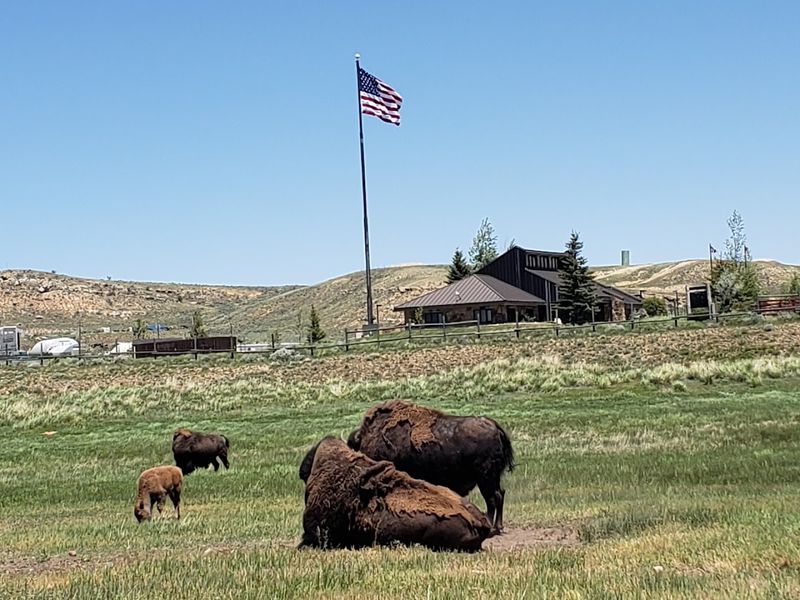
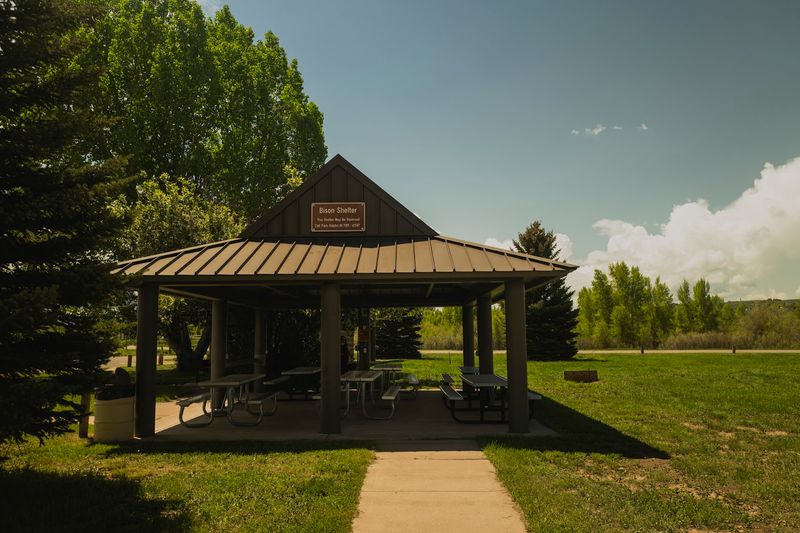
Just minutes from downtown Evanston, Bear River State Park is the kind of outdoor amenity that usually costs a fortune to live near. Here, it is practically your front yard.
The park sits along the Bear River and offers well-maintained trails for hiking and biking, peaceful picnic spots, and something most parks cannot offer — free-roaming bison and elk. Watching a bison herd graze against a mountain backdrop never really gets old.
The park is free to visit, which fits perfectly into a budget-conscious lifestyle. Morning walks along the river, afternoon bike rides on smooth trails, and evening wildlife watching are all on the table without spending a dime.
For retirees especially, having access to low-impact outdoor activity this close to home is a genuine quality-of-life win that doctors and financial planners would both approve of.
Beyond the park itself, the surrounding Bear River Valley and the High Uinta Mountains to the south offer endless opportunities for fishing, kayaking, and floating. The Bear River is a known fishing spot, and the mountain access opens up camping and hunting seasons that outdoor enthusiasts plan for all year.
Evanston is not just affordable — it is surrounded by the kind of natural beauty that people in bigger cities pay premium prices to visit on vacation. Living here means that vacation feeling is simply part of everyday life, and that is something no price tag can fully capture.
A Historic Downtown With Real Small-Town Charm
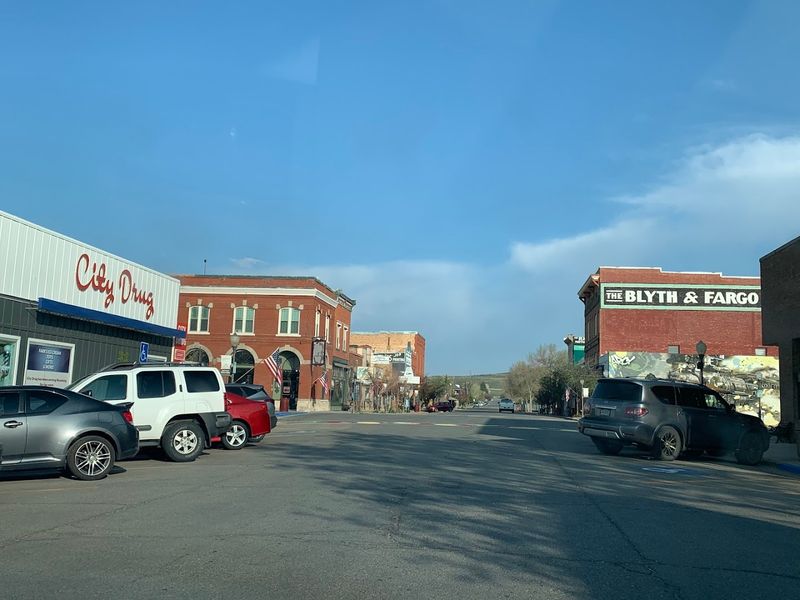
Founded in 1868 as a railroad divisional point for the Union Pacific, Evanston carries its history with quiet pride. The downtown area still features beautiful historic architecture that gives the town a warm, rooted character you just cannot manufacture.
Walking those streets feels like stepping into a place that knows exactly who it is — and has no interest in pretending otherwise.
Local shops, casual dining spots, and community gathering spaces fill the downtown corridor with everyday energy. This is not a tourist trap with overpriced boutiques and crowded sidewalks.
It is a real, working downtown where neighbors run into each other, local business owners know your name, and the pace of life feels genuinely human. For retirees who left behind the noise of big cities, that shift in rhythm is priceless.
Throughout the year, downtown Evanston comes alive with community events that reflect the town’s personality. Evanston Cowboy Days brings Western culture front and center, while the Bear, Brats and Bluegrass Festival adds a lively musical twist to summer.
BrewFest and a weekly farmers market round out a social calendar that keeps things interesting without requiring a big entertainment budget. The farmers market, in particular, is a great way to stretch grocery dollars while supporting local growers.
Small-town charm in Evanston is not a marketing slogan — it is the actual texture of daily life here, and it makes the town feel like a genuinely good place to land for the long term.
Retirees Are Not Cut Off From Healthcare
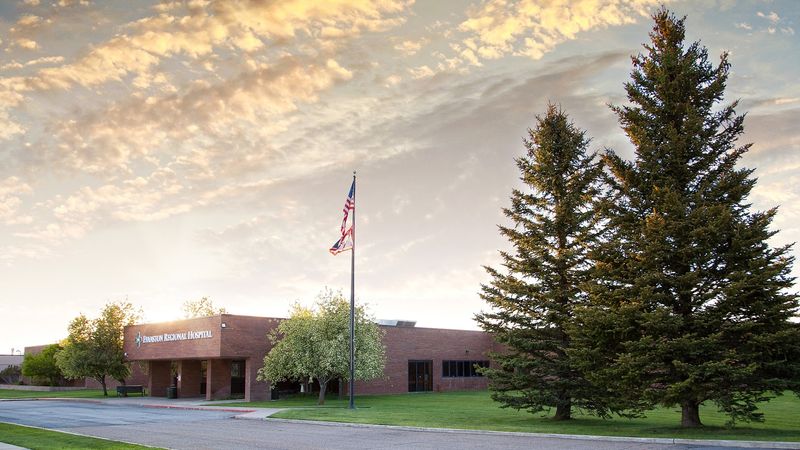
Healthcare is one of the biggest concerns for anyone considering retirement in a small town, and Evanston addresses it better than most communities its size. Evanston Regional Hospital is a fully accredited facility that accepts Medicare patients, meaning your federal health coverage works right here in town.
Basic medical needs — routine checkups, emergency care, and standard procedures — can all be handled locally without a long drive.
For specialized care, Salt Lake City is roughly 80 miles away, offering access to major medical centers and a wide range of specialists. That distance is manageable for most planned appointments, and it means Evanston residents are never truly far from comprehensive healthcare when they need it.
Many retirees find this balance — local access for everyday needs, a city nearby for the complex stuff — works extremely well in practice.
Healthcare costs in Evanston are also reported to be below the U.S. average, which matters enormously for people on fixed incomes. When Medicare covers your hospital visits and local costs are lower than national norms, the financial stress around medical care becomes significantly more manageable.
Combine that with Wyoming’s overall affordability and the absence of state income tax, and healthcare planning for retirement in Evanston starts to look a lot less daunting than in most parts of the country. It is one of those practical details that does not always make the headlines but absolutely shapes the quality of everyday retired life in this town.
Outdoor Fun Barely Costs Anything
One of the best financial perks of living in Evanston is how much free or nearly free outdoor recreation surrounds the town. Mountain biking trails wind through the landscape with no membership fee required.
The Bear River invites kayakers, floaters, and fly fishers to show up with gear and enjoy hours on the water for the cost of a fishing license. Camping in the surrounding national forest lands is incredibly affordable compared to resort-style alternatives.
The High Uinta Mountains to the south are a serious outdoor playground. Hikers, hunters, and campers flock to these peaks seasonally, and Evanston serves as a convenient launching point for all of it.
For retirees who want to stay active without spending a lot, this geographic position is genuinely ideal. Physical activity, fresh air, and stunning scenery are all accessible without a gym membership or a travel budget.
Even the Purple Sage Golf Course gives residents a local option for a round without driving to a resort town. The Evanston Recreation Center adds an indoor layer to the mix, offering a pool, fitness center, and basketball courts for residents who want structured activity year-round.
Between the outdoor natural spaces and the community recreation facilities, staying active in Evanston is refreshingly easy and affordable.
For anyone who has ever dreamed of retiring somewhere that keeps the body moving and the mind clear without draining the bank account, this town makes a compelling case. The mountains, the river, and the trails are simply part of the package here.
Even Everyday Bills Stay Affordable
Stretching a Social Security check requires more than just cheap rent — every line item in the monthly budget matters. Evanston delivers on the everyday expenses too.
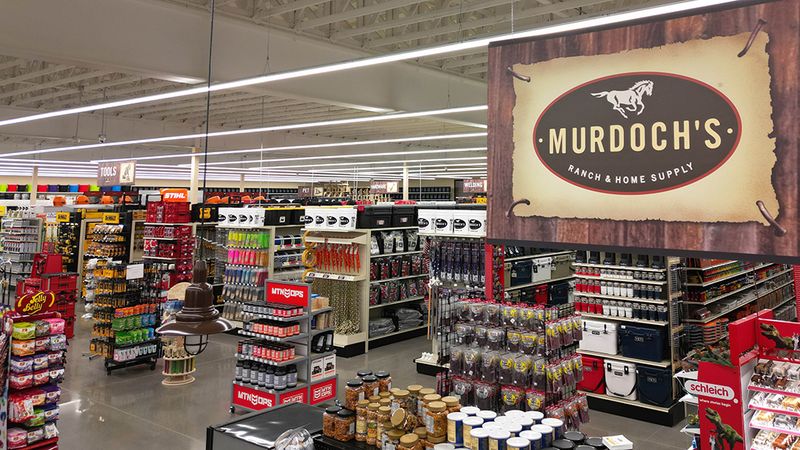
Grocery prices in Evanston are comparable to those in neighboring Utah, which consistently ranks among the more affordable states for food costs. An estimated annual grocery bill of around $10,000 for a family of four translates to roughly $833 per month, which leaves meaningful room in a typical retiree budget.
Utility costs in Evanston also come in below the national average, which is a welcome detail during Wyoming winters. Heating a home through a cold season can get expensive in many mountain towns, but Evanston manages to stay competitive on that front.
For retirees watching their energy bills closely, every dollar saved on utilities is a dollar available for something more enjoyable.
Transportation costs add another layer of affordability. Gas prices in early 2024 were around $3.40 per gallon in the area, below the national average at the time.
A car is a necessity in Evanston given limited public transit options, but the lower fuel costs and minimal traffic congestion mean commuting and errand-running stay relatively inexpensive.
When you add up housing, groceries, utilities, and transportation together, the monthly cost of living in Evanston paints a picture that is genuinely encouraging for anyone running the numbers on retirement affordability.
It is not one big dramatic savings — it is a dozen small ones that quietly compound into a lifestyle that actually works on a fixed income without constant financial anxiety.
A Tight-Knit Community With Western Hospitality
Numbers tell part of the Evanston story, but the community itself tells the rest. With a population of around 11,700 people, Evanston is small enough that faces become familiar quickly, but large enough to have real amenities and a functioning social life.
About 15% of residents are retirement age, which means there is already a community of like-minded neighbors who have made the same smart move you are considering.
Western hospitality here is not a cliche — it is a daily experience. People wave from porches, hold doors open, and actually talk to strangers.
For retirees relocating from larger cities, that shift in social culture can be one of the most unexpected and welcome surprises. Loneliness is a real health concern for older adults, and moving to a place where community connection is built into the culture is genuinely meaningful.
Public schools in Evanston are rated above average, which matters for grandparents considering proximity to family or for those who simply care about the health of the community around them. A strong school system reflects civic investment and community pride.
Evanston also has a high homeownership rate of 71.3%, signaling that residents tend to stay and invest in where they live. That kind of stability creates a town where businesses stick around, neighbors become friends, and the social fabric holds together through the years.
For retirees seeking not just affordability but also genuine belonging, Evanston offers something increasingly rare — a real community that feels like it was built for people who actually want to live there for the long haul.