Michigan has a way of showing off in spring — wildflowers push through forest floors, waterfalls roar with snowmelt, and coastal towns shake off the quiet of winter like they’ve been waiting all year. Whether you’re chasing blooming tulip fields, towering sand dunes, or a charming small-town main street, the Great Lakes State delivers big on seasonal wonder.
These 14 day trips prove that you don’t need a passport or a week off work to experience something genuinely memorable. Pack a light jacket, grab some snacks, and get ready — spring in Michigan hits different.
1. Saugatuck and Douglas
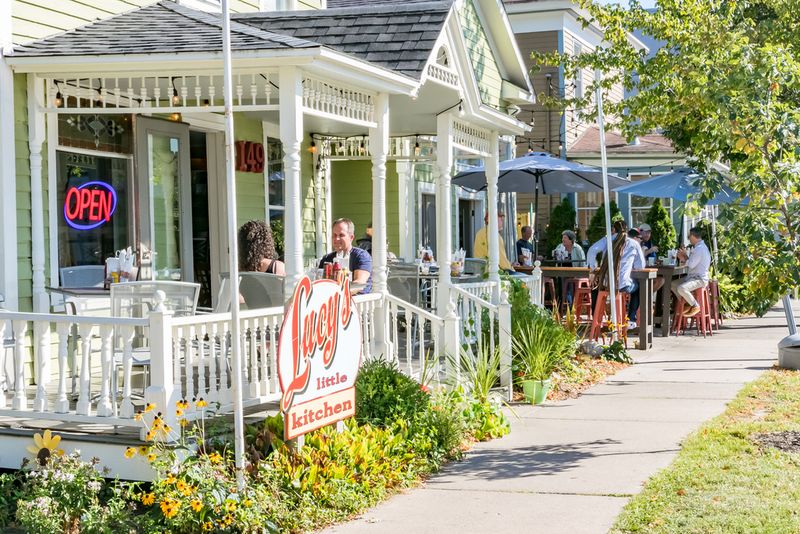
Few places in Michigan blur the line between art town and beach town quite like Saugatuck and its quieter neighbor Douglas. Tucked along the eastern shore of Lake Michigan, these two connected villages are packed with galleries, independent shops, cozy cafes, and some seriously good food — all within easy walking distance of each other.
Spring is genuinely one of the best times to visit, before the summer crowds roll in and parking becomes a contact sport.
The Kalamazoo River winds right through town, and hopping on the hand-cranked chain ferry to cross over to Oval Beach is a rite of passage. The beach itself is wide, clean, and backed by rolling dunes that beg to be climbed.
Even on a cool spring day, the view from the top of Mount Baldhead makes the hike completely worth it — you can see the lake stretch out endlessly in both directions.
Douglas has its own charm, with a growing food and wine scene that feels relaxed and unhurried. Stop into one of the local wineries or grab a lakeside lunch and just settle in.
Art lovers will want to block out real time for the Saugatuck Center for the Arts, which hosts rotating exhibitions and events year-round. The galleries scattered throughout both villages showcase everything from glasswork to photography, and the quality is genuinely impressive.
Saugatuck and Douglas aren’t trying to be anything they’re not — and that authenticity is exactly what makes a spring visit here feel so refreshing and rewarding.
2. Tahquamenon Falls State Park
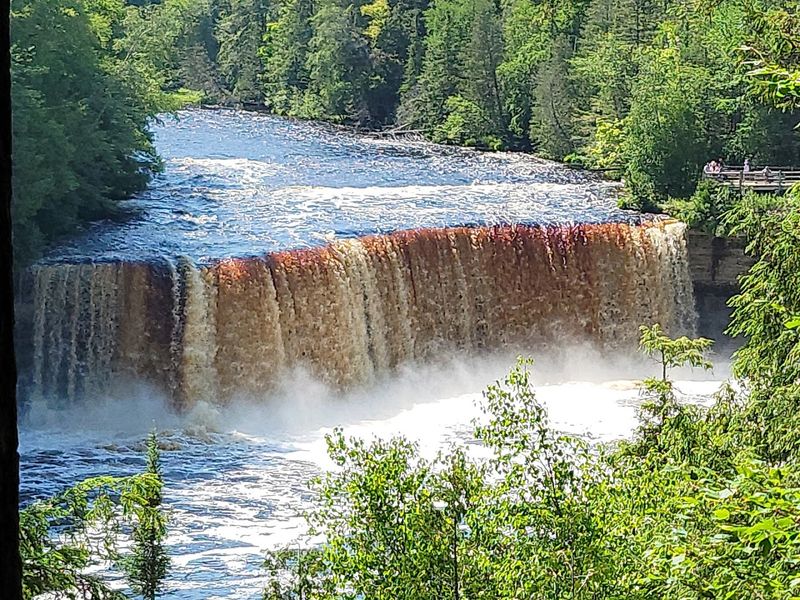
There’s something almost prehistoric about standing at the edge of Tahquamenon Falls. One of the largest waterfalls east of the Mississippi, the upper falls stretches nearly 200 feet wide and drops around 50 feet — and in spring, when snowmelt is pumping through the river, the roar and spray hit you like a wall of raw energy.
The tea-colored water, stained naturally by tannins from surrounding cedar swamps, gives the falls an otherworldly amber glow that’s unlike anything else in the Midwest.
The park sits in Michigan’s Upper Peninsula, making it a longer haul from the Lower Peninsula — but absolutely worth it for a full-day adventure. The trail system connecting the upper and lower falls is well-maintained and manageable for most fitness levels, winding through old-growth forest that feels genuinely untouched.
Spring birding here is exceptional, with warblers, woodpeckers, and other migratory species moving through the area in impressive numbers.
At the lower falls, you can rent a rowboat and paddle out to a small island positioned right between two separate cascades — it’s one of those Michigan experiences that sounds almost too good to be real. Pack a proper lunch because the nearest town is a solid drive away, and you’ll want to spend as much time in the park as possible.
Tahquamenon is the kind of place that reminds you why Michigan’s UP has such a devoted fan base. People who make the trip once almost always start planning the next visit before they’ve even left the parking lot.
Come spring, this place is nothing short of spectacular.
3. Frederik Meijer Gardens & Sculpture Park
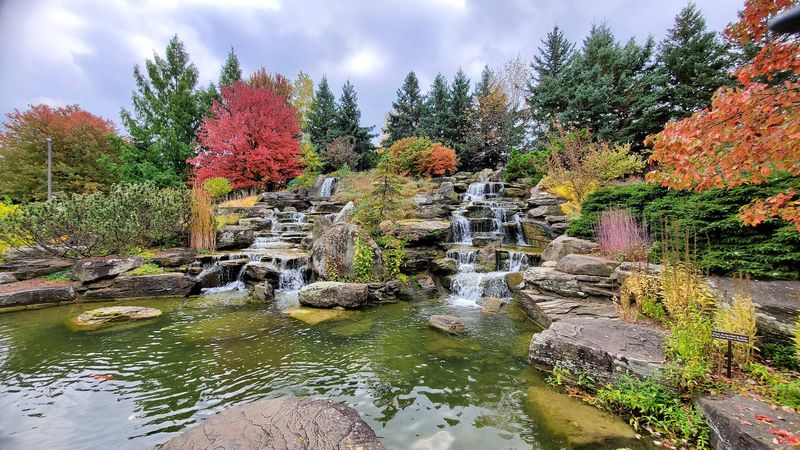
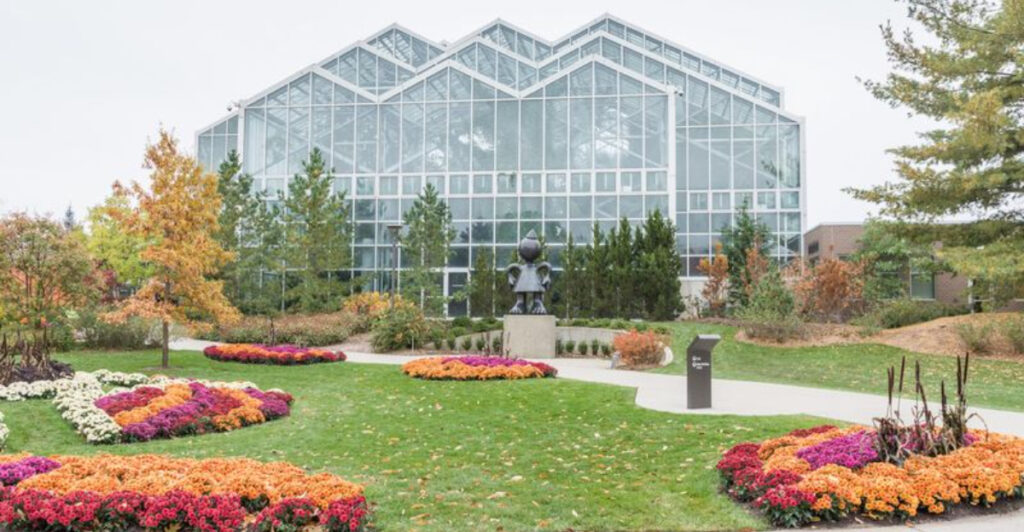
Not every great Michigan day trip involves a beach or a waterfall — and Frederik Meijer Gardens in Grand Rapids is proof of that. This 158-acre botanical garden and sculpture park is one of the most visited cultural attractions in the entire state, and spring is hands-down the season when it truly earns that reputation.
Thousands of tulips, daffodils, and flowering trees burst into color across the outdoor grounds, creating a backdrop that makes even amateur photographers look like professionals.
The sculpture collection here is genuinely world-class. Works by Auguste Rodin, Henry Moore, and Deborah Butterfield are scattered throughout the gardens, creating unexpected moments of discovery around every bend in the path.
The indoor tropical conservatory provides a lush, warm escape on those early spring days when the outdoor temps haven’t quite caught up with the calendar. It’s a great spot to wander slowly with no agenda and just let the space do its thing.
The Michigan’s Grand Garden, which celebrates native plants and local ecosystems, is especially rewarding in spring when emerging growth signals the season’s shift. For families, the children’s garden is thoughtfully designed and genuinely interactive — kids engage with the space rather than just passing through it.
The on-site cafe offers solid food options, and the gift shop carries unique items you won’t find at typical tourist traps. Frederik Meijer Gardens works for every kind of visitor: art lovers, plant nerds, families, couples, or anyone who just needs a few hours surrounded by something beautiful.
Plan for at least three to four hours, and go on a weekday if you can to avoid weekend crowds.
4. Fishtown, Leland
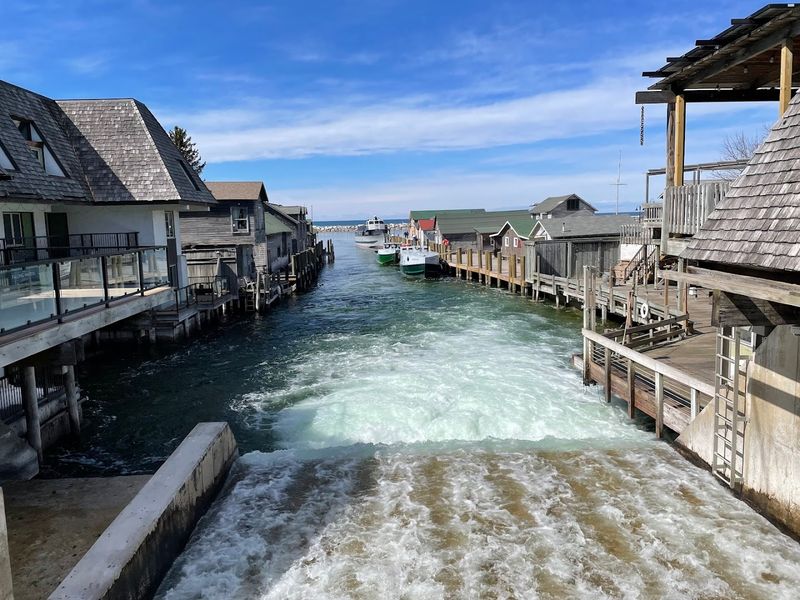
Fishtown in Leland is one of those places that looks like it was designed for a postcard — except it’s completely real and has been operating as a working fishing village for well over a century. A cluster of weathered cedar-shingled shanties sits right along the Leland River, housing a mix of active fishing operations, smoked fish shops, galleries, and a small ferry service.
The whole thing fits into about a block, but it packs more character per square foot than most towns pack in a mile.
Spring is a sweet spot for visiting Fishtown. The summer crowds haven’t arrived yet, the light over the water is soft and golden in the afternoons, and the pace feels genuinely unhurried.
Grab a bag of smoked whitefish from one of the dockside shops — it’s the kind of simple, local food that tastes exactly right in context. The Leland River running beneath the docks is clear and fast-moving after spring thaw, and watching it from the old wooden footbridge is oddly satisfying.
The surrounding town of Leland is small but worth exploring. A handful of galleries, a good bookshop, and a few solid dining options round out the visit nicely.
The Leelanau Peninsula, which Leland anchors, is one of Michigan’s premier wine regions, and spring is when many of the smaller tasting rooms reopen after the off-season. Combining a Fishtown walk with a winery stop or two makes for a full and very enjoyable day.
Fishtown has been recognized on the National Register of Historic Places, which helps explain why so much effort goes into preserving its authentic, working-village atmosphere. It’s the real deal.
5. Grand Haven State Park and Boardwalk
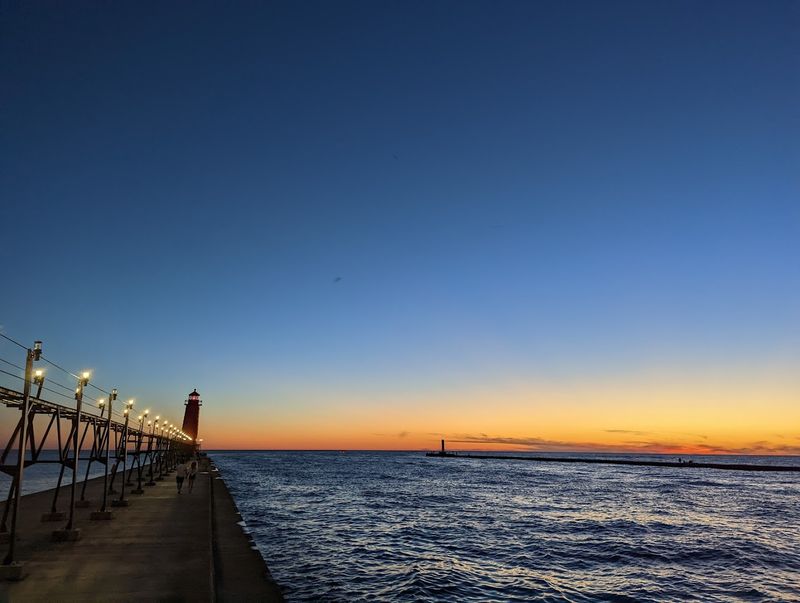
Grand Haven has a way of making people feel immediately at ease. The famous boardwalk stretches nearly two and a half miles along the Grand River and out to Lake Michigan, lined with shops, restaurants, and benches that invite you to slow down and actually look around.
Spring brings a quieter version of Grand Haven — the seasonal shops are just opening, the sunsets over the lake are stunning, and you can actually find a parking spot without circling for twenty minutes.
The state park beach is one of the most well-known in Michigan, and even in spring it has its appeal. The sand is soft, the pier is walkable, and the red lighthouse at the end is one of the most photographed landmarks in the state for good reason.
Walking the pier out to the lighthouse on a breezy spring afternoon — with waves crashing against the concrete and the lake stretching out to the horizon — is a genuinely exhilarating experience that doesn’t require perfect weather to enjoy.
The Musical Fountain, a longtime Grand Haven tradition, typically begins its seasonal shows in spring, drawing families and visitors downtown after dark for a light-and-water show that’s been running since the 1960s. It’s charmingly old-school and completely free.
The downtown area itself is packed with independent restaurants, bakeries, and boutiques that are far more interesting than anything you’d find in a strip mall. Grand Haven is the kind of town where people end up staying longer than planned — not because there’s a massive to-do list, but because the atmosphere makes it genuinely hard to leave.
That’s a quality worth seeking out.
6. Mackinac Island
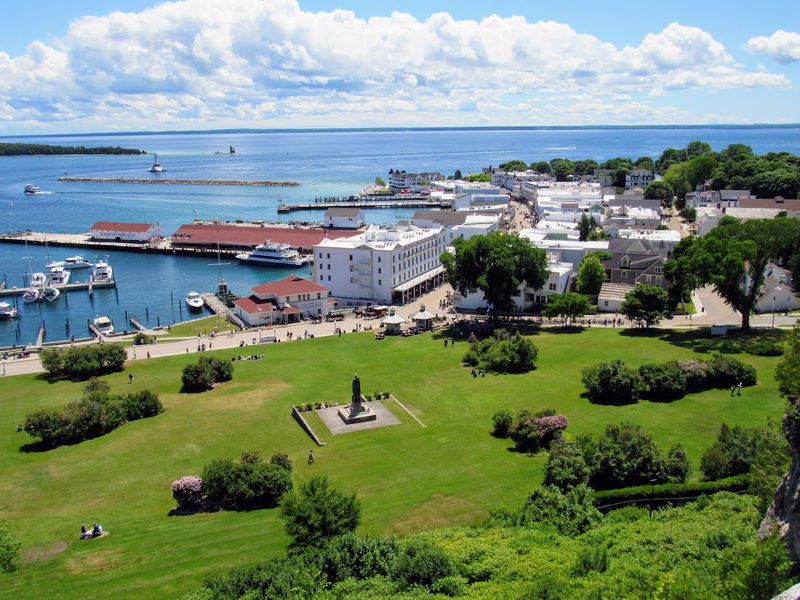
No cars. No traffic noise.
No exhaust fumes. Mackinac Island operates entirely on foot, bicycle, and horse-drawn carriage — and once you step off the ferry, that fact alone transforms the whole experience.
Spring on the island has a particular kind of magic: the lilacs bloom in late May and early June in extraordinary abundance, filling the entire island with a scent that’s almost impossible to describe without sounding dramatic. It genuinely smells like something out of a novel.
The island’s Victorian architecture is remarkably well-preserved, giving the streets a storybook quality that feels both nostalgic and completely alive. Fort Mackinac, perched high above the harbor, offers sweeping views of the Straits of Mackinac and engaging historical programming that’s more entertaining than typical museum fare.
The ferry ride over from either Mackinaw City or St. Ignace is itself a highlight, especially in spring when the water is brilliantly clear and the shoreline views are sharp and dramatic.
Renting a bike and circling the island on M-185 — the only state highway in the US with no motorized vehicles — takes about an hour at a leisurely pace and passes through some genuinely beautiful shoreline scenery. Mackinac Island fudge is basically a mandatory purchase; the island has multiple fudge shops that have been perfecting their recipes for generations, and the rivalry between them is taken quite seriously by regulars.
Spring visitors also benefit from lower ferry prices and smaller crowds compared to peak summer weeks. Whether you visit for the history, the scenery, the lilacs, or just the novelty of a car-free afternoon, Mackinac Island delivers every single time.
7. Silver Beach County Park
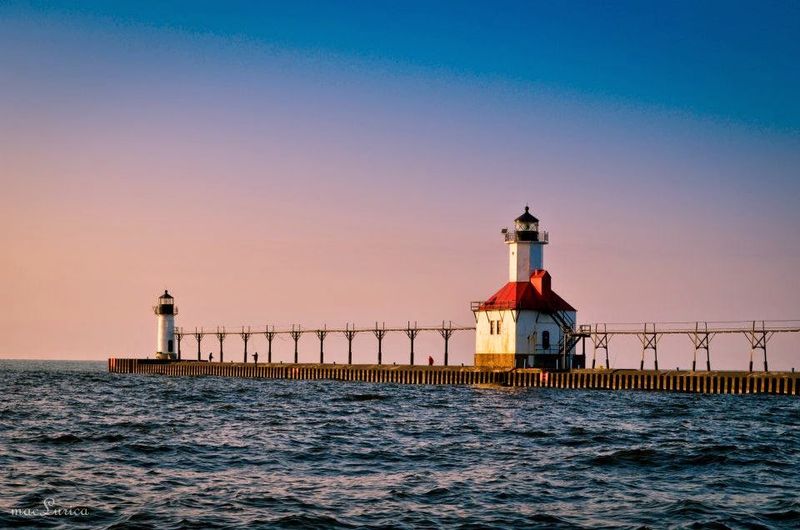
Silver Beach County Park in St. Joseph sits right where the St. Joseph River meets Lake Michigan, and the geography alone makes it one of the most visually appealing spots in southwest Michigan. The beach is wide and clean, the water clarity in spring is remarkable before summer algae blooms, and the twin lighthouses standing at the end of the pier are endlessly photogenic.
It’s the kind of place that looks great in photos but feels even better in person.
St. Joseph itself is a genuinely walkable downtown that rewards exploration. The bluff above the beach is lined with shops, restaurants, and galleries that have a polished-but-not-pretentious vibe.
Spring weekends bring local markets and events back to life, and the energy of a town shaking off winter is palpable and kind of contagious. The Silver Beach Carousel, housed in a dedicated pavilion near the beach, is a fully restored historic carousel that operates seasonally — it’s a legitimately fun stop for visitors of all ages.
The surrounding Berrien County is Michigan’s premier wine and fruit-growing region, and spring is when the orchards bloom in spectacular fashion. A short drive inland from Silver Beach puts you in the middle of cherry and peach blossom country, which is worth timing a visit around if you can.
The combination of lakeside scenery, a charming walkable town, excellent food and wine options, and accessible outdoor recreation makes St. Joseph and Silver Beach one of the most well-rounded day trip options in the state. It flies under the radar compared to some of its neighbors, which honestly just makes it better for the people who know about it.
8. Tulip Time, Holland
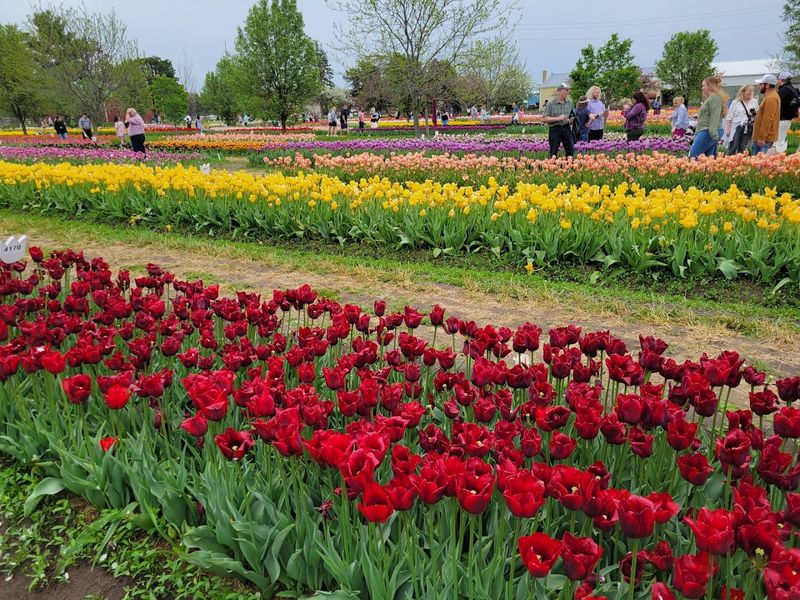
Every May, Holland, Michigan transforms into something that requires a double take. Millions of tulips — literally millions — bloom simultaneously across the city’s parks, medians, and dedicated tulip lanes, turning the entire town into a living color wheel.
Tulip Time is one of the largest and most beloved festivals in the Midwest, drawing visitors from across the country who come specifically to walk among the flowers, watch Dutch dance performances, and eat their way through the festival grounds.
Windmill Island Gardens is the centerpiece of the floral experience, featuring a working Dutch windmill imported from the Netherlands and surrounded by meticulously maintained tulip beds in every imaginable color. The authenticity of the Dutch heritage here isn’t performative — Holland’s history as a Dutch settlement runs deep, and the community takes genuine pride in celebrating it.
Wooden shoe carving demonstrations, Dutch costumes worn by locals, and traditional folk dancing add layers of cultural texture that make the festival feel substantive rather than superficial.
Even outside of festival week, Holland in spring is beautiful. Centennial Park downtown is lush and walkable, the downtown shopping district is independently owned and genuinely interesting, and the proximity to Lake Michigan means Tunnel Park and Holland State Park are easy additions to the day.
The famous Big Red lighthouse at Holland State Park is one of Michigan’s most iconic landmarks and looks especially striking surrounded by the clear spring sky. Holland is the kind of place where spring doesn’t just arrive — it announces itself loudly, colorfully, and with obvious enthusiasm.
If you haven’t been during Tulip Time, put it on the list now. It’s worth every bit of the hype.
9. Ludington State Park
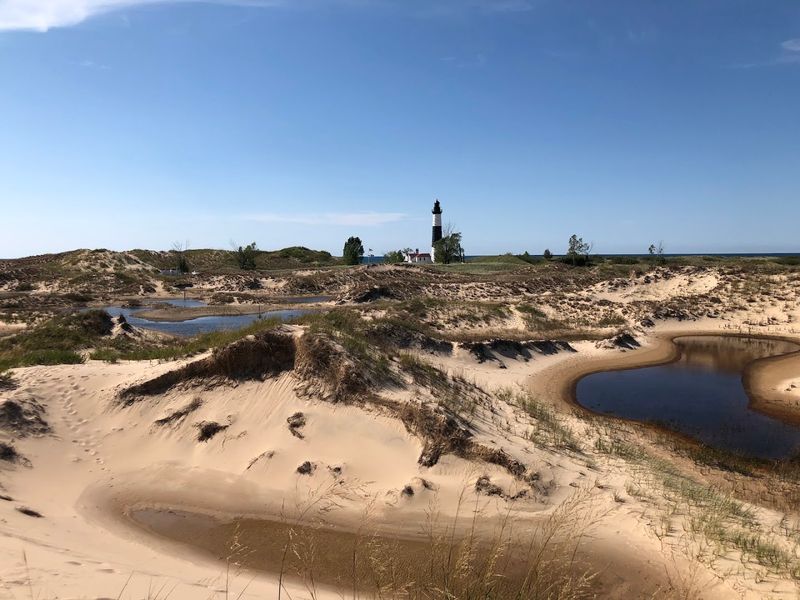
Ludington State Park is the kind of place that outdoor enthusiasts talk about in reverent tones. Sandwiched between Lake Michigan and Hamlin Lake, with miles of forested trails, massive dunes, and a historic lighthouse accessible only on foot, it offers a level of variety that’s rare even by Michigan’s high standards.
Spring is when the park feels most alive — wildflowers carpet the forest understory, migratory birds pass through in waves, and the trails are cool and quiet before summer visitors arrive.
The hike out to the Big Sable Point Lighthouse is a highlight that shouldn’t be skipped. The trail winds through open dune fields and wooded stretches, covering about three and a half miles each way.
The lighthouse itself, a striking black-and-white striped tower, has been restored by volunteers and offers tours during the season. Standing at the base of it with Lake Michigan stretching endlessly in both directions is one of those genuinely humbling Michigan moments that sticks with you.
Hamlin Lake, on the inland side of the park, is calm and beautiful for kayaking or canoeing in spring before motorboat traffic picks up. The park’s campground is popular but reservations open well in advance, so planning ahead matters.
Even as a day trip without camping, there’s easily enough to fill six to eight hours. The town of Ludington itself has a solid downtown with good restaurants and a charming waterfront — the S.S.
Badger car ferry, which crosses Lake Michigan to Wisconsin, departs from here and is worth seeing even if you’re not boarding. Ludington State Park earns its reputation every single season, but spring might genuinely be its finest hour.
10. Frankenmuth
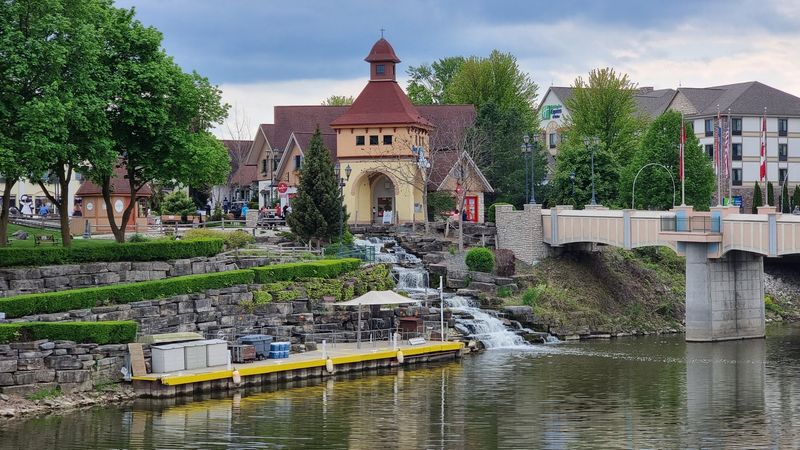
Frankenmuth is unapologetically itself — a Bavarian-themed small town in the heart of Michigan’s Thumb region that leans fully into its German heritage and has been doing so since the 1800s. The architecture is storybook-charming, the streets are clean and walkable, and the food is the kind of hearty, generous Midwestern cooking that makes you loosen your belt and order dessert anyway.
Spring is a great time to visit because the flowers are out, the crowds are manageable, and the town feels genuinely festive without being overwhelming.
The Bavarian Belle riverboat cruises along the Cass River in spring and offers a relaxed way to see the town from the water. Bronner’s Christmas Wonderland — the world’s largest Christmas store — operates year-round and is worth at least a curious walk-through regardless of the season.
It’s enormous, fully decorated at all times, and oddly hypnotic. For first-timers, the sheer scale of it is genuinely surprising.
For repeat visitors, it’s a comforting constant.
Zehnder’s and Frankenmuth Chicken Dinner Restaurant are the two dining institutions that anchor the town’s culinary reputation, and both serve family-style chicken dinners that have been drawing loyal crowds for decades. The portions are legendary and the experience is communal in the best way.
Beyond food, Frankenmuth has a growing craft beer scene, specialty shops selling everything from German mustard to handcrafted ornaments, and a covered wooden bridge that’s been a photo stop for generations of visitors. Spring light hits the Cass River beautifully in the late afternoon, making the walk across that bridge a genuinely lovely moment.
Frankenmuth rewards visitors who come without expectations and leave with full stomachs.
11. Sleeping Bear Dunes National Lakeshore
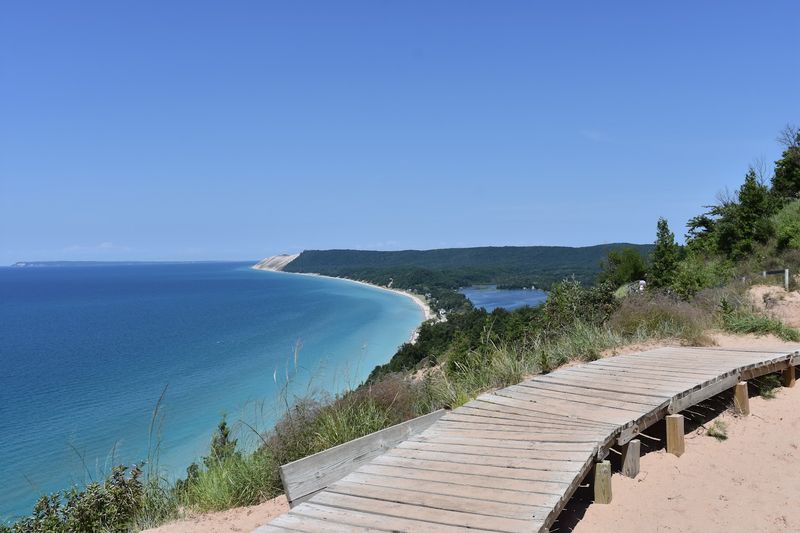
Sleeping Bear Dunes was once voted the most beautiful place in America on a national television program, and while rankings like that are subjective, standing at the top of the dune climb and looking out over the impossibly blue water of Lake Michigan makes it very hard to argue. The dunes rise as high as 450 feet above the lake, and the contrast between the white sand, dark forest, and vivid blue water is the kind of visual that genuinely stops people mid-step.
Spring is a compelling time to visit because the trails are less crowded, the light is softer, and the surrounding forests are waking up in real time. The Pierce Stocking Scenic Drive, a 7.4-mile loop through the park, offers overlooks that rival anything in the American West.
The Glen Haven historic village, included within the park’s boundaries, offers a fascinating look at early Great Lakes maritime history with restored buildings and interpretive exhibits that are well worth the stop.
The Sleeping Bear Heritage Trail is a paved multi-use path that connects several communities and park areas, making it ideal for cyclists who want to experience the landscape at a slower pace. The inland lakes within the park — Glen Lake in particular — are strikingly beautiful and popular for kayaking once the water warms slightly.
The nearby villages of Glen Arbor and Empire are charming, independently owned, and offer solid food and coffee options for fueling up before or after a day in the park. Sleeping Bear Dunes is the kind of place that converts casual visitors into devoted Michigan advocates.
Come once and you’ll understand exactly why people keep coming back.
12. Petoskey State Park
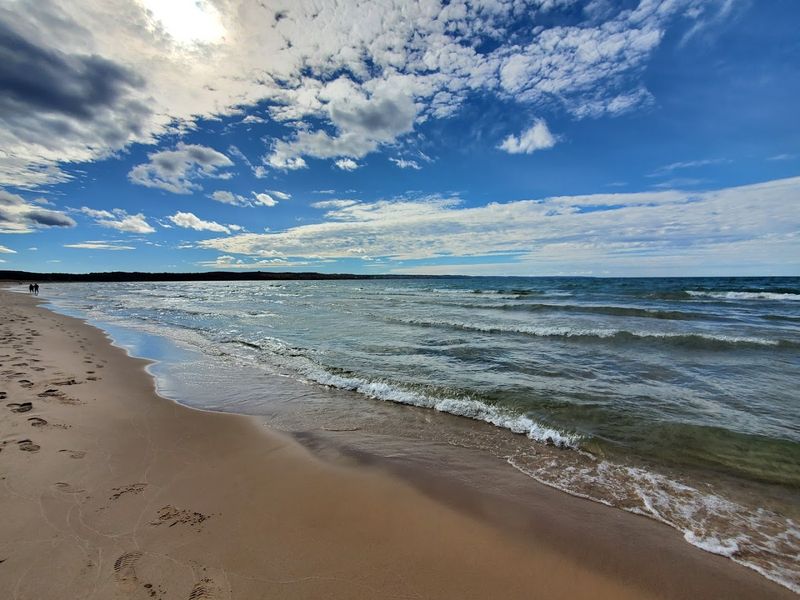
Petoskey State Park punches well above its size. Tucked between Little Traverse Bay and the forests of northern Michigan, this compact park delivers stunning lake views, excellent hiking, and one of the best shoreline experiences in the Lower Peninsula — all within easy reach of the charming city of Petoskey.
The park’s two trails are short but scenic, and the beach access is excellent even in spring when the water is still too cold for swimming but perfect for walking and stone hunting.
Speaking of stones — Petoskey is famous for its Petoskey stones, fossilized coral from an ancient inland sea that are found along Michigan’s northern shorelines. The beach at the state park is one of the best spots in the state to find them, and there’s something genuinely addictive about scanning the wet gravel at the water’s edge for that distinctive honeycomb pattern.
Kids and adults get equally hooked. Bring a bucket and plan to spend more time than you think you will.
The city of Petoskey itself is one of Michigan’s most appealing small cities, with a historic Gaslight District packed with independent shops, excellent restaurants, and a bookstore that regularly makes national best-of lists. Stafford’s Perry Hotel, a historic landmark overlooking the bay, is worth a stop for lunch or a drink even if you’re not staying overnight.
The drive up to Petoskey through the rolling hills and emerging spring foliage of northern Michigan is beautiful in its own right. Combine the park with a few hours in town and you’ve got a day trip that covers outdoor adventure, local culture, and genuinely good food — a hard combination to beat anywhere in the state.
13. Tunnel of Trees
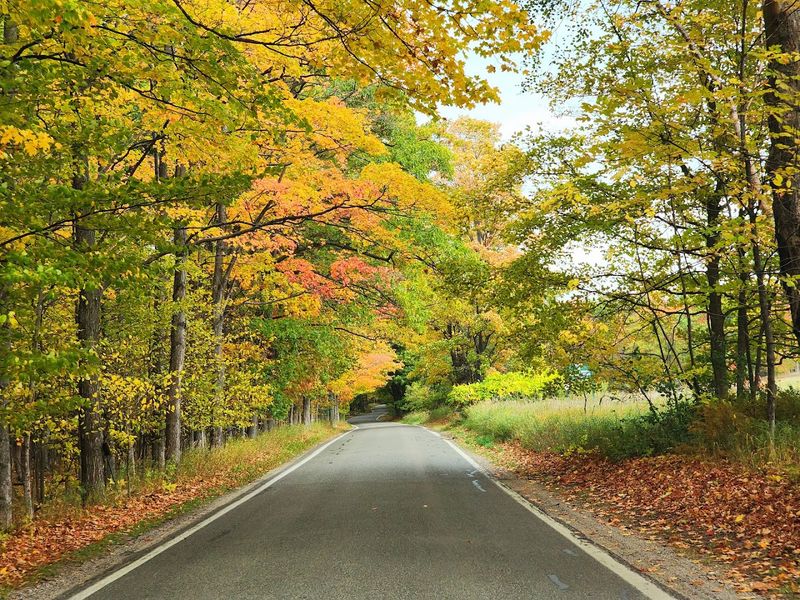
M-119 between Harbor Springs and Cross Village is one of those roads that makes you instinctively slow down. Known as the Tunnel of Trees, this narrow, winding route hugs the Lake Michigan bluff through a dense hardwood canopy that, in spring, is transitioning from bare gray branches to the first soft flush of green.
The light filtering through emerging leaves creates a constantly shifting, almost cinematic quality that makes even a slow drive feel like an event.
The route is only about 20 miles long, but it’s not meant to be rushed. Pullouts along the way offer glimpses of Lake Michigan through the trees, and the elevation change along the bluff adds drama to the views.
Legs Inn in Cross Village is a legendary destination at the northern end of the drive — a Polish-owned restaurant built from driftwood and stone, with an interior that looks like a folk art installation and a menu featuring Polish and American classics. It’s one of those Michigan places with a devoted following that spans generations.
Harbor Springs, at the southern end of the route, is a beautifully preserved resort town with a walkable waterfront, excellent galleries, and some of the best ice cream in northern Michigan. Starting the drive there and ending at Legs Inn means you arrive at lunch or dinner with an appetite and a good story about the road that got you there.
The Tunnel of Trees is the rare scenic drive that delivers on its reputation in every season, but in spring — when the forest is just waking up and the road is nearly empty — it has a quiet, contemplative quality that feels like a reward for showing up early in the year.
14. Pictured Rocks National Lakeshore Area
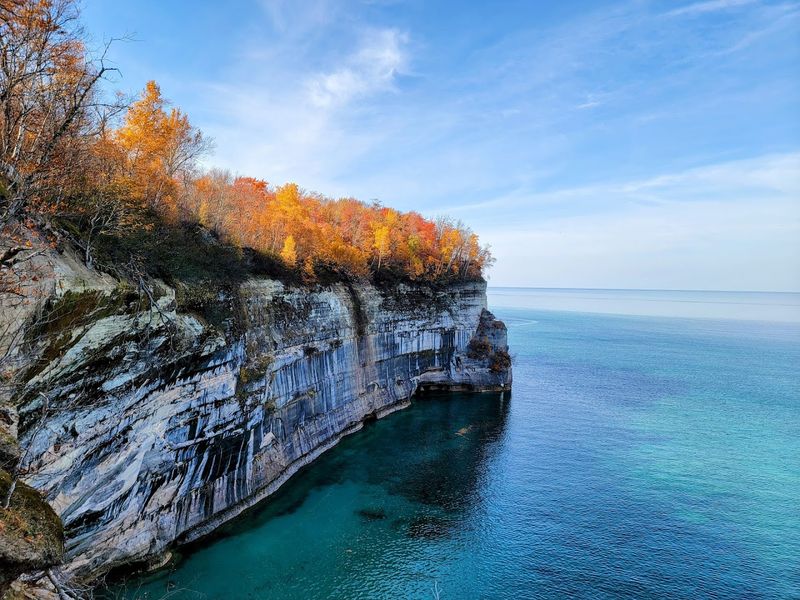
Pictured Rocks is the kind of place that makes people question why they waited so long to visit. The sandstone cliffs along Lake Superior’s southern shore have been stained by mineral seepage into a wild palette of red, orange, pink, brown, and green — colors that look digitally enhanced in photos but are completely natural and even more vivid in person.
The formations stretch for nearly 15 miles along the shoreline, and the scale of them from water level is genuinely jaw-dropping.
Spring access to Pictured Rocks is a bit of an adventure in itself. Some trails are still recovering from winter conditions, waterfalls fed by snowmelt are roaring at their seasonal peak, and the park is blissfully uncrowded compared to summer.
Miners Beach and Miners Castle are accessible early in the season and offer some of the park’s most dramatic cliff and arch formations without requiring a long backcountry hike. The overlooks at Miners Castle are among the most photographed spots in the Upper Peninsula, and rightfully so.
Chapel Falls, a 90-foot cascade that tumbles through a hemlock-filled gorge before reaching Lake Superior, is at its absolute best during spring runoff. The hike to the falls is moderate and deeply rewarding, passing through forest that feels genuinely remote.
The nearby community of Munising serves as the gateway to the lakeshore and has everything you need for a full day out — gear rentals, good food, and boat tour operators who run scenic cruises along the cliffs when lake conditions allow. Pictured Rocks is a legitimate bucket-list destination, and spring visits come with the bonus of seeing it at its most raw and powerful.
Make the trip — it’s unforgettable.
Share this story