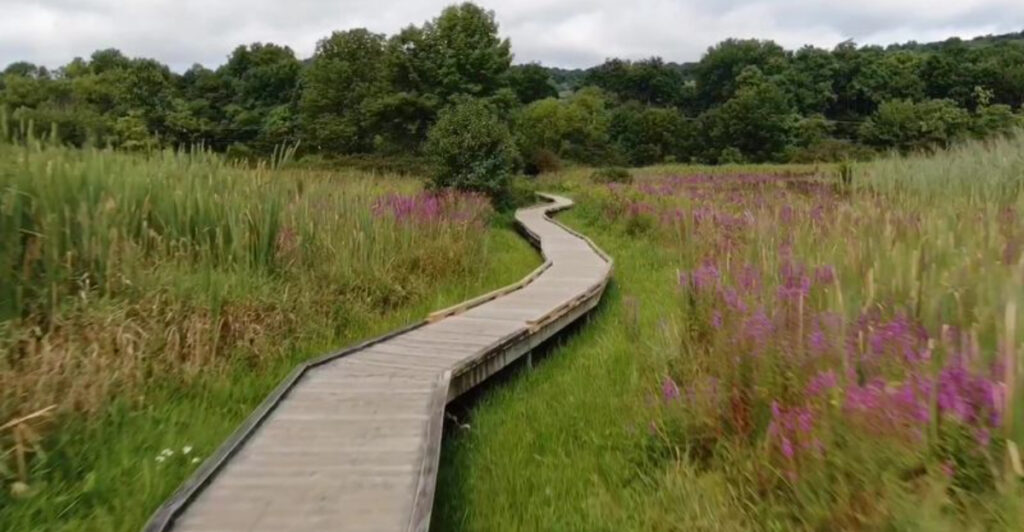
A tiny wooden door tucked into a tree. A boardwalk floating through tall marsh grass.
A cranberry bog that looks like it wandered in from another century. New Jersey has a funny way of hiding small adventures in places that do not ask you to lace up like you are summiting Everest.
These are the walks for the days when you want a little fresh air, a little scenery, maybe a bridge or lighthouse or unexpected pond, but absolutely no heroic suffering. Some are garden strolls.
Some are beachy paths. Some sneak history, wildlife, and just enough “wait, what’s around the bend?” into an easy outing.
The trick is knowing where to go when you want the reward of a hike without the big-deal production of one. These 15 relaxed New Jersey walks deliver exactly that: low effort, high payoff, and plenty of reasons to keep wandering.
1. South Mountain Fairy Trail
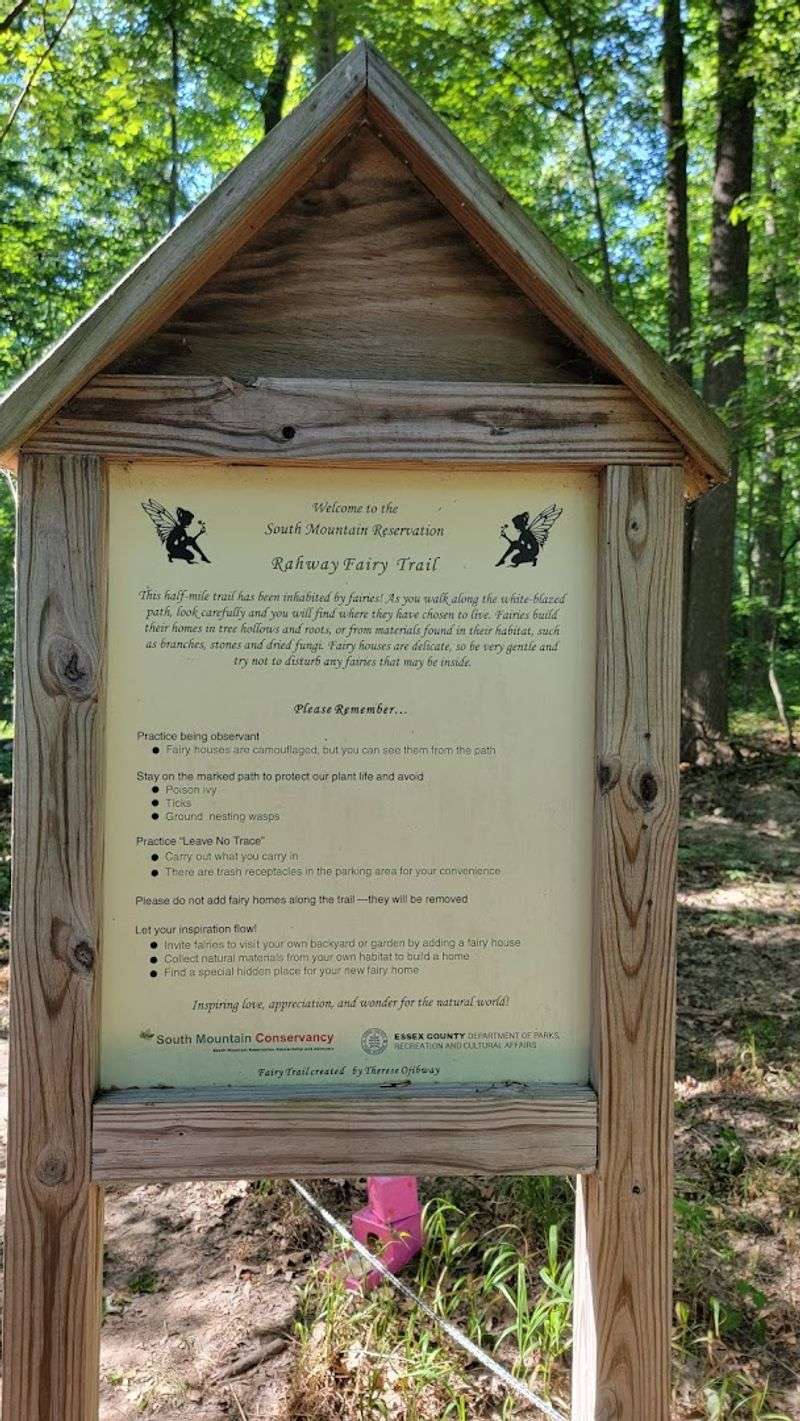
The fun starts before you have even worked up a real stride: little handmade fairy houses appear along the trees and roots, turning an ordinary walk into a slow-moving scavenger hunt.
The South Mountain Fairy Trail sits in South Mountain Reservation near the Locust Grove Picnic Area in Millburn, and it begins around the white-blazed Rahway Trail, which makes it easy to combine a whimsical stroll with a more traditional walk if everyone is still in the mood.
The best way to do it is not to rush. This is a look-close kind of place, where kids spot tiny doors before adults do and adults suddenly get very invested in finding the next one.
Because the fairy houses are delicate, the walk works best when visitors stay on the path and treat the little structures like found art rather than playground equipment.
Parking near Locust Grove makes it a convenient Essex County outing, and the short, easy nature of the route keeps it friendly for families, casual walkers, and anyone who wants magic without a long mileage commitment.
Go in the morning if you want a quieter wander; go after lunch if you like the cheerful chaos of other people discovering the same tiny surprises.
2. Pochuck Boardwalk
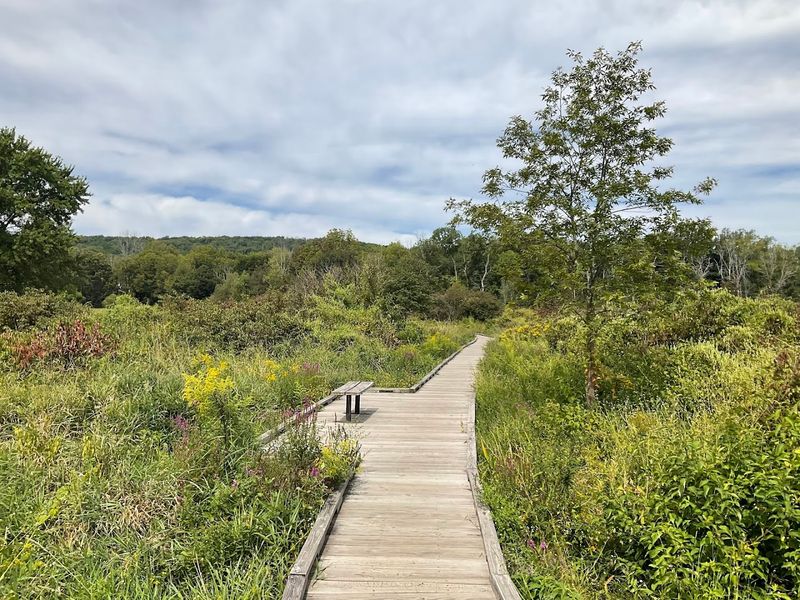
There is something wonderfully odd about walking on a raised wooden path while wetlands stretch out on both sides like a soft green sea. The Pochuck Boardwalk, part of the Appalachian Trail near Vernon Valley, gives you that big-trail feeling without asking for a mountain climb.
The boardwalk winds for more than a mile over one of the largest wetland areas along the Appalachian Trail, and the full easy walk is about two miles, making it a great choice when you want scenery that feels dramatic but not demanding.
The boards carry you through marsh grass, open sky, and quiet pockets where birds and frogs tend to provide the soundtrack.
The little thrill is the feeling of being somewhere you could not easily cross without this clever path under your feet. It is especially satisfying in spring and early fall, when the air feels fresh but the sun is not trying to punish you.
Wear shoes with decent grip after rain, since boardwalks can get slick, and expect company on nice weekends. Still, even with other walkers around, the place has a wonderfully unhurried rhythm: step, creak, cattails, sky, repeat.
3. Duke Farms Trails

Duke Farms is what happens when a walk gets dressed up with estate-road elegance, wide-open fields, conservation projects, and enough side paths to make “just a quick stroll” turn into half a day.
Spread across 2,700 acres in Hillsborough, it is a living lab for conservation, but for visitors, the appeal is simpler: broad paths, changing landscapes, and a choose-your-own-wander setup that never feels boxed in.
Start at the Orientation Center, grab a map, and resist the urge to see everything in one visit. The better move is to pick a loop that matches your energy, then let the place do its thing: meadow views, old stonework, bird activity, quiet water, and that satisfying feeling of being somewhere much larger than your usual neighborhood park.
It is especially good for mixed groups because nobody has to pretend they are “hiking hard” to enjoy it. The trails are generally relaxed, the grounds are spacious, and the experience feels polished without being stiff.
One practical note matters here: Duke Farms keeps specific operating days and hours, and it closes part of the week for wildlife and ecosystem recovery, so check timing before making the drive to Hillsborough.
4. Hacklebarney State Park Black River Trails
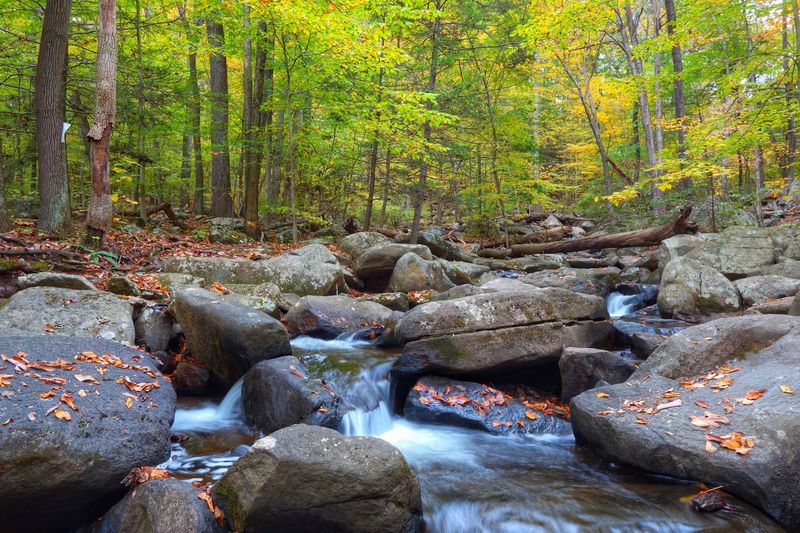
The Black River does not politely pass through Hacklebarney State Park; it tumbles, curls, and cuts through a rocky gorge with just enough drama to make a short walk feel like a mini wilderness break.
This Chester-area park is known for its hemlock-lined ravine, boulders, and the brisk river that moves through the valley, with Rinehart and Trout Brooks feeding into the Black River along the way.
The trails are not flat in the boardwalk sense, so expect some roots, rocks, steps, and damp patches, but the payoff comes quickly. You hear the water before you fully see it, then suddenly the whole walk is about little cascades, mossy stones, and shady corners that feel cooler than the parking lot you left behind.
It is a strong pick for people who want nature with texture, not just a paved loop around a field. The park also has a bit of old industrial history, since the area was once tied to 19th-century iron mining, though today it feels more like a river escape than a history lesson.
Go after dry weather if you want easier footing, and save room for a Chester stop afterward if cider, coffee, or a small-town snack sounds like the correct ending.
5. Manasquan Reservoir Perimeter Trail
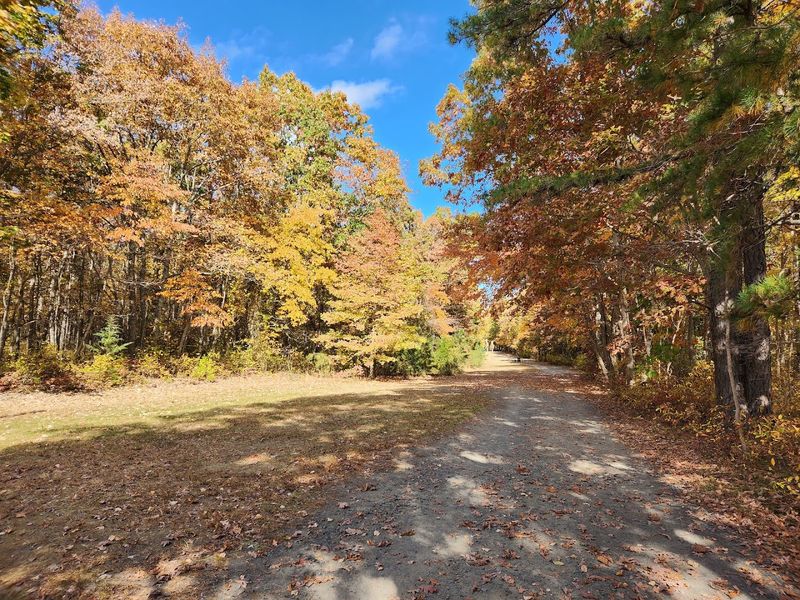
Manasquan Reservoir is the rare five-mile walk that can feel as easy or as ambitious as you want it to be.
The Perimeter Trail circles a 770-acre reservoir within a larger 1,381-acre site of woods and wetlands, so the scenery keeps changing enough to hold your attention: water views, shaded stretches, open edges, and plenty of spots where birds seem to be having a better day than everyone else.
Because the loop is long but not technically intense, it is a good choice for walkers who want distance without drama. You can do the whole perimeter if you are feeling energetic, or simply walk out and back from the Visitor Center and still come away feeling like you had a proper outing.
The reservoir is also used for recreation like fishing and boating, so the path has a cheerful, active feel without becoming frantic. Families, runners, cyclists, and birders all overlap here, which makes it feel like a Monmouth County classic rather than a secluded escape.
The smartest move is to arrive earlier on beautiful weekends, when parking and the most scenic stretches get busy. Bring water, because five easy miles are still five miles.
6. Double Trouble State Park Cranberry Bog Trails
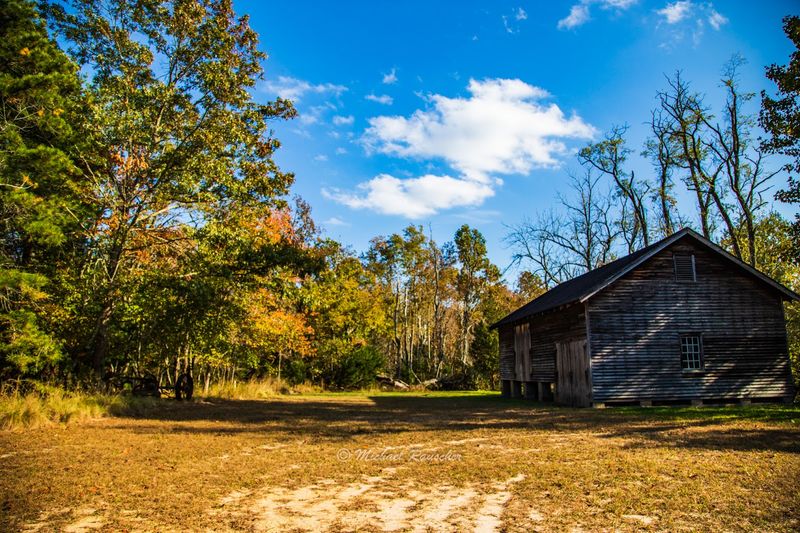
The name sounds like a dare, but Double Trouble State Park is actually one of the gentlest Pine Barrens walks you can take. The adventure comes from the setting: old cranberry bogs, sandy roads, Cedar Creek, and a historic village that makes the whole place feel like a paused scene from South Jersey’s past.
The park has more than eight miles of official blazed trails, and the routes around the village and cranberry bogs are mostly flat, following sand roads rather than steep woodland climbs. That makes it ideal for an easygoing wander with a little atmosphere.
Start near the historic village, where weathered buildings and open bog views set the tone, then follow the trails toward the water and through the pines. There is a quiet strangeness to the landscape in the best way: straight sandy paths, dark cedar water, low vegetation, and wide skies that make the walk feel bigger than the effort required.
It is especially good for anyone who likes history but does not want to spend the whole outing reading plaques. You get the cranberry-industry backdrop naturally as you move through the park.
Wear shoes that can handle sand, and do not expect manicured garden neatness; the Pine Barrens are better with a little grit.
7. Cheesequake State Park Green Trail
Cheesequake is the park you bring up when someone insists New Jersey cannot make up its mind. Here, that is the whole appeal.
The park is known for an unusual mix of ecosystems, including a meeting point of northern hardwood forest and southern Pine Barrens conditions at sea level, and the Green Trail gives casual walkers a compact taste of that variety.
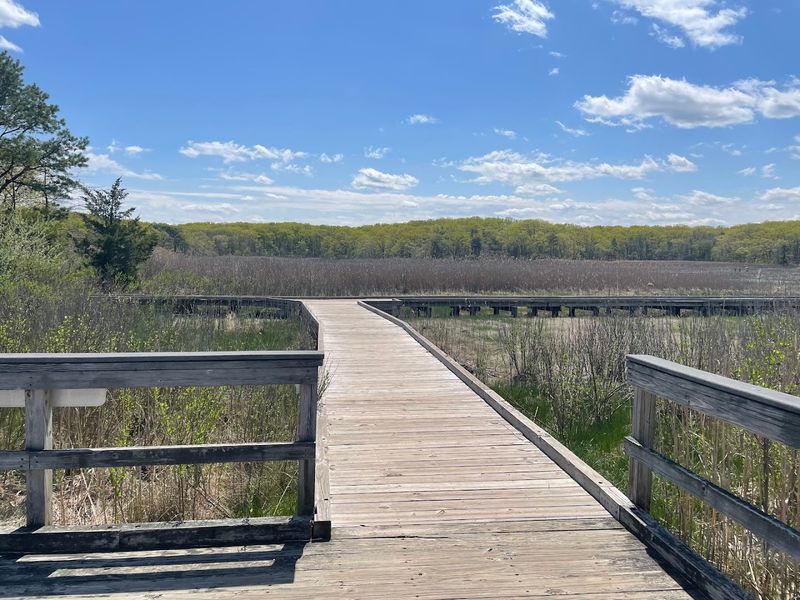
One minute the path feels wooded and familiar; the next, it shifts toward marshy edges, boardwalk sections, and sandy soil that reminds you the Shore is not far away.
The Green Trail is not the easiest “flat sidewalk” stroll on this list, but it is still a low-commitment adventure for people who want a little up-and-down, a little mud-after-rain possibility, and a lot of scenery packed into a manageable loop. It is also a good trail for walkers who get bored easily, because the terrain changes before your attention wanders.
The park has a nature center and several designated trails, so you can extend the outing if the Green Trail leaves you wanting more. Summer can bring entrance fees and crowds around swimming areas, so shoulder seasons are especially pleasant.
Come ready for roots, boardwalks, and the satisfying feeling of sampling several New Jerseys in one walk.
8. Garrett Family Preserve at Cape Island Creek
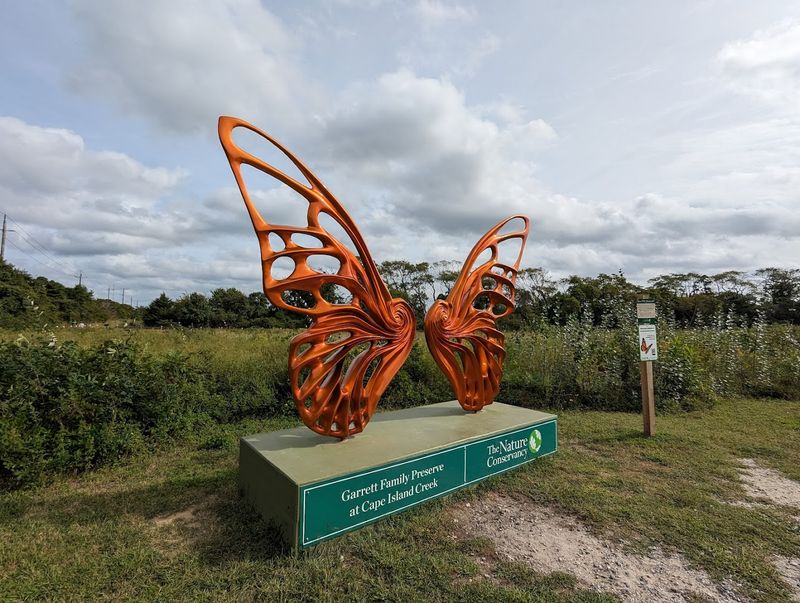
At Garrett Family Preserve, the drama is quiet: tides sliding through salt marsh, fiddler crabs doing their tiny sideways business, meadow paths glowing with seasonal wildflowers, and birds appearing just when you thought the scene was still.
The preserve sits along Cape Island Creek in Cape May and protects a landscape of tidal marsh, native wildflower meadows, successional fields, and tree lines that draw songbirds, raptors, shorebirds, pollinators, and patient walkers.
This is not a place for rushing. The paths invite a slow loop, with frequent pauses to scan the marsh or pretend you know exactly which bird just flashed past.
It is a lovely counterpoint to busier Cape May stops because it feels open, breezy, and lightly trafficked compared with the beach-town bustle. Bring binoculars if you have them, but do not skip it if you do not; the preserve is just as good for watching grasses move, clouds shift, and butterflies work the meadow.
The walk is easygoing, though sun protection matters because some stretches are exposed. Pair it with a Cape May coffee, a lighthouse visit, or a sunset stop and you have the kind of small adventure that feels thoughtfully unplanned.
9. Deep Cut Gardens

Deep Cut Gardens is for the walker who claims they are “not really hiking today” but still wants to come home with photos. Located on Red Hill Road in Middletown, this 54-acre Monmouth County garden is designed as a living catalog of cultivated and native plants, which is a very official-sounding way of saying there is always something interesting to wander past.
The rose parterre alone has dozens of varieties and more than 180 bushes, while the greenhouse, koi pond, display gardens, and seasonal plantings make the walk feel pleasantly curated rather than wild. This is not a muddy-boots destination.
It is more of a slow-turning, bench-sitting, “what is that flower?” kind of outing, perfect for a low-effort morning or an easy add-on to a Shore day that does not involve sand in your shoes. The paths are relaxed, the scale is manageable, and the gardens reward repeat visits because spring bulbs, summer roses, and late-season textures all change the mood.
Deep Cut opens daily at 8 a.m. and closes at dusk year-round, and pets are not permitted, which is worth knowing before someone loads the dog into the car with great enthusiasm. Admission and parking are typically easy on the budget: free is a very good garden price.
10. Batsto Village and Batsto Lake Trail
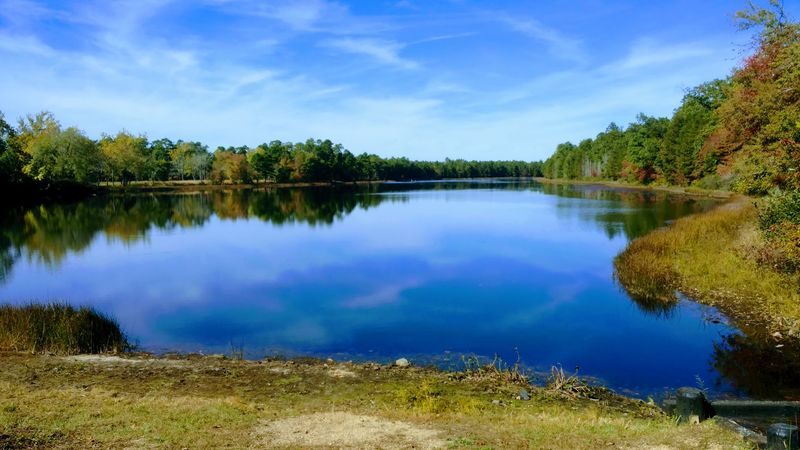
A walk at Batsto has a built-in plot. You start with historic village buildings, drift toward Batsto Lake, then slip into Pine Barrens paths where sand, pine needles, and dark water do most of the storytelling.
Batsto Village is listed on the New Jersey and National Register of Historic Places and sits within Wharton State Forest, part of the Pinelands National Reserve. That gives this outing its special mix: one foot in old industry and village life, the other in classic South Jersey ecology.
The Batsto Lake Trail is the easy-adventure choice because it lets you sample both without needing a major hike. Expect sandy paths, waterside views, bog bridges in places, and stretches of pine forest that smell especially good after rain.
Before or after the trail, wander the village area and let the preserved buildings set the scene; it makes the lake walk feel less like exercise and more like walking out of one chapter and into the next. The visitor center area is the easiest place to orient yourself, and the large village parking lot is the usual starting point.
In warmer months, bring bug spray and patience, because the Pine Barrens do not believe in pretending mosquitoes are not part of the ecosystem.
11. Liberty State Park Waterfront Walkway

Few New Jersey walks deliver a bigger visual payoff for less effort than the Liberty State Park waterfront. You are not climbing, scrambling, or disappearing into the woods; you are simply walking with Manhattan, the Statue of Liberty, and Ellis Island arranged across the water like somebody planned the skyline just for your step count.
Liberty State Park sits in Jersey City and is one of the state’s most layered urban parks, with open lawns, waterfront paths, the historic Central Railroad of New Jersey Terminal, and major harbor views all within easy reach. The best walk is a relaxed wander along the waterfront, with stops whenever the view demands it, which will be often.
It is ideal for visitors, out-of-town guests, or locals who need a reminder that New Jersey has the better angle on New York. The path is broad and easy, though wind off the water can make the temperature feel sharper than expected, especially outside summer.
Parking is available within the park, but weekends and event days can complicate things, so arrive with a little flexibility. For a mini adventure, pair the walkway with the terminal area and Empty Sky Memorial, then sit somewhere facing the harbor and enjoy the rare walk where stopping is half the point.
12. Ramapo Valley County Reservation Lower Trails
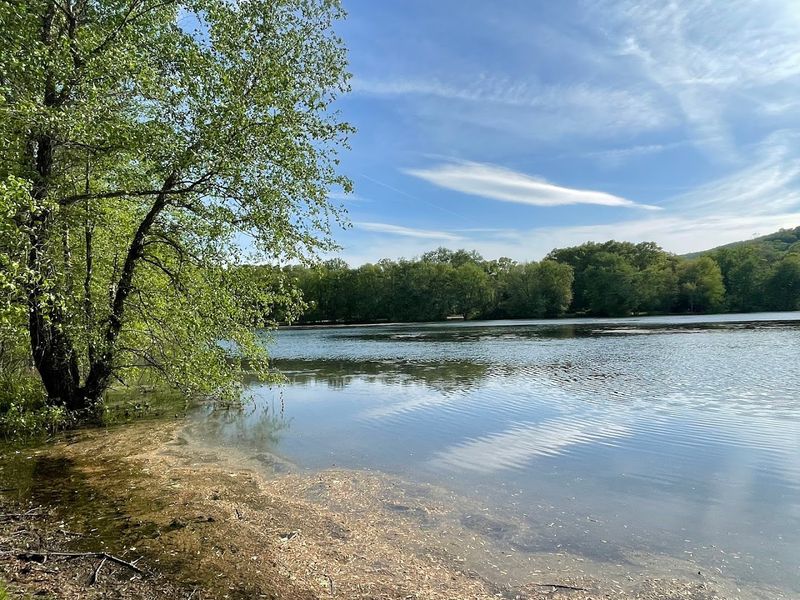
Ramapo can be a serious hiking day if you head upward, but the lower trails are the friendlier version: water, woods, bridges, and enough mountain-edge scenery to feel rugged without committing to a climb.
Located in Mahwah, Ramapo Valley County Reservation is Bergen County’s largest park area and sits along the edge of the Highlands, with trails that range from gentle strolls to more demanding routes.
For a relaxed outing, stay low near the Ramapo River and Scarlet Oak Pond before deciding whether your legs have any interest in more. This lower area gives you the good stuff quickly: reflections on the pond, leafy paths, rocky edges, and that satisfying sound of moving water near the beginning of the walk.
It is a smart pick for people who like the idea of a mountain reservation but do not want to spend the afternoon negotiating steep grades. The trick is to avoid accidentally following your ambition uphill unless you meant to.
Use a map, watch trail markers, and treat the lower loop as the destination, not a warm-up you are obligated to expand. Parking can fill on prime weekends, so mornings are your friend.
Once you are by the pond, though, it becomes clear why this place stays popular.
13. Sayen Botanical Gardens
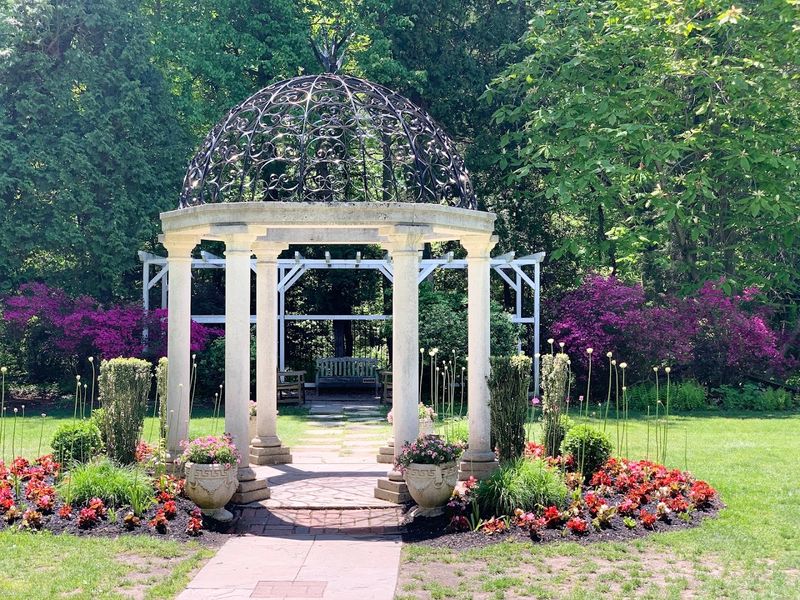
Sayen Botanical Gardens feels like someone gave a neighborhood walk a better wardrobe. In Hamilton Square, the gardens surround the historic Sayen House with wooded paths, rolling fields, streams, fish ponds, bridges, and plantings that can make even a short stroll feel nicely layered.
The backstory helps: Frederick Sayen purchased the property in 1912, built his home there, and filled the grounds with plants gathered through travel and gardening obsession. Today, the result is a public garden that is easy to enjoy without a plan.
You can wander toward the ponds, loop through shaded sections, pause by bridges, and let the formal and informal parts of the landscape trade places as you go. Spring is the show-off season, with azaleas, rhododendrons, and bulbs doing the heavy lifting, but the paths are pleasant well beyond peak bloom.
This is a great choice when you want an outing that feels gentle but not boring, especially if your group includes people who prefer gardens to trails. It is also a strong “bring grandparents, bring a date, bring someone who claims they hate hiking” option.
The practical rhythm is simple: go slow, bring a camera, and do not treat it like a fitness loop. Sayen is better as a meander.
14. Sandy Hook Multi-Use Path
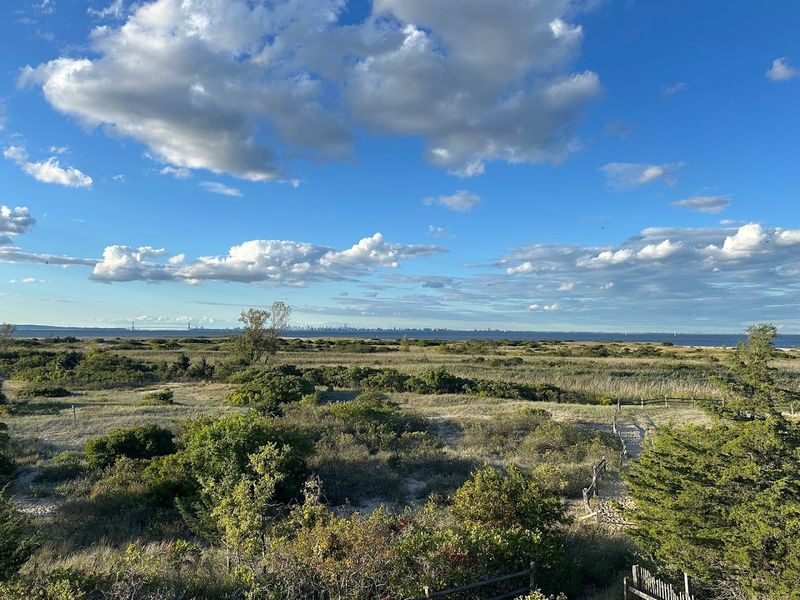
The Sandy Hook Multi-Use Path is a beach walk for people who do not necessarily want to walk on the beach. The paved route runs through the Sandy Hook unit of Gateway National Recreation Area, beginning near the entrance and stretching about seven miles past beaches, natural scenery, and the historic Fort Hancock area.
You do not have to walk the whole thing for it to count; in fact, the best way to experience it may be choosing a section and letting the peninsula set the pace.
One stretch feels coastal and open, another passes military buildings, and another gives you that unmistakable Sandy Hook mix of bay, dunes, ocean air, and bicyclists politely announcing themselves from behind.
Because it is shared by walkers, cyclists, and skaters, stay aware and keep to the side when you pause for photos or snack negotiations. The path is especially good in spring and fall, when the beach crowds ease but the views still deliver.
Summer works too, though parking fees, traffic, and heat can make an early start feel like a brilliant life choice. Bring layers if the wind is up.
Sandy Hook can make a calm inland day feel suddenly nautical, which is part of the fun.
15. Cape May Point State Park Duck Pond Trail
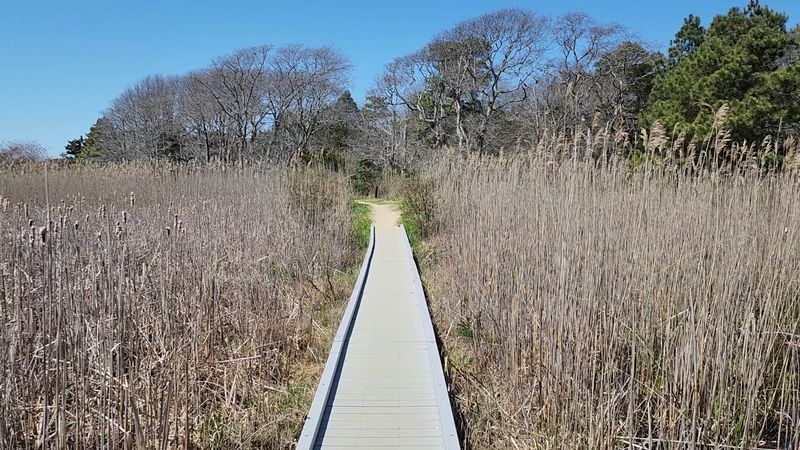
The Duck Pond Trail gives Cape May Point State Park its easiest little burst of wonder: ponds, marsh, birds, boardwalk-like sections, and lighthouse-adjacent scenery without asking you to turn the outing into a major hike.
The park sits at the southern tip of New Jersey where the Atlantic Ocean and Delaware Bay meet, and it is famous for birding, fall migration, monarch butterflies, the Cape May Lighthouse, World War II remnants, dunes, beach, freshwater meadows, ponds, and forest.
That is a lot of payoff for a place where the walking can stay gentle. The Duck Pond area is especially good for slowing down and watching what moves: turtles, waterfowl, dragonflies, and birders who seem to know exactly where to look.
It is an excellent walk for people who like nature with a little landmark energy nearby, because the lighthouse gives the whole visit a strong sense of place. Keep your pace easy and let the observation points do their job.
In migration season, expect more binoculars than beach chairs; in summer, expect the usual Cape May buzz nearby. Either way, this is one of those walks where the adventure is not distance.
It is how much life shows up while you are standing still.