Tennessee is home to some of the most unusual museums you’ll ever visit. From thousands of salt and pepper shakers to a museum honoring tow trucks, these small collections celebrate the weird, wonderful, and wildly specific parts of the state’s history.
If you’re tired of the same old tourist stops and want to see something truly one-of-a-kind, these thirteen museums prove that Tennessee’s strangest stories deserve their own spotlight.
1. Salt & Pepper Shaker Museum — Gatlinburg
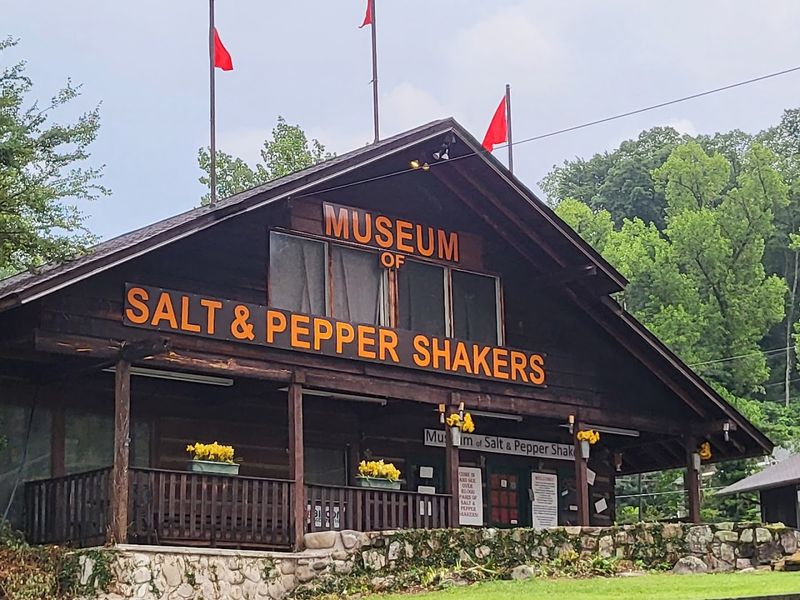
Walking into a museum dedicated entirely to salt and pepper shakers might sound like someone’s odd retirement hobby gone public. That’s exactly what it is, and that’s exactly why it works. This Gatlinburg attraction houses more than 20,000 sets of shakers, ranging from ceramic cartoon characters to elegant porcelain designs that belonged to celebrities and historical figures.
The sheer variety is what grabs you. You’ll find shakers shaped like animals, buildings, food items, and pop culture icons spanning nearly a century of American dining history. The museum also displays a massive collection of oversized pepper mills, some standing several feet tall and carved from exotic woods.
What started as one person’s passion project has become a legitimate cultural archive. These tiny tabletop objects tell stories about changing tastes, humor, advertising, and even social movements. You can trace design trends decade by decade just by looking at how shakers evolved from simple glass containers to elaborate novelty items.
Admission is free, which makes it an easy stop when you’re exploring downtown Gatlinburg. The museum sits above a shop, so you can browse after viewing the collection. It’s the kind of place that sounds ridiculous until you’re standing there, realizing you’ve spent forty minutes staring at miniature condiment holders and genuinely enjoying yourself.
2. Trenton Teapot Museum — Trenton
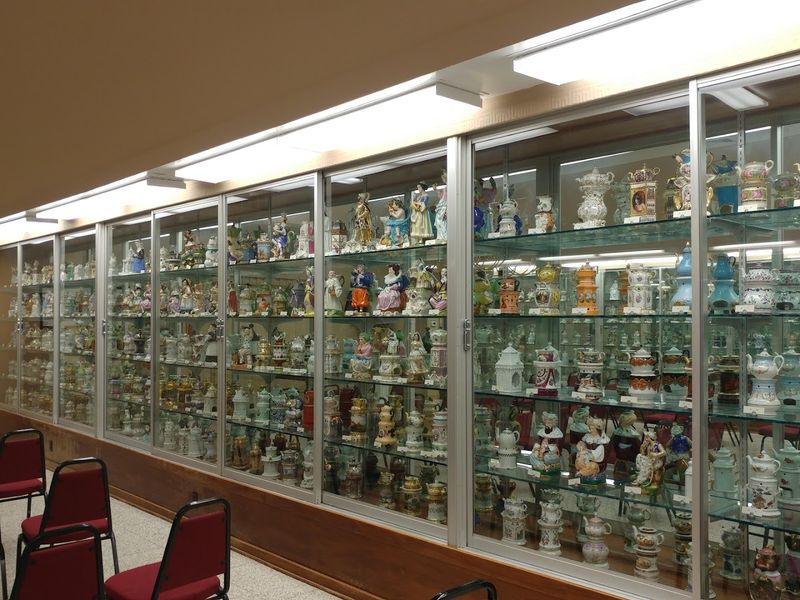
Most people have never heard of a veilleuse-théière, which is exactly why this small-town museum matters. Trenton’s city hall houses what experts recognize as the world’s largest collection of these rare porcelain night-light teapots, with pieces dating from 1750 to 1860. These aren’t your grandmother’s everyday teapots—they’re elaborate European ceramics designed to keep tea warm overnight while providing soft light.
The collection belongs to the city and stays on permanent display for anyone curious enough to visit. Each piece represents serious craftsmanship from France, Germany, and England during a time when such objects were luxury items for wealthy households. The delicate hand-painted designs and intricate metalwork show a level of artistry that mass production eventually killed off.
What makes this museum particularly strange is its location. Trenton is a quiet town in West Tennessee, not exactly a hotspot for European antique collectors. Yet here sits this internationally recognized collection, tucked inside a government building where locals come to pay water bills.
You can visit during regular city hall hours, and admission is free. Bring your curiosity and maybe some questions about how a town of 4,000 people ended up as the world capital of antique teapot nightlights.
3. International Towing & Recovery Museum — Chattanooga
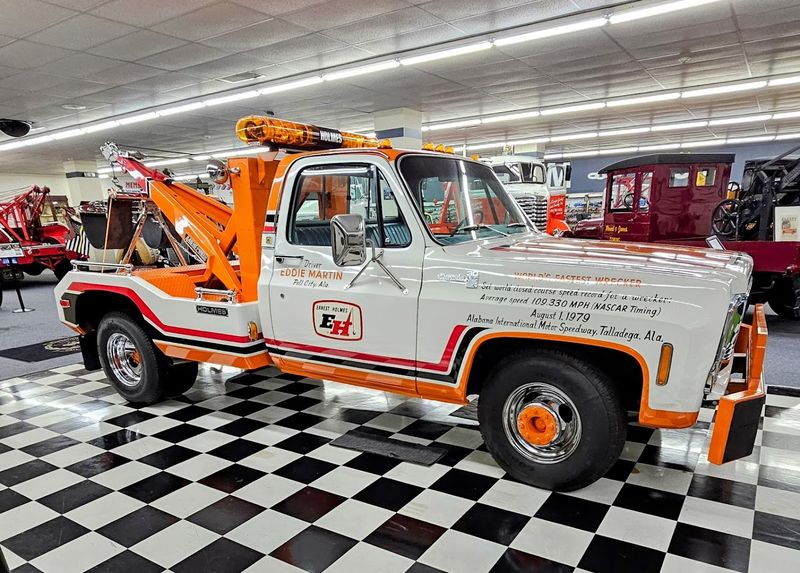
Chattanooga claims the title of birthplace for the American towing industry, and this museum exists to prove it wasn’t a small invention. The first tow truck was built here in 1916 by Ernest Holmes, who got tired of using blocks, ropes, and eight men to pull cars out of ditches. His wrecker changed roadside assistance forever, and this museum preserves that legacy with serious respect.
The collection includes historic tow trucks spanning decades of design evolution, from Holmes’s original concept to modern recovery vehicles. You’ll also find vintage gas pumps, toy tow trucks, pedal cars, and a wall honoring towing operators who died on the job. That last part hits differently—it reminds visitors that this industry involves real danger and real people.
Kids love the toy section, but adults get drawn into the mechanical ingenuity on display. Each truck represents problem-solving under pressure, often in terrible weather or dangerous traffic conditions. The museum doesn’t glamorize the work; it documents it honestly, showing how an everyday service most people take for granted actually requires skill, courage, and constant innovation.
Chattanooga could have built a museum about anything, but choosing tow trucks says something about the city’s identity. This isn’t about glamorous history—it’s about useful history, the kind that keeps society moving when things break down. The museum hosts an annual towing convention and offers educational programs for schools.
It’s weird, it’s specific, and it’s deeply Tennessee: taking something nobody else would celebrate and building a shrine to it anyway.
4. Tennessee River Freshwater Pearl Museum — Camden
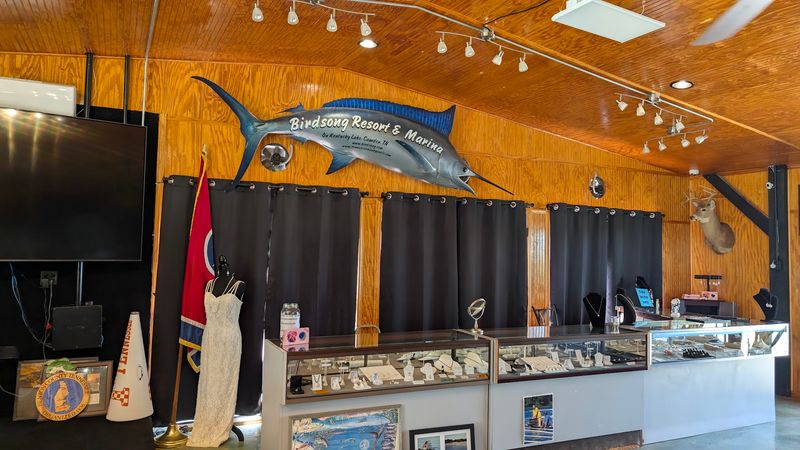
Tennessee has an official state gem, and most Tennesseans don’t know it exists. The freshwater pearl gets overlooked because it’s not flashy like diamonds or rubies, but this Camden museum makes a strong case for why that’s a mistake. The Tennessee River once supported a thriving pearl industry, and this small museum tells that surprisingly rich story.
John Latendresse pioneered freshwater pearl culturing in Tennessee during the mid-20th century. He figured out how to use Tennessee River mussels to grow pearls commercially, creating a local industry that put Camden on the map for jewelers worldwide. The museum explains the science behind pearl formation, the delicate process of culturing them, and the environmental challenges facing mussel populations today.
You’ll see examples of Tennessee pearls in various colors and sizes, along with the tools used to harvest and culture them. The museum also covers the history of pearl button manufacturing, which once employed thousands of Tennesseans before plastic buttons killed the industry. It’s a story about natural resources, innovation, economic booms and busts, and environmental stewardship all wrapped into one small collection.
Camden sits in a rural part of West Tennessee that doesn’t get heavy tourist traffic, which makes this museum feel like a genuine discovery. The staff are passionate about pearl history and eager to share knowledge with visitors who actually stop. Admission is inexpensive, and the museum often has pearls and pearl jewelry for sale.
5. National Bird Dog Museum — Grand Junction
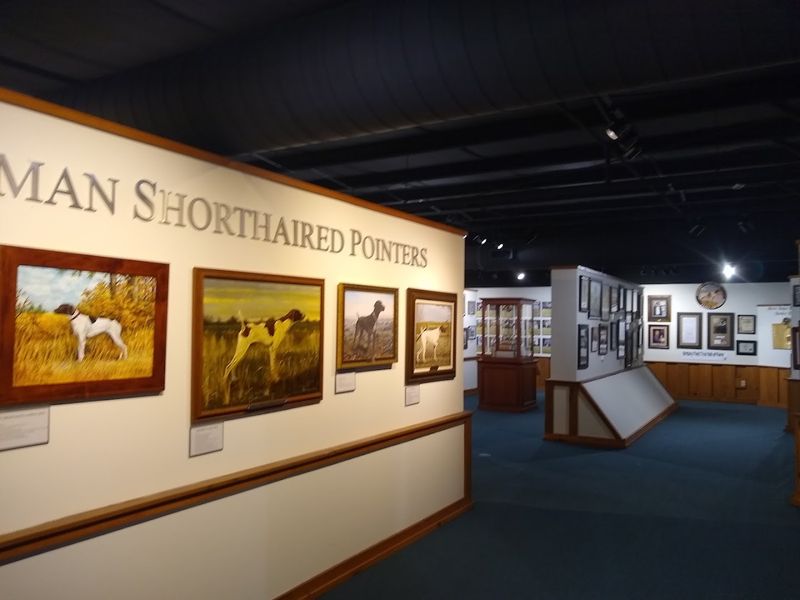
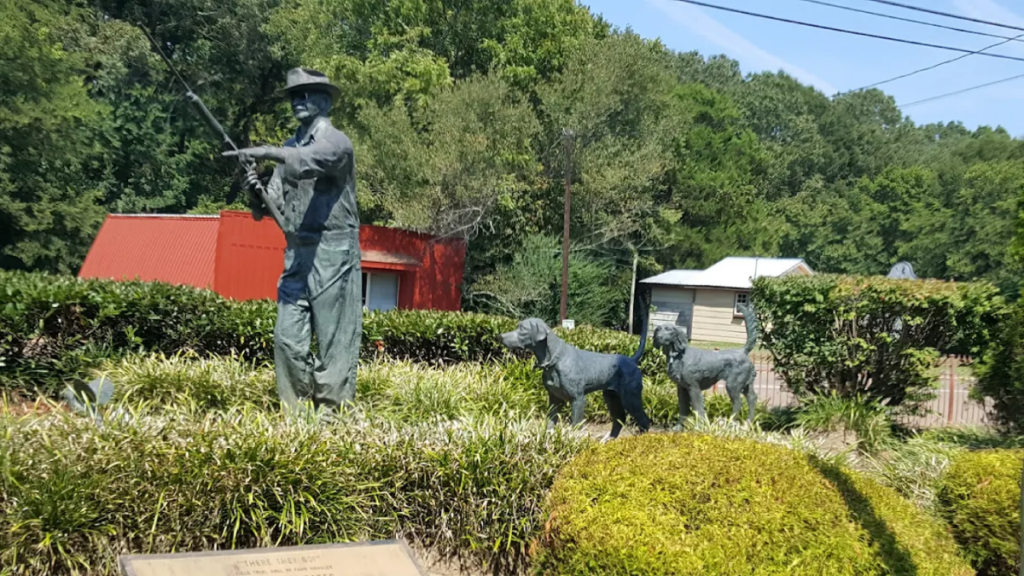
Hunting culture runs deep in Tennessee, but this museum zeroes in on one specific slice: bird dogs and the field trials that test them. Located in Grand Junction near the Ames Plantation, this collection preserves the history of pointers, setters, retrievers, and the people who train them. It’s wonderfully niche, and that’s exactly why it matters.
The museum houses paintings, sculptures, photographs, and trophies documenting decades of field trial championships. You’ll find records of legendary dogs whose bloodlines still influence breeding today, along with literature about training methods and hunting traditions. The art collection alone is impressive, featuring works by respected wildlife artists who specialized in capturing sporting dogs in action.
Field trials are competitive events where dogs demonstrate their ability to locate and retrieve game birds. These competitions have their own culture, complete with rules, rankings, and passionate debates about training philosophies. The museum doesn’t assume visitors already know this world—it welcomes newcomers and explains why people dedicate their lives to perfecting a dog’s instinct to point at a quail.
Grand Junction is a tiny town, but it sits near the site of the National Field Trial Championship, which has been held annually since 1896. That makes this location more than random—it’s the heart of bird dog country. The museum celebrates a specific American tradition that many people never encounter, preserving knowledge that might otherwise fade as hunting culture changes.
6. Tina Turner Museum at Flagg Grove School — Brownsville
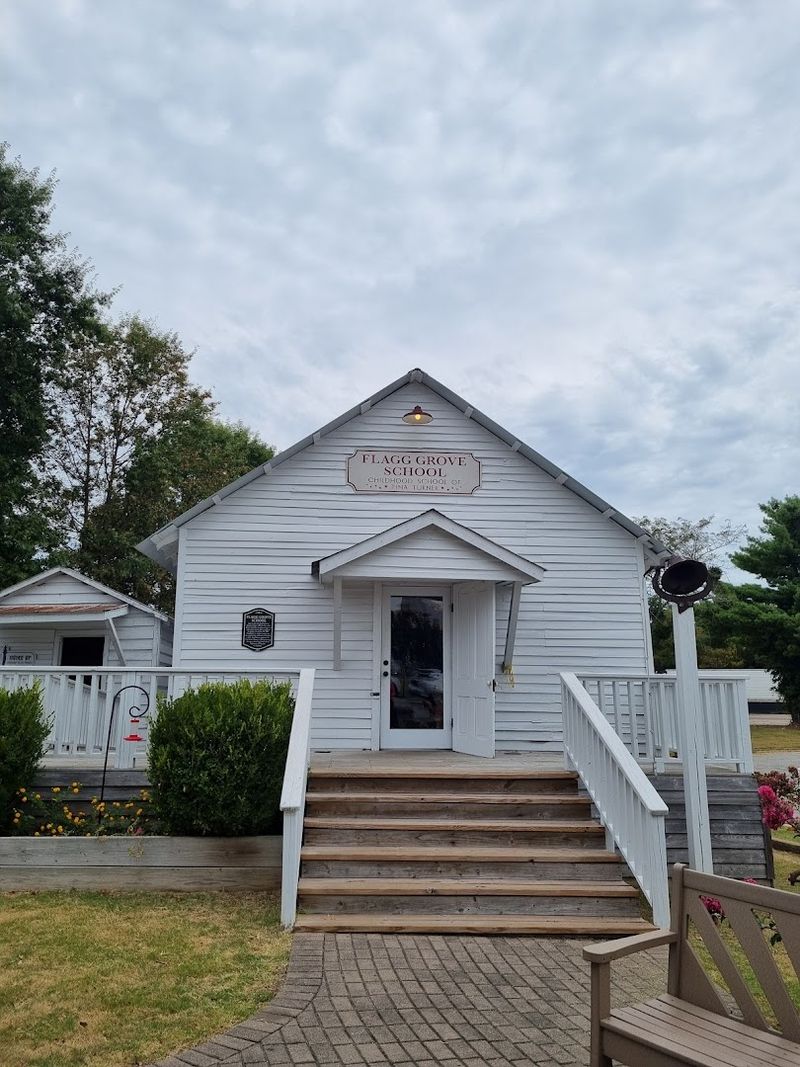
Before Tina Turner became a global icon, she was Anna Mae Bullock, a girl attending a one-room schoolhouse in rural Tennessee. That schoolhouse still stands in Brownsville, restored and transformed into a small museum honoring her journey from Nutbush to international superstardom. It’s intimate, deeply local, and surprisingly moving.
The museum displays costumes from her performances, gold records, photographs, and personal memorabilia donated by Turner herself. You’ll also see the school desks and chalkboards from the era when she attended classes there, connecting her childhood to her later achievements. The building is tiny, which makes the scale of her success feel even more remarkable.
Flagg Grove School represents a specific chapter in Tennessee’s Black history and the Great Migration story. Many students who attended this rural school later left the South seeking better opportunities. Turner’s path took her to St. Louis, then to fame, then eventually to Europe, but she never forgot where she started.
Her support for this museum project showed that connection.
Brownsville isn’t a major tourist destination, so visiting requires intention. The museum is operated by local volunteers who genuinely care about preserving this piece of history. They’ll share stories about the school’s history and the community that surrounded it.
7. Bush’s Visitor Center — Dandridge
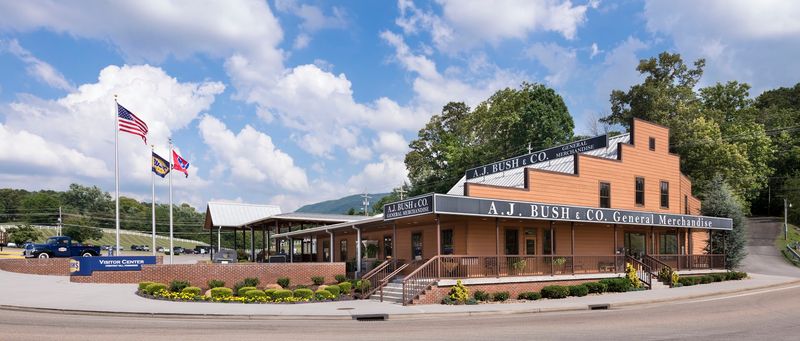
A museum dedicated to baked beans sounds like a punchline, but Bush’s Visitor Center in Dandridge is genuinely charming. The company has been making beans in East Tennessee for over 110 years, and this facility tells that story with more personality than you’d expect from a corporate visitor center. Plus, there’s a chance you’ll meet Duke, the famous talking dog from the commercials.
The center covers Bush family history, the evolution of the canning business, and the agricultural side of bean production. Interactive exhibits let kids learn about different bean varieties and how they grow. You’ll see vintage advertising, old-fashioned store displays, and a timeline showing how a small Chestnut Hill cannery became a national brand.
The company’s marketing has always leaned into its Tennessee roots, and the museum reinforces that local pride.
What makes this stop work is the lack of pretension. Bush’s knows they’re selling beans, and they embrace the wholesome simplicity of that product. The facility includes a cafe serving bean-based dishes, a gift shop with bean-themed merchandise, and a theater showing short films about the company.
It’s corporate, sure, but it’s also genuinely interested in sharing agricultural history and celebrating a Tennessee business that stayed in Tennessee.
8. Coon Creek Science Center — Adamsville
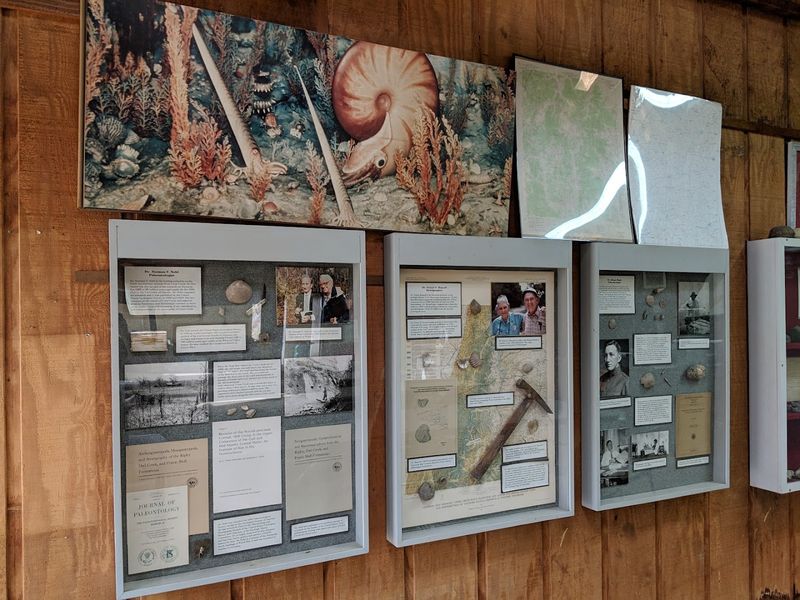
Seventy million years ago, West Tennessee was underwater. The Coon Creek Science Center preserves a remarkable fossil site where an ancient seafloor remains exposed, showing hundreds of marine species that lived during the Cretaceous period. It’s Tennessee’s dinosaur-era story, except the dinosaurs are elsewhere and the real stars are prehistoric sharks, mosasaurs, and sea turtles.
The site is managed by the University of Tennessee at Martin and functions as both a research facility and a public education center. Visitors can see the fossil beds themselves, walk trails with interpretive signs explaining the geology, and view specimens in the small museum building. The diversity of preserved species is what makes Coon Creek scientifically important—it’s one of the best-preserved Late Cretaceous marine fossil sites in North America.
Tennessee’s official state fossil, Pterotrigonia thoracica, comes from this location. It’s a clam, which might not sound exciting until you realize it’s a 70-million-year-old clam that helps scientists understand ancient ocean ecosystems. The center offers fossil-hunting programs where visitors can search for specimens under supervision, keeping what they find within guidelines.
Adamsville is a small town in rural West Tennessee, far from major highways and tourist routes. That isolation has helped protect the site from overdevelopment and keeps the experience low-key and educational rather than commercialized. The center focuses on science education, hosting school groups and offering summer camps for kids interested in paleontology.
9. Casey Jones Home & Railroad Museum — Jackson
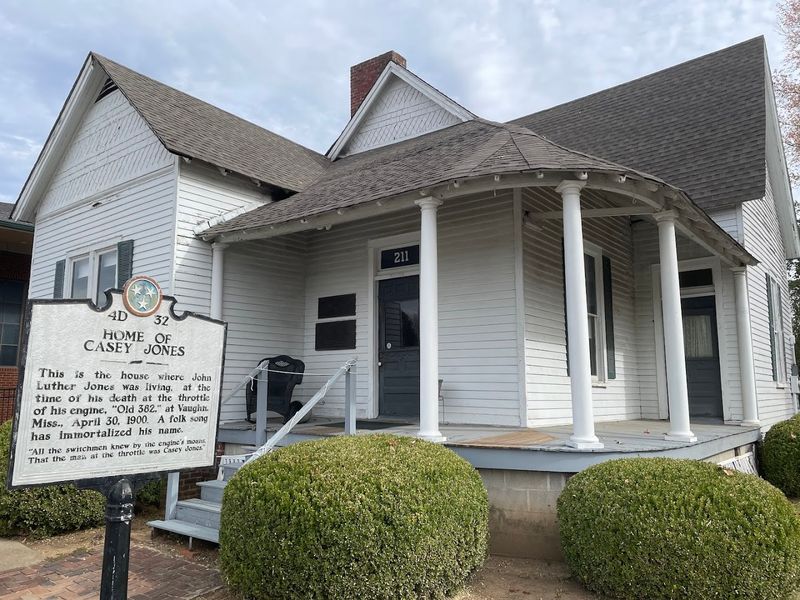
Casey Jones died in a train wreck in 1900, and Tennessee turned him into a legend. The museum in Jackson sits beside his restored home and tells the story of his final run with a mix of historical fact and folk-hero mythology. It’s part railroad history, part American tall tale, and entirely Tennessee in its celebration of a working-class hero.
Jones was driving the Cannonball Express when he tried to brake for a stalled freight train near Vaughan, Mississippi. He told his fireman to jump but stayed with the engine himself, reducing speed enough that he was the only fatality. That decision made him famous, inspiring a folk song and decades of railroad lore.
The museum preserves his personal belongings, railroad equipment, and a full-scale replica of Engine 382.
The home itself is a modest Victorian structure that shows how a railroad engineer’s family lived in the early 1900s. Guided tours cover both the house and the museum building, which displays railroad artifacts, photographs, and memorabilia related to Jones and the era of steam locomotives. You’ll learn about working conditions for engineers, the dangers of early railroading, and how one man’s death became a cultural touchstone.
10. Rhea County Heritage & Scopes Trial Museum — Dayton
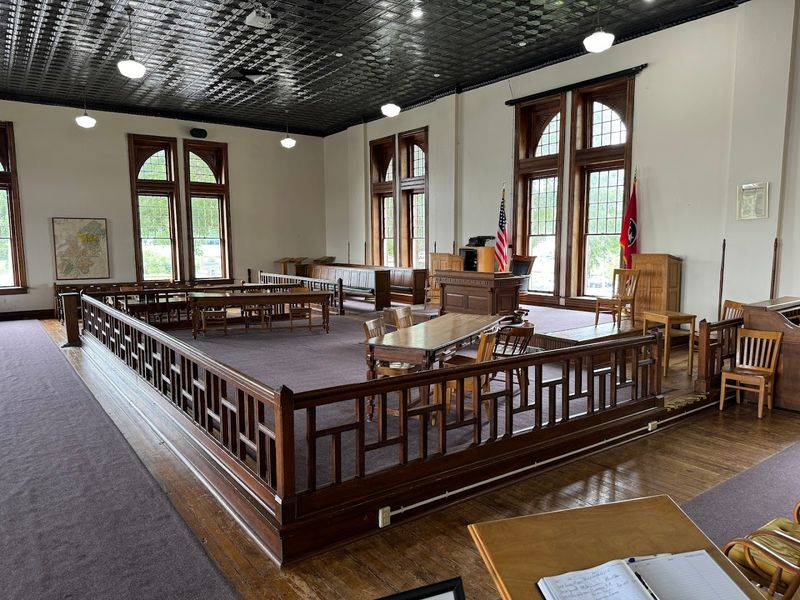
In 1925, Dayton became the center of a national debate when high school teacher John Scopes was prosecuted for teaching evolution. The Scopes Trial turned this small Tennessee town into a media circus, with famous lawyers, journalists, and curious onlookers flooding in to watch science clash with religious fundamentalism in a sweltering courtroom. The museum preserves that strange moment in American history.
The collection is housed inside the actual courthouse where the trial took place. You can sit in the same courtroom, see original trial artifacts, and read newspaper coverage from the era. The exhibits cover both sides of the debate, showing how the trial reflected larger cultural tensions about modernity, religion, education, and regional identity.
Tennessee’s anti-evolution law stayed on the books until 1967, making this more than a historical curiosity—it’s recent history.
What’s particularly interesting is how Dayton has embraced this controversial legacy. The town hosts an annual reenactment of the trial each July, with local actors playing Clarence Darrow, William Jennings Bryan, and other key figures. It’s become a cultural event that draws visitors interested in legal history, religious studies, and the ongoing evolution debate.
The museum doesn’t take a strong position on the underlying science-versus-faith question; it focuses on the trial itself as a pivotal cultural moment.
The courthouse is still in use for county business, which adds an odd layer to the experience. You’re touring a working government building that happens to house a museum about one of America’s most famous trials.
11. Alcatraz East Crime Museum — Pigeon Forge
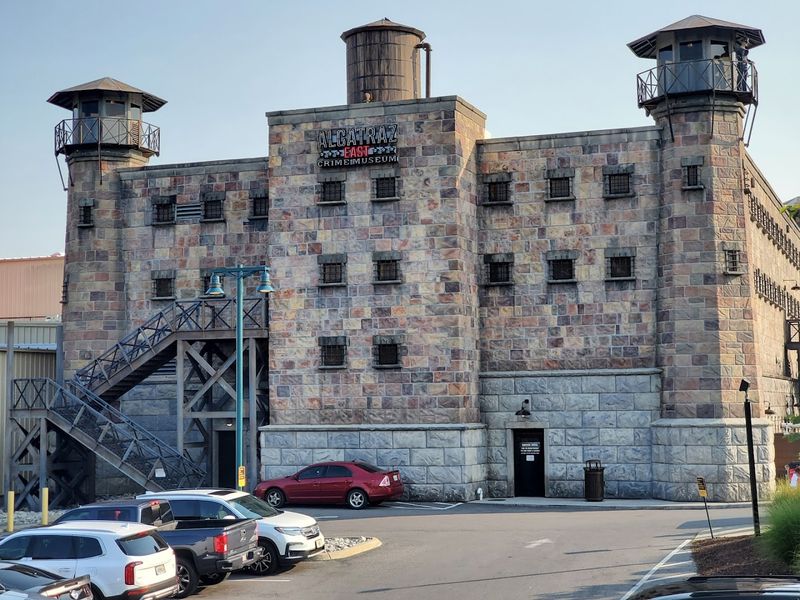
Pigeon Forge is known for family entertainment, so a museum dedicated to crime, punishment, and forensic science feels wildly out of place. That’s what makes Alcatraz East so fascinating—it’s a serious, professionally curated crime museum sitting in the middle of tourist-trap Tennessee, and it doesn’t pull punches about the dark side of human behavior.
The museum covers five main areas: history of crime, crime-solving methods, consequences of crime, crime prevention, and famous criminals. You’ll see artifacts from notorious cases, including items connected to Al Capone, Ted Bundy, and the Unabomber. There are vehicles used in crimes, weapons, prison cells, and interactive exhibits where visitors can test their forensic skills.
It’s educational but also genuinely unsettling in places, which is appropriate given the subject matter.
What sets this museum apart from typical true-crime entertainment is its focus on victims and law enforcement alongside the criminals. Exhibits honor fallen officers, explain the trauma of crime victims, and show the real-world consequences of criminal behavior. It’s not glorifying violence—it’s documenting it honestly and asking visitors to think critically about justice, punishment, and prevention.
Pigeon Forge is full of wax museums and dinner shows, so a legitimate crime museum feels like an odd choice for the location. But Tennessee has always had a complicated relationship with outlaws and folk heroes, so maybe it fits better than it seems at first glance.
12. Buford Pusser Home & Museum — Adamsville
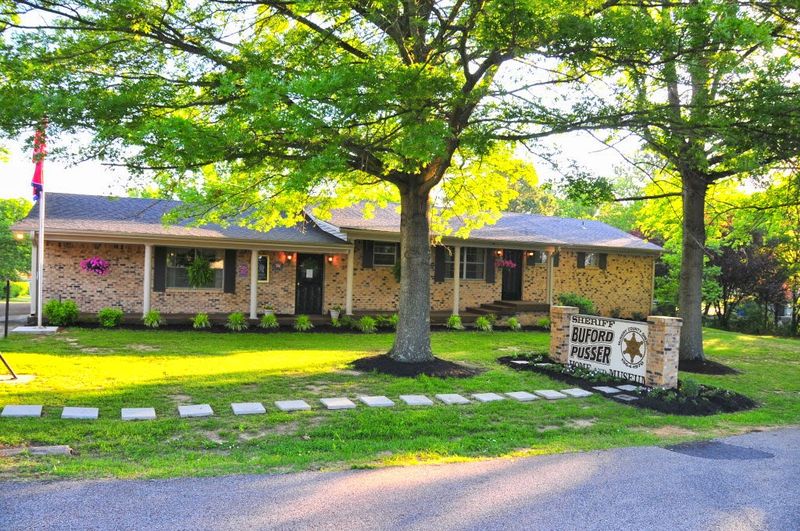
Buford Pusser was a Tennessee sheriff who became famous for fighting organized crime along the Mississippi-Tennessee border during the 1960s and 70s. His story inspired the movie “Walking Tall,” and his home in Adamsville is now a museum preserving his legacy. It’s part law enforcement history, part Southern mythology, and entirely tied to a specific time and place in rural Tennessee.
The museum displays Pusser’s personal belongings, law enforcement equipment, photographs, and artifacts from his time as McNairy County Sheriff. You’ll see his famous big stick, the car he was driving when his wife was killed in an ambush, and items related to the violent confrontations that made him a folk hero.
The exhibits don’t romanticize the violence—Pusser survived multiple assassination attempts and lost his wife to the criminals he fought—but they do frame him as a man who stood up when others wouldn’t.
The home itself is modest, reflecting Pusser’s working-class background. Walking through the rooms where he lived adds a personal dimension to the story that movies can’t capture. The museum also covers his brief entertainment career after retiring from law enforcement and his death in a car accident in 1974 at age 36.
13. Lane Motor Museum — Nashville
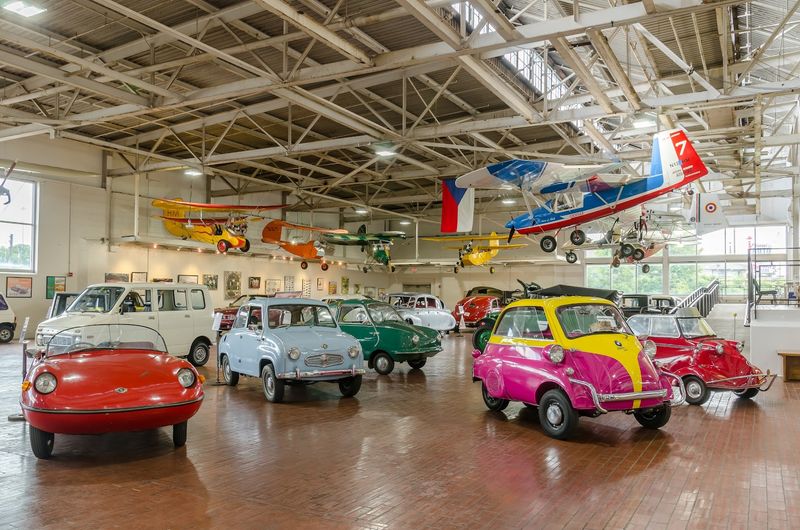
Nashville has a museum full of cars you’ve never heard of, and that’s the entire point. Lane Motor Museum specializes in unusual, obscure, and forgotten vehicles from around the world, with a particular focus on European microcars, amphibious vehicles, and experimental designs that never caught on. If you think you know cars, this collection will prove you wrong.
The museum houses over 500 vehicles, though only about 150 are on display at any given time. You’ll see tiny one-person city cars from postwar Europe, strange three-wheeled experiments, military vehicles, motorcycles, and oddities like a car shaped like a loaf of bread. Many of these vehicles were commercial failures or limited-production models that most automotive museums ignore.
Lane preserves them specifically because they’re weird and historically interesting.
What makes this museum particularly Tennessee-strange is its location and philosophy. It’s in Nashville, a city known for music, not cars, and it focuses on vehicles that represent failure and experimentation rather than success and prestige. The collection celebrates engineering ambition even when the results were impractical or ugly.
Many vehicles are kept in running condition, and the museum occasionally offers rides in select models.
The staff are passionate about automotive history and happy to discuss the technical details of even the most obscure vehicles. Lane Motor Museum doesn’t get the attention that Nashville’s music attractions receive, but for anyone interested in design, engineering, or just plain weird stuff, it’s one of the best museums in the state.
Tennessee loves celebrating things other places overlook, and a museum dedicated to automotive oddities fits that tradition perfectly.