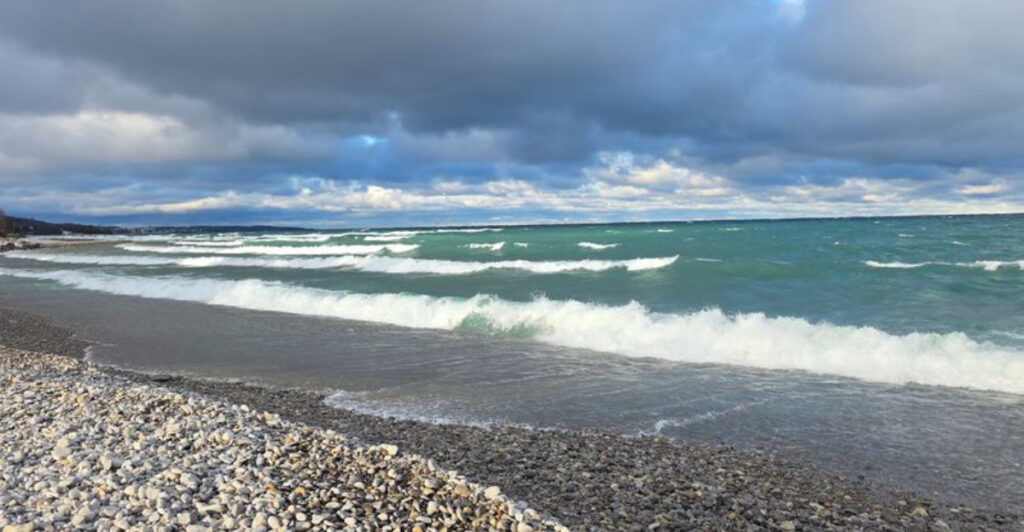
Michigan is one of the best-kept secrets in the rockhounding world, packed with beaches and shorelines where you can find stunning fossils, glowing stones, and colorful agates without any fancy equipment. Whether you are a total beginner or a seasoned collector, the Great Lakes State offers something truly special at nearly every turn.
From the northern Lower Peninsula to the wild shores of the Upper Peninsula, each spot has its own character and its own treasures waiting to be discovered. Grab a bag, lace up your shoes, and get ready to explore some of the most rewarding rockhounding locations Michigan has to offer.
1. Petoskey Breakwall, Petoskey
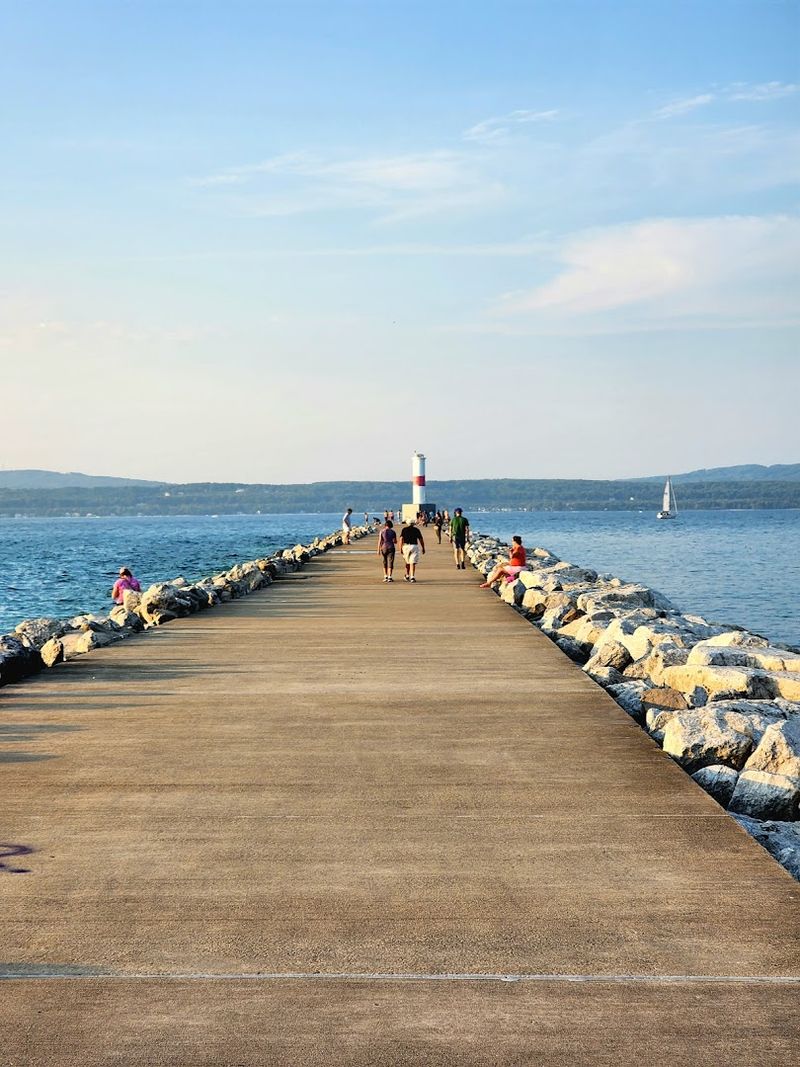
There is something almost addictive about walking the Petoskey Breakwall at low water, eyes locked on the ground, hoping the next wet stone you flip over is the one with that unmistakable hexagonal pattern. The breakwall stretches along Little Traverse Bay and gives rockhounds easy access to gravel beds loaded with Petoskey stones, Michigan’s official state stone.
Petoskey stones are actually fossilized coral from an ancient sea that covered Michigan roughly 350 million years ago. The honeycomb pattern only becomes visible when the stone is wet or polished, which is why serious hunters always keep a water bottle handy.
Even a quick splash can reveal whether you have a keeper or just a plain gray rock.
The best time to search here is after a storm, when wave action churns up fresh material and deposits new stones along the waterline. Spring and early fall tend to offer the most productive conditions because summer crowds thin out and water levels fluctuate more noticeably.
Mornings are ideal since the light hits the wet stones at a low angle, making patterns easier to spot.
Parking is available near Sunset Park and the surrounding downtown area, making this spot very accessible for families. Kids absolutely love the treasure-hunt feel of this location, and even a short visit usually turns up at least a few decent finds.
Wear waterproof shoes because wading slightly into the shallows often uncovers the best specimens. Petoskey itself is a charming town worth spending a full day in, so pair your rockhounding session with a meal downtown and make a proper outing of it.
2. Agate Beach Park, Toivola
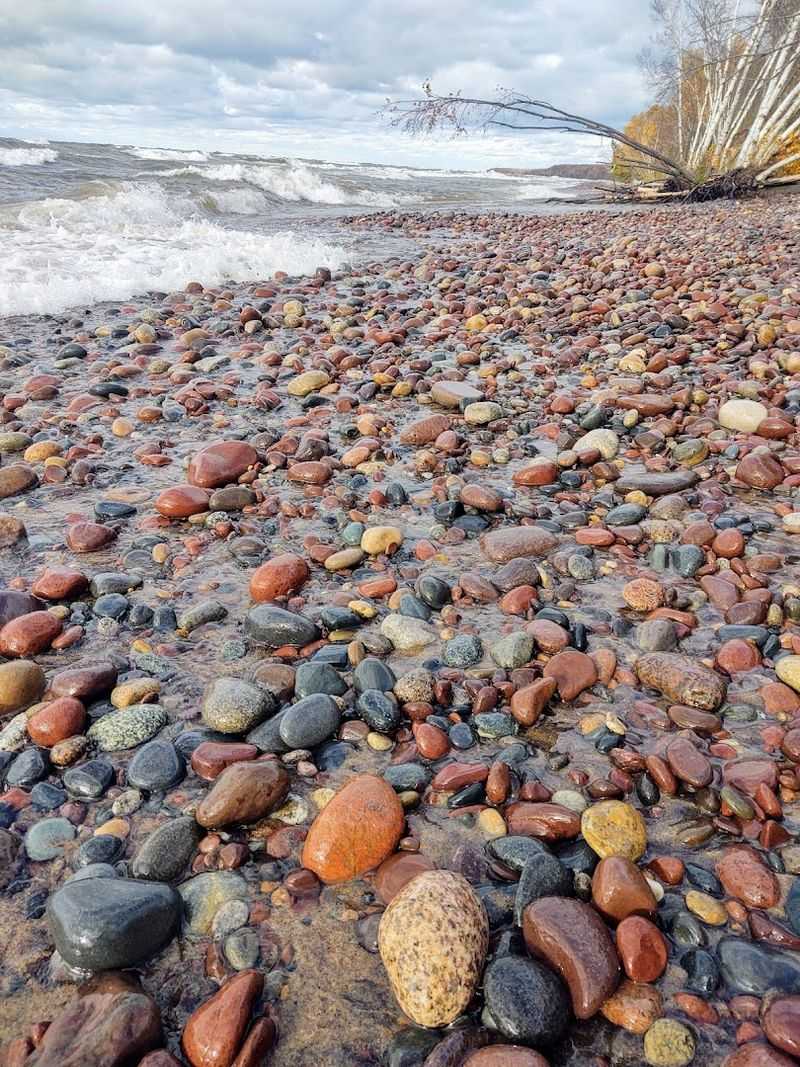
Agate Beach Park in Toivola sits along the south shore of Lake Superior in the Keweenaw Peninsula, and the name alone tells you exactly what you are getting into. Lake Superior agates are among the most prized finds in the entire Midwest, known for their deep red, orange, and yellow banding caused by iron-rich minerals that seeped through ancient volcanic rock.
The beach here is made up of coarse gravel and pebbles rather than soft sand, which is exactly what rockhounds want. Agates blend in surprisingly well with ordinary rocks, so a trained eye and a little patience go a long way.
Many experienced collectors recommend searching on overcast days when the diffuse light reduces glare and makes color variations easier to read.
This park is a local favorite because it stays relatively uncrowded compared to more famous spots, especially on weekdays. The surrounding area has a rugged, quiet beauty that makes the whole experience feel like a real wilderness adventure.
You might spot a bald eagle overhead or catch the sound of waves crashing against the rocky shoreline while you search.
Beyond agates, the beach also yields prehnite, native copper fragments, and other interesting minerals carried down by glacial activity thousands of years ago. Bring a small hand lens or loupe to examine stones more closely in the field.
A sturdy collecting bag and a spray bottle of water are your two most valuable tools here. The drive to Toivola is scenic in its own right, cutting through dense Upper Peninsula forest, so budget extra time for the journey and enjoy the ride as part of the experience.
3. Fisherman’s Island State Park, Charlevoix
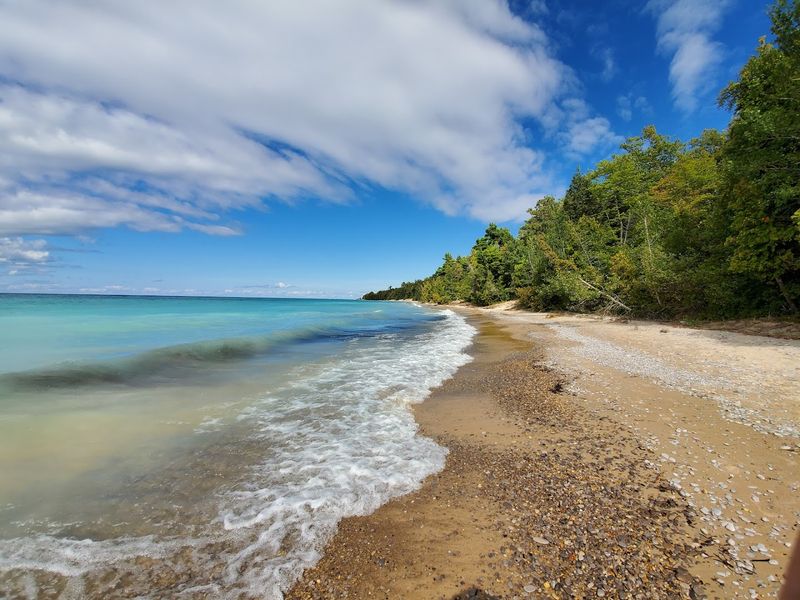
Fisherman’s Island State Park is one of those places that feels like a reward for people willing to make the short drive south of Charlevoix. The park protects miles of undeveloped Lake Michigan shoreline, and those beaches are absolutely loaded with Petoskey stones, Charlevoix stones, and other fossils just waiting to be scooped up.
Charlevoix stones, sometimes called Petoskey stone cousins, are actually fossilized horn coral rather than colonial coral, and they have a slightly different radiating pattern that collectors love just as much. Finding both types in a single afternoon here is entirely realistic, especially if you work your way along the shoreline away from the main parking areas.
The farther you walk, the less competition you have.
The park has multiple access points, and the northern sections tend to be the most productive for stone hunting because the gravel deposits are thicker and less disturbed. Water levels on Lake Michigan fluctuate from year to year, and higher water years can actually expose fresh gravel beds that were previously submerged.
Checking recent water level data before your visit can help you plan the most productive trip.
Camping is available inside the park, which makes this a great destination for an overnight rockhounding trip. Waking up early and hitting the beach at sunrise before other visitors arrive is a strategy that seasoned collectors swear by.
The light is softer, the beach is empty, and the experience of searching a wild Lake Michigan shoreline in the early morning quiet is genuinely hard to beat. Pack a lunch, wear comfortable walking shoes, and give yourself at least half a day to really work the beach properly.
4. Calumet Waterworks Park, Calumet
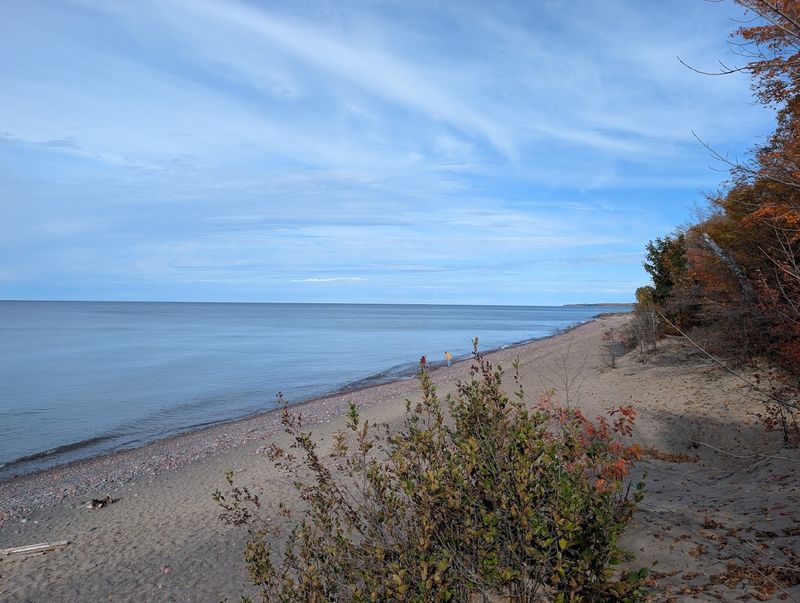
Calumet Waterworks Park is not the most obvious rockhounding destination in Michigan, but collectors who know about it keep coming back. Tucked along the Keweenaw Peninsula near the historic copper mining town of Calumet, this spot gives you access to Lake Superior shoreline that is rich with native copper fragments, basalt, and other volcanic minerals that make the Keweenaw so geologically fascinating.
The Keweenaw Peninsula sits on one of the largest deposits of native copper in the world, and centuries of wave action have scattered copper-bearing rocks all along the shoreline. Finding a piece of actual native copper, green-stained and heavy in your hand, is a thrill that never really gets old.
Even small fragments are exciting because you are holding something that formed over a billion years ago in ancient lava flows.
The park itself is a quiet, slightly overlooked corner of the peninsula, which works in your favor as a collector. You can take your time scanning the rocky beach without feeling rushed or crowded.
The surrounding landscape is dramatic, with old industrial ruins from the copper mining era adding a layer of history to the whole outing.
Greenstone, also known as chlorastrolite and Michigan’s official state gemstone, has been found along Keweenaw shorelines, though it is rare and typically very small. Keep your eyes peeled for tiny, dark green stones with a turtle-shell pattern if you want to join the small club of people who have actually found one in the wild.
Bring solid footwear because the rocky shoreline here is uneven and can be slippery when wet. A visit to the nearby Keweenaw National Historical Park makes for an excellent full-day pairing.
5. Van’s Beach, Leland
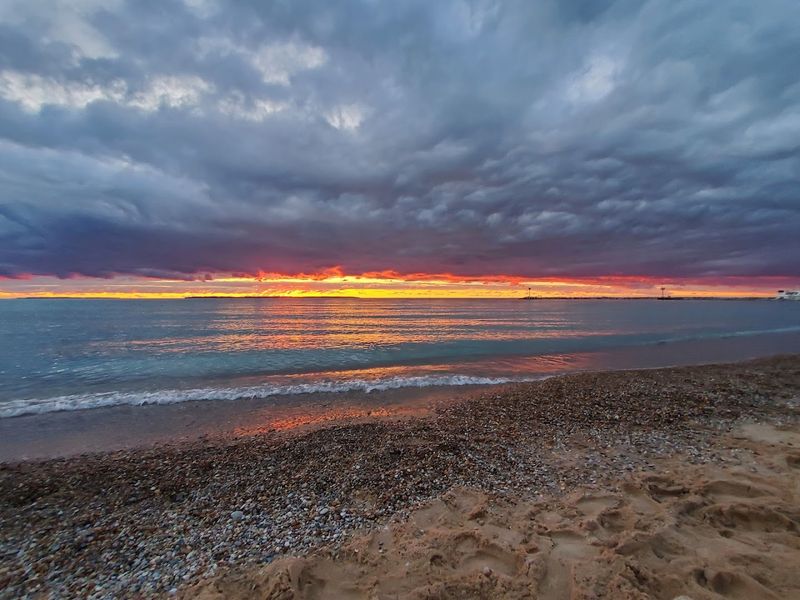
Van’s Beach in Leland has a reputation that stretches well beyond the local rockhounding community. Situated right at the mouth of the Leland River where it meets Lake Michigan, this beach combines a gorgeous natural setting with genuinely productive stone hunting conditions.
Petoskey stones, Charlevoix stones, and a variety of smooth lake-tumbled gems wash up here regularly.
The beach is sandy in some sections and gravelly in others, and the gravelly patches are where the real action is. Stones collect naturally along the waterline and in the swash zone, especially after northwest winds push material onshore.
Experienced hunters know to check the beach after a few days of strong winds for the freshest deposits.
What makes Van’s Beach extra enjoyable is its location right next to Fishtown, Leland’s famous historic fishing village with its weathered shanties and smokehouses. After a morning of rockhounding, you can walk a few steps and grab fresh smoked fish or browse the local shops.
It turns a simple beach outing into a full cultural experience that is hard to replicate anywhere else in Michigan.
The beach is free and open to the public, with parking available nearby. Summer weekends can get crowded with general beachgoers, so arriving early or visiting on a weekday gives you the best shot at having the gravelly areas to yourself.
Families with younger kids find this spot particularly approachable because the beach is relatively short and easy to navigate. Even if the stone hunting is slow on a given day, the scenery alone makes the stop worthwhile.
Leland is one of those Michigan towns that earns its reputation every single time you visit.
6. Point Betsie Lighthouse, Frankfort
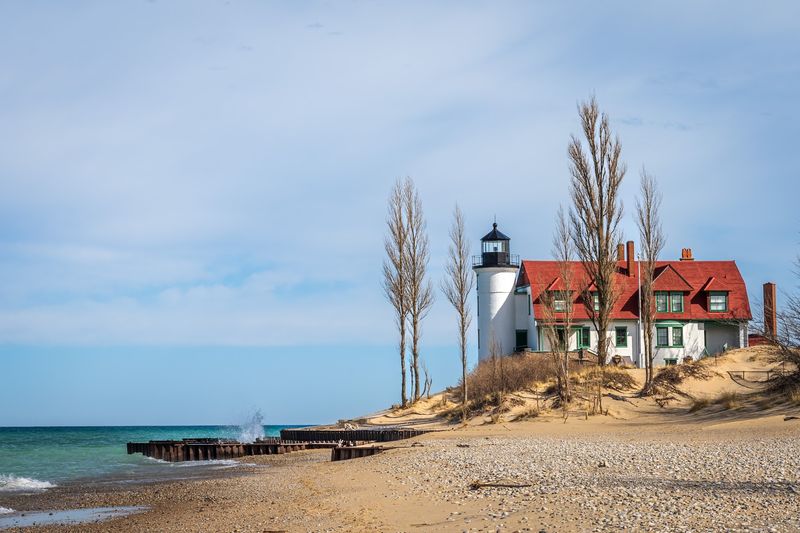
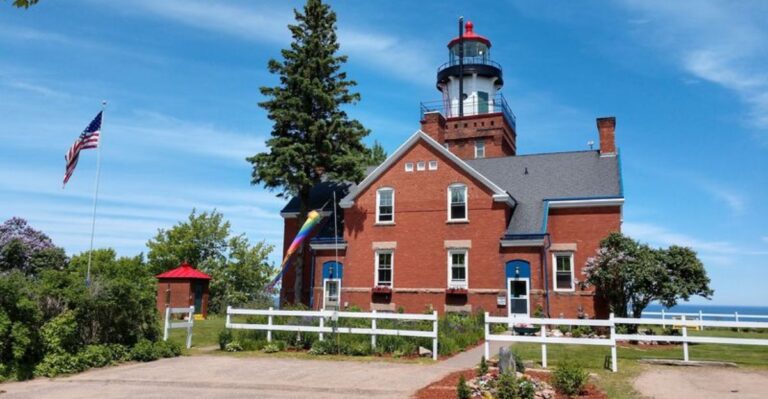
Point Betsie Lighthouse near Frankfort is one of the most photographed lighthouses in Michigan, and it also happens to sit next to one of the more underrated Petoskey stone beaches on the Lower Peninsula’s western coast. The combination of a stunning historic landmark and a genuinely productive rocky shoreline makes this a must-visit stop for any Michigan rockhound.
The beach wraps around the point and exposes a mix of sandy and gravelly sections depending on recent wave patterns. Petoskey stones turn up regularly here, along with smooth fossil fragments and other Lake Michigan-tumbled rocks that make for a satisfying haul even on an average day.
The point itself creates interesting wave dynamics that concentrate stone deposits in predictable areas once you learn to read the beach.
Low water years are especially productive at Point Betsie because they expose gravel beds that are normally submerged just offshore. Wading in knee-deep water with polarized sunglasses can reveal stones that never make it to the dry beach, and many collectors consider this the most exciting way to hunt.
Just be aware of wave conditions and use common sense about how far out you go.
The lighthouse grounds are managed and open to visitors during certain seasons, and the nearby dunes add to the scenic appeal of the whole area. Frankfort is a small, welcoming town with good food options if you want to make a full day of the trip.
Parking near the lighthouse is limited, so arriving early during peak summer season is strongly recommended. Sunset visits are spectacular here, and the changing light on the water sometimes makes wet stones glow in ways that make you feel like you struck gold.
7. Muskallonge Lake State Park, Newberry
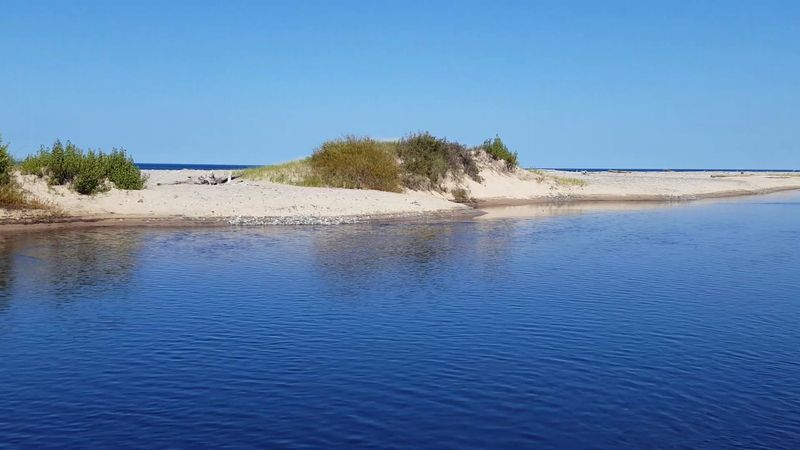
Muskallonge Lake State Park sits in a remote stretch of the Upper Peninsula between Lake Superior and Muskallonge Lake, and its isolation is exactly what makes it so appealing to serious collectors. The Lake Superior shoreline here is wild, windswept, and remarkably productive for agates, jasper, and other volcanic minerals that glaciers deposited along this stretch of coast.
Lake Superior agates are the star attraction, and this part of the UP is known for producing them with some regularity. The red and orange banding in these agates comes from hematite and other iron oxides, and the colors can be absolutely striking when the stone is polished or even just wet.
Hunting here feels genuinely exploratory because the beach stretches far in both directions with very few other people around.
The park offers rustic camping, which is a big advantage for dedicated collectors who want to hit the beach at first light before any other visitors arrive. Sunrise on Lake Superior is a breathtaking experience on its own, and the combination of that light hitting wet, colorful stones on a pebble beach is the kind of thing that turns casual rockhounders into lifelong enthusiasts.
Plan to stay at least one night to really do the location justice.
Yooperlites, the sodalite-rich syenite rocks that glow orange under ultraviolet light, have been found in this region of the UP as well. Bringing a UV flashlight for after-dark searching along the waterline adds a completely different and genuinely exciting dimension to the hunt.
Keep your eyes open for any unusual gray or brown rocks with a slightly rough texture, as these are the most likely candidates to light up under UV. The drive to Muskallonge is long but scenic, passing through classic UP wilderness that sets the mood perfectly.
8. Mt. McSauba, Charlevoix
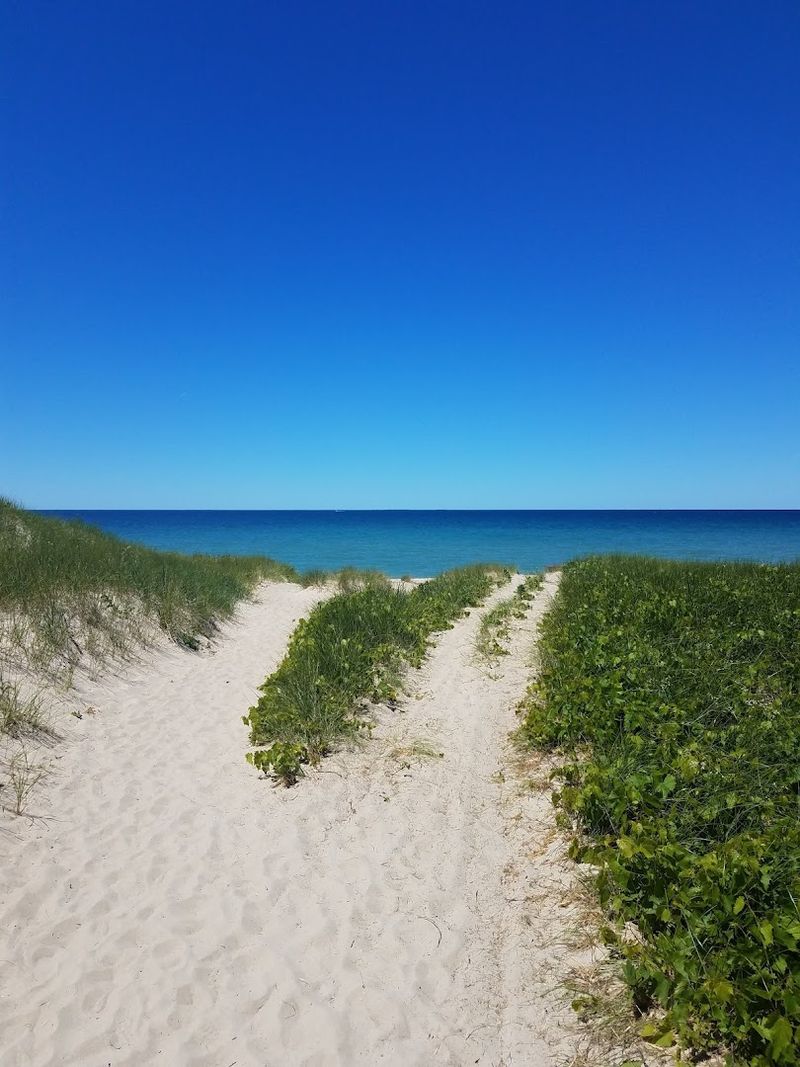
Mt. McSauba Recreation Area in Charlevoix is the kind of local gem that residents guard a little jealously.
Positioned just north of downtown Charlevoix along Lake Michigan, this city-owned recreation area offers a mix of dune terrain, wooded trails, and a pebbly shoreline that consistently produces Petoskey stones, Charlevoix stones, and various fossil fragments for patient collectors.
The beach here is less trafficked than some of the more famous spots nearby, which means the stones have a better chance of being undisturbed when you arrive. The gravel deposits shift with the seasons, and spring visits after ice-out can be particularly rewarding because winter storm activity tends to move fresh material onto the beach.
A quick scan at the waterline right after the ice retreats is a strategy that local collectors have used for years.
The dune area above the beach is worth exploring too, since eroded slopes sometimes expose fossil material that has worked its way down from higher ground. It is not a guaranteed find, but it adds variety to the search and gives you a reason to wander beyond the waterline.
The views from the top of the dune ridge across Lake Michigan are genuinely stunning and worth the short climb regardless of what you find.
Access is free and the parking area is small, so weekday visits are more comfortable than weekend ones during the busy summer season. Charlevoix itself is one of the most charming small towns in northern Michigan, full of good restaurants and interesting shops that make it easy to extend your trip into a full day or even a weekend getaway.
Pair a morning at Mt. McSauba with an afternoon at Fisherman’s Island State Park just down the road for a truly productive rockhounding double-header.
9. Bay Furnace Beach, Munising
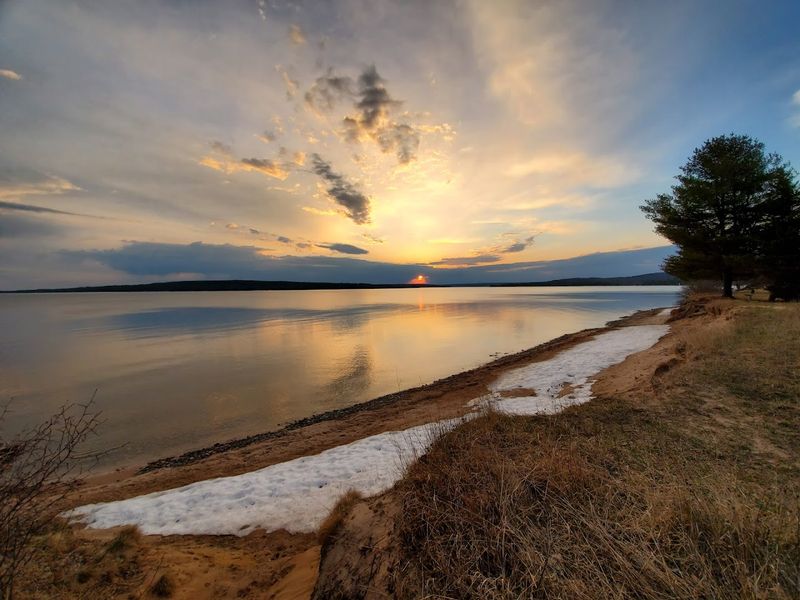
Bay Furnace Beach near Munising is one of those places where history and geology collide in the most satisfying way. The ruins of a 19th-century iron smelting furnace stand right on the Lake Superior shoreline, and the beach surrounding them is scattered with smooth stones, agates, and the kind of volcanic minerals that make this part of the UP a rockhounding destination worth a dedicated trip.
The beach is part of the Hiawatha National Forest and sits along a stretch of Lake Superior coastline that sees significant wave action, especially during fall storms. That wave energy is constantly working on the pebble beds, tumbling and sorting stones in ways that concentrate heavier, denser minerals like agates and jasper in specific areas.
Learning to read where those deposits accumulate takes a visit or two, but once you figure it out, the hunting gets noticeably more productive.
Yooperlites are a real possibility along this stretch of the UP shoreline. These sodalite-bearing rocks look completely ordinary in daylight, resembling dull gray or brownish chunks of nothing in particular.
But under a shortwave UV light at night, they erupt in brilliant shades of orange and yellow, making after-dark beach walks feel like something out of a science fiction story. Many rockhounders specifically plan evening hunts here during camping trips to Munising.
Munising itself is a fantastic base camp for exploring this region, with easy access to Pictured Rocks National Lakeshore and several other outdoor attractions. The town has good lodging options at various price points and a handful of solid local restaurants.
Bay Furnace Beach is just a short drive west of town along M-28, making it an easy addition to any Munising itinerary without requiring a major detour.
10. Petoskey State Park, Petoskey
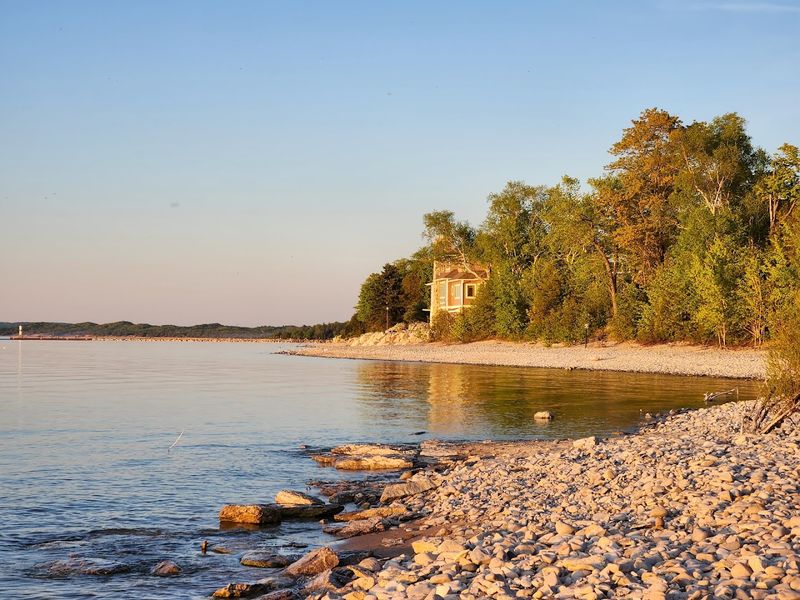
Petoskey State Park is the more natural, quieter alternative to hunting stones along the downtown breakwall, and many collectors actually prefer it. The park sits on the north end of Little Traverse Bay and offers a long stretch of natural shoreline that ranges from sandy beach to gravel-heavy pebble zones where Petoskey stones accumulate in satisfying quantities.
The gravel areas near the water’s edge are the prime hunting grounds, and they shift depending on recent weather and water levels. After a strong northwest wind pushes waves across the bay, the gravel line tends to be freshly sorted and packed with possibilities.
Experienced hunters work slowly and methodically along the waterline, flipping and wetting stones as they go rather than rushing through large sections of beach.
One underrated aspect of this park is its dune trail system, which climbs above the shoreline and offers sweeping views of Little Traverse Bay. The trail itself is not a rockhounding spot, but the perspective it provides helps you understand the bay’s geography and identify which sections of beach are likely to accumulate the most material.
It also makes for a great warm-up walk before you settle in for a serious stone-hunting session.
The park has a campground that books up quickly in summer, so reservations well in advance are essential if you want to stay overnight. Day visitors can access the beach with a Recreation Passport, which is the standard Michigan state park entry fee.
Early morning visits on weekdays are the sweet spot for anyone who wants the beach relatively to themselves. Petoskey State Park also has a nature center with displays about local geology that can help beginners understand exactly what they are looking for before they hit the sand.
11. F.J. McLain State Park, Hancock
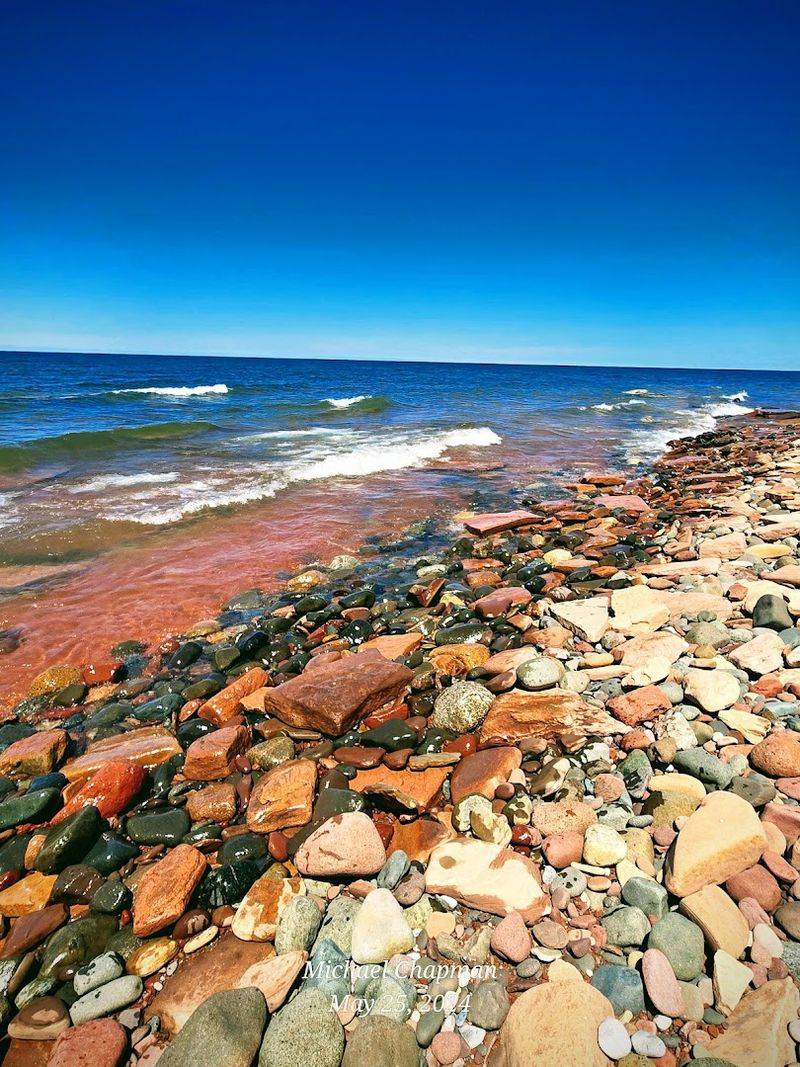
F.J. McLain State Park on the Keweenaw Peninsula is a rockhound’s playground with a backdrop dramatic enough to make you forget you are supposed to be looking down.
The park sits along Lake Superior’s Portage Entry, and its rocky shoreline is littered with basalt, copper-stained rocks, and volcanic minerals that reflect the peninsula’s extraordinary geological heritage.
Native copper is the headline find in this area, and even small fragments carry enormous geological significance given the Keweenaw’s history as the site of America’s first major mineral rush. The copper here did not form through typical hydrothermal processes but instead precipitated directly from ancient fluids moving through basaltic lava flows, which is genuinely unusual on a global scale.
Holding a piece of native copper from this region means holding a piece of Earth’s deep past.
The park’s beach varies between sandy sections near the campground and rockier stretches toward the outer edges, and the rockier areas are where the interesting minerals tend to concentrate. Low water years expose additional shoreline that is normally just out of reach, and those newly revealed sections can be surprisingly productive.
Wearing polarized sunglasses helps cut through surface glare when scanning shallow water near the shore.
Greenstone hunters also target this park, though finding a chlorastrolite specimen here requires serious patience and a sharp eye for tiny, dark green stones with distinctive patterning. The park’s campground is well-maintained and makes an excellent base for multi-day exploration of the entire Keweenaw Peninsula.
Hancock itself is a lively little city with good food and a strong sense of copper country identity that makes every visit feel rooted in something real and lasting.
12. Empire Beach, Empire
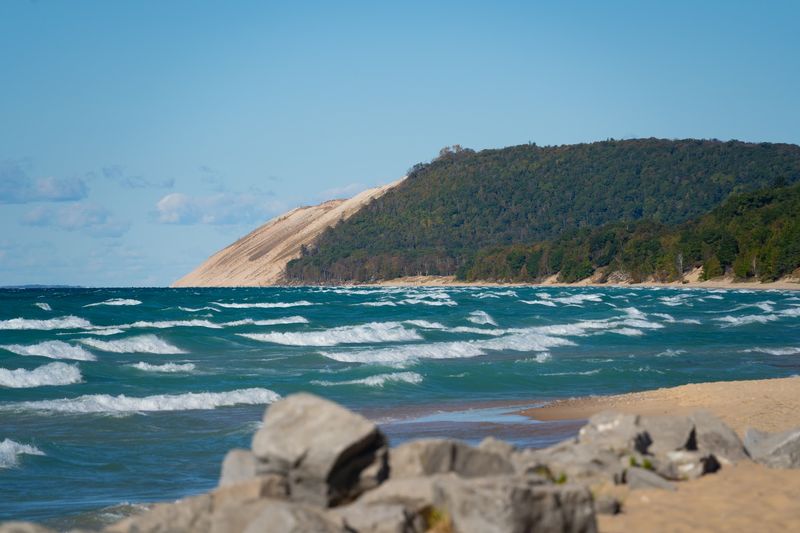
Empire Beach punches well above its weight for a spot that most people drive past on their way to Sleeping Bear Dunes. Sitting right on Lake Michigan at the edge of the national lakeshore, this small public beach has a gravelly northern section that collects Petoskey stones, fossils, and smooth lake-tumbled rocks in numbers that surprise first-time visitors who were not expecting much.
The key to success at Empire is reading the beach correctly. The sandy southern end near the main swimming area is not where you want to spend your hunting time.
Walk north along the shoreline until the sand gives way to gravel and pebble deposits, and that is where the real searching begins. The transition zone between sand and gravel is often especially productive because wave sorting concentrates denser stones in that band.
Empire sits at the base of the Sleeping Bear Dunes, and the visual contrast between the massive golden dunes rising behind you and the sparkling blue water in front of you is genuinely spectacular. It creates the kind of scenery that makes a slow, methodical stone-hunting session feel like anything but a chore.
Even if you come up empty-handed on a given day, you will leave feeling like the trip was worth it just for the view.
The town of Empire is tiny but has a few good local spots to grab food or coffee after your beach session. The nearby Philip A.
Hart Visitor Center for Sleeping Bear Dunes is worth a stop for anyone curious about the geology of the region and how the Great Lakes were shaped by glaciers. Parking at Empire Beach is free and accessible, making it one of the easiest entry points into Lake Michigan rockhounding along the Leelanau Peninsula.
13. Grand Marais Beach, Grand Marais
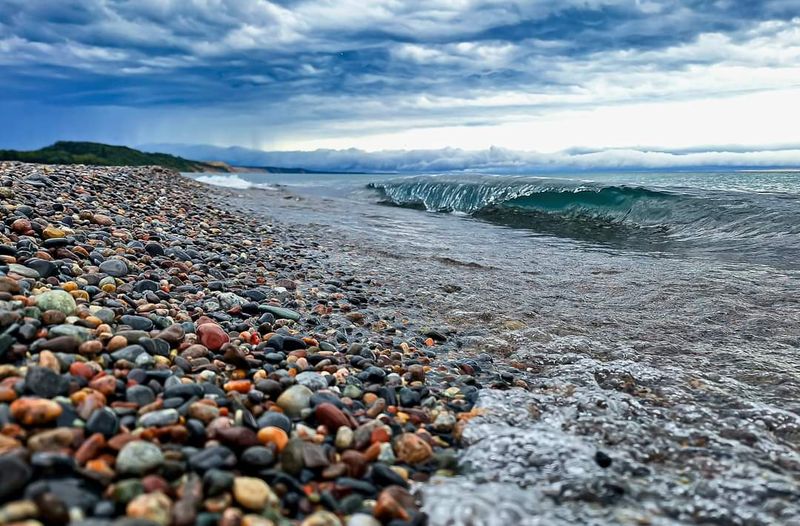
Grand Marais is the kind of place that feels like the edge of the world in the best possible way, and its Lake Superior beach is one of the top rockhounding destinations in the entire Upper Peninsula. The small harbor town sits along a protected bay with open Lake Superior access, and the pebble beaches on either side of the harbor are rich with agates, jasper, banded chert, and other volcanic minerals that collectors travel long distances to find.
The eastern beach stretching toward the Pictured Rocks National Lakeshore boundary is particularly productive and sees less foot traffic than the area immediately in front of town. Working your way along this stretch slowly, wetting stones and checking their color and translucency, is the method most experienced agate hunters use here.
Translucency is a key indicator for agates because light passes through them in ways that ordinary rocks simply do not allow.
Yooperlite hunting is another major draw at Grand Marais, and the relatively dark skies away from any significant light pollution make after-dark UV searches genuinely exciting. The sodalite rocks that glow under ultraviolet light are found with some regularity along this stretch of shoreline, and the experience of watching an otherwise dull gray rock suddenly erupt in orange is something that sticks with you long after the trip ends.
Bring a good-quality shortwave UV flashlight and fresh batteries for the best results.
Grand Marais has a small but genuinely welcoming community with a brewery, a few restaurants, and basic lodging options that make it easy to plan a multi-day stay. The surrounding area includes the Pictured Rocks, Tahquamenon Falls, and several other world-class natural attractions that turn a rockhounding trip into a full Upper Peninsula adventure worth every mile of the drive.
Share this story