Texas doesn’t just do things big—it does them weird, wonderful, and absolutely unforgettable. From celebrating insects to racing wiener dogs, the Lone Star State hosts some of the quirkiest festivals you’ll ever experience. These gatherings prove that Texans know how to have a good time while honoring everything from rattlesnakes to oatmeal, creating traditions that are equal parts bizarre and brilliant.
1. The Great Texas Mosquito Festival
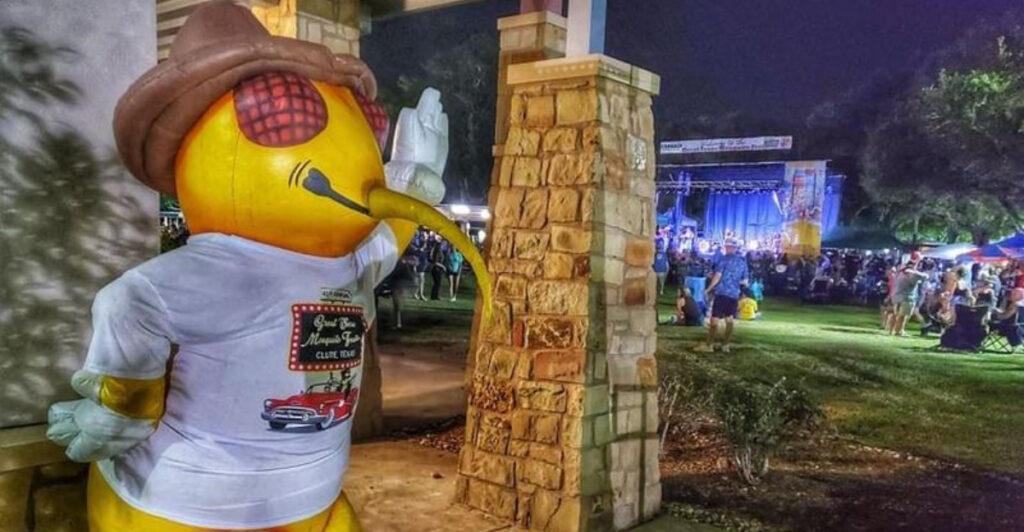
Clute decided to throw a party for its most annoying resident, and somehow it turned into one of the state’s most beloved summer traditions. Every July, this Gulf Coast town celebrates the humble mosquito with a festival that’s part comedy, part community pride, and entirely Texas. What started as a joke about the area’s pesky population has evolved into a full-blown celebration complete with carnival rides, live music, and enough fried food to make you forget you’re honoring an insect.
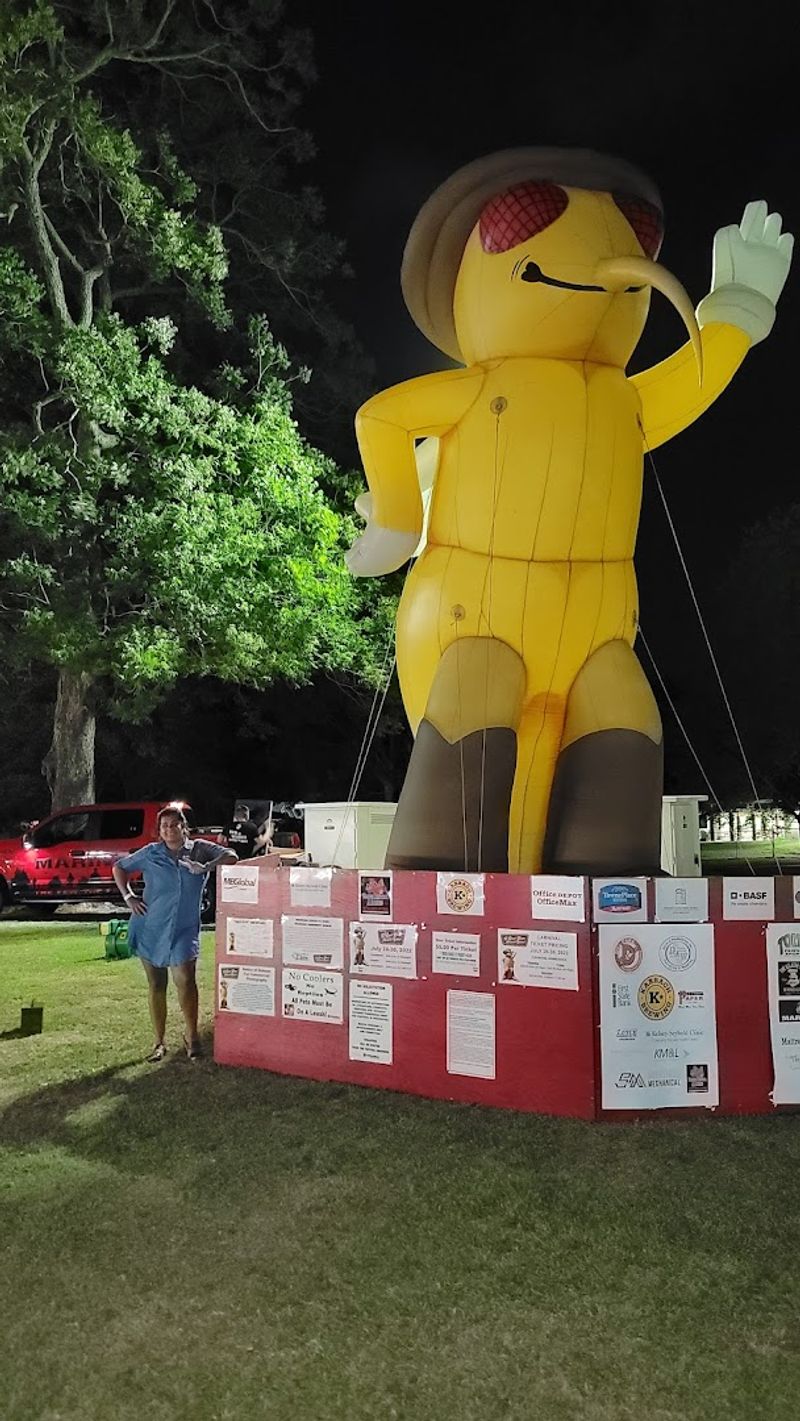
The festival crowns a Mosquito Queen each year, and contestants compete in the Mosquito Calling Contest where participants buzz, hum, and swat their way to victory. There’s also the Mr. and Mrs. Skeeter Legs Competition, which is exactly as ridiculous as it sounds. Kids love the Willie Man-Chew character, a 26-foot mosquito mascot that somehow manages to be charming rather than creepy.
Beyond the mosquito-themed shenanigans, you’ll find typical Texas festival fare done right. Food vendors serve everything from funnel cakes to corn dogs, while local bands keep the energy high throughout the weekend. The carnival midway offers rides for all ages, making it a genuine family-friendly event despite its unusual honoree.
What makes this festival truly special is the community spirit behind it. Clute residents fully embrace the absurdity, turning a nuisance into a source of pride and entertainment. The event raises money for local causes and brings together folks who appreciate the Texas tradition of not taking yourself too seriously.
When life gives you mosquitoes, throw a festival—that’s the Clute way, and it’s worked beautifully for decades.
2. Luling Watermelon Thump
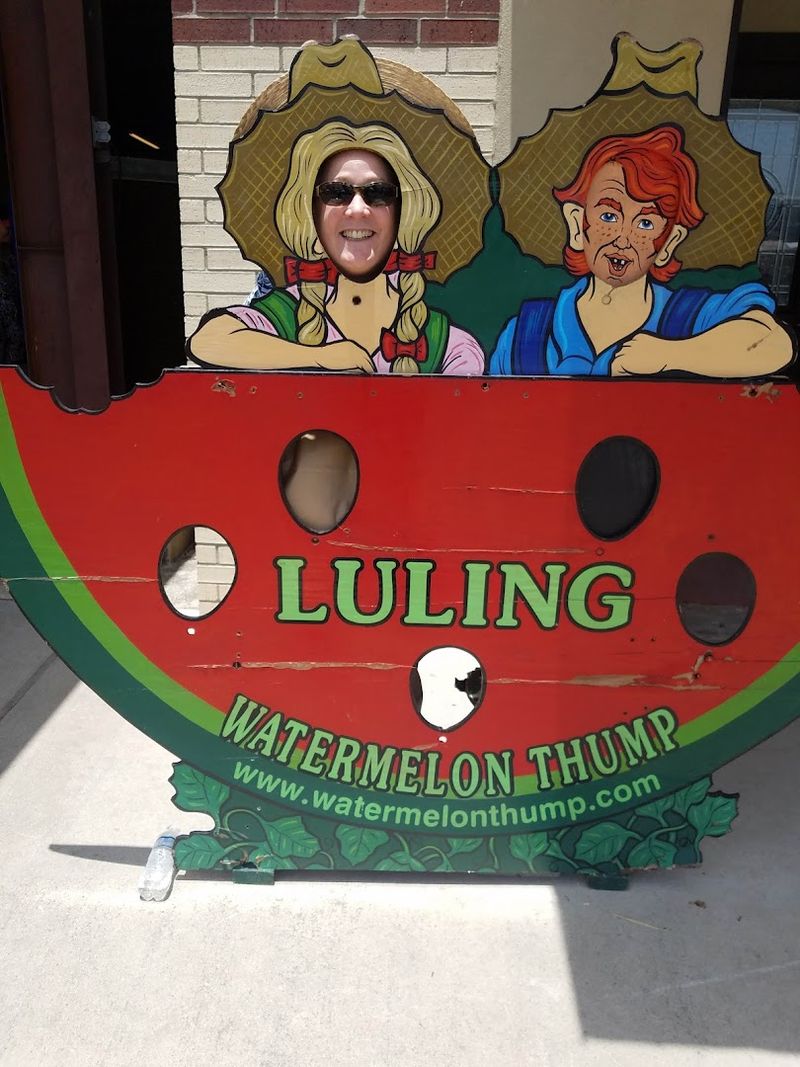
Since 1954, Luling has been thumping watermelons with serious dedication, and this festival proves that Texans can make anything into a competitive sport. Held every June, the Watermelon Thump transforms this small town into the watermelon capital of the state for one spectacular weekend. The highlight?
Watching grown adults spit watermelon seeds as far as humanly possible while crowds cheer like it’s the Super Bowl.
Seed-spitting competitions draw serious competitors who train year-round for their moment of glory. The current records stretch beyond 60 feet, which seems impossible until you witness these athletes in action. There’s also watermelon eating contests where speed and stomach capacity determine the champions, plus the crowning of the Thump Queen who represents the town throughout the year.
The festival grounds fill with arts and crafts vendors, food booths serving watermelon in every conceivable form, and a carnival midway that lights up the night. Live music stages feature country, rock, and Tejano bands, ensuring there’s something for every musical taste. The parade down Main Street showcases local schools, businesses, and organizations, all decorated in watermelon themes that range from clever to absolutely bonkers.
What began as a way to celebrate the local watermelon harvest has become a cornerstone of Luling’s identity. The town takes its watermelon heritage seriously while never losing sight of the fun. Kids paint watermelons, families compete in relay races carrying the hefty fruits, and everyone leaves with sticky hands and full bellies.
The Thump proves that small-town Texas festivals don’t need elaborate concepts—sometimes celebrating a delicious summer fruit is reason enough to gather.
3. Sweetwater Rattlesnake Roundup
Sweetwater’s relationship with rattlesnakes is complicated, but every March, the town invites everyone to witness how West Texas handles its serpent situation. This isn’t your typical nature appreciation event—it’s a full-scale rattlesnake wrangling extravaganza that’s been running since 1958. Hunters bring in thousands of pounds of rattlesnakes, and what follows is equal parts educational, shocking, and undeniably Texan.
The main attractions include snake handling demonstrations where experts show proper techniques for dealing with these venomous reptiles. Visitors can watch snakes being milked for venom, which gets used for medical research and antivenom production. There’s even a Miss Snake Charmer pageant, because of course there is.
The festival also features guided hunts where participants learn rattlesnake safety and conservation practices.
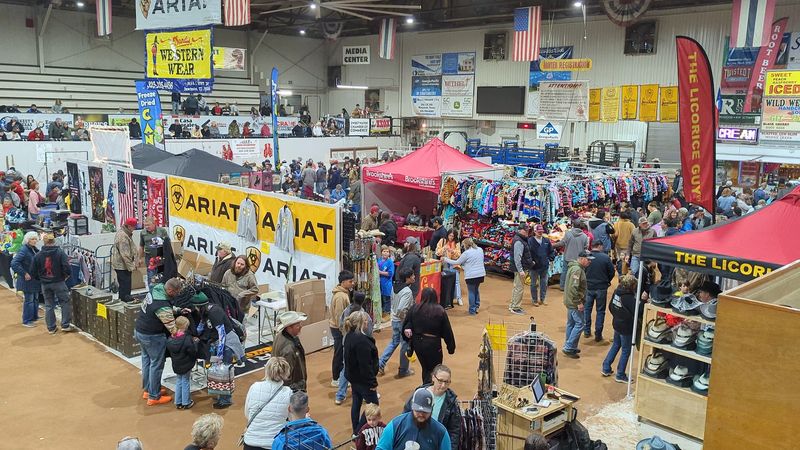
Beyond the reptiles, the roundup offers a massive carnival, arts and crafts vendors, and food options that include—you guessed it—rattlesnake meat prepared various ways. Gun and knife shows attract collectors, while cook-offs and eating contests add competitive elements. The parade kicks off the weekend with floats, bands, and community groups celebrating Sweetwater’s unique claim to fame.
Controversy has followed this event as conservation awareness has grown, and organizers have adapted by emphasizing education and responsible wildlife management. The roundup now includes conservation talks and demonstrations about rattlesnake ecology and their role in the ecosystem. Love it or question it, the Sweetwater Rattlesnake Roundup remains one of Texas’s most distinctive festivals, drawing visitors curious about this bold approach to wildlife and community tradition that you simply won’t find anywhere else.
4. Bertram Oatmeal Festival
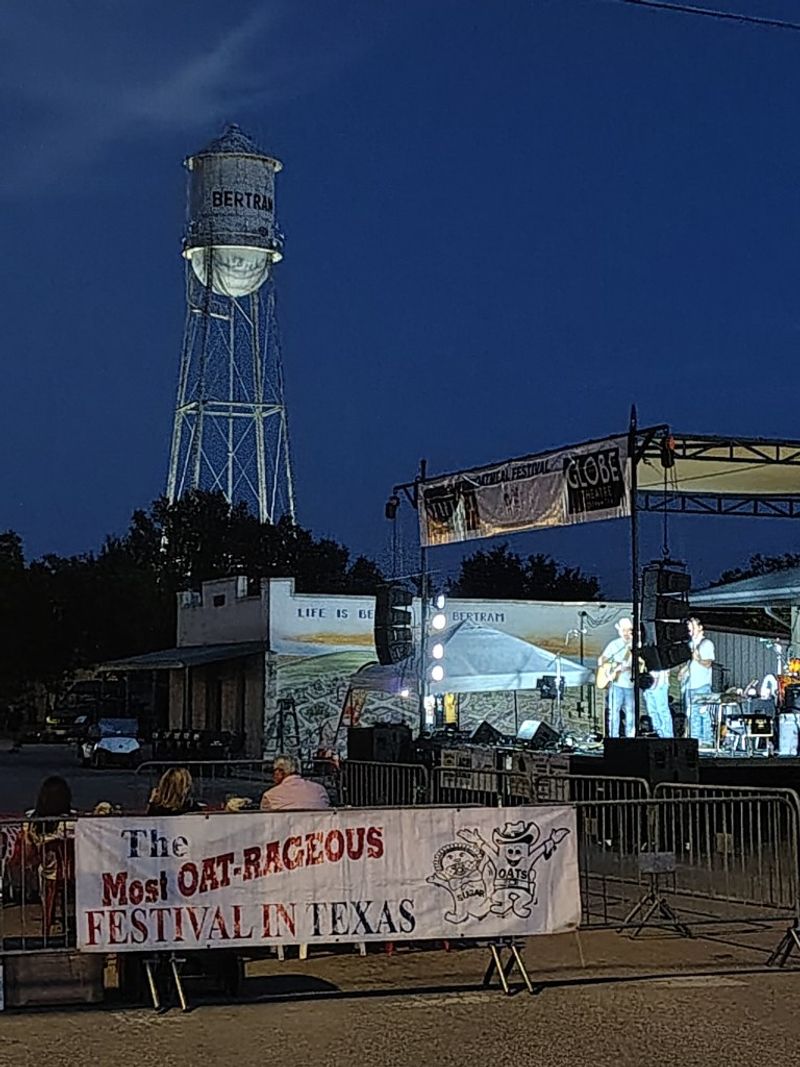
What started as a celebration of a humble breakfast staple has grown into one of Texas’s most unexpectedly entertaining February festivals. This Hill Country town doesn’t pretend oatmeal is glamorous—instead, it leans into the wholesome, comforting nature of this humble grain with events that are creative, family-friendly, and delightfully low-key. The festival began in 1977 and has become a beloved tradition that draws visitors who appreciate unpretentious Texas charm.
The Oatmeal Sculpture Contest is the creative centerpiece where artists use uncooked oatmeal to create impressive three-dimensional artworks. Past entries have included everything from historical scenes to pop culture references, all constructed from oats and a lot of imagination. There’s also an oatmeal cook-off where contestants submit their best recipes, proving this grain has range beyond the standard bowl with brown sugar.
Kids enjoy the Little Miss and Little Mister Oatmeal pageant, which focuses on personality rather than appearance, keeping things sweet and age-appropriate. A parade featuring local organizations, school bands, and oatmeal-themed floats winds through downtown Bertram. The festival grounds offer craft vendors, food booths, and entertainment throughout the day, creating a genuine small-town atmosphere where neighbors catch up and families make memories.
What’s refreshing about the Oatmeal Festival is its complete lack of pretension. Nobody’s claiming oatmeal is exciting or trendy—it’s just good, reliable, and worthy of appreciation. The festival raises funds for local causes and brings the community together around something simple and wholesome.
In a state known for bold flavors and big personalities, Bertram’s quiet celebration of oatmeal stands out precisely because it doesn’t try too hard, offering a warm, welcoming experience that feels like a hometown hug.
5. Texas SandFest
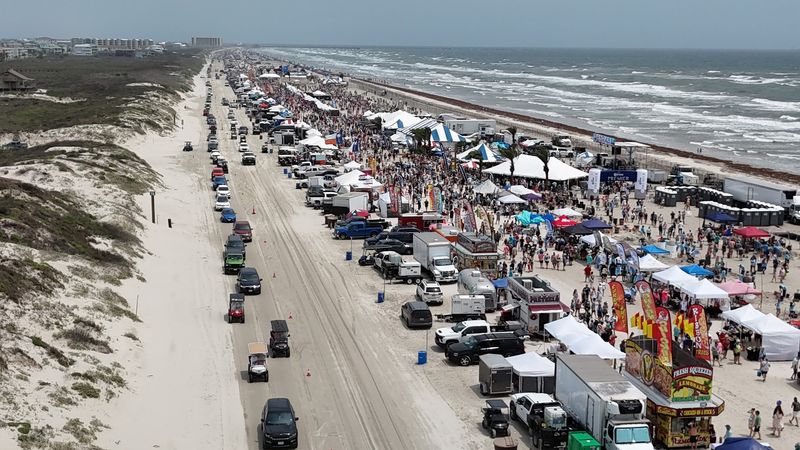
Port Aransas transforms its beaches into an outdoor art gallery every April when master sand sculptors descend on the coast for Texas SandFest. What began in 1997 as a small competition has exploded into one of the largest sand sculpture events in the United States, attracting artists from around the world. These aren’t simple sandcastles—they’re intricate, towering works of art that seem to defy the medium’s temporary nature and showcase mind-blowing talent.
Professional sculptors spend days creating elaborate pieces that often stand over ten feet tall and feature incredible detail. Past themes have ranged from mythology to music history, with each artist interpreting the subject through sand and water. Watching these masters work is mesmerizing as they use simple tools to carve faces, animals, and complex architectural elements from compacted sand.
The Solo and Team competitions bring out fierce but friendly rivalry among participants.
The family-friendly atmosphere includes amateur competitions where kids and adults can try their hand at sand sculpting with guidance from professionals. Live music fills the air throughout the weekend, and food vendors offer coastal favorites like fish tacos and shrimp baskets. The event stays free to the public, making world-class art accessible to everyone who visits the beach that weekend.
What sets SandFest apart is the combination of serious artistic achievement and beach-town relaxation. You can admire sculptures that took 30 hours to create, then walk a few yards to splash in the Gulf waves. The temporary nature of sand art adds poignancy—these masterpieces will eventually return to the beach, making each viewing special.
Port Aransas has found the perfect way to celebrate its coastal location while showcasing international talent.
6. Buda Wiener Dog Races
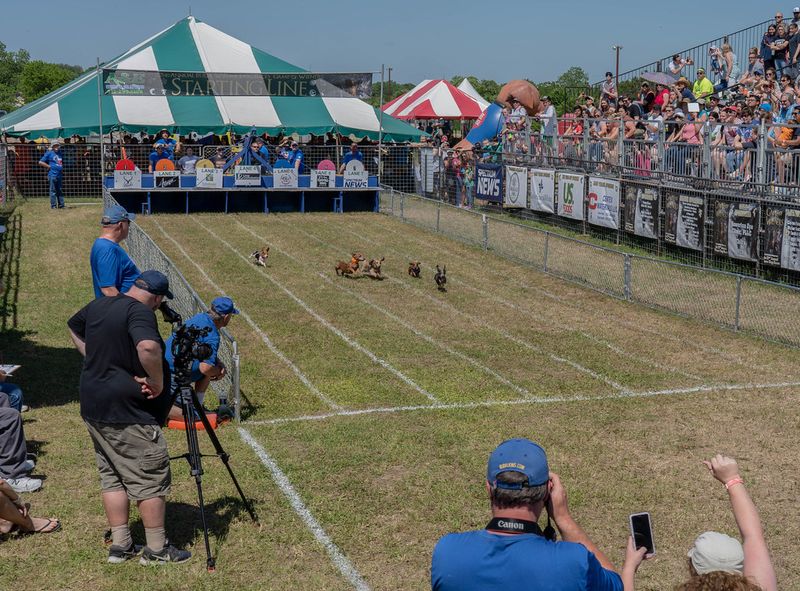
Every April, Buda hosts what might be the most adorable athletic competition in Texas—dozens of dachshunds racing their little hearts out while spectators lose their minds cheering. The Wiener Dog Races have become such a phenomenon that the event now draws thousands of visitors and competitors from across the state. Watching these short-legged speed demons sprint down a 50-foot track delivers pure, unfiltered joy that’s impossible to fake.
The races are organized by age, size, and heat, giving every participating dachshund a fair shot at glory. Some dogs are laser-focused competitors who bolt toward their owners at the finish line with impressive determination. Others get distracted, wander off course, or simply decide that racing isn’t their thing today, which honestly makes it even more entertaining.
The crowd enthusiasm never wavers regardless of whether dogs are breaking speed records or stopping mid-race to sniff something interesting.
Beyond the main races, the festival includes a Wiener Dog Costume Contest where creativity and cuteness collide in the best possible way. Hot dogs dressed as hot dogs, dachshunds in superhero capes, and elaborate themed outfits compete for prizes and audience applause. There’s also a Dashund Derby where owners can enter their pups, plus a Kids’ Dash and other family activities throughout the grounds.
The festival atmosphere extends beyond the dogs with live music, food vendors, arts and crafts booths, and a kid zone with games and activities. Local businesses set up displays, and the whole event benefits the Lions Club, making it a community fundraiser disguised as a wiener dog party. Buda has struck gold with this festival—it’s quirky, heartwarming, family-friendly, and perfectly captures Texas’s ability to turn anything into a celebration worth attending.
7. Bob Wills Day
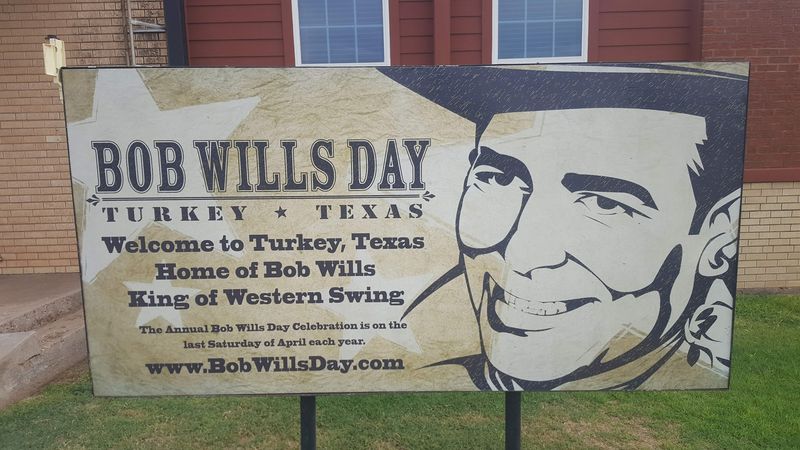
Turkey, Texas, celebrates its most famous son every April with a festival dedicated to Bob Wills, the King of Western Swing. For those unfamiliar, Wills revolutionized American music by blending country, jazz, blues, and big band sounds into something uniquely Texan. His influence on country music cannot be overstated, and Turkey honors his legacy with a festival that’s part music history lesson, part dance party, and entirely authentic to the Panhandle spirit.
The festival brings together Western swing bands from across the region who perform Wills’s classics and keep the genre alive for new generations. Fiddle contests showcase the instrumental virtuosity that defined Western swing, with competitors of all ages demonstrating their skills. Dance floors fill with two-steppers and swing dancers who know every move, while newcomers learn from patient locals who remember when Bob Wills himself played these rhythms.
Turkey maintains the Bob Wills Museum, which opens its doors during the festival to display memorabilia, instruments, and artifacts from Wills’s career. Walking through exhibits, you’ll see his fiddles, stage outfits, and photographs documenting his rise from small-town Texas to national fame. The museum provides context for understanding why this one man’s musical innovation matters so much to American cultural history.
What makes Bob Wills Day special is its genuine connection to musical heritage rather than manufactured nostalgia. Turkey doesn’t have much—it’s a tiny Panhandle town that’s seen better economic days. But it has Bob Wills, and residents protect that legacy with pride and authenticity.
The festival draws music lovers who appreciate Western swing’s sophisticated sound and dancers who know that Wills created something timeless. It’s a pilgrimage for fans and a beautiful introduction for anyone discovering this uniquely Texas musical treasure.
8. Texas Cowboy Reunion
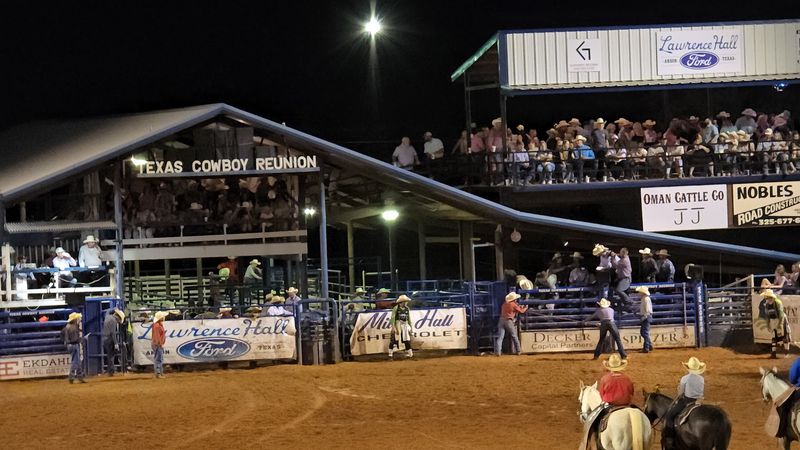
Stamford hosts the Texas Cowboy Reunion every July, and calling it just another rodeo misses the point entirely. This gathering, which started in 1930, is the largest amateur rodeo in the world and functions as a genuine reunion for working cowboys and ranching families. It’s not a show put on for tourists—it’s the real deal, where participants are actual ranch hands who rope, ride, and wrangle for a living, not just on weekends.
The rodeo events include all the classics: bull riding, bronc riding, barrel racing, calf roping, and team roping, but performed by cowboys who do this work daily. The skill level is extraordinary because these aren’t hobbyists—they’re professionals in the truest sense. What’s different is the atmosphere; competitors know each other, families camp together, and the whole event feels like a massive family gathering where everyone happens to be exceptionally good at handling livestock.
Beyond the arena action, the reunion includes a chuck wagon cook-off, cowboy poetry readings, and Western art exhibits. The grounds fill with vendors selling authentic Western gear—not costume shop versions, but working saddles, boots, and equipment ranchers actually use. Dances are held nightly with live country and Western swing bands, and the dance floor stays packed until late with couples who actually know how to two-step properly.
Stamford’s reunion matters because it preserves genuine cowboy culture in an era when much of the Old West has become sanitized entertainment. The town takes this responsibility seriously, maintaining traditions without turning them into theme park attractions. Attending means witnessing a way of life that’s increasingly rare, where horsemanship and cattle handling remain essential skills passed through generations.
It’s history that’s still alive, competition that’s still real, and community that’s still tight-knit.
9. World Championship BBQ Goat Cook-Off
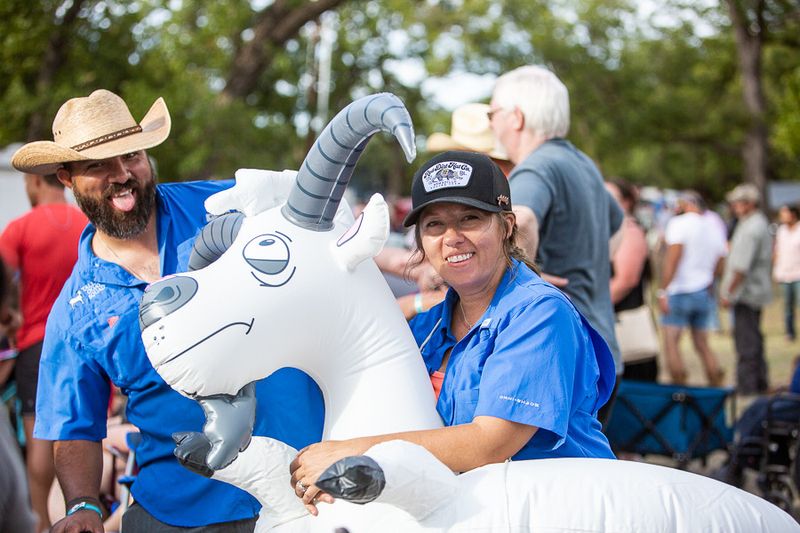
Brady declares itself the Heart of Texas both geographically and gastronomically every September when it hosts the World Championship BBQ Goat Cook-Off. Before you scrunch your nose, understand that goat is one of the most widely consumed meats globally, and in Texas ranch country, it’s a staple that deserves serious culinary respect. This cook-off brings together pitmasters who know how to transform cabrito into tender, flavorful BBQ that converts even the skeptical.
Teams compete in multiple categories including cabrito (young goat), adult goat, and various side dishes, with judges evaluating taste, tenderness, and presentation. The competition is fierce because pride and bragging rights are on the line. Cooking techniques vary widely—some teams go traditional with simple seasoning and slow smoking, while others experiment with marinades and rubs that add creative twists.
Walking through the cook-off grounds, you’ll smell mesquite smoke and spices mixing in the air while competitors tend their pits with focused intensity.
Beyond the competition, the festival offers live music on multiple stages, arts and crafts vendors, a carnival midway, and food booths where you can sample goat prepared various ways. There’s also a parade, street dance, and family-friendly activities throughout the weekend. The event raises funds for local charities and brings the community together in celebration of their ranching heritage and culinary traditions.
What’s refreshing about this festival is its unapologetic embrace of regional food culture. Brady doesn’t try to make goat trendy or explain it away—the town simply celebrates what’s been cooked here for generations. For visitors willing to try something different, the cook-off offers delicious education about a meat that’s sustainable, flavorful, and deeply rooted in Texas ranch life.
You’ll leave with a full stomach, newfound appreciation for cabrito, and respect for Brady’s commitment to its unique culinary identity.